
The Ultimate Bathroom Cleaning Checklist & Step-by-Step Sanitation Guide
Most bathroom cleaning advice treats every home as if it has the same schedule, surfaces, and tolerance for clutter. Real homes do not work that way. A powder room used by visitors needs a different rhythm from a main bath shared by two adults and children, and a rental may have rules about what can be changed. A useful checklist leaves room for those differences. Think of this page as a maintenance plan rather than a marathon. The aim is to keep ordinary residue from becoming a big, discouraging job. You will still have a deeper reset to do now and then, but the everyday routine becomes a collection of small decisions: dry the shower, put the cloth back where it belongs, empty the bin, and notice a problem before it is hidden under another week of life.
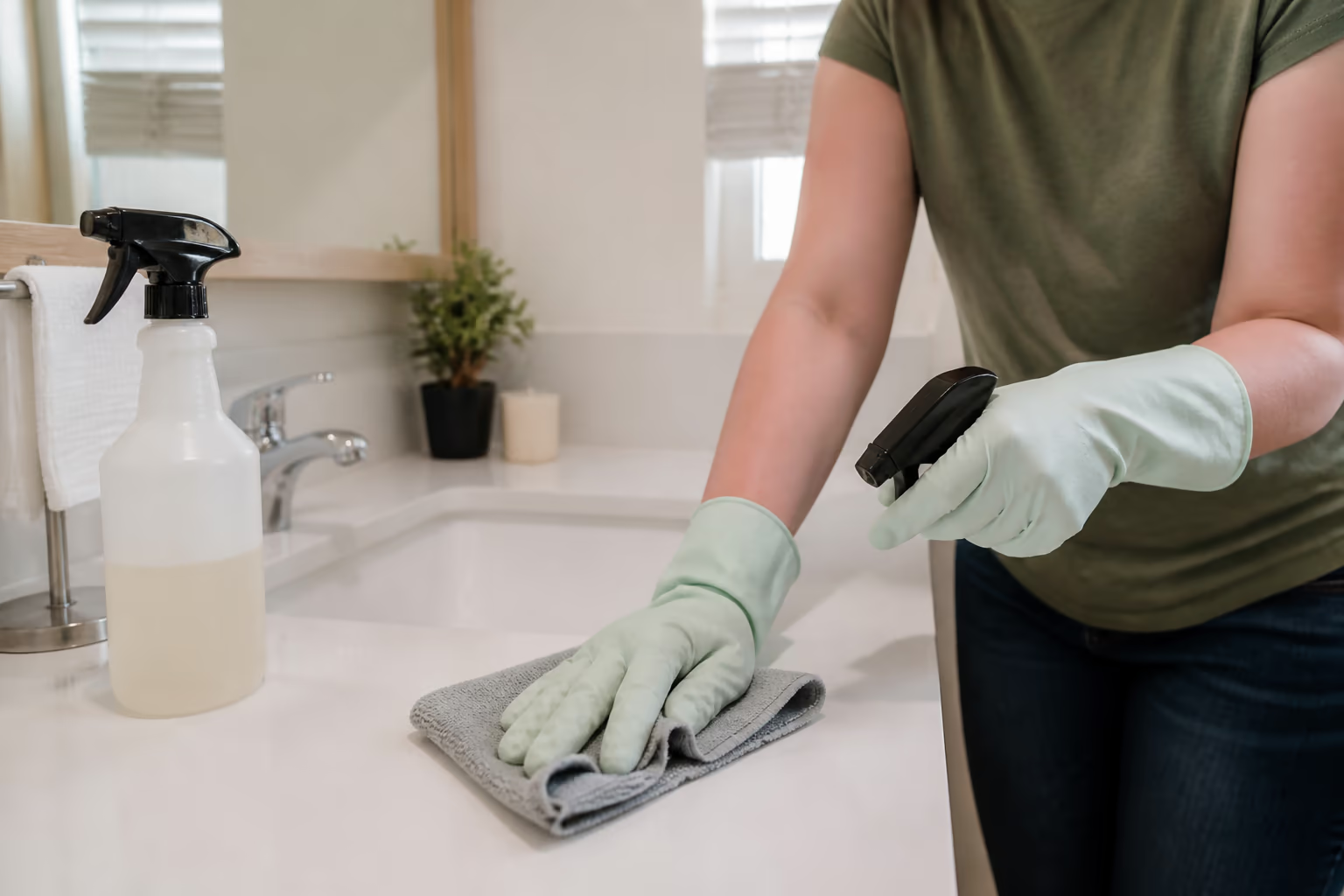
Quick Summary: Use this checklist to make bathroom care easier to keep up with, not harder to start. It separates the small jobs worth doing during the week from the less frequent reset, gives every tool a clear role, and helps you decide when a stain is really a maintenance issue.
Start With a Bathroom That Works for Its Users
Before choosing a cleaning frequency, notice how the room is used. Count the people who use it, not just the people who live in the home. Guests, children learning their routines, shift workers showering at unusual hours, and pets that drink from a toilet bowl can all change what the room needs. The right plan should feel ordinary enough to follow on a tired Tuesday.
Make the bathroom easy to reset. Keep only daily items on the counter, give spare products a drawer or basket, and make room for a hand towel to dry properly. If every surface is used as storage, cleaning will always begin with a frustrating sorting task. Fewer objects in the open also make it easier to spot a leak, loose seal, or ring around a fixture.
Choose cleaning tools that match the people doing the work. A heavy bucket may not be practical for everyone. A small handled bin, a long-handled brush, or several pre-folded cloths can make the same routine more manageable. There is no prize for using a complicated system when a simple one gets used.
Finally, agree on the few jobs that matter most in a shared bathroom. One household may decide the counter is wiped after the morning rush; another may decide that the shower glass and bath mat are the visible priorities. Naming those expectations is kinder than assuming one person will notice and quietly do everything.
Put Everyday Tasks on a Short, Realistic List
An everyday checklist should take minutes, not an entire evening. It is there to prevent the small annoyances that make a bathroom feel grubby: a wet counter, hair by the drain, an overflowing bin, and a mirror dotted with toothpaste. Pick the tasks that match your household, then keep the list where it can be seen or remembered.
- Wipe the sink and counter after the busiest part of the day:A quick pass removes fresh splashes before they dry and keeps personal items from sitting in puddles.
- Hang towels and straighten the bath mat:Give fabric a chance to dry and check that the mat is not bunched at the door or pressed into a damp corner.
- Clear hair from the drain cover:Do this with a tissue or suitable tool before it has a chance to become a stubborn clump.
- Squeegee or dry the shower surface when it is practical:A few strokes can reduce the water marks you see later on glass and chrome.
- Empty the bin when it is full:An overfilled bin makes an otherwise clean powder room look neglected immediately.
- Put products back in their homes:Returning bottles to a basket or drawer keeps the counter usable for the next person.
These are maintenance jobs, not a test of cleanliness. Miss a day and start again the next day. A routine that tolerates interruptions is much more likely to last than one that assumes a perfect week. For a longer walkthrough of the same daily-to-monthly rhythm, see our bathroom cleaning checklist guide.
Keep a Weekly Checklist for the Visible Surfaces
The weekly pass is where you take care of the surfaces people touch and notice. It is often enough for a bathroom that has had basic daily care, and it gives you a chance to catch a minor problem before it turns into an annoying project. Set aside enough time to work without rushing, but do not pad the task list simply because it is labelled weekly.
- 01Clean the sink, tap, counter, and cabinet pulls:Use a product that suits the finish, paying attention to the tap base and the narrow areas where toothpaste and soap collect.
- 02Clean the toilet bowl and exterior with dedicated tools:Follow product directions and keep bowl tools and cloths apart from the rest of the bathroom kit.
- 03Wipe the mirror and any glass shelves:Use a clean cloth and check the result from the doorway, where streaks and missed corners are easier to see.
- 04Refresh the shower or tub:Remove bottles, wipe the ledges and fixtures, and deal with fresh residue before it has a chance to build up.
- 05Vacuum or pick up hair, then clean the floor:Work from the farthest corner towards the door so you do not walk across the wet area.
- 06Change or wash towels and mats as their care labels allow:Fabrics are part of the room, and fresh ones can make a modest clean feel finished.
If the bathroom is busy, split the list. One person can handle the floor and bin while another does the sink and mirror. The goal is a room that remains pleasant to use, not a perfectly coordinated household performance. For sink and counter jobs, a homemade citrus all-purpose cleaning recipe is a lower-fume option that still cuts through soap residue.
Plan a Monthly Reset for the Edges People Skip
A monthly reset is a good time to look beyond the centre of the counter and the inside of the bowl. It catches the slow build-up at edges, in tracks, and around hardware without making every weekly clean too long. In a quieter bathroom, this may be less frequent; in a heavily used one, some of these jobs may move into the weekly pass.
The monthly pass is the right moment to look for moisture. Health Canada's mould guidance says to inspect anywhere damp for stains or discolouration and a musty earthy odour, and to fix moisture problems as soon as they appear. Health Canada names the cause directly: “Excessive moisture is one of the most common causes of poor indoor air in homes, classrooms and public spaces, because moisture promotes the growth of mould and dust mites.”
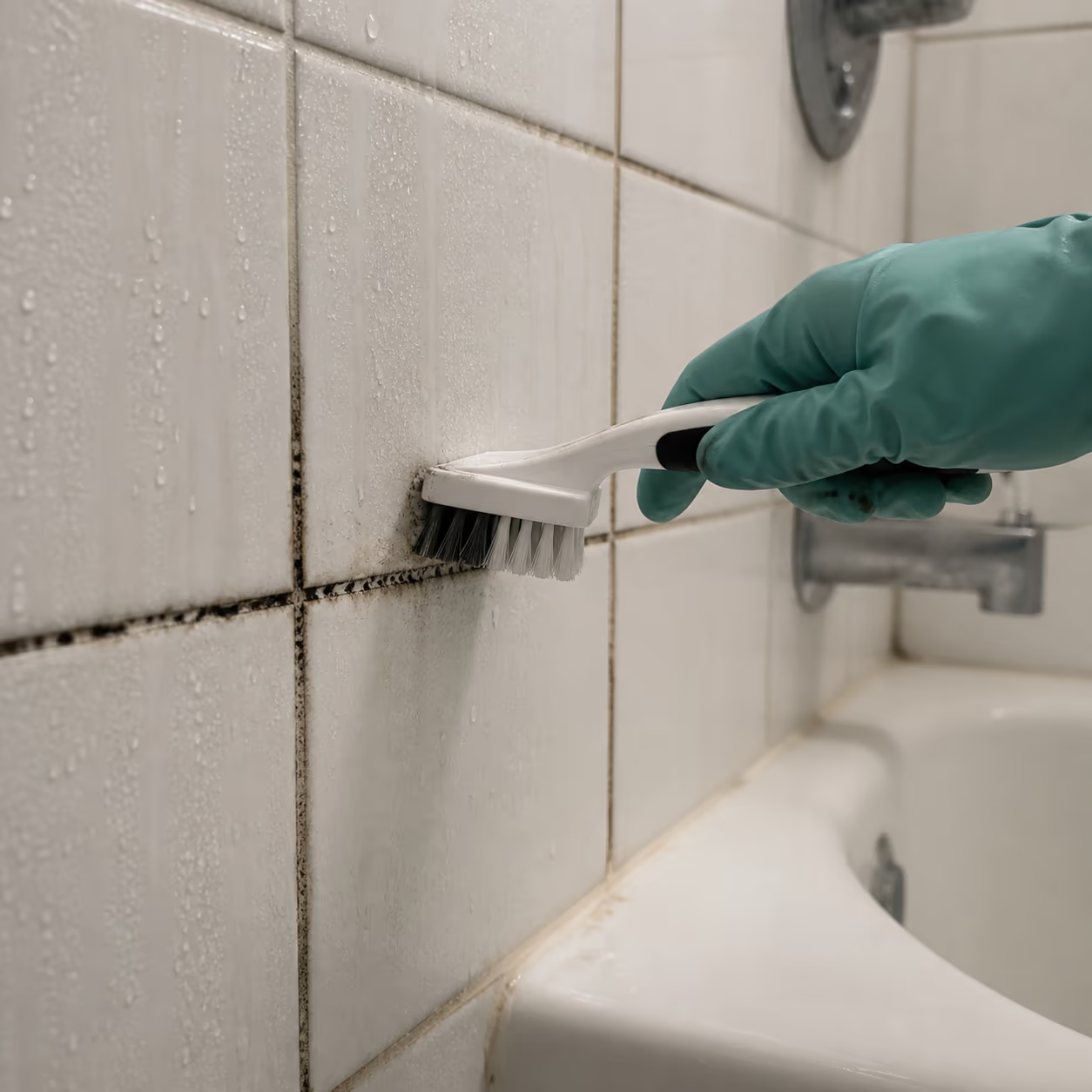
Start with the shower track, tile corners, the soap dish, the top of the cabinet, the vanity base, and the floor beside the toilet. These places collect residue because water, air, and hands do not reach them evenly. A soft brush or cloth is usually more useful than a harsh product, especially on finishes you do not know well.
Look at the condition of caulk, grout, and seals while the room is empty. Cleaning can reveal a gap or crack that was hidden by dirt. It cannot restore material that has failed. Make a note of anything that needs repair instead of repeatedly scrubbing the same mark and hoping it will behave like surface residue.
Check cupboards for old products, leaking containers, and empty bottles. Dispose of items according to their labels and local guidance rather than pouring unknown products together. This small piece of housekeeping prevents the under-sink cupboard from becoming the least pleasant place in the home.
Build a Tool System That Prevents Mix-Ups
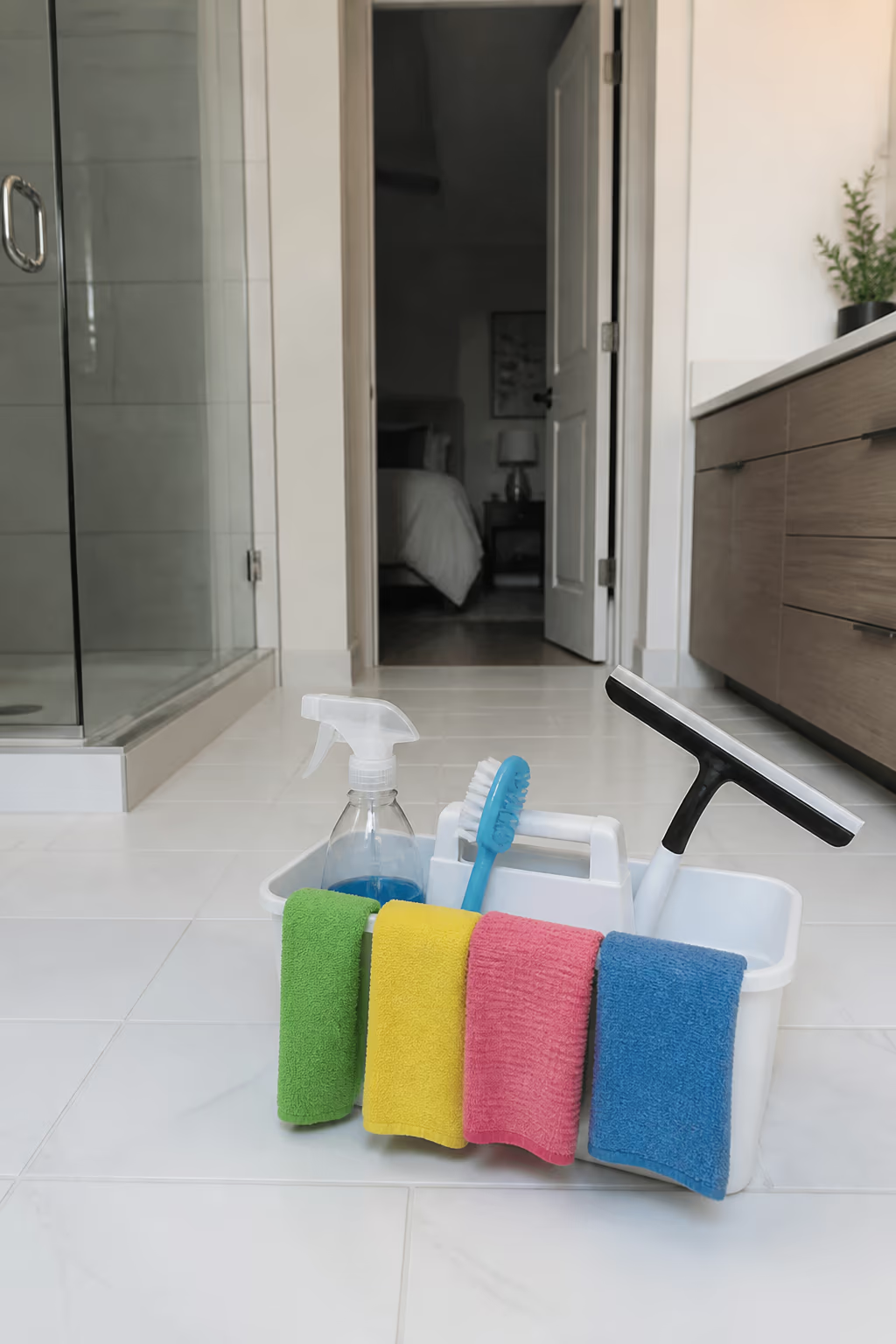
The most helpful cleaning system is visible at a glance. Use separate cloths for the toilet and for the vanity, or mark them with a simple symbol if colour-coding is not your thing. Store the toilet brush where it can dry, and do not use it on a floor, tub, or sink. These boundaries are practical, not precious.
Fold microfibre cloths into quarters before you begin. Each fold gives you a clean side, so you can switch surfaces without reaching for a new cloth every minute. When all sides are used, put the cloth in the laundry rather than rinsing it endlessly in the same water. A stack of clean cloths is often more effective than a single cloth asked to do the whole room.
Keep abrasive pads and sharp scraping tools out of the default kit. They may be appropriate for a specific material and a specific problem, but they are not a sensible first response to a cloudy shower door or a stubborn mark on a tub. Start mild, check the care instructions, and escalate only when you know the surface can take it.
If someone in the home has sensitivities or there are children or pets around, storage matters as much as product choice. Close containers, keep them in their original labelled packaging, and place them where they are not accessible to children or animals. Cleaning should not create a new household hazard.
The Ultimate Room-by-Room Reset Sequence
When the bathroom needs more than a weekly pass, use this order. It is designed to keep the cleanest work away from the dirtiest and to make the floor the final catch-all surface.
- 01
Clear and ventilate the room
Put away loose personal items, open the window or use the fan if appropriate, and read the labels for any product you plan to use.
- 02
Remove dry debris
Empty the bin, collect hair, and dust high ledges, vents, and shelf tops before introducing moisture.
- 03
Apply products only where they are needed
Treat the shower, tub, sink, or toilet bowl with a surface-compatible product and follow the label directions.
- 04
Reset the vanity zone
Clean the counter, basin, tap, mirror, cabinet fronts, and drawer pulls, then return only the items used every day.
- 05
Work through the shower or tub
Clean one section at a time, rinse when required, and dry the glass, chrome, or track where the surface care calls for it.
- 06
Detail the toilet with dedicated tools
Clean the bowl and exterior in an orderly pass, including hinges, flush control, base, and nearby touchpoints.
- 07
Check the overlooked surfaces
Wipe the light switch, door handle, towel hook, bin lid, baseboards, and the narrow gap beside the vanity.
- 08
Finish with the floor and reset supplies
Pick up anything that fell during the clean, work towards the door, rinse and store tools, and leave the room ready for its next user.
This sequence is deliberately ordinary. It does not rely on magic products, guessed chemical timings, or a promise that every mark will disappear. It simply avoids the most common waste of effort: doing the floor first, using one cloth everywhere, or putting bottles back before the counter is dry.
Treat Common Bathroom Problems as Clues
Cloudy shower glass usually tells you that water and product residue are being left to dry. Start with the care instructions for the glass and frame, use a compatible cleaner, and dry the surface after rinsing if the finish allows it. If a patch never changes, it may be wear or damage rather than dirt. Stronger rubbing will not turn damaged glass into new glass.
Marks around a tap or drain can be residue, but they can also point to a slow leak. If a mark returns after the surface has been cleaned and dried, look for moisture under the vanity, around the base, or inside the cabinet. Photographing a recurring issue can be useful when you need to describe it to a landlord, plumber, or maintenance person.
Persistent odours should not be buried under fragrance. Empty the bin, wash fabric items, clean the drain cover, and look for damp items or a leak. If the odour continues or you see signs of a plumbing issue, address the source rather than treating the room with more scented product.
Discolouration in grout or caulk can have several causes, including surface residue, staining, age, or a failed seal. Clean gently with a compatible method. If the material is cracking, soft, missing, or changing quickly, stop treating it as a cleaning problem and arrange the appropriate inspection or repair.
Make the Checklist Work in Ottawa Homes Without Pretending Every Home Is the Same
Ottawa homes come in every arrangement: a narrow older-home bathroom with a cast-iron tub, a new condo ensuite, a family bath with a line of bath toys, and a rental powder room where you cannot change the fixtures. The useful local lesson is not a sweeping claim about one neighbourhood or another. It is to work with the room you actually have.
Winter coats and boots can bring extra moisture into the home, so it is sensible to watch bath mats, entry-to-bathroom traffic, and wet towels during busy weeks. In summer, a bathroom may feel warmer after showers. Use the fan or window as the room and weather permit, and address a fan that is not working rather than assuming a cleaning product will solve every moisture concern.
Small condo bathrooms benefit from storage discipline. A wall hook, shallow basket, or under-sink tray can be more valuable than another cleaning product because it keeps the counter and floor clear. Older bathrooms benefit from a gentler approach to finishes whose history you do not know. In either case, slow observation beats aggressive cleaning.
If the workload is more than you can take on, home cleaning services in Ottawa can be part of the plan. Ask what is included, point out material concerns or repairs, and be clear about what you want cleaned. Good scope-setting is more useful than a vague request for an "ultimate" clean. Building or property managers weighing the same decision for shared washrooms can start by comparing typical commercial cleaning costs in Ottawa before setting a schedule.
FAQ
What is the difference between a weekly bathroom clean and a deep clean?
A weekly clean focuses on the visible, high-use surfaces: sink, toilet, shower or tub, mirror, bin, and floor. A deep clean adds the edges and less visible areas, such as tracks, cabinet fronts, hardware, baseboards, and the space around fixtures.
Do I need a separate product for every bathroom surface?
No. A small set of surface-compatible products and clean tools is usually easier to use safely than a cupboard full of half-used bottles. Read the labels and the fixture care instructions before using a product on an unfamiliar finish.
How do I stop cleaning tools from spreading mess around the room?
Reserve toilet tools for the toilet, use clean sides of cloths as you move around the room, and change water when it is dirty. A clear storage system makes those habits much easier to keep.
Should I clean the floor before the shower and toilet?
Usually no. Finish with the floor so it can catch dust, hair, drips, and residue from the rest of the job. Work towards the door so you are not walking back through a wet area.
What should I do if a mark will not come off?
Pause before using a harsher product or more pressure. Check whether the mark might be damage, a worn finish, failed caulk, or a recurring leak. Cleaning methods cannot repair every material problem.
Can I use a scented product to solve a bathroom odour?
Fragrance can make the room smell different, but it does not identify the source. Start with the bin, towels, mats, drain cover, and any damp area. If the smell persists, investigate the underlying condition.
How can renters use this checklist safely?
Use gentle, surface-compatible cleaning methods, keep records of issues you notice, and avoid making repairs or applying products that your lease or landlord has not approved. Photos can help distinguish an existing issue from normal cleaning residue.
When should I ask for professional help?
Ask for help when the task is beyond your time, mobility, or comfort level, or when the room has a repair, plumbing, or material issue that cleaning will not resolve. Explain the condition honestly so the right kind of help can be arranged.
Wrapping Up
The ultimate bathroom checklist is the one that fits the people, surfaces, and schedule in your home. Keep daily care short, make the weekly pass visible, use a deeper reset for the overlooked edges, and treat recurring marks as information. That approach keeps the room easier to live with and makes every larger clean more straightforward. The same habit works room by room; our cleaning checklist to keep your house always clean applies it across the whole home.
Keep reading
More from Good Cleaner
About the author
Service areas
- Ottawa
- Kanata
- Nepean
- Orleans
- Westboro