
10 Best Pet-Safe Cleaning Products For Canadian Homes
Pets live close to the surfaces we clean: they nap on the sofa, walk across the kitchen floor, and groom their paws after every trip outside. The products you use can leave residue on those surfaces, and because pets lick themselves and their surroundings, what is safe for a person is not always safe for them. This guide walks through the best pet-safe cleaning products for Canadian homes, the ingredients to avoid, and the simple routines that keep a busy home clean without putting your dog, cat, or bird at risk.
Quick Summary
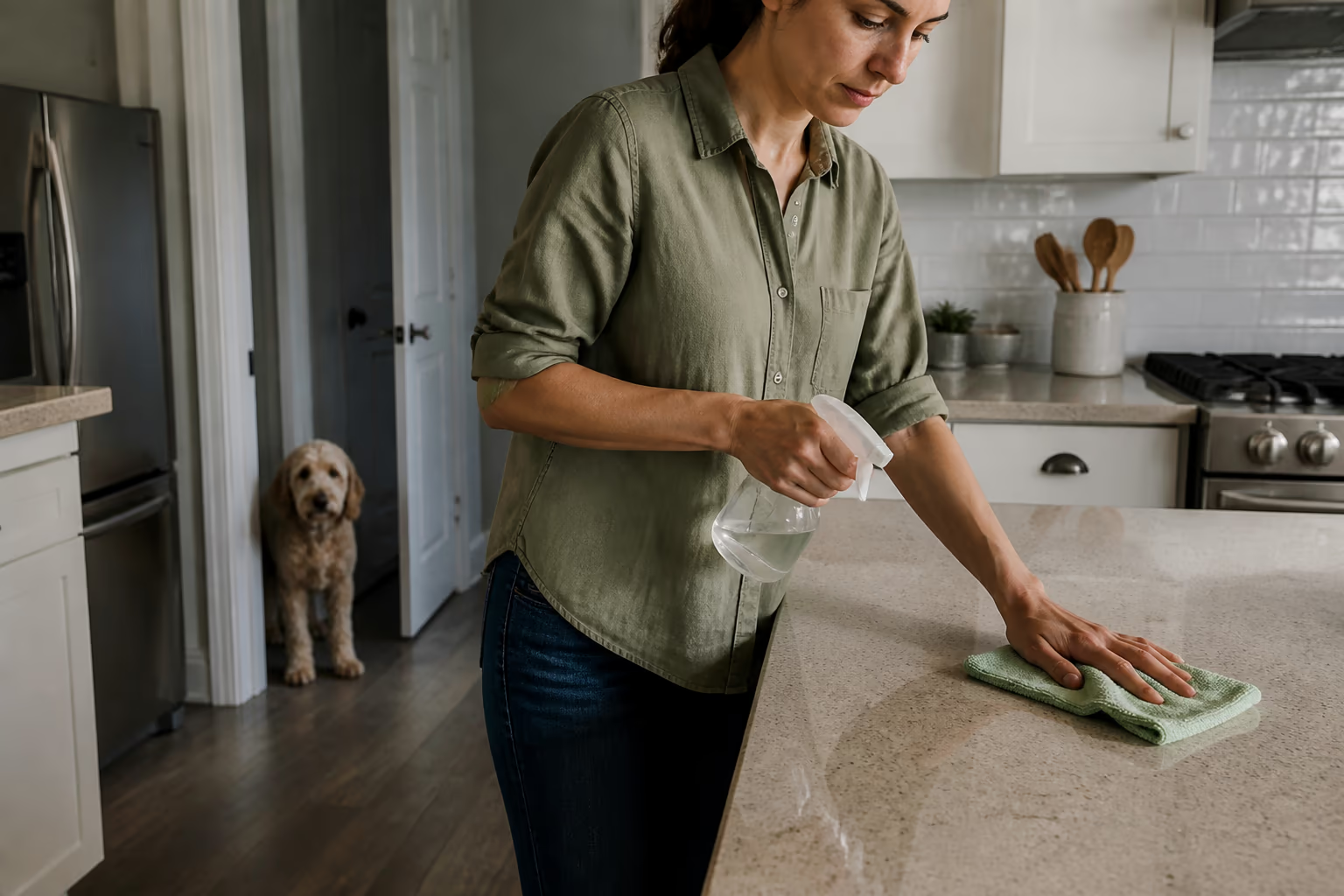
Because pets groom themselves and lick the surfaces they walk on, cleaning residue can end up in their mouths, and strong fragrances or harsh chemicals can irritate the airways, skin or eyes of kittens, puppies and older or unwell animals most. This guide covers ten pet-safe products and routines for busy homes.
In this guide
Why Pet-Safe Cleaning Matters
Cats and dogs groom constantly, and birds perch on the edges of the very surfaces we wipe. That means a cleaning product is not just something that touches a floor or a counter; it can end up in a pet's mouth through paws, fur, and direct licking. Choosing products with that in mind is not about being precious; it is about recognising that a household with pets has a different exposure pattern than one without.
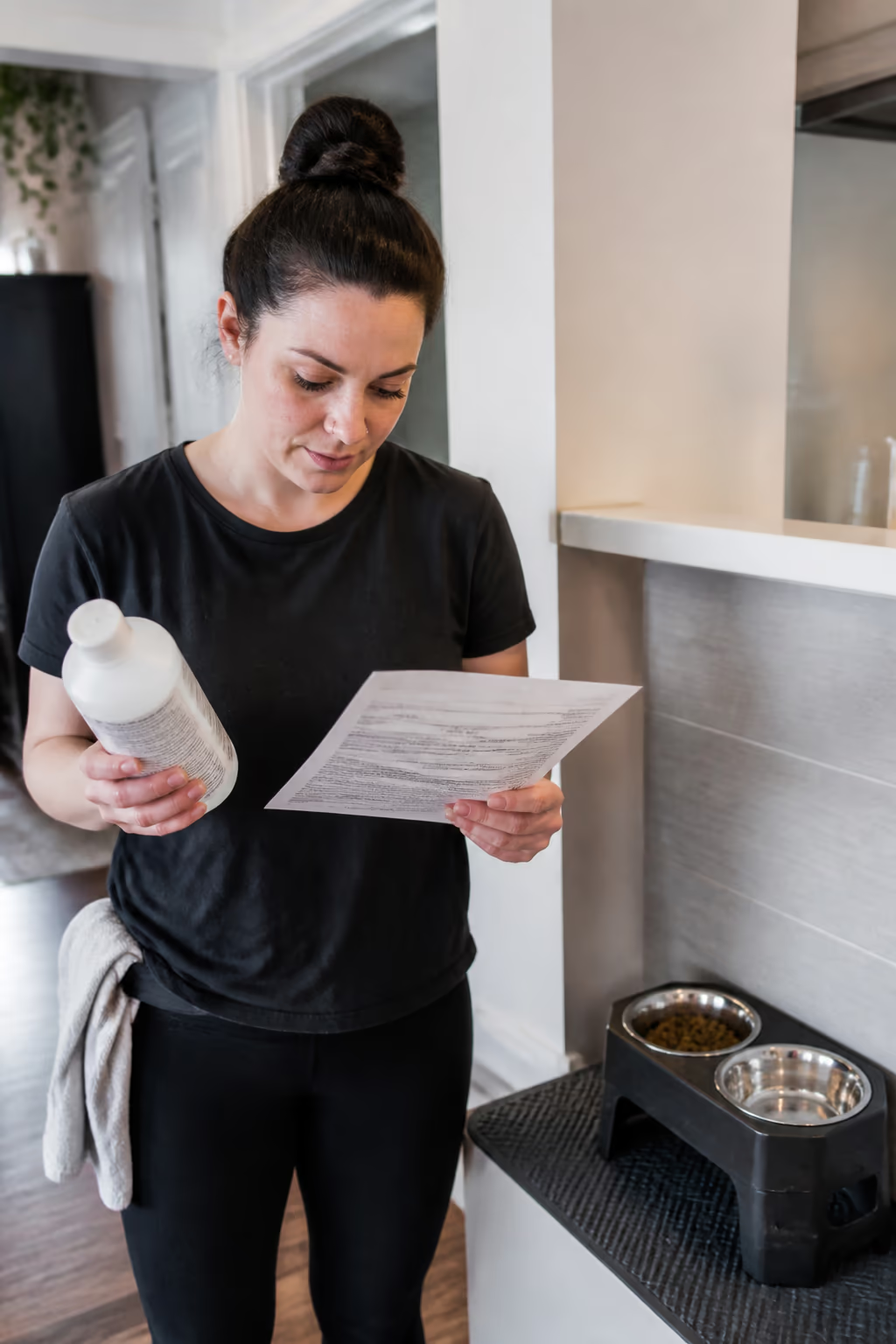
Storage matters as much as the ingredient list. Health Canada advises keeping chemical products tightly closed in their original containers and out of sight and reach of children and pets, and never mixing products together, because some mixtures produce harmful gases. A pet that grooms constantly is exposed to both the residue and the container. The federal advice starts at the shelf: “When you are buying a household chemical product, read the label to determine its ingredients and any special handling instructions.”
Sensitivity is part of it. Many pets have a sharper sense of smell than we do, and strong fragrances, harsh chemicals, and heavy residues can irritate their airways, skin, or eyes. Kittens, puppies, and older or unwell animals are the most at risk, because they are smaller, still developing, or already fragile. The goal is a clean home that also leaves nothing behind that could bother a pet.
Canadian homes add a seasonal angle. Winter means salt, sand, and slush coming in on boots and paws, and the entryway and floors take the extra traffic while the weather does its worst. That seasonal soil needs cleaning, but it does not have to mean stronger chemicals. The same careful, well-diluted routine that protects the floors can protect the pets who live on them.
Ten Pet-Safe Cleaning Products Worth Knowing
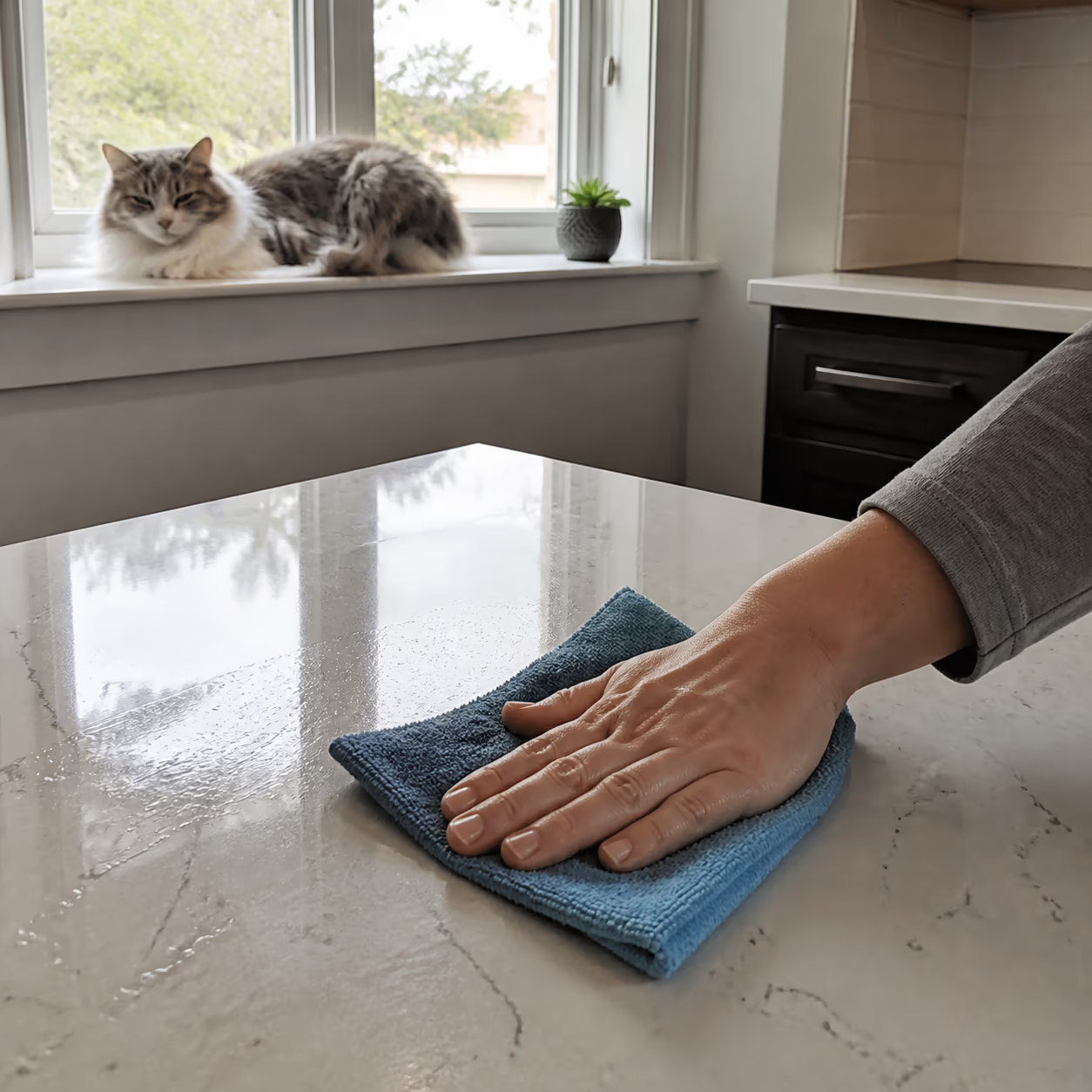
No single product suits every home, and the best choice depends on your surfaces, your pet, and the job. The list below covers the categories that consistently work well for Canadian pet households.
- 1. Plain warm water and a microfibre cloth for everyday wiping of floors, counters, and cages.
- 2. White vinegar diluted with water for general hard-surface cleaning, rinsed well so no smell lingers.
- 3. Baking soda as a gentle scrubbing paste and for lifting odours from soft surfaces and laundry.
- 4. Mild dish soap, fragrance-free where possible, for washing bowls, trays, and hard surfaces.
- 5. A castile or vegetable-based liquid soap for general cleaning when you want one simple option.
- 6. Enzymatic cleaners for urine, vomit, and biological stains, chosen and used as directed.
- 7. Pet-safe floor cleaners labelled for hard floors, used at the recommended dilution.
- 8. Steam cleaning for sealed floors and hard surfaces, using heat and moisture without added chemicals.
- 9. Fragrance-free, dye-free laundry detergent for pet bedding and the throws they sleep on.
- 10. A HEPA-filter vacuum to keep dust, dander, and tracked-in grit from resettling on the surfaces pets touch.
Look for products that state they are safe around pets, carry a third-party mark such as EcoLogo, or list their ingredients plainly. If a label is vague, treat it with caution and choose the simpler option.
Ingredients To Avoid Around Pets
- Some common cleaning ingredients are worth avoiding in a pet home, even though they work fine elsewhere. Bleach and products based on ammonia are the ones most people know, and both can be risky if a pet walks through a wet surface, licks a paw, or breathes concentrated fumes. The same goes for phenol-based products and pine oil, which are toxic to cats in particular, so check the label before you buy rather than assuming a familiar brand is safe.
- Strong essential oils are another area for care. Some oils that smell lovely to us can be a problem for cats, and concentrated oil cleaners are not the same as a few drops in a diffuser. When a product lists essential oils high on the ingredient list, treat it as a chemical product for the purpose of this decision and keep it away from pet areas unless the label clearly says it is safe.
- Harsh fragrances and dyes are worth avoiding even when they are not overtly toxic. They can linger on surfaces and irritate sensitive pets, and they add nothing to the cleaning job. The pattern to aim for is simple: products that clean well, rinse clean, and leave the least residue and the least scent behind. That is a safe choice for pets and a good choice for everyone else in the home.
- Labels matter. In Canada, cleaning chemicals are labelled under WHMIS 2015, and disinfectants that make a sanitising claim carry a Health Canada DIN. Reading those labels tells you what is in the product and how to use it correctly, and following the dilution and rinse directions is what actually keeps a product safe in a home with animals.
Reading Labels Before You Buy
A quick label check answers most pet-safety questions. Look for the ingredient list, any warnings about pets or children, and a statement about how to dilute and rinse the product. Products that carry a third-party mark such as EcoLogo, or that describe themselves as safe around pets, are easier to trust than a label that is vague about what is inside.
Pay attention to the difference between a cleaner and a disinfectant. A disinfectant that claims to kill germs carries a Health Canada DIN and has to follow the label instructions, including dwell time and rinsing, to work as claimed. In a pet home, that often means using a disinfectant only where it is needed, rinsing the surface well, and keeping pets away until it is dry.
Fragrance-free and dye-free versions of everyday products are worth seeking out for pet bedding, floors, and bowls. They do the same job with fewer ingredients that can linger, which matters in a home where a pet's nose and tongue are close to the surfaces. When in doubt, the simplest product with the shortest ingredient list is rarely the wrong call.
DIY Cleaning Recipes That Are Safe For Pets
A few kitchen basics cover a surprising amount of pet-home cleaning without any special chemicals. Diluted white vinegar and water is a gentle all-purpose cleaner for hard surfaces, and a paste of baking soda and water lifts stuck-on marks and softens odours. These are not disinfectants, and they do not replace a registered product where one is genuinely needed, but for daily cleaning they are gentle and inexpensive.
Use them the right way. Vinegar is acidic, so it should not sit on stone or unsealed surfaces, and it should be rinsed or wiped so the smell does not linger where a pet sleeps. Baking soda is a mild abrasive, so it works best as a paste or sprinkled and left briefly, then vacuumed or wiped away. Test any DIY mix on a small, hidden spot first, the same way you would with a commercial product.
Dilution is the key word. A splash of dish soap in a bucket of warm water cleans floors and bowls, and a bowl of water with a little vinegar brightens glass without a chemical smell. Keeping the mix simple, using it fresh, and rinsing after use keeps the routine gentle for pets and effective for the home.
How Good Cleaner Co. Chooses Products For Homes With Pets
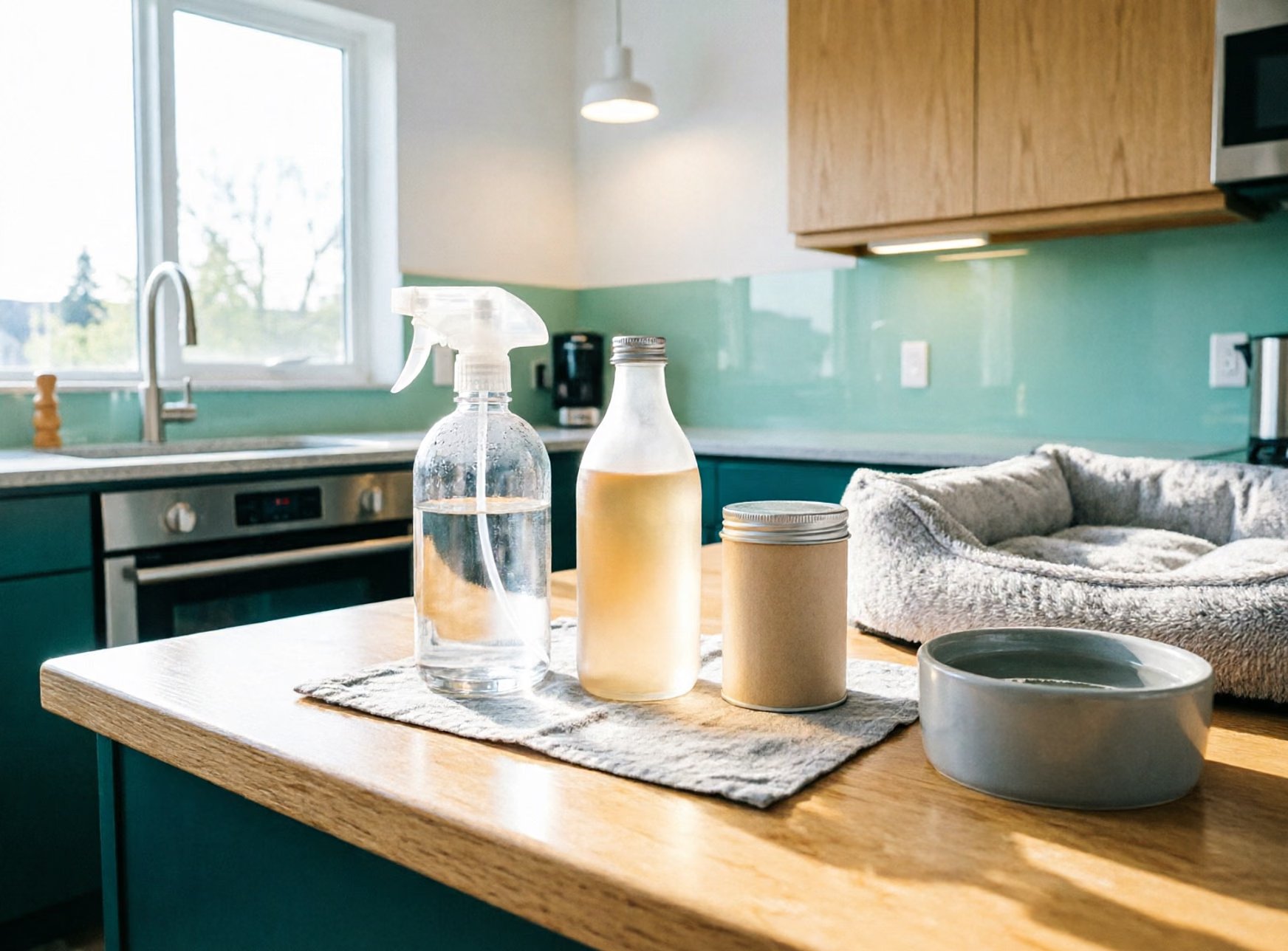
When Good Cleaner Co. cleans a home with pets, the product choice starts with the household, not the shelf. The goal is a home that is genuinely clean and comfortable for the people and the animals who live in it.
Training is part of the standard. Staff are taught to read labels and safety data sheets, to separate cloths and tools by zone, and to rinse surfaces that pets touch. A pet bowl, a cat perch, or the spot where a dog sleeps gets the same care as a countertop, because the household's routine and its cleaning routine have to fit together.
We also plan around the season. Winter means more salt and sand in the entryway, and the extra cleaning that comes with it, while spring and fall bring their own mud and moult. A routine that responds to those changes keeps a pet home presentable without relying on stronger products than the job needs.
Caring for the Spaces Pets Actually Use
The areas pets use most are the ones that deserve the most thought: the crate or bed, the food and water station, the litter area, and the spot by the door where wet paws land. These are where a pet spends its time and where a product's residue matters most. Washing pet bedding on a regular schedule with a fragrance-free detergent, wiping the food station after meals, and keeping the litter area clean and ventilated do more for a pet home than any single product choice. If the litter area sits in a bathroom, our bathroom cleaning checklist guide covers the broader routine for that room.
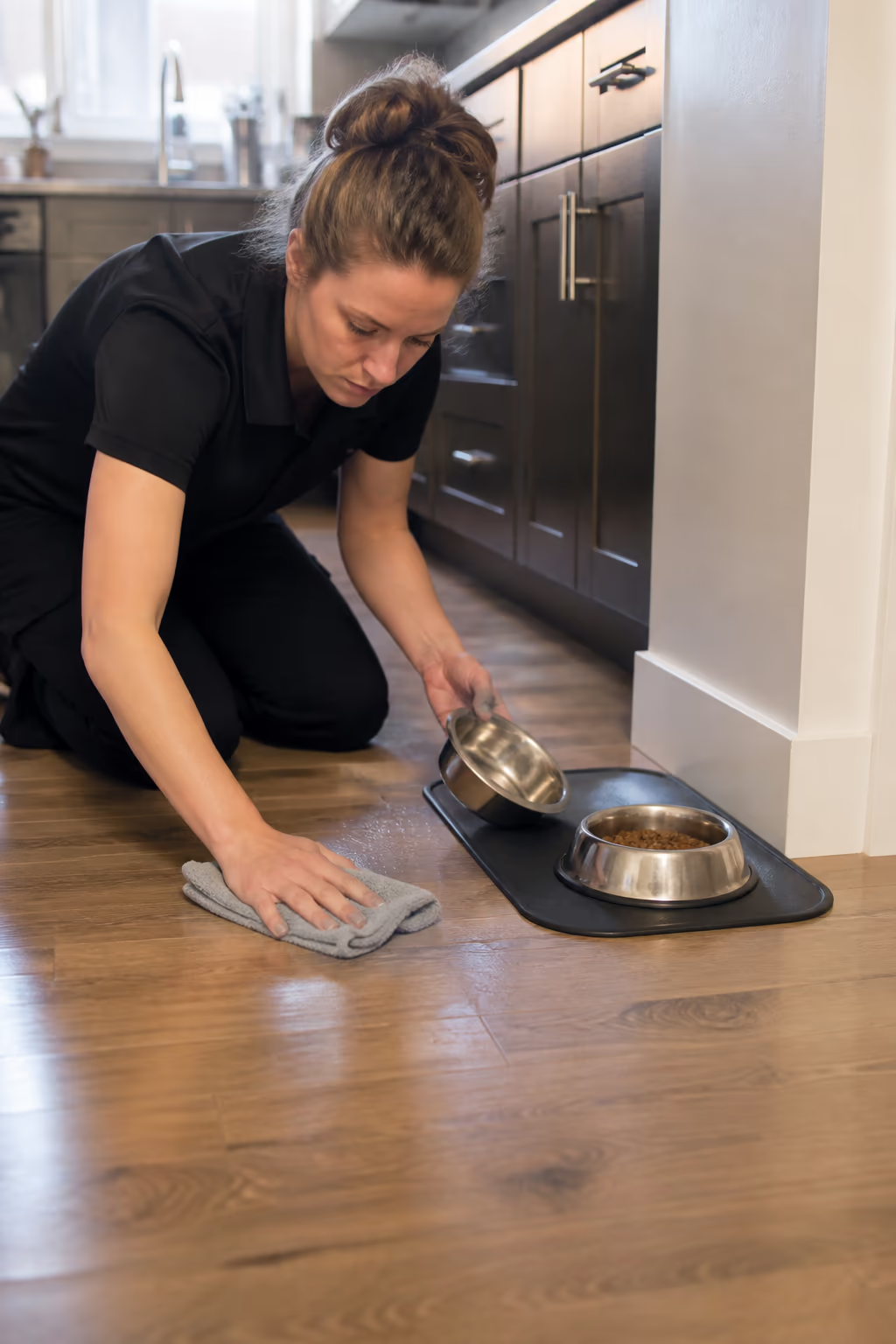
Food and water bowls are an easy place to start. They are touched by a pet's mouth and paws several times a day, so they should be washed regularly rather than just topped up. A warm, soapy wash with a mild dish soap, followed by a thorough rinse, keeps them clean without leaving a chemical taste behind. The floor under the bowls often needs a wipe too, because water splashes and crumbs collect there.
The entryway gets the winter workload. Salt, sand, and slush are carried in on boots and paws, and a door mat that is cleaned and dried regularly cuts down what reaches the floors and the pet who walks on them. Wiping paws on rough days, or keeping a towel by the door, is a small habit that makes the whole routine easier on everyone.
What You Need Before You Start
A pet-safe cleaning kit does not need to be large. It needs to cover the surfaces in your home and be stocked with products you trust. If paws or fur leave marks on nearby walls, a comprehensive guide to cleaning walls effectively covers methods that are safe for different finishes. A practical kit includes the basics below.
- Fragrance-free dish soap or a mild castile soap for general cleaning.
- White vinegar and baking soda for DIY cleaning and gentle deodorising.
- Microfibre cloths in a few colours to keep surfaces separate from floors.
- A HEPA-filter vacuum for dust, dander, and pet hair.
- An enzymatic cleaner for urine, vomit, and other biological stains.
- A steam cleaner for sealed floors and hard surfaces when you want chemical-free results.
Keep the kit simple and the products clearly labelled, and always spot-test a new product in an out-of-the-way place before using it on a larger area.
Formatted Step-by-Step Pet-Safe Cleaning Checklist
This five-step checklist fits a regular clean in a home with pets. Adjust it to your surfaces and your pet's routines.
- 1.Prepare the space and gather the right supplies before you begin, and move pet bowls, bedding, and toys out of the way.
- 2.Work from high to low so falling dust is not redistributed onto finished surfaces.
- 3.Apply the correct cleaning solution and let it dwell where it needs time to work, rinsing surfaces that pets touch.
- 4.Agitate, wipe and rinse using clean tools for each task, and let treated surfaces dry completely before pets return.
- 5.Inspect your work and finish with the small details that make a space feel cared for, from bowls to the corners where fur collects.
- 6.Reviewing our residential cleaning visits in Ottawa provides a trained team that cleans with your pets and your family in mind.
The order matters: soil is removed before liquids, high surfaces come before floors, and wet surfaces are dried before pets can reach them. When the routine is this clear, it is easy to keep up and easy to trust.
FAQ
Are vinegar and baking soda safe to use around pets?
In everyday, well-diluted amounts, they are generally safe and a common first choice for pet homes. They are not disinfectants, and vinegar should be rinsed from stone or unsealed surfaces and not left where a pet sleeps. Test any mix in a small spot first.
What cleaning products should I avoid with cats and dogs?
Avoid bleach, ammonia-based products, phenol-based products, and pine oil, and use concentrated essential-oil products with care, especially around cats. Harsh fragrances and dyes are worth avoiding too. When a label is unclear, choose the simpler product.
Can I use the same cleaner on floors and pet bowls?
It is safer to keep them separate. Use a mild, fragrance-free dish soap for bowls and wash them by hand or in the dishwasher, and use a floor-appropriate cleaner for the floors. Separate cloths and brushes for each job keep cross-contamination from happening.
How do I clean up pet urine or vomit safely?
Remove the solid material first, then clean the area with an enzymatic cleaner meant for the job, following the label directions and allowing the recommended dwell time. Rinse or blot as directed, and keep the area dry and off-limits until it is fully treated.
Is steam cleaning safe around pets?
Steam cleaning sealed floors and hard surfaces uses heat and moisture rather than added chemicals, which many pet owners appreciate. It is important to follow the manufacturer's guidance for your surface, keep pets away from the hot equipment, and let the surface cool and dry before they walk on it.
How often should I wash pet bedding and the throws they sleep on?
Weekly washing in a fragrance-free, dye-free detergent is a reasonable baseline, with more frequent washing during shedding seasons or when a pet is unwell. Vacuuming and spot-cleaning between washes keeps the soft surfaces fresh.
What should I look for on a label before buying a cleaner?
Check the ingredient list, any warnings about pets or children, the dilution and rinse directions, and any third-party mark such as EcoLogo. For disinfectants that make a sanitising claim, confirm the Health Canada DIN and follow the dwell time and rinsing instructions on the label.
When does it make sense to call a professional cleaner in a pet home?
Consider a professional when the deep cleaning is beyond the weekly routine, such as carpet extraction, hard-floor care, and resetting the spaces where pet hair and odour collect. A trained team also knows how to choose products and plan the visit around your pets. If you are weighing options, our guide to vetting commercial cleaners is a useful starting point for the questions that matter.
Wrapping Up
A home with pets can be clean and welcoming at the same time, and the secret is choosing products and routines that suit the household. Read labels, keep everyday cleaning gentle with well-diluted basics, avoid the ingredients that are risky around animals, and build a schedule that responds to the seasons. When the deep cleaning is more than you want to take on, a professional team can carry it for you. Our cleaning services overview covers the wider range of home care a pet household can draw on. Contact Good Cleaner Co. for a free quote and a cleaning plan built around your home, your pets, and your family.
Keep reading
More from Good Cleaner
Services that fit
- House Cleaning Services in OttawaHouse cleaning services in Ottawa for one-time, weekly, biweekly, and monthly home care, with customizable cleaning and eco-friendly options.
- Office Cleaning Services in OttawaProfessional office cleaning services in Ottawa for corporate offices, clinics and professional suites, with after-hours scheduling and eco-friendly products.
About the author
Service areas
- Ottawa
- Kanata
- Nepean
- Orleans
- Barrhaven