
Non-Toxic Cleaning Products For Homes With Kids And Pets
When you have kids and pets, every spray bottle and scented product in the house feels like a small decision about your family's health. The good news is that you do not need harsh chemicals to keep a busy home genuinely clean. This guide explains what non-toxic actually means, what to look for on a label, and which products and habits work well for homes with children and animals.
Quick Summary
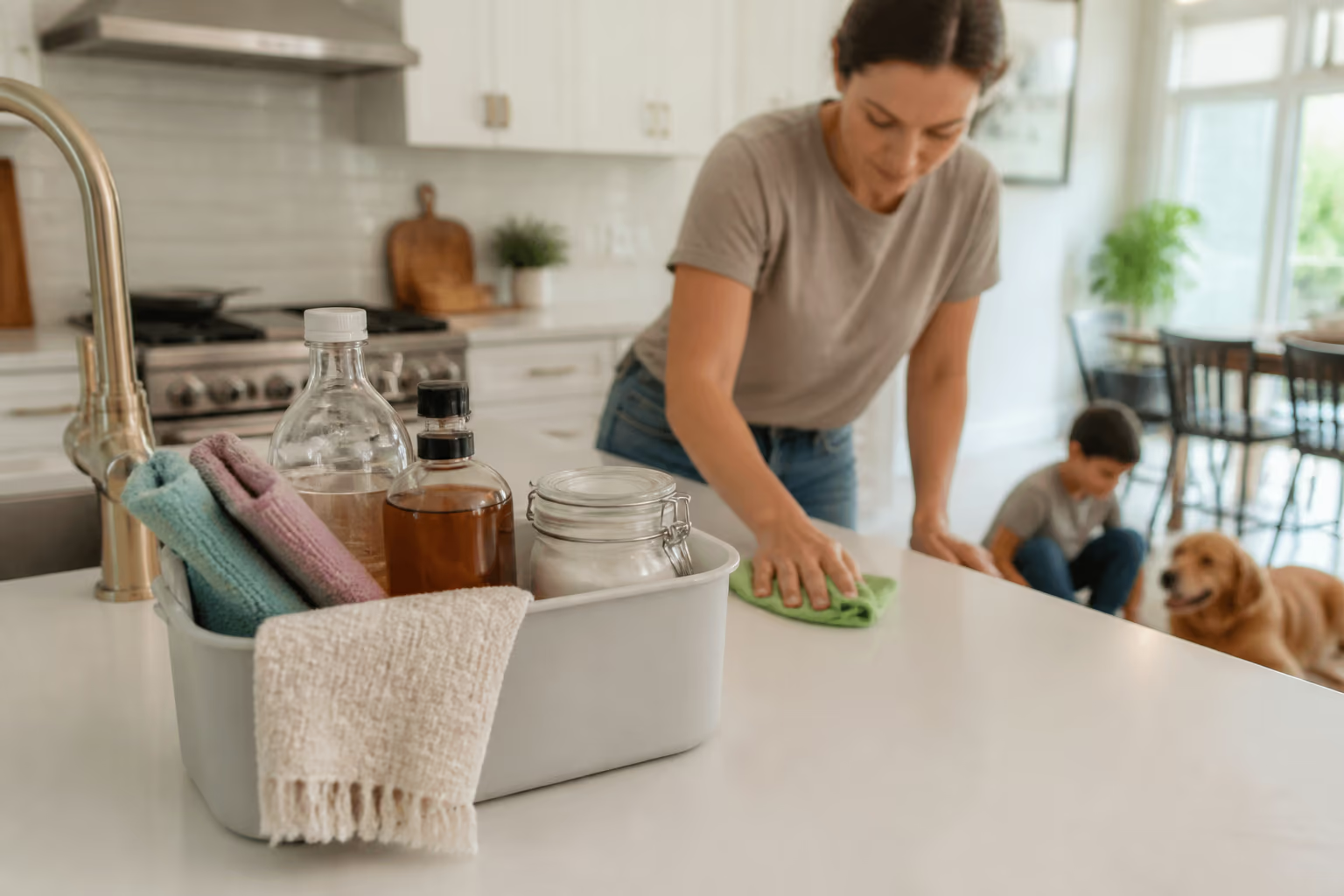
The label term non-toxic is not tightly regulated in Canada, so choosing safer cleaning products for homes with kids and pets means reading ingredient lists and certification marks rather than trusting marketing language. Low-residue, low-exposure choices matter most where children and animals have regular contact.
In this guide
What "Non-Toxic" Actually Means
Here is an honest starting point: the word non-toxic is not tightly regulated in Canada, so it appears on plenty of products without meaning very much. A more useful guide is how a product is made, what is in it, and whether it carries a recognised certification. When you understand that, you can shop with confidence instead of trusting a marketing word.
Toxicity is also a question of dose and exposure. A product can be safe for an adult using it once but a poor choice for a toddler who puts things in their mouth or a pet that licks the floor. For households with kids and animals, the goal is to choose products that are gentle enough for regular contact and that leave no worrying residue behind.
You will also see green marketing language on many labels, from "plant-based" to "natural." Those words are a starting point, not a guarantee. The label worth reading is the one that lists ingredients, safety instructions, and any certification mark, because that is where the real information lives.
A good test before you buy is simple: would you be comfortable if your child touched the surface right after you cleaned it, or if your pet licked it? If the answer gives you pause, keep looking. That gut check, combined with a readable ingredient list, gets you further than any front-of-bottle promise.
Why It Matters for Homes With Kids and Pets
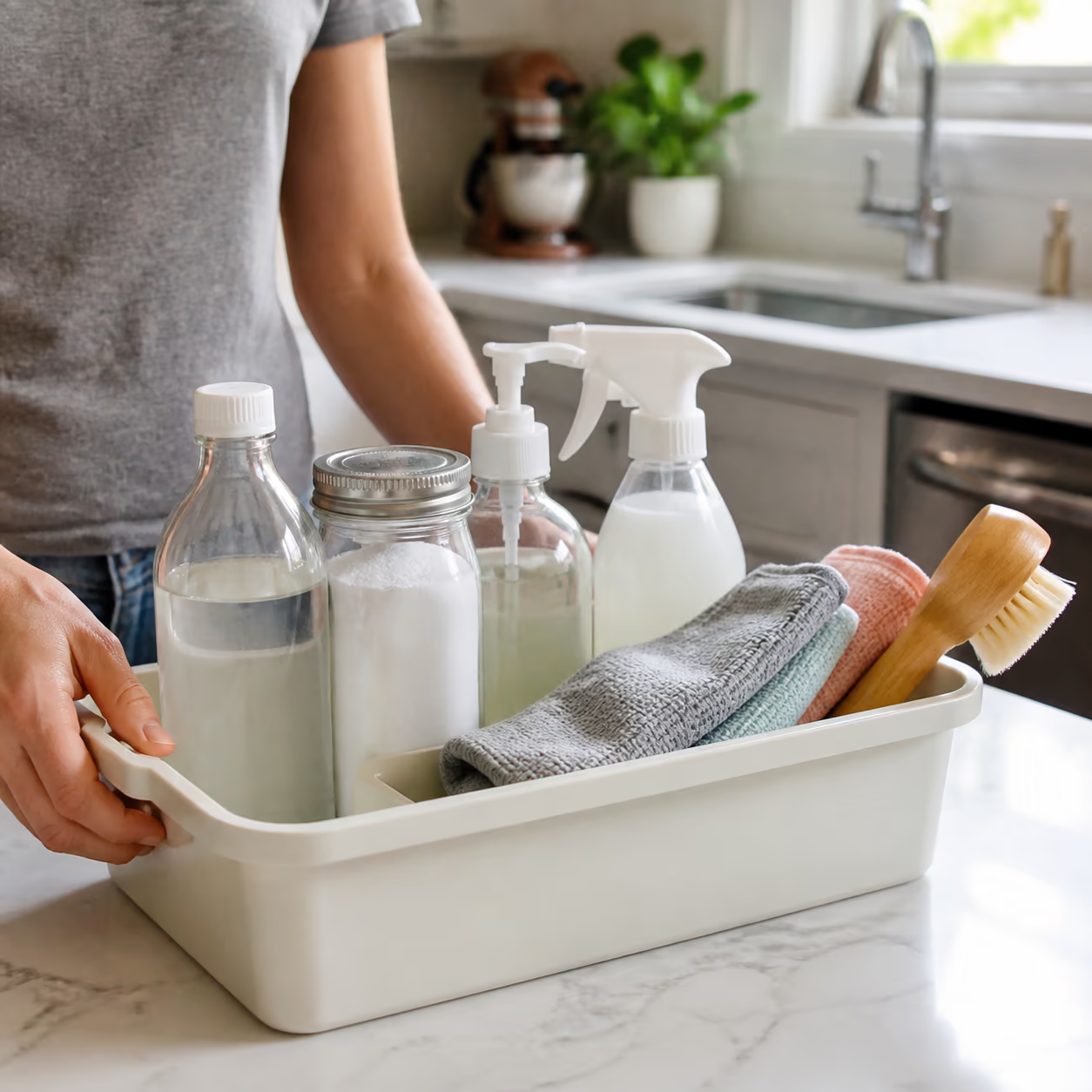
Children crawl, climb, and taste almost everything, and pets live close to the floor where you clean. That means the products you use end up where your family plays, sleeps, and eats. Choosing gentler options reduces unnecessary chemical exposure at the age and stage where bodies are growing fastest.
Pets are especially sensitive to some common ingredients. Certain essential oils and disinfectants that are fine for people can be hard on cats and birds, so it pays to check both the product label and your vet's guidance. The simplest approach for many families is to keep the strongest products out of the daily routine and reserve them for the rare jobs that truly need them.
A non-toxic routine is also easier on the home itself. Gentler products are less likely to dull finishes, strip protective coatings, or leave the sticky residue that attracts dust and grime. That means the cleaning stays effective and the surfaces last longer, which is a quiet win for any busy household.
What to Look For On the Label
When you pick up a cleaner, a few clues tell you a lot about it. Look beyond the front label and read the ingredient list, the safety information, and any certification marks.
- EcoLogo certification, which signals a third party has reviewed the product's environmental and health profile.
- Fragrance-free or unscented options, since artificial fragrance is a common source of irritation.
- Clear dilution and safety instructions, so you know exactly how to use it.
- A Health Canada DIN on any product that claims to disinfect, which means the claim has been reviewed.
- Simple ingredient lists, with ingredients you can pronounce and understand.
Health Canada's own advice is worth reading alongside the label: look for and understand the hazard symbols on the front of the product, store everything tightly closed in its original container, and keep products out of sight and reach of children and pets. It also warns that child-resistant does not mean child-proof. Health Canada is explicit about the risk: “Household chemical products, such as cleaning liquids and powders, drain cleaners, paint and paint thinners, liquid laundry detergent packets and windshield washer fluid can be dangerous.”
If a product claims to disinfect, look for that Health Canada Drug Identification Number and follow the dwell time on the label. If it does not claim to disinfect, it will not have a DIN, and that is fine for everyday cleaning. The DIN only matters when you need a genuine disinfectant, such as during an illness.
Reading labels is also a good way to spot the products you want to avoid entirely. Artificial fragrance, harsh solvents, and ingredients flagged for irritation are easier to catch once you know what to scan for, and avoiding them becomes second nature after a few trips to the store.
Everyday Products Worth Keeping
You already have some of the most useful non-toxic tools in your kitchen. The trick is knowing which ones do which jobs, and which commercial products fill the gaps. For more ideas, our roundup of eco friendly DIY cleaning products walks through mixes you can make from what is already in your pantry.
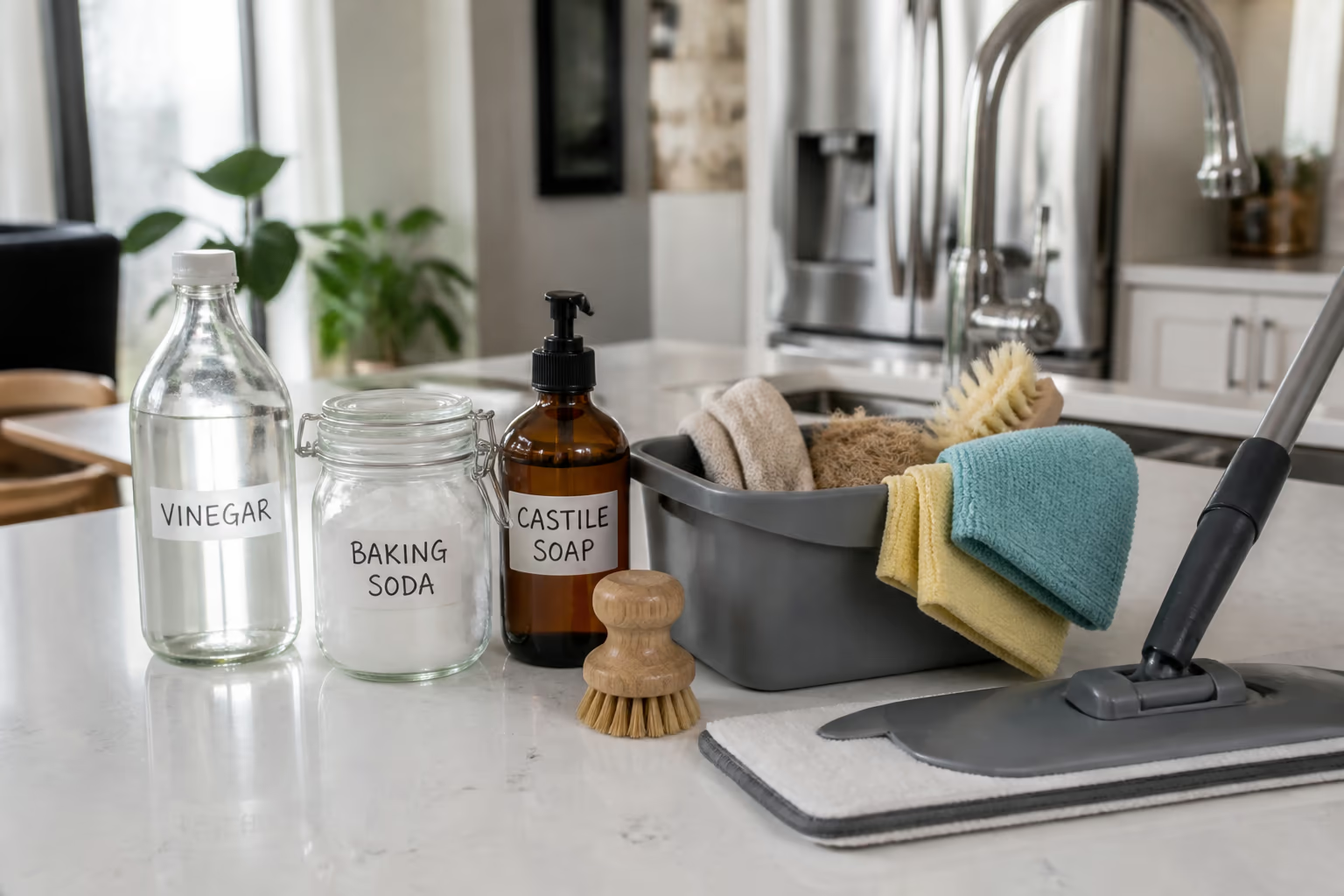
- White vinegar for glass, mirrors, and cutting down mineral deposits from hard water.
- Baking soda for gentle scrubbing, deodorising, and lifting stains from carpets.
- Castile soap as a mild all-purpose wash that dilutes well for many surfaces.
- Microfibre cloths, which physically remove grime without relying on chemistry.
- A steam mop or steam cleaner for floors and sealed surfaces, using water alone.
- A certified gentle all-purpose cleaner for the jobs where vinegar is not the right fit.
A note of caution on mixing: never combine vinegar with bleach or with other products, and avoid putting it on natural stone, which it can etch. Baking soda is wonderfully versatile, but it should not be mixed into bottles with vinegar, since the two fizz and neutralise each other. Use them as separate tools, not as a single experiment. For a longer list of combinations to avoid, our guide to harmful DIY cleaning products walks through mixes that can do more damage than good.
For households with pets, add two more useful tools to the kit. An enzyme-based cleaner handles urine and other organic accidents by breaking down the residue, rather than simply covering the smell, which also keeps pets from re-marking the same spot. And a vacuum with a good filter makes a real difference for families with allergies, catching more of the dust and dander that settle into carpets and furniture.
A Practical Product List, Room by Room
To make this practical, here is how the recommendations map to the rooms where your family spends time. You do not need all of these at once; pick the ones that fit your routine and add more as you find the gaps.
Kitchen:
- A mild, fragrance-free all-purpose cleaner for counters and surfaces.
- Baking soda for stuck-on food and the inside of the sink.
- A vinegar rinse in a spray bottle for glass, mirrors, and hard-water spots.
- A gentle scrubber or nylon brush that will not scratch the cooktop.
- Microfibre cloths you wash between uses instead of reaching for a disposable.
Bathroom:
- A certified gentle bathroom cleaner for the tub, sink, and shower.
- A soft brush for grout and the corners of the tub.
- One registered disinfectant for the toilet and for illness periods, used with its full dwell time.
- A squeegee to keep glass and tile from building up hard-water spots.
Living areas and bedrooms:
- A lint roller or a microfibre duster for surfaces that collect dust quickly.
- A vacuum with a crevice tool for under furniture and along the baseboards.
- An upholstery-safe cleaner for the couch and chairs where kids and pets spend their time.
- A gentle glass cleaner for picture frames and the interior of windows.
Floors and carpets:
- A vacuum with a good filter for carpets and rugs, emptied regularly.
- A steam mop for sealed hard floors, using plain water.
- A gentle floor cleaner for the spots where water alone is not enough.
- An enzyme-based cleaner for pet accidents, which breaks down the residue rather than scenting over it.
Laundry:
- A fragrance-free laundry detergent for clothes, bedding, and towels.
- A gentle oxygen-based stain remover instead of harsh bleach for everyday stains.
- An extra rinse cycle to make sure detergent is fully removed from baby clothes and bedding.
If you prefer to buy ready-made products rather than mixing your own, look for the certifications and simple ingredient lists described earlier. A small, honest kit of around a dozen products covers most of a family home, and you can add specialised items only when a job calls for them.
How to Use the Staples Safely
Vinegar, baking soda, and castile soap do a surprising amount of work, but each has limits worth respecting.
- Vinegar cuts glass, mirrors, and hard-water marks, but keep it off natural stone.
- Baking soda lifts and deodorises, but it is an abrasive, so use it gently on delicate finishes.
- Castile soap dilutes into a mild wash, but it can leave a film in hard water unless you rinse.
- Steam cleans with water alone, but only on surfaces the manufacturer says are steam-safe.
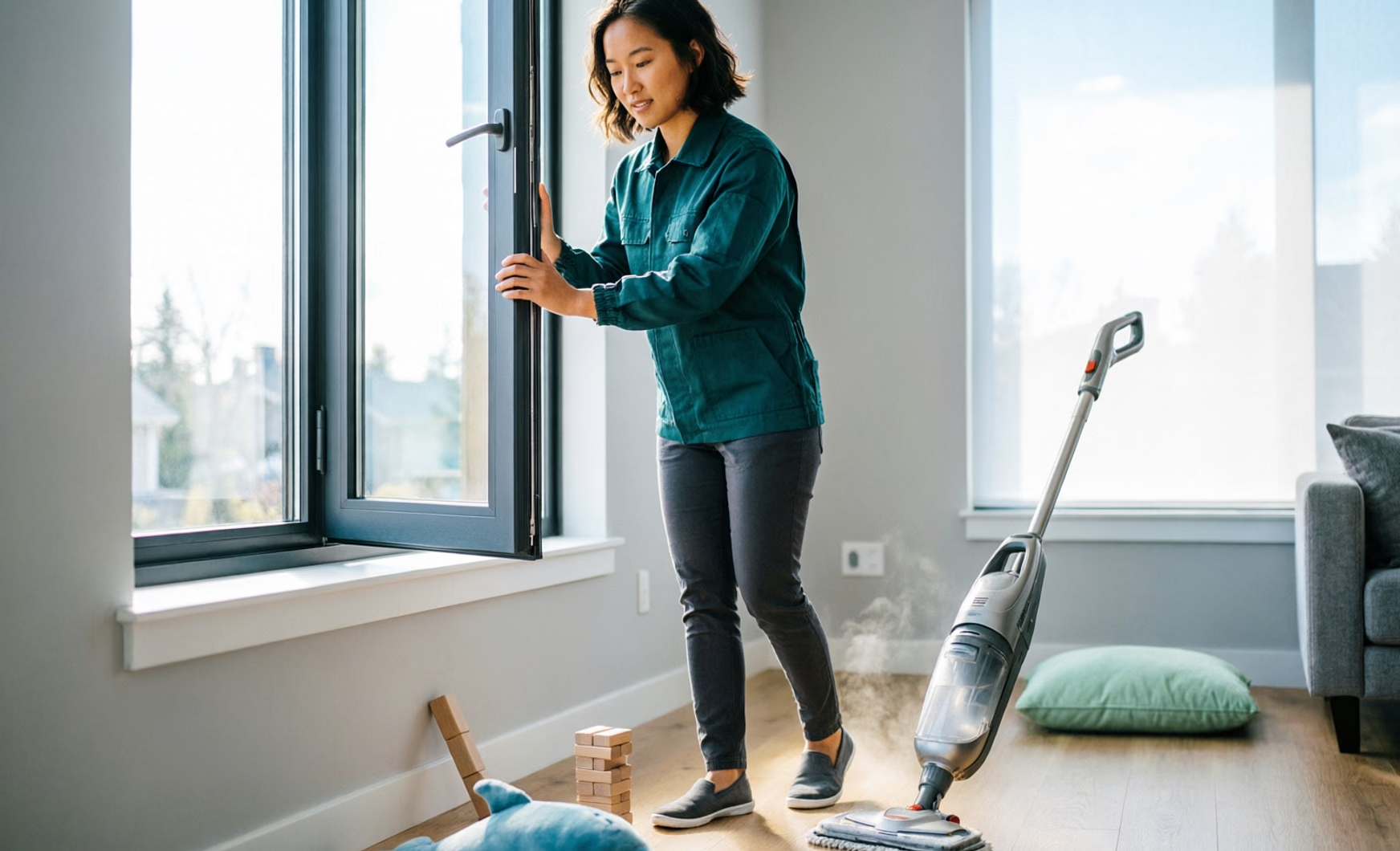
Beyond the staples, the safest habit is ventilation. Open a window when you clean, air out the room, and let surfaces dry completely before young children and pets are back in the space. Dwell time, rinsing, and drying are the quiet details that make a gentle routine safe as well as effective.
During Ottawa's winters, floors take extra abuse from salt and slush. A steam mop or a gentle floor cleaner removes the gritty residue without leaving a sticky film that pets and kids then walk through. Matching the right tool to the season keeps the floor clean and the residue down.
Common Mistakes and How to Avoid Them
Even with the best intentions, a few habits undermine a non-toxic routine.
- Trusting the word non-toxic on the front label without checking the ingredients.
- Mixing vinegar and baking soda in one bottle, which neutralises both.
- Using a product that is fine for counters on natural stone, which it can damage.
- Assuming natural automatically means safe for pets, especially with essential oils.
- Skipping the dwell time on a genuine disinfectant, so it never gets a chance to work.
- Storing products where curious little hands and paws can reach them.
The other common mistake is going all or nothing. You do not need to replace every product in one weekend. Swap the ones you use most, keep a registered disinfectant for illness and bathrooms, and build the rest of the routine gradually. A practical mix you can stick with beats a perfect routine you abandon after a week.
There is also the mistake of assuming gentler means weaker. Many gentle products clean effectively for everyday needs; they simply do not claim to kill every germ, which everyday cleaning is not meant to do. Match the product to the task, and you will rarely feel you are giving anything up.
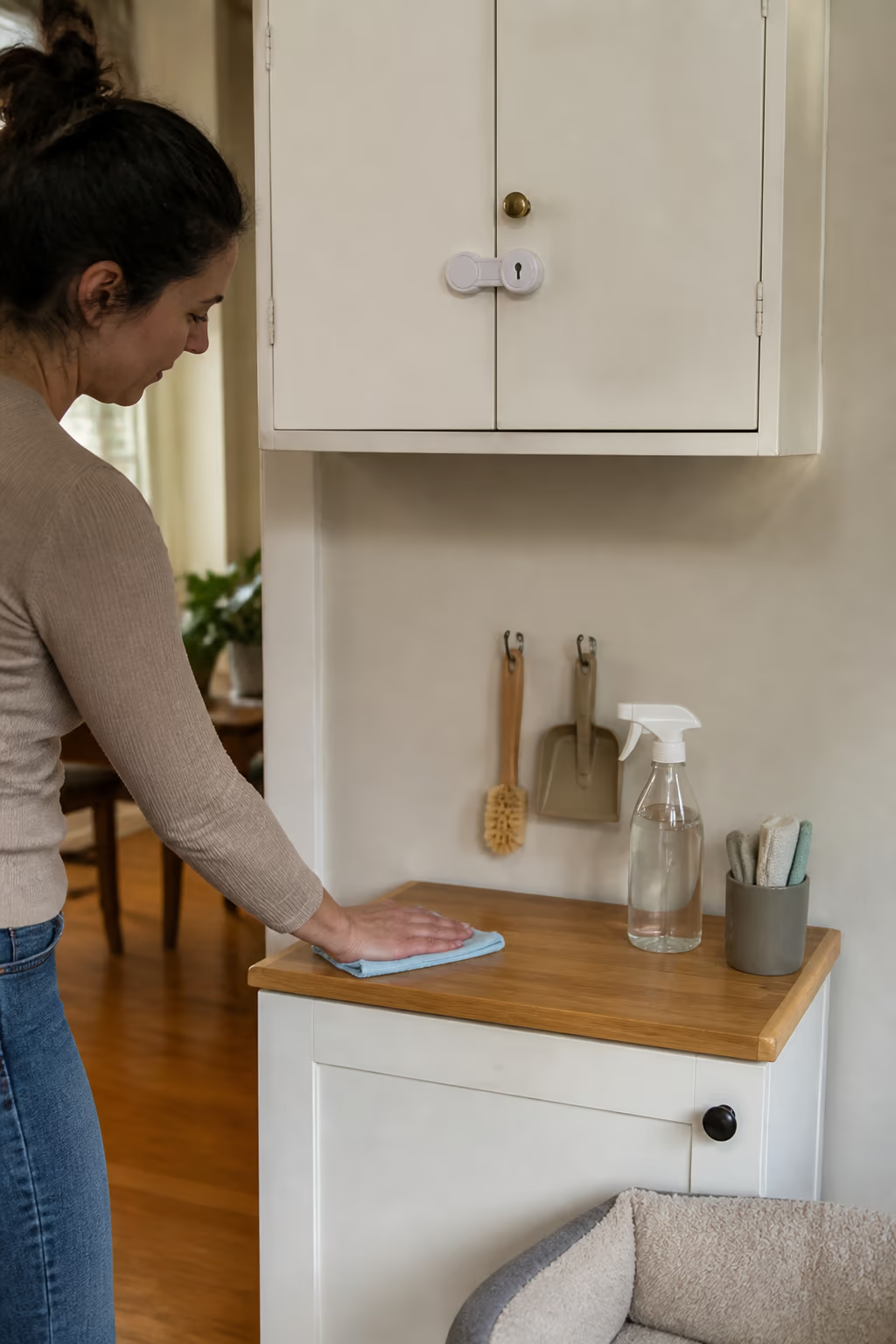
Finally, do not forget storage. The gentlest product is still a household chemical, and the safest routine keeps every bottle, tablet, and packet out of reach of children and pets. A high cabinet or a locked caddy costs nothing and removes a whole category of worry from the home.
Costs, Timing and When to Call a Professional
Non-toxic cleaning does not have to be expensive. Kitchen staples like vinegar, baking soda, and microfibre cloths are inexpensive, while certified commercial products vary in price depending on the brand and the size. Prices shift with the market and the retailer, so it is worth comparing a few options rather than assuming one product is always cheapest. If you are curious about how much cleaning costs in Ottawa for a professional visit, it is worth requesting a few quotes to compare against your DIY routine.
For many families, the bigger question is time. Between school runs, pets, and the endless cycle of daily messes, finding the hours for a deep clean is hard. A professional cleaning service can use your preferred products, work around your family's schedule, and handle the deep tasks with tools you do not own.
When you choose a provider, ask what products they use and whether they can switch to gentler options for your household. Trained teams handle concentrated products safely under WHMIS 2015, so ask how they dilute and store them. Our commercial cleaning company vetting guide is a useful starting point for the questions that matter.
How Good Cleaner Co. Approaches Non-Toxic Cleaning
At Good Cleaner Co., we start every home with a conversation about what matters to your family. If you prefer fragrance-free products, have pets that are sensitive to certain ingredients, or want a mostly non-toxic routine, we build the plan around that. You should not have to choose between a clean home and a gentle one.
We also know the spots that need more than a gentle product now and then, and we will tell you honestly when a stronger option is worth it. The result is a home that is clean, comfortable, and safe for everyone in it.
Formatted Step-by-Step Non-Toxic Cleaning Checklist
Use this five-step checklist to build a safe, effective cleaning routine for a home with kids and pets:
- 1.Read the labels on your current products and set aside anything you do not trust for your family.
- 2.Stock the basics:microfibre cloths, vinegar, baking soda, and one certified gentle all-purpose cleaner.
- 3.Match the tool to the surface, keeping vinegar off natural stone and using a gentle scrub for daily messes.
- 4.Keep one registered disinfectant for illness and bathrooms, and follow its dwell time when you use it.
- 5.Store everything out of reach of children and pets, and label any bottles you refill.
- 6.For a routine that fits your family, professional home cleaning services in Ottawa can use your preferred products and handle the deep cleaning for you.
FAQ
Is "non-toxic" a regulated claim in Canada?
Not tightly. The term appears on many products without a strict legal definition, so it is better to read ingredients and look for certifications such as EcoLogo than to trust the word alone.
Can I clean my whole house with vinegar and baking soda?
You can handle a lot with them, but not everything. They are excellent for many everyday jobs, yet vinegar should stay off natural stone, and baking soda alone will not disinfect. Keep them as daily tools and use a registered disinfectant when you truly need one.
Are essential-oil cleaners safe for pets?
Not always. Some essential oils are fine for people but hard on cats and birds. If you have pets, check the product with your vet before using it widely in the home.
Do I need to disinfect everything in a home with kids?
No. Everyday cleaning removes dirt and most germs. Reserve genuine disinfecting for illness, bathrooms, and the kitchen, and follow the dwell time on the label for those passes.
How do I get my floors clean without harsh chemicals?
A steam mop works well on sealed hard floors using water alone, and a gentle floor cleaner handles the rest. Vacuuming first removes the grit that can scratch the floor during mopping.
Will switching to non-toxic products cost more?
It can vary. Kitchen staples like vinegar and baking soda are inexpensive, while certified commercial products range in price. Compare a few options, and remember that switching gradually spreads the cost out.
What should I do with the harsh products I already own?
Finish them safely and sensibly, or dispose of them at your local hazardous waste depot rather than pouring them down the drain. Then replace them with gentler options as you go.
Can a professional cleaner use my products?
Most reputable companies are happy to use your preferred products. Ask ahead, and agree on what they will use for the deep tasks so there are no surprises on the day.
Wrapping Up
Cleaning a home with kids and pets is a juggling act, but non-toxic products make it simpler rather than harder. Read labels, keep a small set of gentle tools, reserve one real disinfectant for the moments that need it, and store everything safely. A practical routine you can keep going is worth more than a perfect one you cannot sustain.
Your family's health and comfort come first. When you need a hand with the deep work, Good Cleaner Co. can bring certified products and a gentle touch to your Ottawa home, so you can spend your energy on the people who live there.
Keep reading
More from Good Cleaner
Services that fit
- House Cleaning Services in OttawaHouse cleaning services in Ottawa for one-time, weekly, biweekly and monthly home care, with customizable cleaning and eco-friendly options.
- Janitorial Services in OttawaRecurring janitorial services in Ottawa for offices, warehouses, retail, dealerships and schools, with eco-friendly commercial cleaning and customized plans.
About the author
Service areas
- Ottawa
- Kanata
- Nepean
- Orleans
- Barrhaven