
Effective Ways to Remove Cat Poop & Urine Odors: Enzymatic Cleaner Guide
Anyone who shares a home with a cat has dealt with this moment: you clean the spot, it smells fine, and then on a humid day the smell returns as if you never touched it. The reason is chemistry, not a failing on your part. This guide explains how cat waste odours work and shows you the methods that remove them permanently, so your home smells fresh and your cat stops treating the spot as its own.
Quick Summary
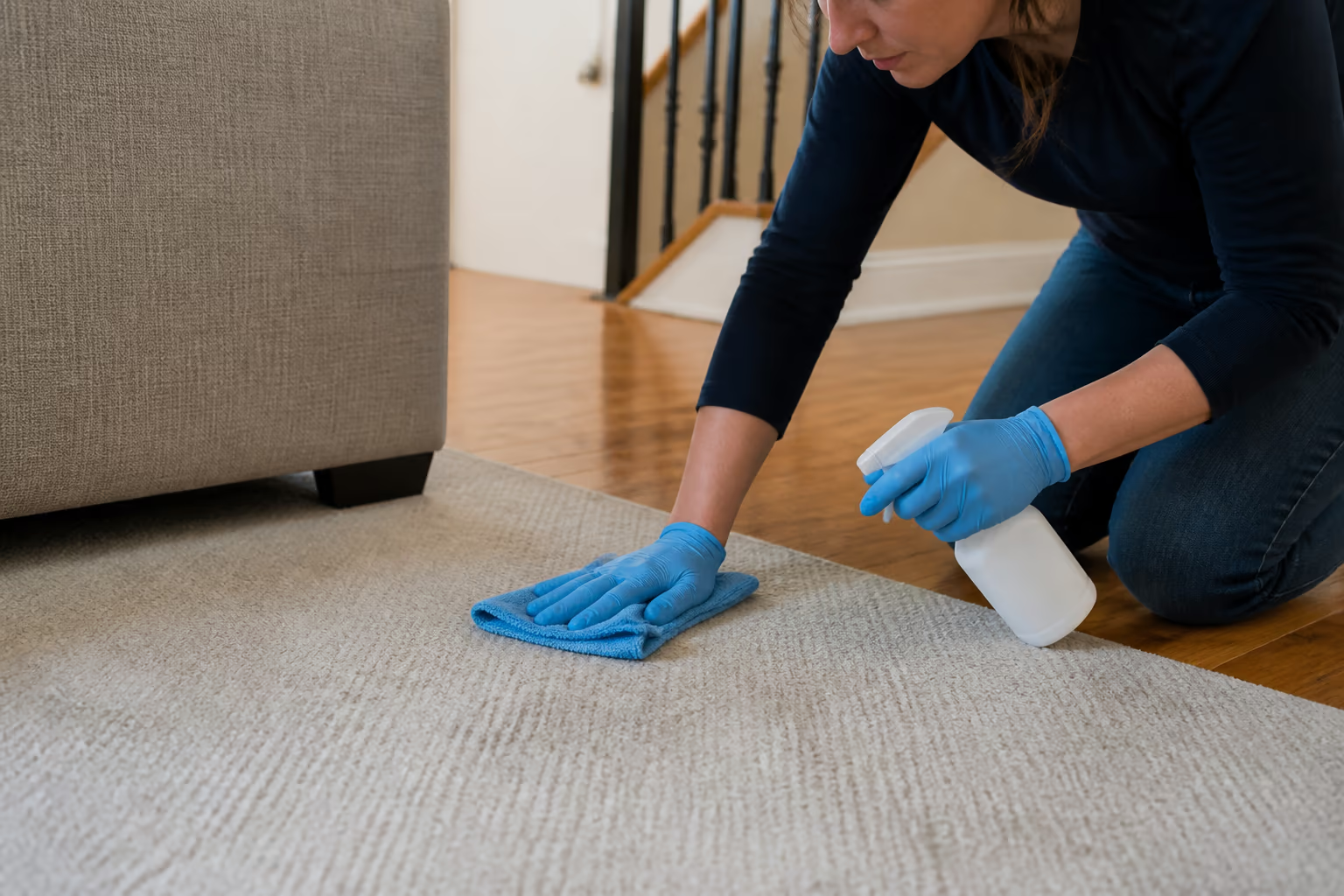
Cat poop and urine smells keep coming back because the crystals in cat urine sit below the surface and re-release their odour whenever the area gets damp. The reliable fix is a bio-enzymatic cleaner that digests those crystals, applied with patience. This guide explains why cat odours persist and walks you through the steps that actually remove them for good.
In this guide
Why Cat Waste Odours Are So Persistent
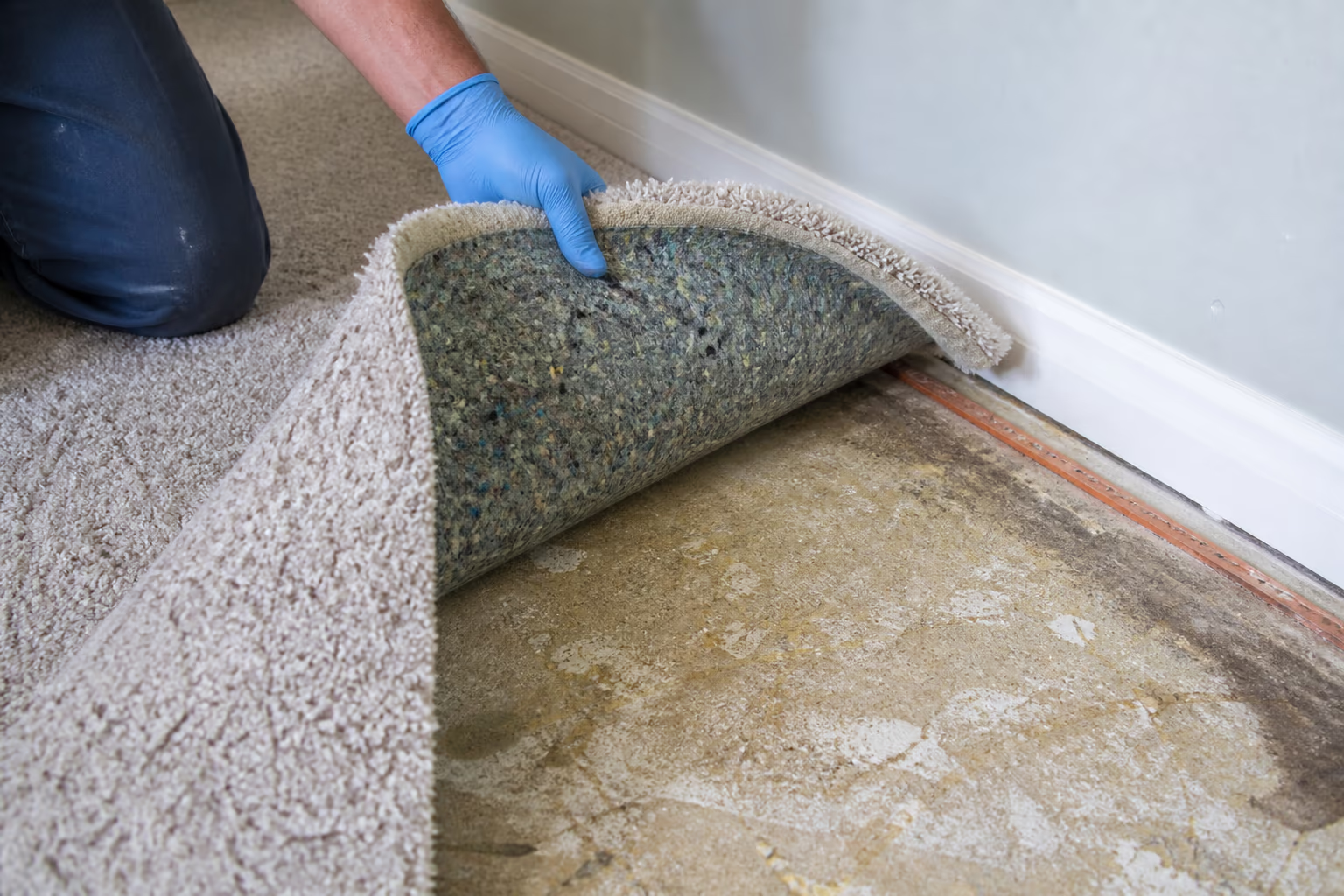
Cat urine is different from most pet waste. It contains uric acid, a compound that does not dissolve easily in water and forms tiny crystals. When urine dries, those crystals remain in carpet fibres, carpet padding, and even the subfloor below. A damp day, a spilled drink, or a humid bathroom re-hydrates the crystals and the smell comes right back.
Ventilation belongs in the plan from the start. Health Canada's indoor VOC guidance lists increasing ventilation first among the ways to reduce exposure to volatile organic compounds indoors, and the same airflow carries odour compounds out of the room while you work. Health Canada also keeps the risk in proportion: “For most VOCs, levels found in indoor air in Canadian homes do not usually pose a significant health risk.”
Solid waste adds another layer. Cat faeces contain sulfur compounds and mercaptans, the same family of molecules that give skunk spray its staying power. These compounds are volatile, meaning they evaporate into the air, which is why the smell travels across a room long after the mess itself is gone.
Ordinary household cleaners cannot solve this problem because they work on the surface. A scented spray or a soapy scrub masks the odour for a few hours, but it leaves the uric acid crystals and the volatile compounds behind. The only way to remove the smell for good is to break the waste down at a molecular level, which is exactly what bio-enzymatic cleaners are designed to do.
Enzymatic Cleaners vs. Ordinary Cleaners
A bio-enzymatic cleaner is a different tool from the all-purpose spray under your sink. Here is why it wins on pet waste:
The patience requirement is the part most people miss. If you apply an enzymatic cleaner and wipe it up after five minutes, you have wasted the product. The label usually asks for several hours of wet dwell time, and the results reflect whether you followed it.
How to Remove Cat Poop Smell from Carpet
Carpet is the surface where cat odours do the most damage, because the fibres hide waste and the padding below traps it. Work through these steps in order:
- 01Remove the Solid Waste First:Pick up any solid waste carefully with disposable gloves, working from the outside in so you do not press it deeper into the fibres.
- 02Blot, Never Rub:Press a dry microfibre or paper towel firmly onto the wet area to absorb as much liquid as possible. Rubbing pushes the mess deeper and spreads the stain.
- 03Apply the Enzymatic Cleaner Generously:Saturate the area so the liquid reaches the carpet backing and the padding beneath. If you can smell it, the stain is below the surface.
- 04Cover and Keep It Moist:Lay a damp cloth or plastic wrap over the treated area so the enzymes stay active for the full dwell time, usually 12 to 24 hours.
- 05Extract the Moisture:Once the dwell time is up, use a wet-dry vacuum or call in a commercial hot water extraction to pull out the loosened soil and leftover moisture.
- 06Let It Dry Completely:Keep the area ventilated and dry. A fan or dehumidifier helps, because a damp carpet invites mould and can reactivate old odours.
Hardwood, Furniture, and Other Surfaces
Carpet gets most of the attention, but cat waste finds its way onto other surfaces too, and each one needs a slightly different approach:
Finished Hardwood:
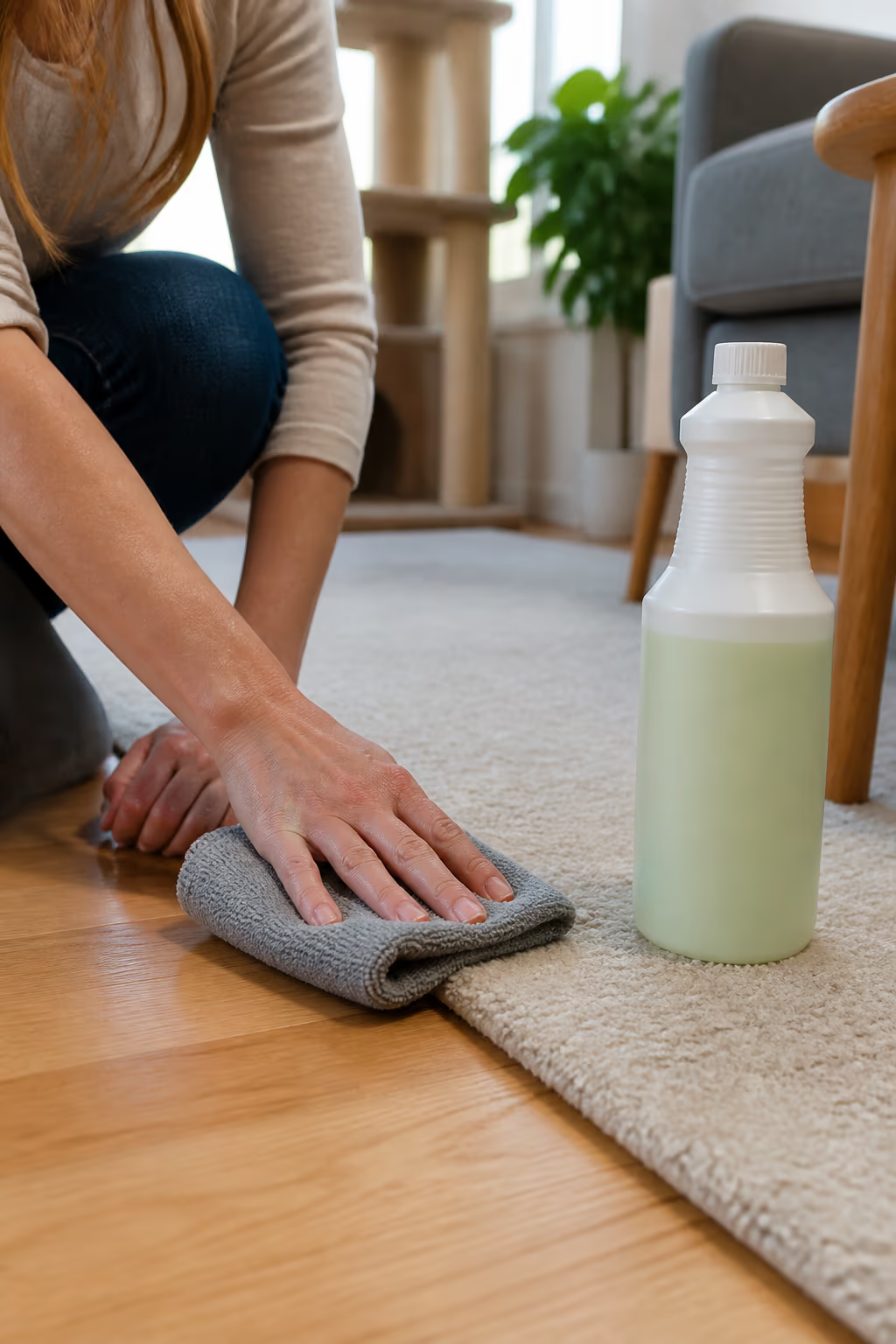
Wipe up the mess quickly, then use a pH-neutral enzymatic floor cleaner. Harsh products or heavy scrubbing can strip the finish and let liquid reach the wood grain.
Fabric Upholstery and Cushions:
Blot the area, apply an enzymatic cleaner, and give it the full dwell time. For cushions, remove the cover if you can so the liquid reaches the foam.
Tile and Grout:
Cat urine can soak into porous grout. A bio-enzymatic treatment followed by a good rinse usually does the job; badly stained grout may need professional attention.
Mattresses:
Treat urine spots with an enzymatic spray and ventilate the room well. Mattress protectors are worth the investment, since they stop the liquid from reaching the padding.
Litter Trays and Surrounding Floors:
Clean trays regularly with warm water and a mild cleaner. For surface grime on hard surfaces, our homemade citrus all-purpose cleaner recipe offers a natural, pet-friendly option between deep cleans.
Why Cats Re-Mark the Same Spot
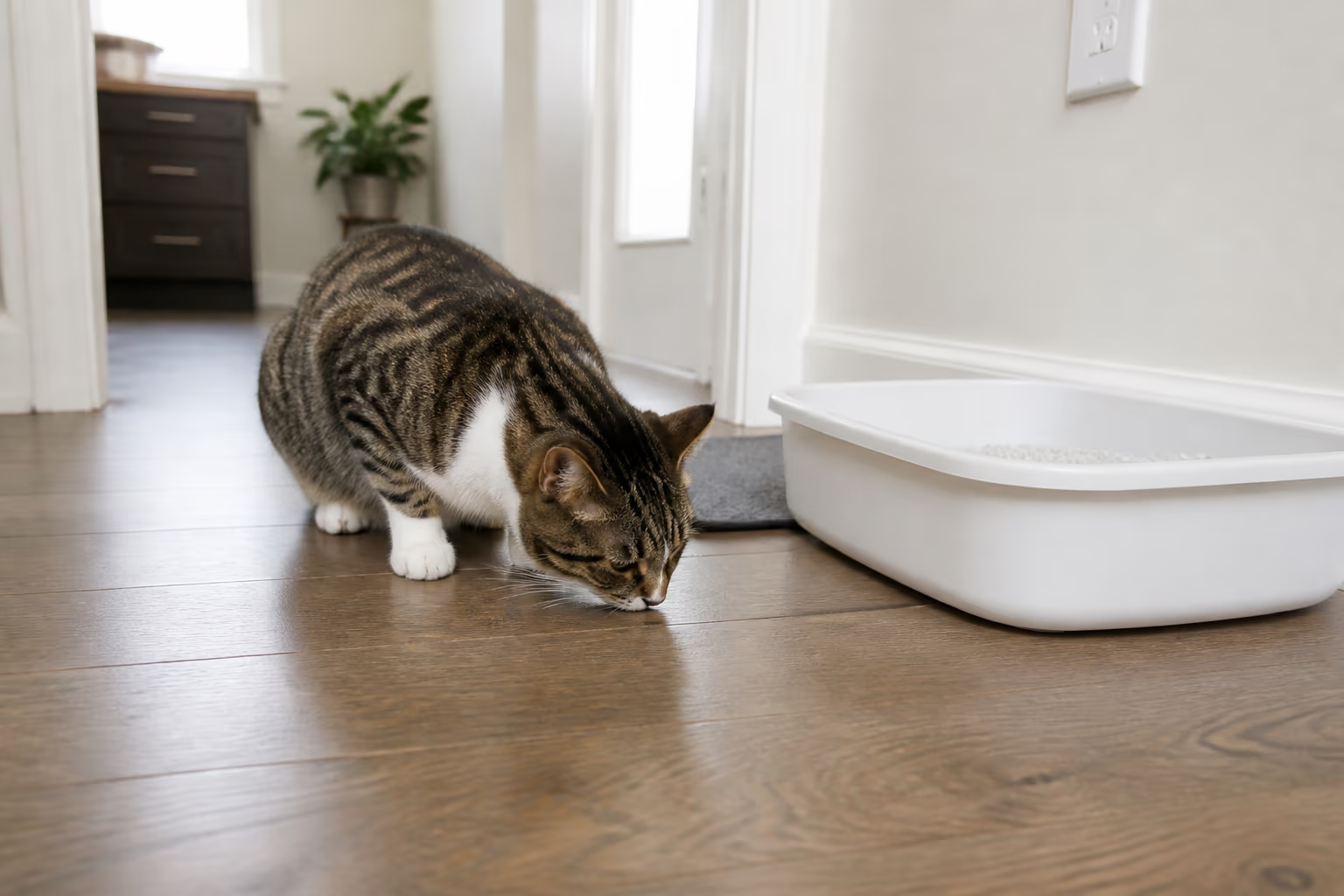
If a cat keeps returning to one place, it is rarely being spiteful. Cats rely heavily on smell, and urine leaves a scent marker that says this is a safe, familiar spot. If the uric acid crystals remain, the marker stays, and the cat keeps re-marking it no matter how many times you clean.
Removing the marker is a two-part job. The enzymatic cleaner digests the uric acid and removes the chemical message, and then the area needs to be genuinely clean of any trace. Once the spot is neutral, most cats stop returning to it, especially if the litter tray is clean and easily accessible.
When to Call a Professional
Home treatments work well for fresh stains and small accidents, but some situations call for professional equipment. If urine has soaked through to the carpet padding or subfloor, or if a stain is old and deeply set, the enzymes on the surface simply cannot reach everything that needs to be digested.
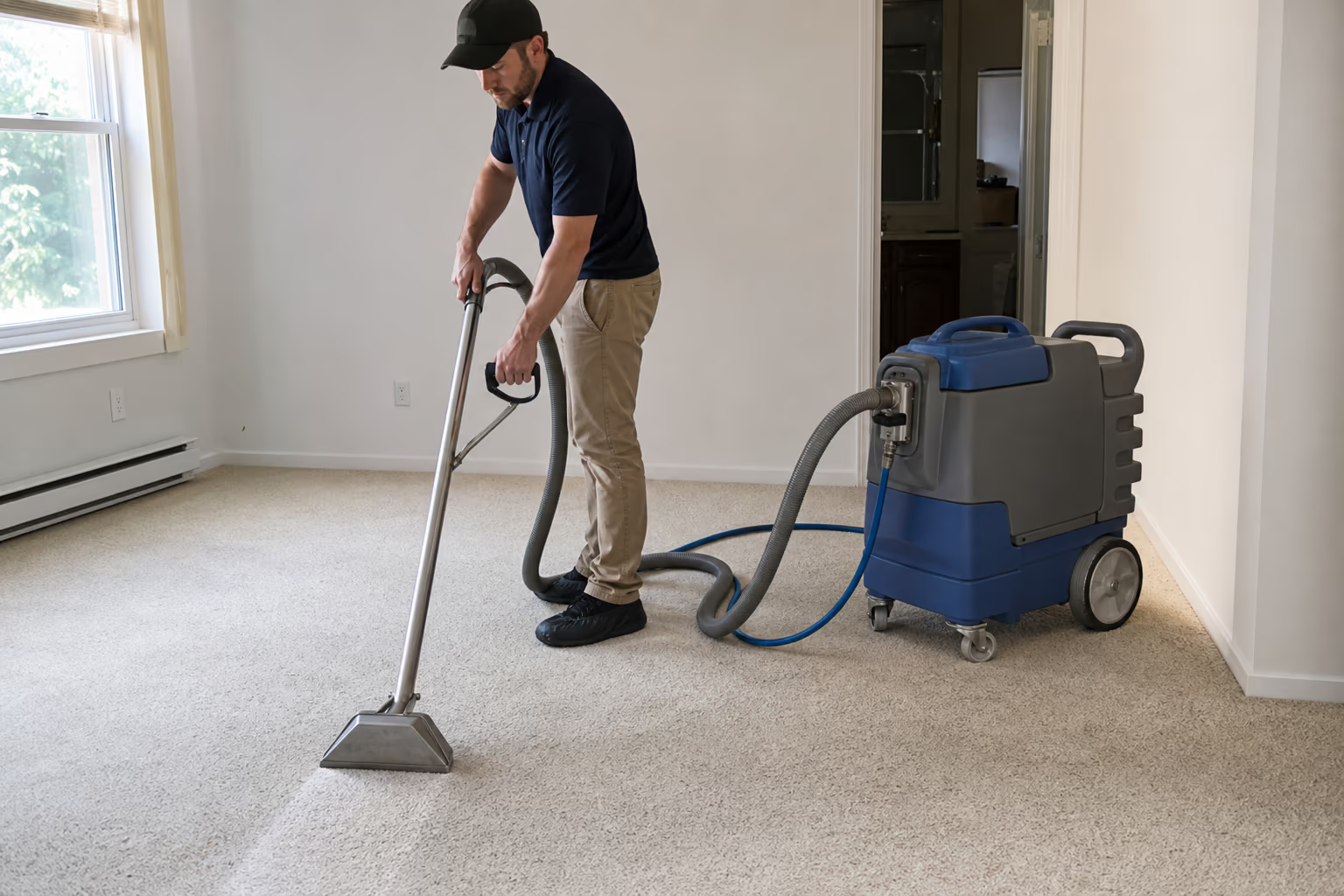
Professional pet stain removal uses commercial hot water extraction, which flushes the carpet and padding with heat and pressure and extracts the loosened waste. For a heavily marked home, a professional can treat the whole carpet rather than a single spot, which is the only way to deal with odours that have settled across a room. A professional crew also knows which enzymatic formulas work on wool, silk, and delicate fabrics, where a strong off-the-shelf product could do damage.
Formatted Step-by-Step Pet Waste Odor Remediation Checklist
Follow this checklist the next time your cat has an accident:
- Step 1.Remove Solid Waste Immediately with Disposable Gloves:Pick up the waste carefully from the outside in so it does not get pressed deeper into the fibres.
- Step 2.Blot Excess Liquid with Dry Microfibre Towels:Press the towel firmly onto the wet spot to absorb moisture before any cleaner goes down.
- Step 3.Saturate the Area with a Bio-Enzymatic Pet Cleaner:Apply the product generously so it reaches the carpet backing and any padding below.
- Step 4.Cover the Treated Area and Let It Dwell for 12 to 24 Hours:Keep the surface moist so the enzymes stay active and finish digesting the organic matter.
- Step 5.Deep-Extract Residual Moisture with a Wet-Dry Vacuum or HEPA Extraction:Pull out the loosened soil and moisture, then let the area dry completely.
- Step 6.Contracting professional residential home cleaning services in Ottawa through Good Cleaner Co. ensures thorough pet stain removal without the guesswork.
Pet Odour Removal for Ottawa Homes
Ottawa's climate makes pet odour problems a little more stubborn. In the winter, homes are sealed up tight and humidity from snow melt and wet boots sits in carpets. In the summer, humid air can reactivate uric acid crystals that dried months earlier. The same treatment works whether you live in Kanata, Nepean, Barrhaven, Orleans, or close to downtown Ottawa; the key is thorough enzyme treatment and complete drying.
Good Cleaner Co. Professional Service Introductions & Specializations
Good Cleaner Co. has been cleaning Ottawa homes and businesses for years, and we keep the same thoughtful chemistry standards across everything we do. Here is what we offer:
For businesses managing high call volumes, our call centre cleaning and workspace hygiene service applies the same enzymatic-grade sanitation standards to shared desks and break rooms.
Seasonal Maintenance & Local Environmental Factors in Ontario
Home maintenance across Ottawa and the National Capital Region means adapting your cleaning routine to serious seasonal weather shifts:
Quality Assurance & Health Canada Disinfection Compliance
Homes and businesses in Ontario work within a clear set of safety and health rules, and we follow them on every job:
FAQ
Why do ordinary carpet cleaners fail to remove cat poop odours?
Ordinary cleaners work on the surface and cannot break down the uric acid crystals that settle deep in carpet fibres and padding. Those crystals re-release their smell when the area gets damp, which is why the odour comes back.
How long do bio-enzymatic cleaners take to eliminate pet smells?
Most enzymatic cleaners need a wet dwell time of 12 to 24 hours to fully digest the organic matter. Cutting the dwell time short leaves waste behind, so the odour is likely to return.
Are bio-enzymatic cleaners safe for wool rugs and silk fabrics?
Check the label carefully. Most formulas are safe for synthetic and cotton fibres, but wool and silk are delicate and need a pH-neutral enzymatic product. When in doubt, test an inconspicuous corner first or call a professional.
What is the best way to remove cat poop smell from a carpet?
Remove the solid waste, blot the area dry, saturate it with a bio-enzymatic cleaner, keep it moist for the full dwell time, then extract the moisture. That sequence is the same one professional cleaners follow.
Why does the cat poop smell return when it rains or gets humid?
Humidity re-hydrates the dried uric acid crystals left behind by urine. If the crystals were never digested by enzymes, damp air makes the smell reappear even on a spot you thought was clean.
Will enzyme cleaners stop my cat from marking the same spot again?
Usually yes. Once the uric acid and scent markers are digested, there is nothing left to tell the cat the spot is a bathroom. Keeping the litter tray clean and accessible makes the habit even less likely to return.
How do I remove cat urine smell from hardwood floors?
Wipe up the mess quickly and use a pH-neutral enzymatic floor cleaner rather than harsh chemicals or heavy scrubbing, which can strip the finish. If the liquid reached the wood grain, professional treatment may be needed.
Can I make my own pet odour remover at home?
Simple solutions such as baking soda and vinegar help with light smells, but they do not digest uric acid crystals the way enzymes do. For a permanent fix on cat waste, a proper bio-enzymatic cleaner is the reliable choice.
When should I call a professional for pet odour removal?
Call a professional when urine has soaked through to carpet padding or subfloor, when a stain is old and deeply set, or when a room smells despite your best efforts. Commercial extraction equipment reaches what home treatments cannot.
How much does professional pet stain cleaning cost in Ottawa?
Professional pet stain treatment is usually priced by the area treated and the severity of the stain. Contact Good Cleaner Co. for a quote based on your carpet size and the number of affected spots.
Wrapping Up
Removing cat poop and urine odours is a chemistry problem, and bio-enzymatic cleaners are the right tool for it. With the correct sequence and a little patience, you can clear the smell for good. Contact Good Cleaner Co. today to book pet-safe home cleaning in Ottawa, or ask about professional home cleaning services in Ottawa for your household.
Clean Safely Around a Cat and Its Litter Area
Use gloves, wash your hands after handling litter or soiled materials, and keep cleaning products away from the cat until treated surfaces are dry. Remove the waste first, then clean the surrounding surface with a product that suits the material. Fragrance may cover an odour for a while, but it cannot replace removal of the residue. Repeated changes in litter habits or strong persistent odours are questions for a veterinarian. If food waste near the litter area also draws fruit flies, our DIY fruit fly traps guide offers two natural methods that pair well with a fresh-smelling kitchen.
Keep reading
More from Good Cleaner
About the author
Service areas
- Ottawa
- Kanata
- Nepean
- Orléans
- Barrhaven