


8 Essential Duties of a Professional Janitor: Complete Guide for Canadian Facilities
Table of Contents
- What Is a Professional Janitor?
- Duty 1: Floor Care and Maintenance
- Duty 2: Restroom Sanitation
- Duty 3: Waste Management and Recycling
- Duty 4: Surface Cleaning and Disinfection
- Duty 5: Supply Restocking and Inventory
- Duty 6: Window and Glass Cleaning
- Duty 7: Basic Maintenance and Repairs
- Duty 8: Safety and Security Monitoring
- Skills and Training Requirements
- Daily Janitor Checklist
- When to Hire Professional Janitorial Services
- Frequently Asked Questions
Understanding the essential duties of a professional janitor helps Canadian facility managers set clear expectations, evaluate service quality, and maintain safe, hygienic workplaces. Whether you’re hiring janitorial staff or managing an in-house team, knowing what responsibilities define professional cleaning ensures your facility receives proper care.
This comprehensive guide outlines the 8 core duties every professional janitor performs, along with the skills, training requirements, and best practices that distinguish exceptional janitorial work from mediocre service.
What Is a Professional Janitor?
A professional janitor (also called a custodian or cleaning technician) is responsible for maintaining the cleanliness, safety, and functionality of commercial buildings. Unlike residential cleaners who focus primarily on aesthetics, janitors ensure facilities meet health standards, safety regulations, and operational requirements.
In Canada, the janitorial services industry employs hundreds of thousands of workers across offices, schools, healthcare facilities, retail spaces, and industrial buildings. The profession requires a combination of physical stamina, attention to detail, and knowledge of proper cleaning techniques and safety protocols.
Janitor vs. Custodian: What’s the Difference?
While often used interchangeably, these roles have subtle distinctions:
- Janitors primarily focus on cleaning tasks: mopping, vacuuming, restroom sanitation, and waste removal
- Custodians often have broader responsibilities including building security, HVAC monitoring, minor repairs, and grounds maintenance
In practice, many Canadian facilities combine these roles, with staff handling both cleaning and light maintenance duties.
Duty 1: Floor Care and Maintenance
Floor care represents one of the most visible and time-consuming janitor duties. Professional janitors maintain various flooring types using appropriate techniques and equipment.
Daily Floor Care Tasks
- Sweeping and dust mopping: Remove loose debris from hard floors before wet cleaning
- Mopping: Clean hard floors with appropriate solutions, working in sections to prevent slip hazards
- Vacuuming: Remove dirt from carpeted areas, including edges and under furniture
- Spot cleaning: Address spills and stains immediately to prevent permanent damage
- Entrance mat care: Clean and maintain entry mats to reduce tracked-in dirt
Periodic Floor Care Tasks
- Stripping and waxing: Remove old floor finish and apply new protective coating (typically quarterly)
- Carpet shampooing: Deep clean carpets using extraction methods to remove embedded soil
- Buffing and burnishing: Restore shine to hard floors between stripping cycles
- Grout cleaning: Scrub tile grout lines to remove mould and discolouration
Canadian Winter Considerations
Canadian janitors face unique challenges during winter months. Salt and de-icing chemicals tracked indoors can damage flooring and leave unsightly residue. Professional janitors:
- Increase entrance area cleaning frequency
- Use neutral pH cleaners to remove salt without damaging finishes
- Apply floor neutralizers to prevent chemical buildup
- Monitor moisture levels to prevent slip hazards
Duty 2: Restroom Sanitation
Restroom cleaning is arguably the most critical janitor responsibility. Improperly maintained restrooms pose health risks, create negative impressions, and can violate health regulations.
Daily Restroom Tasks
- Toilet and urinal sanitation: Clean and disinfect all fixtures inside and out
- Sink and counter cleaning: Remove soap residue, water spots, and debris
- Mirror polishing: Clean mirrors to a streak-free finish
- Floor mopping: Disinfect floors, paying attention to areas around fixtures
- Partition cleaning: Wipe down stall walls and doors
- Supply restocking: Refill toilet paper, paper towels, soap, and sanitizer
- Trash removal: Empty all waste containers and replace liners
Weekly Restroom Tasks
- Deep clean grout lines
- Descale faucets and fixtures
- Clean air vents and exhaust fans
- Inspect and clean behind toilets
- Polish metal fixtures
Health Canada Compliance
Professional janitors in Canada must use Health Canada-approved disinfectants with Drug Identification Numbers (DIN). These products are tested for effectiveness against pathogens. Key compliance requirements include:
- Following manufacturer-specified dwell times (contact time required for disinfection)
- Using appropriate dilution ratios
- Wearing proper personal protective equipment (PPE)
- Preventing cross-contamination between restrooms and other areas
Duty 3: Waste Management and Recycling
Proper waste management protects facility occupants from health hazards and demonstrates environmental responsibility. Professional janitors handle multiple waste streams according to municipal regulations.
Daily Waste Tasks
- Trash collection: Empty all waste containers throughout the facility
- Liner replacement: Install fresh liners in all containers
- Recycling sorting: Ensure recyclables are properly separated (paper, plastic, metal, glass)
- Container sanitization: Clean and disinfect waste containers regularly
- Dumpster area maintenance: Keep exterior waste areas clean and organized
Specialized Waste Handling
Certain facilities require specialized waste handling:
- Healthcare facilities: Biohazardous waste requires separate handling and disposal
- Food service: Organic waste may require composting or special disposal
- Industrial settings: Chemical waste must follow environmental regulations
Canadian Recycling Requirements
Canadian municipalities have varying recycling requirements. Professional janitors must understand local regulations for:
- Blue bin programs (recyclables)
- Green bin programs (organics)
- Electronics recycling
- Hazardous material disposal
Duty 4: Surface Cleaning and Disinfection
Surface cleaning goes beyond aesthetics—it’s essential for preventing illness transmission. The Canadian Centre for Occupational Health and Safety (CCOHS) emphasizes regular disinfection of high-touch surfaces.
High-Touch Surfaces Requiring Daily Attention
- Door handles and push plates
- Light switches
- Elevator buttons
- Stair railings
- Reception counters
- Shared equipment (printers, copiers, coffee machines)
- Conference room tables and phones
- Breakroom surfaces
Proper Disinfection Technique
Professional janitors understand the difference between cleaning and disinfecting:
- Clean first: Remove visible dirt and debris with a cleaning solution
- Apply disinfectant: Use Health Canada-approved products
- Allow dwell time: Leave disinfectant on surface for recommended contact time (typically 1-10 minutes)
- Wipe or air dry: Remove excess product if required by manufacturer
Preventing Cross-Contamination
Effective janitors use colour-coded cleaning tools to prevent spreading germs:
- Red: Restroom fixtures only
- Blue: General surfaces and glass
- Green: Kitchen and food service areas
- Yellow: High-contamination areas
Duty 5: Supply Restocking and Inventory
A well-stocked facility runs smoothly. Professional janitors monitor supply levels and ensure occupants always have access to necessary items.
Common Restocking Responsibilities
- Restrooms: Toilet paper, paper towels, hand soap, hand sanitizer
- Breakrooms: Paper products, dish soap, coffee supplies (where applicable)
- First aid stations: Basic supplies (bandages, antiseptic wipes)
- Cleaning closets: Cleaning solutions, tools, equipment
Inventory Management
Professional janitors track inventory to prevent shortages:
- Monitor usage patterns to anticipate needs
- Report low stock levels to supervisors
- Rotate stock to use older items first
- Store supplies properly to prevent damage
- Secure cleaning chemicals per WHMIS requirements
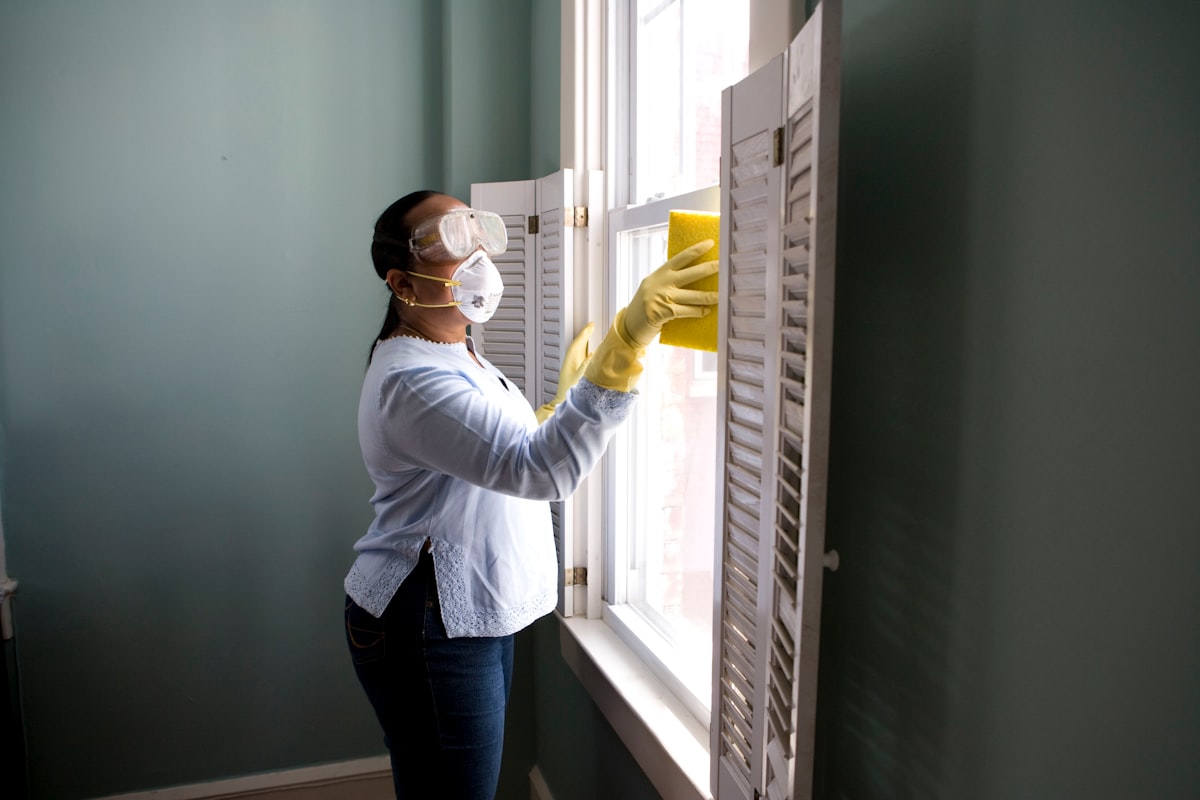
Duty 6: Window and Glass Cleaning
Clean windows and glass surfaces enhance natural lighting, improve building appearance, and create positive impressions for visitors and clients.
Interior Glass Tasks
- Interior windows: Clean glass partitions, office windows, and display cases
- Glass doors: Remove fingerprints, smudges, and debris from entry doors
- Mirrors: Polish to streak-free finish in restrooms and common areas
- Display cases: Clean glass cabinets and showcases
Window Cleaning Best Practices
- Use lint-free cloths or squeegees to prevent streaking
- Clean in cloudy conditions or indirect light to spot streaks
- Work from top to bottom to prevent drips
- Wipe frames and sills during window cleaning
Exterior Window Considerations
Exterior window cleaning often requires specialized equipment or contractors. Professional janitors may handle ground-level exterior windows while coordinating with window cleaning specialists for upper floors.
Duty 7: Basic Maintenance and Repairs
While janitors aren’t maintenance technicians, many perform basic repairs and report issues that require specialized attention.
Common Janitor Maintenance Tasks
- Light bulb replacement: Replace burned-out bulbs in accessible fixtures
- Minor repairs: Tighten loose screws, adjust door closers, fix stuck drawers
- Plumbing checks: Clear minor clogs, report leaks and running toilets
- Touch-up painting: Address small wall scuffs and marks
- Furniture adjustments: Tighten loose chair legs, adjust desk heights
Reporting and Documentation
Professional janitors document and report:
- Maintenance issues requiring specialist attention
- Safety hazards (damaged flooring, broken handrails)
- Vandalism or property damage
- Equipment malfunctions
- Pest sightings
Duty 8: Safety and Security Monitoring
Janitors often work during off-hours when buildings are less occupied, making them valuable assets for facility security and safety monitoring.
Safety Responsibilities
- Hazard identification: Report wet floors, damaged surfaces, and trip hazards
- Warning signage: Place wet floor signs and safety barriers as needed
- Emergency exits: Ensure exits are clear and properly marked
- Fire safety: Report blocked fire exits, extinguisher issues, or alarm concerns
- Chemical safety: Follow WHMIS protocols for hazardous material handling
Security Monitoring
- Note and report unauthorized individuals
- Ensure doors are locked when required
- Report broken windows or forced entry signs
- Monitor for unusual activities during evening shifts
Emergency Response
Professional janitors should know:
- Emergency exit locations
- Fire extinguisher locations and basic operation
- First aid kit locations
- Emergency contact procedures
- Building evacuation procedures
Skills and Training Requirements
Professional janitors require both hard skills (technical abilities) and soft skills (personal attributes) to perform effectively.
Essential Technical Skills
- Equipment operation: Vacuums, floor buffers, carpet extractors, pressure washers
- Chemical knowledge: Proper product selection, dilution, and application
- Cleaning techniques: Appropriate methods for different surfaces and materials
- Time management: Completing tasks efficiently within scheduled hours
Required Certifications (Canada)
- WHMIS 2015: Workplace Hazardous Materials Information System training is mandatory for handling cleaning chemicals
- First Aid/CPR: Often required or preferred by employers
- Bloodborne Pathogen Training: Required in healthcare and high-risk settings
Soft Skills for Success
- Attention to detail
- Reliability and punctuality
- Physical stamina (standing, walking, lifting)
- Communication skills
- Ability to work independently
- Discretion and trustworthiness
Canadian Salary Expectations
According to Job Bank Canada, janitor wages vary by province and experience:
- Entry level: $15-18 CAD per hour
- Experienced: $18-25 CAD per hour
- Supervisory roles: $25-35 CAD per hour
Daily Janitor Checklist
Use this checklist to ensure all essential janitor duties are completed:
Opening/Morning Tasks
- [ ] Check entrances and remove overnight debris
- [ ] Inspect and clean entry mats
- [ ] Check restroom supplies and cleanliness
- [ ] Empty overnight trash from high-traffic areas
- [ ] Wipe down reception and common area surfaces
Throughout the Day
- [ ] Monitor and clean restrooms (every 2-3 hours in busy facilities)
- [ ] Address spills and stains immediately
- [ ] Empty breakroom trash
- [ ] Restock supplies as needed
- [ ] Disinfect high-touch surfaces
End of Day Tasks
- [ ] Empty all trash containers and replace liners
- [ ] Vacuum all carpeted areas
- [ ] Mop hard floors
- [ ] Clean and sanitize restrooms thoroughly
- [ ] Dust surfaces and equipment
- [ ] Clean breakroom and kitchen areas
- [ ] Secure cleaning supplies
- [ ] Report any maintenance issues
- [ ] Lock doors and set alarms if applicable
When to Hire Professional Janitorial Services
While some small businesses manage cleaning in-house, professional janitorial services offer advantages for most Canadian facilities.
Signs You Need Professional Services
- Facility exceeds 3,000 square feet
- More than 10 employees work in the space
- Client-facing areas require consistent professional appearance
- Healthcare, food service, or regulated industry requirements apply
- Current cleaning quality is inconsistent
- Staff time is better spent on core business activities
Benefits of Professional Janitorial Services
- Trained staff: Workers with proper certifications and experience
- Consistent quality: Standardized checklists and quality control
- Insurance coverage: Protection against liability
- Equipment included: No capital investment required
- Flexible scheduling: Service during off-hours to minimize disruption
- Cost predictability: Fixed monthly rates simplify budgeting
What to Look for in a Janitorial Service
- WSIB coverage and liability insurance
- Background-checked employees
- WHMIS-trained staff
- Health Canada-approved cleaning products
- Detailed service agreements and checklists
- References from similar facilities
- Transparent pricing without hidden fees
Frequently Asked Questions
What are the main duties of a janitor?
The main janitor duties include floor care (sweeping, mopping, vacuuming), restroom sanitation, waste management, surface cleaning and disinfection, supply restocking, window cleaning, basic maintenance, and safety monitoring.
What skills does a janitor need?
Professional janitors need equipment operation skills, knowledge of cleaning chemicals and techniques, physical stamina, attention to detail, time management, and the ability to work independently. WHMIS certification is mandatory in Canada.
How much do janitors make in Canada?
Canadian janitor wages typically range from $15-18 per hour for entry-level positions to $18-25 per hour for experienced workers. Supervisory roles can earn $25-35 per hour depending on location and employer.
What’s the difference between a janitor and a cleaner?
Janitors typically work in commercial facilities and have broader responsibilities including basic maintenance and security monitoring. Cleaners often focus purely on cleaning tasks and may work in residential settings. However, these terms are sometimes used interchangeably.
How often should a janitor clean restrooms?
In most commercial facilities, restrooms should receive thorough cleaning daily, with additional checks every 2-3 hours in high-traffic environments. Healthcare facilities may require more frequent cleaning.
What training do janitors need in Canada?
Canadian janitors must complete WHMIS 2015 training for handling cleaning chemicals. Many employers also require or prefer First Aid/CPR certification. Healthcare facilities may require additional bloodborne pathogen training.
Conclusion
Understanding the essential duties of a professional janitor helps facility managers maintain clean, safe, and productive workplaces. From floor care and restroom sanitation to security monitoring and basic maintenance, professional janitors perform a wide range of tasks that directly impact occupant health, safety, and satisfaction.
Whether you’re developing job descriptions, evaluating service quality, or considering professional janitorial services, these eight core duties provide a framework for understanding what effective facility maintenance requires.
Need professional janitorial services for your Canadian facility? Contact GoodCleaner today for a free quote and customised cleaning plan!