
8 Essential Duties Of A Professional Janitor: Complete Guide For Canadian Facilities
A professional janitor keeps a building clean, safe and presentable through a set of daily, weekly and monthly routines that most people never notice. If you manage a facility, knowing exactly what those duties are helps you set expectations, build checklists and recognise when a trained janitorial team is worth the investment. This guide walks through the full scope of the role and what a professional service should deliver.

Quick Summary
A professional janitor keeps a building clean, safe and presentable through daily, weekly and monthly routines that most people never notice, covering washrooms, floors, high-touch surfaces and seasonal Ontario demands. Knowing these eight essential duties helps facility managers set expectations, build checklists and recognize when a trained janitorial team is worth the investment.
In this guide
What a Professional Janitor Actually Does
A professional janitor is a trained building-care specialist, not simply someone with a mop and a bucket. The job combines routine surface cleaning with floor care, washroom sanitation, waste handling, supply restocking and light building upkeep, all carried out on a schedule that matches how the space is actually used.
- Surface dusting and cleaning across offices, lobbies and shared spaces
- Floor care including vacuuming, mopping and spot cleaning
- Washroom cleaning, disinfection and restocking
- Waste removal, recycling and bin liner replacement
- High-touch point disinfection for handles, switches and rails
- Light maintenance such as restocking supplies and reporting damage
The value of the role shows up in the details: cleaner washrooms, floors that wear evenly, fewer missed touchpoints and a facility that leaves the right impression on clients, staff and tenants. For Canadian facility managers, understanding the daily duties and responsibilities of a professional janitor matters because it is the difference between a space that looks clean and one that is genuinely maintained.
A typical professional routine covers a broad sweep of tasks:
A professional also thinks about prevention, not just reaction. They notice a clogged drain before it floods, a high-touch surface that needs extra attention and a spill that needs a faster response than the schedule allows. That awareness is hard to measure on a checklist, but it is exactly what turns routine cleaning into genuine facility care.
Good Cleaner Co. treats each of these as a scheduled task with a clear standard, so nothing is left to memory. The list above is the everyday core; the rest of this guide breaks the role into the eight duties that belong in any professional janitorial scope of work. For a deeper look, our breakdown of the essential duties of a professional janitor covers each task in more detail.
The 8 Essential Duties of a Professional Janitor
When you hire a professional janitor or a janitorial company, the scope of work should name the duties in plain language. Here are the eight that cover most Canadian commercial facilities:
Surface Dusting and Preparation:
Removing loose dust, grit and debris from the top of the room down, so wet cleaning does not turn dust into streaks.
Cleaning and Sanitising Work Surfaces:
Wiping desks, counters and fixtures with the right product for each surface, using clean cloths to avoid spreading contamination.
Washroom Sanitation and Restocking:
Cleaning and disinfecting toilets, sinks, mirrors and touchpoints, and keeping soap, paper and liners stocked.
Floor Care:
Vacuuming carpets and hard floors, mopping and spot-treating spills so flooring wears evenly and looks its best.
Waste and Recycling Management:
Emptying bins, replacing liners and keeping disposal areas tidy and odour-free.
High-Touch Point Disinfection:
Regularly cleaning door handles, light switches, elevator buttons and shared workstations where germs spread fastest.
Supply and Equipment Upkeep:
Restocking supplies, checking that dispensers work and keeping cleaning equipment clean and serviceable.
Final Inspection and Reporting:
Walking the finished work against the checklist and flagging damage or recurring issues to the facility contact.
These eight duties are not fixed in stone. The right mix depends on your building's size, use and standards, and a good provider will adjust the list to your space rather than forcing a generic checklist onto it.
Daily, Weekly and Monthly Responsibilities
A professional janitor's routine is built in three rhythms: daily tasks that keep a space safe and presentable, weekly tasks that hold the standard, and monthly or seasonal tasks that protect the building over the long term. A closer look at the daily responsibilities of a janitor shows how these tasks fit into a single shift, from opening checks to the final walk-through.
Daily responsibilities are the visible core of the job. They keep the facility usable and welcoming every single day:
- Emptying bins and replacing liners
- Cleaning and disinfecting washrooms
- Vacuuming high-traffic and common areas
- Wiping high-touch points and shared surfaces
- Spot-cleaning spills and visible marks
- Restocking paper, soap and hand sanitiser
Weekly responsibilities catch what daily cleaning leaves behind:
- Mopping and disinfecting kitchen and lunchroom floors
- Dusting baseboards, vents and shelving
- Cleaning glass partitions, mirrors and entry doors
- Deep-cleaning washroom fixtures and grout lines
- Rotating through offices and meeting rooms on a schedule
Monthly and seasonal tasks protect the building itself:
- Stripping, scrubbing or recoating hard floors as needed
- Extracting or deep-cleaning carpets in heavy-use areas
- Washing walls, doors and light fixtures
- Clearing entry mats and treating winter salt and grit
- Checking vents and dust accumulations near return air
There is a statutory floor underneath those rhythms. Ontario's Occupational Health and Safety Act requires an employer to instruct, inform and supervise workers to protect their health and safety, and to take every precaution reasonable in the circumstances for their protection. A routine that skips signage, training or protective equipment is not merely sloppy. The province sets a written threshold: “In workplaces in which more than 5 workers are regularly employed, prepare a written occupational health and safety policy, review that policy at least once a year and set up and maintain a program to implement it”.
Setting a realistic rhythm matters more than doing everything all at once. When daily, weekly and monthly tasks each have a home in the schedule, the building stays consistent and nothing quietly slips.
The exact split between daily, weekly and monthly work depends on the building. A busy clinic, a corporate office and a retail store all need the same fundamentals but at different frequencies. The point of a documented routine is that the split is agreed up front and revisited as use changes.
Washroom, Floor and High-Touch Routines
Three areas deserve special attention in any Canadian facility because they carry the most traffic and the highest risk of cross-contamination.
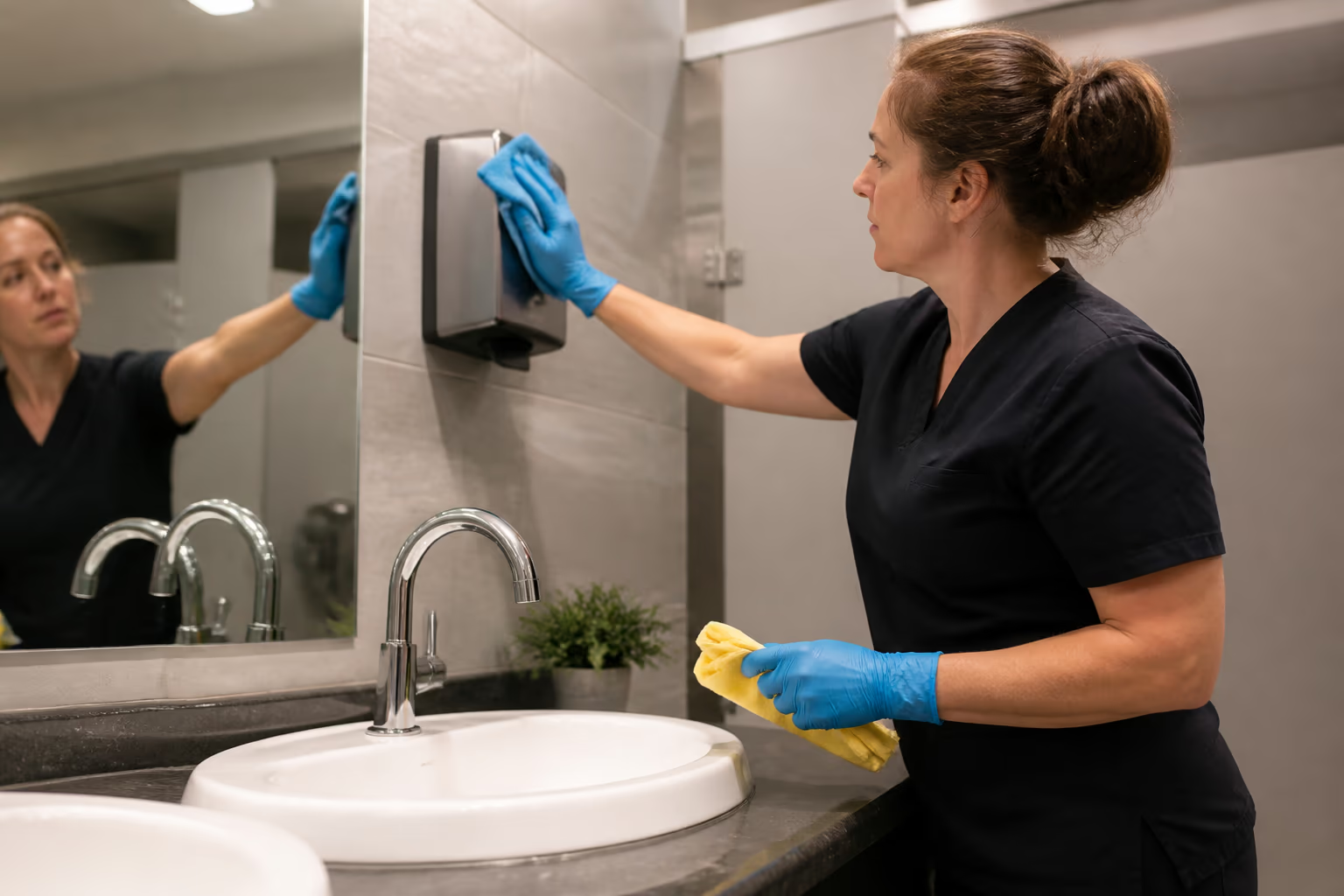
Washrooms are cleaned in a strict sequence so soil and germs never move from floor to counter to touchpoint. A professional starts with the highest surfaces, works down, disinfects the fixtures, then finishes with the floor. Colour-coded microfibre keeps washroom work separate from desks and kitchens, which is one of the most important habits in the whole job.
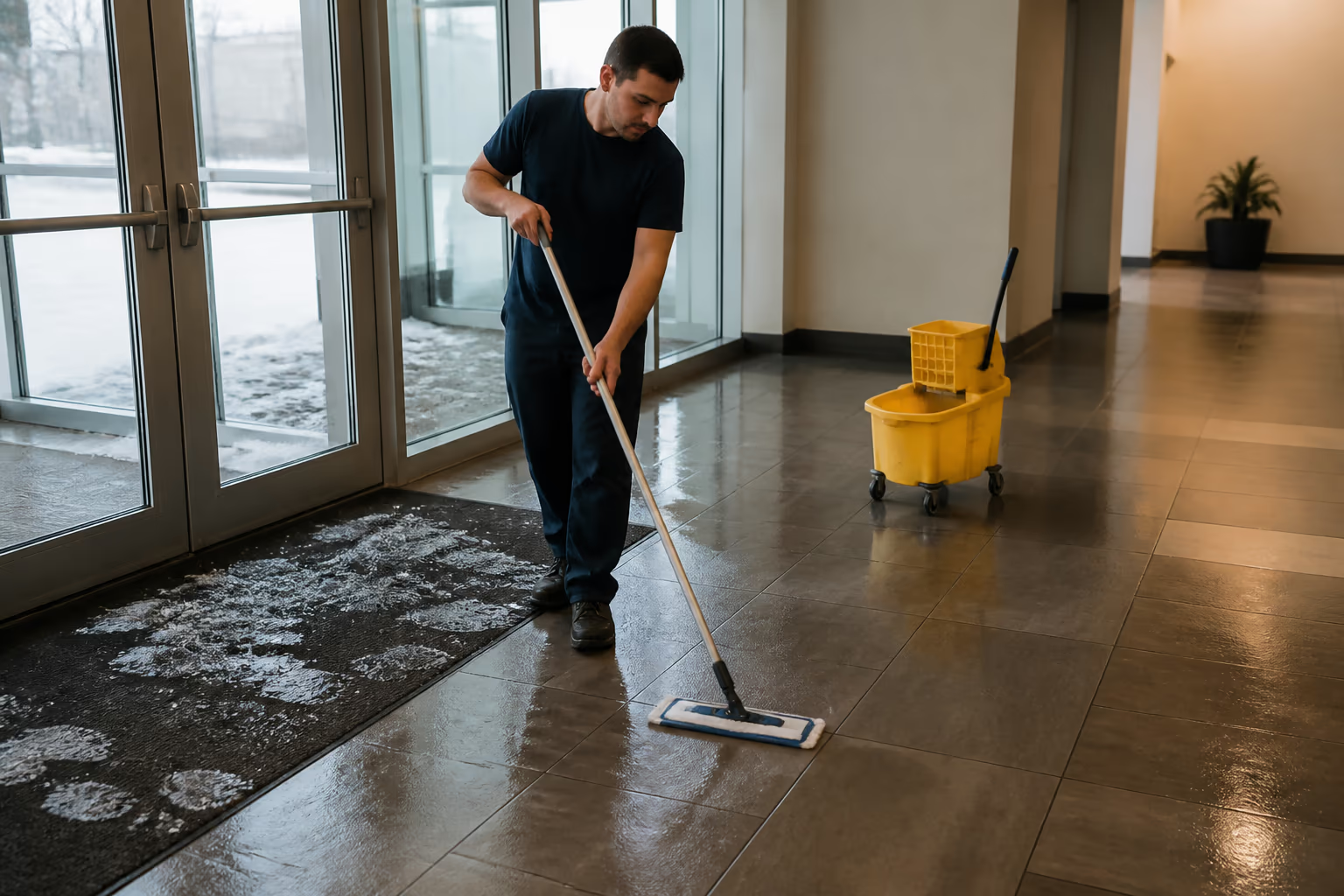
Floors take the hardest daily punishment, especially through Canadian winters. Salt, grit and melt water get tracked into lobbies and entryways, so entry mats, daily vacuuming and prompt spill care are the first line of defence. Weekly damp mopping and periodic deep cleaning keep hard floors from staining and carpets from wearing in traffic lanes.
High-touch points are where a clean building and a healthy building meet. Door handles, light switches, elevator buttons, keypads, taps and shared workstations are touched constantly, and a professional wipes these on every visit and disinfects them on the schedule the space needs.
- Keep entry mats in place through winter to trap salt and grit
- Clean washrooms from high to low, finishing with the floor
- Use colour-coded microfibre so contaminants never move between zones
- Wipe high-touch points on every visit, not just once a week
- Spot-clean spills promptly so floors and carpets stay protected
Seasonal and Ontario-Specific Janitorial Demands
Ontario buildings face real seasonal shifts, and a good janitorial routine adapts to them. From late autumn through spring, calcium chloride and rock salt get tracked inside and can stain carpets, etch stone and dull hardwood if they are not removed quickly. Entryway vacuuming and periodic damp extraction keep that damage from setting in.
Summer humidity is another factor. Ontario summers can push relative humidity high, which speeds up mould and mildew in washrooms, kitchens and unventilated corners. Regular cleaning, good air movement and prompt attention to moisture keep those problems from taking hold.
Winter also brings safety considerations. Wet entry floors become slip hazards, so prompt drying and a quick response to tracked-in snow matter as much as appearance. A professional crew works with the building's needs, keeping walkways dry and mats in place through the season.
Spring is the natural moment for a deeper reset. Once the worst of the salt and grit has passed, carpet extraction, hard floor care and a top-to-bottom detail of the entryway help the building recover from winter and start the warmer months clean.
Facility managers should expect the janitorial plan to change with the season, not stay frozen all year. Additional entryway care in winter, deeper carpet extraction in spring and more frequent washroom attention in humid months are all signs of a responsive, professional program rather than a one-size-fits-all routine.
Health, Safety and Compliance Responsibilities
A professional janitor's responsibilities include the safety of the people who use the building. That means using cleaning chemistry correctly, following hazard information and knowing how to handle a spill or an accident.
- Follow WHMIS 2015 labels and Safety Data Sheets for every product
- Dilute chemicals to the label strength, never stronger or weaker
- Store concentrates away from occupied areas and clearly labelled
- Use certified disinfectants and let them sit for the required contact time
- Report spills, hazards or damage promptly to the facility contact
In Canada, commercial cleaning products are covered by WHMIS 2015, which requires hazard labels and Safety Data Sheets for every chemical a worker handles. A trained janitor reads those sheets, dilutes products according to the label and stores concentrates clearly. Disinfectants used on hard surfaces carry a Health Canada Drug Identification Number, which is how you know their germ-killing claims are verified, and certified products such as EcoLogo cleaners meet independent environmental standards for lower emissions and safer ingredients.
None of this is about inventing bureaucracy. It is the practical layer that keeps staff, clients and the cleaning crew safe while the work gets done.
How Good Cleaner Co. Delivers a Consistent Janitorial Standard
Good Cleaner Co. approaches janitorial service as a program, not a one-off tidy-up. Every facility gets a written scope of work, a clear schedule and a named contact for questions, so expectations are set before the first visit.
Background-checked staff follow documented routines with colour-coded microfibre and certified chemistry, and supervisors audit the finished work so the standard holds from one visit to the next. For facilities across Ottawa and the surrounding region, the same duty list applies whether the building is a small office or a multi-tenant complex.
If you are comparing providers, our guide to comparing commercial cleaners walks through the questions that matter, from training to how quality is checked and reported.

Building a Janitorial Routine That Fits Your Facility
No two facilities are identical, which is why a good janitorial program starts with a site walk-through rather than a price list. The provider assesses the size, the traffic patterns, the surfaces and the special requirements, then proposes a schedule and a scope that fit the building.
- Start with a walk-through and an agreed scope of work
- Set a schedule matched to how each zone is actually used
- Decide which tasks are daily, weekly and monthly
- Agree on how quality is checked and how issues are reported
- Review the routine seasonally and whenever the building changes
A practical routine balances three things: the frequency each zone really needs, the depth of cleaning required and the budget available. Those three forces rarely align perfectly, so an honest conversation between the facility manager and the provider matters.
A routine that is agreed in writing and reviewed regularly is far more reliable than one that depends on memory or goodwill. That is the difference between a cleaning program and a cleaning habit, and facilities that treat the job this way tend to stay cleaner for longer.
Formatted Step-by-Step Daily Janitorial Workflow Checklist
A consistent daily workflow keeps results predictable. Here is the routine a professional crew follows on every visit:
- Step 1.Prep the space:clear surfaces, note any spills or damage and gather the tools and products you need for the zones you are cleaning.
- Step 2.Dust and vacuum from high to low:remove loose dust and debris first so wet cleaning does not turn it into streaks or mud.
- Step 3.Clean and disinfect high-touch points:apply the right product and let it sit for the contact time listed on the label.
- Step 4.Wipe down with colour-coded microfibre:use separate cloths for washrooms, kitchens and desks so contaminants never move between zones.
- Step 5.Inspect and close out:walk the space, empty bins, restock supplies and report anything unusual to the facility contact.
- Step 6.Booking our janitorial cleaning teams in Ottawa puts a trained, supervised crew on the same workflow for your facility, week after week.

FAQ
How often should a commercial facility in Canada be professionally cleaned?
Frequency depends on foot traffic, occupant density and the season. Lobbies, washrooms and kitchens may need daily or several-times-a-week service, while private offices can often be covered weekly. A site walk-through helps set the right schedule.
What is the difference between a janitor and a cleaner?
In practice the terms overlap, but a professional janitor typically handles a wider scope that includes floor care, washroom sanitation, waste removal, supply restocking and building lockup. When you hire a janitorial service, confirm the full duty list in writing. For a home rather than a commercial facility, Ottawa home cleaning services follow a different scope built around household routines.
Are janitorial chemicals safe for the people who use the building?
Yes, when products are used properly. Reputable companies use certified, low-fume chemistry, train staff under WHMIS 2015 and follow the label for contact time and ventilation. You can ask to see the Safety Data Sheets before you sign.
Do I need to provide my own cleaning supplies and equipment?
Most professional janitorial companies bring their own commercial equipment and certified products. If your building has specific surface requirements or you prefer a particular chemical line, that is usually noted in the scope of work.
What should a janitorial scope of work include?
A good scope lists every duty, the frequency, the products and equipment, the quality standard and the working hours. It should also cover keyholder procedures and how quality is checked and reported.
How do I know the cleaning was actually done well?
Ask about supervision and quality checks. A professional crew works against a checklist, and many companies do supervisor walkthroughs or digital reporting with photos. You can also schedule your own spot checks at any time.
How do janitorial crews handle sensitive or confidential spaces?
Discretion is part of the job. Cleaners are trained not to handle paperwork, not to discuss what they see and to follow any confidentiality rules your building sets. Background-checked staff are standard with reputable providers.
What happens if a cleaner damages something in my building?
Report any damage promptly with a photo, and a reputable provider will make it right through its claims process.
How quickly can I get a janitorial quote for my facility?
Contact Good Cleaner Co. online or by phone. We do an onsite facility assessment and deliver a proposal, usually within a day or two, so you can compare and plan.
Can janitorial service cover multiple buildings or locations?
Yes. Commercial providers often service multi-site accounts across a city. A single contract can cover several locations with one consistent duty list, one chemical standard and one reporting system.
Wrapping Up
A professional janitor brings far more than a clean floor: a documented routine, the right equipment, certified chemistry and a safety culture that protects your people and your building. Knowing the full scope of the daily duties and responsibilities of a professional janitor is the first step to getting the service you pay for. Contact Good Cleaner Co. for a free quote and a cleaning plan built around your facility.
Keep reading
More from Good Cleaner
Services that fit
- Janitorial Services in OttawaRecurring janitorial services in Ottawa for offices, warehouses, retail, dealerships and schools. Eco-friendly commercial cleaning, customized plans, free quote.
- Professional Office Cleaning Services in OttawaOffice cleaning services in Ottawa for corporate offices, clinics and professional suites. After-hours scheduling, eco-friendly products and a free quote.
About the author
Service areas
- Ottawa
- Kanata
- Nepean
- Orleans
- Barrhaven