
How To Clean Hard Water Stains On Glass Shower Doors
Hard water stains on a glass shower door are stubborn and unsightly, and they keep coming back if you clean them the wrong way. The film is not dirt; it is calcium and magnesium scale left behind when hard water dries on the glass. This guide explains how to remove it safely, what to avoid so you do not damage the glass, and how to keep the door clear for good.
Quick Summary
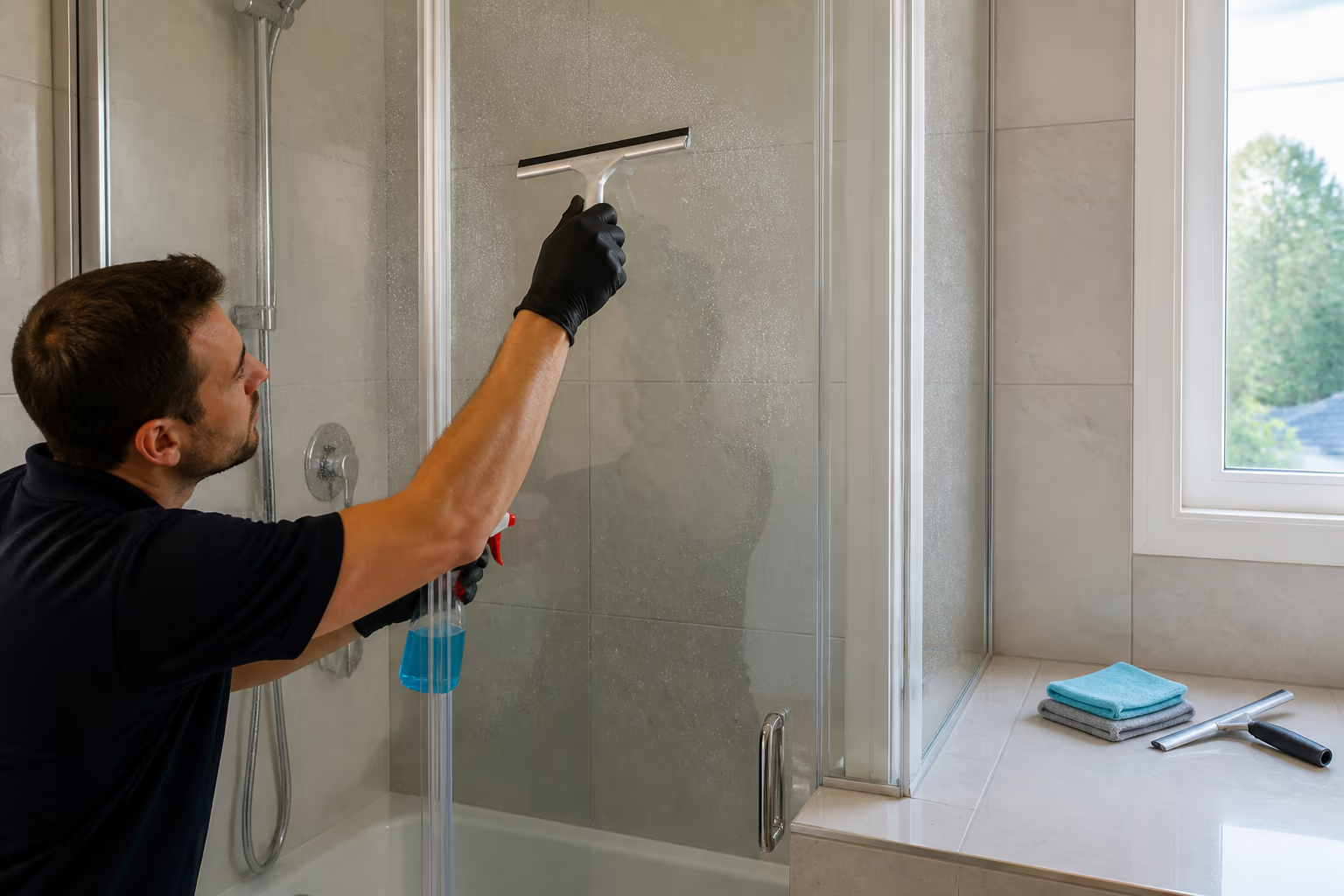
Hard water stains on a glass shower door are not dirt but calcium and magnesium scale left behind as water droplets from the showerhead dry on the glass, building layer by layer into a cloudy, chalky film that ordinary scrubbing will not lift. Safe removal avoids damaging the glass and keeps the door clear.
In this guide
Why Hard Water Stains Form on Shower Glass
A shower door shows hard water stains because it is the perfect place for minerals to collect. Water from the showerhead hits the glass, pools in droplets, and dries, leaving the minerals behind. Every shower adds a thin layer, and over time the layers build into a cloudy, chalky film that no ordinary scrub will lift.
- Calcium and magnesium in the water are the main culprits behind the white or chalky film.
- Soap scum mixes with the minerals and makes the film more visible and more stubborn.
- Dried droplets leave ring-shaped spots that catch the light on a clear pane.
- Water that sits and evaporates slowly, like in a poorly ventilated shower, builds the film faster.
Ottawa's municipal water is on the harder side in many neighbourhoods, which is why local bathrooms collect scale quickly. The mineral content is harmless in the water, but it settles wherever water dries, and a shower door is wet and dry dozens of times a week.
The film is not permanent, and it is not a sign that the glass is damaged. It is a mineral deposit that responds to the right chemistry. Acid dissolves the scale, which is why vinegar and citric acid are the everyday tools, while abrasion is reserved for the most stubborn spots and only when the glass is in good condition. For hard water marks on other surfaces around the home, see our remove hard water stains guide.
What You Need Before You Start
Gather the right supplies before you start so the job goes smoothly and the glass stays safe.
- White vinegar or citric acid, which dissolve the mineral scale without damaging glass.
- A clean spray bottle for applying the solution.
- Microfibre cloths, one for applying and one for drying the glass.
- A soft sponge or cloth for gentle agitation, never a metal scourer.
- A squeegee for rinsing and for prevention after every shower.
- A plastic scraper or a glass scraper with a new blade, for old hardened deposits only.
White vinegar is the gentle everyday choice, and citric acid, sold as a powder and mixed with water, is stronger for a thicker film. Both work because the acid dissolves the calcium and magnesium scale rather than scrubbing it off. Neither will scratch glass the way an abrasive pad will.
Do not reach for bleach or harsh abrasives on a shower door. Bleach does not dissolve mineral scale, and mixing bleach with vinegar or an acid cleaner releases a dangerous gas. If the glass has a coating or a tint, an aggressive cleaner or a rough pad can damage it, so start with the gentlest option and work up.
The Step-by-Step Stain Removal Process
The process is simple, but dwell time is the key. The acid needs minutes to soften the scale before you wipe.
Start by spraying the glass generously with the vinegar or citric acid solution. Cover the whole pane, not just the obvious spots, because a light film covers more than you can see. Let the solution sit for five to ten minutes so it can soften the minerals.
After the dwell time, wipe the glass with a soft cloth or sponge, working the solution into the film. For the stubborn spots, apply a little extra pressure or reapply the solution and let it sit again. Then rinse the glass thoroughly with warm water so no acid is left behind.
Finally, dry the glass with a clean microfibre cloth or pull a squeegee across it. Drying is what stops the minerals from re-depositing as the water evaporates, so it is not an optional step. A glass that is rinsed and dried is far less likely to show a fresh film.
For a daily upkeep clean, a quicker version works: spray, wipe, rinse and dry. For the deeper removal, the dwell time and the second pass make the difference on a film that has been building for weeks.
Removing Stubborn or Older Stains
A film that has been on the glass for a long time may not lift with a single vinegar pass. These thicker deposits need a stronger acid and more patience, not more elbow grease.
- Use a stronger citric acid mix for a heavier scale, and let it dwell longer, up to fifteen minutes.
- Reapply the solution two or three times if the film is thick, letting each application soak.
- For raised mineral spots that resist the cloth, use a plastic scraper at a low angle on wet glass.
- Work in sections so the solution does not dry out before it has time to work.
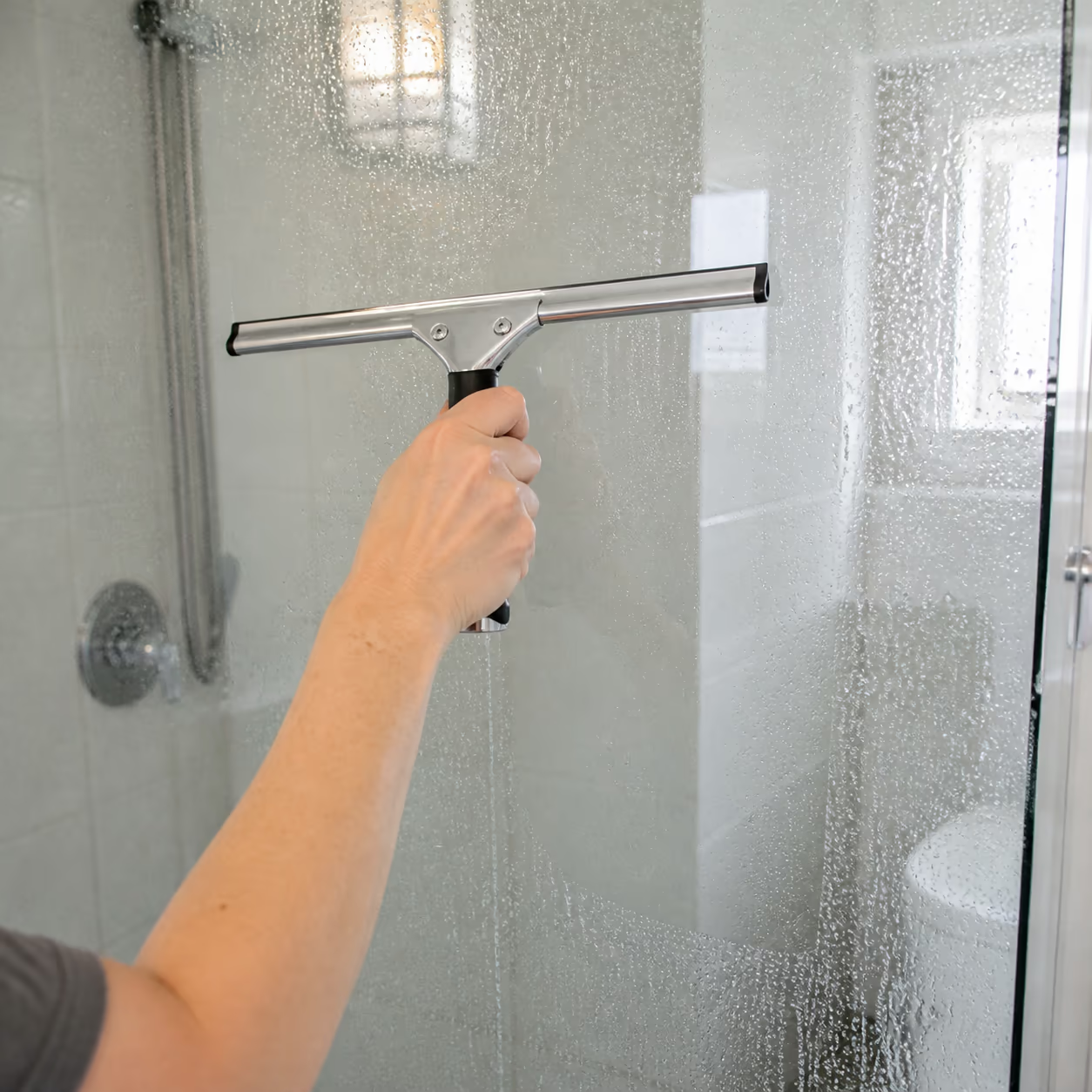
A plastic scraper, used carefully and only on wet glass, removes hardened deposits that a cloth cannot shift. Keep the blade flat against the glass and move it in one direction, never at a sharp angle that could catch an edge. If the glass is etched or scratched, stop and do not scrape; further abrasion will only make it worse.
For a very old or very heavy build-up, expect more than one session. Each pass removes a layer, and rinsing and drying between passes shows you the progress. Rushing the job with a harsh product risks the glass more than the stain.
What to Avoid on Shower Glass
Some products and habits will damage a shower door, and the damage is usually permanent.
- Never use a metal scourer or an abrasive scouring pad on glass; it leaves scratches that collect more scale.
- Do not use a pumice stone on glass; it is made for porcelain and will scratch a shower door.
- Never mix bleach with vinegar, an acid cleaner or ammonia; the reaction releases a dangerous gas.
- Avoid harsh "lime remover" products on coated or tinted glass, since they can strip the coating.
- Do not let strong acid sit on the glass for hours, especially around the frame and seals.
The frame and the rubber seals around a shower door are not glass, and strong acid can degrade them over time. Keep the acid away from the seals where you can, rinse the frame after cleaning, and wipe the track so the metal and rubber stay in good condition.
If your shower door has a water-repellent or protective coating, check the manufacturer's advice before using any product. Some coatings are designed to make water bead off, and the right product keeps that coating working while the wrong one wears it away.
It also helps to know which kind of glass you have. Frameless doors are usually a single sheet of tempered glass that takes the acid method well. Framed doors use a series of panes with seals between them, so the corners and the seals need a gentler touch and a careful rinse. Either way, the acid-and-dwell method is safe, and the extra care around the seals protects the parts of the door that keep water from leaking onto the floor.
Preventing Stains From Coming Back
The fastest way to clean hard water stains is to stop them from forming. A minute of prevention after every shower is far easier than a deep clean once a month.
- Squeegee the glass after every shower so the water does not dry and leave minerals behind.
- Keep the shower well ventilated, or use an exhaust fan, so the room dries faster.
- Wipe the glass and the frame with a microfibre cloth a few times a week.
- Treat the water with a softener or an inline filter if the scale is severe in your home.
Drying the glass does more than protect the finish. Health Canada's mould guidance names excessive moisture as one of the most common causes of poor indoor air, because moisture promotes the growth of both mould and dust mites. The federal advice is short: “To prevent mould, fix any moisture problems right away and control humidity levels in your home.”
The squeegee is the single most effective habit. Pulling the water off the glass in ten seconds after each shower means there is nothing left to dry into scale. A squeegee left in the shower and used routinely is the difference between a clear door and a cloudy one.
Ventilation does more than people expect. A bathroom that dries quickly lets the water evaporate from the air, not sit on the glass, and that reduces the film that builds between showers. Running the fan for a few minutes after a shower helps the whole room dry. If water rings show up on wood furniture elsewhere in the home, our guide on how to remove water stains water rings from wood covers the same problem on that surface.
Common Mistakes That Damage the Glass
The mistakes below are why some shower doors look permanently stained even after they are cleaned.
- 01
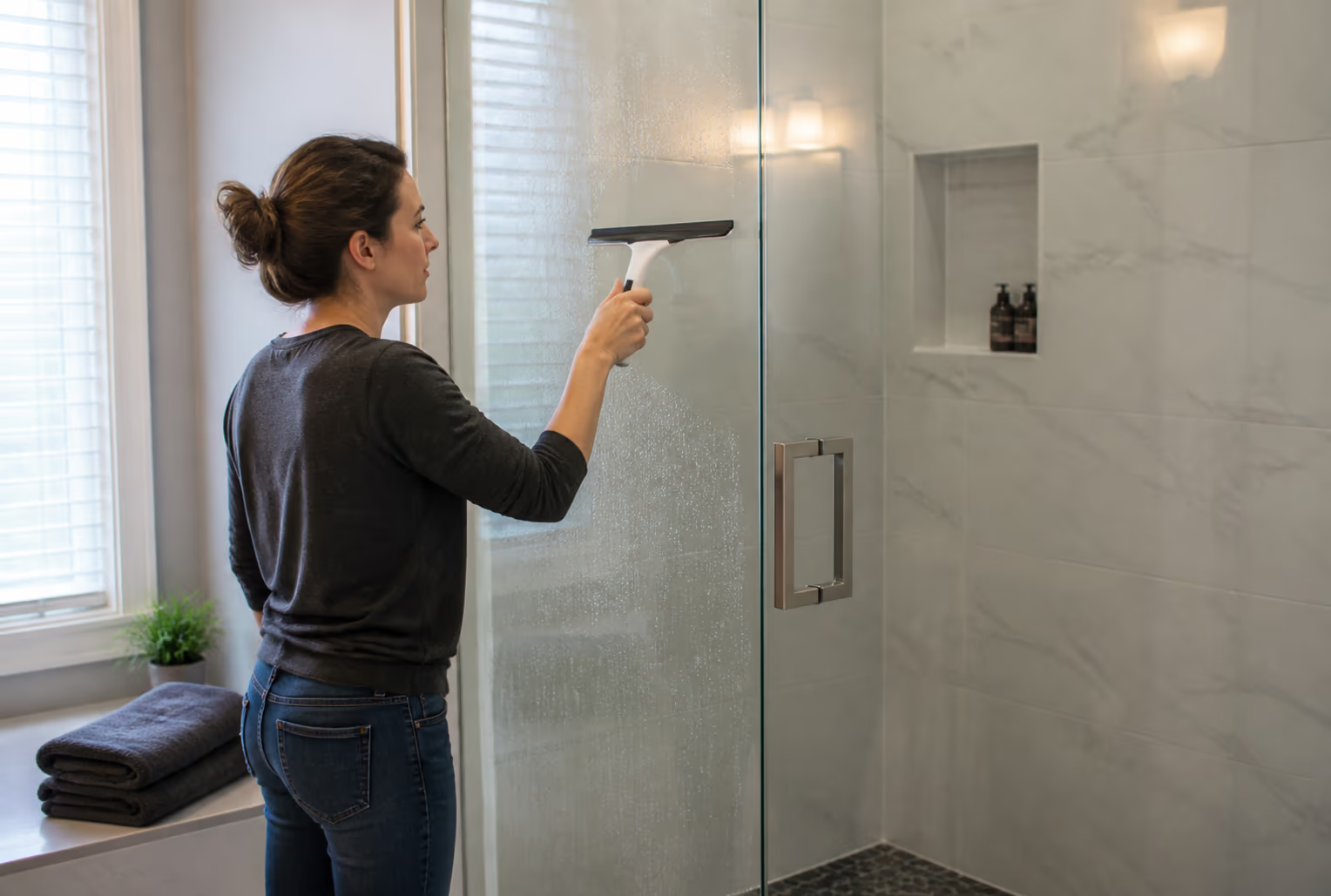
The biggest is scrubbing with an abrasive pad. The scratches hold more scale than the smooth glass, so the door looks worse over time, and no cleaner will bring back the original surface.
- 02
The second is skipping the dwell time. Scrubbing immediately after applying the acid only moves the solution around; the minerals need minutes to soften before the wipe does anything.
- 03
The third is mixing products. Bleach with vinegar, acid cleaners or ammonia releases a dangerous gas, and it is a common accident in bathrooms where both kinds of products are on the shelf. Use one product at a time and read every label first.
- 04
The fourth is rinsing and forgetting to dry. If the water is left to dry on its own, the minerals re-deposit and the stain comes back with the next shower. Drying the glass is what makes the clean last.
- 05
The fifth is ignoring the source. In a home with very hard water, the film returns no matter how well you clean. Treating the water supply, or accepting a more frequent maintenance clean, matters more than a single perfect deep clean.
Safety, Products and How Good Cleaner Co. Handles Bathrooms
Bathrooms concentrate the products most likely to be mishandled, so the professional habit is to read labels, work in a ventilated space and never mix cleaners. The same principles behind WHMIS 2015 training keep commercial and residential teams safe on the job.
Good Cleaner Co. follows that habit in every bathroom it cleans. For mineral scale on shower glass, we use a mild acid approach with dwell time, then rinse and dry so nothing is left behind.
Ottawa's hard water makes mineral stains a recurring fact of bathroom life, which is why our crews treat shower glass as part of the regular bathroom clean. Catching the scale while it is thin keeps it a quick wipe instead of a deep project, and we leave the squeegee habit behind so the door stays clearer between visits.
The rule about never mixing products is worth repeating in a bathroom, because bleach and acid cleaners are both common there. Keep them apart, rinse between uses, and store them separately. The two minutes of caution protect everyone who uses the room.
When to Call a Professional
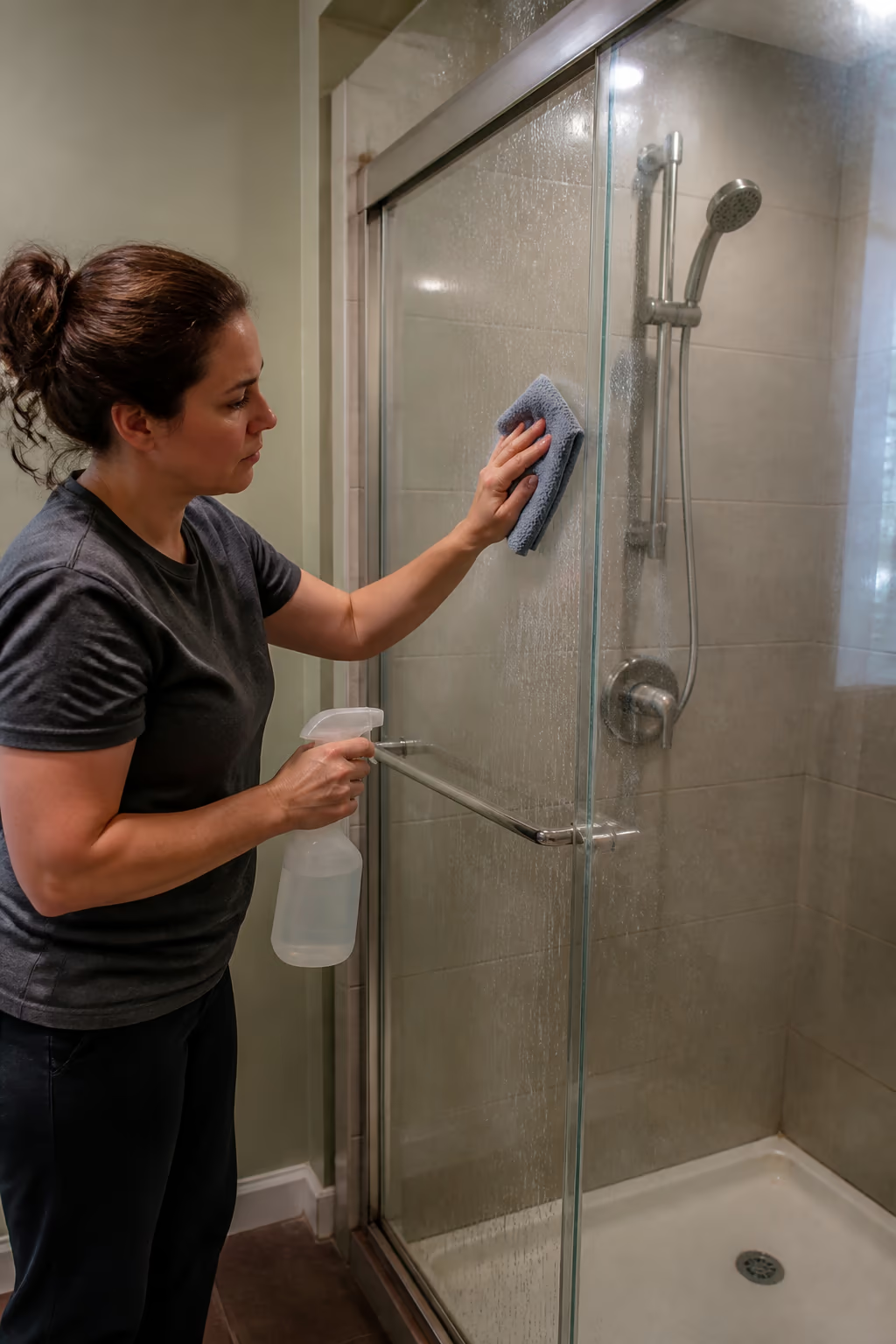
Most shower doors respond to the steps above, but some situations are better handled by a team.
- A shower door with a very heavy, long-standing film that has resisted several cleanings.
- A bathroom with multiple surfaces covered in scale, not just the glass.
- A move-in, move-out or rental turnover where the whole bathroom needs a reset.
- A coated or framed door where you are not sure which product is safe.
How much you book depends on the home, not a fixed rule. A one-time deep clean resets a bathroom before guests arrive or after a move. A recurring visit keeps hard-water homes from sliding back between cleans. Checking how much cleaning costs in Ottawa can help you decide which option fits your bathroom's needs.
When you compare providers, ask what is included and how they handle mineral buildup in hard-water homes. If you are comparing options for your home, our commercial cleaning company vetting guide is a useful starting point for the questions that matter.
Formatted Step-by-Step Hard Water Stain Removal Checklist
Use this checklist to remove hard water stains from a glass shower door safely.
- Step 1.Spray the glass with a vinegar or citric acid solution and let it dwell for several minutes.
- Step 2.Wipe the softened film away with a soft cloth or sponge, working the solution into the scale.
- Step 3.Rinse the glass thoroughly with warm water so no acid is left behind.
- Step 4.Dry the glass with a microfibre cloth or a squeegee so minerals do not re-deposit.
- Step 5.Prevent the film from returning by squeegeeing after every shower and keeping the room ventilated.
- Step 6.For a full bathroom clean that keeps hard water stains from building up, review our professional home cleaning services in Ottawa to compare scope and scheduling.
FAQ
Does white vinegar remove hard water stains from glass?
Yes. The acid in vinegar dissolves the calcium and magnesium scale. Spray it on, let it sit, wipe, rinse and dry for a clear result.
Can I use bleach to remove hard water stains?
Bleach does not dissolve mineral scale and can damage surfaces. Use an acid like vinegar or citric acid instead, and never mix bleach with vinegar.
Is it safe to scrape hard water stains off glass?
Yes, with a plastic scraper on wet glass and gentle, flat pressure. Stop if the glass is etched or scratched.
How do I remove hard water spots from a glass shower door?
Apply vinegar or citric acid, let it dwell, wipe, rinse and dry. A squeegee after every shower prevents new spots.
Can I use a pumice stone on glass?
No. A pumice stone is made for porcelain and will scratch glass. Use an acid solution and a soft cloth instead.
Why do my shower doors keep getting hard water stains?
Hard water in the supply leaves minerals every time water dries. Squeegeeing after each shower and ventilating the room are the best prevention.
Is citric acid safe for a shower door?
Yes, when diluted and rinsed off. It dissolves scale well and, used as directed, will not harm glass or the frame.
Can I clean a coated shower door with vinegar?
Most coated doors tolerate a mild vinegar clean, but check the manufacturer's advice. Some protective coatings prefer a pH-neutral cleaner.
How long should I leave the cleaner on the glass?
Five to ten minutes for a light film, and up to fifteen minutes for a heavier scale, so the acid has time to soften the minerals.
Does Good Cleaner Co. remove hard water stains from shower doors?
Yes. Our crews use a mild acid approach with dwell time for mineral scale, then rinse and dry, as part of a full bathroom clean.

Wrapping Up
A hard water stain on a glass shower door is stubborn, but it is not permanent. Use vinegar or citric acid, let it work, wipe, rinse and dry, and be patient with an older film. Protect the glass from abrasives and mixed products, and stop the stains from returning by squeegeeing after every shower and keeping the room ventilated. When the scale is heavy or the whole bathroom is due for a reset, a professional clean removes the film in one visit and leaves the door clear.
Keep reading
More from Good Cleaner
Services that fit
- House Cleaning Services in OttawaHouse cleaning services in Ottawa for one-time, weekly, biweekly, and monthly home care, with customizable cleaning and eco-friendly options.
- Janitorial Services in OttawaRecurring janitorial services in Ottawa for offices, warehouses, retail, dealerships and schools. Eco-friendly commercial cleaning, customized plans, free quote.
About the author
Service areas
- Ottawa
- Kanata
- Nepean
- Orleans
- Barrhaven