

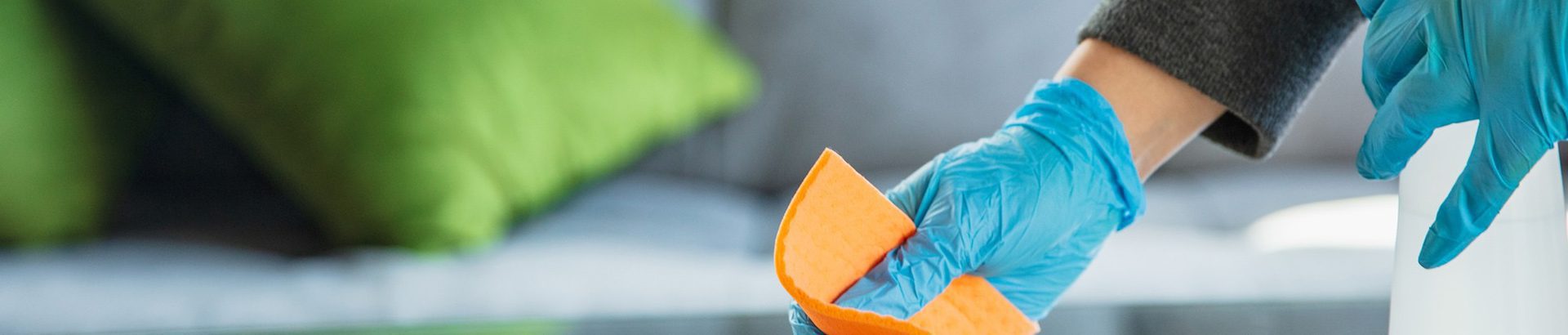
5 Green Commercial Cleaning Practices for Sustainable Businesses
Is your business ready to adopt green commercial cleaning practices? Sustainable cleaning protects employee health, reduces environmental impact, and increasingly meets client and stakeholder expectations. This guide covers five practical approaches to implementing eco-friendly cleaning in Canadian commercial spaces.
Table of Contents
- Why Green Commercial Cleaning Matters
- 1. Switch to Certified Green Products
- 2. Implement Microfibre and Water-Saving Methods
- 3. Choose HEPA Filtration Equipment
- 4. Adopt Concentrated and Refillable Systems
- 5. Establish Green Cleaning Protocols
- Green Cleaning Certifications
- Recommended Green Products
- Cost-Benefit Analysis
- Frequently Asked Questions
Why Green Commercial Cleaning Matters
Green commercial cleaning delivers benefits beyond environmental responsibility:
Health Benefits
- Reduced chemical exposure: Fewer VOCs, irritants, and allergens
- Improved indoor air quality: Less off-gassing from products
- Fewer sick days: Healthier environments reduce illness
- Allergy and asthma friendly: Less triggering of sensitivities
Environmental Benefits
- Reduced water pollution: Biodegradable products break down safely
- Lower carbon footprint: Concentrated products reduce shipping
- Less packaging waste: Refillable systems reduce plastic
- Sustainable resource use: Plant-based vs petroleum-based ingredients
Business Benefits
- LEED certification support: Green cleaning is a LEED requirement
- Client expectations: Many clients prefer sustainable vendors
- Employee satisfaction: Workers appreciate healthy environments
- Corporate responsibility: Demonstrates environmental commitment
Practice 1: Switch to Certified Green Products
The foundation of green commercial cleaning is using environmentally certified products.
What Makes a Product “Green”
- Plant-based ingredients: Derived from renewable sources
- Biodegradable: Breaks down naturally without harming ecosystems
- Low or no VOCs: Minimal volatile organic compounds
- No harsh chemicals: Free from chlorine, ammonia, phosphates
- Minimal fragrances: Natural scents or fragrance-free
- Sustainable packaging: Recyclable or reduced packaging
Recognised Certifications
| Certification | What It Means |
|---|---|
| EcoLogo | Canadian standard for environmental performance |
| Green Seal | US-based certification recognised in Canada |
| EPA Safer Choice | US EPA verification of safer ingredients |
| Ecocert | European organic and natural certification |
Categories to Prioritise
- All-purpose cleaners: Used most frequently, biggest impact
- Glass cleaners: Often contain ammonia—green alternatives available
- Floor cleaners: High volume use in most facilities
- Restroom cleaners: Often harshest chemicals—good swap target
- Disinfectants: Health Canada DIN products with greener formulas exist
Practice 2: Implement Microfibre and Water-Saving Methods
Microfibre technology dramatically reduces chemical and water use while improving cleaning effectiveness.
Microfibre Benefits
- 90% less water: Effective cleaning with damp (not wet) cloths
- 75% less chemicals: Fibre structure lifts dirt mechanically
- Better cleaning: Removes more bacteria than cotton
- Cost savings: Reusable hundreds of times
- Faster drying: Surfaces dry quickly, reducing slip hazards
Microfibre Best Practices
- Colour coding: Prevent cross-contamination (red for restrooms, blue for glass, etc.)
- Proper washing: No fabric softener, which clogs fibres
- Regular replacement: Replace when effectiveness declines
- Fold for fresh surfaces: Each cloth provides 8+ clean surfaces
Water Conservation Methods
- Flat mop systems: Use 95% less water than traditional mops
- Spray-and-wipe: Targeted application vs bucket methods
- Auto-scrubbers: Precisely control water dispensing
- Steam cleaning: Water only, no chemicals needed
Practice 3: Choose HEPA Filtration Equipment
Equipment choices significantly impact indoor air quality and cleaning effectiveness.
HEPA Vacuum Benefits
- Captures 99.97% of particles: Down to 0.3 microns
- Removes allergens: Dust mites, pollen, pet dander
- Improves air quality: Doesn’t recirculate fine dust
- Healthier for cleaners: Less exposure to airborne particles
Equipment Considerations
| Equipment Type | Green Features to Look For |
|---|---|
| Vacuums | HEPA filtration, energy efficiency, low noise |
| Floor machines | Battery-powered, water-efficient, quiet operation |
| Carpet extractors | Low-moisture technology, water recycling |
| Pressure washers | Water recovery systems, eco-friendly detergents |
Energy Efficiency
- Choose Energy Star rated equipment where available
- Battery-powered reduces cord hazards and energy use
- Proper maintenance extends equipment life
- Right-size equipment for the task (avoid oversized machines)
Practice 4: Adopt Concentrated and Refillable Systems
Packaging and shipping represent significant environmental impacts that concentrated products address.
Benefits of Concentrates
- 90% less packaging: One concentrate makes multiple ready-to-use bottles
- Lower shipping impact: Less water shipped across the country
- Cost savings: Typically 30-50% cheaper per use
- Storage efficiency: Less space needed
- Consistent dilution: Proper ratios with dispensing systems
Implementation Options
- Dilution control systems: Automatic mixing at correct ratios
- Refillable spray bottles: Durable bottles refilled from concentrates
- Portion control packets: Pre-measured concentrates for accuracy
- Bulk containers: Large containers with dispensing pumps
Waste Reduction Strategies
- Eliminate single-use cleaning items where possible
- Use reusable mop heads instead of disposable
- Implement recycling for cleaning supply packaging
- Choose suppliers with take-back programs
Practice 5: Establish Green Cleaning Protocols
Systems and procedures ensure consistent green commercial cleaning implementation.
Written Green Cleaning Policy
Document your approach including:
- Approved product list with certifications
- Prohibited chemicals and ingredients
- Equipment standards and maintenance
- Training requirements for staff
- Measurement and reporting procedures
Staff Training Elements
- Product knowledge: Why green products matter, how they work
- Proper dilution: Correct ratios for effectiveness
- Microfibre use: Techniques for optimal results
- Equipment operation: Efficient use of green equipment
- Waste handling: Proper disposal and recycling
Continuous Improvement
- Track product usage and costs
- Monitor indoor air quality
- Gather occupant feedback
- Stay current on new green products
- Review and update policies annually
Green Cleaning Certifications for Buildings
LEED Certification
LEED (Leadership in Energy and Environmental Design) includes green cleaning requirements:
- Use of certified green cleaning products
- Sustainable cleaning equipment
- Written green cleaning policy
- Staff training documentation
- Ongoing monitoring and reporting
CIMS-GB Certification
The Cleaning Industry Management Standard – Green Building certification:
- Comprehensive management system
- Environmental stewardship requirements
- Quality and service standards
- Third-party verification
Green Globes
Canadian green building rating system:
- Points for green cleaning programs
- Indoor environment quality credits
- Resource and materials management
Recommended Green Cleaning Products
All-Purpose Cleaners
- Eco-Max All-Purpose Cleaner – Canadian-made, EcoLogo certified | $8–12 CAD
- Method All-Purpose Cleaner – Plant-based, biodegradable | $5–7 CAD
- Seventh Generation All-Purpose – USDA certified biobased | $6–8 CAD
Disinfectants
- Benefect Botanical Disinfectant – Health Canada DIN, thyme-based | $30–40 CAD/gallon
- CleanWell Botanical Disinfectant – EPA registered, plant-based | $8–12 CAD
- Seventh Generation Disinfecting Spray – Thymol-based | $6–8 CAD
Floor Care
- Bona Commercial Floor Cleaner – GREENGUARD certified | $15–25 CAD
- Method Squirt + Mop – Plant-based, non-toxic | $8–10 CAD
- ECOS Floor Cleaner – pH balanced, biodegradable | $10–14 CAD
Glass Cleaners
- Method Glass Cleaner (Mint) – Ammonia-free, plant-based | $5–7 CAD
- Seventh Generation Glass Cleaner – Free & Clear formula | $5–7 CAD
- Attitude Glass Cleaner – Canadian-made, EcoLogo | $6–8 CAD
Cost-Benefit Analysis
Initial Cost Comparison
| Category | Conventional | Green | Difference |
|---|---|---|---|
| All-purpose cleaner | $4–6 | $6–10 | +25–50% |
| Disinfectant | $5–8 | $8–15 | +30–50% |
| Microfibre cloths | $15–25 (cotton) | $20–35 | +15–30% |
| HEPA vacuum | $300–500 | $400–700 | +20–30% |
Long-Term Savings
- Reduced sick days: Healthier environment means fewer absences
- Lower product usage: Concentrates and microfibre reduce consumption
- Extended surface life: Gentler products protect finishes
- Equipment longevity: Quality equipment lasts longer
ROI Factors
- Employee productivity improvements
- Reduced health-related complaints
- Client/tenant satisfaction
- LEED certification value
- Corporate sustainability goals
Frequently Asked Questions
Is green commercial cleaning as effective as conventional cleaning?
Yes. Modern green cleaning products are formulated to match or exceed conventional cleaning effectiveness. Health Canada DIN-registered green disinfectants kill the same pathogens. The key is using proper products for each task and following correct procedures.
How much more does green cleaning cost?
Initial product costs are typically 20–50% higher, but total costs are often similar or lower due to concentrated products, reduced usage with microfibre, and lower health-related costs. Many businesses see neutral or positive cost impact within the first year.
Do green disinfectants really work?
Yes. Health Canada registers disinfectants (DIN) based on proven efficacy, not ingredients. Green disinfectants like thymol-based products have DIN registration confirming they kill specific pathogens. Always verify DIN registration for any disinfectant claims.
Can any cleaning company provide green cleaning?
Any company can claim “green cleaning,” but quality providers have documented policies, certified products, trained staff, and possibly third-party certifications. Ask for specifics about their green cleaning program rather than accepting vague claims.
Is green cleaning required for LEED certification?
Yes. LEED requires a green cleaning policy using certified products, sustainable equipment, and documented procedures. Green cleaning contributes to Indoor Environmental Quality credits essential for LEED certification.
Conclusion
Implementing green commercial cleaning protects employee health, reduces environmental impact, and demonstrates corporate responsibility. The five practices in this guide—certified products, microfibre methods, HEPA equipment, concentrated systems, and documented protocols—provide a roadmap for sustainable cleaning.
Start with high-impact changes like switching all-purpose cleaners and implementing microfibre. Build from there toward comprehensive green cleaning that benefits your business, employees, and environment.
Ready to go green with your commercial cleaning? GoodCleaner offers eco-friendly commercial cleaning services using certified green products and sustainable practices. Contact us today to discuss green cleaning options!