
Eco-Friendly Office Cleaning Services in Ottawa: Green Workplace Solutions
Office cleaning looks simple from the outside, but the products and methods a cleaner uses shape the air everyone breathes for the rest of the day. A green office cleaning program replaces harsh aerosols with plant-based disinfectants, traps dust instead of stirring it up, and schedules the work so it never interrupts your team. Here is what that looks like in practice, and how to tell a genuine green program from a label.
Quick Summary
Eco-friendly office cleaning uses plant-based chemistry, HEPA filtration, and sensible scheduling to keep a workplace clean without loading the air with chemical residue. This guide explains what a green office cleaning program includes, why it matters for employee health and productivity, and how to choose a provider in Ottawa.
In this guide
Why Green Office Cleaning Matters
A busy office is a shared-air environment. Dozens of people touch the same keyboards, conference tables, door handles, and breakroom counters every day, then sit together in rooms with recycled ventilation. What you clean those surfaces with becomes part of that shared air.
The air in an office responds to the same inputs as the air at home. Health Canada's indoor VOC guidance lists cleaning products among the household sources of volatile organic compounds and recommends increasing ventilation to reduce exposure, so product choice and airflow work together. Health Canada defines them this way: “Volatile organic compounds (VOCs) form a large group of chemicals commonly found in both indoor and outdoor air.”
Conventional janitorial products often rely on chemical aerosols and strong solvents that evaporate into the workspace. In a closed office, those fumes can linger in the HVAC system and contribute to eye irritation, headaches, and that foggy feeling people blame on a long day. The effect is usually mild, but it is cumulative and it is unnecessary.
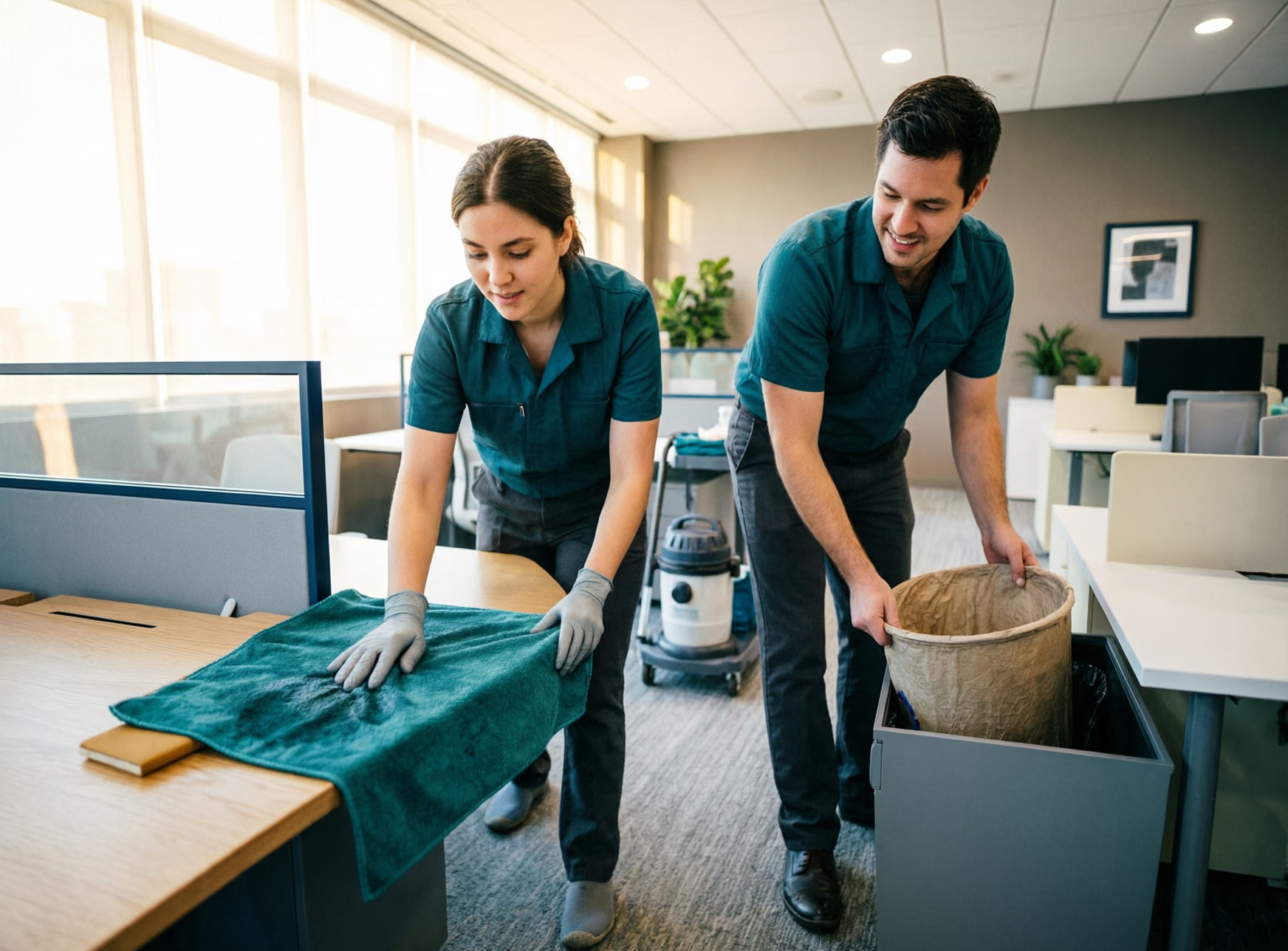
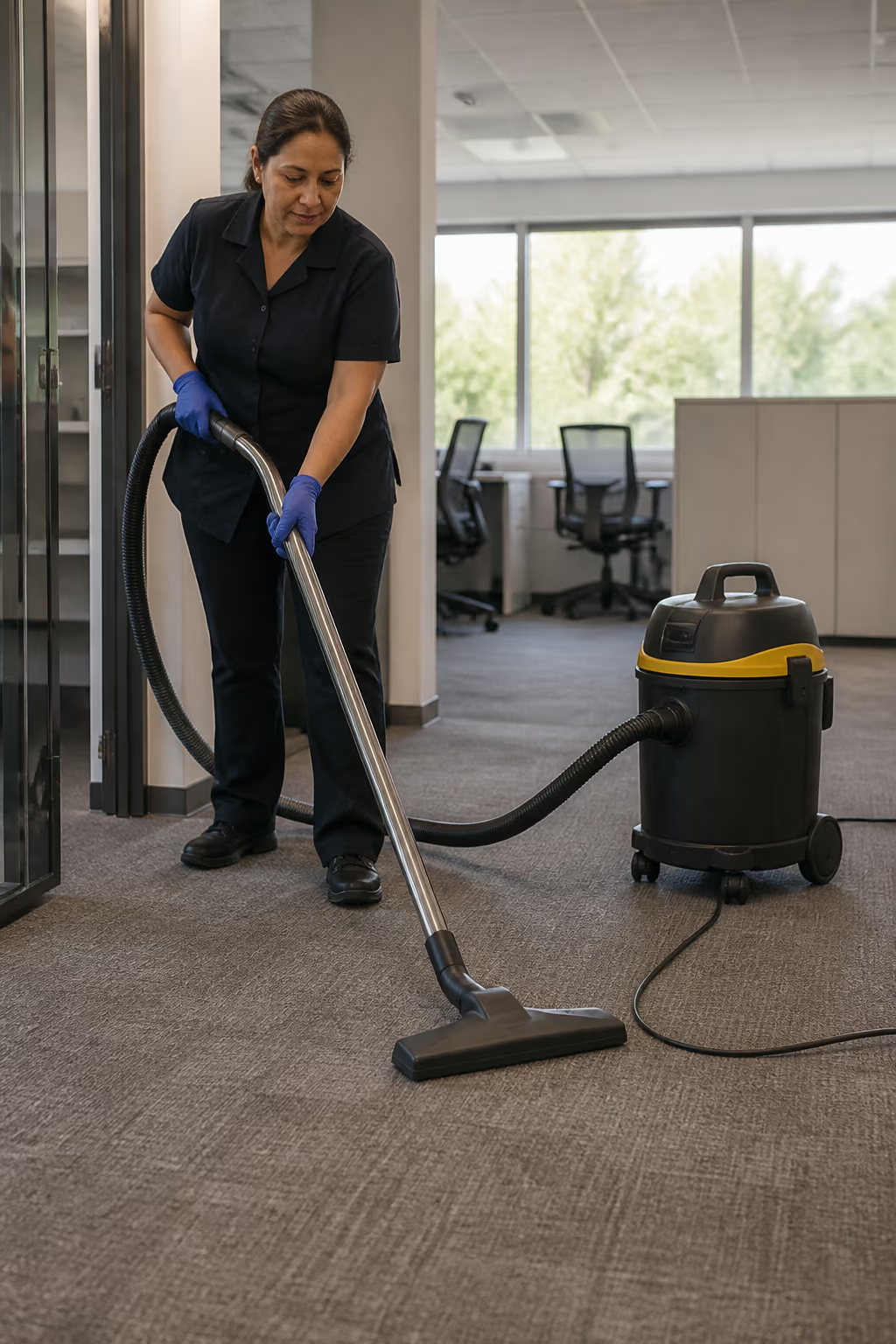
Eco-friendly office cleaning takes a different route. It pairs plant-based, low-VOC chemistry with commercial HEPA vacuums that capture dust instead of pushing it around, so the office gets genuinely cleaner while the chemical load in the air stays low. For workplaces that want to align their cleaning with their sustainability commitments, it is the practical version of going green.
None of this requires exotic technology or a bigger cleaning budget. The products and equipment are widely available, and the training is standard for any professional cleaning company. The difference is a provider that chooses these methods deliberately and sticks to them.
What an Eco-Friendly Office Cleaning Program Includes
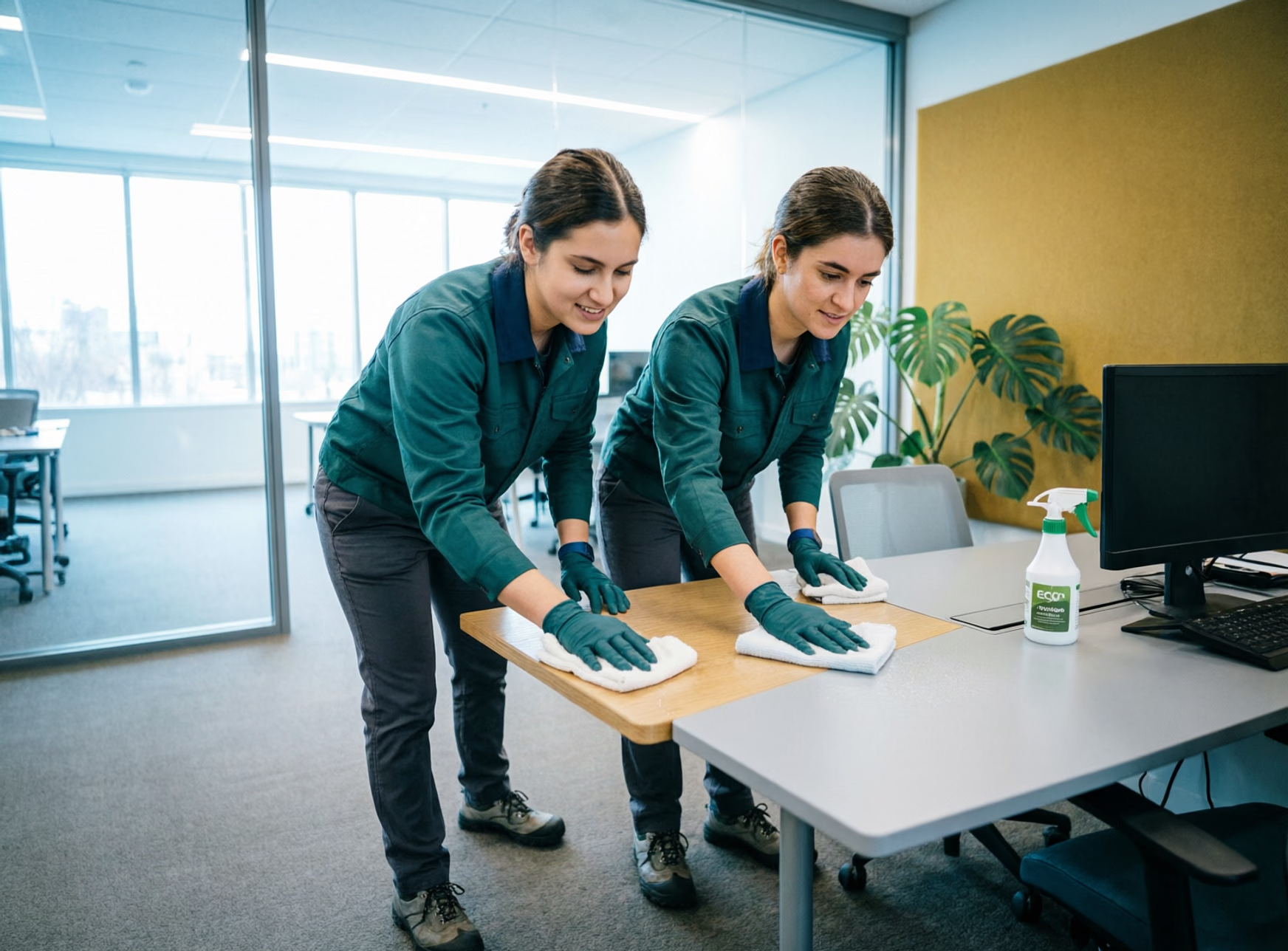
A green office cleaning program is more than swapping one spray bottle for another. It is a set of choices about products, equipment, and habits that work together:
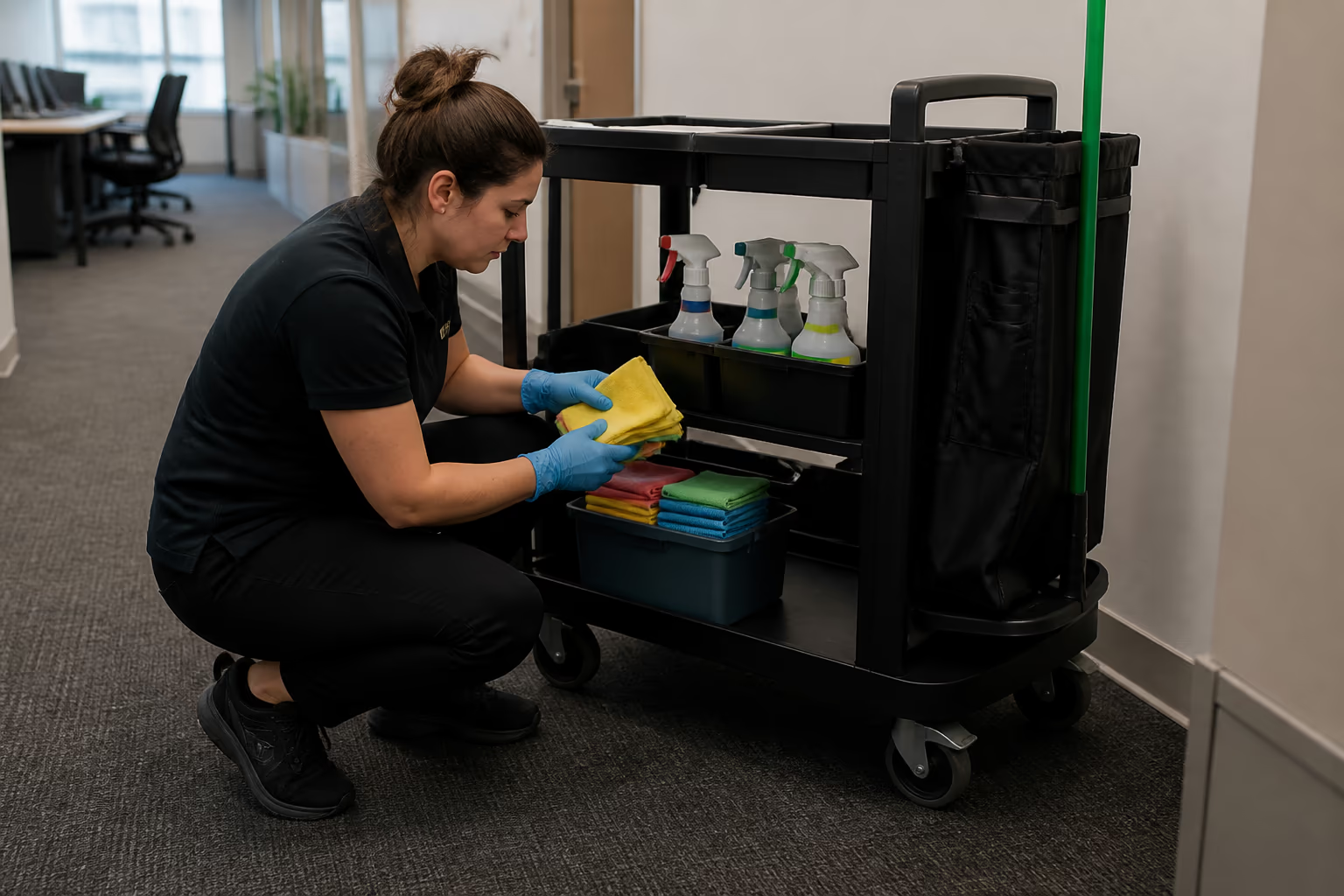
Seen together, these pieces form a system rather than a shopping list. The chemistry does the disinfecting, the equipment keeps dust out of the air, and the colour-coded cloths stop germs from moving between zones. Every element reinforces the others, which is why the whole approach is greater than the sum of its parts.
Employee Health, Absenteeism, and Productivity
The business case for green office cleaning is usually written in employee wellbeing. People with asthma, allergies, or chemical sensitivities are the most affected by cleaning residue, but the whole team benefits from air that does not smell like a cleaning closet.
There is also a productivity angle. It is hard to measure a headache prevented, but anyone who has worked through a stuffy afternoon knows how much it costs in focus. A workplace cleaned with low-VOC products and proper dust control simply feels fresher, and that shows up in how people describe their day.
Beyond the visible effects, a green program quietly removes a source of complaint that often never gets voiced. Nobody files a ticket for the office smelling strongly of bleach, but plenty of people choose to work from home on cleaning day. Keeping the workspace neutral and fresh is a small investment that pays off in how the office feels every single morning. That connection between a clean workspace and daily performance is also the focus of our guide on office cleaning hygiene and productivity.
Green cleaning also removes a quiet source of complaint. Employees notice when the office smells strongly of bleach or when their allergies flare after cleaning day. Switching to a gentler program removes that friction and sends a clear signal that the employer takes indoor air seriously.
What to Look For in a Green Cleaning Provider
Not every cleaner that claims to be green uses genuinely green chemistry. Ask these questions before you sign a contract:
The answers to these questions tell you more than any brochure. A provider that uses certified products, HEPA equipment, and trained staff is describing a real system. A provider that talks about eco-friendly while showing a list of standard aerosol sprays is describing marketing. For a broader framework beyond green certifications, see how to choose a cleaning company in Ottawa before signing any contract.
Building a Sustainable Office Cleaning Routine
A green program works best when it runs on a rhythm your team can rely on. Daily touchpoint disinfection in kitchens and washrooms, scheduled vacuuming in open areas, and a weekly deep pass on floors and shared desks keeps the office consistent without over-cleaning.
For offices that want to extend green habits beyond the cleaning crew, small changes add up. Staff can keep a bottle of plant-based surface spray in the breakroom for quick wipe-downs, and our guide to making a citrus cleaner is a handy reference for anyone who prefers a natural option between professional visits.
For a manager, the routine is the product. A cleaning schedule that matches how your office is actually used, with daily touchpoints where people gather and a lighter touch elsewhere, keeps the space consistent and predictable. It also makes it easy to adjust when seasons change or when a round of colds calls for more frequent disinfection.
Cleaning, Sanitizing, and Disinfecting in an Office
It helps to be precise about the words, because they get used interchangeably in cleaning proposals. Cleaning removes dirt and grime from a surface. Sanitizing reduces germs to a safer level. Disinfecting kills a wider range of germs on hard surfaces, which is what you want on washroom fixtures and breakroom counters.
A green office program does all three, in that order. You cannot disinfect a dirty surface, so crews wipe down first and apply disinfectant second. That sequencing is why a well-run green program produces visibly clean offices that also pass a hygiene checklist.
The practical takeaway for a manager: ask your provider which products they use for each task and where they apply them. A credible company answers that question without hesitation, and the answer tells you whether the program is truly built around the work.
Formatted Step-by-Step Green Office Cleaning Checklist
Follow this checklist to keep an office clean, green, and healthy:
- Step 1.Disinfect High-Touch Desks and Electronics with Botanical Hydrogen Peroxide:Wipe down desk surfaces, mice, and phones with a non-toxic, low-VOC sanitizer applied to a cloth, never sprayed directly at devices.
- Step 2.Vacuum Office Carpets with Commercial Sealed HEPA Filtration:Run sealed HEPA backpacks over open office areas, hallways, and meeting rooms to capture fine dust and toner particles.
- Step 3.Clean Breakroom Counters and Appliances with EcoLogo Bio-Degreasers:Sponge crumbs and splatters off counters, microwave doors, and fridge handles so food residue does not build up.
- Step 4.Empty and Sort Centralized Waste Bins Daily:Collect trash and recycling every night to keep odours down and keep the workspace looking tidy for the morning.
- Step 5.Damp-Mop Hardwood and Vinyl Tile Floors with pH-Neutral Plant Wash:Mop high-traffic entrance lobbies and corridors with a plant-based, pH-neutral solution to protect the finish.
- Step 6.Contracting professional commercial office cleaning services in Ottawa through Good Cleaner Co. supports your workplace sustainability goals with trained, vetted technicians.
Green Office Cleaning Across Ottawa
Green office cleaning programs work the same way whether your office is in Kanata, Nepean, downtown Ottawa, or the business districts of Orleans and the Glebe. The building may differ, but the goal is the same: a workspace that is genuinely clean, with low chemical residue and dust control your team can feel. Good Cleaner Co. runs consistent green protocols across the city, so a branch office and a head office get the same standard. The same plant-based approach carries over to eco-friendly cleaning services in Ottawa for homes, giving households the same green standard the office already enjoys.
Start With a Site Walkthrough
Before changing a routine for an office, walk the space at the time it is actually used. Note the shared rooms, occupancy pattern, and the surfaces staff touch most. A plan based on a quiet room at noon can fail during a busy morning, after a delivery, or at the end of a shift.
- Identify the surfaces and high-traffic points before selecting a product or tool.
- Set the order of work so clean areas are not re-soiled by a later task.
- Confirm where supplies, waste, and damp cloths can be stored safely between visits.
Choose a few visible priorities instead of applying the same process everywhere. A reception area, kitchen, meeting room, or washroom may need different tools, timing, and drying time. The useful standard is a clean, orderly space that remains practical for the people who work there.
Write down the agreed tasks, frequency, access limits, and who can answer questions. That short record prevents a well-intended cleaning change from becoming an assumption about service, products, or responsibility.
Use Less Waste by Making the Routine More Precise
The practical way to keep the supply list understandable and reduce avoidable waste is to measure and prepare rather than use more product than the job needs. Follow the directions on a labelled product, use clean water and cloths, and change a tool when it is no longer doing useful work.
- Use a small, clearly labelled set of supplies instead of a collection of mystery bottles.
- Separate routine cleaning from any product used for a label-directed disinfection task.
- Replace worn pads, cloths, and brushes before they start spreading residue or scratching finishes.
Avoid turning an environmental choice into a blanket promise. A product still has to suit the surface, and a reusable tool still has to be washed and dried properly. Good housekeeping is specific: use the mildest compatible method, then stop when the task is complete.
For an Ottawa property, track the mess that actually arrives at the door or accumulates in the room. Salt, rain, slush, pollen, food crumbs, and ordinary paper clutter each call for a different response; no single bottle solves all of them.
Review the Result With the People Who Use the Space
After a few visits, gather practical feedback from the people using the space. Ask whether the order of work makes sense, whether a surface is being missed, and whether the timing interrupts anyone. Specific observations are more useful than a vague request to make the place greener or cleaner.
- Check the result in normal lighting and at the time of day the area is busiest.
- Escalate damaged finishes, persistent moisture, and equipment faults instead of repeatedly cleaning around them.
- Keep the revised task list short enough that a new staff member can understand it without guessing.
Keep the review factual. A photograph of a recurring mark, a note about a wet-floor bottleneck, or a count of overflowing bins gives the next decision a practical basis. It also helps distinguish a cleaning issue from a maintenance problem such as a leak, damaged seal, or failing fixture.
If the scope needs to change, update it before the next visit. Clear expectations protect the space, the people doing the work, and the people relying on the result. That is more credible than a broad claim about perfection, safety, or environmental performance.
FAQ
Why is eco-friendly office cleaning important for employee wellness?
Green cleaning keeps the chemical load in the air low, which reduces the eye irritation, headaches, and respiratory discomfort that conventional sprays can cause in a closed office. That matters most for staff with asthma or sensitivities, but the whole team feels the difference.
Do eco-friendly office cleaning services operate after business hours?
Yes. Good Cleaner Co. schedules evening and weekend janitorial shifts so the office is cleaned and ready before the team arrives, with zero disruption to your daytime operations.
Are green cleaning products safe for sensitive office electronics?
Yes. Microfibre cloths dampened with botanical hydrogen peroxide or a low-VOC surface cleaner clean monitors, keyboards, and phones safely. Products are applied to the cloth first, never sprayed directly at devices.
Does green office cleaning cost more than conventional cleaning?
Green concentrates can cost a little more per litre, but proper dilution and microfibre systems tend to even out the total. Many offices find the cost is close to a conventional program once waste and over-application are removed.
How is a genuinely green cleaning program different from a conventional one?
A green program uses certified plant-based chemistry, sealed HEPA vacuum equipment, colour-coded microfibre cloths, and controlled dilution. It is a system, not a single eco-friendly spray bottle.
What should I look for in the contract for a green office cleaning provider?
Look for a written scope of work, a clear list of products and equipment, WHMIS-trained staff, WSIB coverage, and a supervisor who walks the space regularly. Those details matter more than the word green in the proposal.
How often should a green office cleaning program run?
Most offices do daily touchpoint and washroom cleaning, scheduled vacuuming two to three times a week, and a weekly deep pass on floors and shared desks. High-traffic spaces may need daily vacuuming.
Will the cleaning products leave a strong smell in the office?
No. Certified green products are low-VOC and lightly scented or unscented. The office should smell neutral and fresh, not like a cleaning closet, after the crew leaves.
How do I get a green office cleaning quote in Ottawa?
Contact Good Cleaner Co. with your square footage, the number of workstations, and your preferred schedule, and we will prepare a proposal that matches your building and your sustainability goals.
Wrapping Up
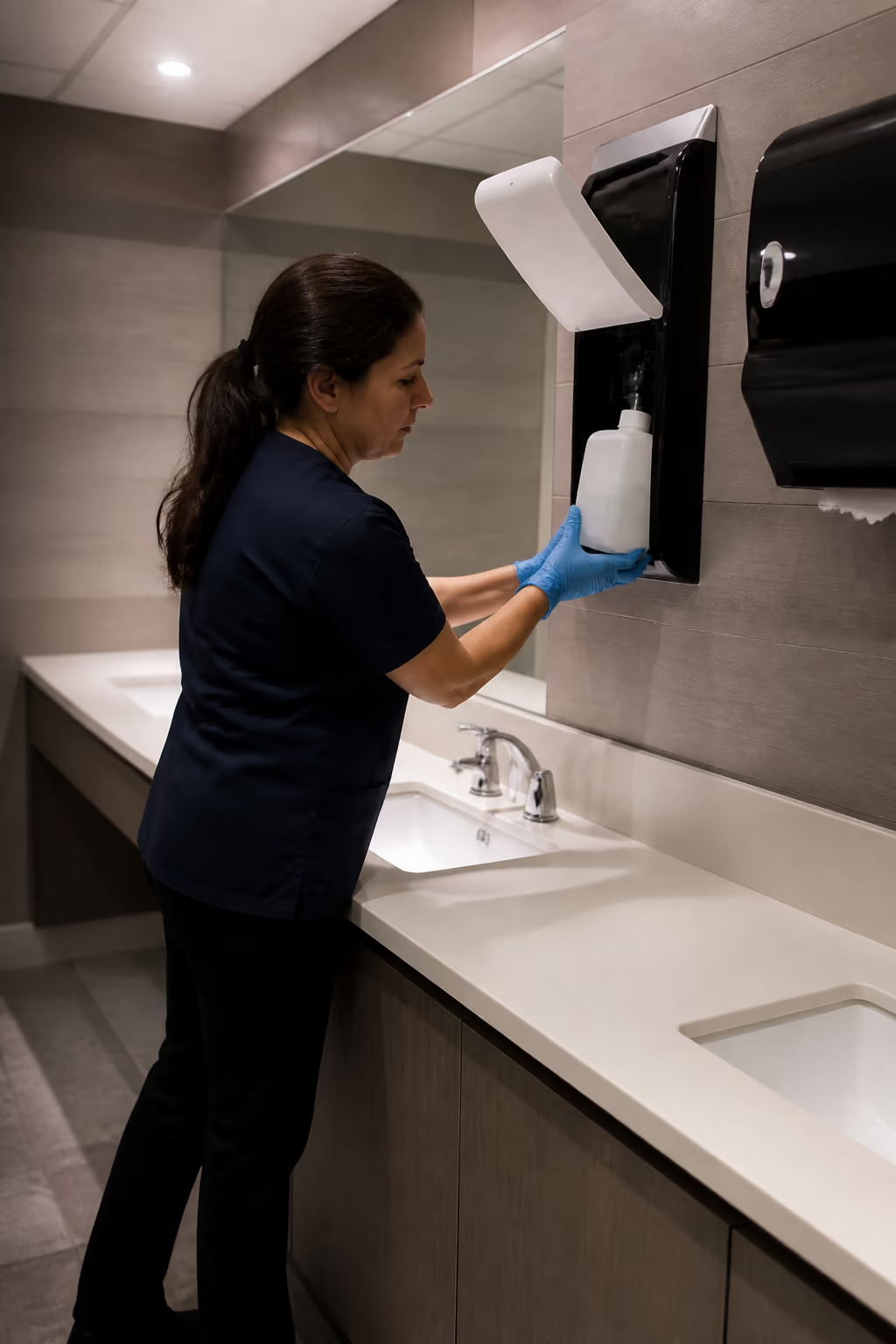
An eco-friendly office cleaning program protects your team, your air, and your sustainability commitments at the same time. Contact Good Cleaner Co. today to book commercial office cleaning in Ottawa, and ask about office cleaning programs in Ottawa for your workplace.
Keep reading
More from Good Cleaner
Services that fit
- Professional Office Cleaning Services in OttawaNightly and after-hours office cleaning for corporate offices, clinics and professional suites, with after-hours scheduling and eco-friendly products.
- Janitorial Services in OttawaRecurring janitorial services for offices, warehouses, retail, dealerships and schools, with eco-friendly commercial cleaning and customized plans.
About the author
Service areas
- Ottawa
- Kanata
- Nepean
- Orleans
- Glebe
- Barrhaven