
Debunking Common Cleaning Misconceptions: 8 Myths About Disinfection & Chemicals
We all want a clean home, but a lot of what we believe about cleaning is quietly wrong. Some myths just waste your time, while others can damage your floors, irritate your lungs, or create dangerous chemical reactions. This guide takes a close, honest look at eight widespread cleaning misconceptions, explains why they persist, and offers straightforward, evidence-based alternatives. We will cover dwell times, why you should never mix certain products, how well green cleaners really perform, and how microfibre actually works.
Quick Summary
Many popular cleaning habits come from old folklore, not science. This guide walks through eight common cleaning myths, explains the chemistry and biology behind each one, and shows you safer, more effective ways to keep your home clean without putting your family at risk.
In this guide
The Science of Hygiene vs. Common Household Myths
For generations, household cleaning advice travelled through word of mouth, viral internet hacks, and cheerful product advertising. Some of that advice works, but much of it is outdated or simply wrong, and a few popular habits are genuinely dangerous.
The problem is that cleaning and disinfecting are physical and chemical processes, not magic. Soil has to be lifted off a surface, and germs have to stay in contact with a disinfectant long enough for it to work. When a habit skips one of those steps, it feels like you are cleaning even though you are barely doing anything.
This article looks at what the science actually says, so you can stop wasting effort on habits that do not work and focus on the methods that genuinely keep a home clean and safe. The same principles apply whether you are tidying a small apartment or supervising a busy family household, because germs and grease do not care how big the space is. The same logic scales up to busy workplaces too, which is why our call centre cleaning for high-density workspace hygiene service applies the same evidence-based approach in high-density environments.
Why Cleaning Myths Persist
If a habit is ineffective, why does it survive for generations? A big part of the answer is that cleaning results are hard to measure. When you spray and wipe, the surface looks the same whether the germs are dead or not, so a habit that does nothing still feels like it worked.
Marketing compounds the problem. Product labels and commercials show surfaces being cleaned in a single satisfying swipe, which teaches people that speed is the goal. In reality, effective cleaning is often slower, because dwell time and the right product matter more than speed.
Social media makes it worse. A cleaning hack that works in one narrow situation gets shared as if it works everywhere, and the caveats are lost in the retelling. The result is a collection of half-truths that feel like common sense. Understanding why they persist is the first step to replacing them with methods that actually work. Our companion piece on 10 common cleaning mistakes you're probably making covers more of these everyday habits worth a second look.
Myth 1: Bleach Is an All-Purpose Cleaner
Many people treat bleach as a do-everything bottle: pour it on a counter, wipe, and assume the surface is clean. In reality, bleach is a disinfectant, not a cleaner.
Disinfectants kill germs, but they have almost no surfactant action. That means bleach cannot lift grease, cooking oil, or sticky food residue off a surface. Worse, a thin layer of dirt actually shields bacteria from the bleach, so you can disinfect right on top of soil and leave living germs behind.
The right sequence is to clean first with a detergent, rinse, and then apply a disinfectant to the now-clean surface. That two-step process is the difference between a surface that looks clean and one that is actually hygienic.
Myth 2: Spraying Disinfectant and Immediately Wiping Kills Germs
Almost everyone has sprayed a disinfectant and wiped it away within a few seconds. It feels productive, but the chemistry says otherwise.
The instructions on the label are the authority here, and they are reviewed. Health Canada's drug identification number tells the user that a product has passed a review of its formulation, its labelling and its instructions for use, which is why the contact time printed on the bottle is not a suggestion. Health Canada is blunt about what its absence means: “A drug product sold in Canada without a DIN is not in compliance with Canadian law.”
Disinfectants need what professionals call dwell time: the surface has to stay visibly wet for the length of time printed on the label, often one to ten minutes. The active ingredient needs that contact time to break down the germ's outer structure. Wipe it away early and you remove the chemistry before it has done its job.
The fix is simple: spray, wait for the label's dwell time, and then wipe. Check the bottle first, because every product is different, and follow the timing it lists.
Myth 3: Household Vinegar Is a Complete Disinfectant Replacement
Vinegar has become the hero of natural cleaning, and it genuinely deserves credit for some tasks. Acetic acid dissolves mineral scale, cuts light grease, and is cheap and food-safe.
But vinegar is not a registered disinfectant. It is not a broad-spectrum hospital-grade microbicide, and it does not carry a Health Canada Drug Identification Number. For everyday touchpoints like kitchen counters and bathroom handles, it is not a substitute for a product that is registered to kill germs.
Use vinegar for descaling kettles, coffee makers, and faucets. For disinfection, reach for a Health Canada DIN-registered product and follow the label.
Myth 4: Mixing Household Cleaners Makes Them Stronger
The idea that two strong cleaners are even stronger together is one of the most dangerous myths on this list. Mixing certain household products creates toxic gases.
Bleach plus vinegar or any other acid releases chlorine gas, which attacks the lungs and eyes. Bleach plus ammonia produces chloramine gas, which is just as dangerous. Even small amounts in a confined bathroom can cause coughing, chest pain, and chemical pneumonitis.
The rule is simple: never mix cleaning products. Use one product at a time, in the dilution the label recommends, and store everything in its original container under WHMIS 2015 labelling.
Myth 5: More Product Means a Cleaner Surface
If a little cleaner is good, a lot must be better, right? Not really. Extra detergent leaves a sticky residue that collects dust and dulls surfaces.
Concentrated product also needs to be diluted or rinsed properly. The instructions on the label are not a suggestion; they are the ratio the manufacturer tested. Using more can leave behind a film that actually attracts soil.
Measure your cleaner, follow the label, and let the product do the work it was designed to do. You will save money and get better results at the same time.
Myth 6: Paper Towels Are the Most Sanitary Way to Wipe
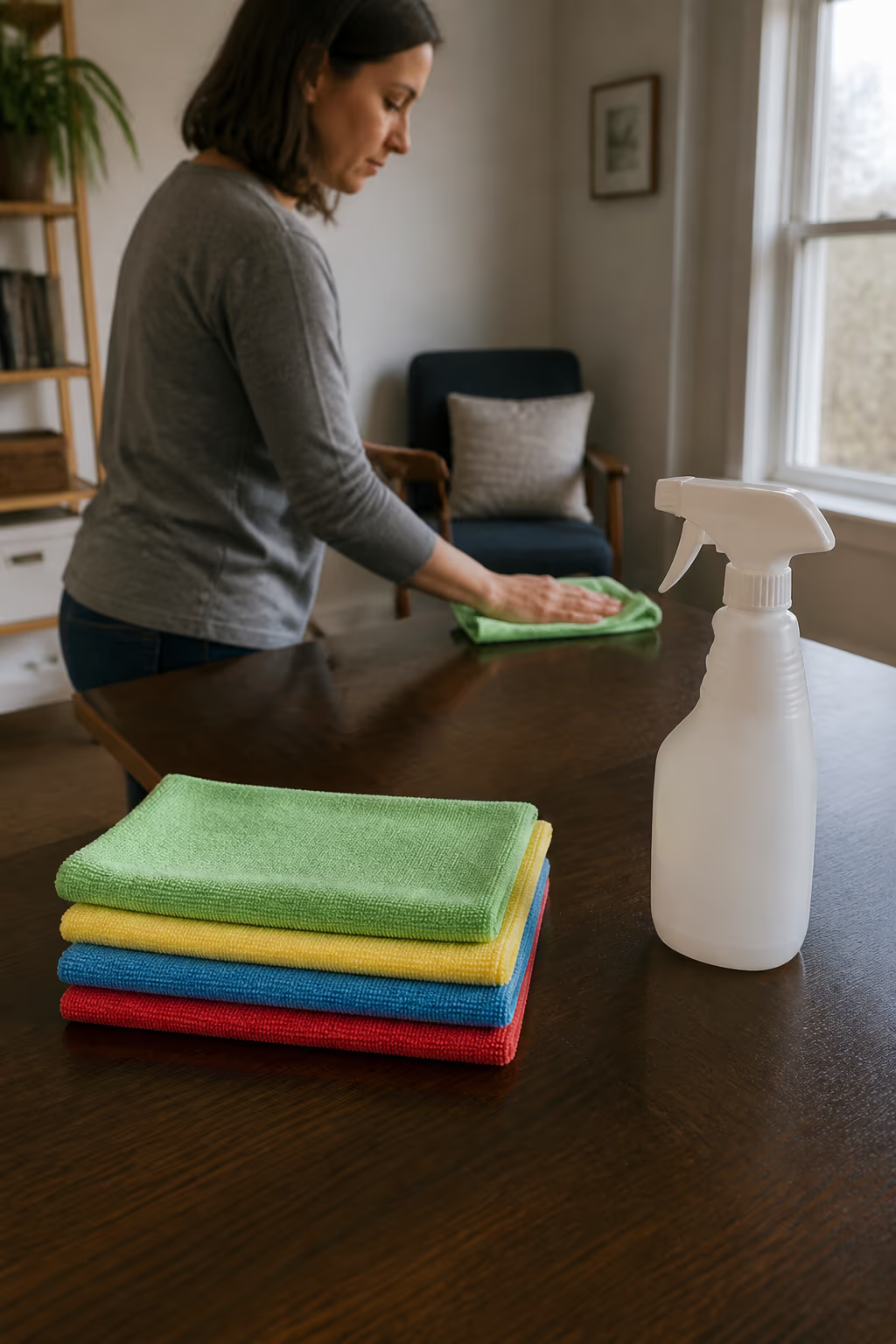
Paper towels feel clean because they are single-use, and they are handy for spills. But for everyday dusting and wiping, a split-microfibre cloth does more.
Split-microfibre carries an electrostatic charge that attracts and traps dust and bacteria rather than pushing them around. Reusable microfibre also cuts down on the paper waste your household produces every week.
The catch is laundry hygiene. Use a fresh cloth for each room or task, and wash microfibre separately without fabric softener so the fibres keep their charge.
Myth 7: Green Cleaners Don't Really Work
Older eco-friendly products genuinely had a reputation for being weak, and that reputation has lingered. The chemistry has changed a lot over the past decade.
Modern green disinfectants use botanical actives such as thymol or hydrogen peroxide, and the effective ones carry the same Health Canada registration as conventional products. When a product is registered, its germ-killing claims have actually been tested by a third party.
The honest caveat is that green products still need the right dwell time and the right surface. Choose a certified product for the task, and it will hold its own against a conventional cleaner.
Myth 8: You Can Skip Cleaning and Just Disinfect
A quick spray of disinfectant might look thorough, but if the surface is dirty, the disinfectant cannot do its job.
Disinfectants work on clean surfaces. Organic soil, grease, and dust physically shield germs from the active ingredient, so you end up disinfecting the dirt, not the surface underneath.
Clean first, disinfect second. If you only have time for one step, cleaning is the one that removes the soil and most of the germs with it. Reviewing our cleaning vs sanitizing vs disinfecting guide explains the three levels of sanitation in more detail.
How to Read a Cleaning Product Label
Most of the myths above come down to one skill: knowing what is actually in the bottle. A cleaning product label tells you more than the marketing on the front, and learning to read it prevents most of the mistakes that cause wasted effort and safety problems.
Check for a Health Canada DIN on disinfectants:
An 8-digit Drug Identification Number means the germ-killing claim has been tested and approved. No DIN means the claim has not been verified.
Look for the active ingredient:
The active ingredient is what does the disinfecting, and the label tells you which germs it is registered against and how long it needs to stay wet.
Read the dwell time:
Every disinfectant lists a contact time. The label is the source of truth, not the habit you learned from your parents.
Find the hazard symbols:
Under WHMIS 2015, hazard symbols tell you if a product is corrosive, flammable, or toxic, and the Safety Data Sheet gives the full picture.
Check the surface compatibility:
The label lists which surfaces a product is safe on, which protects your counters, floors, and finishes from damage.
Formatted Step-by-Step Evidence-Based Cleaning Protocol
Work through this checklist to put good hygiene science into practice in your home:
- Step 1.Clean Before You Disinfect:Scrub the surface with a detergent first so the disinfectant can actually reach the germs underneath the soil.
- Step 2.Respect the Full Dwell Time:Keep the surface visibly wet for the time printed on the label, typically one to ten minutes.
- Step 3.Never Mix Bleach with Vinegar or Ammonia:Use single products at the right dilution and store chemicals in their original WHMIS 2015-labelled containers.
- Step 4.Switch to Split-Microfibre Cloths:Use a fresh cloth per room and wash microfibre without fabric softener so it keeps working.
- Step 5.Verify Health Canada DIN Registration:Check for an 8-digit Drug Identification Number on any product that claims to disinfect.
- Step 6.Booking professional residential home cleaning services in Ottawa through Good Cleaner Co. takes the guesswork out of keeping a truly hygienic home.
Cleaning Habits Across Ottawa Neighbourhoods
The same cleaning science applies whether your home is a downtown Ottawa condo, a family house in Kanata, or a townhome in Barrhaven, Orleans, or Nepean. Older homes in areas like Sandy Hill and Old Ottawa South often have original fixtures that need gentler products, while newer builds in Riverside South and Stittsville tend to have finishes that tolerate standard cleaners. The myths and the fixes are the same everywhere, but the surfaces you are protecting can vary, so it always helps to match the product to the finish. Shared buildings raise their own version of these questions too, which our guide to common area cleaning in multi-tenant buildings covers in more depth.
Practical Next Steps for Debunking common cleaning misconceptions
Turn this guide into a short task list for the actual rooms, materials, and people involved. Name the visible result you need, the surface limits to respect, and the access or timing that changes the order of work. That gives the next person clear decisions instead of a broad catalogue of services.
Keep the list with the supplies or site notes, then revise it when the space or its use changes.
When the Routine Needs to Change
Review debunking common cleaning misconceptions when use, materials, or conditions change instead of following a generic seasonal script. A spill, event, occupancy change, construction dust, new equipment, or recurring mark may need a specific adjustment. Inspect the affected area, record what changed, and update the task rather than adding unrelated products or extra steps.
Canadian weather can change the moisture or grit arriving at an entrance, but the right response still depends on the flooring, access, and actual condition. Check mats, floors, storage, and drying areas regularly. Treat a recurring issue as a maintenance question, not as dirt that must be scrubbed harder.
Check Results and Escalate the Right Problems
A useful review asks whether the agreed task is complete, whether the surface was treated appropriately, and whether anything needs follow-up. Walk the area in normal light, compare it with the written scope, and note what remains. It is better to record a limitation honestly than to promise a perfect result.
Pause when a request involves product-specific, safety, plumbing, electrical, damage, infection-control, or health concerns. Use the responsible organisation's instructions or a qualified specialist where appropriate. Cleaning advice cannot replace a repair assessment, product label, workplace policy, or professional health guidance.
FAQ
Is it true that bleach cleans grease and dirt?
No. Bleach disinfects but does not clean. Scrub the surface with a detergent first, rinse, and then disinfect.
How long should a disinfectant sit on a surface?
It depends on the product. Most labels ask for one to ten minutes of visible wet contact. Follow the timing printed on your bottle.
Can vinegar disinfect my kitchen counters?
Vinegar is a good descaler but it is not a registered disinfectant. Use a Health Canada DIN-registered product on surfaces that need disinfection.
What happens if I mix bleach and vinegar?
Mixing bleach with any acid releases chlorine gas, which can seriously damage your lungs and eyes. Never mix cleaning products.
Are eco-friendly disinfectants as effective as conventional ones?
When a green product carries Health Canada registration and you follow the dwell time, yes. Look for the DIN on the label.
Does dish soap kill germs?
Dish soap removes soil and some germs through scrubbing and rinsing, but it is not a disinfectant. Use a registered disinfectant where you need one.
Why does my microfibre cloth stop working?
Fabric softener coats the fibres and destroys their electrostatic charge. Wash microfibre on its own, without softener.
Is it enough to just wipe a surface with a dry cloth?
Dry dusting removes surface dust, but it does not disinfect. For hygiene, clean and then disinfect with a registered product.
Should I use different cloths in the bathroom and kitchen?
Yes. Cross-contamination is an easy way to spread germs. Colour-code your cloths by room and wash them between uses.
How can I tell if a cleaner is safe around children and pets?
Check the label for hazard warnings, ventilate the room, and follow the instructions. If you are unsure, ask Good Cleaner Co. for guidance.
Wrapping Up
Understanding the science behind cleaning protects your home, your health, and your peace of mind. If you would rather leave it to a professional team that follows these principles every day, contact Good Cleaner Co. today to book a professional cleaning visit.
Keep reading
More from Good Cleaner
About the author
Service areas
- Ottawa
- Kanata
- Barrhaven
- Orleans
- Nepean