
Commercial Cleaning Checklist by Industry: Customized Janitorial Tasks
An office, a medical clinic, a retail store, and a school each need a different kind of clean. The right checklist matches the tasks, the frequency, and the products to the way each space is actually used. This guide walks through the main commercial sectors in Ottawa and the janitorial details that matter in each one.
Quick Summary
A one-size-fits-all cleaning plan rarely meets the needs of a modern commercial facility. Different industries face different soils, different traffic, and different health and safety rules. This guide explains how cleaning checklists are tailored for healthcare clinics, corporate offices, retail stores, and schools, and what to look for in a janitorial partner.
In this guide
Sector-Specific Compliance: Healthcare vs. Corporate vs. Retail
Different commercial sectors require tailored janitorial scopes of work to satisfy specific health regulations and customer expectations.
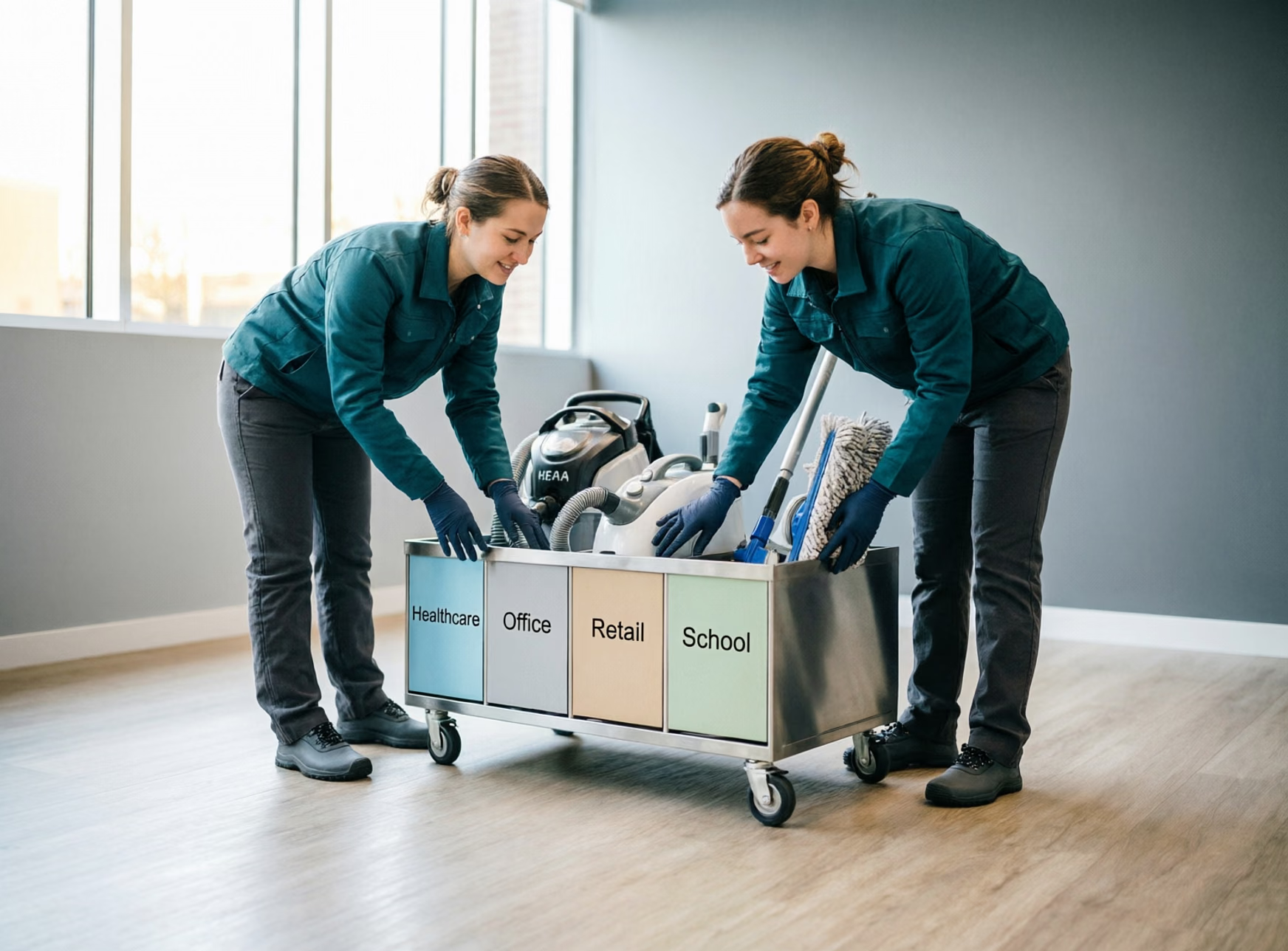
Medical clinics and dental offices demand careful disinfection of treatment rooms and high-touch surfaces, using Health Canada DIN registered disinfectants. Corporate offices prioritize dust control, waste removal, and the everyday detail work that keeps a workplace feeling professional. Retail stores focus on floors, glass, and the visual appeal that drives customers through the door.
Creating customized cleaning checklists by industry keeps every facility compliant, safe, and welcoming, while avoiding the waste of paying for tasks that do not matter in that setting.
Customizing Cleaning Protocols to Match Facility Risk Profiles
The first step in any commercial cleaning plan is understanding the risk profile of the building.
High-risk settings like medical clinics and daycare centres need disinfection of high-touch surfaces on a strict schedule. Lower-risk settings like warehouses and some offices can focus more on soil removal and general tidiness.
Traffic matters too. A busy retail store and a quiet office need very different floor care.
A good janitorial provider starts with a walkthrough, then builds a checklist that reflects the surfaces, the traffic, and the compliance requirements of that specific facility.
Healthcare & Dental Clinics: Terminal Disinfection
Healthcare settings are held to the highest standard because the cost of a mistake is highest.
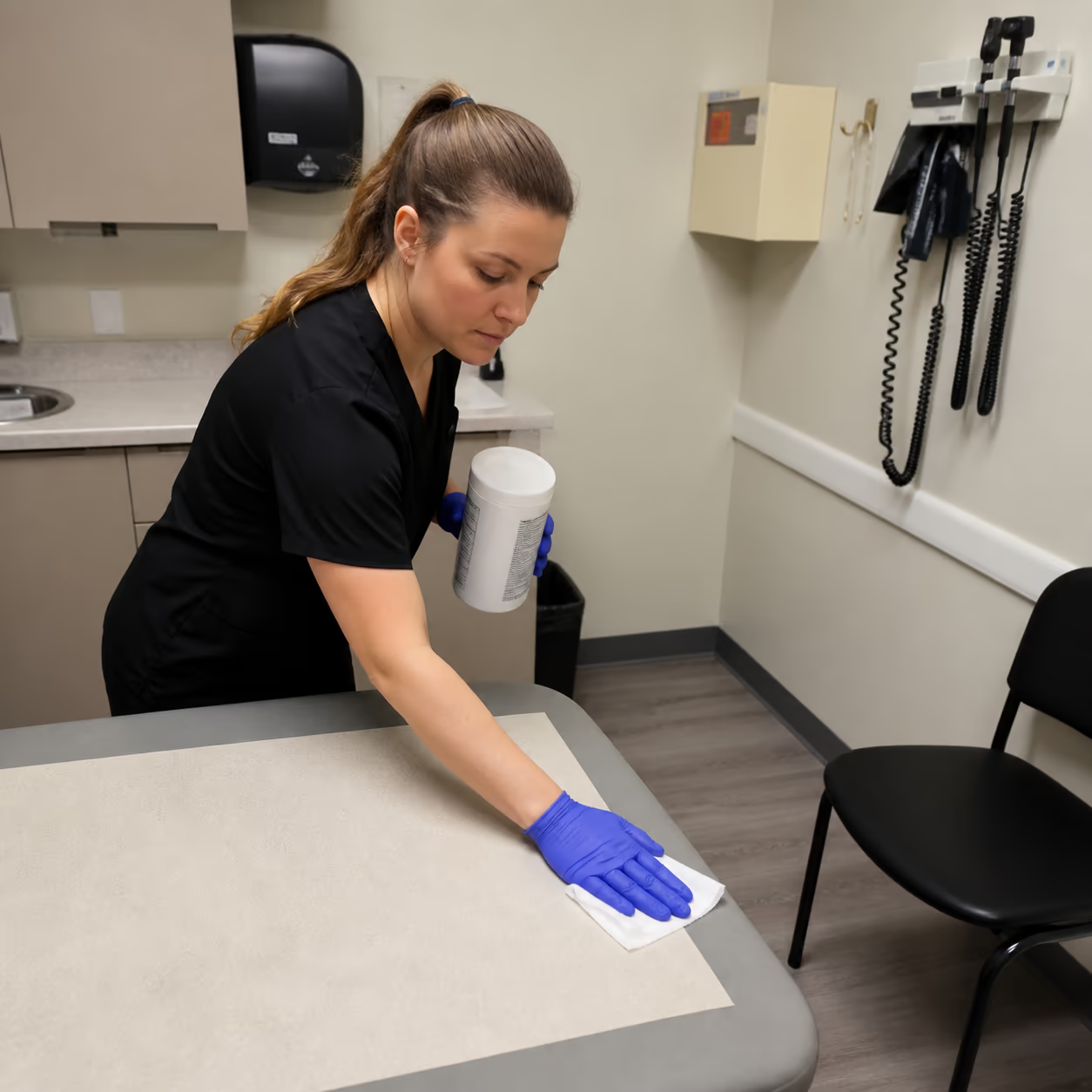
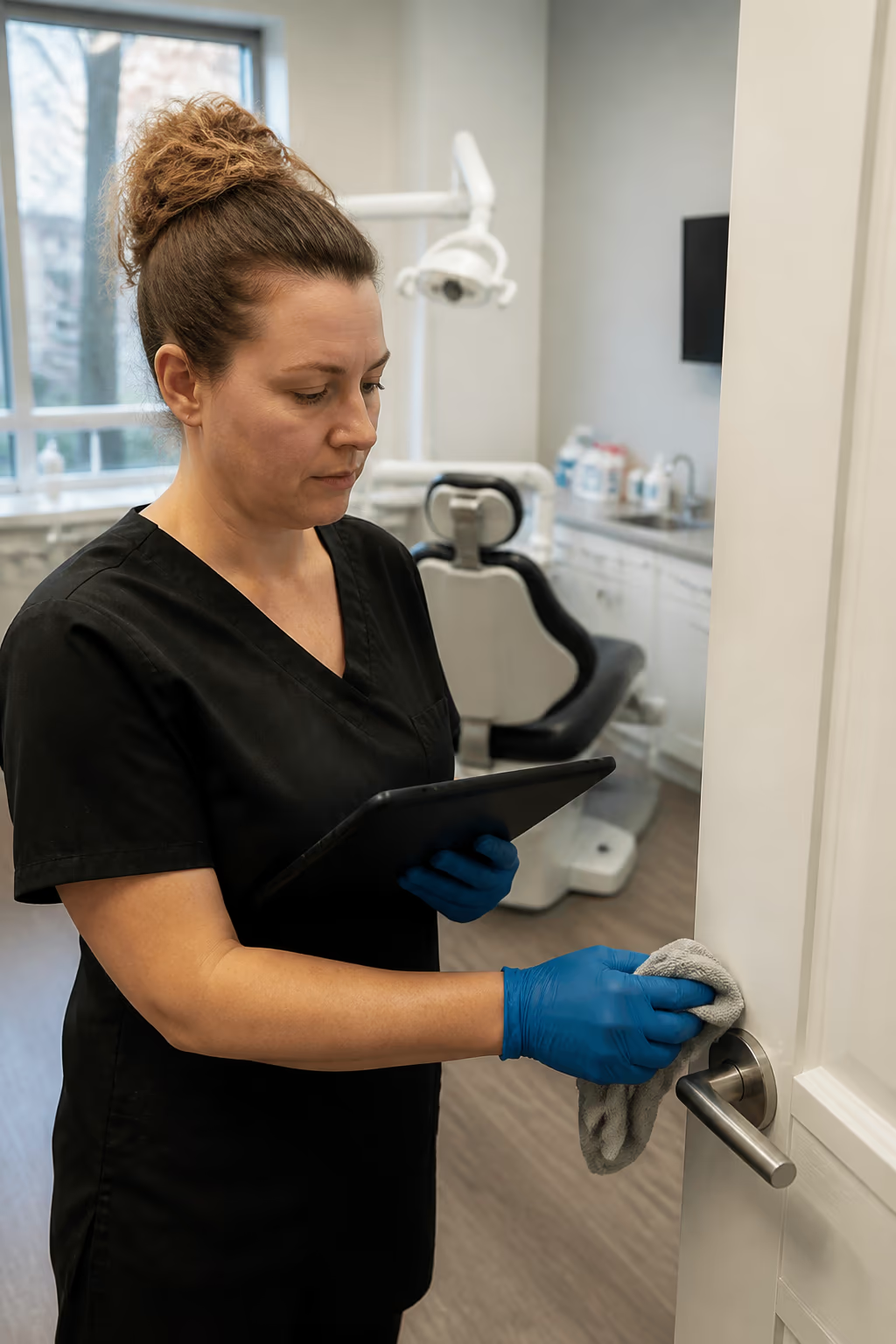
Exam tables, waiting room chairs, door handles, light switches, and washroom fixtures are all high-touch surfaces that need regular disinfection with a Health Canada registered product. A bathroom cleaning checklist guide can help standardize how those washroom fixtures are sequenced and inspected across multiple rooms.
Terminal disinfection, the thorough end-of-day treatment of treatment rooms, is a core part of the checklist in clinics and dental offices. It covers the surfaces patients touch, in the order that prevents re-contamination.
The cleaning team needs to understand the difference between cleaning and disinfecting, and to follow the dwell times on the label so the product actually works.
Corporate Offices: Dust Control and Daily Detailing
Corporate offices have their own priorities, and they are less about clinical risk and more about daily comfort and professionalism.
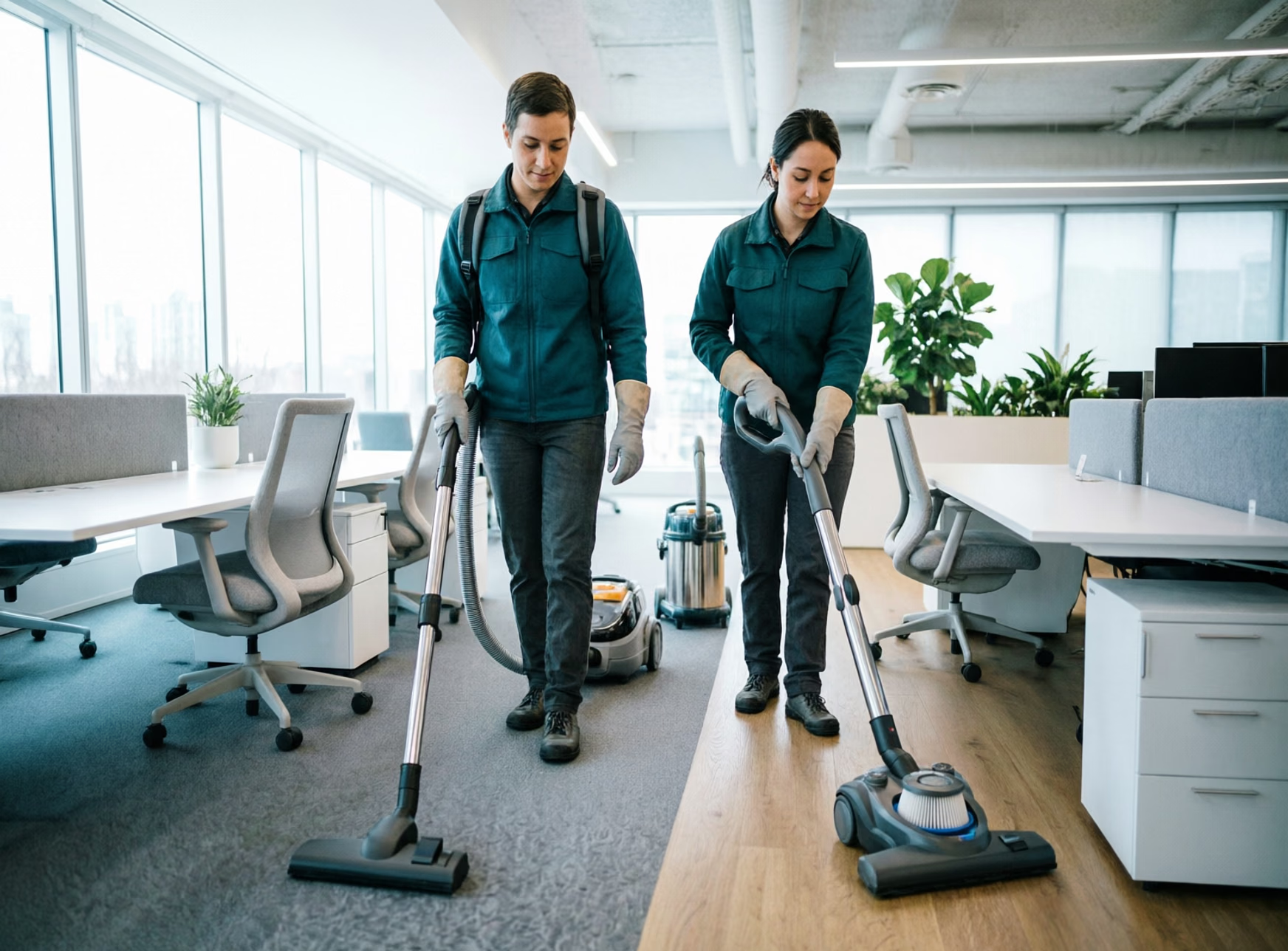
Dust control is not only about appearance. Health Canada's guidance on fine particulate matter names cleaning with a mop, a damp cloth or a HEPA vacuum as the first way to reduce exposure indoors, which is precisely the method a corporate detailing routine already uses. Health Canada also notes a limit worth knowing: “Outdoor particulate matter levels may often be higher than indoor levels.”
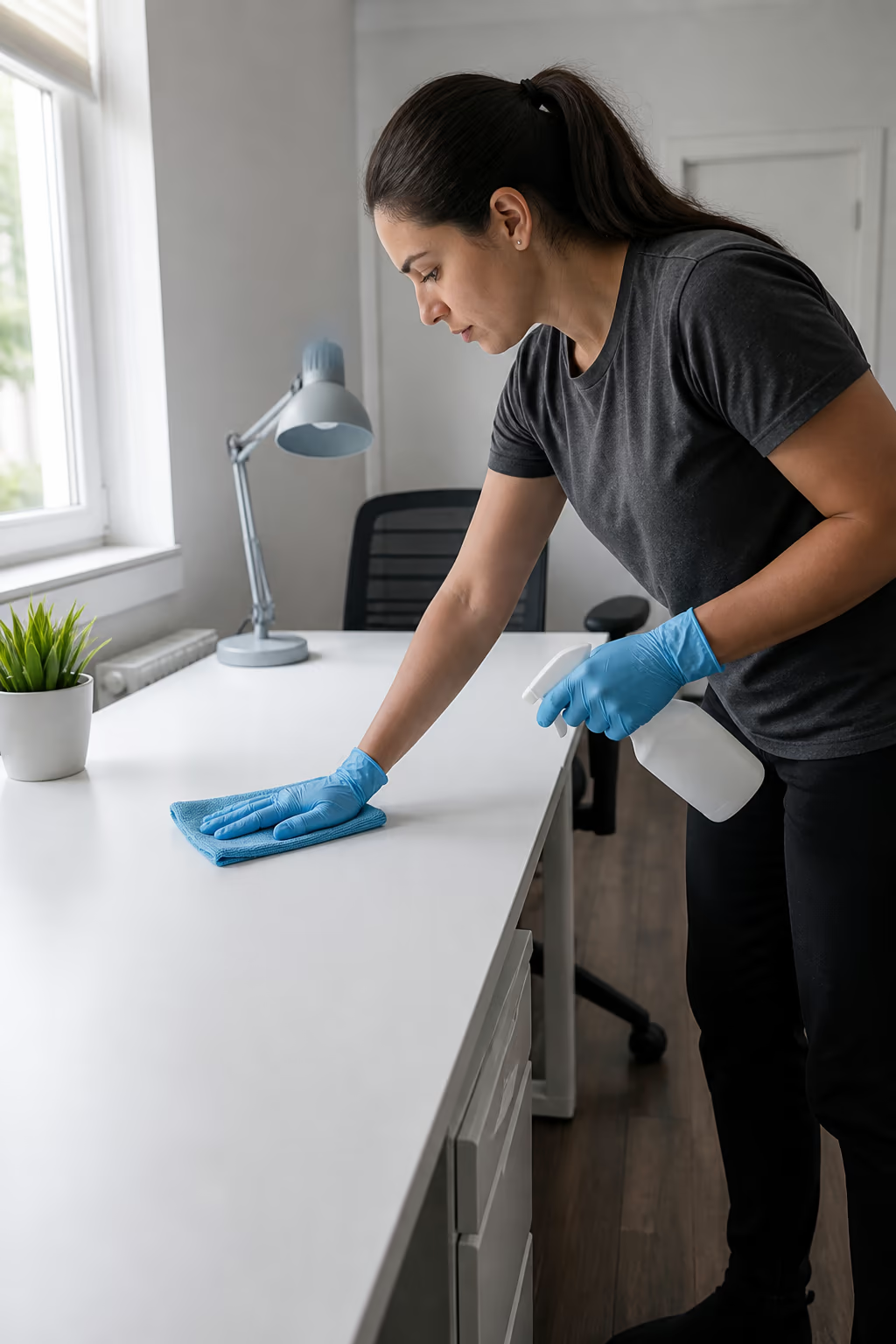
Dust is the main enemy. Desks, keyboards, phones, conference room tables, and window sills collect a thin film that makes a workspace feel tired no matter how new the furniture is.
Trash and recycling removal is a daily task in any office, along with kitchen resets that stop yesterday's leftovers from becoming today's smell.
Carpeted offices also need regular vacuuming, ideally with HEPA-filtered equipment, to keep dust and allergens out of the air staff breathe all day.
Break rooms and shared kitchens are where office grime really gathers. A nightly reset of counters, sinks, and microwaves, plus a full wipe of fridge door handles and the coffee station, keeps the space pleasant for everyone.
For everyday spot cleaning of desks and surfaces, our citrus cleaning spray recipe offers a simple natural formula that keeps staff away from heavy chemical fumes.
Retail Stores & Showrooms: Floors and Storefronts
In retail, cleaning is part of the brand. Customers notice the floor before they notice the product.
High-traffic tile and vinyl floors take constant abuse from footwear, carts, and weather. Daily sweeping and periodic auto-scrubbing keep them presentable, while entry mats capture the worst of the dirt.
Entry mats are the first line of defence against dirt and moisture. Matching them to the season, heavier in winter for salt and slush, lighter in summer, reduces the amount of soil carried into the store.
Glass storefronts and entrance doors need frequent polishing, because smudged glass makes a store look neglected.
Fitting rooms deserve special attention, with mirrors wiped, floors swept, and surfaces sanitized between customers.
Educational Facilities: High-Touch and High-Traffic
Schools and daycares are a special category because they combine high traffic with a vulnerable population.
Desks, cafeteria tables, door handles, and washrooms are touched by hundreds of people every day, so they need daily cleaning and regular disinfection.
Floors in schools take heavy punishment, and a consistent care routine extends their life.
The schedule has to work around classes, which is why many schools rely on after-hours janitorial teams that can clean without disrupting learning.
Building Your Own Industry Checklist
Whether you manage one facility or several, the process of building a checklist is the same.
- 01List every room and the surfaces inside it.
- 02Mark each task as daily, weekly, or monthly.
- 03Note which tasks need a disinfectant and which just need a cleaner.
- 04Add a quality checklist so the standard is easy to inspect.
- 05Review the plan seasonally, because winter, spring, and summer change the soils and the traffic.
Start with the risk profile and the traffic, then list the surfaces in each zone, from the washroom to the boardroom.
Assign a frequency to every task, daily for high-touch items, weekly and monthly for the rest, and write down who is responsible for each one.
Include the products and equipment to be used, and make room for a quality check so you can verify the work was actually done.
Specialized Surfaces by Industry
Beyond the obvious rooms, every industry has surfaces that are easy to miss.
In healthcare, think about privacy screens, examination lights, dental chairs, and medical waste bins. These need scheduled attention that a general cleaning checklist often overlooks.
In offices, the overlooked surfaces are usually electronics. Keyboards, phones, and shared screens collect grime and germs, and they need a product and technique that will not damage them.
In retail, display shelves, checkout counters, and POS terminals are touched constantly and should be part of the daily rotation, not just the weekly deep clean.
In schools, locker rooms, gym mats, and shared computer stations need regular disinfection, especially during cold and flu season.
The best checklists name the surfaces, not just the rooms, because that is where the real work happens.
How Often Should a Commercial Building Be Cleaned?
There is no single answer, but frequency usually follows traffic and risk.
High-traffic, high-risk spaces like medical waiting rooms and school washrooms are cleaned daily, sometimes multiple times. Treatment rooms in clinics get a full terminal clean every day.
Most offices fall into a nightly or after-hours pattern: trash removed, floors vacuumed, washrooms serviced, and kitchens reset while the building is quiet.
Retail stores often balance daily floor care and glass work with deeper weekly or monthly programs for fitting rooms, stock areas, and display fixtures.
The right cadence is the one that keeps the space clean between visits. A professional audit can tell you whether you are over-cleaning, under-cleaning, or right on target.
The Cost of Skipping Industry-Specific Cleaning
Cleaning is easy to treat as an afterthought, but the cost of the wrong approach is real.
In healthcare, missed disinfection can lead to an infection that costs far more than any cleaning bill. In retail, dirty floors and smudged glass quietly drive customers away. In offices, dust and clutter make staff feel undervalued and can hurt retention.
There is also the financial side. Cleaning the wrong things, or cleaning everything at the same frequency, wastes money on tasks that do not matter while missing the ones that do. Comparing commercial cleaning pricing in Ottawa before finalizing a budget helps a facilities manager weigh quotes on equal terms.
A checklist built around your industry is not a luxury. It is the most direct way to spend your cleaning budget where it actually protects the building, the people in it, and your reputation.
Formatted Step-by-Step Industry Cleaning Checklist
Follow this checklist for customized commercial janitorial care:
Serving Ottawa Businesses from Kanata to Downtown
Every commercial sector has a home in Ottawa, from the tech offices of Kanata and the retail strips of Nepean to the clinics and government buildings downtown and the schools across Orleans. The checklist for each one is different, but the standard is the same: the right task, at the right frequency, with the right product, verified every time.
Practical planning for this situation
For a facilities manager, the sensible starting point is adapting a commercial checklist by industry. Begin with a walk-through and write down the actual use of the site, public traffic, food or washroom areas, access rules, and tasks that need a separate procedure. That gives the work a real boundary and avoids treating a generic package as if it already understood the space.
Use the written notes to decide what belongs in a regular routine and what needs separate time, access, or approval. The useful test is whether another person could read the scope and understand the task without being told to rely on a promise.
Seasonal considerations in Ottawa
Local conditions matter, but they do not require a script. In this topic, seasonal entrance care and occupancy swings should change the checklist only where the site condition warrants it. Review the condition of the actual space before changing the products, equipment, or frequency.
A short seasonal review is usually enough: notice what has changed, name the affected area, and agree on the practical response. That keeps maintenance connected to the property rather than a broad list of place names.
Safe, responsible cleaning
Choose methods that suit the material and follow the product or equipment instructions. Keep people away from a wet or actively cleaned area, and stop when a surface reacts unexpectedly.
When a task involves an unfamiliar finish, access issue, or safety concern, ask before continuing. A careful pause is more useful than a confident shortcut and protects the people using the space.
Considering professional help
A service conversation should stay anchored in the space and the requested work. For adapting a commercial checklist by industry, explain the actual use of the site, public traffic, food or washroom areas, access rules, and tasks that need a separate procedure. Ask for the proposed tasks, timing, and any limits in writing.
If you want to explore help, use janitorial cleaning teams in Ottawa to describe the scope and decide whether it suits the situation. This is a request for information, not a promise about a result.
How to review the routine
Before changing the routine, take a few minutes to describe the present condition in plain language. Start with the actual use of the site, public traffic, food or washroom areas, access rules, and tasks that need a separate procedure. This makes it possible to decide what is necessary without inflating a small issue into a large project.
Ask the people who use the space what causes the most friction. Their answer may be a difficult entry, a storage gap, a time when work cannot happen, or a surface that needs a gentler method. Those details are the basis for a useful plan.
Try one visible adjustment at a time. Record why it was made, what area it affects, and what a satisfactory result looks like. That approach is easier to review than changing a whole routine at once.
Keep feedback specific: name the room, surface, timing, and expected result. Clear notes help a household, volunteer group, or service team work through a problem without blame or vague expectations.
Revisit the plan after a genuine change in use, condition, or season. A routine should be steady enough to follow and flexible enough to stay useful.
FAQ
Why do healthcare facilities need a specialized cleaning checklist?
Medical clinics must follow strict Health Canada guidelines to prevent healthcare-associated infections and cross-contamination. The checklist covers disinfection of high-touch surfaces, proper dwell times, and terminal cleaning of treatment rooms.
Can a janitorial schedule be customized for hybrid office spaces?
Yes. We design flexible cleaning schedules based on office occupancy days and foot-traffic volume, so a building that is quiet on Fridays is not cleaned as if it were full every day.
What cleaning products are used for retail store floors?
We use pH-neutral commercial floor cleaners and auto-scrubbers that protect high-traffic vinyl and tile finishes without dulling the surface.
How often should office desks and keyboards be cleaned?
High-touch office items like desks, keyboards, phones, and door handles are cleaned daily in most plans, with a deeper weekly wipe-down of the whole workstation.
Do schools need different cleaning than offices?
Yes. Schools combine high traffic with a vulnerable population, so desks, cafeteria tables, and washrooms get daily attention and regular disinfection, often after hours to avoid disrupting classes.
What is terminal disinfection?
Terminal disinfection is the thorough end-of-day treatment of a treatment room or clinical space, covering every surface a patient might have touched, in an order that prevents re-contamination.
How do I know what is actually being cleaned each visit?
A good provider logs completed tasks in a digital inspection system and shares the reports. Ask for a quality audit trail before you sign a contract.
Can one checklist cover multiple facilities?
A shared framework can, but each facility needs its own checklist. A clinic, an office, and a retail store have different risks and different surfaces, so the tasks and frequencies should reflect that.
How is the cleaning plan built for my building?
It starts with a walkthrough. We map the rooms, the surfaces, the traffic, and any compliance requirements, then build a checklist that assigns a task and frequency to every zone.
How do cleaning frequencies differ between a clinic and an office?
A clinic needs daily disinfection of high-touch surfaces and terminal cleaning of treatment rooms, because the risk is medical. An office needs daily trash, dusting, and floor care, with disinfection focused on shared surfaces and washrooms. The frequency follows the risk.
What should I look for when hiring a commercial cleaner for my building?
Look for a documented checklist per industry, Health Canada registered disinfectants where needed, WHMIS-trained staff, and a digital inspection report you can review. A provider who can explain their scope of work in writing is a provider you can hold accountable. A guide to choosing the best commercial cleaning company Ottawa has available covers the same evaluation criteria in more depth.
Wrapping Up
No two industries share a cleaning checklist, because no two are judged on the same thing. Start from what your space is inspected on, then build the frequency around the areas that carry the most traffic.
Keep reading
More from Good Cleaner
Services that fit
- Janitorial Services in OttawaRecurring janitorial services for offices, warehouses, retail, dealerships and schools, with eco-friendly commercial cleaning and customized plans.
- Professional Office Cleaning Services in OttawaOffice cleaning services in Ottawa for corporate offices, clinics and professional suites. After-hours scheduling, eco-friendly products and a free quote.
About the author
Service areas
- Ottawa
- Kanata
- Nepean
- Orleans
- Barrhaven