
Cleaning a Toilet with a Pumice Stone: Safe Hard Water Ring Removal
This guide is a practical, honest look at pumice stone toilet cleaning. We cover why hard water rings form, how a natural volcanic stone removes them without harsh acids, and the safety steps that keep your porcelain looking new. Whether you clean the bowl yourself or book a professional, the information here will help you do it right. If you have never tried a pumice stone before, the process takes only a few minutes and the results are hard to miss.
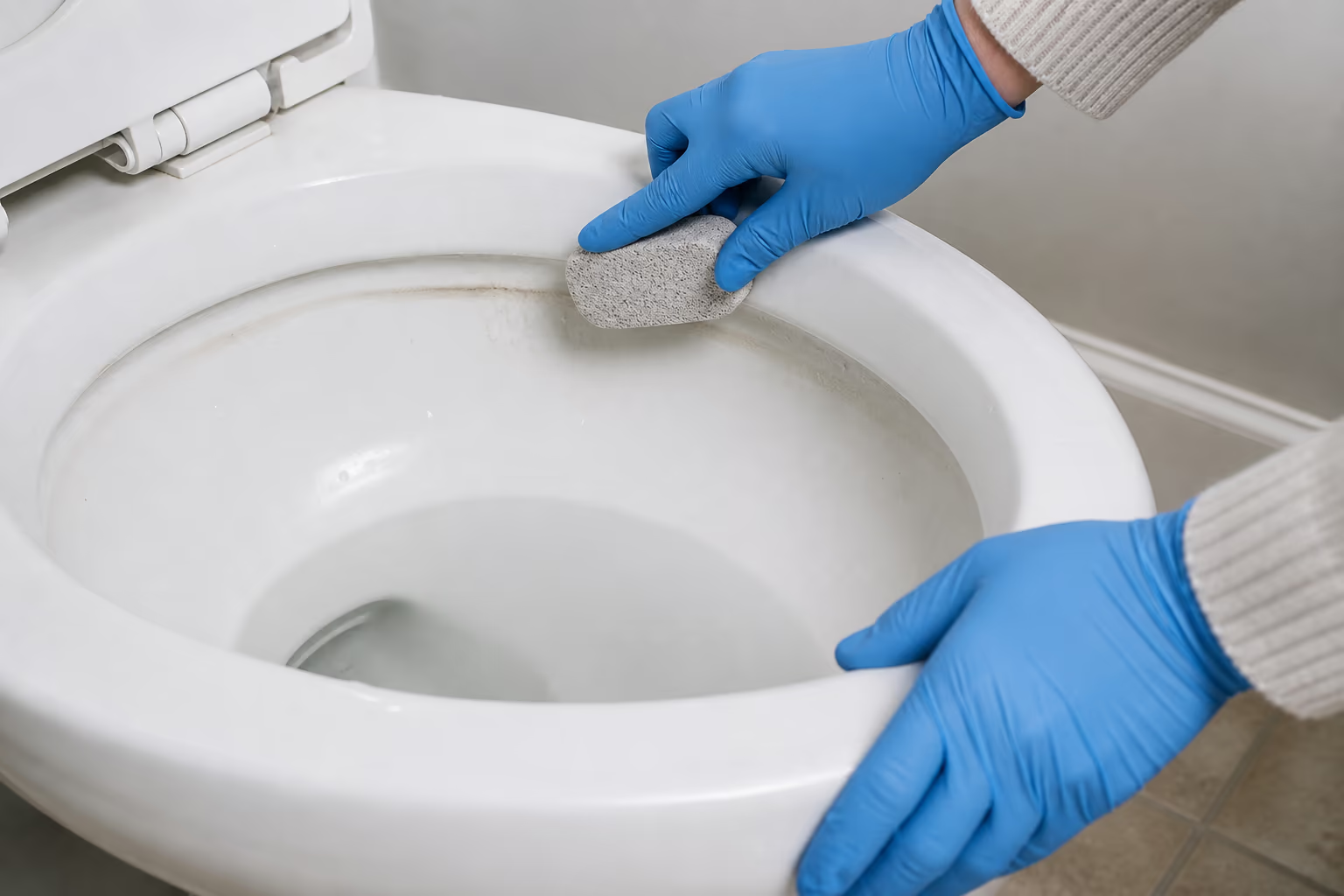
Quick Summary
Cleaning a toilet with a pumice stone is one of the safest ways to remove stubborn hard water rings from porcelain, as long as you keep the stone wet. This guide explains how hard water minerals build up in Eastern Ontario, the safety rules that protect your porcelain glaze, and the exact steps to erase mineral rings. You will also learn which tools to avoid and how to keep the rings from coming back.
In this guide
The Geology & Abrasive Action of Natural Pumice Stones
Hard water in Eastern Ontario contains high concentrations of calcium carbonate, magnesium, and iron minerals that settle at toilet bowl waterlines. Over time, they form the rings that regular cleaners cannot shift.
Standard liquid toilet cleaners and nylon brushes simply do not have the abrasive power to break down heavy, calcified mineral scale. The minerals are harder than the brush and resist chemical cleaners.
Natural volcanic pumice sits between the two in hardness. It is softer than porcelain glass enamel but harder than the mineral scale, which is exactly why it can scrub away stubborn rings without damaging the bowl. That balance is the whole trick behind the method.
The same stone has been used for centuries to clean masonry and glass because of that predictable hardness. For porcelain, it is the ideal middle ground, and hardware stores sell pumice specifically for toilet and sink care.
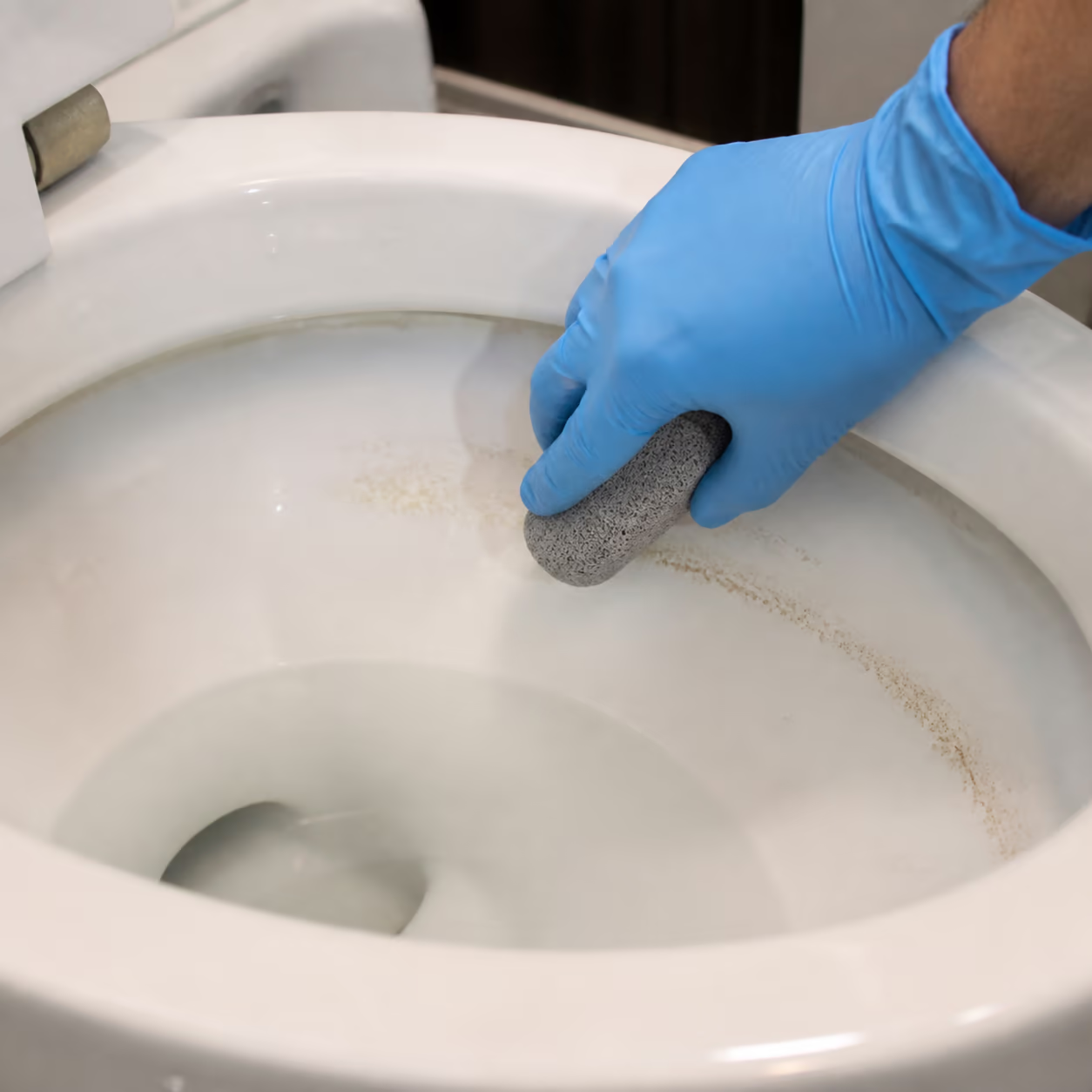
Porcelain Glaze Protection vs. Scratch Risks
Porcelain looks tough, but its glass-like glaze can scratch. The good news is that a pumice stone, used correctly, is gentle enough for the job. These four rules are the difference between a clean bowl and a damaged one:
Why Hard Water Rings Form in Eastern Ontario
Ottawa sits on water that is rich in dissolved minerals, and those minerals do not stay suspended. When water sits in a toilet bowl, calcium and magnesium settle out and bond to the porcelain at the waterline. Iron adds the orange and brown tint many people notice.
The result is a ring that gets harder the longer it is ignored. A light film might come off with a nylon brush, but a ring that has been building for months is calcified and needs the gentle abrasive action of pumice.
The good news is that prevention is simple. Scrubbing the waterline every few months with a wet pumice stone stops the scale from ever getting thick, which makes each clean fast and easy. Homes on well water often see rings faster and benefit from a more frequent schedule.
Softened water systems reduce the problem, but many Ottawa homes do not have one. If your home is on municipal water with high hardness, or on a well, you will probably see rings sooner. That is normal, and it is not a sign that the toilet is failing.
The Right Tools and the Ones to Avoid
Pumice stone cleaning is about more than the stone itself. The right approach keeps the bowl clean and protects the fixture:
The tools you avoid matter as much as the ones you use. Steel wool and wire brushes might remove the ring, but they will also remove the glaze, leaving the porcelain rough and more likely to stain again. Harsh acids work, but they bring fumes and handling risks that simply are not necessary.
When you pick a stone, look for one that is labelled for porcelain and comes with a handle or a grooved grip. A handle keeps your fingers away from the bowl and gives you better control under the rim. A plain stone works fine too, just hold it from the top and let the water do the slipping.
Considering professional help
A service conversation should stay anchored in the space and the requested work. For using a pumice stone on a toilet, explain the bowl surface, mineral ring, manufacturer guidance, water level, and a small test area. Ask for the proposed tasks, timing, and any limits in writing.
If you want to explore help, use residential home cleaning services in Ottawa to describe the scope and decide whether it suits the situation. This is a request for information, not a promise about a result.
Pumice Stone vs. Chemical Cleaners: An Honest Comparison
Most toilet bowl cleaners rely on chemistry. Acidic and bleach-based formulas dissolve stains, but they come with strong fumes, and the harsh ones are dangerous to handle and can damage older plumbing over time.
Use pumice for calcified mineral rings and rust scale.
Use a standard toilet cleaner for everyday maintenance between stone treatments.
Skip muriatic acid products entirely; they are overkill for mineral rings.
Wear gloves and keep the room ventilated if you do use chemical cleaners.
A pumice stone takes a different route. It is a purely physical method: the wet volcanic rock abrades the mineral scale off the porcelain, with no acid and no fumes. For hard water rings, it is often faster and safer than chemicals.
That does not mean chemicals have no place. A regular toilet cleaner is fine for everyday upkeep, and a pumice stone is the right tool for the rings that chemistry cannot shift. Used together, they keep a bowl clean with far less harsh product.
For most Ottawa homes, a pumice stone is the honest, low-fuss solution to hard water rings. It costs a few dollars, lasts for years, and does not rely on pouring chemicals into a bowl that gets flushed into the municipal system.
Keeping Your Bathroom Clean Between Deep Cleans
A little regular care makes the pumice stone method easier. If the waterline never gets a chance to calcify, a quick weekly wipe keeps the bowl looking new.
- Wipe the waterline weekly to stop minerals from bonding.
- Ventilate the bathroom after showers to reduce humidity and mould.
- Check under the rim and around the base during routine cleaning.
- Book a professional deep clean a few times a year for the rest of the bathroom.
Between deep cleans, humidity is the thing to watch. Health Canada's mould guidance identifies excessive moisture as one of the most common causes of poor indoor air in homes, and recommends fixing moisture problems as soon as they appear. The federal advice is short: “To prevent mould, fix any moisture problems right away and control humidity levels in your home.”
Wipe the bowl interior with a daily cleaner or a vinegar spray. Keep the bathroom ventilated so moisture does not sit on surfaces. Check under the rim and around the base, where grime builds up quietly. And when you notice the first signs of a waterline ring, deal with it right away rather than waiting for it to harden.
A simple habit makes the biggest difference: after you flush, give the waterline a quick wipe with a toilet brush before you leave the room. It takes five seconds and stops minerals from ever bonding to the porcelain. Homes with very hard water may still see a faint line, but it stays light enough that a monthly wet-pumice pass keeps it invisible. For more everyday habits beyond the waterline, ten essential toilet cleaning tips you need to know rounds up quick steps that keep the whole fixture fresh between deep cleans.
Formatted Step-by-Step Toilet Pumice Stone Cleaning Checklist
Follow this checklist to erase hard water toilet rings safely:
- Step 1.Fully Soak the Natural Pumice Stone in Cold Water for 5 Minutes:Saturate the porous rock so it works through a slurry rather than dry edges.
- Step 2.Wet the Porcelain Toilet Bowl Surface and Ring Deposit Area:Ensure a liquid barrier is present.
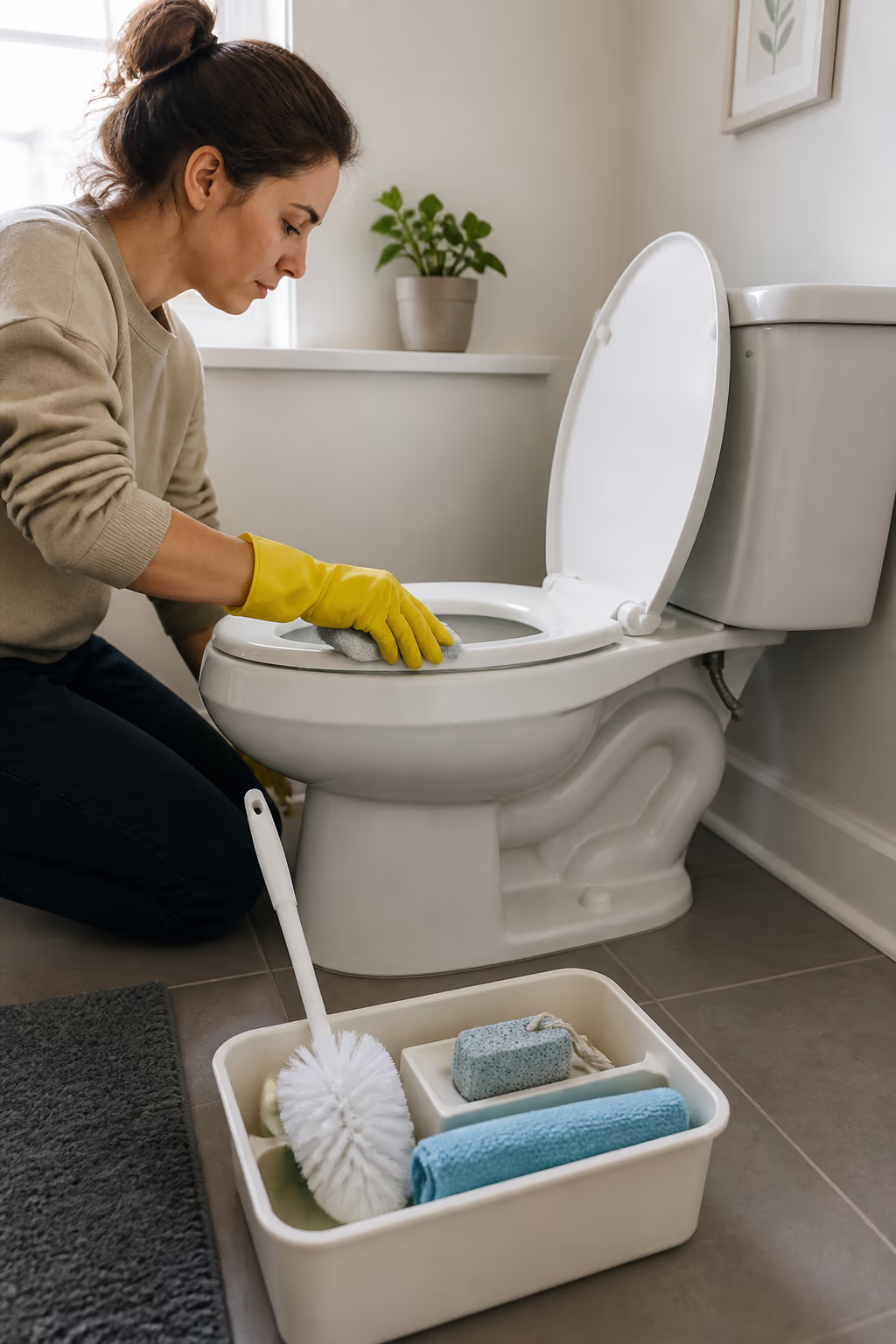
- Step 3.Gently Rub Wet Pumice Stone Over Mineral Scale Rings with Light Pressure:Work the stone back and forth to create a grey mineral paste.
- Step 4.Rinse Dissolved Mineral Paste and Flush Toilet Bowl Completely:Wash away mineral slurry deposits.
- Step 5.Wash and Sanitize Pumice Stone for Hygienic Reusable Storage:Disinfect stone with Health Canada DIN microbicide.
- Step 6.If you need a team or a recurring schedule, use residential home cleaning services in Ottawa to discuss scope, access, and timing before deciding whether it fits.
Serving Ottawa's Neighbourhoods
Good Cleaner Co. provides bathroom detailing and home cleaning across Ottawa, from the older family homes of The Glebe and Hintonburg to the newer builds of Kanata and Barrhaven. Wherever your home is, the hard water treatment is the same: wet pumice, gentle pressure, and a thorough rinse. Residents in condo towers can also ask their building about building and condo cleaning services for shared washrooms and common areas, since that coverage is separate from an individual unit's routine clean.
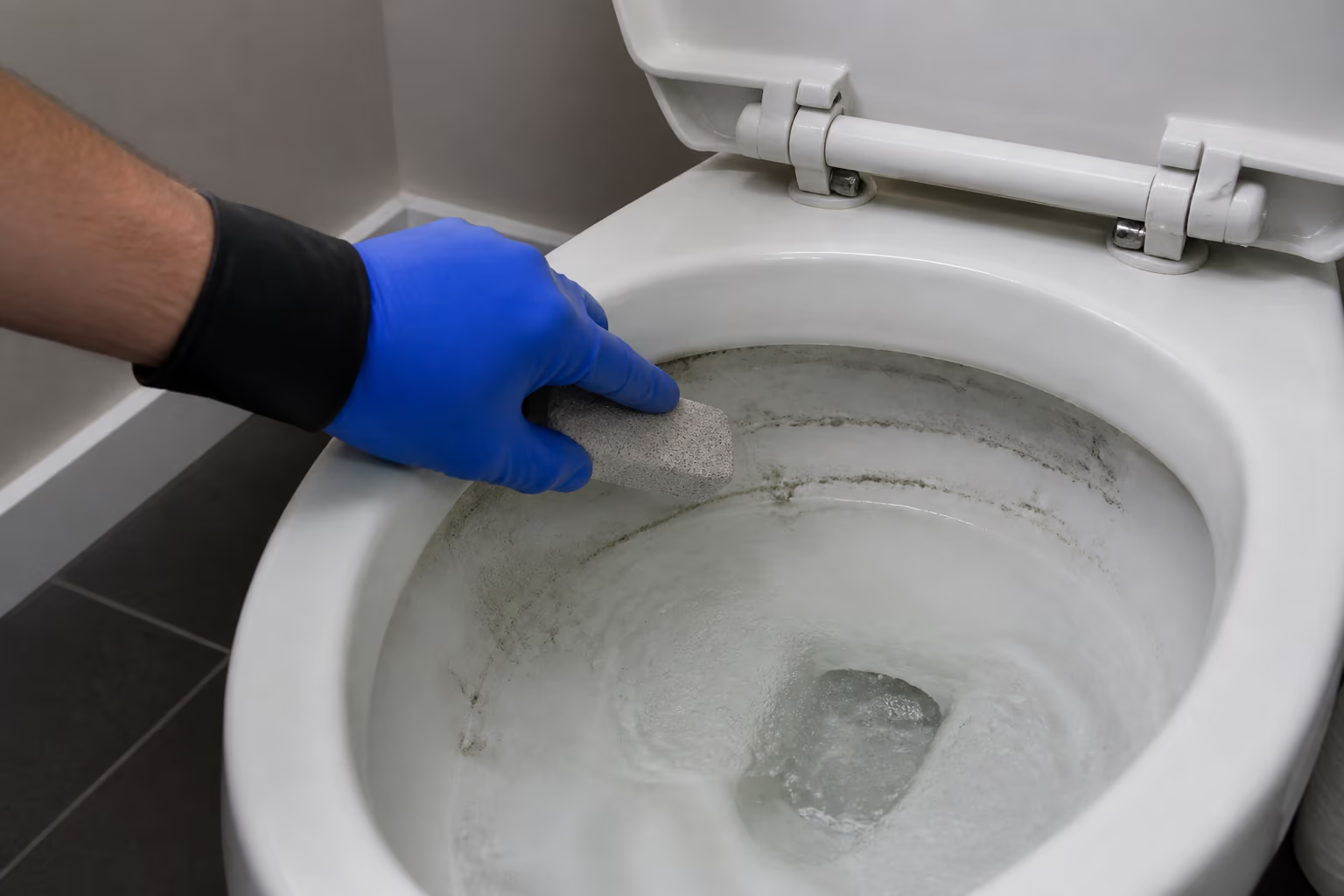
Practical planning for this situation
For a homeowner, the sensible starting point is using a pumice stone on a toilet. Begin with a walk-through and write down the bowl surface, mineral ring, manufacturer guidance, water level, and a small test area. That gives the work a real boundary and avoids treating a generic package as if it already understood the space.
Use the written notes to decide what belongs in a regular routine and what needs separate time, access, or approval. The useful test is whether another person could read the scope and understand the task without being told to rely on a promise.
Seasonal considerations in Ottawa
Local conditions matter, but they do not require a script. In this topic, dry indoor winter conditions can make mineral marks more noticeable, but a gentle method remains the first choice. Review the condition of the actual space before changing the products, equipment, or frequency.
A short seasonal review is usually enough: notice what has changed, name the affected area, and agree on the practical response. That keeps maintenance connected to the property rather than a broad list of place names.
Safe, responsible cleaning
Choose methods that suit the material and follow the product or equipment instructions. Keep people away from a wet or actively cleaned area, and stop when a surface reacts unexpectedly.
When a task involves an unfamiliar finish, access issue, or safety concern, ask before continuing. A careful pause is more useful than a confident shortcut and protects the people using the space.
How to review the routine
Before changing the routine, take a few minutes to describe the present condition in plain language. Start with the bowl surface, mineral ring, manufacturer guidance, water level, and a small test area. This makes it possible to decide what is necessary without inflating a small issue into a large project.
Ask the people who use the space what causes the most friction. Their answer may be a difficult entry, a storage gap, a time when work cannot happen, or a surface that needs a gentler method. Those details are the basis for a useful plan.
Try one visible adjustment at a time. Record why it was made, what area it affects, and what a satisfactory result looks like. That approach is easier to review than changing a whole routine at once.
Keep feedback specific: name the room, surface, timing, and expected result. Clear notes help a household, volunteer group, or service team work through a problem without blame or vague expectations.
Revisit the plan after a genuine change in use, condition, or season. A routine should be steady enough to follow and flexible enough to stay useful.
FAQ
Will a pumice stone scratch my porcelain toilet bowl?
Not if both the pumice stone and the porcelain surface are thoroughly soaked with water. A soaked stone crumbles into a lubricating slurry that erases mineral rings safely, while a dry stone will scratch the glaze.
Can I use a pumice stone on coloured or antique toilet fixtures?
Exercise caution on vintage or coloured porcelain. Test an inconspicuous area first to confirm the glaze is intact before you work on visible spots. If the glaze feels rough or worn, stop and use a non-abrasive cleaner instead.
How often should hard water toilet rings be scrubbed with pumice?
Every 3 to 6 months as mineral deposits begin to reappear. Staying on schedule prevents thick scale from building up and makes each clean much easier.
Why do pumice stones need to be wet before use?
Water saturates the porous volcanic rock and creates a lubricating slurry that lifts minerals without digging into the porcelain glaze. A dry stone has sharp edges that will scratch, which is why the first rule of pumice cleaning is always to soak the stone.
Can I use a pumice stone on fibreglass or plastic toilet parts?
No. Pumice is for vitreous china porcelain only. Plastic, fibreglass, and acrylic fixtures will scratch and are better cleaned with non-abrasive products.
Is a pumice stone safe to use with regular toilet bowl cleaners?
It can be, but it is not necessary. Pumice does the work through gentle abrasion, so you do not need harsh acids or bleach to remove mineral rings.
What should I do after scrubbing with a pumice stone?
Rinse the bowl thoroughly and flush to wash away the mineral paste, then wash and sanitize the stone before storing it for next time.
Will a pumice stone remove rust stains in the toilet bowl?
Pumice can lift surface rust scale in many cases, but deep rust staining may need a rust-specific treatment. Test on a small area and be patient.
Can I use a pumice stone on a sink or tub with hard water stains?
Yes, with care. A wet pumice stone works on vitreous china sinks and porcelain tubs, but test an inconspicuous spot first. Never use it on acrylic, fibreglass, or stone-coated surfaces.
Is a pumice stone safe to use on a toilet seat?
Only if the seat is porcelain. Most modern toilet seats are plastic or coated, and a pumice stone will scratch them. Keep the stone to the porcelain bowl and clean the seat with a non-abrasive product.
How long does a pumice stone last?
With proper care, a single stone lasts for years. Rinse it, let it dry, and store it away from other cleaning tools. When the surface feels smooth and stops cutting into scale, it is worn out and worth replacing.
Why do Ottawa homes get hard water rings so quickly?
Eastern Ontario water is high in calcium, magnesium, and iron. These minerals settle at the waterline and leave rings that regular liquid cleaners cannot dissolve.
How do I book professional help for tough toilet or bathroom stains?
Contact Good Cleaner Co. for residential cleaning visits in Ottawa, and we can handle mineral rings and full bathroom detailing.
Wrapping Up
Using a wet pumice stone safely restores porcelain toilets without harsh chemical acids. Contact Good Cleaner Co. today to book home cleaning in Ottawa.
Keep reading
More from Good Cleaner
About the author
Service areas
- Ottawa
- Kanata
- Nepean
- Orleans
- Barrhaven
- Stittsville