
Easy-Off Fume vs. No Fume: Which Oven Cleaner is Right for You?
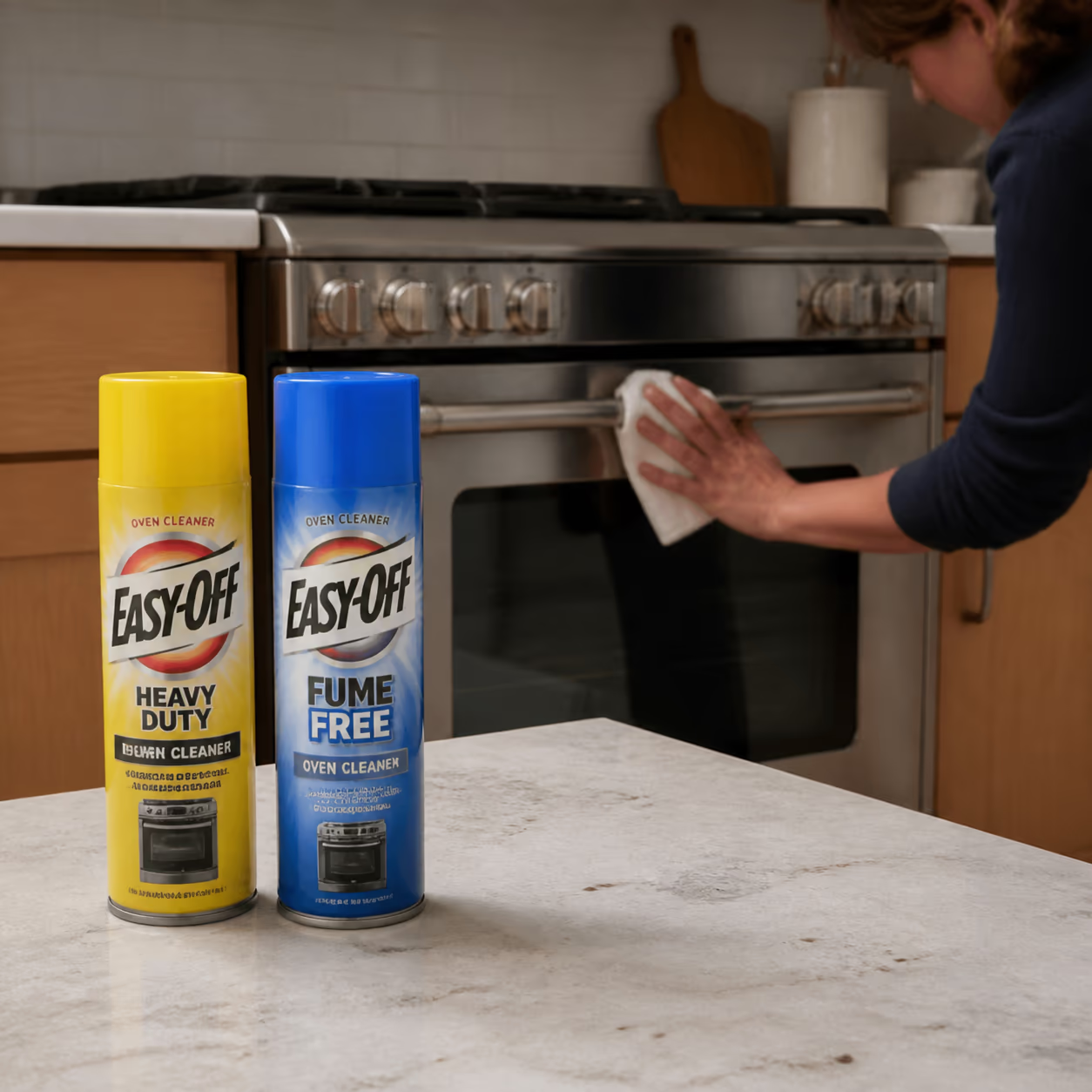
Cleaning an oven is one of the most dreaded household chores. Baked-on grease, carbonized spills, and burnt residue turn a simple job into an afternoon of scrubbing. Easy-Off offers two popular formulas: Heavy Duty Fume (Yellow Can) and Fume Free (Blue Can). This guide breaks down the ingredients, dwell times, safety protocols, and performance of each so you can choose with confidence, whether you are resetting a neglected rental oven in Kanata or just keeping your family kitchen in Nepean fresh between professional cleans.
Quick Summary
Choose Easy-Off Heavy Duty (Yellow Can / Fumes) when you are tackling multi-year baked-on grease where strong ventilation and protective gear are available. Choose Easy-Off Fume Free (Blue Can / No Fumes) for routine maintenance, overnight soaking, homes with children or pets, or when you want to clean an oven without harsh chemical odours. This guide compares the active ingredients, dwell times, safety steps, and real-world results of both formulas so you can pick the right one for your kitchen.
In this guide
Understanding the Basics
Easy-Off Fume and Easy-Off No Fume are two oven-cleaning formulas that dissolve grease but cater to different cleaning needs, ventilation setups, and health considerations. Easy-Off Fume is engineered for heavy-duty resets, handling severe carbon buildup, neglected rental ovens, and multi-year bake-ons with raw chemical potency, and it is the product a professional cleaner reaches for when a kitchen has been ignored for a long time. Easy-Off No Fume prioritizes user safety and comfort instead, delivering effective grease breakdown without pungent chemical odours, which makes it ideal for enclosed kitchens, families with pets or young children, and anyone sensitive to strong fumes. The right product makes the difference between a fifteen-minute wipe-down and hours of heavy scrubbing.
For most households, Easy-Off No Fume is the product you can reach for without planning a ventilation strategy first. Our guide on how to clean an oven like a pro walks through the full technique that pairs with either can.
Ingredients: What's Inside?
Easy-Off Fume and Easy-Off No Fume use different active chemical ingredients, which is the primary reason the two formulas clean at different speeds and carry different safety requirements. Easy-Off Fume uses sodium hydroxide, commonly known as lye, a potent alkaline chemical that rapidly saponifies fats and dissolves baked-on organic matter, which is why it works so quickly on serious buildup. Easy-Off No Fume uses potassium carbonate and dimethyl ether instead: potassium carbonate is a milder alkaline compound that cuts through grease without producing caustic lye vapours, and dimethyl ether helps the spray reach and lift the residue, so the chemistry is gentler on the person doing the cleaning while still handling everyday oven soil.
Easy-Off Fume: How It Performs
Sodium hydroxide is the core active ingredient in Easy-Off Fume (Yellow Can). Because lye is highly caustic, the aerosol spray produces strong chemical fumes that irritate the eyes, skin, and respiratory tract. When you use Easy-Off Fume, opening kitchen windows, turning on the exhaust hood, wearing heavy-duty nitrile gloves, and avoiding direct inhalation are mandatory safety precautions.
In exchange for those precautions, Easy-Off Fume delivers speed. On a heavily carbonized oven, it breaks down thick grease layers in five to twenty minutes, which is why commercial crews rely on it during tight turnover schedules. If you are facing a crusty rental oven or a kitchen that has not been cleaned in years, this is the formula that cuts the job down to size.
Easy-Off No Fume: How It Performs
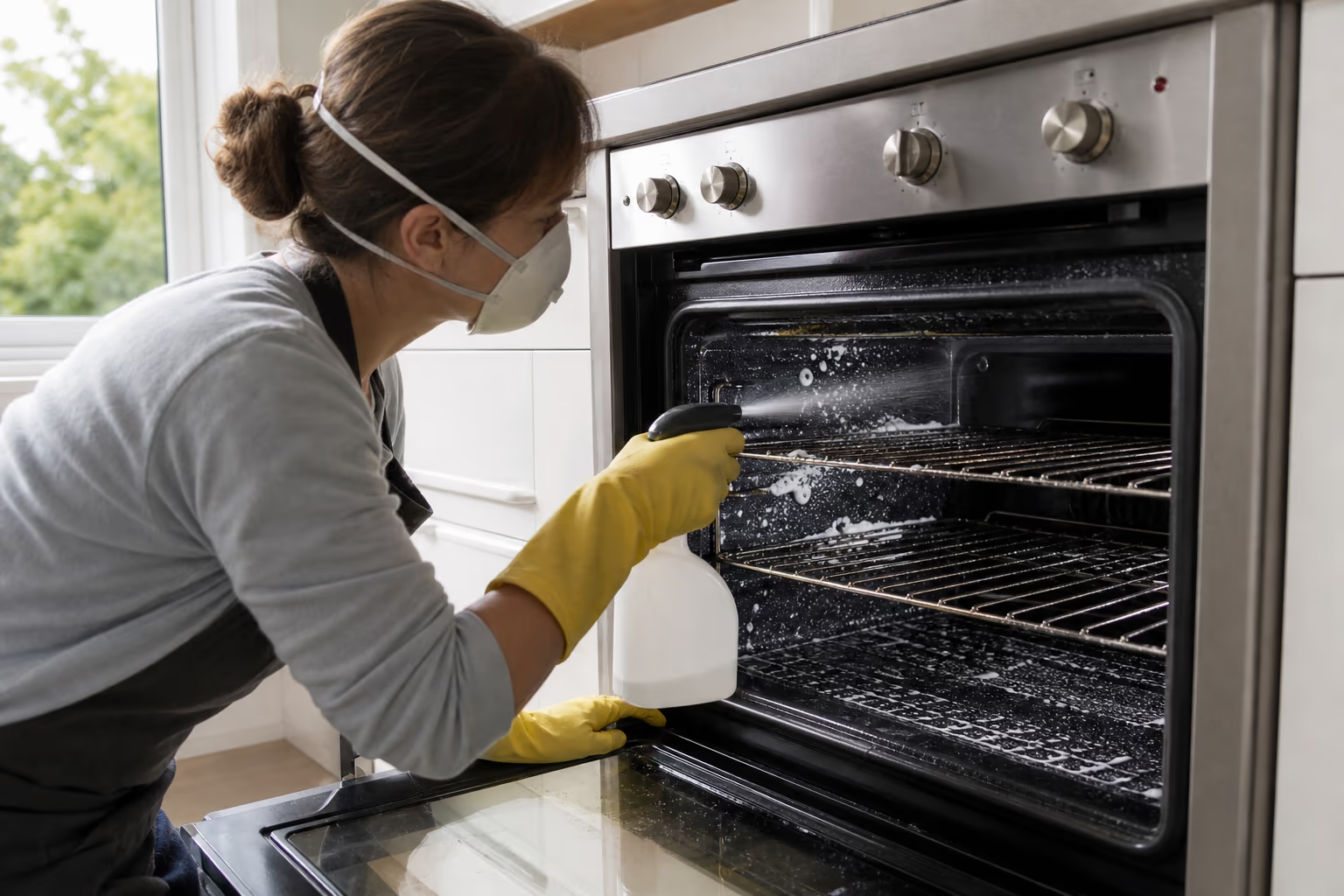
Easy-Off No Fume (Blue Can) uses the milder potassium carbonate formula. Because it produces minimal fumes, this version allows for safe indoor use without heavy ventilation, and it is gentle enough for cold-oven cleaning and overnight application.
The tradeoff is time. No Fume needs a longer dwell period for severe buildup: thirty minutes for routine maintenance and up to eight hours, usually overnight, for stubborn spots. For most homeowners performing regular seasonal maintenance, that longer dwell time is a small price for a kitchen that never fills with chemical odour.
Effectiveness: How Well Do They Work?
Both Easy-Off formulas deliver clean results, but they serve different operational roles: professional cleaners handling tight turnover schedules often rely on Easy-Off Fume for rapid action on heavily carbonized ovens, since it breaks down thick grease quickly and lets the crew wipe away debris and move to the next unit, which is why many commercial janitorial services keep the Heavy Duty formula stocked for fast resets. Homeowners performing regular maintenance benefit more from Easy-Off No Fume: while it requires a longer dwell time for severe buildup, it safely lifts moderate grease without filling the home with chemical fumes, and it is much easier to use in a small or poorly ventilated kitchen. Choosing the right one is about matching the product to the job rather than picking a winner.
Safety Considerations: Protecting Your Health
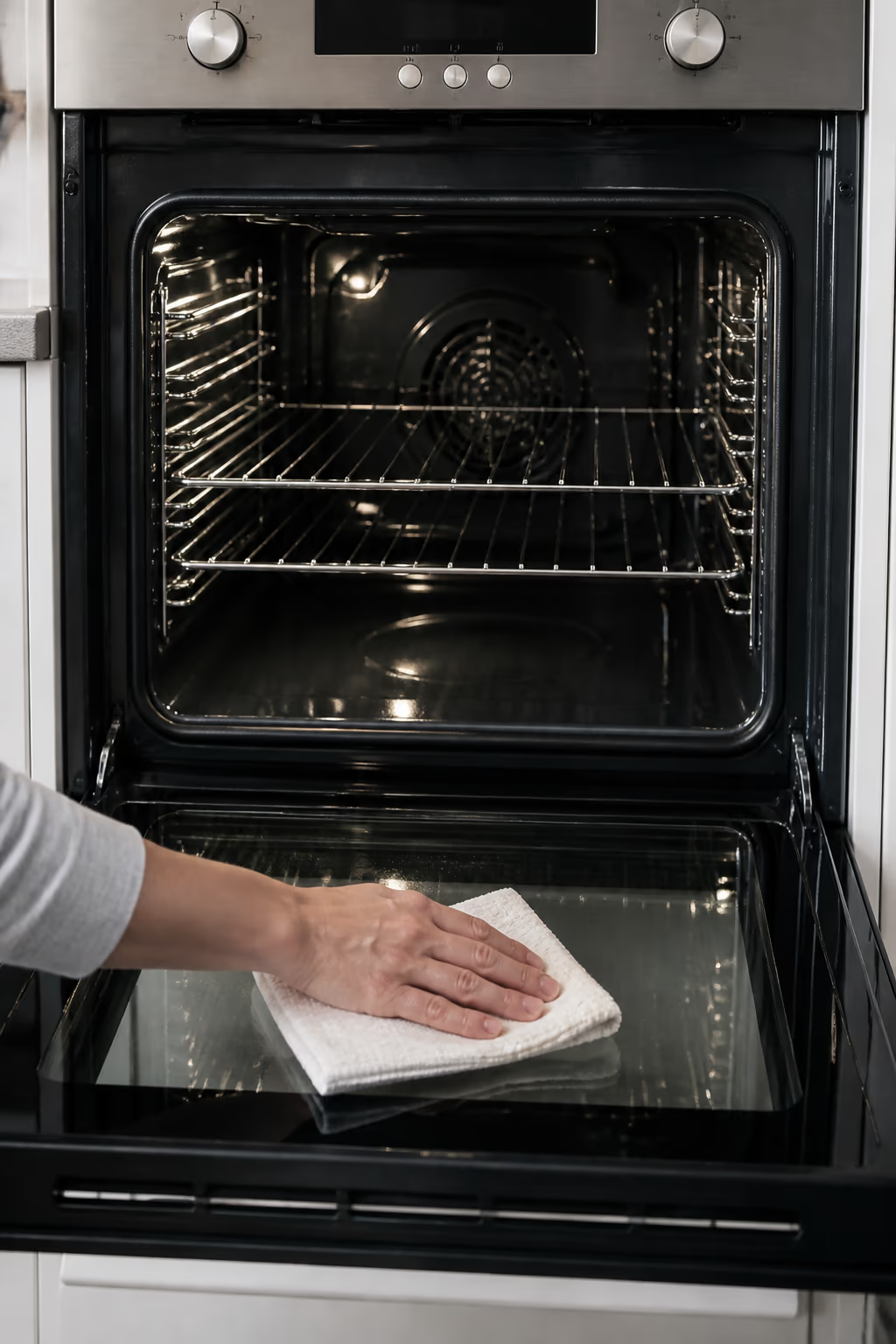
Easy-Off Fume and Easy-Off No Fume carry very different safety risk profiles because one relies on caustic lye and the other does not. Easy-Off Fume requires strict personal protective equipment: lye splashes can cause chemical skin burns or eye damage, inhaling aerosolized lye mist irritates the lungs, and anyone with asthma or a sensitivity to strong fumes should avoid it, wearing eye protection, long sleeves, and rubber gloves while keeping pets and children out of the kitchen during application. Easy-Off No Fume eliminates caustic fumes, making it significantly safer for asthma sufferers, allergy-prone individuals, and homes with pets; standard household gloves are still recommended, but heavy respirators and wide-open windows are not required. For most home cooks, the No Fume formula is the safer everyday option.
Application and Ease of Use
Easy-Off Fume and Easy-Off No Fume differ in dwell time and temperature requirements, and getting these right is what separates a clean oven from a frustrating afternoon. Easy-Off Fume works fast: spot cleaning takes as little as five to ten minutes, and for warm-oven cleaning you can heat the oven to about 200 degrees Fahrenheit, turn it off, and then spray, which lets the lye dissolve grease almost instantly, though you should always follow the label instructions and never spray a hot oven. Easy-Off No Fume operates on cold ovens only: allow thirty minutes of dwell time for routine wipes, or for stubborn spots spray the interior, close the door, and leave it overnight, up to eight hours, then wipe everything clean the next morning with a damp sponge.
Comparison Matrix: Easy-Off Yellow Can vs. Blue Can
Formatted Step-by-Step Oven Deep Cleaning Checklist
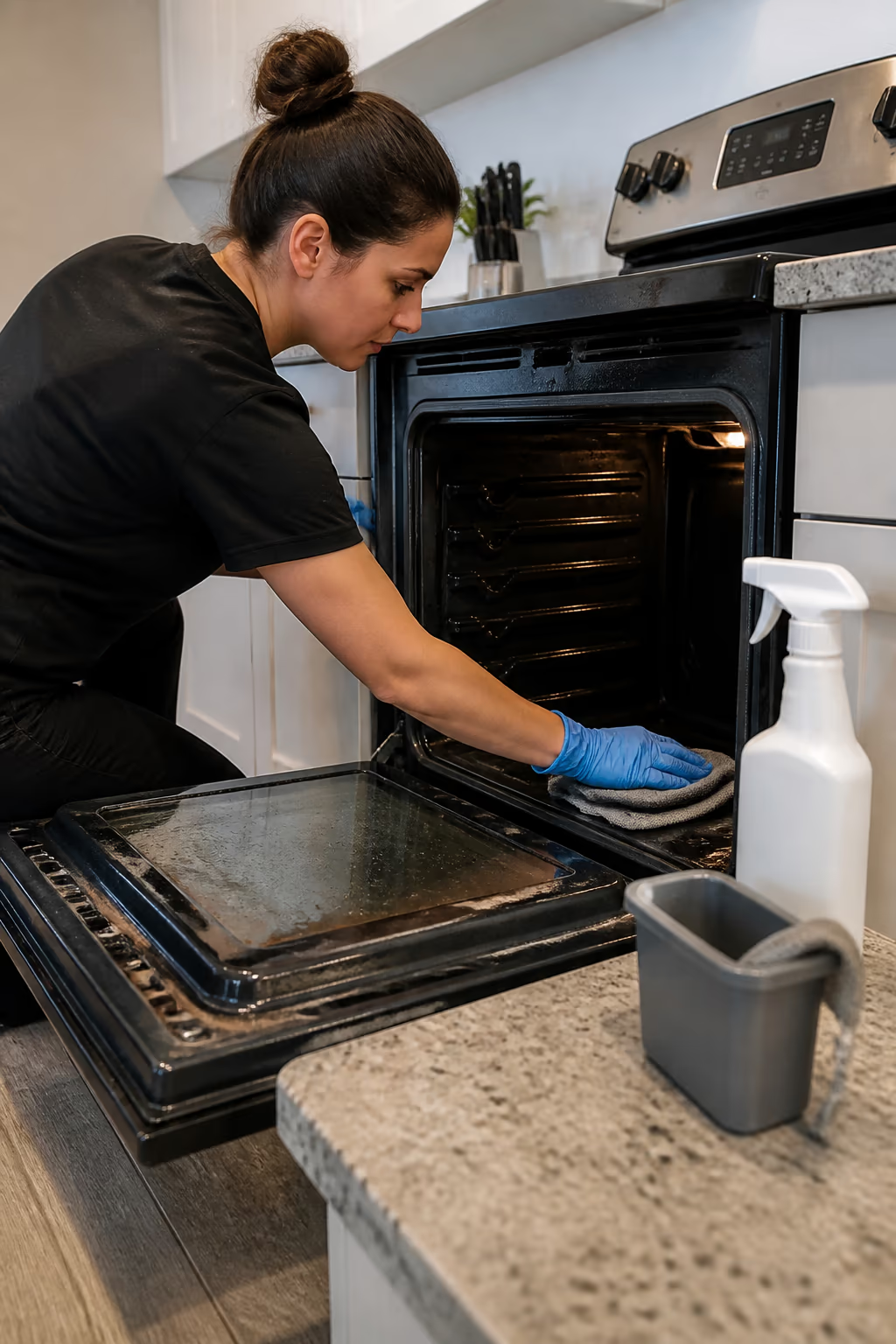
Follow this checklist for a safe, thorough oven clean with either formula, and see our five tips to clean your oven for a few extra shortcuts along the way:
- Step 1.Lay Down Floor Protection First:Place newspaper, old towels, or plastic sheeting in front of the oven to catch drips and protect hardwood, laminate, or tile flooring.
- Step 2.Remove Racks and Accessories:Take out all oven racks, thermometer probes, and side rails, and clean them separately in a utility sink with dish soap and warm water.
- Step 3.Keep Spray Off Heating Elements and Seals:Spray the cavity walls and floor only, and keep the spray off electrical heating elements, gas pilot assemblies, rubber door gaskets and painted trim. Do not shield them with aluminum foil, because caustic lye reacts with aluminum.
- Step 4.Apply the Spray Evenly and Observe Dwell Time:Hold the can a comfortable distance from cold surfaces, spray an even coat, and respect the dwell time for the formula you chose.
- Step 5.Wipe Clean and Neutralize Residue:Wipe out dissolved grease with damp microfibre cloths, then finish with a clean cloth soaked in warm water with a splash of white vinegar.
- Step 6.Contracting professional house cleaning services in Ottawa through Good Cleaner Co. handles the deep oven resets and whole-kitchen turnover for you.
Can Easy-Off Be Used on Self-Cleaning Ovens or Delicate Surfaces?
Caustic lye cleaners such as Easy-Off Fume (Yellow Can) are not safe for most self-cleaning oven liners, while Easy-Off Fume Free (Blue Can) is formulated to be safe on cold self-cleaning oven surfaces, so whether a caustic cleaner is safe for your appliance depends on the formula and the surface. The porcelain enamel coating in self-cleaning models is porous and sensitive to high alkalinity, and caustic sprays can cause pitting, discolouration, and damage to heating elements, which is why manufacturers advise against using lye-based cleaners inside these ovens.
Self-Cleaning Oven Liners:
Most appliance manufacturers strongly advise against using caustic lye cleaners (Yellow Can) inside self-cleaning ovens. The porcelain enamel coating in self-cleaning models is porous and sensitive to high alkalinity, and caustic sprays can cause pitting, discolouration, and damage to heating elements.
Easy-Off Fume Free (Blue Can) is explicitly formulated to be safe for self-cleaning ovens when used on cold surfaces, provided you do not activate the thermal self-clean cycle while chemicals are present.
Glass Oven Doors:
Both formulas can be used on interior tempered glass doors, but avoid getting spray on rubber seals, door gaskets, or outer painted trim to prevent seal deterioration.
Heating Elements and Pilot Lights:
Never cover electrical heating elements or gas pilot assemblies with aluminum foil, because caustic lye reacts with aluminum. Aim the spray at the cavity walls and floor and keep it off the elements, so nothing short circuits or burns off when the oven is next turned on.
Environmental Impact: A Greener Choice?
Easy-Off No Fume is the greener choice for routine cleaning because it produces fewer volatile organic compounds and contains milder alkaline compounds, making it a lower-impact option for indoor air quality and for households that want to limit chemical exposure. Easy-Off Fume contains concentrated sodium hydroxide, and while it is highly effective for severe grime, using heavy lye for minor spills is unnecessary chemical exposure, so reserving lye for occasional deep resets keeps chemical use in check and protects both the environment and your kitchen. Environmental footprint is therefore an important factor when choosing between the two formulas.
Good Cleaner Co. Professional Service Introductions & Specializations
Good Cleaner Co. has been cleaning Ottawa homes and businesses for years, and we bring the same standards to every kitchen. Here is what we offer:
Seasonal Maintenance & Local Environmental Factors in Ontario
Property maintenance across Ottawa and the National Capital Region means adapting your cleaning routine to serious seasonal weather shifts:
Quality Assurance & Health Canada Disinfection Compliance
Homes and commercial properties in Ontario work within a clear set of safety and health rules:
FAQ
How do I remove white Easy-Off residue left in the oven?
White chalky film is dried alkaline salt. Wipe the interior with a solution of equal parts white vinegar and warm water. The mild acetic acid neutralizes the alkaline residue quickly.
What happens if Easy-Off touches the heating element?
If alkaline cleaner dries on heating elements, it can emit smoke and foul odours when the oven is next heated. Wipe the elements thoroughly with a damp cloth before turning the oven on.
How often should a home oven be deep-cleaned?
For active family kitchens, deep cleaning every three to six months prevents heavy carbonized buildup and keeps the appliance efficient.
Is Easy-Off No Fume safe for self-cleaning ovens?
The Blue Can Fume Free formula is generally safe for self-cleaning ovens when used on cold surfaces, but do not run the thermal self-clean cycle while any product is still present.
How long should I leave Easy-Off on a very dirty oven?
For severe buildup with the Fume Free formula, leave the spray on overnight, up to eight hours, with the door closed, then wipe clean the next morning.
Can I use Easy-Off on a warm oven?
Only the Heavy Duty Fume formula supports warm-oven cleaning, and only up to the temperature stated on the label. Never spray a hot oven, and always follow the product instructions.
Are there non-toxic alternatives to chemical oven cleaners?
Yes. Good Cleaner Co. uses EcoLogo-certified, low-VOC chemistry for oven and kitchen resets, which avoids caustic lye fumes while still cutting through grease.
Should I hire a professional for a deep oven clean?
If the buildup is heavy or the oven has delicate surfaces, a professional deep clean saves time and protects the appliance. For a complete kitchen reset during a move-out, pairing oven care with our move-out deep cleaning guide covers every step.
Wrapping Up
Both Easy-Off formulas are effective tools when matched to the right job. Easy-Off Heavy Duty delivers maximum chemical speed for severe buildup, while Easy-Off Fume Free offers a safer, more pleasant experience for routine maintenance. When preparing a property for sale or move-out, oven cleaning is just one part of a complete turnover, so check our end-of-tenancy cleaning overview for a full checklist. And if you prefer to leave tough kitchen grime and whole-home deep cleaning to experts, contact Good Cleaner Co. for a professional house cleaning visit in Ottawa.
Keep reading
More from Good Cleaner
Services that fit
- House Cleaning Services in OttawaRecurring weekly, bi-weekly and monthly house cleaning built around your family's routine, with non-toxic chemistry and background-checked staff.
- Janitorial Services in OttawaRecurring janitorial services for offices, warehouses, retail, dealerships and schools, with eco-friendly chemistry and customized plans.
About the author
Service areas
- Ottawa
- Kanata
- Nepean
- Barrhaven
- Orleans