
Commercial Cleaning for Property Managers: Complete Facilities Maintenance Guide
Commercial property management comes with a long list of responsibilities, and the cleaning program sits near the top. Tenants see the building every day, and the state of the lobby, washrooms, and elevators shapes their impression of the whole property. In this guide we walk through the cleaning priorities that matter most for multi-tenant buildings in Ottawa, how to build a contract that works, and the quality-control systems that keep standards high month after month. Whether you manage one building or a whole portfolio, the same principles apply.
Quick Summary
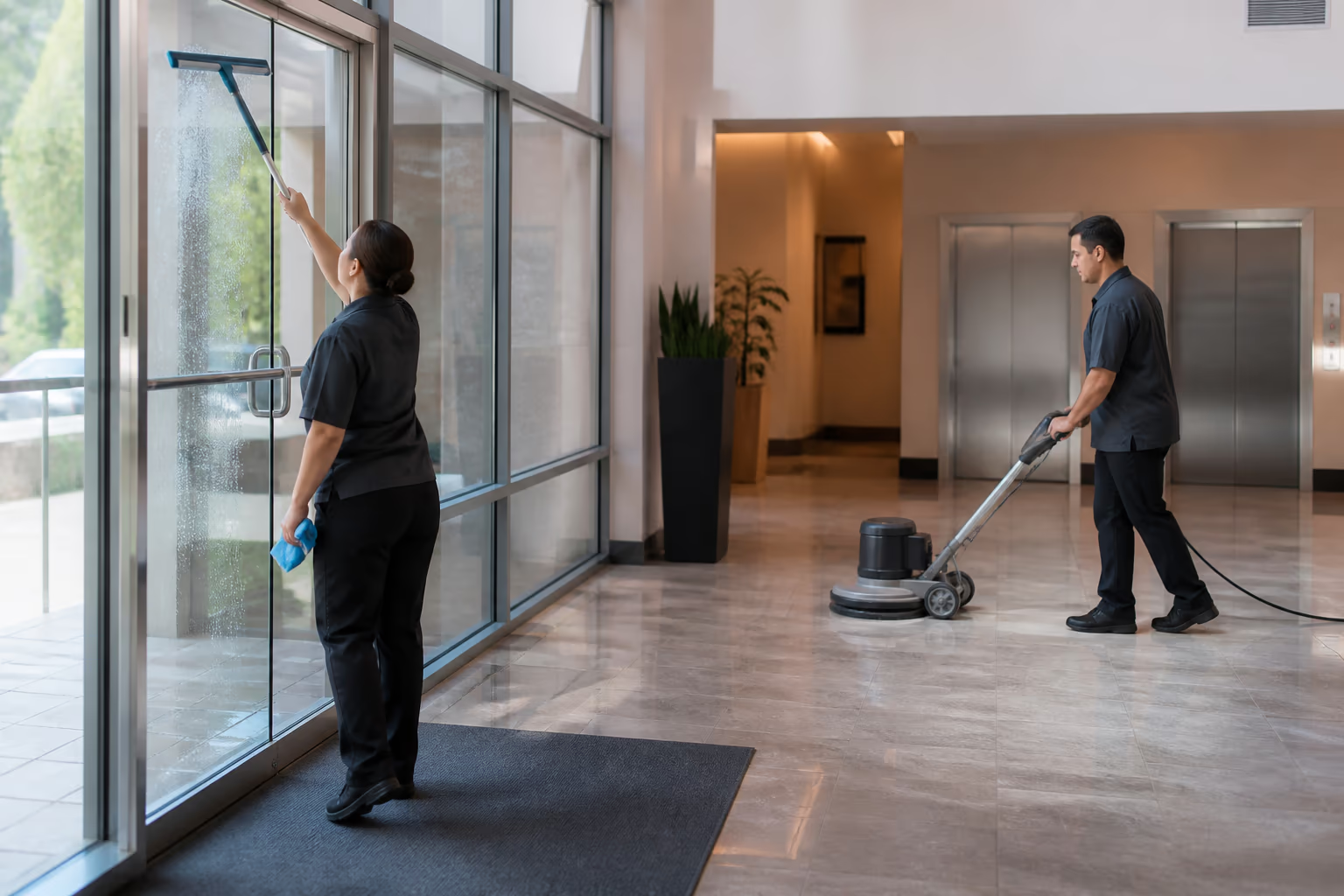
For property managers, a clean building is one of the most visible ways you add value. Spotless lobbies, well-stocked washrooms, and maintained common areas keep tenants happy, support lease renewals, and protect the asset you manage. This guide covers how to build a commercial cleaning program that delivers all of that without blowing the operating budget.
In this guide
Managing Multi-Tenant Office Buildings & Public Lobbies in Ottawa
Property managers overseeing commercial office buildings in Ottawa face the ongoing challenge of maintaining high cleanliness standards while controlling operational costs.
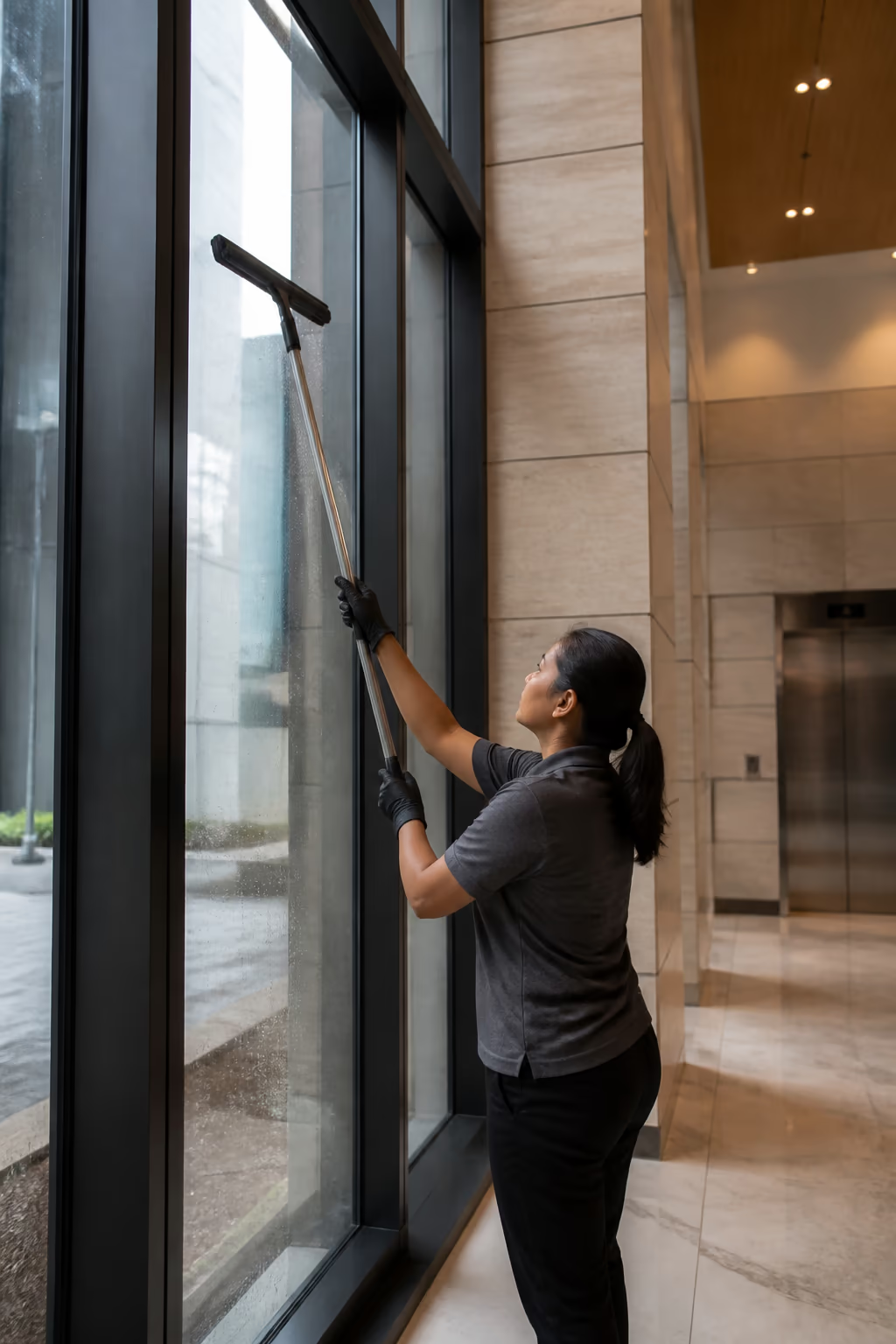
First impressions in elevator lobbies, stairwells, and shared washrooms directly influence tenant satisfaction and lease renewal rates. A tenant who walks through a grimy lobby every morning notices, and that impression colours every interaction they have with the property.
Partnering with a professional commercial cleaning vendor ensures consistent maintenance across all common areas and private tenant suites. A good vendor brings its own equipment, training, and quality systems, so the property manager does not have to supervise the details of nightly cleaning.
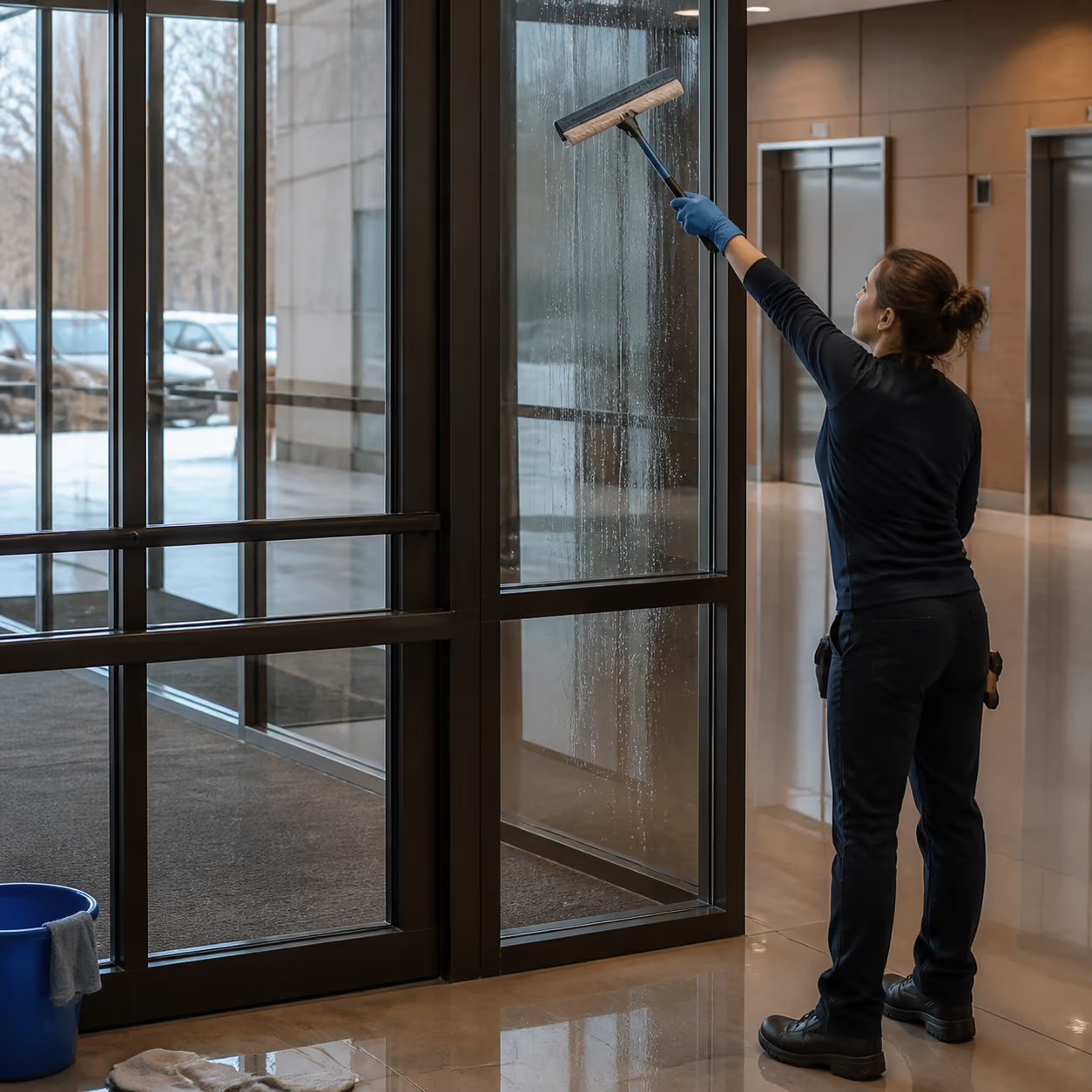
Tenant Satisfaction, Common Area Hygiene & Lease Renewals
Here are the core areas property managers should prioritize in commercial janitorial contracts:
Building a Janitorial Contract That Works
A cleaning contract is where good intentions become reliable service. The property manager's job is to write a scope of work that is clear enough to hold the vendor accountable and flexible enough to fit the building.
Start with a detailed scope. List every zone in the building, what gets done in each one, and how often. The more specific the scope, the easier it is to spot when the work is not being done. Vague contracts produce vague results.
Include the quality measures in the contract too: inspection frequency, response times, how complaints are logged and resolved, and what happens if the standard slips. These provisions are what turn a cleaning service into a managed program.
Agree on how changes are handled. Buildings change tenants, hours, and needs, and the contract should have a simple process for adjusting frequency or scope without renegotiating from scratch.
Finally, set the right key performance indicators. A good janitorial contract tracks measurable results, such as inspection scores, complaint resolution time, and washroom stock-out incidents, so both sides can see whether the program is working.
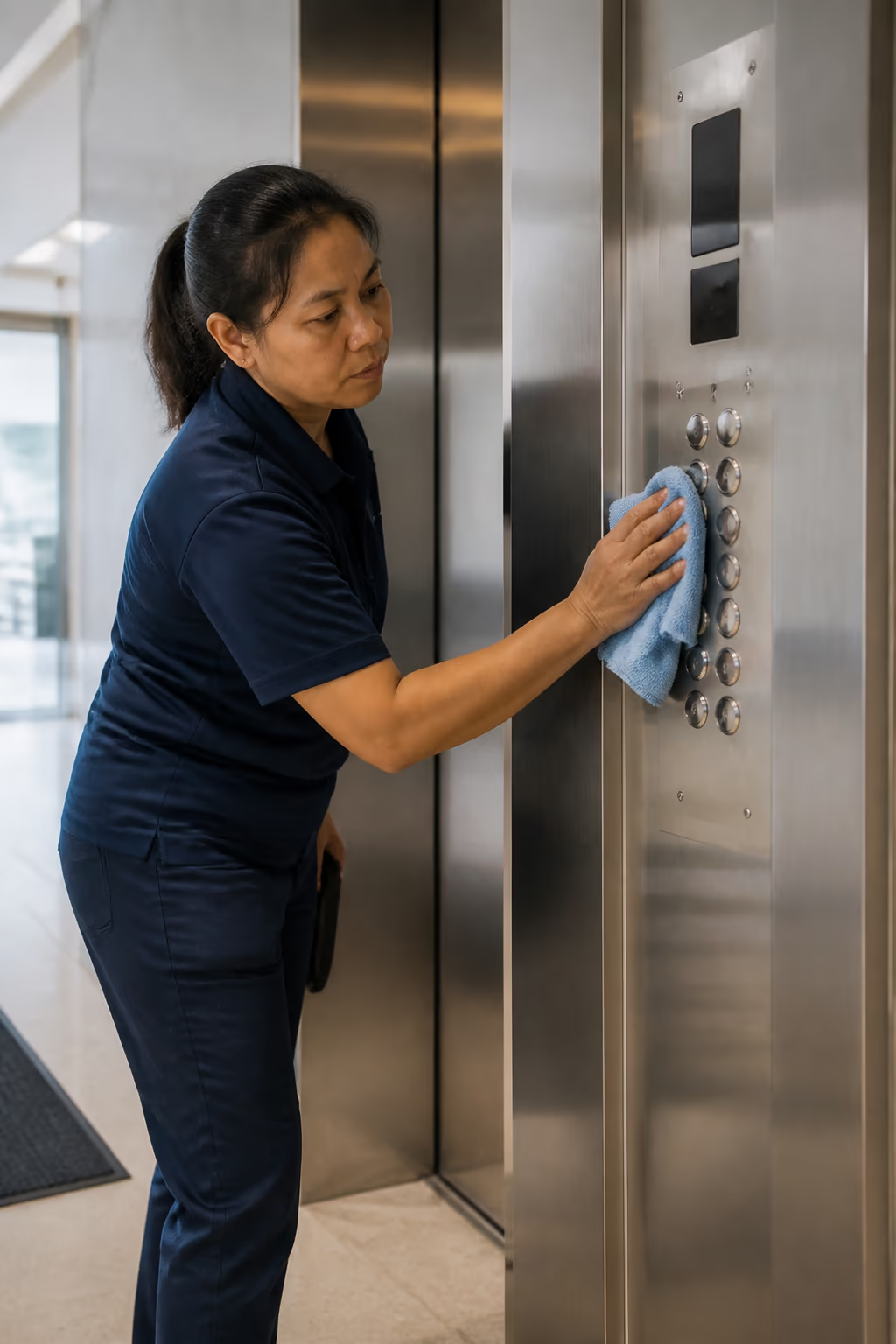
Quality Control Systems That Actually Hold
Consistent quality is not an accident; it is the product of a system. The most reliable building programs use a few simple tools that any property manager can put in place.
The foundation is a cleaning logbook or digital inspection record. Each night, the crew records what was done and flags any issues. The property manager or a designated supervisor reviews the log, checks a sample of the work, and follows up on anything that stands out.
Spot inspections make the log honest. A quick walk of the lobby, a washroom, and one or two floors, done a couple of times a month, tells you far more than a logbook alone. The goal is not to catch anyone out; it is to confirm the standard is being met and catch small problems before they grow.
Tenant feedback is the third piece. Complaints, or their absence, are real data. Encourage tenants to report issues through a simple channel, and make sure the cleaning vendor sees and responds to those reports quickly.
Finally, build in a regular review. A quarterly meeting between the property manager and the vendor, using the inspection scores and tenant feedback, keeps the program sharp and lets both sides adjust before small problems become big ones. When the review becomes routine, quality stops depending on anyone's memory and starts depending on the system.
Budgeting and Scheduling for Property Managers
A cleaning program is easier to run when it fits a clear budget and a predictable schedule. Both should be set before the contract is signed, not negotiated through the life of the deal.
The budget should separate the fixed monthly service from the variable extras. Nightly cleaning is a predictable line item, while floor care, deep cleaning, and emergency response can vary. Knowing which is which lets you plan the operating budget without surprise invoices. Reviewing current commercial cleaning pricing in Ottawa gives a property manager a useful reference point when the fixed service line is up for renewal.
The schedule should match how the building is used. Common areas need daily attention, tenant suites need service around their own hours, and the lobby sets the tone that everyone sees. Write the schedule around those realities, not around a template. A schedule that reflects real usage is both more effective and more economical. A commercial cleaning frequency guide walks through how to match visit cadence to traffic for each zone in more detail.
Most property managers review the cleaning budget once a year alongside the rest of the operating costs. That review is the right moment to confirm the frequency still matches the building, adjust the scope for new tenants, and lock in rates for the next term. A commercial cleaning ROI and investment guide can help frame that annual review around the return the program delivers, not just the line-item cost.
Managing Emergencies and Unexpected Cleanups
Even the best-maintained building has surprises. A tenant leaves a suite in poor condition, a pipe leaks overnight, or an event leaves the lobby looking tired by morning. How those situations are handled is part of what a property manager is really paying for.
The contract should name who to call and how quickly they respond. For most properties, that means a cleaning vendor with after-hours availability and a process for urgent requests. When something goes wrong at 8 p.m., you do not want to start searching for a cleaner.
Emergencies also expose the value of a vendor that knows your building. A company that has been cleaning the property for months understands where the shut-off valves are, which floors have the heaviest traffic, and what a normal day looks like. That familiarity makes emergency response faster and less disruptive.
Finally, keep a record of every emergency clean. Note what happened, what was done, and what it cost. Over time that record shows you which issues repeat, and it gives you the evidence to address the root cause rather than cleaning up after it again.
Sustainability and Green Cleaning for Property Managers
Sustainability is increasingly part of a property manager's job, both because tenants ask about it and because green building certification can raise the value of an asset.
Sustainability and indoor air are the same conversation here. Health Canada's indoor VOC guidance lists cleaning products among the indoor sources of volatile organic compounds, so a green specification is also an air-quality decision for every tenant in the building. Health Canada defines them this way: “Volatile organic compounds (VOCs) form a large group of chemicals commonly found in both indoor and outdoor air.”
Green cleaning starts with the products. EcoLogo-certified chemistry is designed with lower synthetic VOCs and reduced aquatic toxicity, which means a healthier indoor environment for tenants and staff. For buildings pursuing LEED certification, using certified green products and microfibre tools helps earn indoor air quality points.
It extends to how the work is done. Microfibre cloths reduce chemical and water use, HEPA vacuums keep allergens out of the air, and concentrated products cut packaging and shipping waste. These are small choices that add up across a whole building over a year.
For the property manager, the practical question is simple: ask the vendor which products they use and what certifications they carry. A vendor that can answer clearly is one that has already made sustainability part of its standard practice, not a special request.
Formatted Step-by-Step Property Manager Maintenance Checklist
Follow this checklist for multi-tenant commercial building maintenance:
- Step 1.Inspect Ground-Floor Elevator Lobbies and Main Entrance Glass Daily:Ensure immaculate building entrances.
- Step 2.Maintain Spotless Public Washrooms with High-Capacity Paper Dispensers:Prevent washroom supply shortages.
- Step 3.Schedule Nightly Trash and Recycling Removal Across All Tenant Suites:Maintain pest-free tenant offices.
- Step 4.Implement Weekly Hard Floor Scrubbing and High-Gloss Buffing:Protect lobby terrazzo and tile floors.
- Step 5.Conduct Bi-Weekly Facility Audits with Digital Cleaning Logbooks:Track contractor performance against the agreed standard.
- Step 6.If you need a team or a recurring schedule, use commercial janitorial services in Ottawa to discuss scope, access, and timing before deciding whether it fits.
Serving Ottawa's Business Neighbourhoods
Good Cleaner Co. manages commercial cleaning for multi-tenant buildings across Ottawa, from the office towers downtown to the suburban campuses of Kanata and Nepean. Whether your property is in Orleans, the ByWard Market, or the business districts of Barrhaven and The Glebe, we tailor the program to your building and your tenants.
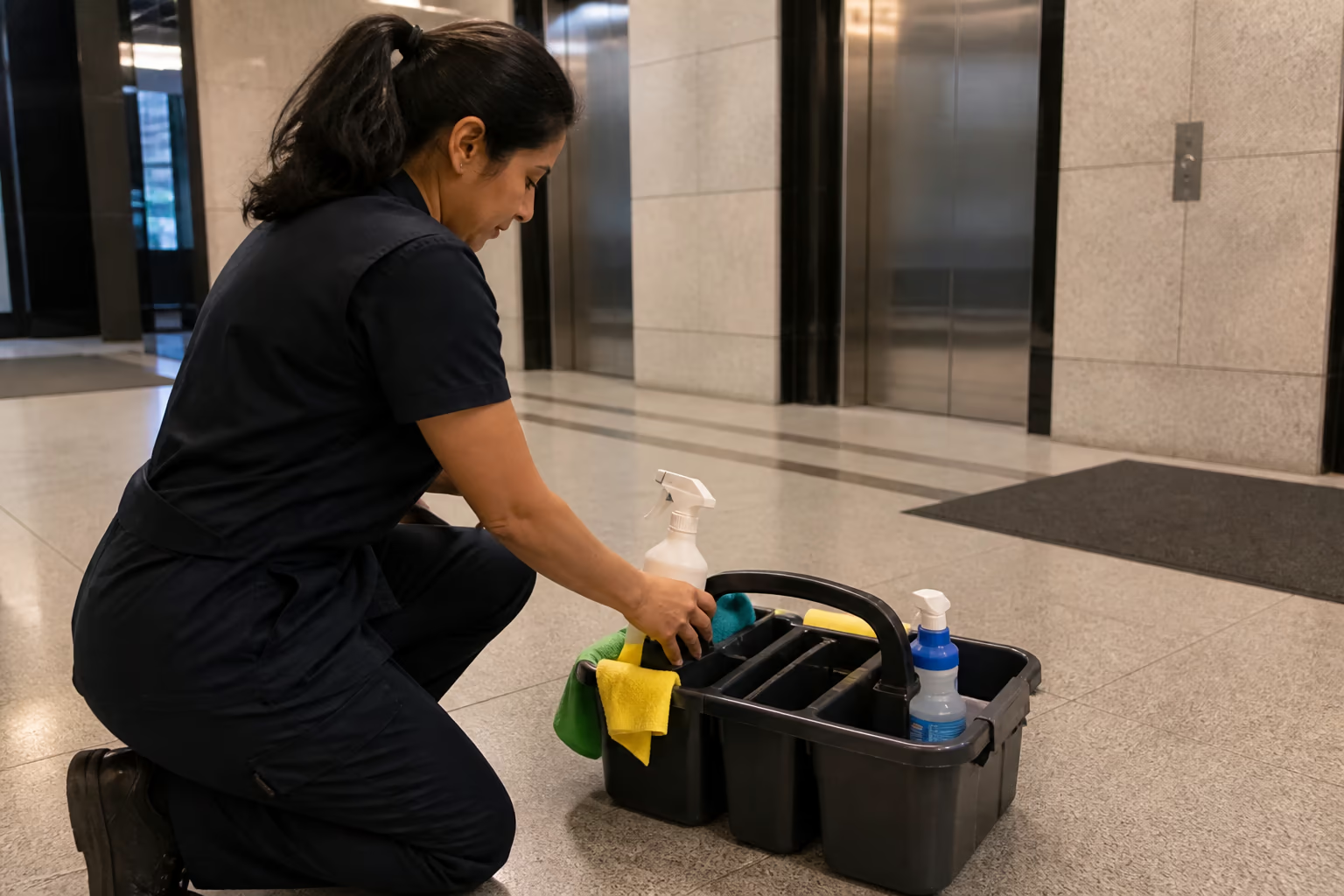
Putting this guidance into practice
For a manager coordinating tenants and common areas, start with dividing the building into zones with owners, access instructions, and a way to report recurring issues. That keeps the conversation tied to the actual space instead of a generic promise.
Review lobbies, lifts, mail areas, waste rooms, washrooms, loading access, floor types, tenant schedules, and escalation paths. A written scope should say what happens on a normal visit, what needs approval, and who should hear about a recurring issue.
Seasonal considerations in Ottawa
Ottawa weather can change pressure on entrances and corridors quickly. Review mats, salt tracking, and cleaning times with the building team.
Look at the actual condition, the number of people using the space, and the material being cleaned before changing products, equipment, or frequency.
Safe, responsible cleaning
Make product information, wet-floor procedures, key handling, and incident reporting clear before a crew begins work.
When a surface, product, or site requirement is unclear, ask before continuing. A careful decision protects people and property better than a shortcut.
How to review this as a manager coordinating tenants and common areas
Before changing this routine, take a short walk through the actual space and describe what you see in ordinary language. Start with dividing the building into zones with owners, access instructions, and a way to report recurring issues. That gives everyone the same starting point and prevents a broad request from quietly becoming a different job.
Ask someone who uses the space every day what creates the most friction. Their answer may be a messy entry, an awkward storage area, a surface that marks easily, or a time when work cannot happen. A useful plan respects that local knowledge instead of replacing it with a standard script.
Choose one change that can be observed over a few visits. It might be a different order of work, a clearer handover, or more attention to lobbies, lifts, mail areas, waste rooms, washrooms, loading access, floor types, tenant schedules, and escalation paths. Write down the reason for the change and what would show that it is helping. That is a better test than relying on a vague impression.
Keep the discussion specific when something is not working. Name the room, surface, timing, and result you expected, then decide what should happen next. Clear feedback is fair to the people doing the work and far more useful than a blanket complaint.
Finally, revisit the plan when the building, household, or season changes. A routine should be stable enough to follow and flexible enough to respond to real conditions. That balance is what makes cleaning guidance practical.
FAQ
How does professional cleaning improve tenant retention in Ottawa commercial buildings?
Clean lobbies, hygienic washrooms, and well-maintained elevators increase tenant satisfaction, which supports higher lease renewal rates.
Can Good Cleaner Co. handle after-hours cleaning for multi-tenant offices?
Yes. Our technicians work evening, overnight, and weekend shifts so tenant operations are never interrupted during business hours.
How do commercial cleaning contractors assist with LEED building certification?
Using EcoLogo-certified green chemistry, microfibre tools, and HEPA vacuums helps property managers earn LEED indoor air quality points.
How often should common areas be cleaned in a multi-tenant building?
High-traffic lobbies, washrooms, and elevators need daily attention. Lower-traffic corridors and stairwells can run on a lighter schedule, but they should never look neglected, because tenants pass through them every day.
What should be included in a commercial cleaning scope of work?
A complete list of zones, the task in each zone, and the frequency, plus the quality measures, response times, and how complaints are handled. The more specific the scope, the more accountable the vendor.
How can property managers track cleaning quality?
Use a combination of nightly cleaning logs, regular spot inspections, tenant feedback, and a quarterly review with the vendor. Together they show whether the standard is being met across the whole building, not just in the lobby.
What happens if a cleaning issue is reported by a tenant?
A good vendor responds quickly, fixes the issue, and logs it so the pattern can be reviewed. The property manager should be able to see how complaints are resolved.
Does the cleaning vendor supply its own equipment and products?
Yes, professional commercial cleaning vendors bring their own equipment, chemistry, and trained staff. The property manager approves the products and the schedule, and the vendor handles the rest, including maintaining the equipment and managing its own inventory of supplies.
How do I get a commercial cleaning proposal for my property?
Contact Good Cleaner Co. with your building's square footage, tenant count, and common-area layout, and we will prepare a cleaning program tailored to your property.
What should a property manager do when a tenant complains about cleaning?
Log the complaint, share it with the vendor, and ask for a specific fix by a specific time. Follow up to confirm it was resolved, and note whether the same issue recurs so the pattern can be addressed at the quarterly review.
Wrapping Up
Partnering with a reliable commercial cleaning provider maximizes property value and tenant satisfaction. The right program combines a clear contract, a schedule that matches how the building is used, and quality controls that keep the standard honest. When those pieces are in place, a clean building becomes an asset rather than a constant source of complaints. Contact Good Cleaner Co. today to book janitorial cleaning teams in Ottawa.
Keep reading
More from Good Cleaner
Services that fit
- Janitorial Services in OttawaRecurring janitorial services for offices, warehouses, retail, dealerships and schools, with eco-friendly commercial cleaning and customized plans.
- Professional Office Cleaning Services in OttawaNightly and after-hours office cleaning for corporate offices, clinics and professional suites, with after-hours scheduling and eco-friendly products.
About the author
Service areas
- Ottawa
- Kanata
- Nepean
- Orleans
- Barrhaven