
When To Sanitize And When To Disinfect At Home?
Sanitising and disinfecting are easy to mix up, but they are different jobs with different goals. This guide explains when each one is the right choice at home, which surfaces truly need disinfection and how to use household products safely. You will finish with a practical routine that keeps your home clean without overusing harsh chemicals.
Quick Summary
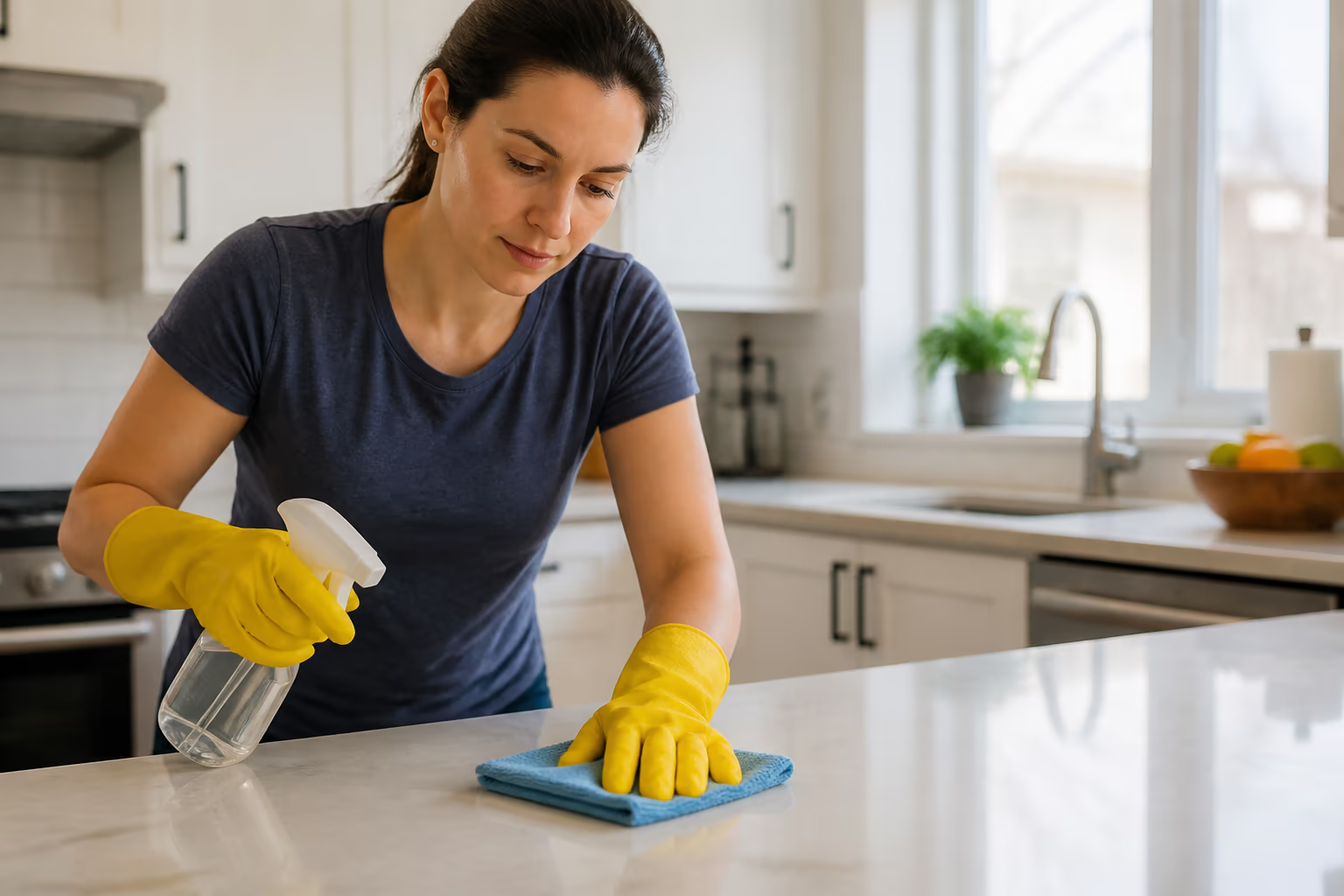
Sanitising and disinfecting are different jobs with different goals, and knowing which one a surface needs, especially high-touch spots, avoids overusing harsh chemicals at home. This guide explains when each is the right choice, how to read product labels for dwell time and safety, and a practical routine for households with kids and pets.
In this guide
Sanitize vs Disinfect: What Each Actually Does
Sanitising reduces germs on a surface to a level that is considered safe for ordinary use. Disinfecting goes further: it destroys a far wider range of pathogens, including bacteria and viruses that can make people ill. The practical difference is one of degree, and it matters most in the spaces where food is prepared and where people who are unwell spend time.
The two terms are often used as if they mean the same thing, and many products can do both. That is exactly why the labels matter. A product that only sanitises may be perfectly good for a kitchen counter you wipe down every day, while the same surface needs a disinfectant after someone has been sick. Knowing which task you are actually performing lets you choose the right product for the right moment.
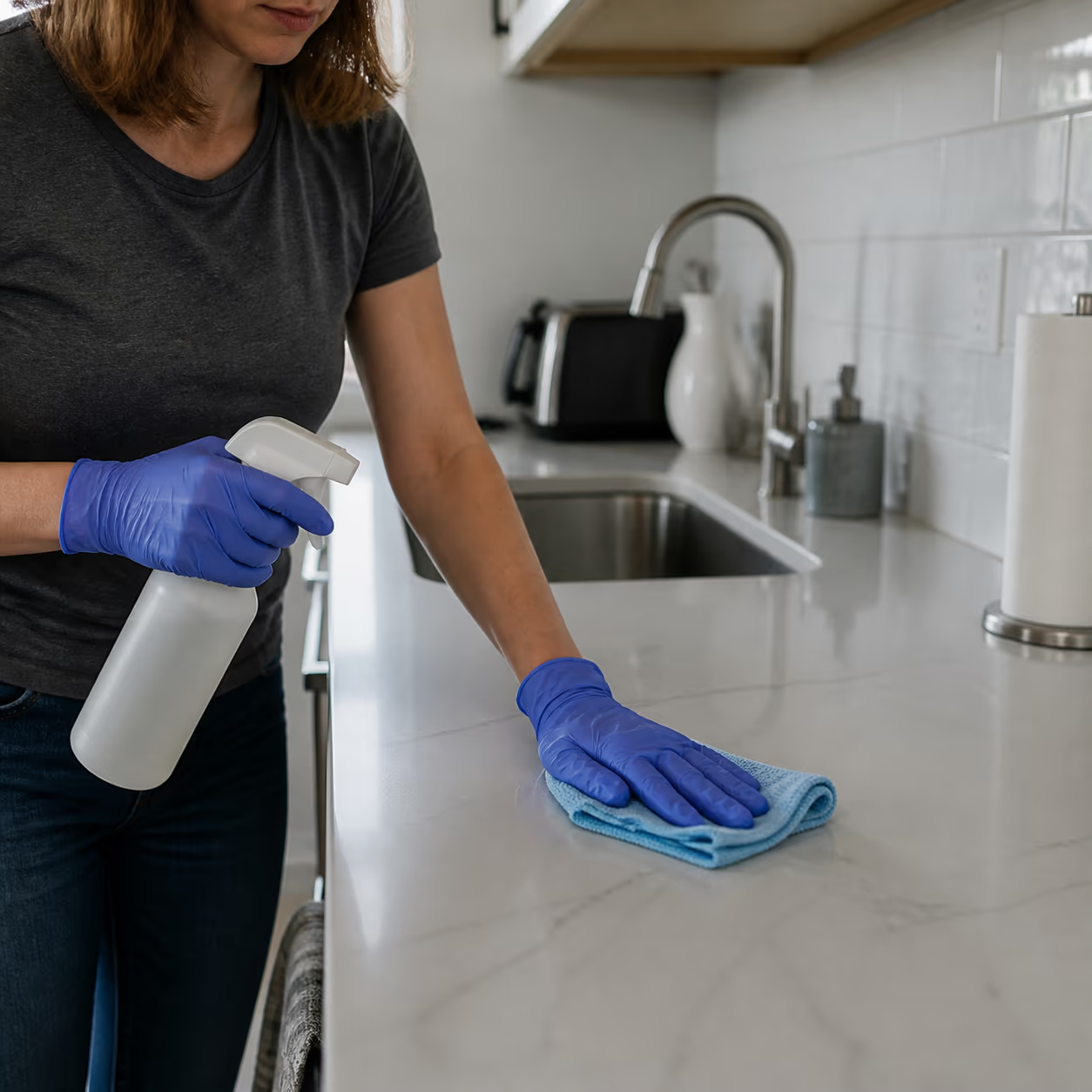
There is also a layer of language to untangle. In Canadian and international use, sanitising is commonly understood as a measurable reduction of germs, while disinfecting is understood as the destruction of a broader range of them. For a household, the simplest way to hold the difference is this: sanitise for everyday freshness, disinfect when the risk of illness is real.
When Sanitising Is the Right Choice at Home
For most of the week, most surfaces only need to be sanitised. A kitchen counter that sees ordinary cooking, a dining table, a bathroom vanity and the surfaces you touch while tidying up are well served by a regular clean and sanitise. This keeps the home fresh without exposing every room to strong chemicals on a daily basis.
Food-contact surfaces deserve a careful mention. Counters, cutting boards and high chairs come into contact with food, so the products used on them should be food-safe, and any no-rinse instruction on the label should be followed to the letter. This is where sanitising earns its keep: it reduces the germs that could transfer to food to a safe level, with a product that will not leave a residue you then eat.
Daily sanitising also does not need to be complicated. A clean cloth, a food-safe sanitising spray or a simple soap-and-water wash does the job for most surfaces most of the time. The point is consistency. A counter that is sanitised each evening, a sponge that is replaced before it smells and hands washed before cooking are the habits that keep a kitchen genuinely clean.
When You Need to Disinfect
Disinfecting becomes the right move when the risk of spreading illness is real. The clearest triggers are an illness in the home, a recently shared space, a bathroom used by guests or a surface that has come into contact with someone who is unwell. Around a cold, the flu or a stomach bug, disinfection of the surfaces everyone touches is one of the most useful things you can do.
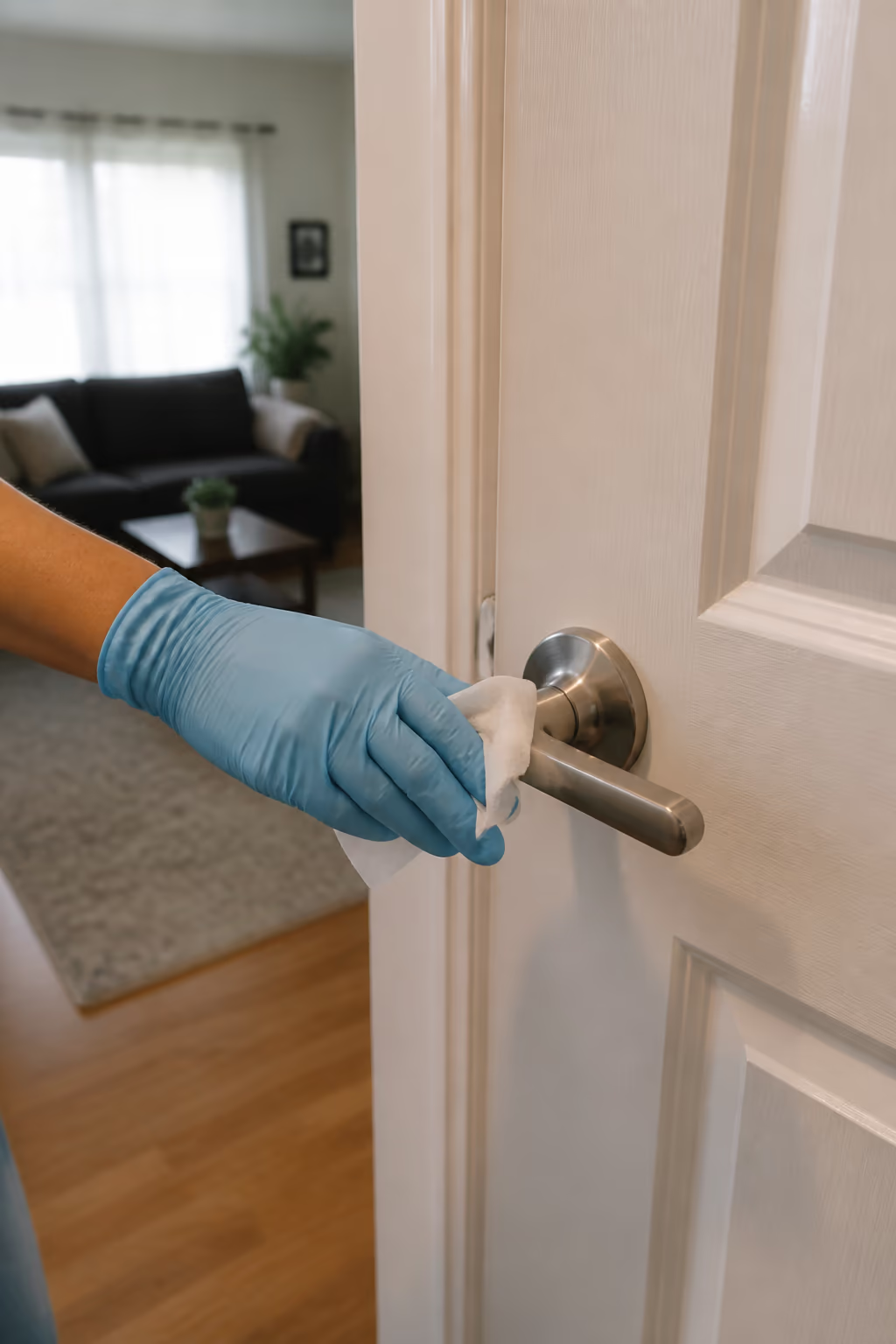
That includes the obvious places and a few you might forget. Door handles, light switches, remotes, phones, faucets and fridge handles are touched dozens of times a day and rarely cleaned as often as they should be. Around illness, these high-touch surfaces deserve a disinfectant wipe or spray, left to dwell for the time the label specifies, then wiped or left to air dry.
Disinfecting is also appropriate after certain messy jobs. A changing table, a litter area, a pet accident or a bathroom shared during a stomach bug all warrant a disinfecting step rather than a quick wipe. In each case the rule is the same: use the product as the label directs, allow the required contact time and do not wipe it away before that time has passed, or you have cleaned the surface without actually disinfecting it.
A move-in or post-renovation situation is another good moment to disinfect. A newly painted room, a unit that has sat empty or a space used by strangers before you is worth a disinfecting pass on the surfaces you will touch first, even when no one is sick. It is the same principle as a move-in clean: you want to start from a base you trust, not one that inherits whoever was there before.
Disinfecting also reaches beyond hard surfaces. When someone in the home is unwell, bedding, towels, pyjamas and cloth toys should move to the washing machine on a hot cycle, because fabric holds germs that survive on soft surfaces. Kitchen cloths, sponges and tea towels deserve the same attention, or a regular replacement, since damp cloth is one of the friendliest homes for bacteria. Pairing a disinfecting pass on the hard surfaces with a hot wash for the soft ones is what actually stops an illness from circulating through the household.
High-Touch Surfaces Worth Extra Attention
Some surfaces carry more traffic than others, and they repay a little more attention in your routine. You do not need to disinfect every surface every day, but you should know which ones deserve it when illness is around.
- Door handles, knobs and push plates on every door you use daily.
- Light switches and switch plates, especially near entryways and in shared rooms.
- Kitchen cabinet handles, fridge and freezer handles, and appliance buttons.
- Bathroom faucets, tap levers, toilet flush handles and grab bars.
- Remote controls, keyboards, tablets, phones and game controllers.
- The backs of dining chairs and the edges of desks where hands rest.
Building a short rotation for these surfaces makes the task sustainable. You might disinfect the front hall and bathroom fixtures when guests arrive, the kitchen handles after food preparation, and the electronics at the end of a week when the family has been unwell. The list is a reminder, not a mandate to scrub everything at once.
A few forgotten surfaces carry as much traffic as the obvious ones. Stair rails and banisters are touched on every trip upstairs. Light-switch plates, the top edge of a door where a hand pushes it closed, and the seam around a door frame all collect germs quietly. Kitchen cupboard and drawer pulls, oven and microwave buttons, and the knobs on a coffee machine get handled dozens of times a day. Adding these to the rotation makes the difference between disinfecting the obvious spots and genuinely covering the home.
Reading Labels: Dwell Time, DIN and Product Safety
The single most important habit with any sanitising or disinfecting product is reading the label. Disinfectants do not work instantly. They need to stay wet on the surface for a contact time, often measured in minutes, before the germs are actually destroyed. Wiping a product on and drying it immediately may clean the surface, but it does not fully disinfect it.
The number on the label carries real information. Health Canada's drug identification number is a computer-generated eight-digit number assigned before a product can be marketed in Canada, and it indicates the formulation, labelling and instructions for use have been reviewed and authorized. Health Canada is blunt about what its absence means: “A drug product sold in Canada without a DIN is not in compliance with Canadian law.”
In Canada, disinfectants and sanitizers sold for home use are regulated by Health Canada. A registered disinfectant carries a Drug Identification Number, usually shown as a DIN on the label, which tells you the product has been evaluated for safety and efficacy. When you are buying for illness prevention, looking for a DIN is a more reliable signal than a promising word on the front of the bottle. You do not need to memorise numbers; you need to check that the label tells you what the product is for and how to use it.
Products certified by a credible environmental standard, such as EcoLogo, can be a good choice when you want a lower-impact option. Certification is not a substitute for correct use, though. Whatever you buy, follow the dilution, keep the surface wet for the labelled time, do not mix cleaning chemicals and open a window or run the fan so the space stays ventilated.
The same label-reading habit carries into the workplace. Under WHMIS 2015, hazardous cleaning products in Canadian workplaces carry pictograms, signal words and Safety Data Sheets, and staff are trained to read them. A home does not need the full WHMIS framework, but the behaviour is worth borrowing: know what you are using, how much to use and how long it needs to work.
Dilution is part of the label, and it matters. A concentrate that is meant to be diluted works at a specific strength, so using too much product is not better and using too little may not kill anything. Measure according to the label, apply it to a surface you have already cleaned, and let the product do its work for the full dwell time. Rinsing directions are there for a reason too, especially around food and on the surfaces children touch.
Sanitising and Disinfecting Around Kids and Pets
Homes with young children and pets run on a different rhythm, and the product choices deserve extra thought. Children put their hands on surfaces and then near their mouths, and pets explore with their noses, so the products you use should be chosen with the whole household in mind. That does not mean you can never disinfect; it means you choose products that are effective and comfortable for everyone who shares the space.
For nurseries, play areas and pet zones, look for products that are food-safe or labelled for the surfaces they will touch, and follow the rinse instructions where they appear. Store all cleaning products out of reach, and give surfaces time to dry before children and pets are back in the room. Ventilation matters even more in a small nursery or a closed-in bathroom, where fumes have nowhere to go.
A practical middle ground is to disinfect the high-touch surfaces you can control and keep soft surfaces, toys and pet beds on a wash schedule instead. Plush toys, blankets and mats move to the machine on a regular cycle, while the hard surfaces around them are wiped and disinfected as needed. This keeps the balance between a clean home and one that is safe for the youngest and fuzziest members of the family.
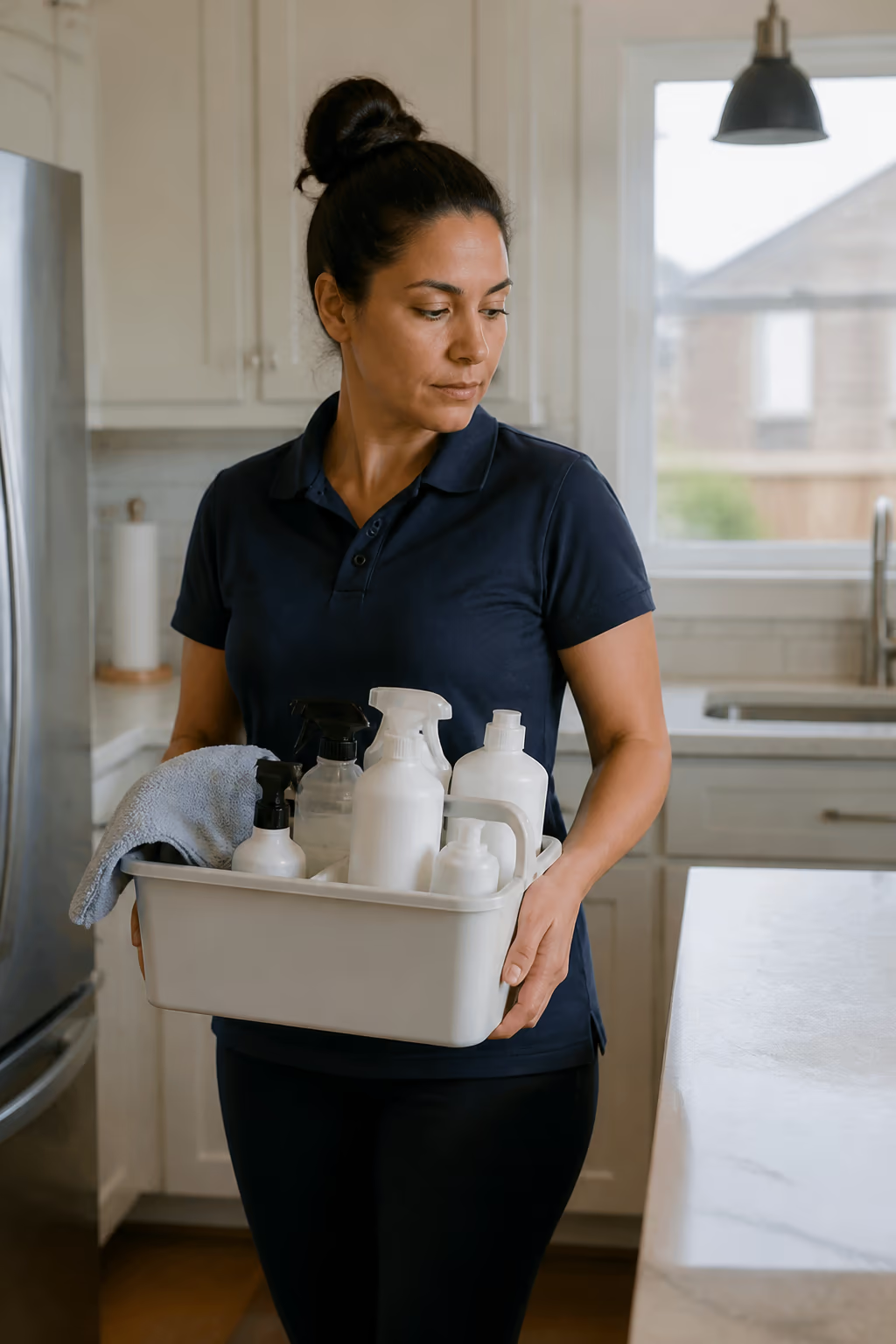
The seasonal angle matters here too. In Ottawa's cold and flu season, school-age children bring home everything a busy household shares, so a little extra disinfecting around coats, backpacks and the front hall is a sensible habit. Keeping the routine simple and visible — a basket by the door, wipes near the kitchen handle and a clear place for bottles and sprays — makes it more likely to actually happen.
A Practical Sanitising and Disinfecting Routine for Ottawa Homes
Good Cleaner Co. builds its home cleaning routines around this exact distinction. Everyday visits focus on cleaning and sanitising the surfaces you live with, using products chosen for the surface and the household. When a home has an illness, or a family asks for extra care around cold and flu season, the team switches to a disinfecting pass on the high-touch surfaces, with proper dwell time so the product actually works.
Ottawa's seasons shape the routine too. Cold and flu season tends to run from late fall through early spring, when homes are closed up and shared spaces are used more heavily, so a few extra disinfecting passes are a reasonable seasonal habit. Summer brings more guests, open doors and shared outdoor equipment, which is a good moment to revisit the high-touch list. The routine should flex with the season rather than stay fixed all year.
Choosing a provider is part of getting this right. If you are comparing companies, our guide to vetting commercial cleaners is a useful starting point for the questions that matter, such as which products are used, whether staff are trained in dwell time and how a disinfecting pass is quoted. A team that can explain its approach plainly is far more useful than one that promises a universal deep clean.
Formatted Step-by-Step Sanitising and Disinfecting Checklist
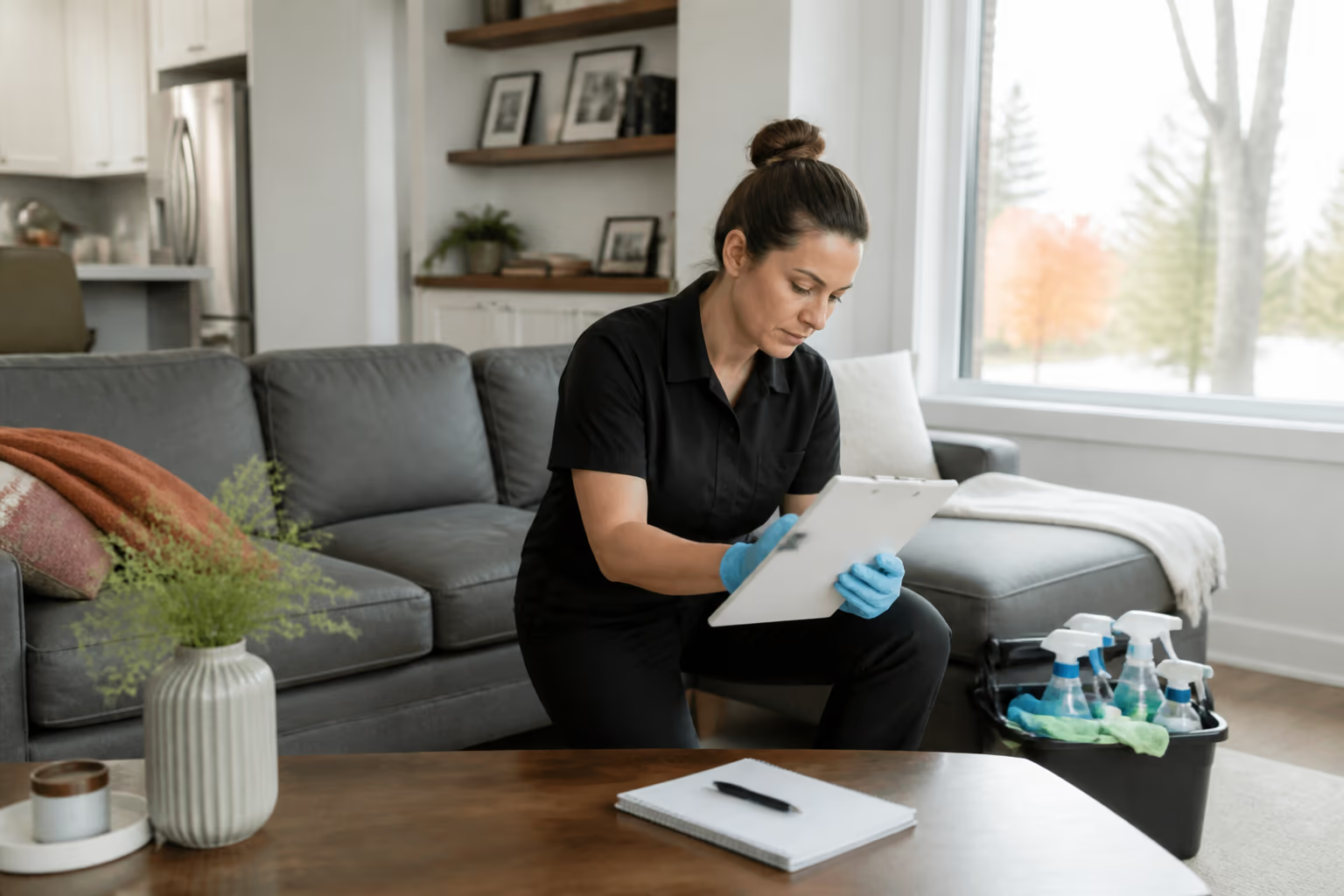
Use this checklist when you need to clean a space and want to be sure you are sanitising or disinfecting in the right way.
- Step 1.Clean the surface first with soap, water or an all-purpose cleaner, because disinfectants cannot work well through a layer of dirt.
- Step 2.Choose the right product for the job, and check the label for a Health Canada DIN if you need to disinfect rather than just freshen.
- Step 3.Apply the product and let it dwell for the full contact time shown on the label before you wipe or rinse it away.
- Step 4.Use a clean cloth or paper towel for the final pass so you are not spreading germs back onto the surface you just treated.
- Step 5.Wash your hands afterwards and keep the space ventilated, especially after stronger products or when disinfecting a small room.
- Step 6.When illness or a busy schedule makes routine upkeep hard to keep up with, our house cleaning options in Ottawa can handle the deep work on a schedule that suits you.
FAQ
How often should I disinfect high-touch surfaces?
In ordinary times, cleaning and sanitising most surfaces a few times a week is enough. Around an illness in the home, disinfect the high-touch surfaces at least daily until everyone is better, and focus on the spots everyone's hands reach.
Is it safe to sanitise food-contact surfaces with the same product I use on counters?
It depends on the product. Choose one that is labelled for food-contact surfaces, and follow the rinse or no-rinse instruction on the label. If the label does not mention food contact, use a different product or rinse the surface with water afterwards.
Do disinfectants work if I wipe them off right away?
No. Disinfectants need to stay wet for the contact time shown on the label, which is often a minute or more. Wiping the surface dry immediately may clean it, but it will not fully disinfect it, so let the product sit before you dry it.
What is the difference between a cleaner and a disinfectant?
A cleaner removes dirt, grease and grime. A disinfectant kills germs. For most home tasks you clean first and disinfect second, because dirt can shield germs from the disinfectant and reduce how well it works.
Can I mix two cleaning products to make a stronger disinfectant?
Never. Mixing cleaners, especially bleach with ammonia or with acidic products, can create dangerous fumes. If you need a stronger result, use a single disinfectant at the concentration and contact time stated on its own label.
Does Good Cleaner Co. use different products when someone in the home is sick?
Yes. The team switches to a disinfecting pass on high-touch surfaces, with proper dwell time, when a home is dealing with illness. Tell the company about the situation when you book so the right products and steps are planned.
Are disinfecting wipes the same as spraying and leaving a disinfectant to dwell?
They can achieve the same result if you use enough of them and keep the surface wet for the labelled time. The common mistake is using one small wipe and drying the surface instantly, which does not give the product time to work.
Do I need to disinfect when no one has been sick?
Not every day. Daily cleaning and sanitising keep a home healthy for most of the year. Reserve full disinfection of high-touch surfaces for illness, guests, or the weeks of cold and flu season when the risk rises.
Is sanitising the same as regular cleaning?
No. Regular cleaning removes dirt and grime, sanitising reduces the germs left on a surface to a safe level, and disinfecting destroys a far wider range of them. You often clean first and then choose whether to sanitise or disinfect depending on the situation.
Is handwashing part of sanitising and disinfecting?
Yes, and it is the most important step of all. Hands carry germs from one surface to the next, so washing them with soap and water before cooking, after using the washroom and when you get home does more for a clean home than any single surface treatment. Disinfecting the places hands touch, combined with clean hands, is what breaks the chain of illness.
Wrapping Up
Sanitising and disinfecting are not interchangeable, but they are easy to run together in a busy week. Clean first, sanitise for everyday freshness, disinfect when illness or risk is real, and always give the product the time the label demands. For more on booking, scheduling and what a routine visit includes, our cleaning services faq covers the common questions homeowners ask. If you would rather have a trained team manage the routine, contact Good Cleaner Co. for a cleaning plan that matches the way your home is actually used.
Keep reading
More from Good Cleaner
Services that fit
- Residential Home Cleaning Services in OttawaRecurring home cleaning services in Ottawa for one-time, weekly, biweekly and monthly care, built around your schedule and your standards.
- Janitorial Services in OttawaRecurring janitorial services for offices, warehouses, retail, dealerships and schools, with eco-friendly commercial cleaning and customized plans.
About the author
Service areas
- Ottawa
- Kanata
- Nepean
- Orléans
- Barrhaven