
How To Handle Heavy Kitchen Grease Buildup
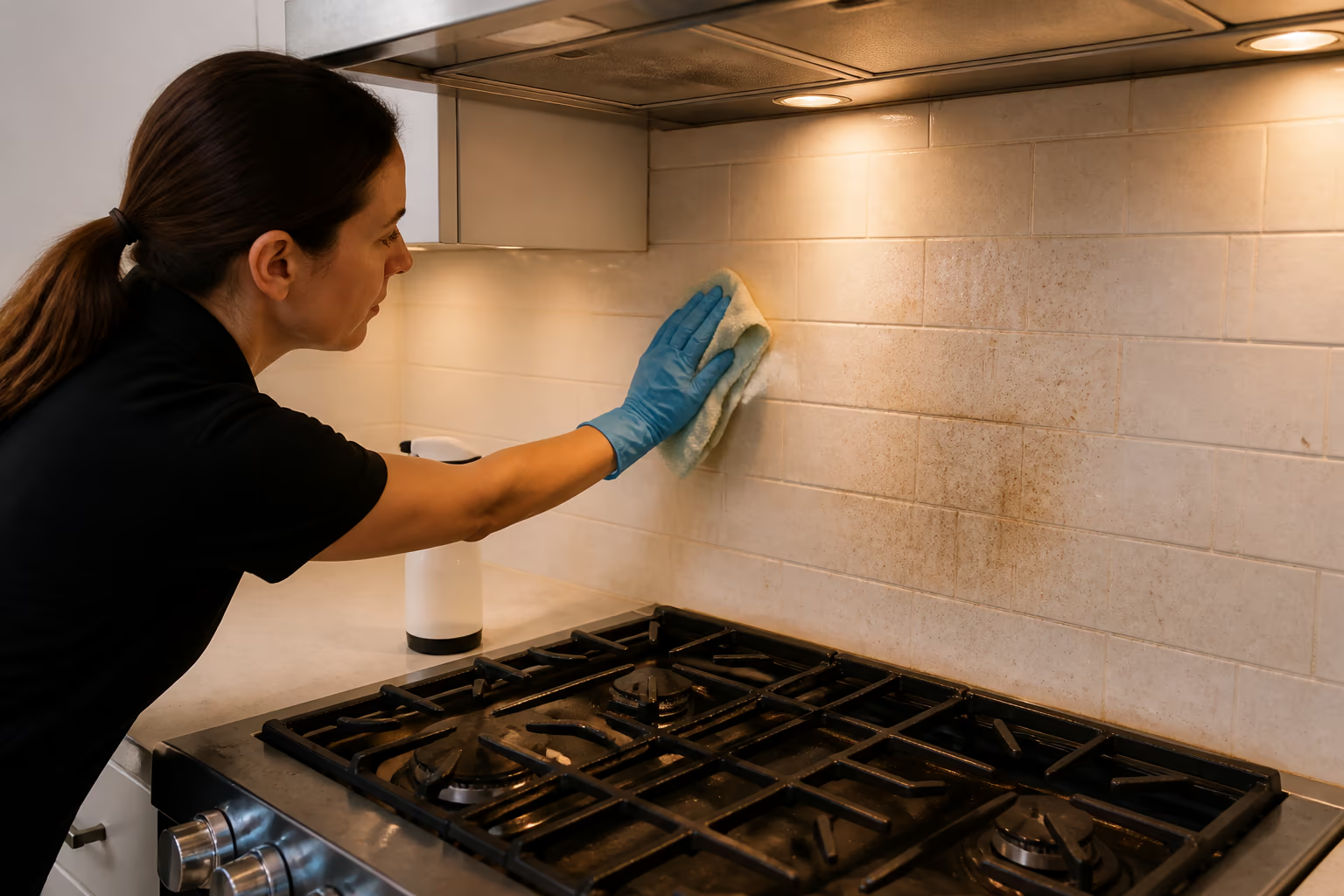
Every kitchen builds up a little grease, but a heavy buildup is a different animal. The sticky film that gathers above the stove, on the range hood, inside the oven door and across the cabinets comes from the oils and fats that steam into the air while you cook. Left alone, it hardens into a tacky coating that attracts dust, looks dull and can even make surfaces harder to clean over time. The good news is that heavy grease is removable with the right products and the right order of work. This guide walks through how to handle heavy kitchen grease buildup step by step, which tools actually cut through the film, and when a professional team from Good Cleaner Co. is worth bringing in for an Ottawa kitchen.
Quick Summary
Heavy kitchen grease forms when cooking oils vaporize and settle as a sticky film that hardens into a stubborn amber layer with repeated heat exposure. It collects most on range hoods, filter meshes, cabinet tops and the backsplash, the hardest surfaces to reach, so buildup often goes unnoticed for months.
In this guide
Why Kitchen Grease Buildup Is So Hard to Handle
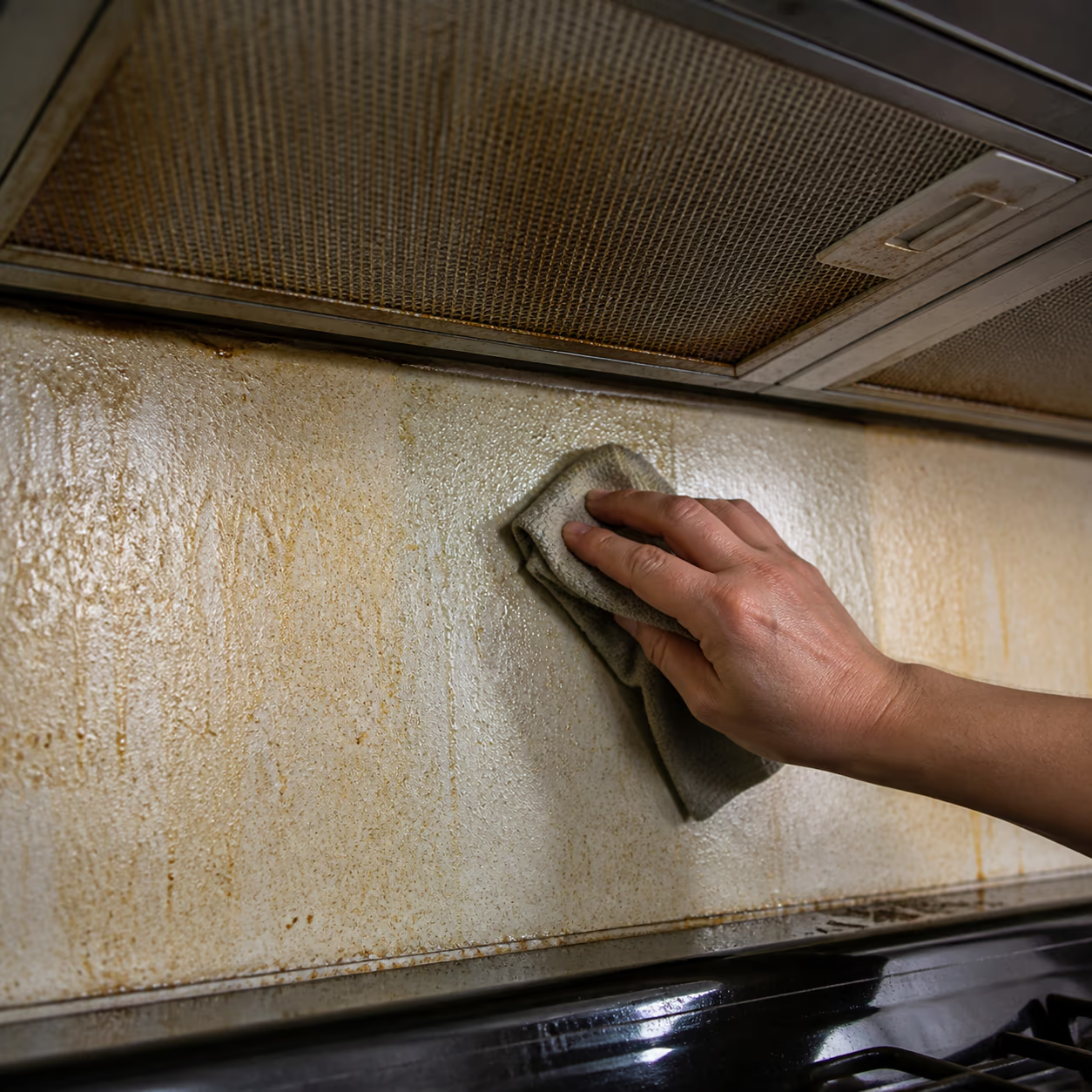
Grease is not like ordinary dust, which you can wipe away with a dry cloth. Cooking oils and fats heat up, turn to vapour and settle back down on every nearby surface as a thin, sticky residue. When that residue is exposed to more heat and more cooking over time, it bakes into a hard, amber-coloured layer that resists a simple wipe.
The problem is made worse by where the grease collects. Range hoods, filter meshes, the top edges of cabinets and the backsplash behind the stove all take the heaviest load, and they are also the most awkward surfaces to reach. By the time you notice the buildup, it has often been curing for months, which makes it harder to dissolve.
Understanding the grease is the first step to removing it. Because grease is an oil, plain water cannot break it down. You need either a degreasing product formulated to lift oils, or a mild natural degreaser and some patience, and you need to work from the top of the kitchen down so that whatever you loosen does not drip onto freshly cleaned surfaces below.
Where Grease Accumulates in a Kitchen
To handle heavy grease buildup, you need to know exactly where it hides. Grease travels with the steam, so it settles everywhere the warm air reaches, not just over the stove.
- The range hood and its filter mesh, which catch the heaviest load.
- The cooktop, burner grates and the area around the burners.
- The backsplash and the wall directly behind the stove.
- The inside and outside of cabinet doors, especially the ones above the range.
- Cabinet handles, knobs and drawer fronts, where hands and steam both leave residue.
- Countertops, particularly near the stove and the toaster oven.
- The top edges and the tops of wall cabinets, where grease and dust combine.
- Windows, window tracks and any kitchen window that faces the cooking area.
- The microwave, oven door, fridge top and the sides of appliances.
- Light fixtures, vent covers and any open shelving.
Each surface responds a little differently. Smooth tile and glass clean up quickly, while wood, grout, painted cabinets and textured surfaces need more care. The good news is that once you have a reliable routine, you can keep every one of these areas from ever reaching a heavy buildup again.
What You Need Before You Start
Heavy grease calls for tools and products that actually cut the film, so gather your supplies before you begin. You will be working from the top of the kitchen down, and you want solutions that break down the grease without damaging the surfaces underneath.
- A degreasing cleaner for hard surfaces, or warm water with a mild dish detergent.
- A mild natural option such as a dilution of white vinegar and warm water for everyday film.
- Microfibre cloths, sponges and old rags you do not mind discarding.
- A non-scratch scouring pad for stubborn spots on metal and glass.
- Warm water and clean rinse cloths for each pass.
- A bucket and clean mop head or cloths for the floor.
- Rubber gloves to protect your hands from grease and cleaning solutions.
- Baking soda to make a gentle paste for tough, baked-on spots.
Choose your products with the surface and the household in mind. Where a job genuinely needs a heavy-duty or sanitising product, choose one with a Drug Identification Number, or DIN, registered with Health Canada and follow the label instructions, including the dwell time. For everyday degreasing, an eco-labelled product such as one with an EcoLogo certification can do the job with fewer harsh fumes. Professional cleaners follow the same judgement under WHMIS 2015, reading the safety data sheet for each product so the right dilution, contact time and protective gear are used for every surface.
The Step-by-Step Process
Handling a heavy grease buildup is best done in stages, and the order matters. Work from the top of the kitchen down, so that any residue you loosen drips onto surfaces you have not cleaned yet rather than undoing your work.
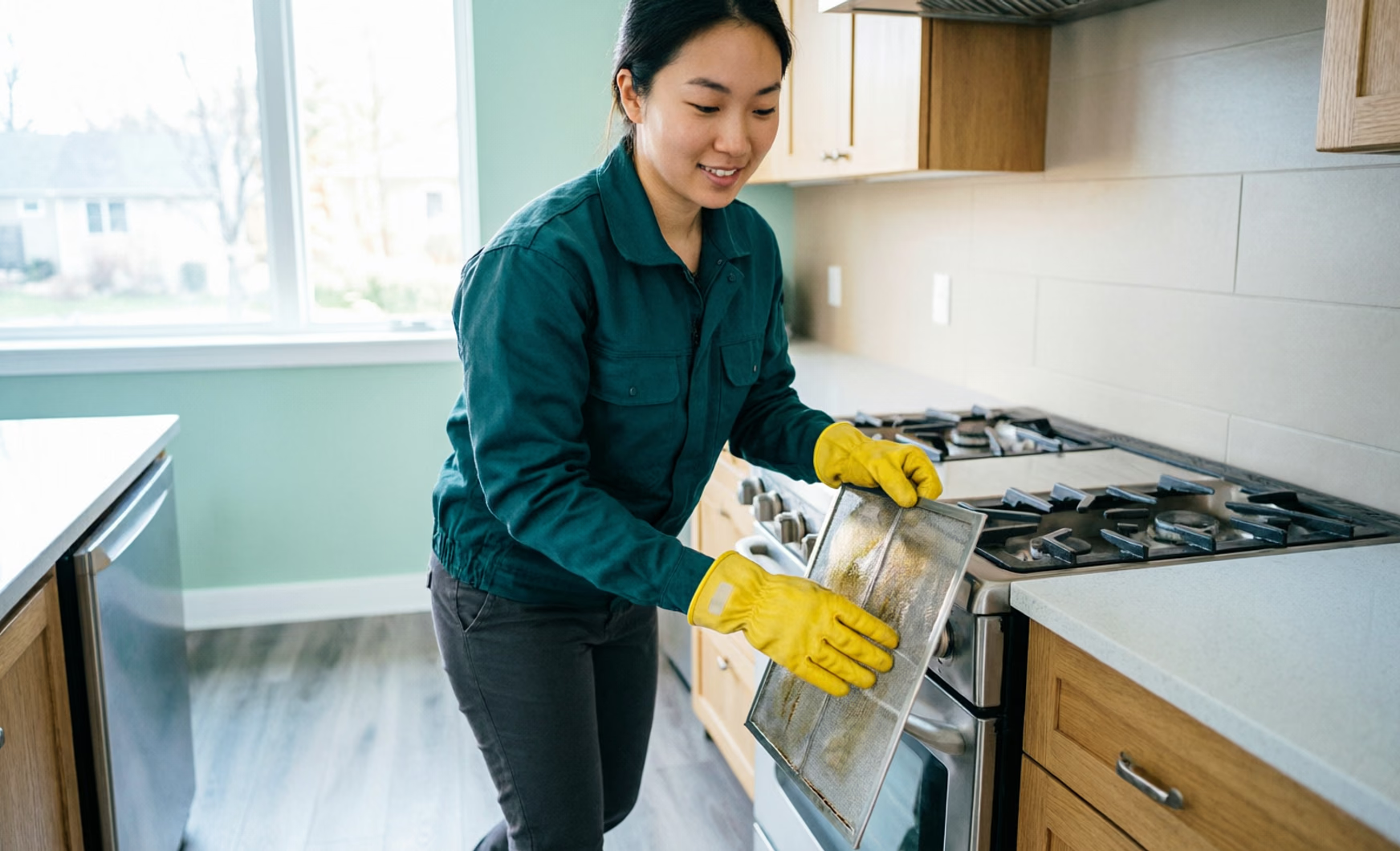
Start with the range hood and filter, because they catch the heaviest grease. Remove the filter mesh and soak it in warm, soapy water while you wipe down the hood body with a degreaser. Rinse the filter, let it dry and set it aside. Then move to the cooktop and burner grates, lifting off what you can and soaking the greasiest pieces in warm soapy water.
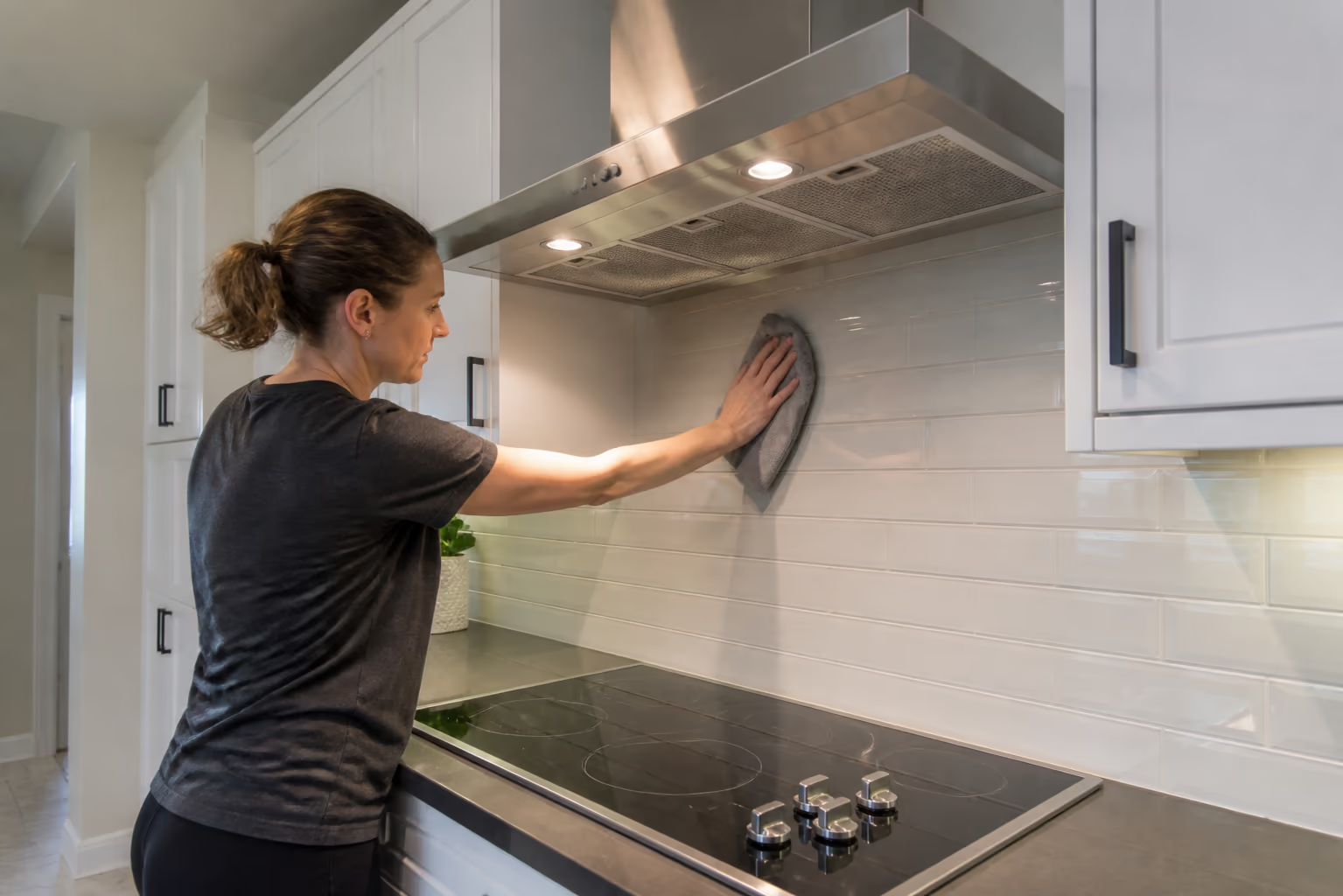
Next, tackle the backsplash and the wall behind the stove, wiping with the degreaser and rinsing with clean water. Then move to the cabinet fronts, handles and tops, working from the top cabinets down. After that, clean the countertops and the outside of the appliances, and finish by mopping the floor so any grease that has dripped down is caught at the end.
Allow products to sit for the recommended dwell time, but never long enough to dry and harden on the surface. Work in small sections, rinse as you go, and change your cloths and water often, because a dirty cloth simply spreads the grease in a thinner layer. If the buildup is years old, you may need two or three passes before the surface comes fully clean.
Cleaning the Range Hood, Filter and Cooktop
The range hood is the first place grease goes, which makes it the first place to clean. If the hood and filter are clogged, they cannot pull steam and grease out of the air properly, which is why the rest of the kitchen stays sticky.
Take the filter mesh out and soak it in a sink full of warm, soapy water, adding a little degreaser if the label allows. While it soaks, wipe the hood body, the fan cover and the surrounding trim with a degreaser, then rinse. For filters that have not been cleaned in a long time, you may need to soak them more than once and scrub gently with a soft brush.
On the cooktop, lift off the burner grates and knobs, and soak the greasiest pieces in warm, soapy water. Wipe the cooktop surface with the degreaser, rinse and dry it. Be careful with electric glass cooktops and avoid abrasive pads that can scratch the surface; a gentle cleaner and a soft cloth are usually all they need.
Cabinets, Backsplash and Tiles
Cabinets above the range take a heavy load, because heat and steam rise straight into them. The film builds on the door fronts, the handles and the tops, and it attracts dust until the surface feels gritty.
For painted or laminate cabinets, a mild degreaser and warm water work well, but test an inconspicuous spot first to make sure the cleaner does not dull the finish. Rinse each section and dry it so moisture does not sit on the wood or seams. For wood cabinets, avoid soaking them; use a damp cloth and dry quickly.
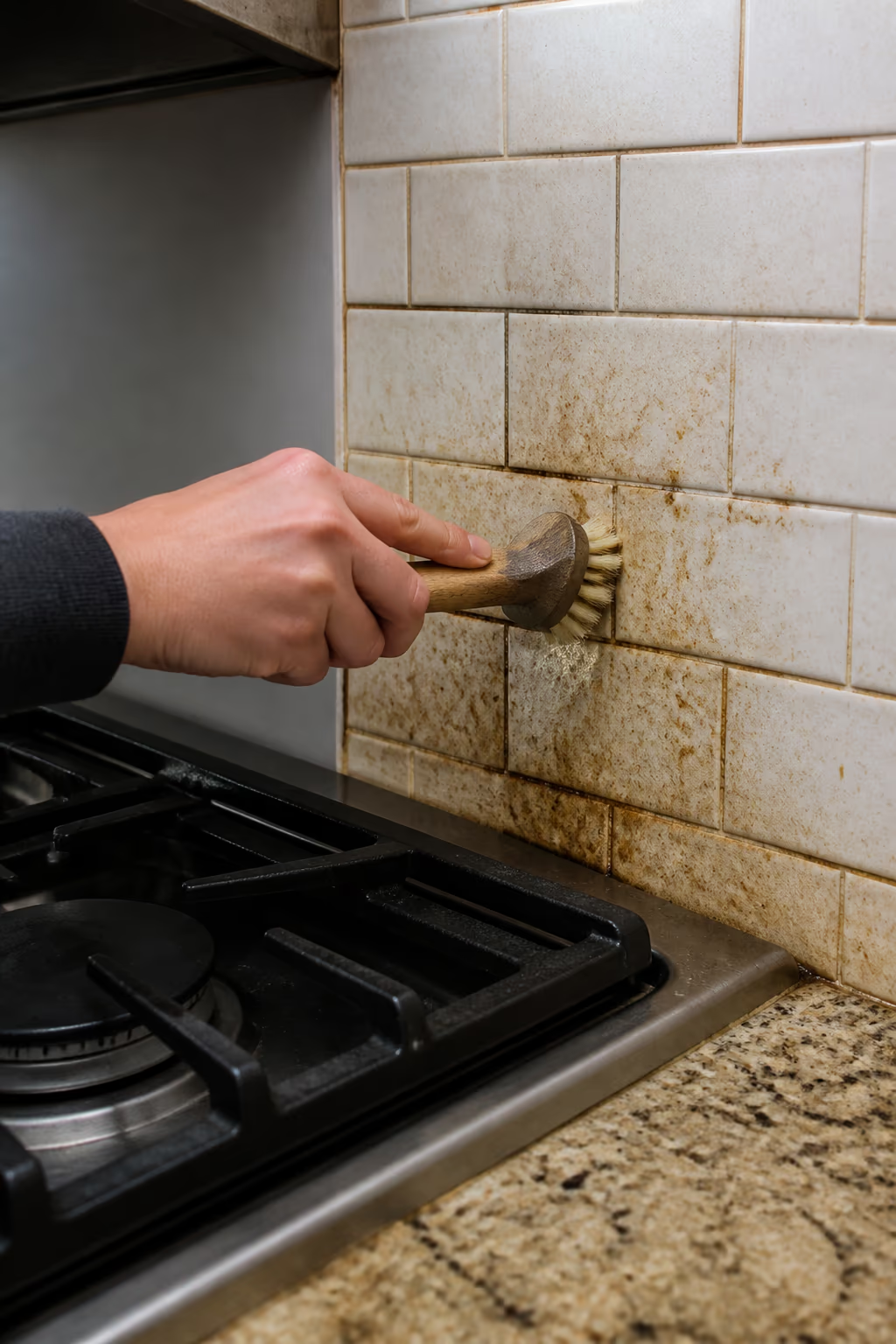
The backsplash and the wall behind the stove are usually tile or a smooth finish. Wipe them with the degreaser, let it work, then rinse. For grout lines that have darkened with grease, a soft brush and a little baking soda paste can lift the discolouration without damaging the grout.
Countertops, Sink and Appliances
Countertops collect grease near the stove and the toaster oven, and the sink area gathers both grease and water deposits. Wipe the countertops with a degreaser or warm soapy water, rinse and dry. On stone surfaces, use a cleaner recommended for that material and avoid anything strongly acidic that could etch the finish.
The outside of appliances, including the microwave, oven door, fridge top and the sides of a range, build up a film that collects dust. Wipe them down with a degreaser and rinse, paying attention to handles, buttons and the seams where grease gathers. The top of the fridge and the top edges of cabinets are easy to skip and just as easy to see once they are clean.
Finally, mop the floor with warm, soapy water or a floor-safe degreaser. Grease that has dripped down settles into the grout and the edges of the floor, so give the area around the stove an extra pass.
Natural and Low-Chemical Degreasing Methods
If you prefer to keep heavy chemicals out of the kitchen, natural degreasers can handle everyday film and soften older buildup, especially when you combine them with a little patience.
- Warm water with a mild dish detergent is a surprisingly effective everyday degreaser.
- A dilution of white vinegar and warm water cuts light film on hard surfaces.
- Baking soda made into a paste with water gently scrubs baked-on grease without scratching most surfaces.
- A soft-bristled brush helps lift grease out of grout, seams and textured surfaces.
- Warm, soapy water is the first choice for soaking greasy filter meshes and burner grates.
Open the window before you start, whichever method you pick. Health Canada's indoor VOC guidance recommends increasing ventilation to reduce exposure to volatile organic compounds indoors, and names cooking, especially frying, as one of the sources that put them there in the first place. Health Canada also keeps the risk in proportion: “For most VOCs, levels found in indoor air in Canadian homes do not usually pose a significant health risk.”
Natural methods are a good first step, but be honest about their limits. Years-old, baked-on grease may not dissolve completely with vinegar alone, and some surfaces such as wood need gentler handling no matter what product you use. For the heaviest buildup, a professional degreasing product applied by a trained cleaner is sometimes the only realistic option.
Whichever method you choose, always rinse the surface afterward. Leaving cleaner or soap residue behind attracts dust and can leave a dull film, which defeats the point of the deep clean.
Common Mistakes and How to Avoid Them
Most people who struggle with kitchen grease are doing the right thing in the wrong way. Avoid these common mistakes and the job becomes far more manageable.
- Wiping grease with a dry cloth, which spreads the film instead of dissolving it.
- Using plain water, which cannot break down the oils.
- Scrubbing hard with an abrasive pad on a scratched surface, which damages it.
- Working from the bottom of the kitchen up, so loosened grease drips onto clean surfaces.
- Forgetting the filter, hood and the tops of cabinets, which keep re-depositing grease.
- Leaving cleaner to dry on the surface, which makes it harder to rinse off.
- Using too much product, which leaves a sticky residue behind.
- Cleaning the countertops and then wiping them with a dirty cloth, which brings the grease right back.
The simple fix is to work top to bottom, use a degreaser that actually cuts the oil, rinse everything, and change your cloths and water often. A little routine goes a long way toward preventing a heavy buildup from ever forming again.
Costs, Timing and When to Call a Professional
Heavy kitchen grease is one of the most satisfying cleaning jobs to finish, and one of the most time-consuming to do well. A do-it-yourself deep clean costs very little in supplies, but it can take the better part of a day, especially if the buildup is years old and you have to go over the same surfaces more than once.
A professional deep clean is worth considering when the grease has hardened over months, when you are moving into a new home, preparing to sell, or when you simply do not have the hours to spare. Trained cleaners bring industrial degreasers, professional equipment and the experience to know which product suits each surface, so the job is done thoroughly without damaging your kitchen.
When you compare cleaning companies, ask what they use for degreasing, how they protect wood and stone, and whether their staff are trained in safe product handling. Good Cleaner Co. combines local experience, background-checked staff and carefully selected products to restore Ottawa kitchens from a heavy grease buildup. Our residential home cleaning services in Ottawa can include a dedicated kitchen deep clean built around your schedule and standards. If you want a general sense of what a deep clean typically runs, our page on the typical cost of cleaning services in Ottawa breaks down the usual ranges.
If you are deciding whether to do the job yourself, our guide to comparing commercial cleaners is a useful starting point for the questions that matter, and the same standards of transparency, training and product choice apply to a residential kitchen.
Formatted Step-by-Step Kitchen Grease Removal Checklist
Work through the whole checklist once as a deep clean, then keep the high-frequency steps in your regular routine.
- 1.Remove the range hood filter, burner grates and knobs, and soak the greasiest pieces in warm, soapy water.
- 2.Wipe the range hood, cooktop, backsplash and the wall behind the stove with a degreaser and rinse clean.
- 3.Clean the cabinet fronts, handles, tops and the surfaces above the range, rinsing each section as you go.
- 4.Wipe the countertops, sink area and the outside of the appliances, then rinse and dry every surface.
- 5.Mop the floor with warm, soapy water, giving the area around the stove an extra pass.
- 6.For years-old grease that resists a home effort, reviewing our residential cleaning visits in Ottawa provides a trained team for a thorough kitchen restoration.
FAQ
What is the fastest way to remove heavy kitchen grease?
A degreasing product designed to cut cooking oils, applied, left to work for the recommended time, then rinsed, is the fastest route. Pair it with warm water and clean cloths, and work from the top of the kitchen down.
Will vinegar remove grease from kitchen surfaces?
A dilution of white vinegar and warm water cuts light to moderate film on hard surfaces, but it may not dissolve years-old, baked-on grease on its own. Use it for everyday maintenance and bring in a heavier degreaser for a deep clean.
How do I clean grease from wood cabinets without damaging them?
Use a mild degreaser or warm soapy water on a damp cloth, wipe a small section, and dry it quickly. Avoid soaking the wood or letting moisture sit in the seams, and test any product on an inconspicuous spot first.
Can baking soda clean baked-on grease?
Yes, baking soda made into a paste with water is a gentle abrasive that lifts baked-on grease from many surfaces without scratching. Use a soft cloth or brush and rinse thoroughly afterward.
How often should I degrease my kitchen range hood?
A range hood filter benefits from a clean every month or two with regular cooking, and more often if you fry or cook with oils frequently. The hood body can be wiped down as part of a weekly kitchen clean.
Is it safe to use a scouring pad on a glass cooktop?
No. Abrasive pads can scratch a glass or ceramic cooktop. Use a cleaner recommended for the surface and a soft cloth or sponge instead.
Why does my kitchen feel sticky even after I clean it?
A sticky feeling usually means grease is still sitting on a surface you missed, such as the tops of cabinets, the filter, or a countertop wiped with a dirty cloth. Rinsing properly and cleaning top to bottom usually resolves it.
When should I hire a professional for a heavy grease buildup?
If the grease has hardened over months, if it has built up on wood or stone you are worried about damaging, or if you simply do not have the time, a professional deep clean is the safest and most thorough option.
Wrapping Up
Handling a heavy kitchen grease buildup comes down to using the right product and working in the right order. Degrease the range hood, filter and cooktop first, then work down through the backsplash, cabinets, countertops and floor, rinsing every surface so no residue or cleaner is left behind. Prevent the buildup from returning with a regular wipe-down of the areas around the stove. For a kitchen that has been neglected for months, Good Cleaner Co. can bring the products, equipment and training to restore it completely and keep it that way.
Keep reading
More from Good Cleaner
Services that fit
- House Cleaning Services in OttawaHouse cleaning services in Ottawa for one-time, weekly, biweekly, and monthly home care, with customizable cleaning and eco-friendly options.
- Janitorial Services in OttawaRecurring janitorial services in Ottawa for offices, warehouses, retail, dealerships and schools. Eco-friendly commercial cleaning, customized plans, free quote.
About the author
Service areas
- Ottawa
- Kanata
- Nepean
- Orléans
- Barrhaven