
7 Proven Ways To Remove Pet Stains And Odors Completely
Pet stains are not just a mark on the carpet; they are a message left behind, and pets read it as an invitation to return. Urine, vomit, and the odours they leave can linger long after the surface looks clean, resurfacing whenever the air is damp or warm. This guide covers the proven ways to remove pet stains and odours completely, from acting fast on a fresh accident to treating the deep layers of carpet and upholstery, and when a professional team makes the difference.
Quick Summary
Pet urine soaks past the surface into a carpet's backing and padding, leaving salts and proteins that keep producing odour long after the stain looks clean, and that lingering scent cues pets to use the same spot again. Seven proven methods remove stains and odours completely, starting with fast action on fresh accidents.
In this guide
Why Stains and Odours Linger
A fresh spill looks like the problem, but the real work is below the surface. Urine soaks past the top of a carpet into the backing and the padding, and as it dries it leaves salts and proteins behind that a surface wipe never reaches. The stain you see is only part of the story; the odour lives in the layers underneath, and it comes back every time the area gets damp.
Air movement is the quiet half of odour removal. Health Canada's indoor VOC guidance puts increasing ventilation at the top of its list for reducing exposure to volatile organic compounds indoors, which also helps clear what an enzymatic cleaner releases as it works. Health Canada also keeps the risk in proportion: “For most VOCs, levels found in indoor air in Canadian homes do not usually pose a significant health risk.”
Odours are also a cue for pets. A spot that still carries the scent of urine or vomit reads as the place to go again, which is why the same corner of the carpet keeps getting the same accident. Removing the smell completely is not just about comfort; it is the difference between breaking the habit and reinforcing it. That is why the goal is not a surface that looks clean but a spot that no longer smells like anything to a pet.
Timing changes everything. A fresh accident can often be lifted in a single pass with the right method, while a dried stain may need repeated treatment and the right product. The longer a stain sets, the deeper it travels and the more it takes to remove. Acting early, removing the moisture, and using a product suited to the material is the pattern that gives you the best chance of a complete result.
Seven Proven Ways To Remove Pet Stains And Odours
The methods below are the ones that consistently work for pet stains and odours on carpet and upholstery. Choose the one that fits your situation, and combine them when a stain has set.
- 1.Act immediately:remove the solid material and blot up as much liquid as you can before the stain sets.
- 2.Use cold water first, because heat can set the proteins in urine and make the stain harder to remove.
- 3.Apply an enzymatic cleaner designed for pet stains and let it dwell for the time the label recommends.
- 4.Blot and repeat rather than scrubbing, because scrubbing pushes the stain deeper into the fibres.
- 5.Flush the area with water and extract it to pull the residue out of the carpet backing and padding.
- 6.Treat the odour at the source with a pet-specific odour neutraliser, not just a surface fragrance.
- 7.Clean the surrounding area too, because pets return to the general zone, not only the exact spot.
Each method works because it addresses the layer where the problem lives: the surface, the fibres, or the padding underneath. The sections that follow explain how to use them well.
Acting Fast On Fresh Stains
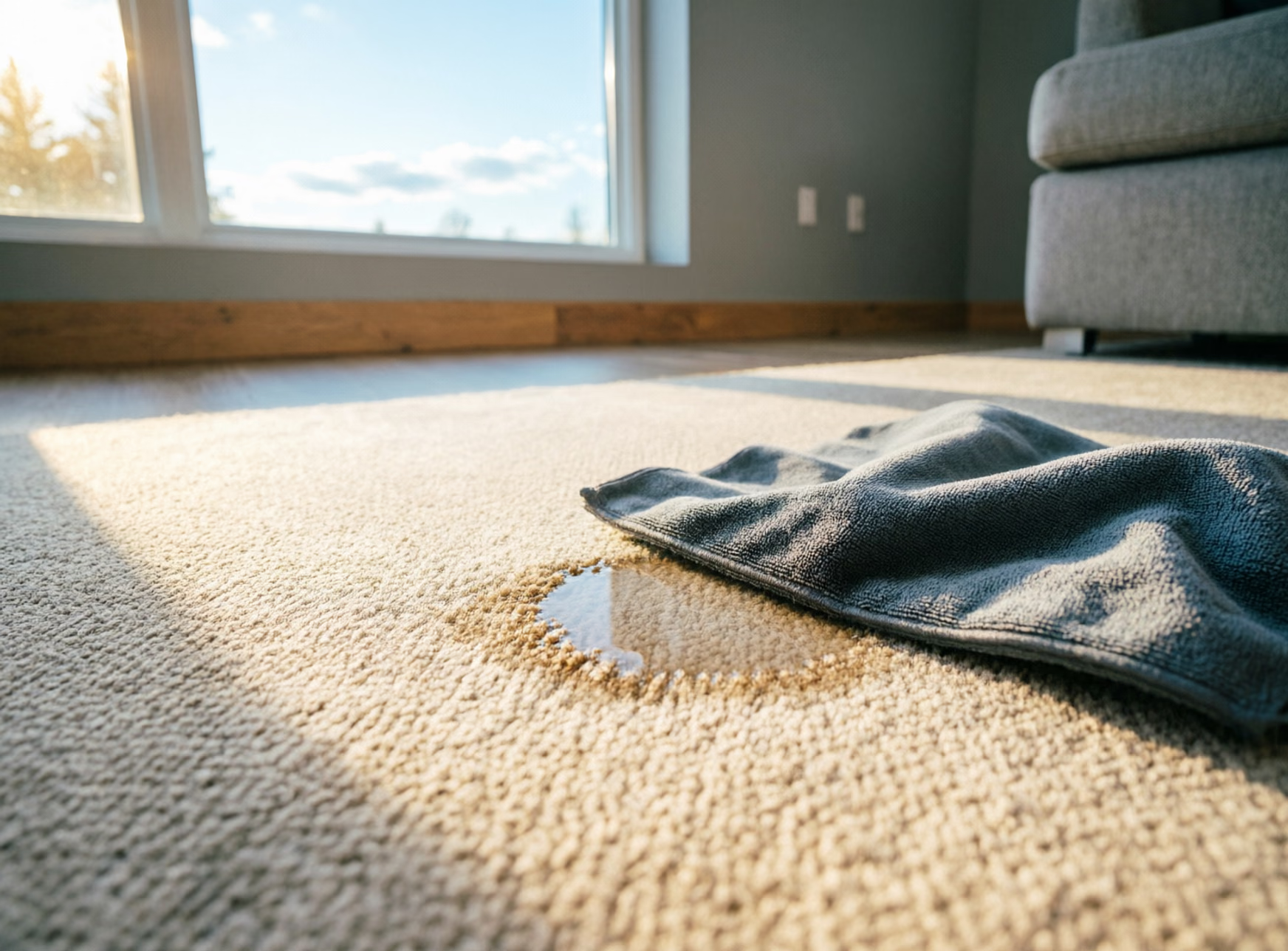
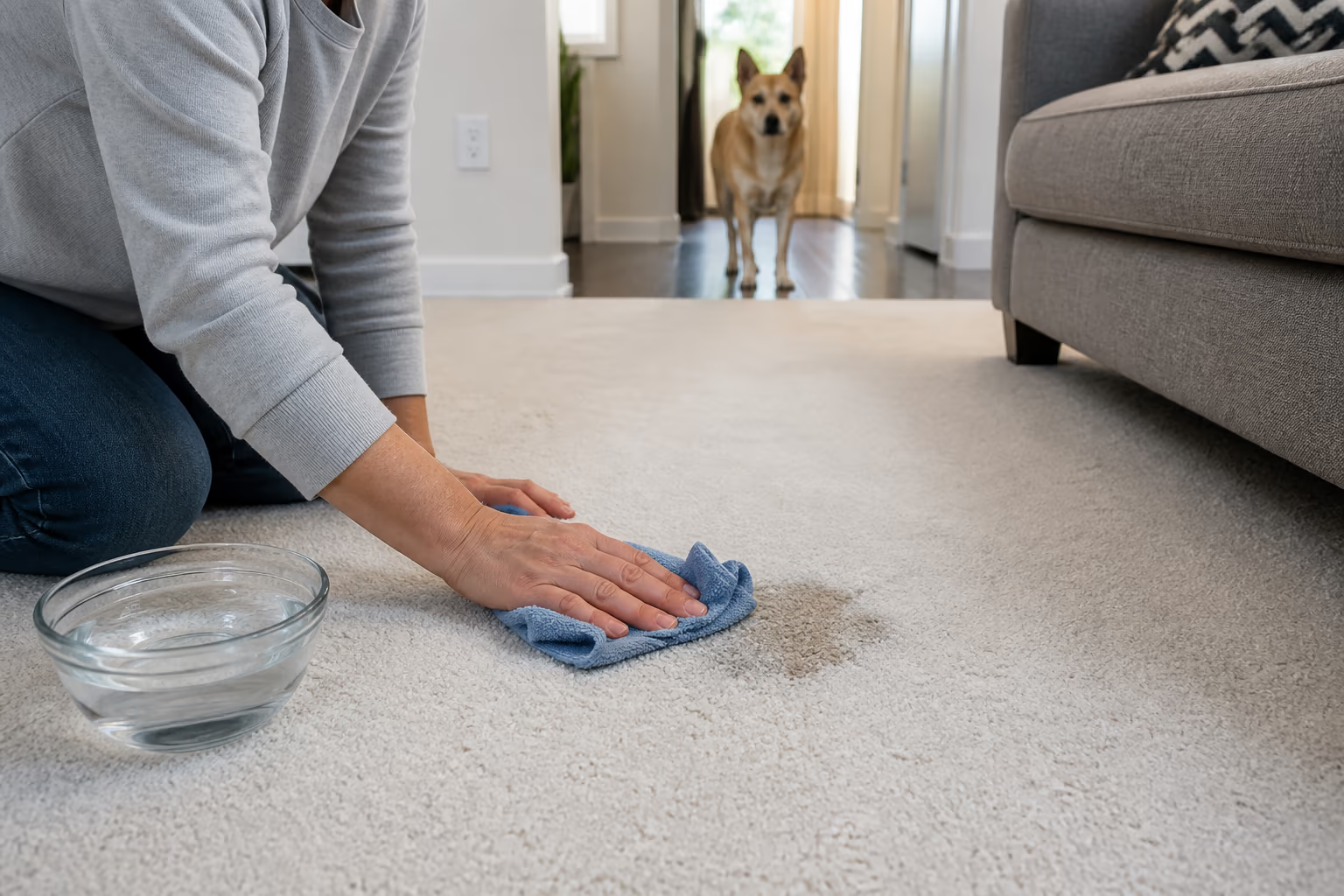
When an accident is fresh, the goal is to remove the material before it dries and sets. Blot up as much liquid as possible with paper towels or a clean cloth, working from the outside of the stain toward the centre so you do not spread it. If there is solid material, remove it first with a scraper or the edge of a card, and skip the rubbing that would push it into the fibres.
Cold water is your friend at this stage. Warm or hot water can set the proteins in urine, turning a treatable stain into a permanent mark, so rinse with cool water and blot it up. A gentle spray of diluted water and a little mild soap, blotted and repeated, lifts much of the fresh mess before an enzymatic cleaner even needs to take over.
Keep the area dry while you work. Wet carpet left to sit becomes a breeding ground for the very odour you are trying to remove, so blot, ventilate, and allow the spot to dry fully between passes. A fast, careful response is the cheapest and most effective tool in the routine.
Enzymatic Cleaners and How They Work
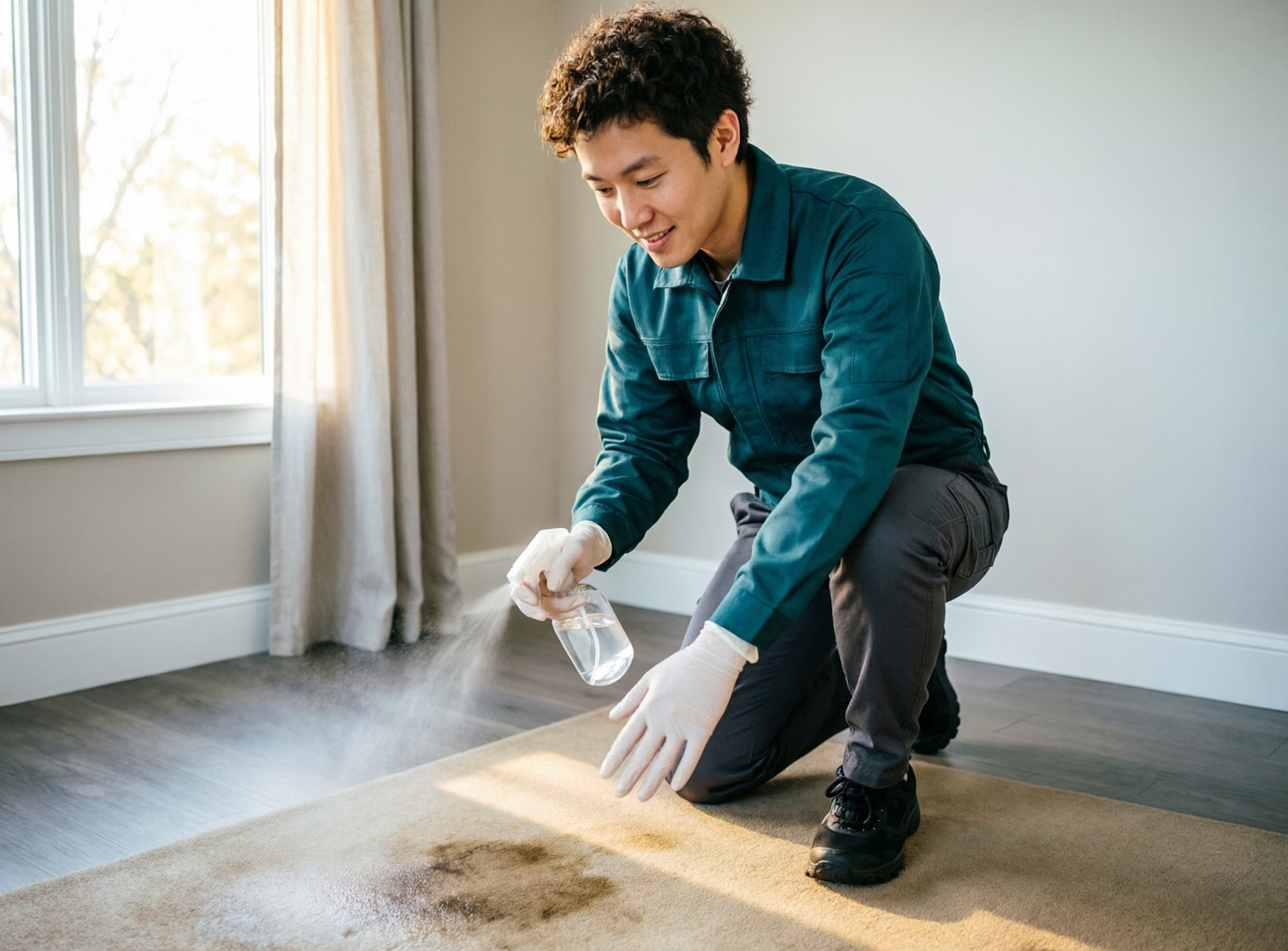
Enzymatic cleaners are the workhorse for biological stains like urine and vomit, because they are designed to break down the proteins and compounds that make those stains smell. Unlike a surface wipe that masks an odour, an enzyme product digests the residue at the source. Using it correctly matters as much as choosing it: the product needs time on the stain, called dwell time, to do its work.
Follow the label. Enzymatic products have directions for how much to apply, how long to leave it, and whether to rinse or let it dry. Speeding through those steps is the most common reason an enzyme treatment seems not to work. In Canada, cleaning products are labelled under WHMIS 2015, so the label also tells you how to handle and ventilate the product safely, and choosing certified low-fume options such as those carrying an EcoLogo mark keeps the treatment comfortable for the whole household.
A good enzyme product is worth keeping on hand in any pet home. Use it for fresh accidents and for the old stains that have set, and give it time to work before judging the result. Where an odour is deep, the same product may need a second application, which is normal and not a sign that the method failed. Where a soiled surface also needs sanitising afterwards, a disinfectant that makes a sanitising claim carries a Health Canada DIN and should be applied, left for its dwell time, and rinsed according to the label.
Old Stains and Stubborn Odours
Old stains need more patience than fresh ones. A dried stain has had time to travel into the carpet backing and padding, so the treatment has to go deeper than the surface. Applying an enzymatic cleaner, letting it dwell, and repeating over a few days often lifts what a single pass cannot. Persistence is the difference between a result and a disappointment.
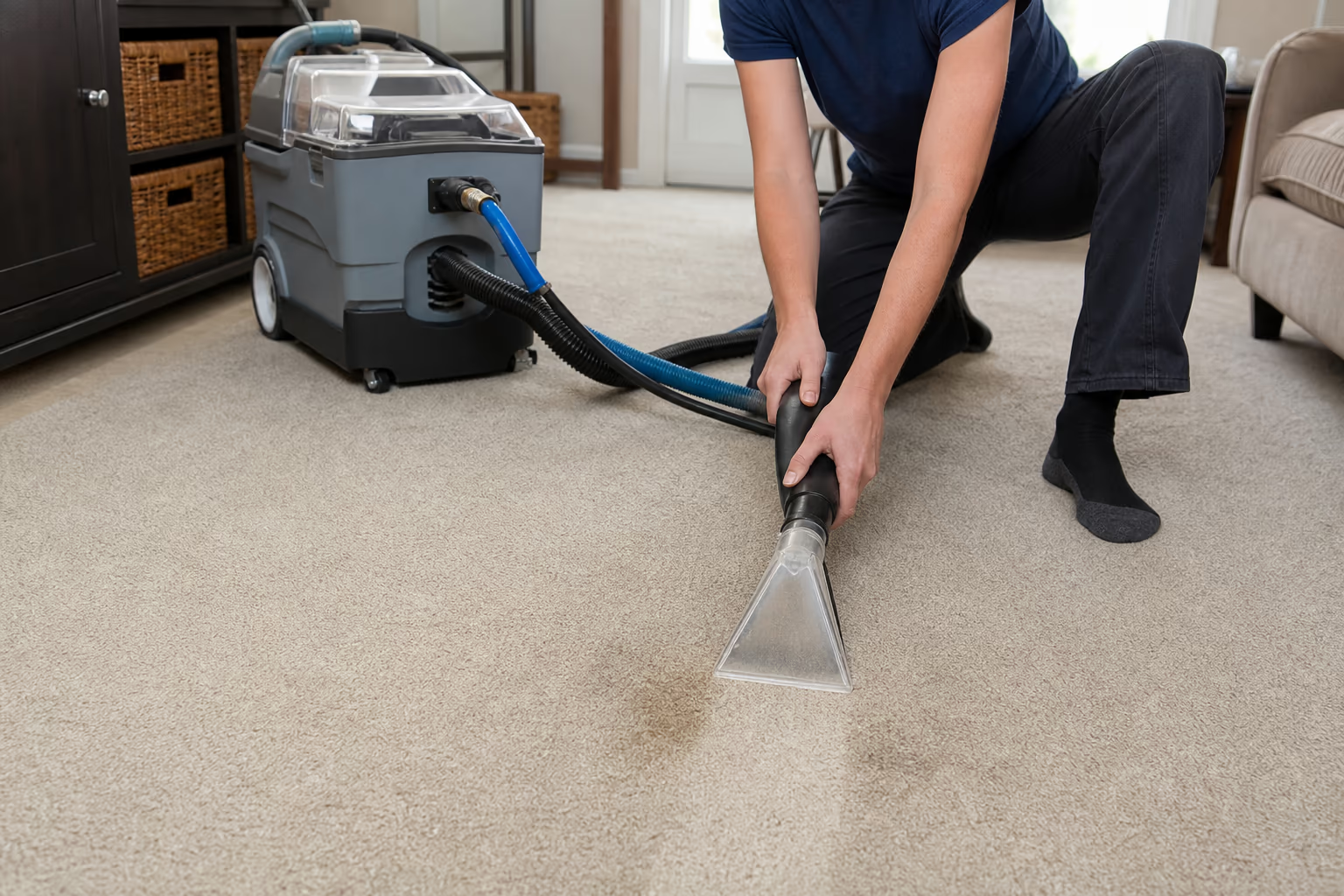
Extraction helps when a stain is deep. Flushing the area with a suitable cleaning solution and extracting the moisture pulls the dissolved residue out of the carpet rather than leaving it to dry again. For set-in odours, a carpet extractor or the help of a professional machine makes a difference that surface treatment alone cannot match.
Be honest about what a home method can do. Some odours, especially ones that have soaked into padding or the subfloor, resist repeated home treatment. In those cases, the reliable option is professional carpet or upholstery cleaning, where the right equipment and products can reset the material. Knowing when to bring in that help saves time and frustration. Property managers who already schedule janitorial services for shared hallways and common areas can often add pet stain treatment to the same visit.
Carpet vs Upholstery vs Hard Floors
The material changes the method. Carpet absorbs and hides the problem, so it needs blotting, enzymes, and extraction. Upholstery is similar but more delicate, and some fabrics cannot be soaked, so check the care label and use a lighter hand, blotting rather than drenching the cushion or fabric.
Hard floors are simpler, because they do not soak up the stain, but they still need care. Wipe up the mess promptly, clean the surface with a suitable floor cleaner, and dry it well. If urine has sat between tiles or along a baseboard, the grout line may need a scrub and a rinse, because the smell can live in the joints even when the surface looks clean. In a Canadian winter, salt and slush tracked in on paws and boots add their own marks to entry floors, and removing that residue promptly keeps a fresh problem from becoming a set stain.
Each surface also reacts differently to products. What is safe for sealed tile may not suit a wool rug, and a product that brightens one fabric may fade another. Test any product in a small, hidden spot first, and match the method to the material rather than using one approach everywhere. For lighter general stains rather than pet accidents, a DIY carpet shampoo for stain removal follows the same test-first approach on a small, hidden area.
Why Pets Return to the Same Spot
The most frustrating part of a pet stain is the repeat visit: the same corner, the same spot, the same accident. The reason is usually scent. If the area still smells like urine or vomit to a pet, it reads as the designated spot, no matter how clean it looks to you. Complete odour removal, not surface cleaning, is what breaks the pattern.
Treat the wider zone, not just the mark. Pets often choose an area rather than an exact square, so cleaning the surrounding carpet and the base of the furniture prevents the cue from lingering a few centimetres away. A thorough job also includes the seams and edges where urine can wick and hide.
If a spot keeps coming back despite thorough treatment, consider what else changed in the home: a new pet, a move, a change in routine, or a health issue that makes accidents more likely. Removing the stain is only part of the answer, and for a pet that repeatedly targets one area, a vet's advice can matter as much as the cleaning.
Formatted Step-by-Step Pet Stain Removal Checklist
This five-step checklist walks a pet accident from fresh spill to odour-free result. Keep it in mind for the moment it happens, because speed is the biggest advantage you have.
- 1Prepare the area and gather your supplies:paper towels, cold water, an enzymatic cleaner, and gloves.
- 2Remove the solid material and blot up as much liquid as possible, working from the outside in.
- 3Apply the enzymatic cleaner and let it dwell for the full time the label recommends.
- 4Blot, flush with cool water, and extract or blot dry, repeating the treatment if the odour lingers.
- 5Inspect the spot with your nose as well as your eyes, and treat the surrounding area so the scent cue is gone.
- 6Reviewing our Ottawa residential cleaning teams provides a trained team for deep carpet and upholstery care when a stain has set.
The order matters: remove the material, treat the source, and remove the moisture before anything dries again. When the routine is clear, even a rushed moment in a busy home is easier to handle well.
FAQ
How quickly do I need to act on a pet stain?
The faster the better. A fresh accident can often be lifted in a single treatment, while a dried stain has had time to travel into the backing and padding and needs more work. Blot immediately, use cold water, and start an enzyme treatment as soon as you can.
Why does the carpet still smell after I cleaned the stain?
Surface cleaning rarely reaches the urine that has soaked into the backing and padding. Use an enzymatic cleaner, let it dwell for the full label time, and repeat if needed. If the odour persists, the moisture or residue is below the surface and may need extraction or professional cleaning.
Can I use bleach or vinegar on pet stains?
Avoid bleach on pet stains; it can react badly with urine and damage the carpet. Vinegar can help neutralise odours in some cases, but it is not an enzyme and may not break down the residue that causes the smell. For urine and vomit, an enzymatic product is the reliable choice. For a broader list of pet-safe options, our pet safe cleaning products guide covers products that are safe around pets and still effective on stains.
How do I stop my pet from returning to the same spot?
Remove the odour completely, because a pet reads residual scent as an invitation. Treat the wider zone around the stain, and if a spot keeps coming back, consider whether a routine change, a new pet, or a health issue is behind it. For repeated accidents, a vet's advice can help.
Is steam cleaning safe on pet-stained carpet?
Heat can set protein stains, so test steam carefully on a hidden area and avoid hot water on a fresh urine stain. For set-in odours, extraction with a suitable solution can help lift residue, but follow the manufacturer's guidance for your carpet and the product you use.
How much does professional pet stain removal cost in Canada?
Costs vary widely with the size of the area, the material, the number of spots, and your city, so there is no single price. A professional will assess the work and give an itemised quote for the cleaning, extraction, and any treatment the material needs. Compare like for like rather than a bare number.
Can upholstery be treated the same way as carpet?
Mostly, but more gently. Upholstery is more delicate, so check the care label, blot rather than soak, and use less product and water than you would on a carpet. For deep-set odours in a cushion or sofa, professional upholstery cleaning is often the safer option.
When should I call a professional for pet stains?
Call a professional when the odour resists repeated home treatment, when the stain has soaked into padding or subfloor, or when you want a full carpet and upholstery reset. A trained team brings the equipment and the products for the job. If you are weighing options, our guide to choosing a commercial cleaning company is a useful starting point for the questions that matter.
Does pet odour come back after professional cleaning?
It should not, when the job is done properly. Professional carpet and upholstery cleaning reaches the layers a home wipe cannot, and the right products neutralise the odour at the source. If the padding or subfloor is heavily soiled, that may need its own treatment, and a good provider will tell you when it does.
What should I do if my pet vomits on a hard surface?
Remove the solid material, wipe the area with a mild cleaner suited to the floor, and rinse and dry it well. Vomit can be acidic, so prompt cleaning prevents any dulling of the finish. If it reaches a grout line or a seam, clean that too, because the residue can linger there.
Wrapping Up
Pet stains test patience, but the methods for removing them are proven: act fast, remove the material, treat the source with an enzyme, and keep the area dry until the odour is truly gone. The same thoroughness that protects your carpet also helps break the habit of a pet returning to the same spot. When a stain has set deeper than home treatment can reach, a professional team can reset the material. Contact Good Cleaner Co. for a free quote and a cleaning plan built around your home and your pet.
Keep reading
More from Good Cleaner
Services that fit
- House Cleaning Services in OttawaHouse cleaning services in Ottawa for one-time, weekly, biweekly, and monthly home care, with customizable cleaning and eco-friendly options.
- Professional Office Cleaning Services in OttawaOffice cleaning services in Ottawa for corporate offices, clinics and professional suites, with after-hours scheduling and eco-friendly products.
About the author
Service areas
- Ottawa
- Kanata
- Nepean
- Orleans
- Barrhaven