
The Best Grout Cleaning Products For Different Tile Types
Grout sits between your tiles and takes a surprising amount of abuse, from kitchen spills to bathroom moisture and the grit tracked in from outside. Cleaning it well comes down to using the right product for the right surface, because what works on one tile can damage another. This guide helps you discover the best grout cleaning products for different tile types and explains how to use them safely for Ottawa and Ontario homes.
Quick Summary
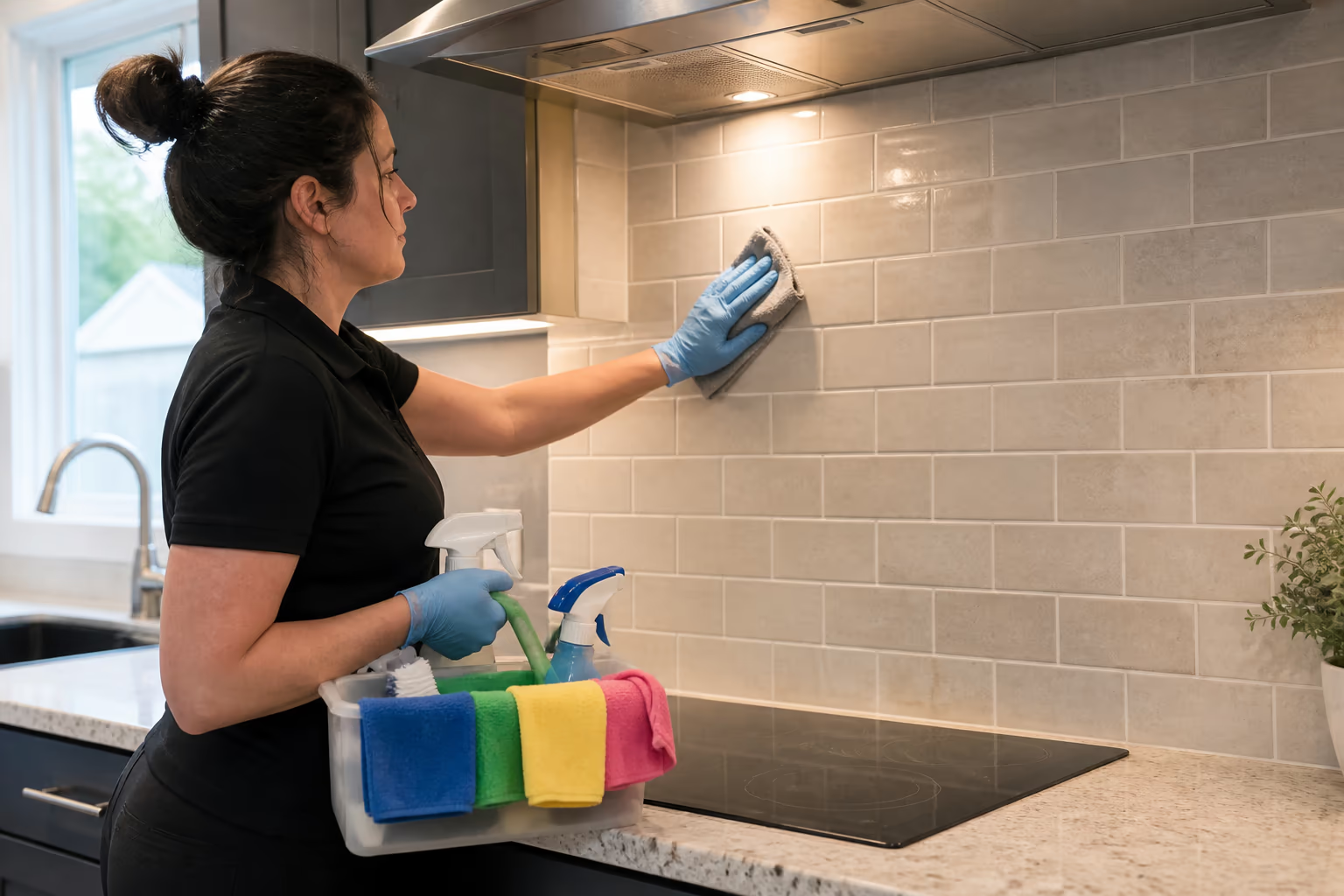
The right grout cleaner depends on the tile it touches, natural stone needs a neutral pH cleaner and never vinegar or acid, while ceramic and porcelain tolerate a wider range of products. Matching the cleaner to the stain, such as limescale, grease or mildew, and starting with the gentlest option protects both grout and tile.
In this guide
Why the Right Grout Cleaner Matters
The best grout cleaning products for different tile types share one thing: they are chosen for the specific surface, not grabbed off the shelf. Grout is porous and absorbs the dirt, spills and moisture that sit on it, so it stains more quickly than the tile around it and needs a product that can lift what has soaked in.
Knowing when a product is the wrong tool matters as much as choosing between them. Health Canada classifies mould by area: small is one to three patches each under one square metre, medium is more than three patches or patches between one and three square metres, and anything larger than three square metres is extensive and warrants professional help. A grout cleaner addresses the first case, not the last. The federal advice is short: “To prevent mould, fix any moisture problems right away and control humidity levels in your home.”
The risk with the wrong product is real. Some tiles are acid-sensitive, some are easily scratched, and some grouts are unsealed and more absorbent than others. A cleaner that is safe on ceramic in a kitchen may dull or etch natural stone in a bathroom, so matching the product to the surface is what separates a good clean from a costly mistake.
For Canadian households, the seasons add to the challenge. Winter salt and grit get tracked onto entryway tile, hard water leaves mineral film around bathroom tile, and cooking grease settles into kitchen grout. A well-chosen product handles these everyday residues without damaging the tile or the finish. Homeowners who want to compare every option before booking anything can browse our cleaning services overview for the full range Good Cleaner Co. offers across Ottawa.
Good Cleaner Co. recommends grout products based on the tile type, the sealer and the stain at hand, and our trusted home cleaners in Ottawa apply the same judgement to the rest of the house between deep grout sessions.
What You Need Before You Start
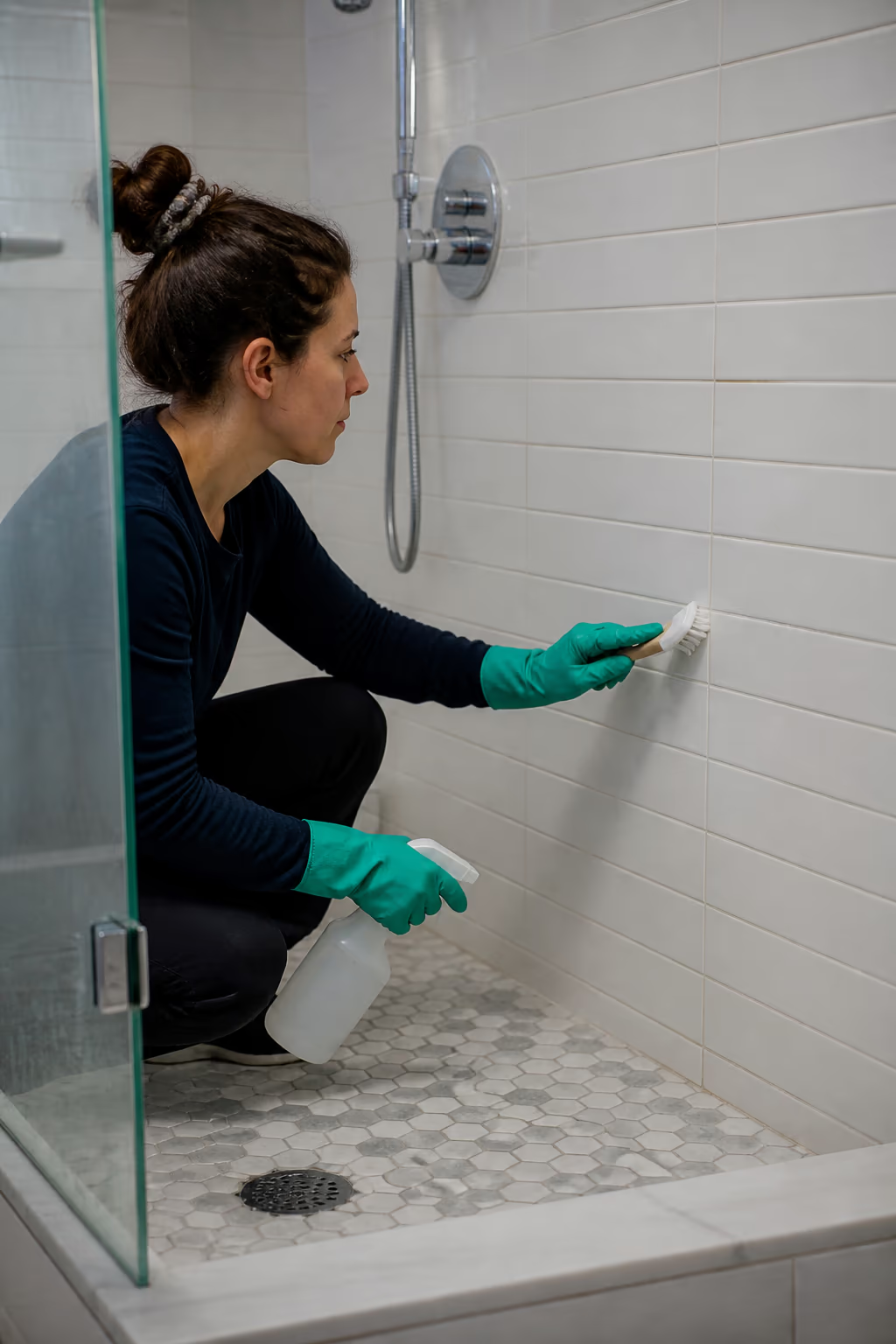
Before you pick a cleaner, gather the basics so you can treat the grout properly and protect yourself and the surfaces around it.
- 01A grout brush with stiff bristles, or an old toothbrush for small areas
- 02A soft-bristle scrub brush for the tile surface around the grout
- 03Clean microfibre cloths for wiping and drying
- 04Rubber gloves to protect your hands from product and residue
- 05A bucket of clean water for rinsing between passes
- 06A spray bottle for applying a diluted cleaner evenly
- 07Sealer and a small applicator if you plan to reseal after cleaning
Knowing whether your grout is sealed makes a big difference. Sealed grout resists stains and cleans more easily, while unsealed grout absorbs product and water, so it needs a gentler approach and a reseal once it is clean.
Choosing Products by Tile Type
Tile type is the single biggest factor in choosing a grout cleaner, because the cleaner must be safe for the tile surface as well as effective on the grout. Here is how the main types compare.
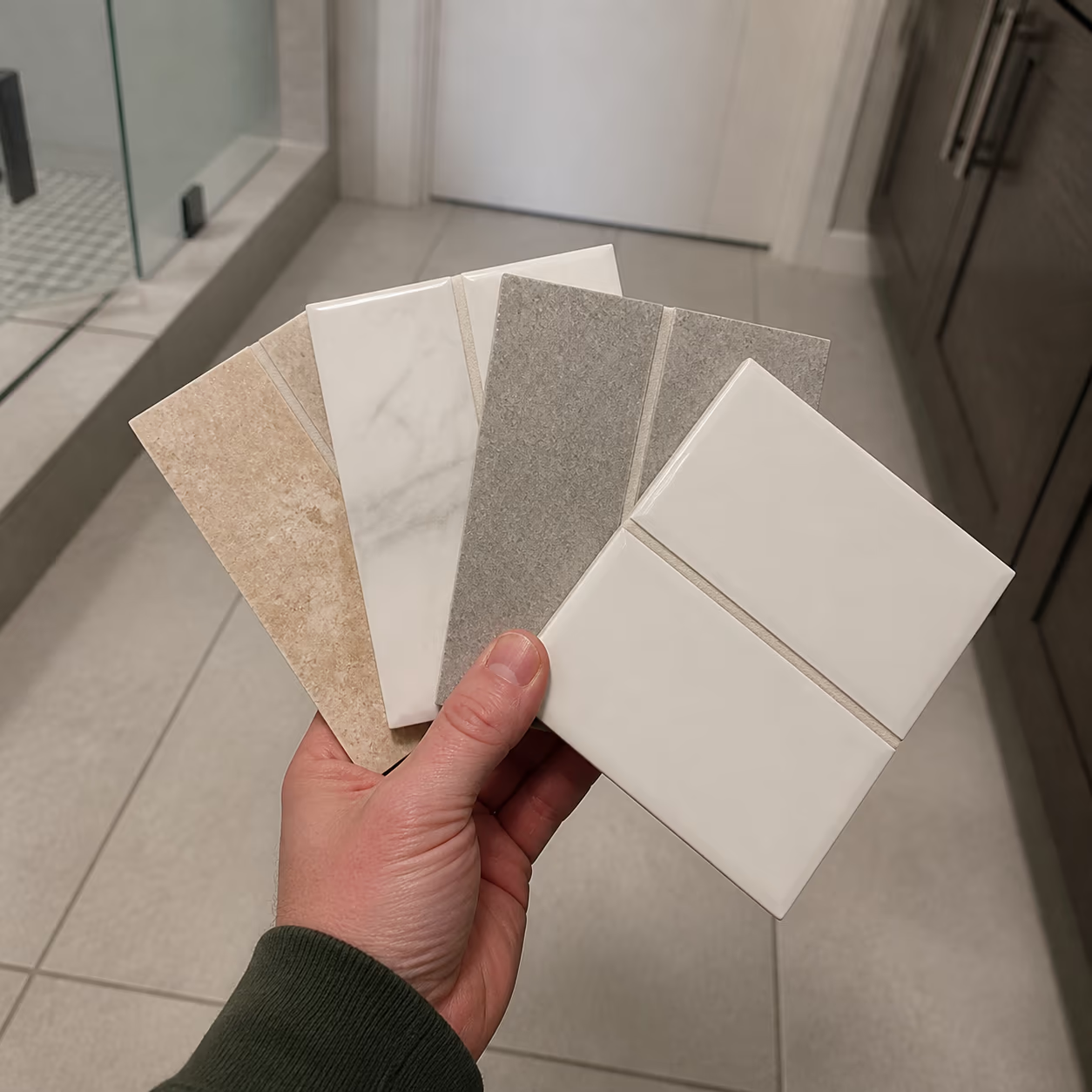
- 01Ceramic tile:the most common and the easiest to clean, and most pH-neutral and mild grout cleaners work well
- 02Porcelain tile:dense and low-porosity, and it tolerates a wider range of cleaners, though unsealed grout still needs care
- 03Natural stone such as limestone, travertine and marble:acid-sensitive, so it needs a neutral pH stone-safe cleaner, never vinegar or acid
- 04Glass and mosaic tile:often paired with small grout lines, so a gentle gel or paste is easier to control than a runny spray
- 05Quarry and unglazed tile:porous, so it absorbs product and needs a cleaner matched to unsealed surfaces
- 06Outdoor and entryway tile:exposed to salt and grit, and often best served by a product made for heavy traffic and weather
If you are unsure which tile you have, check the box, the installer's notes or ask a professional to identify it before you choose a product. Using the wrong cleaner on stone is one of the most common causes of damage.
Matching the Product to the Stain
The best grout cleaner also depends on what you are cleaning. Different stains respond to different products, and matching them saves effort and protects the surface.
- 01Soap scum and body oils in bathrooms lift with a mild grout cleaner and a scrub brush
- 02Hard-water mineral film in Ottawa bathrooms responds to a product made for limescale
- 03Cooking grease in kitchens is best broken down by a degreasing grout cleaner
- 04Mildew and mould in damp corners need a product labelled for those stains
- 05General grime and dust lift with a gentle all-purpose grout cleaner used regularly
Start with the gentlest product that will do the job, and move to a stronger one only if the stain does not lift. This keeps the tile and grout safe while still getting the result you want, and it avoids the residue that strong products can leave behind.
How to Clean Grout Effectively
A little technique makes the cleaner work far better. Grout lines are narrow and slightly recessed, so the product needs time to soften the dirt and a brush to lift it out.
- 01Vacuum or sweep the tile first so you are not grinding surface grit into the grout
- 02Apply the cleaner to the grout lines and let it dwell for the time on the label
- 03Scrub along the lines with a grout brush, using firm but controlled pressure
- 04Rinse with clean water and a fresh cloth so no cleaner is left to attract new dirt
- 05Wipe and dry the tile surface, and check the lines for any remaining stain
- 06Repeat a stubborn line rather than scrubbing harder or using more product
The dwell time is what softens set-in grime, so give the product the time the label recommends before you scrub. Rinsing is just as important, because leftover cleaner can leave a film that makes the grout look dirty again within days.
Common Mistakes and How to Avoid Them
Grout cleaning goes wrong most often through a small set of mistakes that damage the tile or make the job harder than it needs to be.
- 01Using acid or vinegar on natural stone, which etches and dulls the surface
- 02Scrubbing the tile with a stiff brush meant for grout, which can scratch the finish
- 03Rinsing too little, so cleaner residue leaves a film that attracts new dirt
- 04Using too much product, which does not work faster and leaves more residue
- 05Cleaning unsealed grout with a strong product that soaks in and stains it
- 06Forgetting to seal the grout after a deep clean, so it re-stains quickly
- 07Pressing so hard that you damage the tile edge or chip the glaze
If a stain has survived several attempts or the grout is crumbling, that is usually a sign of a bigger issue than dirt. A professional can assess whether the grout needs a deeper treatment, a repair or a reseal.
How to Clean Grout on Different Tile Surfaces
Beyond the product, the technique shifts slightly depending on where the tile is. Here is how to approach the most common settings.
- 01Bathroom tile:focus on soap scum and hard water, work in small sections and rinse well
- 02Kitchen tile:cut grease first with a degreasing product, then clean and rinse the grout
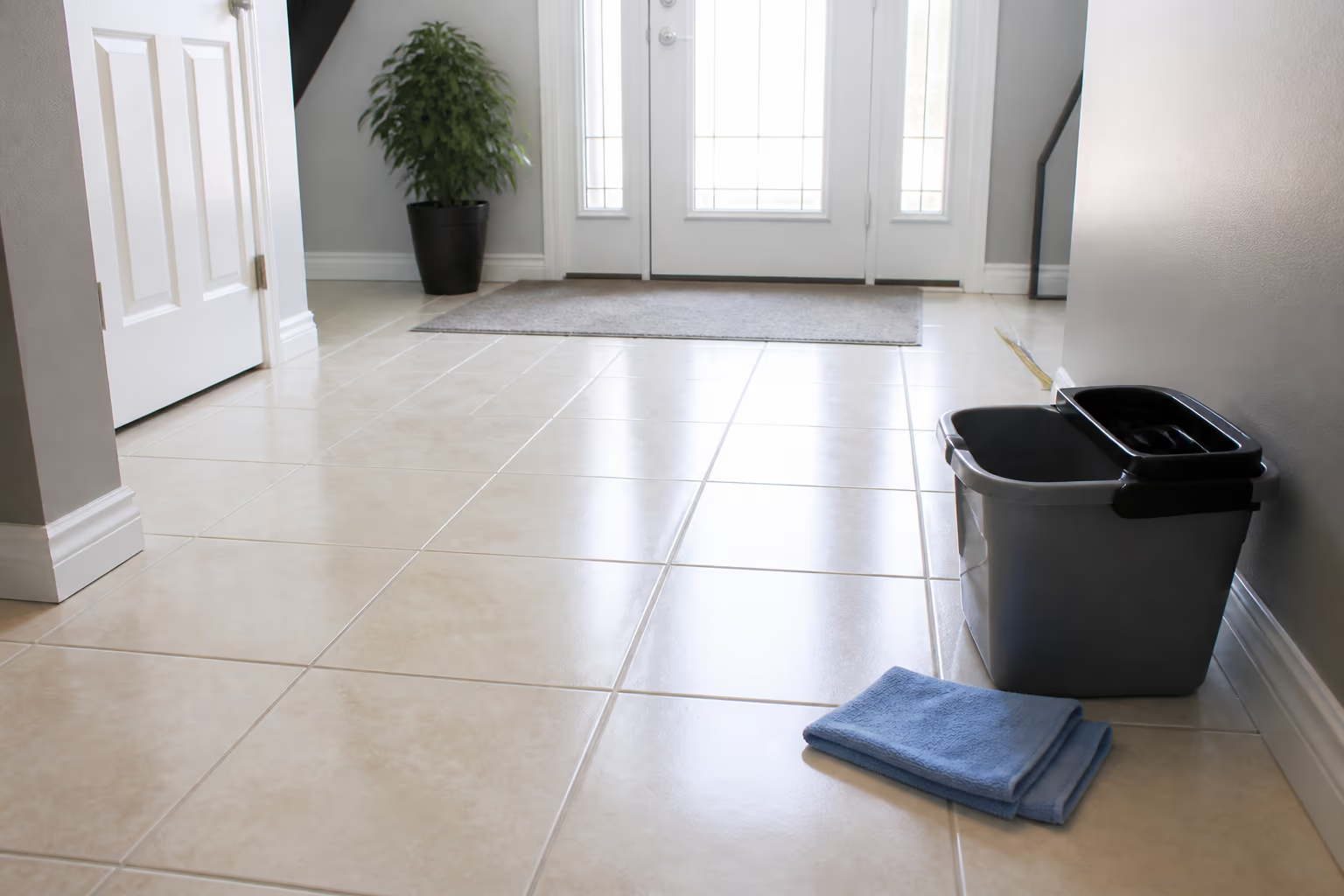
- 03Entryway tile:lift the salt and grit from the winter, then reseal to protect the grout
- 04Shower tile:watch for mildew, let the cleaner dwell and keep the area ventilated
- 05Floor tile:clean in sections so the product does not dry before you rinse it
- 06Wall tile:work from the bottom up so drips do not run over cleaned areas
The surface dictates the pace as much as the product. Small, controlled sections give the cleaner time to work and stop the product from drying or dripping onto areas you have already finished.
Sealing Grout to Keep It Clean Longer
One of the best ways to get more from your grout cleaning is to seal the grout once it is clean. A good sealer makes the grout less absorbent and far easier to clean in future.
- 01Choose a sealer made for your grout type and the surface it is on
- 02Make sure the grout is clean and completely dry before you apply the sealer
- 03Apply the sealer in thin, even coats and follow the drying time on the label
- 04Reapply the sealer on the schedule the product recommends for your traffic
- 05Test a small hidden area first so you can see how the grout accepts the sealer
Sealed grout still needs regular cleaning, but it resists the stains that unsealed grout picks up quickly. For bathrooms, kitchens and entryways, resealing once the grout is clean is the step that makes the next clean far easier.
Costs, Timing and When to Call a Professional
Grout cleaning is not an expensive task when you catch it early, and the products you need cost little spread across the year. The cost rises when grout has been neglected, because set-in stains and damaged grout take more time and more specialised products to address. If you are still weighing your options, our best cleaning services roundup breaks down what separates strong local providers from the rest.
How often grout needs a deep clean depends on the room and the traffic. A kitchen or entryway with heavy use may want grout cleaned more often, while a low-traffic bathroom can go longer. A good rule is to clean grout when it starts to look dull or stained, and to seal it after a deep clean so it stays that way.
A professional team is the right call when grout is heavily stained, when you are unsure of your tile type, or when you want the whole floor or wall done consistently.
When you receive a quote, be clear about the scope so the price is meaningful. Ask the provider to look at the tile and grout, note the stains and confirm what is covered, because a quote based on a quick look and a quote based on a careful assessment can differ even for the same room. A provider that takes the time to understand your tile and grout before quoting is more likely to give you a plan you can rely on.
Good Cleaner Co. combines local experience, background-checked staff and certified products to keep Ottawa and area tile and grout clean and healthy. If you are comparing providers, our guide to comparing commercial cleaners is a useful starting point for the questions that matter, whether you are looking after a home or a larger property.
Formatted Step-by-Step Grout Cleaning Checklist
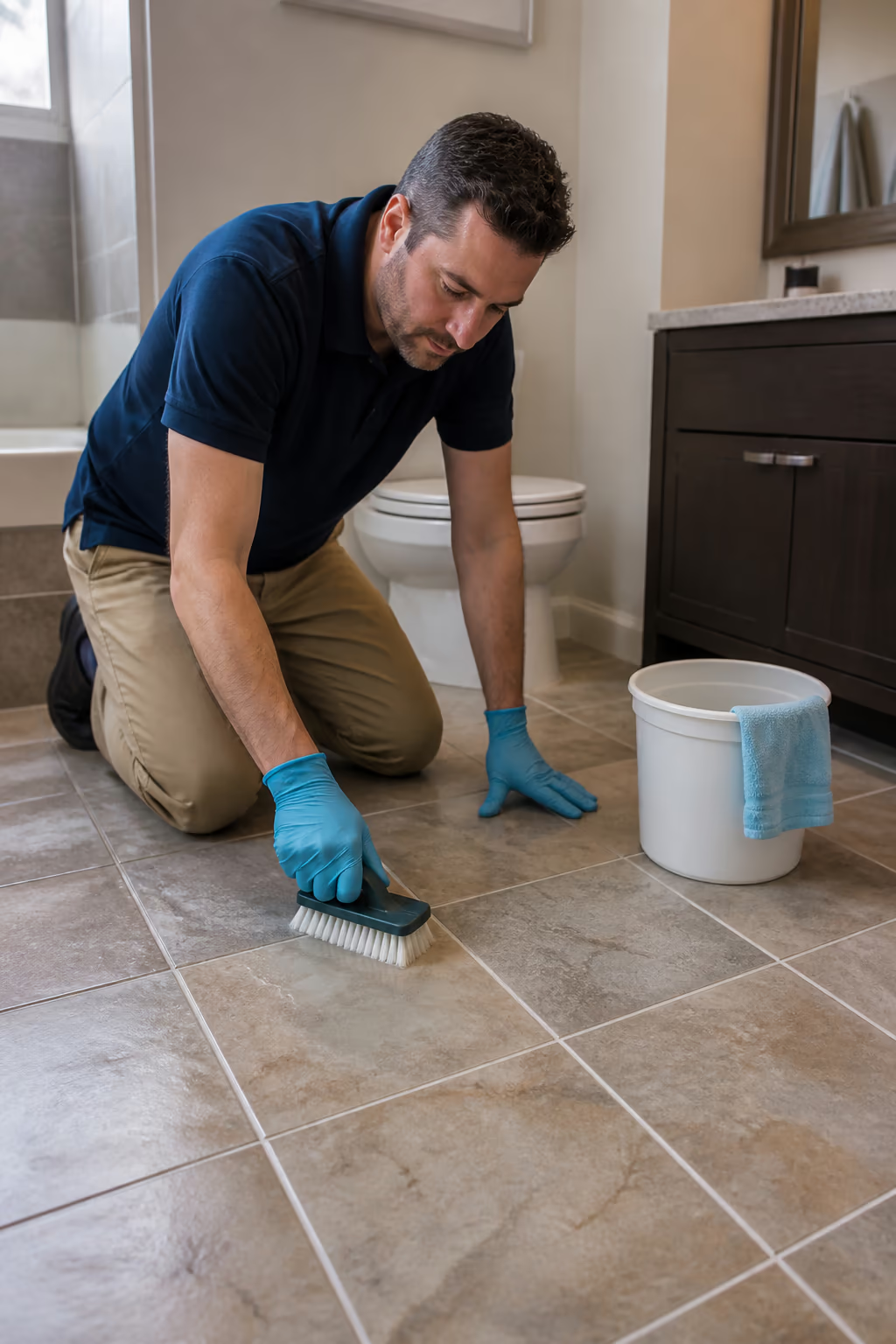
Here is the routine condensed into five quick steps, plus a sixth that keeps the whole job on track for busy households.
- Step 1.Sweep or vacuum the tile, then apply your grout cleaner to the lines.
- Step 2.Let the cleaner dwell for the time on the label so it can soften the grime.
- Step 3.Scrub along the grout lines with a stiff brush, working in small sections.
- Step 4.Rinse with clean water and a fresh cloth so no residue is left behind.
- Step 5.Dry the tile and seal the grout so it resists stains for longer.
FAQ
How often should a professional clean this kind of space?
It depends on use, foot traffic and seasonal conditions. Kitchen and entryway grout may need more frequent attention, while low-traffic bathrooms can go longer. A professional team can assess your tile and recommend a practical schedule.
Are the cleaning products safe for people and pets?
Reputable companies use certified, low-fume products and train staff to apply them correctly, so treated areas are safe to use after cleaning. Let the surfaces dry and keep the room ventilated, and pets should be kept away until the area is dry.
How do I get an accurate quote for this service?
Request an assessment of the space, the tasks you need and the frequency, then compare itemised quotes rather than bare prices. Ask what the scope covers, including grout lines, tile surface and any resealing. For a wider comparison of local providers, our guide to top cleaning services in Ottawa from Good Cleaner walks through what to look for beyond price.
Can I use vinegar to clean grout?
Diluted vinegar can work on sealed ceramic grout, but it should not be used on natural stone or unsealed grout, where the acid can etch or stain the surface. When in doubt, use a grout cleaner matched to your tile type instead.
How do I remove hard-water stains from bathroom grout?
Use a product made for limescale and mineral deposits, let it dwell as the label directs, then scrub and rinse thoroughly. In Ottawa's harder water, regular cleaning keeps the film from building up again.
Why does my grout look dirty again so quickly after cleaning?
Leftover cleaner residue is the most common reason, followed by unsealed grout absorbing new dirt. Rinse thoroughly after cleaning and seal the grout once it is dry to keep the result lasting longer.
Is it better to use a gel or a spray on grout?
A gel or paste stays where you put it, which makes it easier to control on vertical surfaces and narrow lines. A spray is convenient for large floor areas but runs more easily, so it suits a gentler, regular clean.
Should I seal grout after cleaning it?
Yes, if it has not been sealed or the seal has worn off. Sealing makes the grout less absorbent and far easier to clean, and it is the step that keeps the result from fading within a few weeks.
What should I do if my grout is cracked or crumbling?
Cracked or crumbling grout is more than a cleaning issue. It may let moisture into the substrate and lead to bigger problems, so ask a professional to assess it before you try to clean or repair it yourself.
Wrapping Up
Discovering the best grout cleaning products for different tile types comes down to matching the cleaner to the surface, giving it time to work and rinsing thoroughly. Choose products that are safe for your tile, handle the common stains, and seal the grout once it is clean so it stays that way. When you would rather leave the whole job to a trained team, Good Cleaner Co. is here to help. Contact Good Cleaner Co. for a free quote and a cleaning plan tailored to your home or business.
Keep reading
More from Good Cleaner
Services that fit
- Residential Home Cleaning Services in OttawaRecurring home cleaning services in Ottawa for one-time, weekly, biweekly and monthly care, built around your schedule and your standards.
- Janitorial Services in OttawaRecurring janitorial services in Ottawa for offices, warehouses, retail, dealerships and schools. Eco-friendly commercial cleaning, customized plans.
About the author
Service areas
- Ottawa
- Kanata
- Nepean
- Orléans
- Barrhaven