
How To Remove Water Stains (Water Rings) From Wood Furniture
Water rings on a wooden table are one of the most frustrating things that can happen to furniture. A single glass left without a coaster, a vase that sweated, or a hot mug set down without a trivet can leave a white, cloudy circle in the finish that seems to stare back at you. The good news is that most water rings and water stains can be removed at home, because the mark is usually in the finish rather than in the wood itself. The trick is to match the right method to the type of stain and the type of finish. This guide explains why water marks form, how to remove them safely from different finishes, and when a professional team from Good Cleaner Co. is the right choice for valuable or antique furniture.
Quick Summary
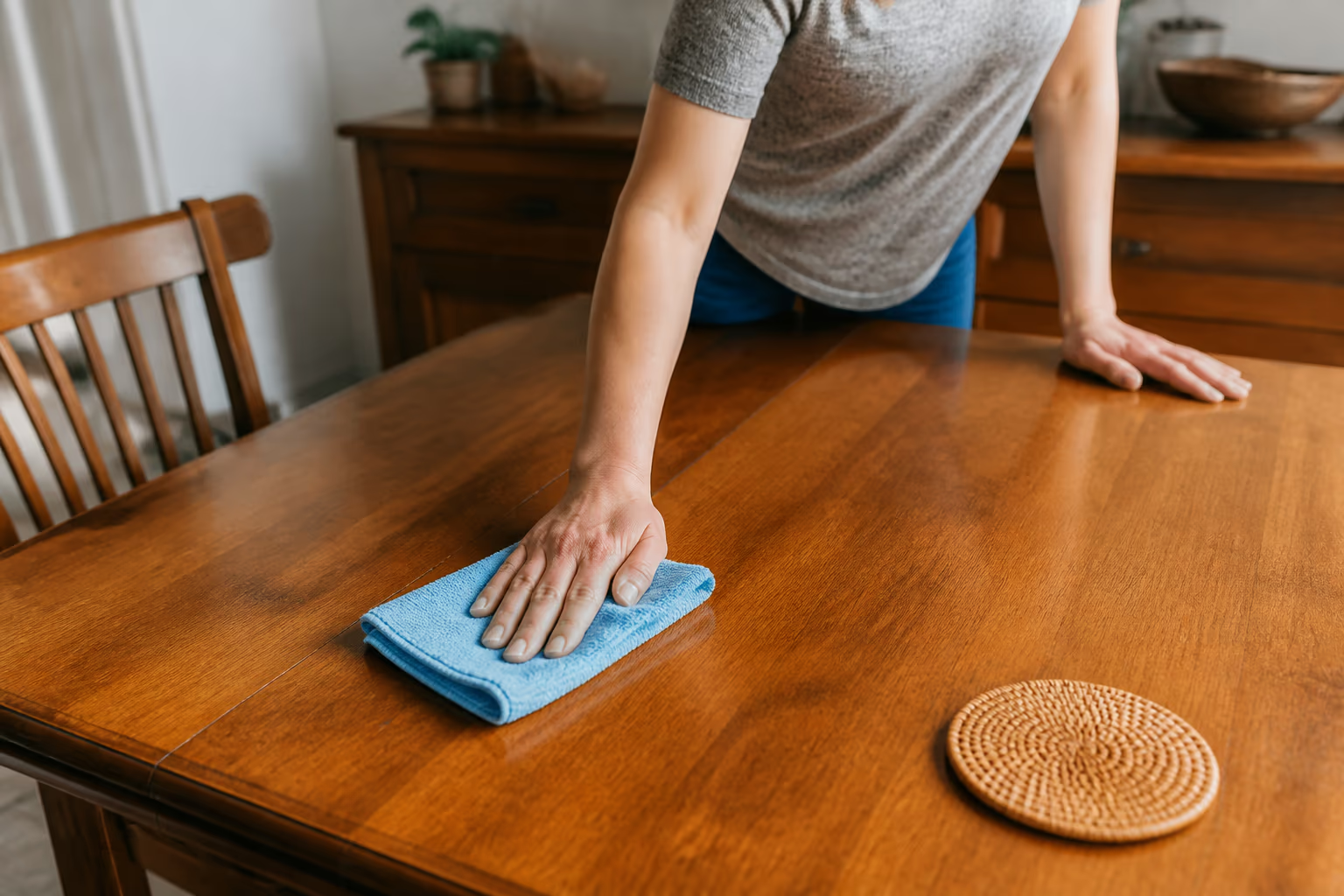
White water rings are usually trapped moisture in the wood finish and can often be removed at home with gentle methods matched to the type of stain and finish, while darker stains that reach the wood, or valuable/antique pieces, call for a professional.
In this guide
Why Water Leaves a Mark on Wood
Water does not soak into finished wood the way it soaks into bare wood, but it still leaves a mark. Most water rings are trapped moisture and residue sitting on top of or just inside the finish. The white, cloudy appearance happens when water seeps into the tiny gaps in the coating or reacts with the surface, which is why a ring often disappears if it is caught early.
A water mark is a record of moisture that sat somewhere too long. Health Canada's mould guidance advises checking anywhere damp, especially where water damage has happened, and looking for stains or discolouration on floors, walls and window panes. Health Canada names the cause directly: “Excessive moisture is one of the most common causes of poor indoor air in homes, classrooms and public spaces, because moisture promotes the growth of mould and dust mites.”
Finished wood is protected by a clear coating such as varnish, lacquer, shellac or polyurethane, and the coating is what a water ring actually touches. When the finish is intact and dry, a ring that is treated within a few hours usually disappears with a simple polish. When moisture sits longer, or when the wood is old, porous or unsealed, the water can reach the wood itself and cause a darker stain that is much harder to remove.
Several things make water marks worse: heat, humidity and time. A hot mug creates steam that lifts the finish, a damp glass leaves moisture that sits for hours, and a ring that is left for weeks becomes progressively harder to treat. Ottawa winters, when dry indoor air and sweaty cold glasses are both common, are a busy season for water marks.
Identifying the Type of Stain
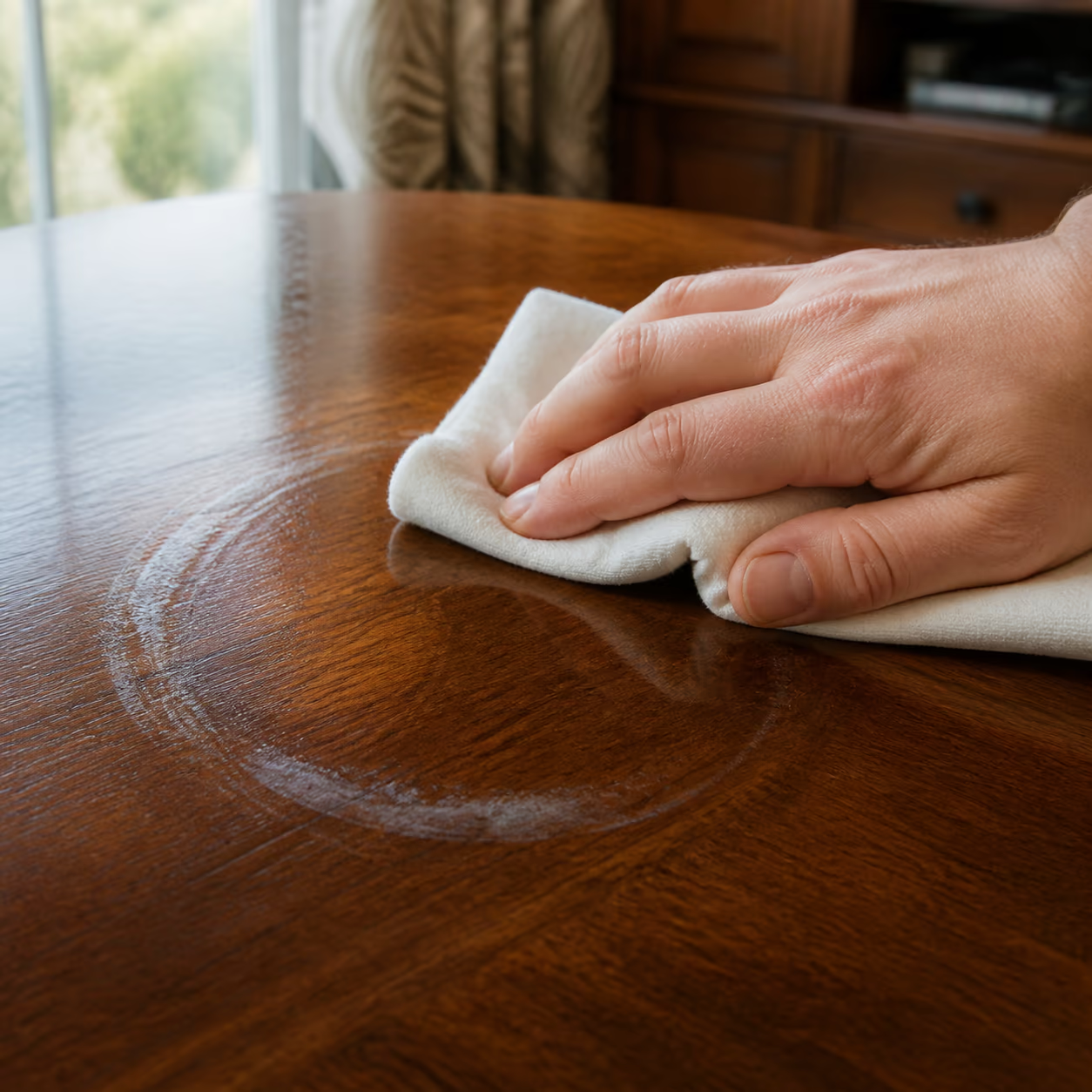
Before you reach for any product, look closely at the mark and test it. The right method depends on whether the stain is in the finish or in the wood, and whether the finish is sealed, waxed or antique.
- A white ring that sits on the surface is usually moisture trapped in the finish, and it often responds to simple methods.
- A dark or greyish stain usually means water has reached the wood itself, and it needs a more serious treatment.
- A cloudy area on a sealed table is different from a white haze on a waxed antique, so know what you are working with.
- Test any product on an inconspicuous area first, and stop if the finish softens or lifts.
- Do not treat a valuable or antique piece with a product you would not risk on a family heirloom.
- When in doubt, photograph the mark and ask a professional before you begin.
The most important test is simple: place a single drop of water on an inconspicuous spot and watch it. If it beads up, the finish is intact. If it soaks in and darkens the wood, the finish is compromised and the piece needs careful treatment or professional help. For hard water deposits on tile, glass or fixtures rather than wood, our remove hard water stains guide walks through that separate process.
What You Need Before You Start
Gather your supplies before you begin, and work on a stable surface with good light. Most of these items are already around the house.
- A soft, dry microfibre cloth.
- A hair dryer for gentle, low heat.
- A mild furniture polish or a fine rubbing compound.
- Plain white toothpaste, the non-gel kind, for gentle polishing.
- Baking soda for a mild paste.
- A clean, soft cotton cloth or an old t-shirt.
- A small bowl and a spoon for mixing a paste.
- Wax or a touch-up finish for the final protective step.
Whatever method you choose, work gently and stop as soon as the mark lifts. The finish is a thin layer, and aggressive rubbing or strong solvents can dull or strip it. Test every product on a hidden area first, and on a valuable piece, err on the side of caution by calling a professional before you start.
Removing Fresh Water Rings
For a ring that is hours old, the simplest methods usually work, and they carry almost no risk.
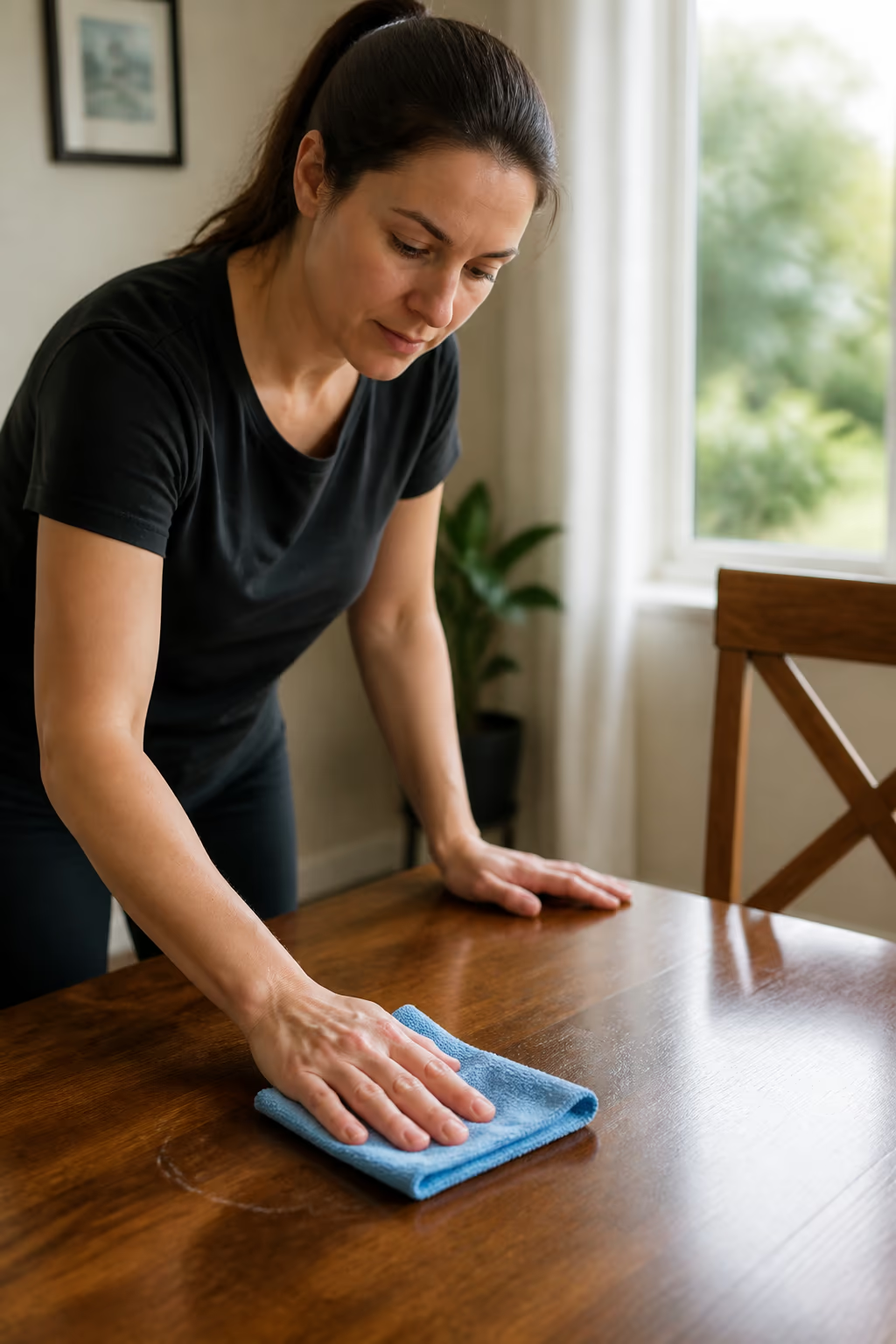
Start with a clean, dry microfibre cloth and buff the ring with light, circular pressure. If the moisture is only sitting on the surface, it may disappear almost immediately. If the ring is a little deeper, apply a small amount of plain white toothpaste to a soft cloth and rub gently, then wipe it off and buff the area. Toothpaste acts as a very fine abrasive that lifts the residue without damaging most finishes.
If the ring is still there, use gentle heat. Set a hair dryer on low and warm the spot from a few inches away while you keep the cloth moving, then buff again. The idea is to drive the trapped moisture out of the finish, so keep the heat low and the cloth moving, and never concentrate heat in one spot. After the mark is gone, apply a thin coat of furniture polish to restore the shine.
Finish with a clean polish. Once the ring is gone, restore the surface with a small amount of furniture polish applied with a soft cloth, then buff in the direction of the grain. A well-polished finish is less likely to trap the next spill, and it gives the table a uniform sheen that hides any faint difference in the treated area.
Removing Stubborn White Rings
Some white rings have been there for weeks and resist the simple methods. A slightly stronger approach uses a mild abrasive and patience.
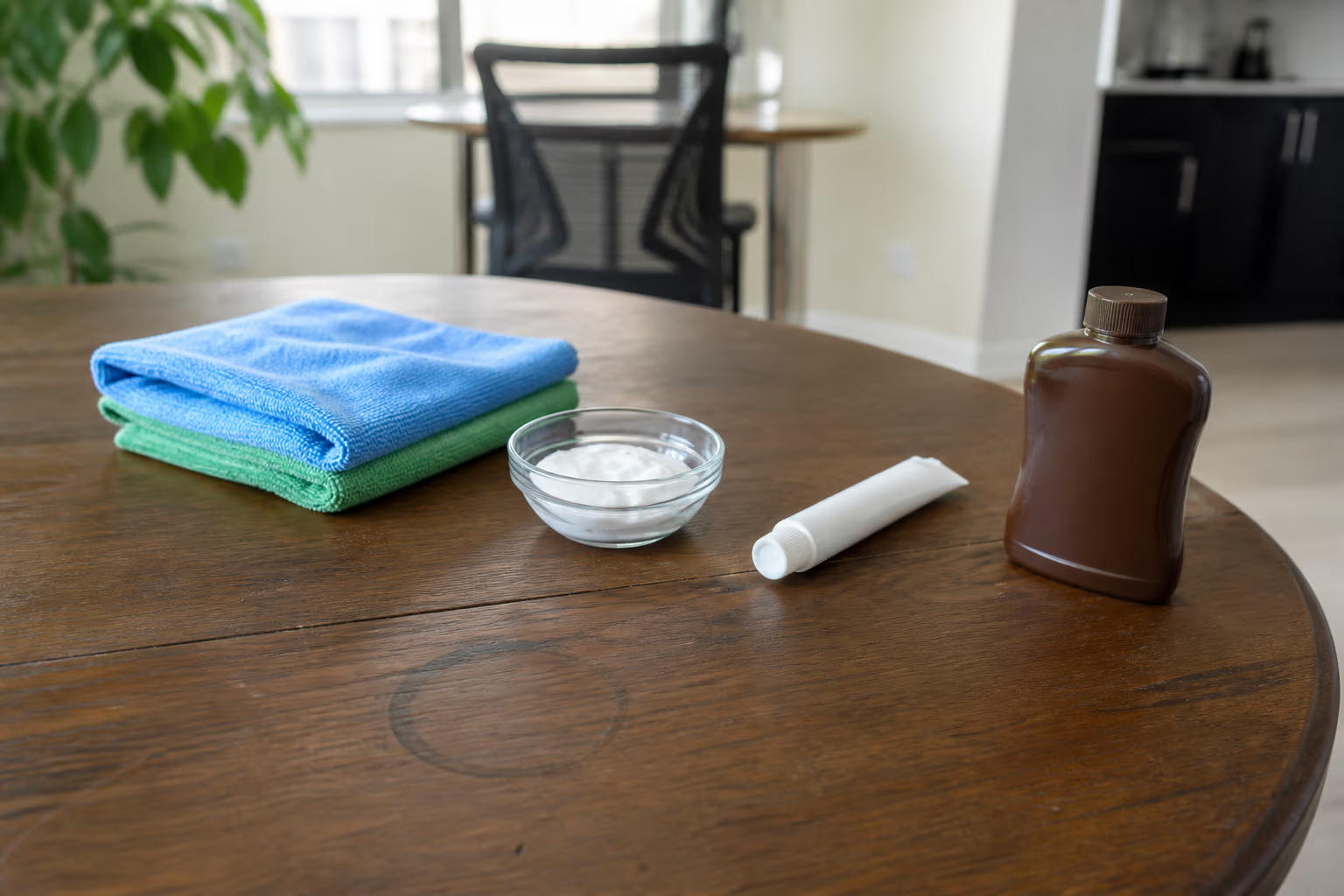
Make a paste of baking soda and a little water, or use a fine rubbing compound made for wood. Apply a small amount to a soft cloth and rub the ring with steady, light pressure, checking often to see if the mark is lifting. Reapply as needed, then wipe the area clean and buff it to blend the finish.
If the ring is on a waxed or antique surface, stop before you use an abrasive. Waxes and older finishes can be damaged by rubbing compounds, and the safest option is a fresh coat of wax or a professional touch. On a sealed modern table, though, a careful abrasive polish is a reasonable next step.
Some white marks are actually damage to the finish itself, a raised or cloudy blister rather than trapped moisture. Those do not respond to polish, and treating them yourself can make them worse. That is the moment to call a professional, because a light refinishing or a careful repair may be the only lasting fix.
Dealing with Dark Water Stains
A dark or greyish stain means water has reached the wood itself, not just the finish. This is a different problem, and it is not something a polish will fix.
You can try a few gentle things first. Dry the area thoroughly and leave the piece in a warm, dry room for a day or two, because some moisture-driven darkening fades on its own. In mild cases, a light rub with a fine steel wool dipped in mineral oil can lift the stain, but test it on a hidden area and use a very light hand, because steel wool scratches.
For serious dark stains, the honest answer is that most home remedies will not restore the piece completely. The wood may need to be sanded and refinished, or the affected area may need a professional repair. On a valued piece, this is where expert help earns its cost, because the wrong product can turn a small stain into a large blemish.
Protecting Your Furniture Going Forward
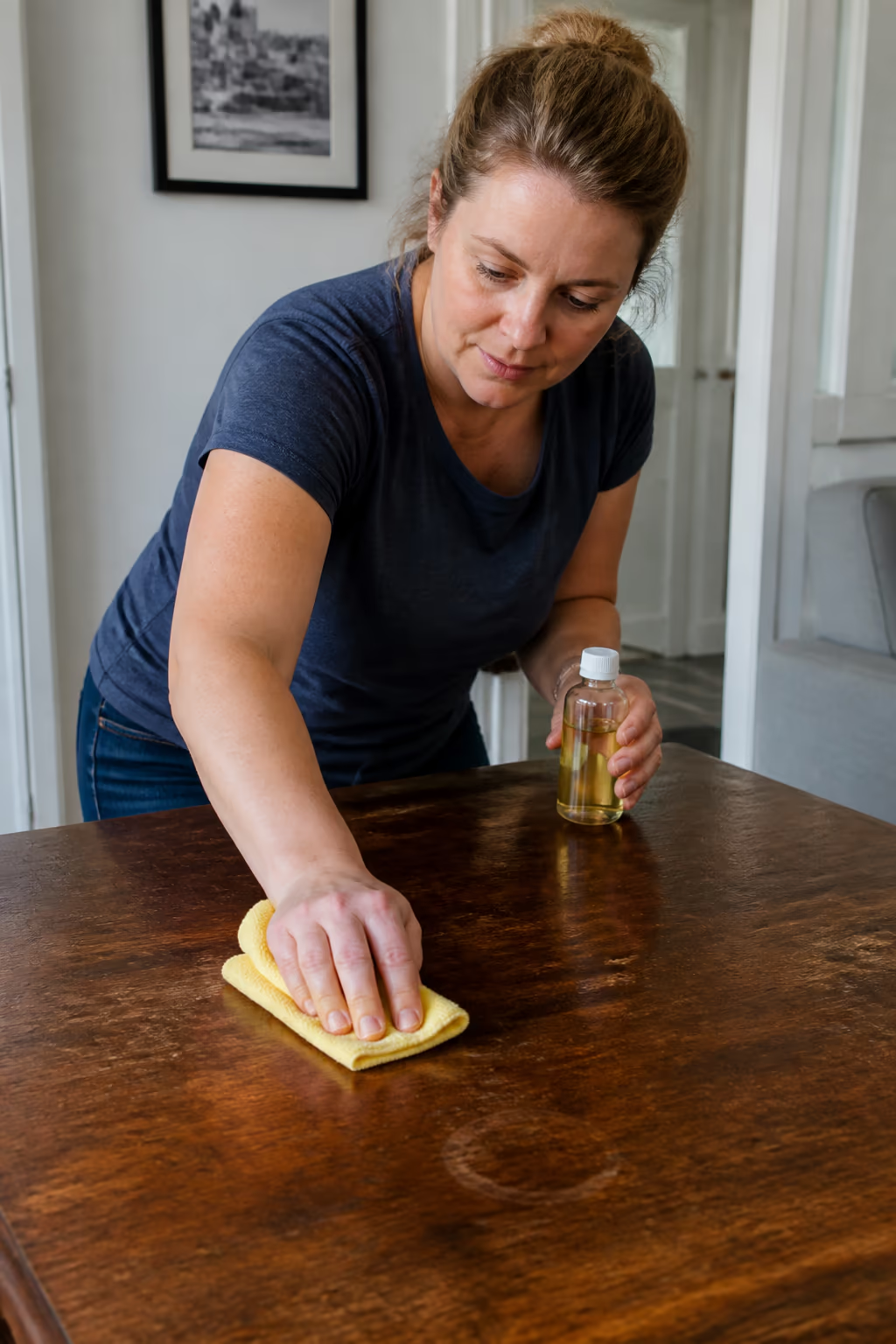
Once your furniture is clean, a few habits keep the water rings away.
- Use coasters under cold glasses and trivets under hot mugs, every time.
- Wipe up spills immediately, because the first few minutes decide how deep the mark goes.
- Keep plants, vases and sweaty drinks off bare wood, or place them on a mat.
- Dust and polish furniture on a schedule so the finish stays sealed and even.
- Re-apply wax or a protective coating to sealed wood as the manufacturer recommends.
- Keep furniture away from direct heat, vents and very humid windows.
- Address a new ring the day it appears, while it is still just trapped moisture.
Most water rings are preventable. The habit of reaching for a coaster is far cheaper than any repair, and a few seconds of prevention protect a table for decades. Many households pair this furniture routine with a broader home care schedule, including the same carpet cleaning service Ottawa residents already book on a regular rotation.
Common Mistakes and How to Avoid Them
People often make the same mistakes when they try to remove water marks, and those mistakes are how a small ring becomes a permanent scar.
- Scrubbing hard with an abrasive, which removes the finish along with the stain.
- Using heat on a delicate or antique finish, which can blister the coating.
- Applying strong solvents or furniture strippers to a ring, which ruin the surrounding finish.
- Treating a dark stain as if it were a white ring, wasting time and risking the wood.
- Leaving a ring untreated for weeks, which lets moisture reach the wood.
- Waxing or polishing over a dirty spot, which seals the mark in.
- Working without testing on a hidden area first.
Slow, gentle and informed is the whole approach. Match the method to the stain, test before you commit, and stop if the finish begins to lift or dull. The same principle applies to removing coffee stains from rugs and carpets, where testing a hidden area first also protects the material.
When to Call a Professional
Not every water mark needs a professional, but some absolutely do. If the stain is dark and reaches the wood, if the finish is blistered or damaged, if the piece is antique, valuable or a family heirloom, or if your own attempts have left the mark unchanged, expert help is the right next step.
A professional can assess the finish, choose a method that removes the mark without damaging the wood, and refinish the piece so the repair is invisible. For antiques and heirlooms, that skill protects a piece that cannot be replaced. For a table that will be seen every day, a professional repair is often the difference between a faint reminder of the accident and no sign of it at all.
Good Cleaner Co. combines local experience, background-checked staff and carefully selected products to keep Ottawa homes and their furniture in good condition. Our residential home cleaning services in Ottawa can include furniture care and careful dusting as part of a regular schedule or a one-time deep clean.
If you are weighing whether to manage a cleaning project yourself or hire it out, our guide to choosing a commercial cleaning company is a useful starting point for the questions that matter, and the same standards of transparency, training and equipment apply to furniture and home care.
Formatted Step-by-Step Water Ring Removal Checklist
Work through this checklist for a thorough result, and keep the prevention steps handy for the next guest with a cold drink.
- 1.Identify the stain:test whether the ring is moisture in the finish or a dark mark in the wood before you choose a method.
- 2.Buff a fresh white ring with a clean dry cloth, then try a small amount of white toothpaste if it persists.
- 3.Use low heat from a hair dryer to drive trapped moisture out, keeping the cloth moving and never concentrating the heat.
- 4.For stubborn white marks, use a fine baking soda paste or rubbing compound with light pressure, then wipe, buff and polish.
- 5.Protect the result with a thin coat of wax or polish, and use coasters and trivets so the ring does not return.
- 6.For dark stains, blistered finishes or valuable antiques, reviewing our trusted home cleaning crews in Ottawa provides a trained team for a careful, professional repair.
FAQ
Can a water ring on wood be removed completely?
Often, yes, especially if it is treated early and the moisture is only in the finish. Fresh white rings respond to buffing, polish and gentle heat. Dark stains that reach the wood may need professional refinishing.
Does toothpaste really remove water rings?
Plain white toothpaste works as a very fine abrasive and can lift a light water ring. Apply a small amount to a soft cloth, rub gently, wipe it off and buff. Avoid gel toothpaste and test on a hidden area first.
How do I remove a water stain from an unsealed or antique table?
Very carefully. Avoid abrasives and solvents, and test everything on a hidden area. For an antique or valuable piece, a professional is the safer choice, because the wrong product can damage the finish permanently.
Can heat remove water rings from wood?
Gentle heat can drive trapped moisture out of the finish and help lift a white ring. Use a hair dryer on low, keep it moving, and never concentrate heat in one place, because too much heat blisters the finish.
What causes dark water stains on wood?
Dark stains mean water has reached the wood itself, usually because the finish was damaged, worn or unsealed. They are harder to remove than white rings and may require refinishing.
How can I prevent water rings on my table?
Use coasters and trivets consistently, wipe up spills right away, keep plants and sweaty glasses off bare wood, and re-apply wax or a protective finish as recommended.
Is mayonnaise or petroleum jelly good for water rings?
Some people use oil-based home remedies, but their results are inconsistent and they can leave a greasy residue on the finish. A mild polish or a careful abrasive is usually more reliable.
When should I call a professional about a water stain?
When the stain is dark, the finish is blistered, the piece is antique or valuable, or your own attempts have not worked. A professional can repair the finish so the mark disappears.
Wrapping Up
Water rings on wood are common, and most of them can be removed. Catch the mark early, identify whether it is in the finish or the wood, and work gently from the mildest method up: buff, polish, gentle heat, then a fine abrasive. Protect the result with wax and better habits, and call a professional for dark stains, damaged finishes or valuable pieces. With the right care, your wooden furniture can stay as beautiful as the day you brought it home.
Keep reading
More from Good Cleaner
Services that fit
- House Cleaning Services in OttawaHouse cleaning services in Ottawa for one-time, weekly, biweekly, and monthly home care, with customizable cleaning and eco-friendly options.
- Janitorial Services in OttawaRecurring janitorial services in Ottawa for offices, warehouses, retail, dealerships and schools. Eco-friendly commercial cleaning, customized plans, free quote.
About the author
Service areas
- Ottawa
- Kanata
- Nepean
- Orleans
- Barrhaven