
6 Simple Ways To Remove Hard Water Stains From Any Surface
Hard water stains are the white, chalky marks and rings left behind when water with dissolved minerals evaporates and leaves those minerals on the surface. They show up on glass shower doors, around faucets, inside toilets and on ceramic tiles, and in a city like Ottawa they are a familiar nuisance. The good news is that most hard water stains are easier to remove than they look, and you can tackle nearly all of them with household ingredients, a few tools and a little patience. This guide explains what causes the stains, six simple ways to remove them from different surfaces, and when a professional team from Good Cleaner Co. is the better choice.
Quick Summary
Hard water stains are chalky mineral deposits left on glass, faucets, toilets and tile when water evaporates, and they are usually easier to remove than they look. This guide covers what causes the stains, six simple household methods to remove them, and how to prevent them from returning.
In this guide
What Causes Hard Water Stains
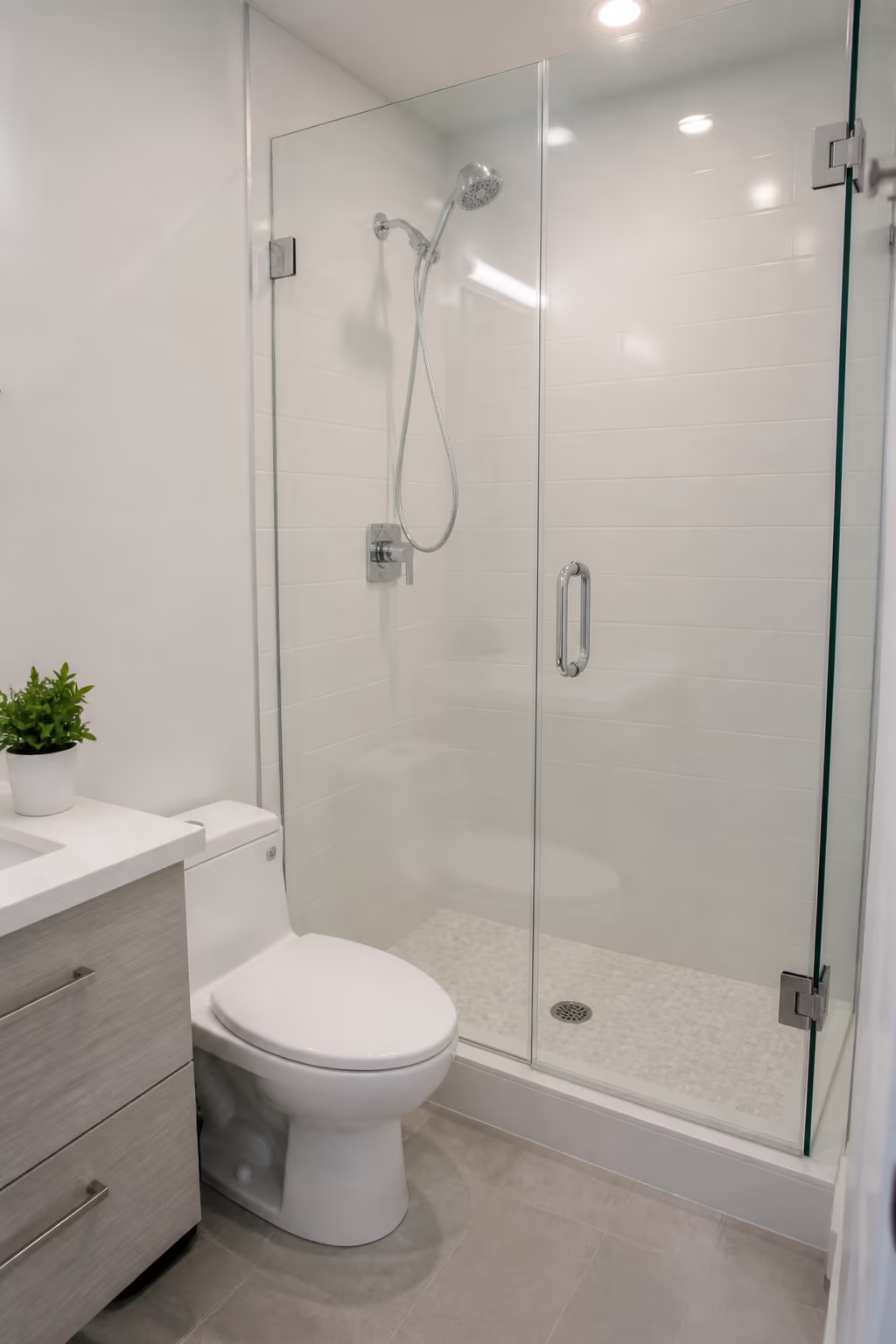
Learn how to remove hard water stains from glass shower doors, toilets, faucets, and tiles.
Hard water contains dissolved calcium and magnesium. When water dries on a surface, these minerals are left behind as a dull, white deposit. The longer the water sits, the more the minerals bond to the surface, which is why a stain that is wiped up quickly after it appears is easy to remove while one that has built up for months can be stubborn.
In Ontario, municipal water hardness varies from region to region, and Ottawa's supply is moderately hard by Canadian standards. That means most homes here see some scale on fixtures and glass over time. A water softener or a regular descaling routine reduces the build-up, but even without one, the stains are manageable with the right method.
Where Hard Water Stains Appear First
Hard water leaves its mark in the places where water dries frequently and slowly.
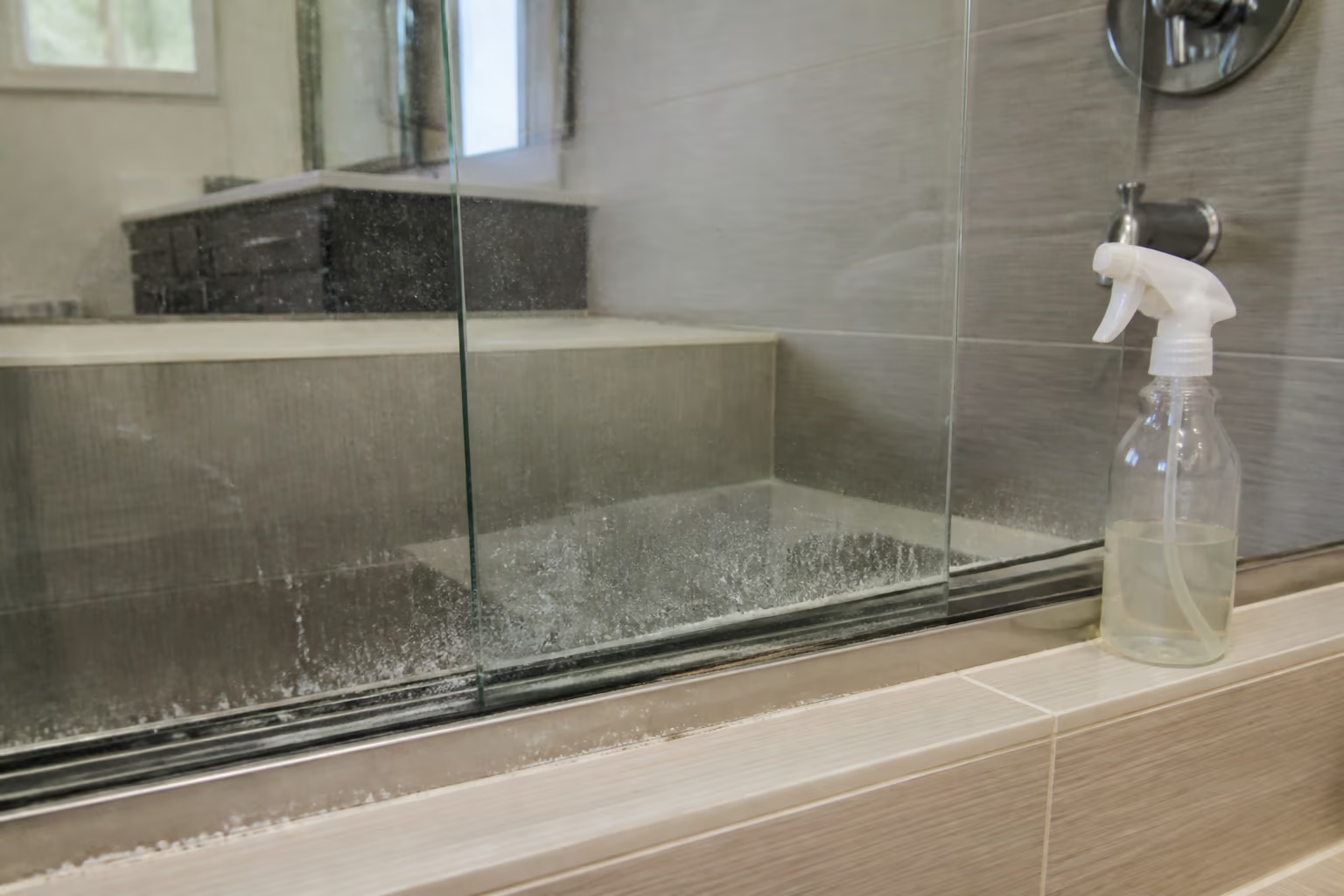
- 01Glass shower doors and enclosures, where the most visible films build up.
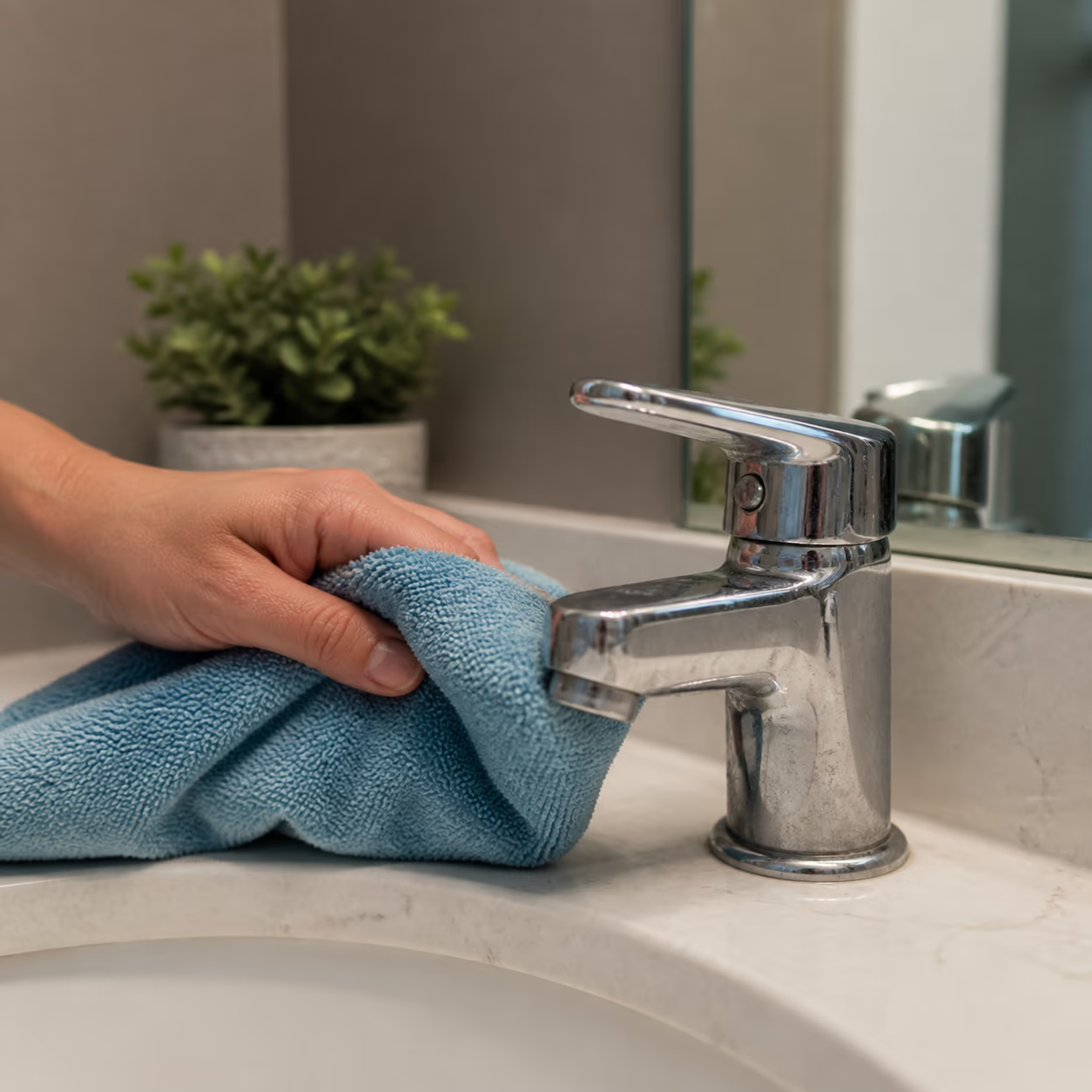
- 02Chrome faucets and taps, which show spots and rings around the base.
- 03The inside of the toilet bowl, especially below the water line.
- 04Ceramic and porcelain tiles, grout and the corners of the shower.
- 05Kettles and coffee makers, where repeated boiling concentrates the minerals.
- 06Sinks and basins, where water sits and evaporates in drops.
- 07Dishwashers and washing machines, where scale reduces performance over time.
Catching the stains early is the easiest way to deal with them. A quick wipe after a shower or a weekly descaling pass keeps deposits from ever becoming stubborn.
What You Need Before You Start
Most hard water stain removers are already in your kitchen. Gather a few basics and you can handle almost any surface.
- 01White vinegar, the plain household kind, which dissolves mineral deposits.
- 02Lemon juice, a natural acid with the same effect.
- 03Baking soda, for a mild abrasive paste.
- 04Liquid dish soap, to add lifting power to vinegar.
- 05A spray bottle for mixing and applying solutions.
- 06Microfibre cloths, which grab scale without scratching.
- 07A soft sponge or nylon scrubber for tougher spots.
- 08An old toothbrush for grout, edges and narrow fixtures.
- 09A pumice stone, kept wet, for the inside of a toilet bowl.
- 10Rubber gloves and good ventilation for working with stronger removers.
Read any product label before you begin, and test an inconspicuous spot first. Different surfaces, natural stone, unsealed grout and metal, all respond differently to acid, so a quick test protects you from damage.
Six Simple Ways to Remove Hard Water Stains
These six methods cover the range of surfaces in a typical home. Start with the mildest option that fits the job, and work up to the stronger ones only if you need to.
- 1.White vinegar spray for glass, chrome and tiles.
- 2.Lemon juice for a quick natural lift.
- 3.Vinegar and dish soap blend for tough films and soap scum.
- 4.Baking soda paste for scrubbing stubborn deposits.
- 5.Commercial lime scale remover for heavy build-up.
- 6.A wet pumice stone for toilet bowls and porcelain.
Match the method to the surface, test first, and always rinse thoroughly when you finish. The right method removes the stain without damaging the finish underneath.
Way 1: White Vinegar Spray
White vinegar is the workhorse of hard water removal because the mild acid dissolves the calcium and magnesium in the deposits. It is cheap, widely available and safe on most surfaces when used correctly.
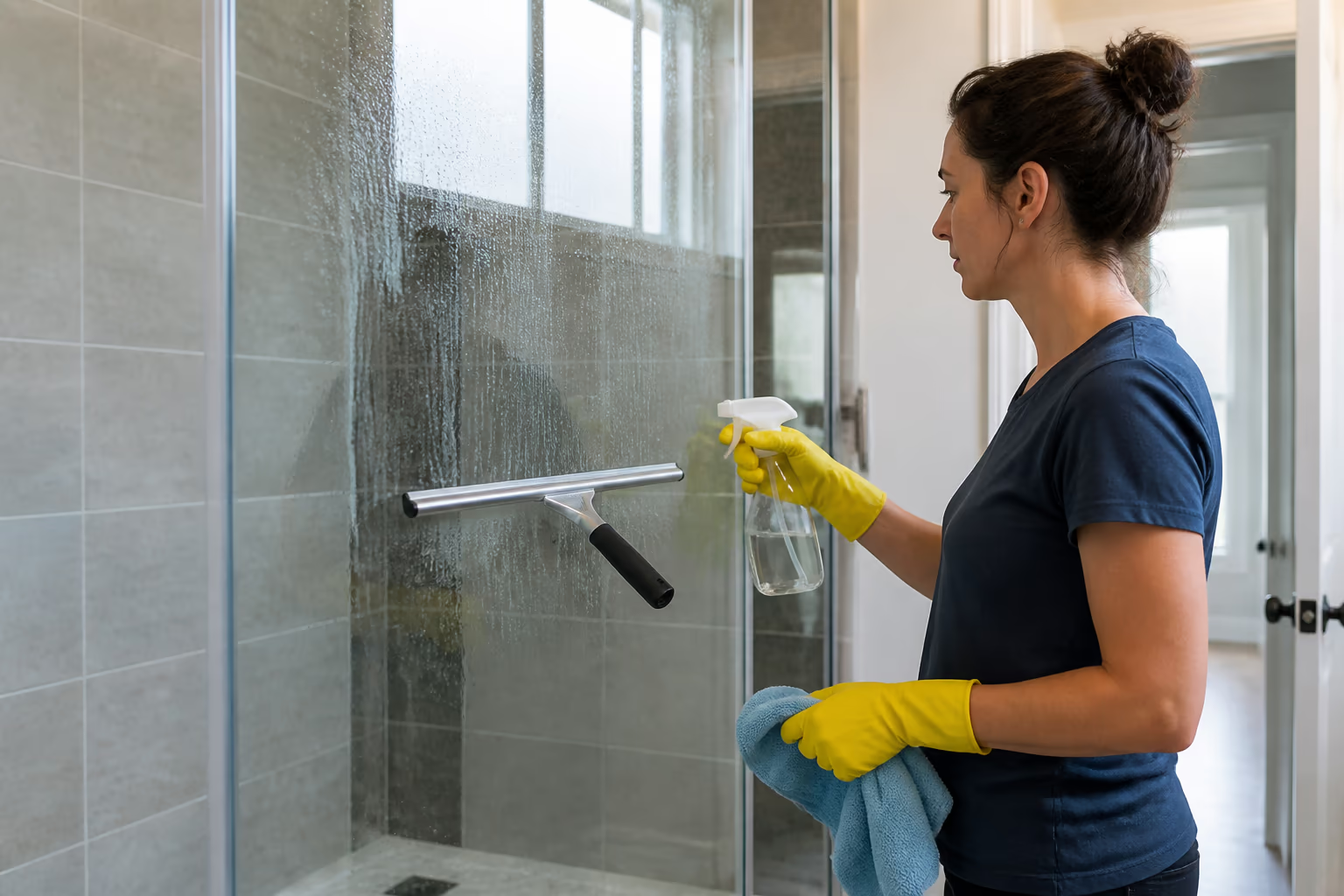
Fill a spray bottle with equal parts white vinegar and water, or use the vinegar undiluted for heavier build-up. Spray the stained surface, let it sit for ten to fifteen minutes so the acid can work, then wipe with a microfibre cloth and rinse with clean water. For a shower door or tap, repeat the pass if a film remains.
Do not use vinegar on natural stone such as marble or granite, or on unsealed surfaces, because the acid can etch them. For everything else, vinegar is the simplest first step and usually the only one you need for light stains. For a closer look at technique and problem spots, our guide to hard water stains on glass shower doors covers extra steps for stubborn film.
Way 2: Lemon Juice for a Fresh Natural Option
Lemon juice works the same way as vinegar but brings a cleaner smell and a little more citric acid for lifting. It is a good choice for surfaces where you would rather avoid the smell of vinegar, such as a kettle or a coffee maker.
Apply lemon juice to the deposit, let it sit for ten minutes, then scrub gently with a sponge or an old toothbrush and rinse. For a kettle or pot, add the juice with some water, boil, let it cool, then empty and rinse thoroughly. The citric acid dissolves the scale without you needing to scrub hard.
Like vinegar, lemon juice is an acid, so keep it away from natural stone and test any metal fixture in a hidden area first. For most glass, tile and chrome, it lifts light and medium stains with ease.
Way 3: Vinegar and Dish Soap Blend
When hard water is mixed with soap scum, as it is on shower doors and bathtubs, plain vinegar sometimes struggles. Blending it with a little dish soap gives the solution something to cut through the oily soap residue while the acid dissolves the minerals.
Mix three parts white vinegar with one part dish soap in a spray bottle. Spray the surface, let it sit for about fifteen minutes, then scrub with a soft sponge and rinse. On glass shower doors, this blend loosens both the mineral film and the soap film together, which is why it is a favourite among professional cleaners.
The blend works best when you let it dwell rather than wiping immediately. For very heavy build-up, reapply and give it a second sitting before you scrub.
Way 4: Baking Soda Paste for Scrubbing
For stains that resist liquid sprays, a paste gives you a gentle abrasive to work with. Baking soda is mild enough to avoid scratching most finishes while still providing the scrub you need.
Mix baking soda with a little water to make a thick paste, apply it to the stain, and rub with a soft cloth or an old toothbrush. The paste lifts the mineral deposit mechanically, and the mild alkalinity helps dissolve stubborn spots. Rinse thoroughly and check the result, repeating where needed.
Baking soda is especially useful on ceramic tiles, grout and porcelain. On metal fixtures it works too, but use a light hand, because any abrasive can eventually dull a polished finish if you scrub hard.
Way 5: Commercial Lime Scale Remover
When household methods are not enough for heavy build-up, a commercial lime scale remover is a reliable next step. These products are formulated to dissolve mineral deposits quickly, and many carry third-party certifications such as EcoLogo for a lower environmental impact.
Choose a product that is safe for the surface you are cleaning, and read the label for contact time and rinse requirements. Apply, let it dwell, scrub if needed, and rinse thoroughly. Many commercial descalers are also suitable for kettles and coffee machines, where mineral scale affects taste and performance.
Always wear gloves and work in a ventilated space, and follow the label directions exactly. In Canada, household cleaning products carry clear hazard labelling, and the safety information on the label applies to every product, whether it is a brand-name descaler or a generic one.
Way 6: A Wet Pumice Stone for the Toilet
The inside of a toilet bowl is one of the toughest hard water jobs, because the ring sits below the water line and ordinary sprays do not reach it. A pumice stone, used wet, removes the deposit without scratching the porcelain.
Soak the stone in water first, then gently rub the stain in a circular motion. The pumice is softer than the porcelain, so it removes the deposit while leaving the surface intact. Keep the stone wet as you work, and stop as soon as the ring lifts, then flush and rinse.
Never use a dry pumice stone, and do not use one on fixtures, sinks or glass, because the abrasion is designed only for porcelain. For an especially thick ring, combine the pumice with a vinegar soak overnight before you rub.
Preventing Hard Water Stains
The simplest way to deal with hard water stains is to stop them from forming in the first place. A few habits and tools reduce the build-up dramatically.
Prevention is largely about how long water stays put. Health Canada's mould guidance says to fix moisture problems right away and control humidity levels, because moisture promotes the growth of mould and dust mites alike. The federal advice is short: “To prevent mould, fix any moisture problems right away and control humidity levels in your home.”
- 01Squeegee glass shower doors after every use to stop water from drying on the glass.
- 02Wipe chrome fixtures and taps down with a microfibre cloth when you finish.
- 03Empty and descale kettles and coffee makers on a monthly schedule.
- 04Run a dishwasher cleaner or a vinegar cycle through the machine periodically.
- 05Consider a water softener if your home's scale build-up is heavy.
- 06Ventilate the bathroom with an exhaust fan to reduce moisture in the air.
Prevention takes seconds each day but saves the scrubbing sessions later. A surface that is dried after use simply never gives the minerals the chance to bond. The same drying habit helps elsewhere too, though water stains and rings on wood furniture come from a different cause and call for their own removal method.
Common Mistakes and How to Avoid Them
Hard water stains usually become hard to remove because of a few predictable mistakes. Avoid them and the job is far easier.
- 01Scrubbing with steel wool or harsh abrasives, which scratch glass and chrome.
- 02Using acid on natural stone, which etches marble and granite permanently.
- 03Rinsing poorly, so the dissolved minerals simply re-deposit as new stains.
- 04Ignoring the build-up until it is months old, when it has bonded to the surface.
- 05Using the same sponge for everything, spreading the deposit and scratching finishes.
- 06Forgetting to dry the surface after cleaning, which invites the next round of spots.
- 07Mixing cleaning products, which can create dangerous fumes, so never combine chemicals without reading the labels.
Slow, matched and thorough is the approach. Choose the right method for the surface, let the product dwell, and rinse and dry well so the stain does not return.
When to Call a Professional
Most hard water stains come off with the methods above, but there are times when a professional is the better call. If the deposit has bonded so deeply that your attempts leave it unchanged, if the surface is delicate or valuable, or if you want the whole home descaled at once, expert help saves time and prevents damage.
A professional team has the right products, the right tools and the experience to match them to each surface, which matters for glass that scratches easily and for tiles and grout that a harsh method can damage. They can also reach the deep spots, shower heads, taps and under-rim areas that are easy to miss.
Good Cleaner Co. combines local experience, background-checked staff and carefully selected, EcoLogo-friendly products to keep Ottawa and area bathrooms and kitchens free of hard water build-up. Our residential home cleaning services in Ottawa can include bathroom descaling and glass care as part of a regular schedule or a one-time deep clean. Commercial properties can fold the same routine into our janitorial services for washrooms and kitchens that see heavy use.
If you are weighing whether to manage a cleaning project yourself or hire it out, our guide to comparing commercial cleaners is a useful starting point for the questions that matter, and the same standards of transparency, training and equipment apply to residential home care.
Formatted Step-by-Step Hard Water Stain Removal Checklist
Use this checklist for a thorough result on any surface, and keep the prevention step handy.
- 1.Identify the surface and test an inconspicuous spot before you apply any remover.
- 2.Apply the mildest suitable method first, white vinegar for glass and chrome, and let it dwell.
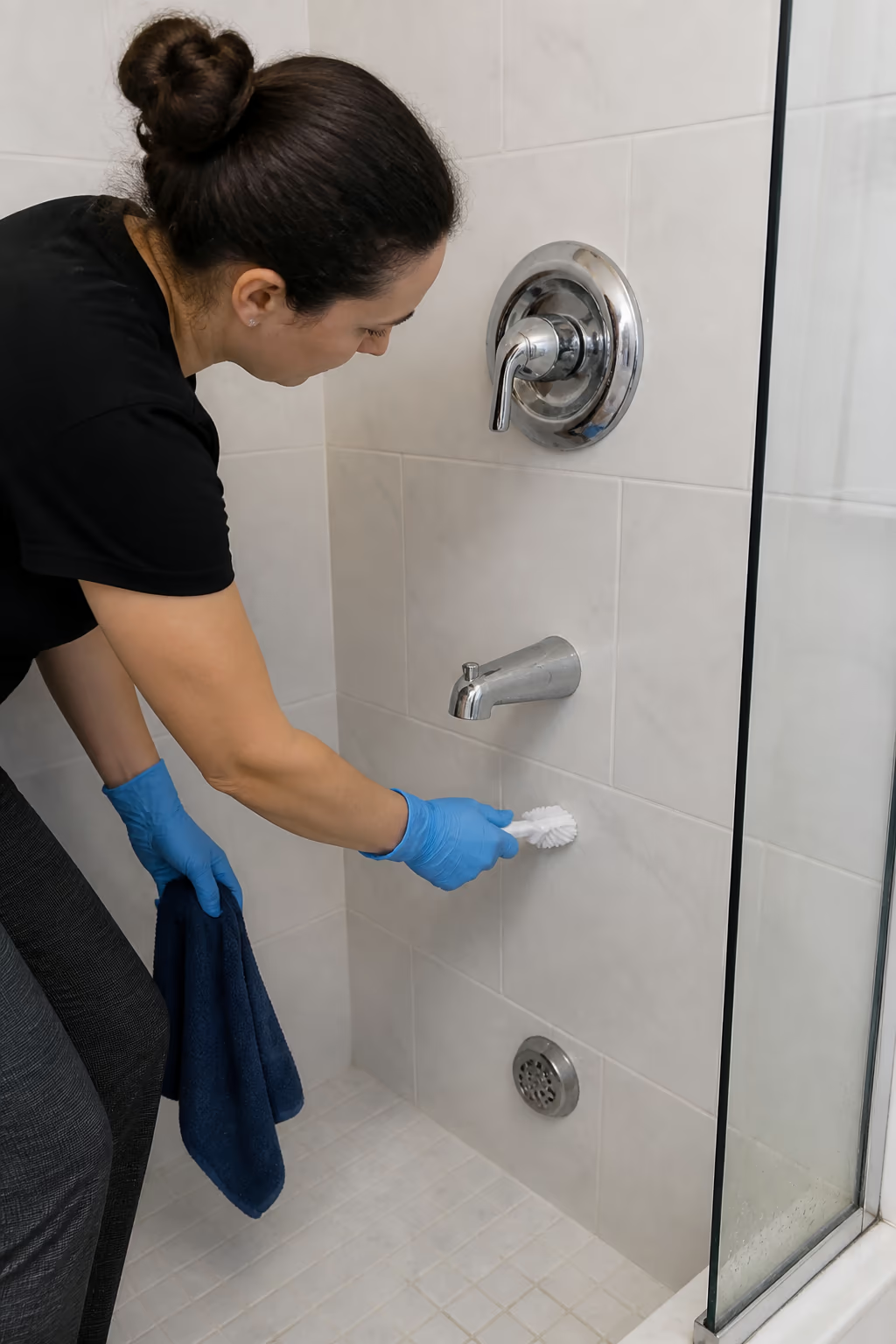
- 3.Scrub gently with the right tool, a microfibre cloth, soft sponge or old toothbrush, working from the edges in.
- 4.Rinse thoroughly with clean water and dry the surface so the minerals do not re-deposit.
- 5.Prevent the next round with a squeegee, a quick wipe, or a descaling habit on your regular schedule.
- 6.For heavy build-up, delicate surfaces or a whole-home reset, reviewing our Ottawa residential cleaning teams provides a trained team for thorough, professional upkeep.
FAQ
Does vinegar remove hard water stains?
Yes, white vinegar is one of the most effective household removers because its mild acid dissolves the calcium and magnesium deposits. Spray it on, let it sit, scrub gently and rinse. Avoid it on natural stone.
Why are my shower doors still cloudy after cleaning?
Cloudiness is usually a hard water film that needs an acid to dissolve, not just a wipe. Let a vinegar or commercial descaler dwell for ten to fifteen minutes, scrub with a microfibre cloth, and rinse and dry thoroughly.
How do I remove hard water stains from a toilet bowl?
A wet pumice stone is the most reliable method for porcelain. Soak the stone, rub the ring gently in circles, keep it wet, and flush when the deposit lifts. For very thick rings, soak with vinegar first.
Will hard water stains damage my fixtures?
Over time, mineral build-up can dull finishes, clog shower heads and reduce appliance performance. Removing the stains regularly protects the surface, and a water softener reduces the build-up at its source.
Can I use vinegar on a glass shower door?
Yes. Dilute vinegar with water, spray the door, let it sit, then wipe with a microfibre cloth or a squeegee. Rinse and dry to avoid new spots, and repeat weekly to keep the glass clear.
Is commercial descaler safe for my kettle?
Most commercial descalers are safe for kettles and coffee machines when you follow the label directions. Rinse thoroughly after use, and run one or two fresh water cycles before you use the appliance again.
Why does my area have so much hard water?
Hard water contains dissolved calcium and magnesium, and its level varies by region. Ottawa's municipal supply is moderately hard, so many local homes see scale on fixtures and glass over time.
When should I call a professional for hard water stains?
When the build-up is heavy and bonded, when the surface is delicate or valuable, or when a full-home descale would save you a weekend. A professional team has the products and experience to do it safely.
Wrapping Up
Hard water stains look stubborn, but most of them come off with the right method and a little patience. Start with white vinegar for glass and chrome, use lemon juice where you prefer a fresh smell, blend vinegar with dish soap for soap scum, scrub with baking soda paste for stubborn spots, and reach for a pumice stone or a commercial descaler for the heavy jobs. Rinse and dry well so the minerals do not return, and keep a quick wipe in your routine to prevent build-up in the first place. When a surface is delicate or the build-up is beyond your reach, a professional team can restore it safely. Contact Good Cleaner Co. for a free quote and a cleaning plan tailored to your home.
Keep reading
More from Good Cleaner
Services that fit
- Residential Home Cleaning Services in OttawaRecurring home cleaning services in Ottawa for one-time, weekly, biweekly and monthly care, including bathroom descaling and glass care for hard water build-up.
- Janitorial Services in OttawaRecurring janitorial services for offices, warehouses, retail, dealerships and schools, with eco-friendly commercial cleaning and customized plans.
About the author
Service areas
- Ottawa
- Kanata
- Nepean
- Orléans
- Barrhaven