
How To Keep Your Bathroom Germ-Free And Sparkling
The bathroom is one of the busiest rooms in any home, and it is also one of the most important to keep clean. Between the toilet, the sink, the shower and the high-moisture air, it is a place where germs and grime can build up quickly if you let them. The good news is that keeping a bathroom truly germ-free and sparkling does not take harsh chemicals or hours of scrubbing every day. It takes the right routine, the right tools and a little attention to the details that are easy to miss. This guide explains how to keep your bathroom germ-free and sparkling with a practical system, what to focus on first, and when a professional team from Good Cleaner Co. is worth booking for an Ottawa home.
Quick Summary
Keeping a bathroom germ-free and sparkling does not require harsh chemicals or hours of scrubbing; it takes the right routine, tools and attention to the toilet, sink, shower and high-touch surfaces where germs build up fastest. This guide walks through a step-by-step process and daily habits that keep the room clean between deeper cleans.
In this guide
What You Need Before You Start
You do not need a closet full of products to keep a bathroom germ-free and sparkling. In fact, a smaller, well-chosen set is easier to use consistently. Gather these before you start.
- A cleaner for the toilet, and a separate cleaner for sinks, taps and surfaces.
- A disinfecting or sanitising product for high-touch surfaces, used per the label.
- A glass cleaner for the mirror and any glass fixtures.
- Microfibre cloths and sponges, with a separate cloth for the toilet.
- A toilet brush and a dedicated holder.
- A non-abrasive scrubber for the tub, shower and tiles.
- Warm water and clean rinse cloths for each surface.
- Rubber gloves to protect your hands.
- A small squeegee for the shower glass if you want to keep it spotless.
Choose products that suit your household. For routine cleaning, look for eco-labelled options such as an EcoLogo-certified product that works without harsh fumes. Where you genuinely need a disinfecting step, use a product registered with Health Canada, which carries a Drug Identification Number, or DIN, and follow the label instructions, including the dwell time that the surface must stay wet for the product to work. Under WHMIS 2015, professional cleaners are trained on the safety data sheet for each product they use, so they apply the right dilution, contact time and protective gear for every surface.
Why a Clean Bathroom Matters for a Healthy Home
A bathroom is a humid, warm space where germs can linger, and it is shared by everyone in the household. That makes regular cleaning a matter of hygiene, not just appearance. Keeping surfaces clean reduces the germs that can be passed from one person to the next, especially in a home with children, elderly family members or anyone with a weakened immune system.
One limit is worth stating plainly. Health Canada advises that because some people are far more sensitive than others, there is no safe limit for mould, and that visible growth should be removed and the underlying moisture fixed rather than measured. In a bathroom, that makes ventilation and drying part of the cleaning routine rather than an afterthought. Health Canada names the cause directly: “Excessive moisture is one of the most common causes of poor indoor air in homes, classrooms and public spaces, because moisture promotes the growth of mould and dust mites.”
Moisture is the reason the bathroom needs its own approach. Every shower releases steam that settles on every surface, and that lingering dampness can encourage soap scum, hard-water deposits and the musty smells that come from trapped moisture. A bathroom that looks clean but still feels damp will not stay germ-free for long.
The climate in Ottawa makes ventilation especially important. With cold winters that keep windows closed for months, the moisture from every shower has nowhere to go unless the exhaust fan is used. Running the fan during and after a shower, opening a window when the weather allows, and wiping down wet surfaces are small habits that keep the whole room healthier.
This is why a good bathroom routine combines cleaning with moisture control. Remove the grime, dry the surfaces, and keep the air moving, and the bathroom stays both germ-free and sparkling with much less effort.

Where Germs Hide in a Bathroom
Germs and grime are not evenly distributed across a bathroom. Knowing where they gather tells you where to focus your cleaning so nothing important gets skipped.
- The toilet, including the seat, the lid, the handle and the base.
- The sink, tap, handles and the area around the drain.
- Light switches, door handles and cabinet pulls, which are touched constantly.
- The shower, tub, showerhead, and the soap and shampoo bottles.
- Tiles and grout, which trap moisture and soap scum.
- Towels, bath mats and the floor, which hold dampness.
- The toilet brush and its holder, which can be overlooked.
- The toothbrush holder and anything near the sink that collects splash.
- The waste bin, the inside of drawers and the underside of the sink.
- Any windows, window tracks and the bathroom mirror.
The highest-risk spots are the ones that are touched often and the ones that stay wet. Handles and switches are touched by every person using the room, while the shower and tub stay damp between uses. A thorough cleaning covers both, and a quick daily wipe of the most-touched spots keeps the germs from building up in between.
The Step-by-Step Process
A bathroom cleans up fastest when you follow a reliable order: from the top of the room down, and from the cleanest areas to the dirtiest. Work in small sections, let products sit for the time they need, and rinse so no residue is left behind.
Start by clearing the surfaces so you can reach everything, and open a window or turn on the exhaust fan for ventilation. Dust the light fixtures, the top of the shower and any shelves or rails first, because dust falls while you work. Then clean the mirror and glass, so nothing drips onto them later.
Next, clean the sink and the countertop, including the tap and handles. Then move to the shower and tub, scrubbing the walls, the floor of the tub and the fittings. After that, clean the toilet, including the seat, the lid, the handle, the rim and the base. Finally, sweep or vacuum the floor, mop it and dry the bath mat.
A disinfecting step on the high-touch surfaces is what keeps a bathroom germ-free. Apply the product, let it sit for the time on the label, then wipe or rinse. Finish by drying the shower glass and the surfaces with a clean microfibre cloth, because a dry surface is far less welcoming to soap scum and mould.
The Toilet, Sink and High-Touch Surfaces
The toilet is where most people start, but it is best left until after the other surfaces so you do not spread germs back onto freshly cleaned areas. Clean the outside first, including the seat, the lid and the base, then finish with the inside of the bowl so the brush can be rinsed and stored last.
Wipe the handle and the seat, and pay attention to the hinges and the base where moisture and grime gather. A toilet brush used for the bowl should not be reused on other surfaces, and the brush and holder should be cleaned and left to dry. Many people replace a worn toilet brush to keep the job hygienic.
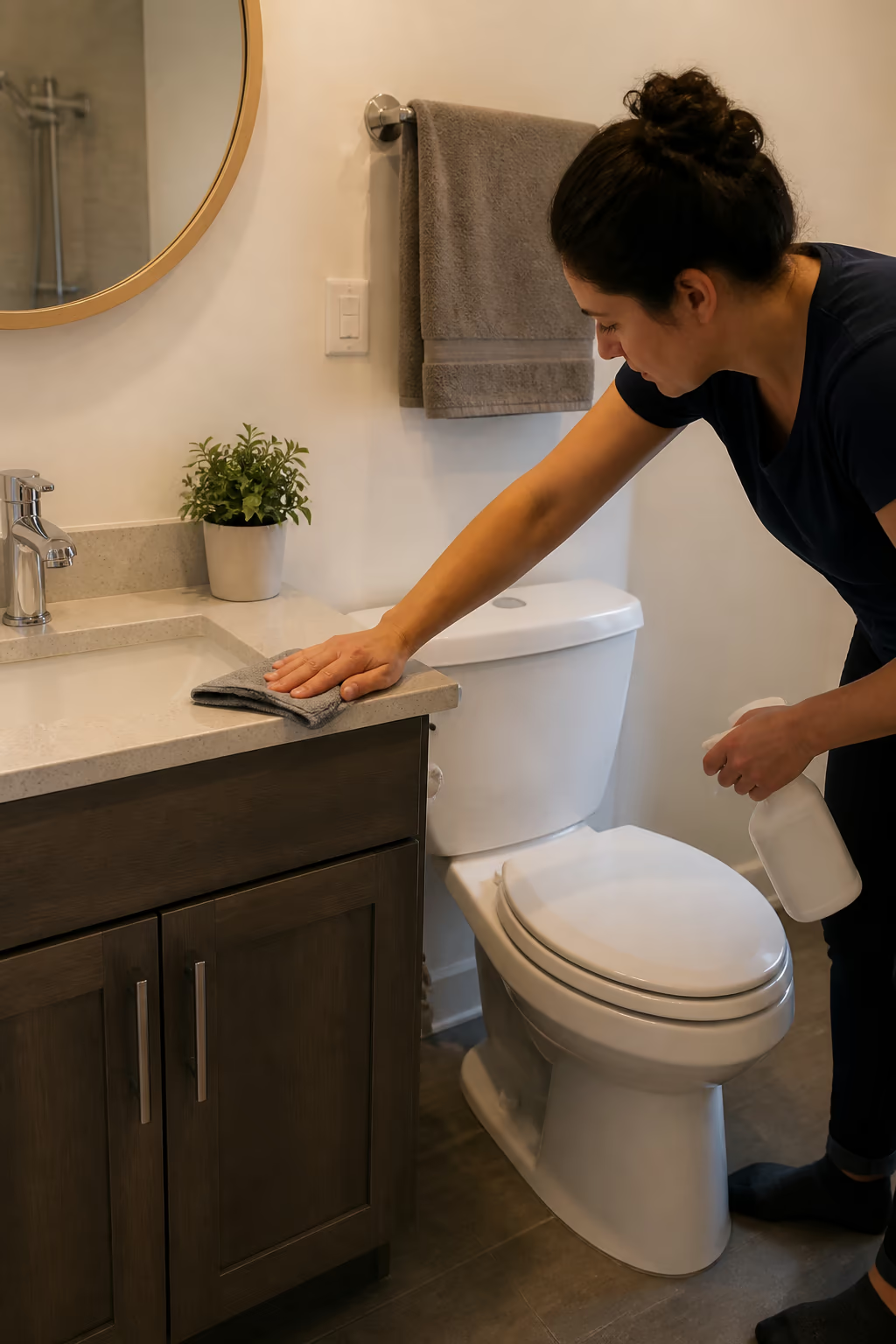
The sink, tap and countertop collect toothpaste splashes, soap residue and water spots. Clean them with an all-purpose or surface cleaner, rinse and dry. The high-touch points, including the tap handles, light switches, door handles and cabinet pulls, benefit from a disinfecting wipe on a regular basis, especially in a shared bathroom.
The Shower, Tub and Tiles
Soap scum and hard-water deposits are the main reason a shower and tub stop sparkling. They build up as a film on the walls, the glass and the fittings, and they hold moisture that can lead to mould in the grout and corners.
Clean the shower and tub with a non-abrasive cleaner suited to the surface, and let it sit long enough to dissolve the scum before you scrub. Work top to bottom, and rinse thoroughly so the residue does not dry into a new film. For glass shower doors, a squeegee after each shower keeps them clear, and a glass cleaner handles the rest.
Grout lines and corners need a little extra attention. A small scrub brush lifts the grime out of the grout, and keeping the grout dry between uses helps prevent the dark, spotty discolouration that appears in damp bathrooms. If mould has taken hold in the caulking or grout, it may need to be cleaned carefully and, in time, repaired or recaulked.
Mirrors, Glass and Fixtures
A sparkling mirror and clean fixtures make the whole bathroom look fresh, and they are quick to finish once the larger surfaces are done. Clean the mirror with a glass cleaner and a clean microfibre cloth, working from top to bottom so no streaks remain.
The fixtures, including the taps, the showerhead and the handles, collect water spots and deposits. Wipe them dry after cleaning so the water does not leave marks, and give the showerhead an occasional soak in a solution recommended for removing mineral buildup if the flow slows. Pay attention to the details people notice most: the base of the taps, the underside of the sink rim and the edge of the mirror. If you prefer to mix your own solution, our DIY glass cleaner for sparkling streak-free windows guide covers a simple homemade option that works well on bathroom mirrors too.
Small touches make the room feel cared for. Straighten the towels, replace a damp bath mat, empty the waste bin and give the toothbrush holder a wipe. These take seconds and make the difference between a bathroom that is merely cleaned and one that feels genuinely fresh.
Daily Habits for a Germ-Free Bathroom
The best deep clean in the world does not last if the room is left damp and messy. A few short daily habits keep the bathroom germ-free and sparkling between your regular cleanings.
- Run the exhaust fan during and after a shower to pull out the moisture.
- Wipe down the shower glass and walls with a squeegee after each use.
- Leave the shower curtain or door open so the tub and curtain can dry.
- Wipe the sink and countertop after the morning rush.
- Give the toilet handle, seat and lid a quick wipe regularly.
- Hang towels so they can dry between uses, and change bath mats often.
- Empty the waste bin before it overflows.
- Keep the toothbrush holder clean and dry.
- Air out the room by opening a window for a few minutes on dry days.
These habits take a minute or two and they change everything. A bathroom that dries out between uses stays fresher, needs less deep cleaning and keeps its sparkling look far longer. In an Ottawa winter, when windows stay closed, the exhaust fan and a quick squeegee are especially important.
The same short daily habits work in a shared office washroom, and our easy hacks to keep your office sparkling clean guide adapts them for a workplace setting.
Formatted Step-by-Step Bathroom Cleaning Checklist
Work through this checklist for a thorough clean, and keep the daily habits in between.
- Clear the surfaces, open a window or run the fan, and dust the light fixtures and high rails first.
- Clean the mirror and glass, then the sink, tap and countertop, rinsing and drying each surface.
- Scrub the shower, tub, tiles and grout, letting the cleaner work before you rinse.
- Clean the toilet last, including the seat, lid, handle, rim and base, and disinfect the high-touch points.
- Sweep or vacuum the floor, mop it, dry the bath mat and finish with a squeegee on the glass.
- For a deep restoration of stubborn soap scum, hard-water deposits and grout, reviewing our Ottawa residential cleaning teams provides a trained team for a thorough result.
Common Mistakes and How to Avoid Them
Most bathroom cleaning problems come from a handful of habits that work against you. Avoiding them makes the job faster and the results more consistent.
- Using one cloth for the whole room, which spreads germs from the toilet to the sink.
- Cleaning the toilet first and then touching it with the same cloth, which undoes your work.
- Rinsing too quickly and leaving cleaner residue, which attracts dust and dulls surfaces.
- Scrubbing grout and tiles with a harsh abrasive, which damages the finish.
- Forgetting the high-touch points like switches, handles and the tap.
- Leaving the room damp, which encourages soap scum, mould and musty smells.
- Skipping the exhaust fan, especially in winter, which lets moisture build up.
- Using a disinfecting product but not leaving it on long enough for it to work.
Each of these has a simple fix. Use separate cloths, clean from the cleanest surface to the dirtiest, let products work, dry the room, and run the fan. Small corrections add up to a bathroom that stays both germ-free and sparkling.
Costs, Timing and When to Call a Professional
Keeping a bathroom germ-free and sparkling is mostly a matter of your own routine, and the supplies are inexpensive. A cleaner, a disinfecting product, microfibre cloths and a brush cover most of what you need, and the daily habits take minutes. The time you invest is a weekly clean plus a few quick wipes in between.
A professional deep clean is worth considering when the bathroom needs more than routine care: stubborn soap scum and hard-water deposits, a grout line that has darkened, or a schedule that simply does not allow for a thorough clean. Trained cleaners bring the products, equipment and technique to restore tiles, glass, fixtures and grout without damaging them, and they work in the order that gets results.
When you compare cleaning companies, ask what products they use, how they handle disinfecting and what training their staff receive. Good Cleaner Co. combines local experience, background-checked staff and carefully selected products to keep Ottawa bathrooms clean, fresh and healthy. Our residential home cleaning services in Ottawa are built around your schedule and your standards. Condo and building common-area washrooms follow the same routine at a larger scale, and our building and condo cleaning services cover that shared upkeep.
If you are weighing whether to manage the bathroom yourself, our commercial cleaning provider checklist is a useful starting point for the questions that matter, and the same standards of transparency, training and product choice apply to a home bathroom.


FAQ
How often should I clean my bathroom to keep it germ-free?
A quick wipe of the sink, mirror and toilet a couple of times a week, plus a thorough clean of the shower, tub and floor weekly, is a practical rhythm for most homes. Adjust up if the bathroom is heavily used or shared by many people.
What is the best way to disinfect a bathroom?
Use a disinfecting product registered with Health Canada, which carries a Drug Identification Number, or DIN, and follow the label instructions, including how long the surface must stay wet. Focus on the high-touch points: the tap, the toilet handle, the seat, the light switches and the door handles.
How do I prevent mould in the shower and grout?
Keep the room dry. Run the exhaust fan during and after a shower, open the door or curtain so the tub dries, and wipe down the glass and walls with a squeegee. Cleaning the grout regularly and repairing cracked caulking also helps.
Should I clean the toilet first or last?
Last. Cleaning the toilet first and then moving to other surfaces can spread germs with the same cloth. Work from the cleanest surfaces to the dirtiest and finish with the toilet.
Can I use vinegar to clean the bathroom?
Vinegar can cut soap scum and hard-water deposits on some surfaces, but it is acidic and should not be used on stone or on surfaces it could etch. Test it in an inconspicuous spot and use a product suited to the surface for disinfecting.
Why does my bathroom stay damp even after I clean?
The moisture usually comes from showers and the lack of ventilation, not from the cleaning itself. Run the exhaust fan, leave the door or curtain open and wipe down wet surfaces so the room can dry out between uses.
How do I get rid of hard-water spots on glass and fixtures?
A cleaner made for removing mineral deposits, or a vinegar dilution on a soft cloth, can lift the spots. Wiping the surfaces dry after cleaning and using a squeegee on the glass prevents them from coming back.
When should I book a professional bathroom deep clean?
If soap scum and hard-water deposits have built up for months, if the grout has darkened, or if you simply do not have time for a thorough clean, a professional deep clean restores the bathroom quickly and protects the surfaces.
Wrapping Up
Keeping a bathroom germ-free and sparkling is a routine, not a single big clean. Clean from the cleanest surfaces to the dirtiest, disinfect the high-touch points, dry the room and run the exhaust fan, and a weekly clean plus a few daily wipes will keep it fresh. The small habits, like a squeegee after every shower, do more than any occasional deep clean ever could. For a bathroom that needs a thorough restoration, or a schedule that keeps it spotless for you, Good Cleaner Co. can help with a cleaning plan tailored to your home.
Keep reading
More from Good Cleaner
Services that fit
- House Cleaning Services in OttawaHouse cleaning services in Ottawa for one-time, weekly, biweekly, and monthly home care, with customizable cleaning and eco-friendly options.
- Janitorial Services in OttawaRecurring janitorial services in Ottawa for offices, warehouses, retail, dealerships and schools. Eco-friendly commercial cleaning, customized plans, free quote.
About the author
Service areas
- Ottawa
- Kanata
- Nepean
- Orleans
- Barrhaven