
How To Get Rid Of Smoking Odor, Even After Years Of Buildup
Few smells are as stubborn as years of cigarette smoke. The moment you walk into a home where someone smoked indoors, the odour is unmistakable, and no amount of air freshener will fix it. Tobacco smoke leaves behind a thin, sticky film called tar and nicotine residue that clings to walls, ceilings, windows, curtains, carpets and upholstery, and it keeps releasing its smell long after the smoking has stopped. The good news is that the odour can be removed, but it takes a systematic deep clean rather than a quick wipe. This guide explains why smoke odour persists, how to remove it room by room, and when a professional team from Good Cleaner Co. is the fastest and most thorough option for Ottawa homes.
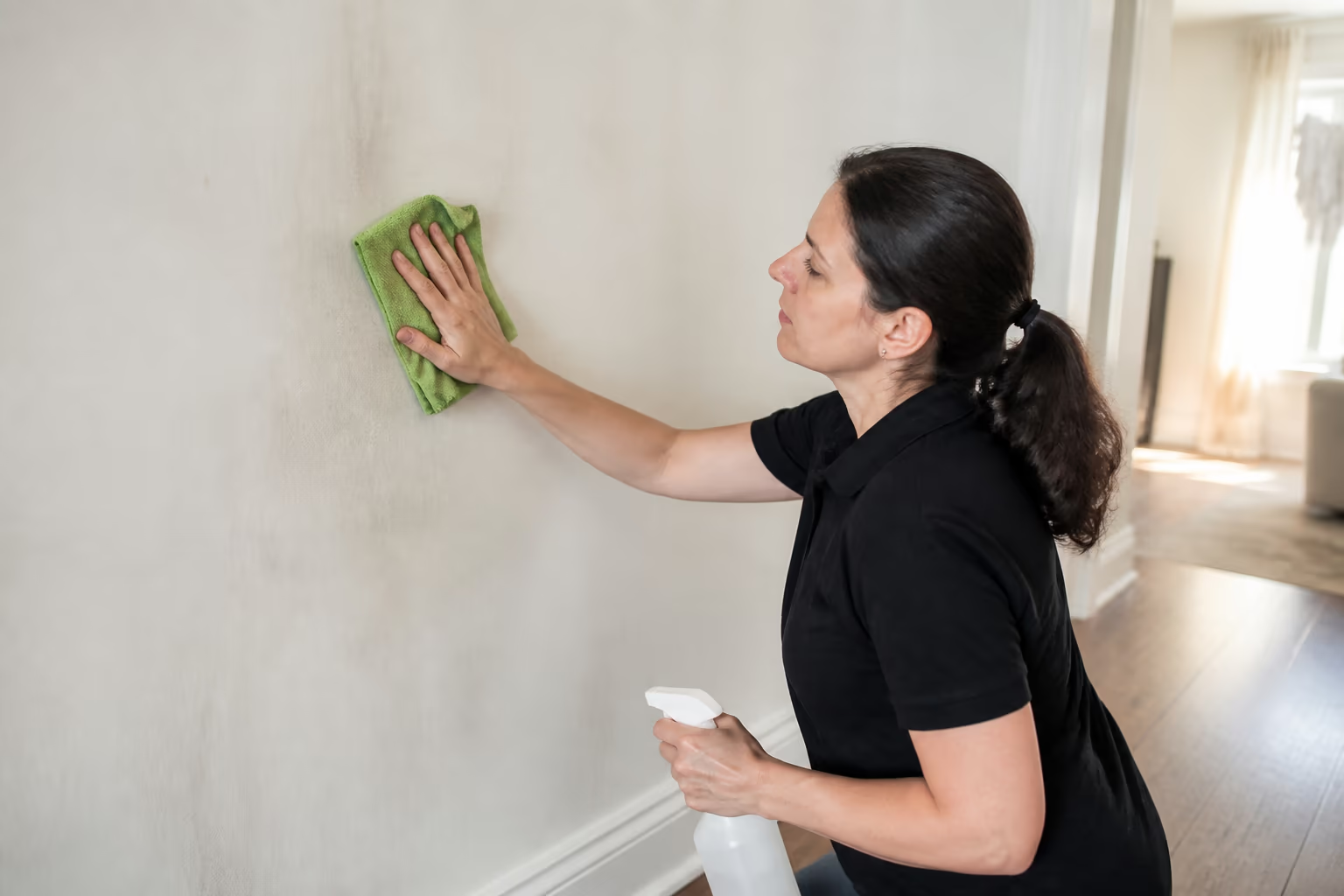
Quick Summary
Years of cigarette smoke leave a sticky tar and nicotine film on walls, ceilings, curtains, carpets and upholstery that keeps smelling until it is deep cleaned, not just wiped down. This guide explains why the odour is so stubborn, a room-by-room removal process, and when a professional deep clean is the fastest fix.
In this guide
Why Smoking Odor Is So Hard to Remove
Smoke odour is not a single substance you can wipe away. It is a combination of thousands of compounds that cool and condense into a sticky residue as soon as they touch a surface. That residue, sometimes called third-hand smoke, bonds to paint, wood, fabric and even the dust in your home, and it becomes active again whenever the room warms up or the humidity rises.
The same climate that keeps Ottawa homes cozy in winter works against you here. In the colder months, windows stay shut and the furnace recirculates the same air, so the residue that is baked into surfaces keeps re-entering the air you breathe. Even after the obvious surfaces are cleaned, hidden reservoirs of residue in ductwork, filters, insulation and deep carpet pile continue to smell for months.
This is why surface cleaning alone rarely solves the problem. To truly get rid of smoking odor, even after years of buildup, you have to remove the residue, not just mask it. A professional approach tackles every surface in the right order: dry cleaning to lift loose residue, wet cleaning to dissolve the film, and ventilation and filters to clear the air that carries the smell.
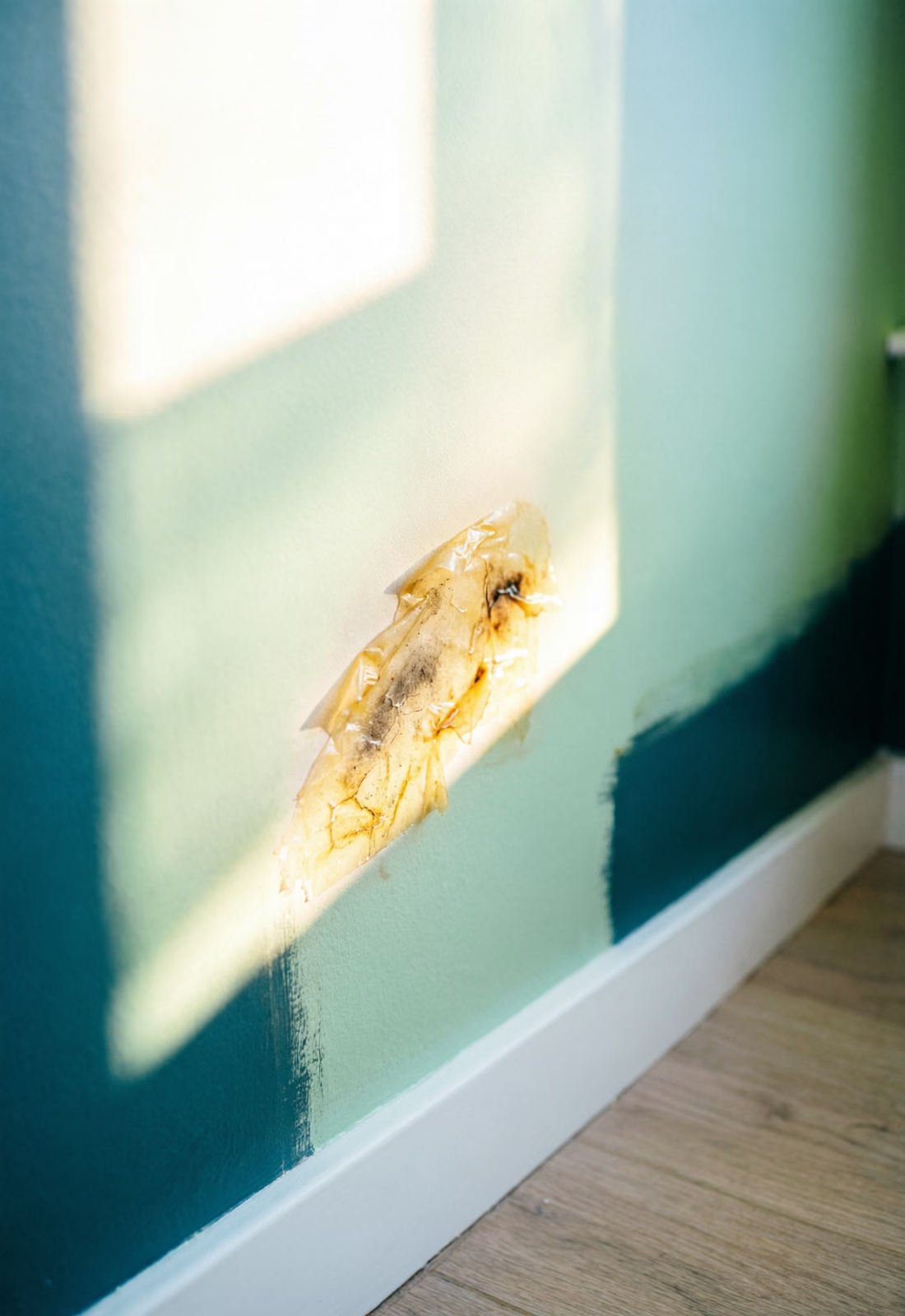
Where Smoke Odor Hides in a Home
If you want the odour gone, you first have to find every place where the residue has settled. Smoke rises, so the heaviest deposits are usually high on walls and ceilings, but the smell spreads everywhere the air reaches.
Porous surfaces
- Walls, ceilings and painted trim, where the sticky film builds a yellowish layer over time.
- Curtains, blinds and fabric window coverings.
- Carpets, rugs and the padding underneath them.
- Upholstered furniture, cushions, throw pillows and the fabric underneath.
- Bedding, mattresses, pillows and blankets.
- The furnace filter, ductwork and the air exchanger, if you have one.
- Painted surfaces that have become porous or badly stained.
Non-porous surfaces
- Windows, glass, frames and tracks, which collect a greasy residue that blocks light.
- Light fixtures, vent covers, ceiling fans and the top edges of doors.
- Electronics, books, photo frames and decorative items.
The deeper the material, the longer the smell lasts. Porous surfaces like drywall, bare wood and carpet hold the residue tightly, while hard, non-porous surfaces like glass and tile clean up more easily. This is why the same deep cleaning that restores a kitchen or bathroom often needs extra passes in a former smoking home.
What You Need Before You Start
Removing years of smoke residue is a bigger job than ordinary cleaning, so gather your supplies before you begin. You will be working from high to low, and you want tools that absorb and lift rather than push the residue around.
- A vacuum with a HEPA filter, ideally with a brush and crevice tool.
- Microfibre cloths, sponges and a few old rags you do not mind throwing away.
- Warm water with a mild detergent, and a separate container of clean rinse water.
- A degreasing cleaner or a light dilution of vinegar and water for hard surfaces.
- A bucket and clean mop heads or cloths for floors.
- Baking soda, which can help neutralise lingering smells in carpets and fabrics.
- A spray bottle for spot treatments.
- Gloves to protect your hands from the residue and the cleaning solutions.
Choose products that are safe for the surface and the people in the home. Where you need a sanitising or odour-neutralising product, pick one with a Drug Identification Number, or DIN, registered with Health Canada and follow the label directions, including the dwell time. For everyday cleaning, look for eco-labelled options such as an EcoLogo-certified product that does the job without harsh fumes. Under WHMIS 2015, professional cleaners are trained on the safety data sheet for every product they use, which is how a trained team knows the correct dilution, contact time and rinsing for each surface without damaging it.
The Step-by-Step Process
Work through a smoke odour removal in a logical order: dry first, then wet, then air. The dry step pulls loose dust and residue off surfaces so the wet step can actually reach the film underneath, and the air step clears what remains.
Start at the top. Dust the ceiling, walls and high surfaces with a microfibre cloth or a vacuum brush before you wash anything, because loose dust will smear into a paste if you wet it first. Then wash the walls, ceiling and trim with warm soapy water, working in small sections and rinsing with a separate clean cloth so the residue does not simply move around. Wipe in the same direction and change your water often, because it turns brown very quickly in a smoking home.
Next, clean the windows and glass. Wash the glass, frames and tracks with a degreaser or vinegar and water, and wipe down the sills. Then move to the fabrics: launder curtains, bedding and throw pillows, and vacuum the carpet, rugs and upholstery slowly with the HEPA vacuum before applying any deodorising treatment.
Finish with the air and the systems that carry it. Vacuum the vent covers and ceiling fan blades, change the furnace filter, and open the windows for a few hours on a dry day if the weather allows. If the residue is deep in the carpet or ductwork, professional equipment reaches where household tools cannot, which is often the difference between a room that smells better and one that is genuinely free of the odour.
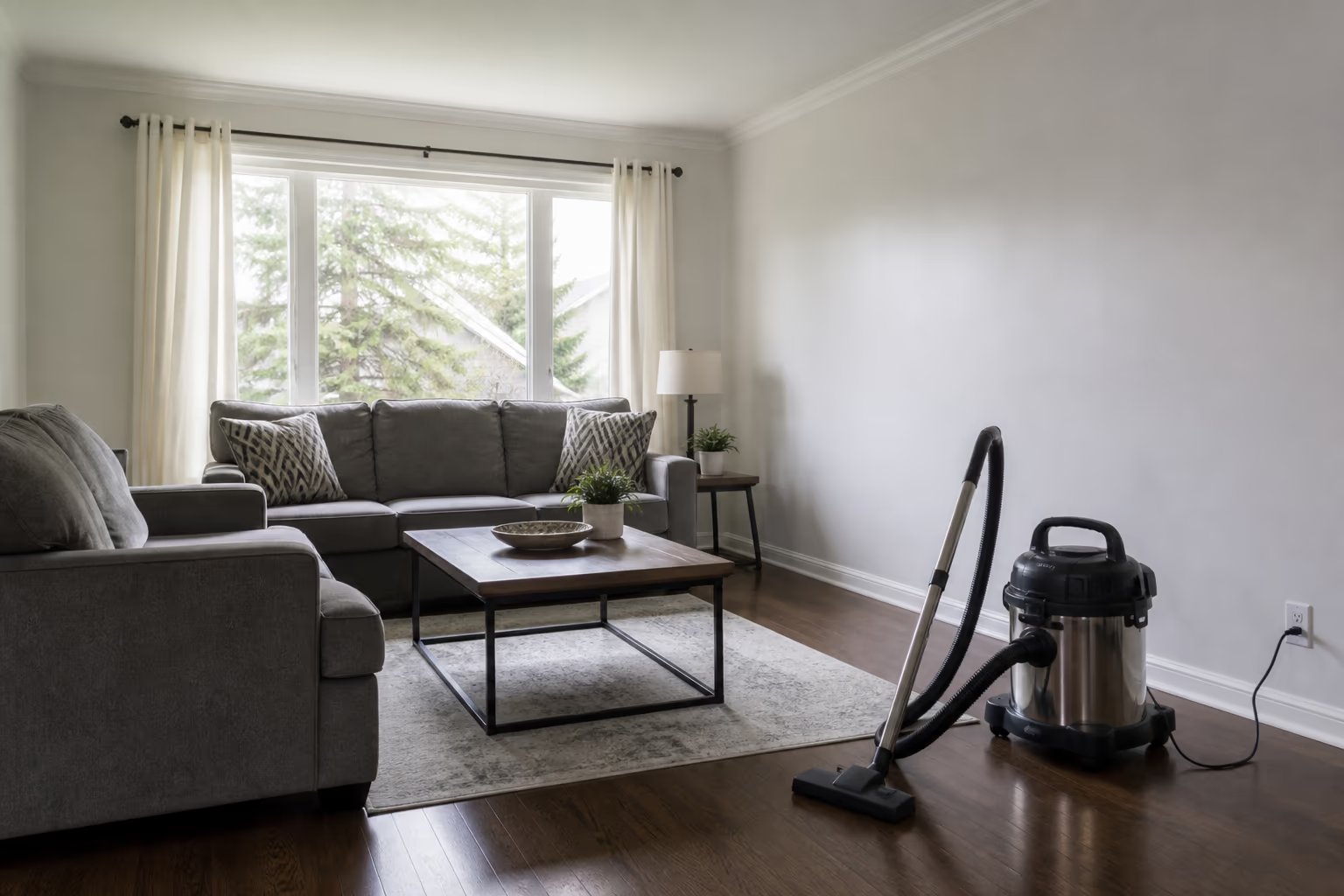
Walls, Ceilings and Hard Surfaces
Walls are the largest surface in any room, so they are also the largest reservoir of smoke residue. On painted walls, a mild detergent and warm water usually lifts the film, but badly stained or heavily painted-over walls may need more attention.
Test a small, hidden patch first to make sure your cleaner does not dull or strip the paint. Work from the bottom up so any streaks you leave are less visible, and rinse each section before moving on. For ceilings, use a step stool and clean in overlapping strips so you do not miss areas, and be prepared for the cloth to come away brown the first few passes.
Hard surfaces like tile, laminate, wood trim, glass and metal clean up more readily. A degreasing cleaner cuts through the sticky film, and rinsing with plain water removes any residue the cleaner leaves behind. Pay attention to the details people forget: the top of door frames, light switches, outlet covers, baseboards and the inside edges of windows all collect residue.
Carpets, Upholstery and Fabric
Fabric holds smoke odour longer than almost anything else, because the fibres are porous and trap both the residue and the smell. Carpets and upholstery also have padding or foam underneath, which can hold the odour even when the surface looks clean.
Vacuum first, slowly and thoroughly, to lift surface dust and residue. If the fabric allows, a professional-grade hot water extraction, also known as a deep steam clean, removes embedded residue that household vacuums cannot reach. After cleaning, allow carpets and upholstery to dry completely, because moisture can reactivate trapped smells and encourage mustiness.
For smaller items, baking soda can help. Sprinkle a light layer on carpets or upholstery, let it sit for several hours, then vacuum it up thoroughly. Baking soda does not remove the residue itself, but it can absorb some of the smell while the deeper cleaning works. Wash or clean anything you can remove, including cushion covers, throw pillow covers, blankets and curtains, following the care labels.
Natural and Low-Chemical Deodorising Methods
Before you reach for heavy chemical deodorisers, try the methods that work by cleaning the air and neutralising smells gently.
- Ventilation: open windows and use fans to push stale air out and pull fresh air in.
- Baking soda: set open containers of baking soda in cupboards, closets and corners, and sprinkle it on carpets before vacuuming.
- Vinegar: a light dilution of white vinegar and water can cut residue on hard surfaces and neutralise some smells.
- Activated charcoal: porous charcoal bags absorb odours in closed spaces such as closets and laundry rooms.
- Airing fabrics: hang curtains, blankets and pillows outside on a dry, breezy day to let the air lift the smell.
- Clean filters: washing or replacing furnace and range hood filters keeps the air moving through them from re-introducing the odour.
Ventilation deserves a place beside the products. Health Canada's indoor VOC guidance names cigarette smoke as an indoor source of volatile organic compounds and lists increasing ventilation first among the ways to reduce exposure in a home. Health Canada defines them this way: “Volatile organic compounds (VOCs) form a large group of chemicals commonly found in both indoor and outdoor air.”
These methods are helpful, but be honest about their limits. They remove some smell and support the deep clean, but they do not remove the residue itself. A room where the walls and fabrics still hold the film will start to smell again once the fresh air is gone.
Avoid ozone generators sold for odour removal. Ozone can be irritating to the lungs and is not a substitute for physically removing the residue, and using it in an occupied home is not a recommended practice. Focus your effort on cleaning surfaces and airing the space instead.
Ongoing Prevention and Fresh-Smell Habits
Once the deep clean is done, a few habits keep the odour from returning and help the whole home smell fresher.
- Keep smoking outdoors or in a designated space that is easy to clean.
- Change the furnace filter on the manufacturer's schedule, especially after a deep clean.
- Use the kitchen and bathroom exhaust fans to clear moisture and cooking smells.
- Open windows for a few minutes on dry days to exchange indoor air.
- Wipe down hard surfaces regularly so new residue never builds up.
- Vacuum carpets and rugs weekly with a HEPA vacuum.
- Launder curtains and bedding on a regular schedule.
- Empty the vacuum after each use so collected residue does not re-enter the air.
- Wash trash bins and wipe down the inside of cupboards periodically.
Consistency matters more than any single deep clean. A home stays fresh when residue is never allowed to build up again, and that is much easier to manage once the initial clean has removed the years of accumulated film.
Common Mistakes and How to Avoid Them
Many people try to fix smoke odour and give up because they make one of these common mistakes. Knowing what not to do saves you time, money and frustration.
- Masking the smell with air freshener or scented candles, which hides it briefly but does not remove the residue.
- Cleaning with a single dirty cloth, which spreads the film instead of lifting it.
- Washing walls with plain water and no detergent, which cannot break down the sticky residue.
- Skipping the high surfaces and ceilings, where the heaviest deposits settle.
- Treating only the visible surfaces while the carpet padding, ductwork and filters keep smelling.
- Using an ozone generator in an occupied home, which can irritate the lungs.
- Rushing the dry step and wetting dusty surfaces, which turns the residue into a smear.
- Reintroducing odour by leaving a dirty furnace filter in place after cleaning.
The fix for every one of these is a complete, ordered process: dry, wet, rinse and air, applied to every surface and followed by clean filters and good ventilation. It is more work than a quick fix, but it is the work that actually gets rid of the smell.
Costs, Timing and When to Call a Professional
Removing years of smoke odour is one of the most labour-intensive cleaning jobs in a home, which is exactly why it is a good candidate for professional help. The supplies for a do-it-yourself pass are inexpensive, but doing it thoroughly takes many hours of steady work, and the results depend on reaching every surface in the right order.
A professional deep clean is worth considering when you are moving into a former smoking home, preparing to sell or rent a property, or simply when the do-it-yourself effort has not worked. Trained cleaners bring industrial equipment such as hot water extraction for carpets, HEPA vacuums and professional deodorising products, and they work systematically so no reservoir of residue is missed.
When you compare cleaning companies, ask how they handle smoke odour specifically, what equipment they use, how they protect your surfaces, and whether their products are chosen for the occupants, including children and pets. Good Cleaner Co. combines local experience, background-checked staff and carefully selected products to restore Ottawa and area homes that have been affected by years of smoking. Our residential home cleaning services in Ottawa can be scheduled around your timeline and your standards. For a broader look at budgeting the job, our affordable cleaning services Ottawa page outlines what a full home reset typically costs.
If you are weighing whether to manage the job yourself or hire it out, our checklist for hiring a commercial cleaner is a useful starting point for the questions that matter, and the same standards of transparency, equipment and training apply to a home project of this scale.
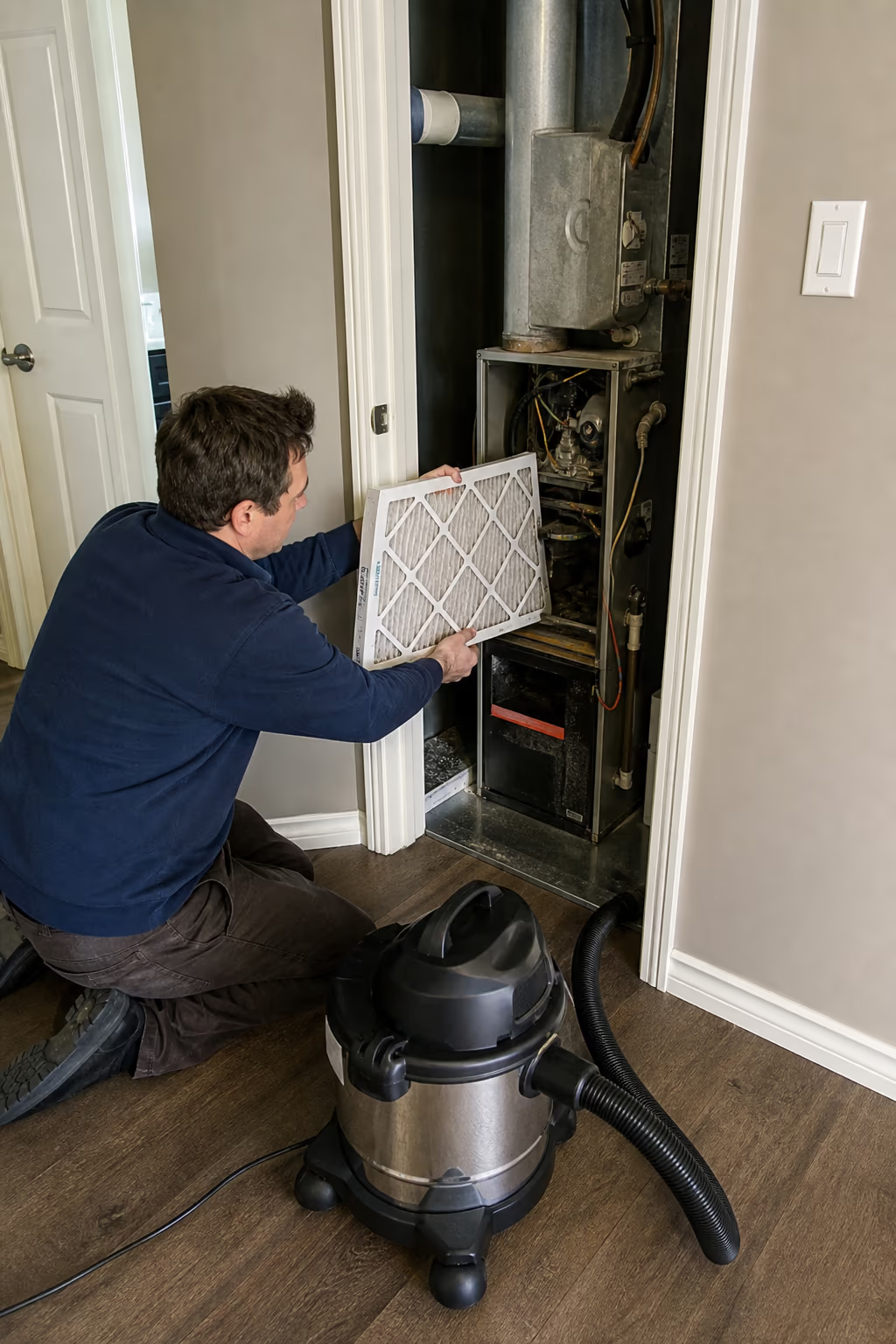
Formatted Step-by-Step Smoke Odor Removal Checklist
Work through the whole checklist once as a deep clean, then keep the high-frequency steps in your regular routine.
- 1Dry-dust every surface from top to bottom, including ceilings, walls, shelves, fixtures and vents.
- 2Wash walls, ceilings, trim, glass and hard surfaces with a degreasing solution and rinse with clean water.
- 3Launder curtains, bedding, pillows and removable covers, and vacuum carpet, rugs and upholstery thoroughly.
- 4Neutralise lingering smells with baking soda, vinegar, activated charcoal and a long airing-out of the rooms.
- 5Replace the furnace filter, clean the vent covers, and run fans and open windows to clear the air.
- 6For deep embedded residue in carpet, ductwork and porous walls, reviewing our professional home cleaning services in Ottawa provides a trained team for a thorough restoration.
If a persistent smell is not the only issue in an older home, the same source-first approach applies elsewhere: our guide on how to get rid of bed bugs quickly and our guide on how to get rid of dust mites naturally cover two of the most common remaining nuisances.

FAQ
How long does it take to get rid of smoke odour from a home?
A thorough deep clean usually takes at least a full day of steady work, and porous materials like carpet and drywall may need several passes over a few days. Professional equipment speeds this up considerably and reaches deeper into the fabric and padding.
Does painting over walls get rid of smoke odour?
Painting helps only if the residue is sealed first. If you paint over the sticky film, the odour can bleed back through. Cleaning the walls thoroughly, and in some cases applying a stain-blocking primer, gives the paint a clean surface to work with.
Will air fresheners remove the smell?
No. Air fresheners and scented candles only mask the odour for a short time. The residue keeps releasing the smell until it is physically removed from the surfaces.
Can smoke odour be removed from carpets?
Yes, with the right equipment. A professional hot water extraction reaches deep into the pile and the padding, which is far more effective than a household vacuum or a rug shampoo. If the padding is badly saturated, it may need to be replaced.
Is it safe to use an ozone generator to remove smoke odour?
Ozone generators can irritate the airways and are not a substitute for removing the residue. They should not be used in an occupied space, and they do not address the source of the smell.
Why does the smell come back after I clean?
Usually because the residue is still hidden somewhere: the ceiling you skipped, the padding under the carpet, the furnace filter or the top edges of doors. The odour also returns if the surfaces were masked rather than rinsed, or if the air was not cleared afterward.
How do I know if my cleaning is actually working?
A room that smells clean only when the windows are open is not finished. The real test is whether it still smells fresh after the room has been closed up for a day, which means the residue and the air have both been addressed.
Should I hire a professional for a former smoking home?
If the odour has built up over years, professional help is often the difference between a partial improvement and a lasting result. A trained team works systematically, uses industrial equipment, and knows where smoke residue hides.
Wrapping Up
Getting rid of smoking odor, even after years of buildup, comes down to removing the residue rather than masking the smell. Dry-dust from top to bottom, wash every hard surface with a degreasing solution and rinse it clean, launder the fabrics, vacuum the carpet and upholstery, neutralise the air, and replace your filters. Work systematically, be patient with porous materials, and you will see the odour lift for good. For a home that has been affected by years of smoking, Good Cleaner Co. can bring the equipment, training and experience to restore it fully and keep it fresh.
Keep reading
More from Good Cleaner
Services that fit
- House Cleaning Services in OttawaHouse cleaning services in Ottawa for one-time, weekly, biweekly, and monthly home care, with customizable cleaning and eco-friendly options.
- Janitorial Services in OttawaRecurring janitorial services in Ottawa for offices, warehouses, retail, dealerships and schools, with eco-friendly commercial cleaning and customized plans.
About the author
Service areas
- Ottawa
- Kanata
- Nepean
- Orléans
- Barrhaven