
What Can Be Cleaned With Hydrogen Peroxide?
That three percent hydrogen peroxide sitting at the back of your cleaning cupboard is one of the most useful tools most households already own, and it almost always gets used for a single job before it is forgotten. This guide explains what can be cleaned with hydrogen peroxide, where it genuinely helps, which surfaces and materials it can damage, and how to use it safely around people and pets. It also covers the Canadian product labels worth understanding and when a trained professional team is the more sensible choice.
Quick Summary
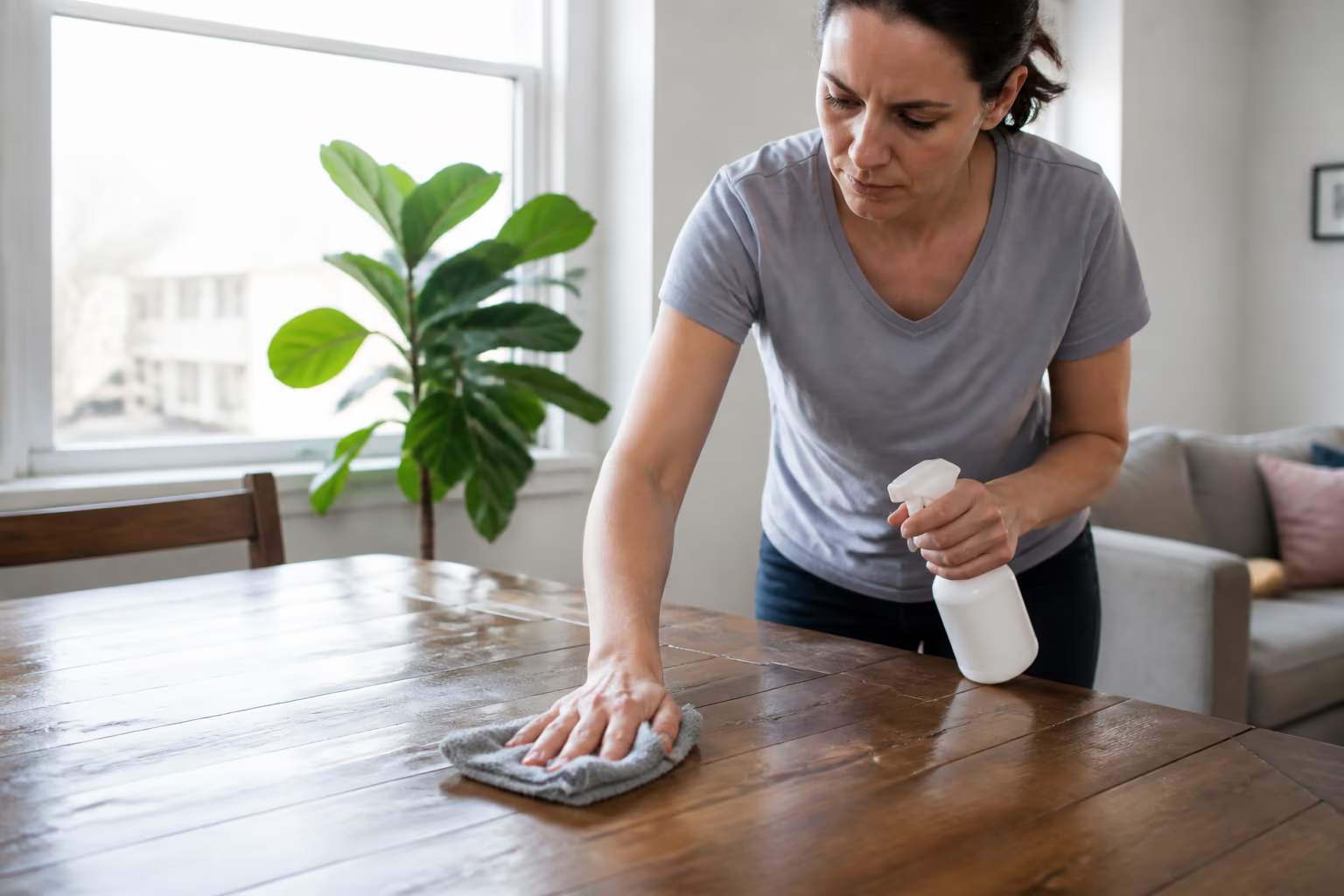
Three percent hydrogen peroxide, already sitting in most cleaning cupboards, is a useful multi-purpose cleaner, but it genuinely helps on some surfaces and can damage others, so knowing where it belongs and where to avoid it matters. This guide covers safe use around people and pets, and Canadian product labels.
In this guide
What Hydrogen Peroxide Can and Cannot Do
Hydrogen peroxide is a mild oxidizer. In the three percent solution sold at pharmacies and grocery stores across Canada, it works by releasing oxygen as it breaks down into water and oxygen. That reaction is what lifts light stains, loosens dried soil, and creates the familiar fizz when it meets organic matter. It is a useful product, but it is not a magic bottle, and it is not a substitute for soap, a degreaser, or a proper scrub.
The important distinction is between cleaning and disinfecting. Cleaning removes dirt and residue. Disinfecting reduces microorganisms on a surface. Hydrogen peroxide can contribute to both, but it cannot do either well on a dirty surface, because soil blocks its action. If you rely on it for disinfection, the surface needs to be pre-cleaned and the product needs to stay wet for the dwell time printed on the label. In Canada, a disinfection claim has to be supported on the product label, and regulated disinfectants carry a Health Canada registration number, usually shown as a Drug Identification Number or DIN. Never guess at a number or trust an unverified claim from a social media post; the label is the authority. The federal advice starts at the shelf: “When you are buying a household chemical product, read the label to determine its ingredients and any special handling instructions.”
What hydrogen peroxide is genuinely good at: brightening grout and tile, lifting water-based stains, helping with light mildew on hard surfaces, and deodorizing items that hold odour. What it is not good at: heavy grease, wax buildup, and caked-on grime. Those jobs need a degreaser and physical effort, and peroxide will simply sit on top of the mess.
Where Hydrogen Peroxide Earns Its Place
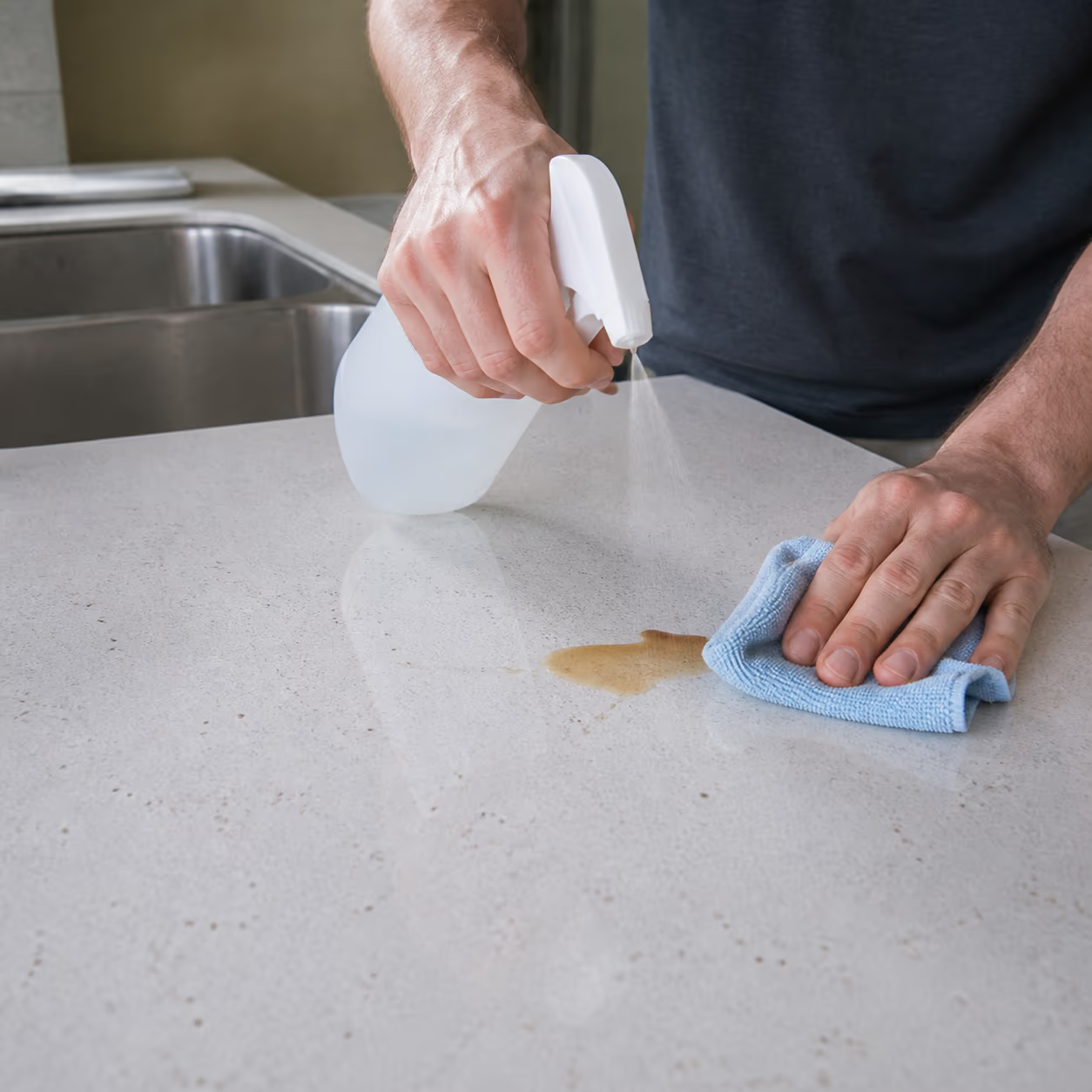
Bathroom surfaces are the most common win. Grout lines, shower tile, the inside of the toilet bowl, and the ledge behind a sink respond well, because peroxide lifts the thin organic film that makes them look dull. Apply it, let it bubble for the label-directed time, then rinse or wipe. On a white bathroom, it can also help brighten a tired tub surround without the chlorine smell of bleach.
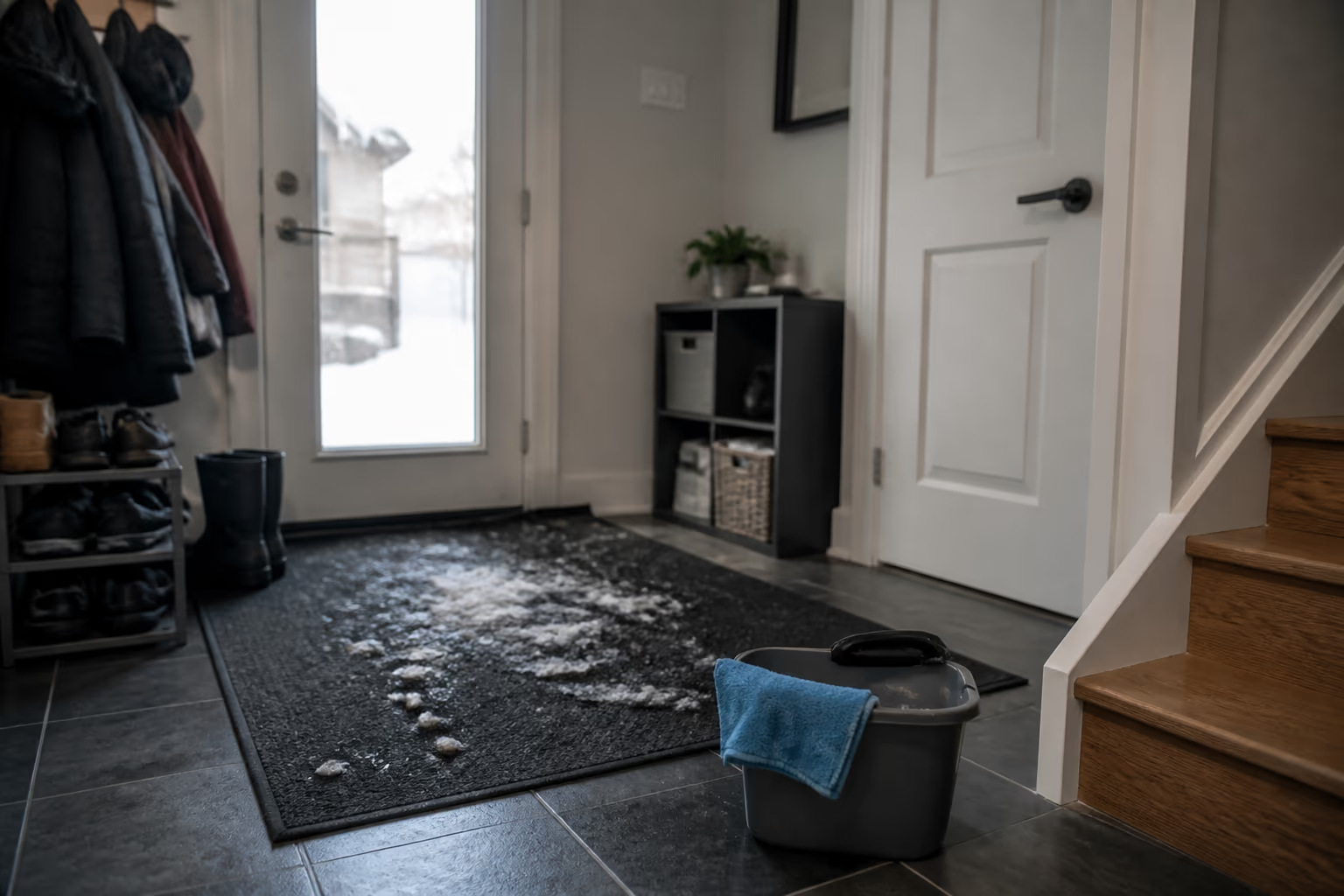
Kitchen surfaces benefit in specific spots. Food-safe plastic cutting boards can be washed with a dilute solution and rinsed thoroughly afterwards. The interior of a fridge benefits from a light application to lift spills before a final wipe with clean water. Countertops are the catch: some stone, sealed wood, and coated surfaces do not tolerate peroxide, so the material always comes before the product.
Laundry is where many people see the most dramatic result. Hydrogen peroxide helps white fabrics that have taken on a yellow cast, and it is often effective on protein and fruit-based stains such as blood, sweat, and berry juice. Test an inconspicuous area first, because it can brighten some dyes and lift others. It is not a replacement for a colour-safe product, and it should never be poured straight onto coloured clothing without a test.
High-touch items are a sensible target for a wipe-down. Doorknobs, light switches, remote controls, and cabinet handles collect a film that peroxide can help lift. Use a cloth dampened with a dilute solution rather than a soaked rag, and dry the surface afterwards. In a shared workplace where many hands touch the same surfaces all day, that same high-touch discipline matters even more; our call centre cleaning high density workspace hygiene guide covers how it scales to a busy office floor.
Entryway and utility areas round out the list. The interior of a garbage bin, the bottom of a laundry hamper, and a pet's water bowl can all be freshened with a diluted wash and a thorough rinse. In a Canadian winter, though, remember that salt is its own problem. Snow and road salt tracked through an entryway leave a white film that peroxide does not meaningfully help with. Salt needs water, a drying step, and often a product designed for the flooring you own. Do not reach for peroxide as a shortcut on salt stains, especially on stone.
Where Hydrogen Peroxide Should Stay Out
The do-not-use list is shorter than the do-use list, but it matters. Natural stone is the biggest exception. Marble, granite, and slate can be etched or dulled by peroxide, so it stays away from stone counters and floors. Unsealed wood, including butcher block, is another clear no, because peroxide can lighten the grain and leave a white haze that is difficult to remove.
Metals are a trap. Peroxide can oxidize copper and brass and can dull some protective finishes, turning a bright tap or fixture grey. Chrome is usually fine with a rinse, but when you are unsure, test in a hidden spot or choose a gentler product. Electronics and screens are obvious exclusions. A damp peroxide cloth near a seam can wick liquid into a device, so use a barely damp or dry cloth designed for the screen.
Painted surfaces deserve caution. A wall, door, or piece of furniture with a painted finish can be discoloured, and the result is hard to undo. Some fabrics react the same way. A red or dark garment should never meet peroxide without a test on the inside seam.
Finally, never mix hydrogen peroxide with other products. Peroxide and vinegar together form peracetic acid, and peroxide with bleach can release chlorine gas. Both reactions are dangerous. Use one product as directed, work in a ventilated space, and keep peroxide in its own clearly labelled bottle.
How to Use Hydrogen Peroxide Safely
Start with the right product. Household hydrogen peroxide is typically sold at three percent, sometimes five percent for heavier jobs. A stronger solution is not automatically better for routine cleaning, and it can be harder on surfaces and on your skin.
Wear gloves and work somewhere with airflow. Peroxide is not a high-risk product, but it can irritate skin and eyes, and the fizzing releases oxygen, so a little ventilation keeps you comfortable. Keep the bottle out of reach of children and pets. Store it in the opaque container it came in, away from heat and direct light, because light breaks it down over time. A bottle that has sat open in a warm cupboard for months may have lost most of its strength; fresh solution behaves far more predictably.
Test before you commit. The reliable habit is to apply a small amount to an inconspicuous corner, wait, and check for a change in colour or shine. That twenty-second check prevents the surprise that turns a weekend cleaning project into a refinishing job.
Read the label for the dwell time. If you are relying on peroxide for disinfection, the label tells you how long the surface must stay wet. Guessing at a contact time is how people end up with a pass that does not actually do what they hoped. If you need a faster or more reliable disinfectant, a product registered for that claim and used as directed is the honest answer.
Hydrogen Peroxide in Canadian Cleaning: Labels, Claims, and Context
Cleaning products in Canada sit in a particular regulatory space, and it helps to understand the basics before trusting a claim. Disinfectants sold in Canada carry registration from Health Canada, usually visible as a DIN on the label. Hydrogen peroxide itself appears in regulated products, but the plain bottle you buy at the pharmacy may or may not be registered for disinfection, depending on what its label claims. If a surface must meet a disinfection standard, use a product that is registered for that purpose and follow its directions. Treat the label as the source of truth rather than a comment section.
Health Canada adds a practical step to that: read the label and follow the instructions for safe use, and never mix household chemical products, since some combinations produce harmful gases. With peroxide it also means checking the concentration printed on the bottle before assuming a use is appropriate.
Workplace products add another layer. Under WHMIS 2015, cleaning chemicals used in a commercial setting must be labelled and accompanied by safety data sheets that tell workers how to handle, store, and respond to them. A professional cleaning company trains its staff to read those labels, dilute correctly, and react to a spill or exposure. That is not bureaucracy; it is how a facility stays safe when the same product is used by many different hands over years.
EcoLabels are a different thing again. A certification such as EcoLogo tells you that a product has met environmental and performance criteria, but a certified product still has to be used as directed, and certification is not a promise that one product is automatically the best for every job. When you see a label claim, ask what it means, who issued it, and whether it covers the job you actually have in mind.
Good Cleaner Co. builds its cleaning on this same mindset. Our teams choose products for the surface and the occupants, follow manufacturer directions, and keep training current, so a strong product is never a substitute for correct use. It is one of the reasons we can stand behind our residential home cleaning services in Ottawa: the result rests on process and training, not on grabbing the strongest bottle on the shelf.
When a Professional Clean Is the Better Answer
Hydrogen peroxide earns a place in a home cleaning routine, but it does not replace a proper clean. Deep-set grime, years of residue in a kitchen, a bathroom that needs its grout and fixtures treated as a whole, and a move-in or move-out reset all benefit from equipment, products, and labour that most households do not have on hand.
A professional team also brings consistency. The real value of hiring help is not that one day is spectacularly clean; it is that the same standard is met on every visit, with documented processes and staff who are background-checked and trained. When you compare providers, our commercial cleaning company vetting guide is a practical starting point for the questions that matter, whether you are hiring for a home or a business.
For everyday upkeep, the routine is simple. Keep a fresh bottle of three percent peroxide for the jobs where it helps, use it as directed, test before you trust it on a new surface, and leave the deep work to the people whose job is getting it right.
Common Mistakes People Make With Hydrogen Peroxide
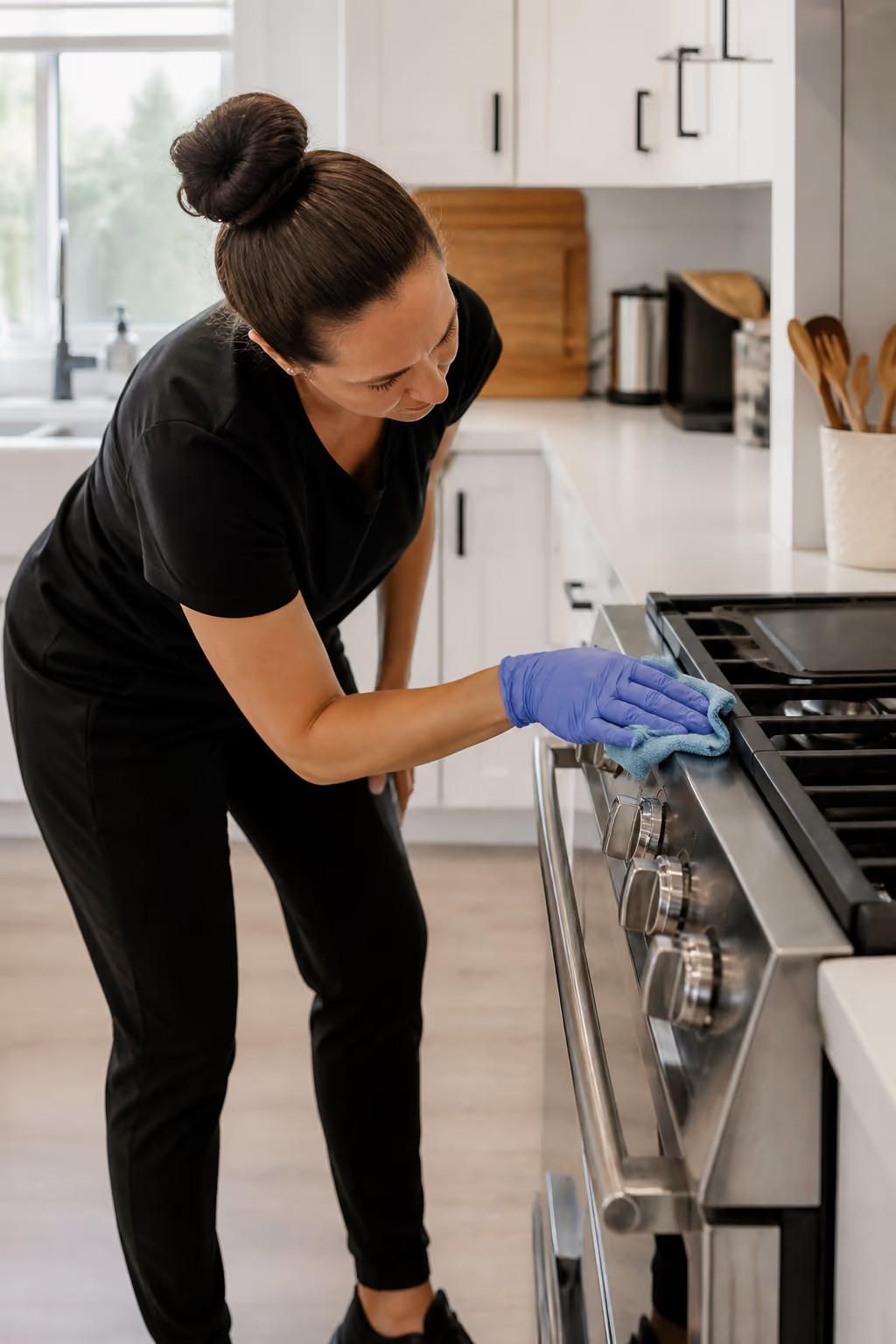
- 01The biggest mistake is treating peroxide as an all-purpose cleaner.It is not. Reaching for it on a stone counter, a butcher block, or a painted door usually ends with a surface that needs repairs, and the fix is far more expensive than the stain you were trying to remove. Read the material before you read the product.
- 02The second mistake is using an old bottle.Peroxide loses strength as it sits, especially in light and heat. A bottle that no longer fizzes is mostly water, and it gives the impression of cleaning while doing very little. Replace it when it stops behaving the way you expect.
- 03The third mistake is expecting peroxide to replace the scrubbing step.The bubbles lift and loosen, but something still has to move the residue away. A clean cloth, a brush, or a rinse does that part. Spraying and walking away rarely produces a visibly clean surface.
- 04The fourth mistake is mixing products.The temptation to add a splash of something stronger is understandable, but the chemistry is not on your side. Peroxide and vinegar form peracetic acid. Peroxide and bleach can release chlorine gas. One product, used as directed, is the safe combination.
- 05The fifth mistake is forgetting the label.A disinfectant claim, a dwell time, and a surface warning are printed for a reason. Reading the label takes ten seconds and prevents most of the problems on this list.
Formatted Step-by-Step Hydrogen Peroxide Cleaning Checklist
Use this checklist for the common jobs where hydrogen peroxide genuinely helps. Work through the steps in order and adjust for the surface and product you are using.
- Step 1.Clear the surface and rinse away loose soil first, because peroxide cannot act through a layer of grime.
- Step 2.Test a small, inconspicuous area before using peroxide on any surface or fabric you have not tried before.
- Step 3.Apply the dilute solution to the stain or film and let it dwell for the label-directed time, letting the bubbles do part of the work.
- Step 4.Wipe or rinse with clean water, then dry the surface so no moisture is left to collect dust or dull a finish.
- Step 5.Rinse and store the peroxide in its opaque bottle, out of reach of children, away from heat and light.
- Step 6.For the deeper results a home kit cannot reach, reviewing our professional home cleaning services in Ottawa provides a trained team for a full reset.
FAQ
Can hydrogen peroxide damage my clothes?
It can lift colour from some dyes, especially on dark or red fabric. Test an inside seam first. On whites it can help brighten, but use it sparingly and rinse thoroughly.
Is three percent hydrogen peroxide safe to use around pets?
Three percent household solution is generally low risk when used as directed, but keep pets away while the surface is wet and rinse or wipe surfaces they touch until dry. Store the bottle out of reach.
Can I mix hydrogen peroxide with vinegar or bleach?
No. Peroxide and vinegar form peracetic acid, and peroxide with bleach can release chlorine gas. Both reactions are dangerous. Use one product at a time, as directed.
Does hydrogen peroxide disinfect surfaces?
It can, if the product is registered for disinfection and used with the label's dwell time on a pre-cleaned surface. A plain pharmacy bottle may not carry that claim, so read the label and treat a registered product as the source of truth.
Why does my peroxide not fizz anymore?
The solution weakens over time and when exposed to light and heat. If a bottle has sat open for months, replace it. Fresh solution behaves far more predictably.
Can I use hydrogen peroxide on my countertops?
It depends on the material. Durable plastic or laminate may be fine with a light wipe and rinse, but natural stone, sealed wood, and some coated surfaces can be dulled. Test an inconspicuous corner before committing.
Is hydrogen peroxide useful for winter salt stains?
Not really. Salt residue from snow and road salt needs water, a drying step, and often a product made for the flooring you own. Peroxide does not dissolve salt and can damage some materials.
What strength of hydrogen peroxide should I buy for cleaning?
Three percent is the practical choice for household cleaning. Five percent exists for heavier jobs but is harder on surfaces and skin, so start with three percent and always follow the label.
Wrapping Up
Hydrogen peroxide is a genuinely useful addition to a cleaning cupboard when it is used for the right jobs, on the right surfaces, and with the label respected. Keep it for light stains, grout, and high-touch areas, skip the surfaces it can damage, and hand the deep resets to a professional team when the result needs to be reliable. If you would rather spend your weekend on something other than scrubbing, Good Cleaner Co. can put a trained, background-checked crew to work in your home.
Keep reading
More from Good Cleaner
Services that fit
- Residential Home Cleaning Services in OttawaRecurring home cleaning services in Ottawa for one-time, weekly, biweekly and monthly care, built around your schedule and your standards.
- Janitorial Services in OttawaRecurring janitorial services for offices, warehouses, retail, dealerships and schools, with eco-friendly commercial cleaning and customized plans.
About the author
Service areas
- Ottawa
- Kanata
- Nepean
- Orléans
- Barrhaven