
Ultimate Spring Cleaning Checklist: 50+ Tasks For Canadian Homes
A Canadian winter leaves more than snow behind. By spring, the entryway floors carry a crust of salt, the windows have a film of furnace-filtered dust, and the corners where humidity pooled have grown spots that were not there in the fall. A proper spring clean is the reset that gets the whole home back to a fresh, healthy baseline, and with a checklist it does not have to be overwhelming. This guide lays out a complete, room-by-room spring cleaning plan for Canadian homes, from the winter salt on the entryway to the storage spaces that need a decision about what stays and what goes.
Quick Summary
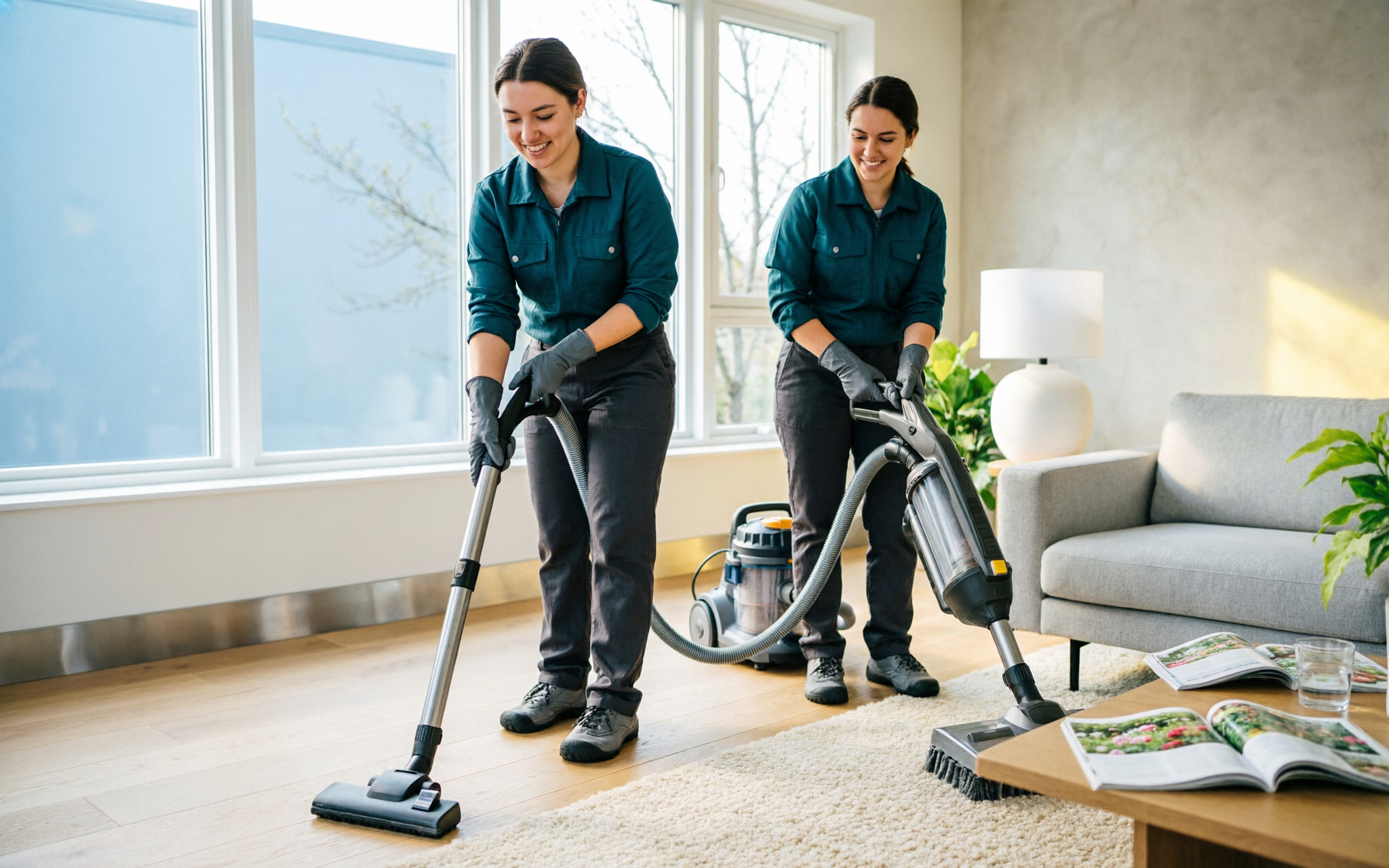
A Canadian winter leaves salt, dust and moisture behind, so spring cleaning is a room-by-room reset that clears entryways, windows and damp corners before problems set in. This guide gives a full checklist, decluttering tips and guidance on costs and timing for hiring a professional when the job is too big.
In this guide
Why a Spring Clean Matters After a Canadian Winter
Homes in Ottawa and across Ontario spend months sealed up against the cold. Windows stay closed, the furnace recirculates the same air, and dust, pet dander and the debris of everyday life settle into carpets, upholstery and forgotten corners. By spring, the air itself feels stale and the surfaces carry a fine film that no amount of spot cleaning can keep up with. A full clean at the change of season clears that build-up and gives the home a genuinely fresh start.
The winter months also leave physical evidence that only a deep clean addresses. Road salt is tracked across entryways and grinds into mats and floors, and the moisture it carries can dull finishes and damage grout over time. Condensation collects on windows and in bathrooms, and in the damp corners of basements and closets that humidity can turn into visible mould and mildew. Spring is the moment to deal with all of it, while the warm, dry weather makes it easier to air the home out and dry things properly.
There is also a practical payoff that lasts. A thorough spring clean resets the surfaces and storage areas that accumulate the most: the inside of the oven, the back of the fridge, the curtains, the mattress, the baseboards and the window tracks. Done once, well, most of those tasks only need light upkeep for the rest of the year. That is why the checklist below is built around the deep tasks first and the maintenance tasks second. Pairing this seasonal reset with an ongoing checklist to keep your house clean throughout the year makes the next spring clean noticeably lighter.
How to Approach a Full-Home Spring Clean
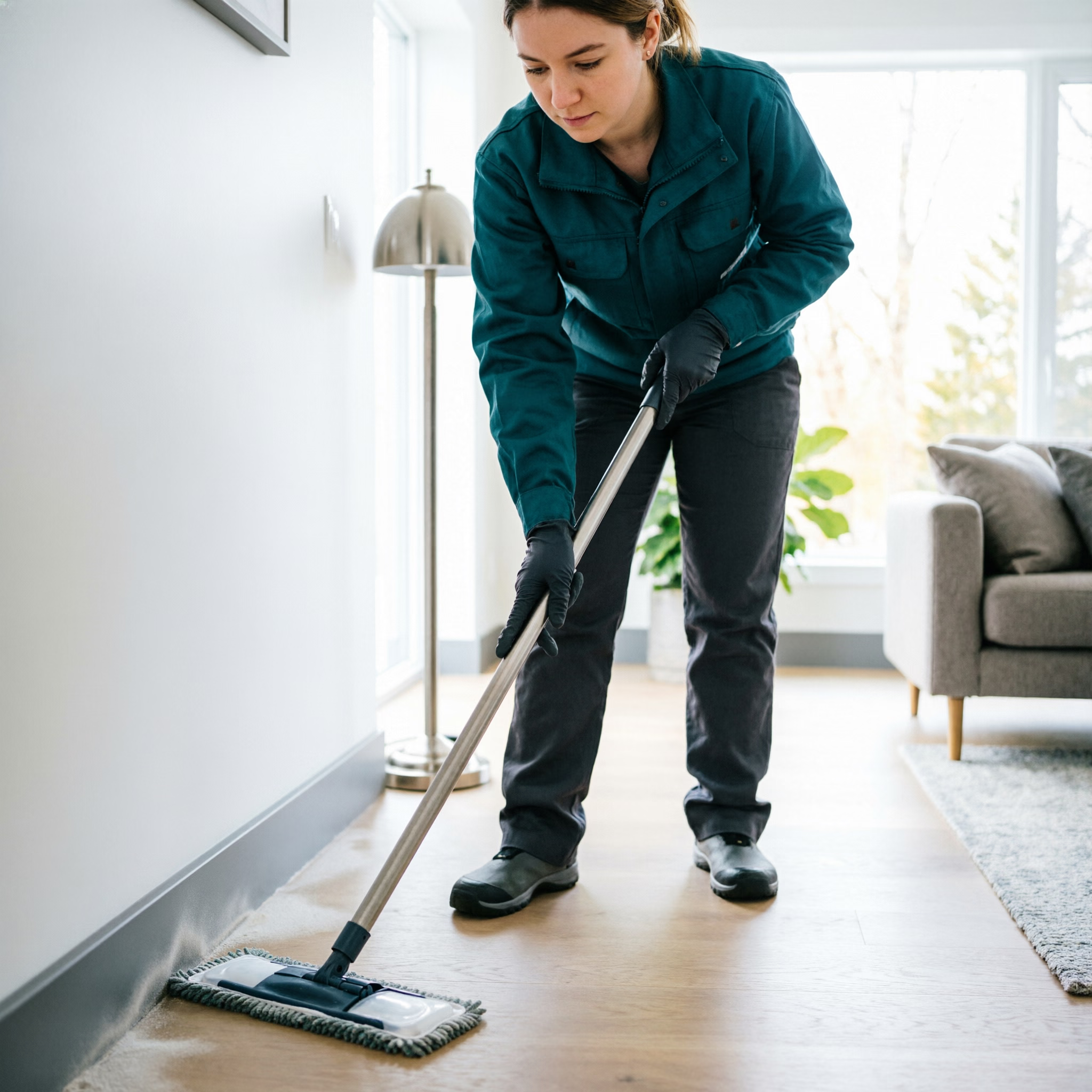
The secret to a manageable spring clean is planning before you start. Decide on the order, gather your supplies, and set a pace that fits your schedule. Most people spread the work over a few days or a weekend, doing one or two rooms at a time rather than trying to finish everything in a single exhausting day.
Start with the air, not the surfaces. Health Canada's ventilation advice explains that ventilation removes stale indoor air, brings in fresh outdoor air and limits the moisture buildup that contributes to mould growth, which is exactly what a winter-sealed house needs first. Health Canada states it plainly: “The most effective way to improve your indoor air is to identify activities that can contribute to poor indoor air quality and remove or reduce the sources of indoor air pollutants.”
Work from the top of each room down. Dust ceiling corners, ceiling fans and high shelves first, then furniture and surfaces, and floors last, so nothing you dislodge lands on a surface you have already cleaned. Within the home as a whole, start with the spaces you use most and end with the ones that need the deepest work, such as the oven, the fridge and the storage areas.
Be realistic about how much you can do at once. A focused hour in one room is more effective than a whole day spread thinly across the entire house. If the deep tasks are more than you have time for, divide them between a spring clean you do yourself and the heavier jobs, such as carpet extraction or washing high windows, that are worth handing to a professional.
What You Need Before You Start
Before starting a spring clean you need a well-stocked cleaning caddy: a vacuum with a hose, crevice tool and brush attachment, microfibre cloths and a mop, an all-purpose cleaner and a dedicated glass cleaner, a degreaser and a bathroom cleaner, a scrub brush and grout brush for built-up residue, bin liners and storage boxes for the decluttering pass, and stepladder access to ceilings and high shelves. Most of these are things you probably already own, and a well-stocked caddy saves trips and keeps momentum going once you start.
- 01A vacuum with a hose, crevice tool and a brush attachment for edges and upholstery.
- 02Microfibre cloths and a mop for floors and hard surfaces.
- 03An all-purpose cleaner and a dedicated glass cleaner.
- 04A degreaser for the kitchen and a bathroom cleaner for tile and fixtures.
- 05A soft scrub brush, a grout brush and a gentle scraper for built-up residue.
- 06Bin liners, storage boxes and labels for the decluttering pass.
- 07A bucket, warm water and clean cloths for rinsing.
- 08Stepladder access to ceilings, curtain rods and high shelves.
When you choose products for a deep clean, read the label and match each product to the surface and the task. For jobs that genuinely need a sanitising product, look for one with a Health Canada Drug Identification Number, or DIN, and follow the contact time on the label. Under WHMIS 2015, every commercial cleaning product ships with a safety data sheet that explains how to handle it, and a professional company trains its staff to use the right dilution and protection. Eco-certified options carrying a label such as EcoLogo do the work with fewer harsh ingredients, which is a sensible choice for a home where children and pets live.
Room-by-Room Spring Cleaning Checklist
Work through each room from top to bottom, and tick tasks off as you go. The lists below cover the deep tasks that most households skip in their weekly routine.
Start with the kitchen, where grease and food residue build up fastest. Pull out appliances where you can, and give the surfaces a proper degrease rather than a quick wipe.
- 01Wipe down the range hood, its filter and the walls and cabinets above the stove.
- 02Clean the inside of the oven, including the racks, and wipe the microwave inside and out.
- 03Pull out the fridge and freezer, defrost the freezer, and wipe the back and the floor beneath.
- 04Clean the stovetop, drip trays, burners and backsplash, and degrease the exterior of appliances.
- 05Empty, wash and restock the cabinets and pantry shelves, checking for expired food.
- 06Wash the inside of the dishwasher filter and the seals around the door.
- 07Deep clean the countertops, sink, taps and the garbage bin, and sanitise the handles.
Next, the bathrooms, where humidity and soap scum call for a slightly stronger approach. Our bathroom cleaning checklist guide walks through each of these steps in more detail if you want a closer look at the process.
- 01Wash shower walls, the tub and the glass doors, and descale the showerhead.
- 02Clean the toilet inside and out, including the base and the area behind it.
- 03Scrub the grout and tile, and treat any spots of mildew or mould.
- 04Empty the vanity and medicine cabinet, wipe the shelves and check for expired products.
- 05Wash the mirror, fixtures and the outside of the cabinets, and clean the exhaust fan and vent.
- 06Wash the bath mats, towels and the shower curtain liner.
Then the bedrooms and living areas, where dust and allergens settle into fabric and soft surfaces.
- 01Vacuum the mattress and wash or air the bedding, pillows and duvet.
- 02Dust ceiling fans, light fixtures, high shelves and the tops of picture frames.
- 03Wash the curtains, blinds and window screens, and wipe the window tracks.
- 04Vacuum upholstered furniture, cushions and under the furniture, and flip or rotate mattresses.
- 05Wipe down baseboards, door frames and the backs of doors, and clean the light switches.
- 06Vacuum or clean the carpets, and mop or clean hard floors.
Finally, the entryways, hallways and stairs, which take the heaviest winter traffic.
- 01Sweep and wash the entryway floors, and wash the winter mats and runners.
- 02Clean the front and interior doors, handles and the glass around the entrance.
- 03Dust and clean the stair treads, banisters, spindles and the walls along the stairs.
- 04Empty and clean the coat closet, boot racks and the shoe storage area.
- 05Wipe down the hallway light fixtures, mirrors and any furniture.
The Winter Cleanup: Salt, Moisture and Mould
The winter cleanup deserves its own attention because salt, moisture and mould are the seasonal problems that spring cleaning exists to fix. Road salt does more than stain a floor. Trapped in mats and on grout, it absorbs moisture and, over time, can dull finishes and etch surfaces. Begin by washing the entryway mats inside and out, then clean the floors and grout below them, and vacuum the closets and boot areas where salt has settled into the carpet.
Moisture is the quieter problem. Over the winter, condensation forms on single-glazed windows, in bathrooms and in the damp corners of basements and crawl spaces. Before you simply wipe it away, look for the discoloured spots that indicate mould or mildew has taken hold, especially in closets, behind furniture and around windows. Clean visible mould with the right product for the surface, dry the area completely and improve the ventilation so it does not return.
Air the home out while the weather cooperates. Opening windows on a dry, mild day flushes the stale winter air, helps drying and lowers the indoor humidity that mould relies on. In basements and bathrooms, use a dehumidifier or an exhaust fan to keep humidity in a comfortable range, and check for any condensation or staining that will need attention before next winter.
Decluttering Before You Clean
A spring clean is far easier when the surfaces and storage are not full of things you no longer use. Declutter first, then clean, because it is much faster to wipe an empty shelf than to dust around a pile of belongings.
- 01Sort each room into keep, donate, recycle and discard piles, and move the discards out the same day.
- 02Empty one drawer or shelf at a time and put back only what belongs there.
- 03Check clothes for fit and season, and pass on anything you have not worn in a year.
- 04Clear the kitchen counters and pantry of duplicates and expired items.
- 05Sort the bathroom cabinet and medicine cabinet, discarding expired products.
- 06Deal with the paper piles, recycling what can be recycled and filing what must be kept.
- 07Use the boxes you gathered to give every remaining item a home before you start cleaning.
Once the clutter is gone, the cleaning goes quickly and the whole home feels lighter. Keeping a small donation box by the door means the habit can continue all year instead of waiting for the next spring clean.
Common Mistakes and How to Avoid Them
Most spring cleanings go off track in predictable ways: trying to clean the whole house in one day and running out of energy, dusting high areas and vents only to have the mess settle onto floors cleaned earlier, using the wrong product on a surface and damaging the finish, wiping mould or mildew away without properly cleaning and drying the area, skipping the entryway mats and salt, and cleaning around clutter instead of decluttering first. Avoiding these predictable mistakes, in order, keeps the job efficient and the results lasting.
- 01Trying to clean the whole house in one day and exhausting yourself halfway through.
- 02Dusting surfaces but forgetting the high areas, fans, vents and window tracks.
- 03Cleaning floors before dusting above them, so everything settles back down.
- 04Using the wrong product on a surface, which can damage finishes and leave streaks.
- 05Wiping mould or mildew away without cleaning and drying the area properly.
- 06Skipping the entryway mats and salt, letting the damage continue through the season.
- 07Cleaning around clutter instead of decluttering first, which doubles the effort.
- 08Forgetting the deep tasks such as the oven, fridge, mattress and curtains.
Each mistake has a simple fix. Break the work into sessions, work top to bottom, declutter first and use the right product for each surface. The point of the checklist is to make sure nothing important is forgotten and everything is done once, properly.
Costs, Timing and When to Call a Professional
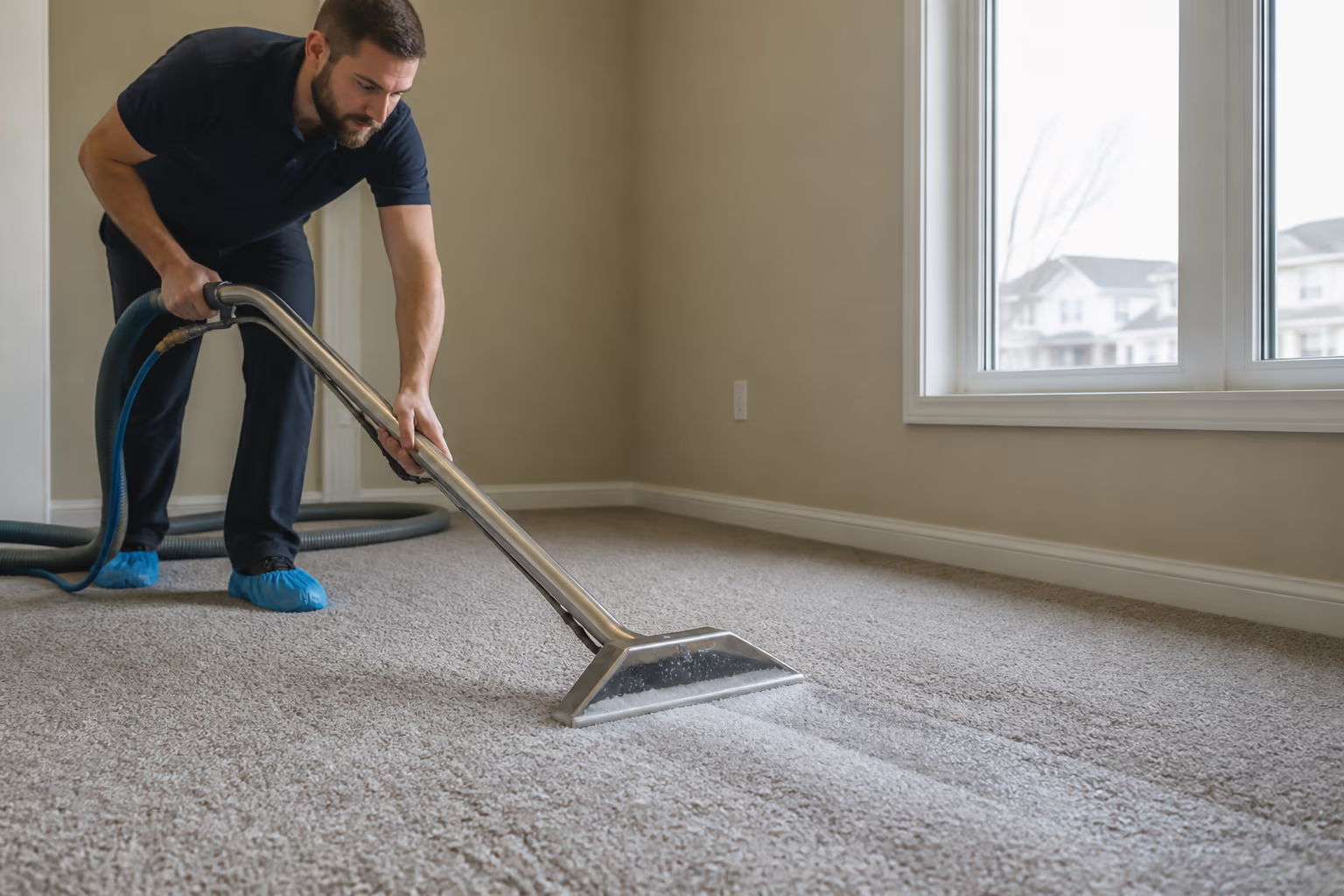
A spring clean you do yourself costs little more than supplies, which are modest, and your time, which can add up quickly across a whole home. For most households, the light and medium tasks are realistic to handle in a weekend. The heavier jobs are where professionals earn their keep: carpet extraction, upholstery and mattress cleaning, washing windows on higher floors, and the deep cleaning of an oven or range hood that has a season of grease built up.
The cost of hiring help varies with the size of the home, the number of tasks and whether you book a one-time deep clean or a regular service, so honest quotes are always site-specific. It is worth asking for a breakdown of what is included before you compare, because the same price can cover very different amounts of work from one company to the next. For a home that has not had a thorough clean in years, a professional deep clean first and your own lighter routine afterward is often the most effective combination. Comparing several affordable cleaning services Ottawa homeowners trust can help you find fair pricing without giving up quality.
Good Cleaner Co. combines local experience, background-checked staff and carefully selected products to help Ottawa and area homes reset each spring. Our residential home cleaning services in Ottawa are built around your schedule and standards, from a single deep clean to a regular plan.
If you are comparing providers, our checklist for hiring a commercial cleaner is a useful starting point for the questions that matter, from training to how products are chosen and applied.
Formatted Step-by-Step Spring Cleaning Checklist
Use this five-step order to structure your whole spring clean, and keep the room-by-room list beside you as you go.
- 1.Declutter each room first, moving the discards out, so every surface is ready to clean.
- 2.Dust high to low, covering ceilings, fans, shelves, blinds and window tracks before lower surfaces.
- 3.Deep clean the kitchen and bathrooms, tackling the oven, fridge, grout, tile and fixtures.
- 4.Refresh the fabric and floors, washing bedding and curtains, and cleaning carpets, mats and hard floors.
- 5.Do the winter cleanup last, washing entryway mats, cleaning the salt and grout, and airing the home out.
- 6.When the deep tasks are more than a weekend allows, reviewing our residential cleaning visits in Ottawa connects you with a trained team for a thorough spring deep clean.
Free Spring Cleaning Checklist to Print
The whole list, on paper, in the order that works: the winter cleanup first, then the decluttering pass, then room by room from the kitchen down to the floors.
Tick as you go and keep it for next spring. There is no form and no email address to hand over.
Letter size, print-ready. No email address, no sign-up.
FAQ
How long does a full spring clean take?
A whole-home spring clean usually takes a weekend to a full week, depending on the size of the house and how many deep tasks are included. Working one or two rooms at a time keeps it manageable.
Should I clean or declutter first?
Declutter first. It is much faster to clean an empty shelf than to dust around a pile of belongings, and decluttering means the cleaning itself goes more quickly.
How do I clean the salt left by winter?
Wash the entryway mats inside and out, then clean the floors and grout below them. Vacuum closets and boot areas where salt has settled, and rinse surfaces thoroughly so the salt does not keep damaging the finish.
What is the best way to prevent mould after a damp winter?
Clean and dry any visible mould, improve the ventilation in damp rooms, use a dehumidifier in basements and bathrooms, and open windows on mild, dry days to lower the indoor humidity.
Which deep cleaning tasks should I hire out?
Carpet extraction, upholstery and mattress cleaning, washing high windows and the deep cleaning of a heavily soiled oven or range hood are the jobs most worth hiring out, because they need equipment and experience most homes do not have.
How much does a professional spring deep clean cost?
Costs vary with the size of the home, the tasks included and the region, so quotes are site-specific. Ask for a detailed breakdown of what is covered and compare itemised quotes rather than a bare price.
Is it better to do a spring clean all at once or in parts?
In parts. A focused hour per room, spread over a weekend or a week, gives better results than one exhausting day, because you actually finish each room instead of running out of energy halfway through.
How often should a Canadian home do a deep clean?
Once a year for the full spring reset is a good baseline, with a lighter deep clean in the fall to prepare for the closed-in winter months. High-use homes may benefit from a professional deep clean twice a year.

Wrapping Up
A Canadian spring clean is about more than making the house look nice; it is the yearly reset that clears the salt, dust, moisture and clutter that a long winter leaves behind. Declutter first, work room by room from top to bottom, give the kitchen, bathrooms, fabric and floors the deep treatment, and finish with the winter cleanup and a good airing out. Use the checklist above to stay on track, and when the deep tasks are more than a weekend allows, Good Cleaner Co. can help with a spring clean tailored to your home.
Keep reading
More from Good Cleaner
Services that fit
- Residential Home Cleaning Services in OttawaRecurring home cleaning services in Ottawa for one-time, weekly, biweekly and monthly care, built around your schedule and your standards.
- Janitorial Services in OttawaRecurring janitorial services in Ottawa for offices, warehouses, retail, dealerships and schools. Eco-friendly commercial cleaning, customized plans.
About the author
Service areas
- Ottawa
- Kanata
- Nepean
- Orléans
- Barrhaven