
Impact Of Cleanliness And Messiness On Your Mind
The state of your home does more than set a visual tone; it shapes how you think, rest and feel every day. Clutter and grime can quietly raise your stress level, while a clean, organised space helps you focus, sleep and reset. This guide looks at what cleanliness and messiness actually do to your mind, and gives you practical ways to make your home work for you instead of against you.

Quick Summary
A cluttered, grimy home can quietly raise stress, while a clean, organised space supports focus, sleep and mood, though messiness alone is not a moral failing. The real goal is a home that functions for you, not a spotless one, with mess kept to the spaces you have chosen for it.
In this guide
What Cleanliness and Messiness Do to the Brain
Your surroundings send constant signals to your brain, and those signals influence your mood and behaviour even when you are not paying attention to them.
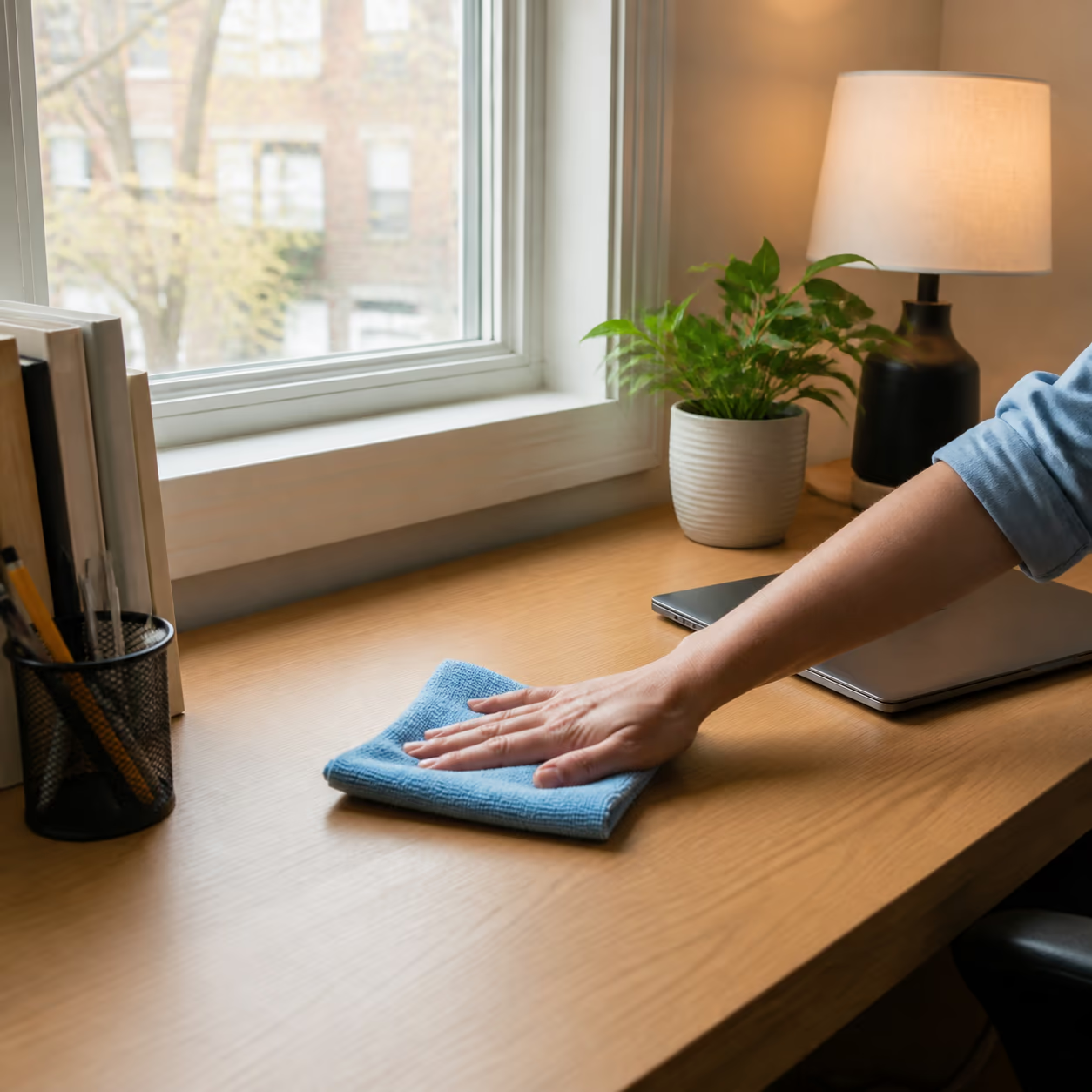
- A tidy room has less visual noise, so your brain has less to process at any given moment.
- Clutter competes for your attention, which makes it harder to focus on the task in front of you.
- Order gives you a sense of control, which lowers the feeling of being overwhelmed.
- Messiness that you choose can feel comfortable; messiness that feels out of control adds a low hum of stress.
Research on what should i know about impact cleanliness messiness your mind? points in a fairly consistent direction. People who describe their home as cluttered tend to report more tension, more fatigue and less satisfaction with their day. That does not mean everyone needs a showroom-clean house. It means the match between your space and your temperament matters more than any single standard of tidiness. The same pattern shows up at work; our guide on the impact of office cleanliness on employee well being covers how these effects play out in a workplace.
The key insight is that cleanliness is a tool for your wellbeing, not a judgement on your worth. A home that supports you looks different for every household. A single parent with two young kids, a couple working from home and a retiree who loves hosting will each need a different level of order to feel at ease.
It is also worth noticing how you react to different rooms. You probably already know which spaces drain you and which ones settle you down. That instinct is a reliable guide to where you should focus your cleaning energy first.
The Link Between Clutter and Stress
Clutter is not just a visual annoyance; it is a steady source of low-grade stress that many people stop noticing because it is always there.
- Unfinished piles remind you of tasks you have not done, which keeps your mind half-busy.
- A cluttered counter makes the kitchen feel harder to use, so cooking and tidying feel like more effort.
- Messy floors and surfaces collect dust, which is a real concern for anyone with allergies or asthma.
- When you cannot find what you need, every small search adds a tiny spike of frustration.
The effect is often described as cognitive load. Your brain does not have an unlimited budget for attention, and every object out of place quietly spends some of it. When that load is constant, small frustrations build into a shorter temper and a heavier feeling by the end of the day.
For many people the stress is physical as well as mental. Dust, pet hair and damp spots are common in cluttered rooms, and they can trigger stuffy noses, sore eyes and tired mornings. A cleaner space is not just calmer to look at; it is easier to breathe in, which helps you sleep and recover.
That is why cleaning is rarely just about appearances. When our teams finish a home, clients often say the room feels lighter. What they are describing is the mental load being lifted, not just the dust being gone.
How a Clean Home Supports Focus, Sleep and Mood
A tidy home does not fix everything, but it removes a surprising amount of daily friction that gets in the way of feeling good.
- Clear surfaces give your eyes a place to rest, which makes a room feel calmer.
- An organised kitchen makes healthy meals easier to prepare.
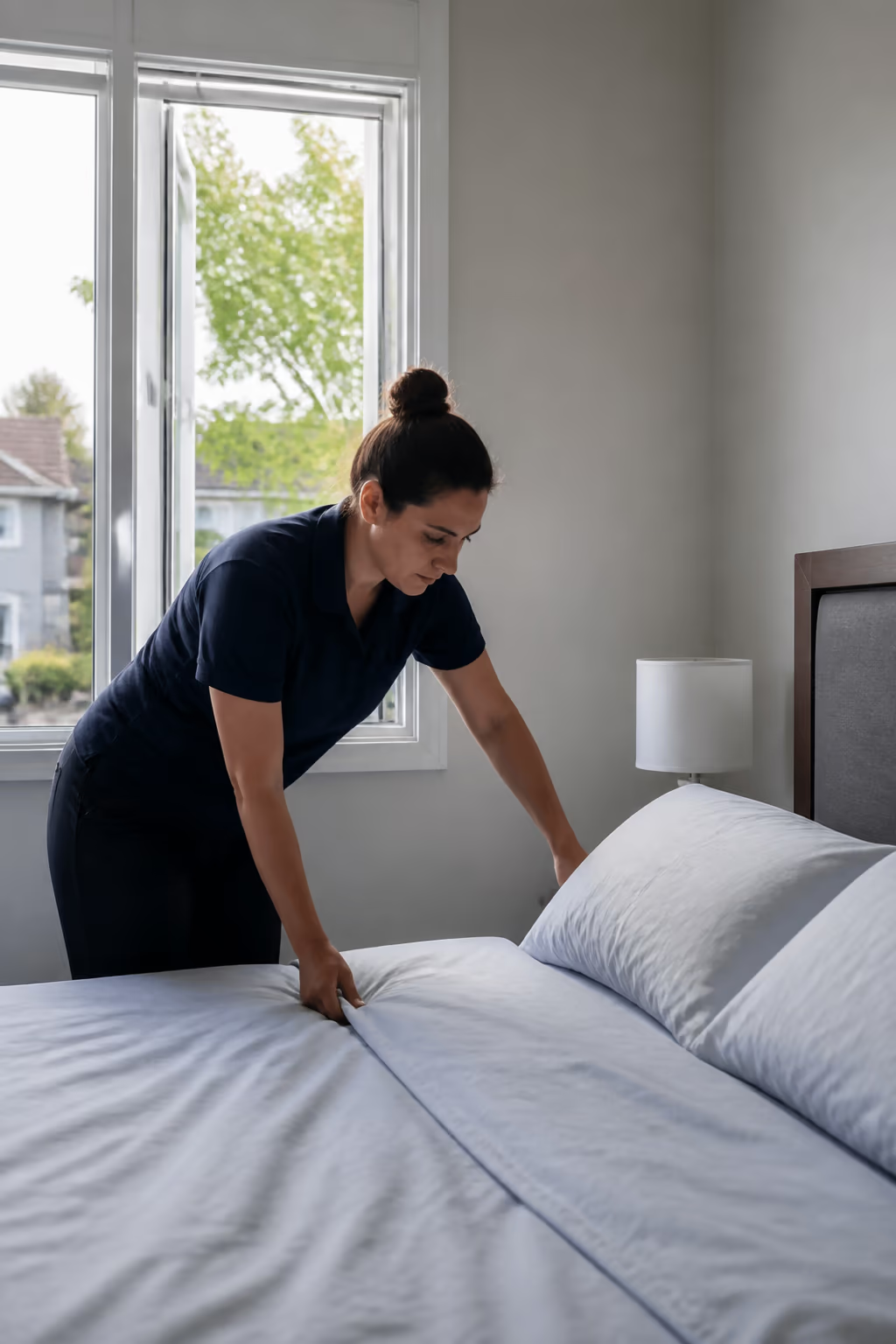
- A bedroom that is clean and aired supports better sleep, because a cool, fresh, low-dust room helps your body wind down.
- A tidy workspace helps you settle into focused work more quickly.
Part of that effect is physical rather than psychological. Health Canada's ventilation advice notes that good ventilation removes stale indoor air, limits the moisture buildup that contributes to mould growth, and recommends keeping beds and furniture away from outside walls. The federal guidance opens with the reason it matters: “Poor indoor air quality can affect your health.”
The effect on sleep is worth taking seriously. Your brain links a calm environment with safety and rest. A bedroom covered in laundry, dishes and paperwork can keep your mind busy with unfinished tasks instead of letting it switch off. Simple routines, like clearing the bed, opening a window and putting things away before you rest, make the transition to sleep easier.
Mood follows the same pattern. People who keep a cleaner, more organised home often describe themselves as less stressed and more in control. The gain is not about perfection; it is about reducing the number of small irritations your brain has to handle in a day.
If you are struggling to stay consistent, start with one room that matters to you and make it feel good. A single calm space can become the anchor for the rest of the house, because the sense of control you build there tends to carry into everything else.
Messiness Is Not Always Bad
| Messiness | Cleanliness | |
|---|---|---|
| Stress | A home with kids and pets will never look like a catalogue, and it should not have to. | The problem is not mess itself; it is the feeling that the mess is out of control. When clutter starts hiding important things, collecting dust or making rooms hard to use, it has crossed from comfortable to costly. That is the point where most people start feeling the mental weight. |
| Mood | Some people think more clearly when their desk looks the way their brain does. | The practical goal is not a spotless house. It is a house where you can find your keys, sit down to eat without clearing a mountain first and walk in the door without a small sigh. When the mess stays in the spaces you have chosen for it, the rest of the home can feel calm. |
| Productivity | Creative work often happens best in a space that feels lived-in and informal. | If your mess has reached the point where it feels overwhelming, you are not alone, and you do not have to solve it in one weekend. A professional team can reset the house to a baseline, after which a lighter routine can keep it there. |
Practical Ways to Make a Space Work for You
You do not need a big renovation to change how your home feels. Small, repeatable habits do most of the work.
- Do a five-minute reset in the rooms you use most:clear the counters, wipe the surfaces and put things back.
- Give everything a home, so putting something away does not require a decision.
- Clean from top to bottom so dust does not fall onto freshly wiped surfaces.
- Open windows when you can, because fresh air is one of the fastest mood changes you can make.
- Schedule a deeper clean once a month for the tasks that daily wiping misses.
Start with the areas you see first, because that is where you feel the biggest difference. The entryway, the kitchen and the living room set the tone for your whole evening. When you walk in and the first thing you see is calm, the rest of the house feels easier to manage.
It also helps to tie cleaning to something you already do. A quick wipe of the bathroom while the shower warms, or a ten-minute tidy while dinner cooks, fits into a routine instead of adding another item to your list.
Consistency beats intensity. Twenty minutes a day keeps a home at a level that feels good, while a heroic once-a-month marathon rarely does. This is the approach our teams recommend, and it is the one that keeps clients feeling calm between visits.
Building Cleaning Habits That Last
The hardest part of a cleaner home is rarely the cleaning itself; it is keeping the habit going past the first enthusiastic week.
- Choose a trigger you already have, like the morning coffee or the evening news, and attach a small tidy to it.
- Keep supplies visible where you use them, so wiping a counter takes seconds instead of a hunt.
- Use a timer for ten minutes and stop when it ends, so the task never feels endless.
- Involve the household, because one person cannot hold a family-sized mess together alone.
- Celebrate the baseline, not perfection, and reset with a deep clean when things slide.
Most homes slide back not because the cleaning was hard, but because there was no plan for the busy weeks. A simple rule like one load of laundry, one counter wipe and one floor pass a day keeps the spiral from starting.
When life gets busy, protect the rooms that matter most to you and let the rest go a little. You will feel the difference in the spaces you live in daily, and a short reset later can restore the whole house.
How Good Cleaner Co. Approaches a Calmer Home
A professional clean is not just a deeper version of what you would do yourself; it is a reset that gives you a reliable baseline to maintain.
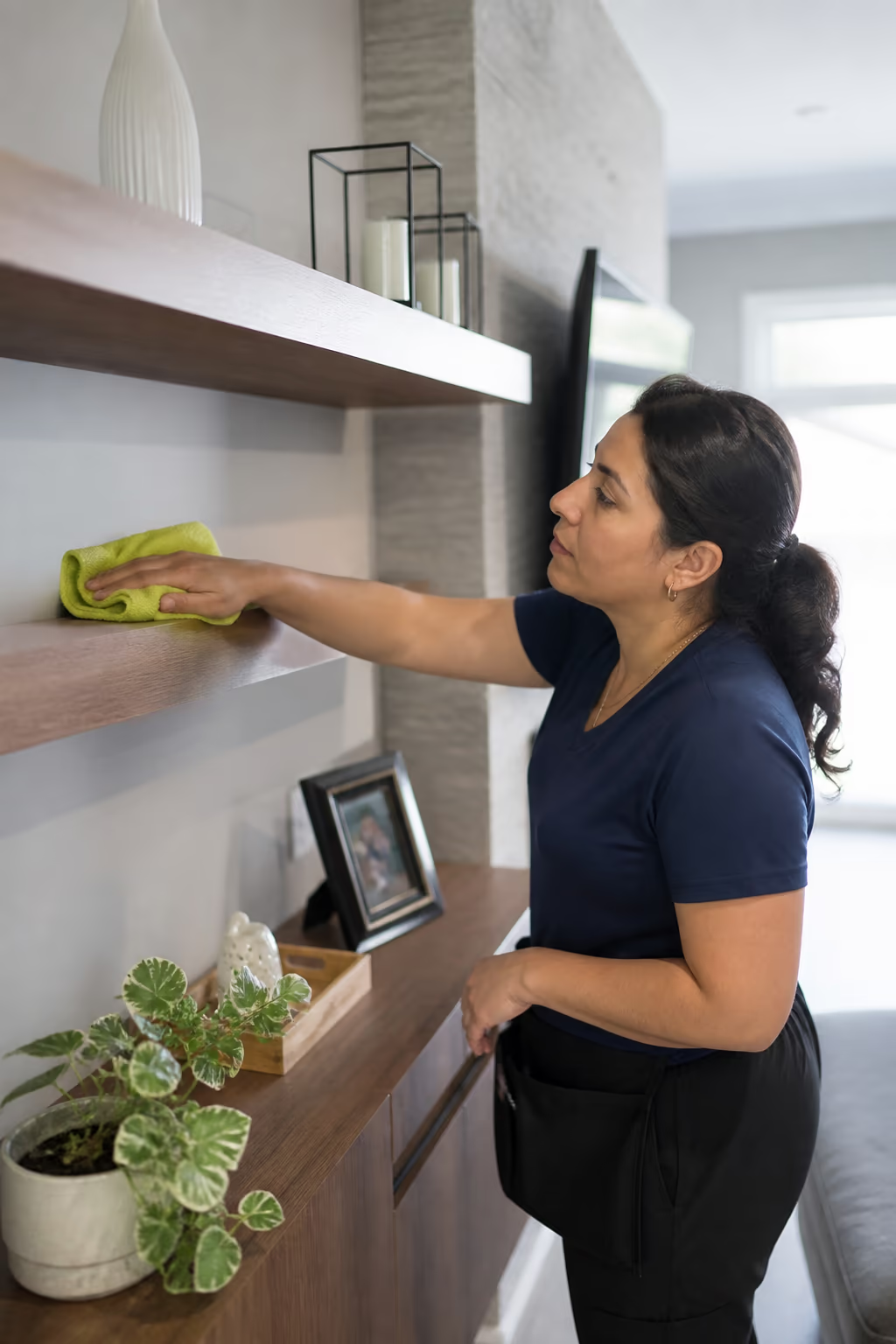
- Background-checked staff who follow a documented process for every room.
- Certified products chosen for the surface and the people who live there.
- Low-fume, EcoLogo-certified cleaners that are gentler on the air, people and pets.
- A Health Canada DIN-registered disinfectant used only where a surface genuinely needs one, always following its label.
- Staff trained under WHMIS 2015 principles to read labels, handle products safely and never mix chemicals.
Good Cleaner Co. applies that care to every visit. Our teams treat each home as a living space rather than a checklist, which is why the finish feels different: surfaces are wiped properly, dust is moved rather than spread and the space is left ready to use. For households that want that standard on a recurring visit, our eco friendly cleaning services Ottawa page covers scope and scheduling.
We also understand that a home changes through the week and the season. A spring deep clean resets the house after a long winter, while a regular visit keeps the everyday clutter from building back up. That rhythm is easier to keep with help.
When you compare providers, the questions that matter are about training, products and what is actually included. If you are comparing options, our checklist for hiring a commercial cleaner is a useful starting point for the questions that matter.
Canadian Context: A Home You Want to Come Back To
Living in Ottawa means your home works through real seasons, and those seasons shape how much cleaning it needs.
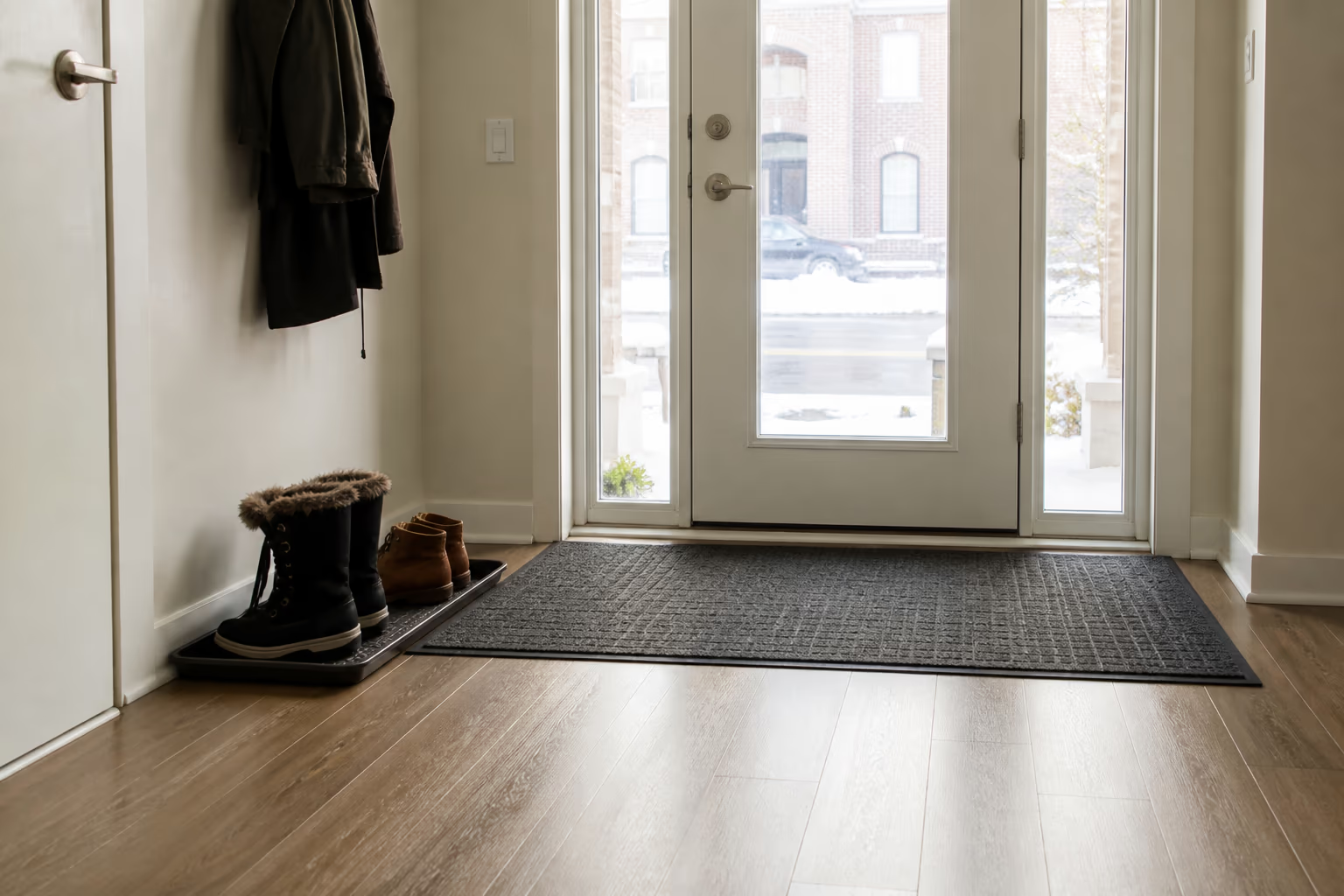
- Winter salt and slush get tracked through the entryway, so a doormat and a quick entry clean protect your floors.
- Forced-air heating dries the air and stirs up dust, so surfaces need more frequent wiping in the cold months.
- Long, dark days make a tidy, warm interior matter more, because so much of life moves indoors.
- Spring mud and fall leaves bring their own dirt, so a seasonal reset keeps the cycle manageable.
A home that supports your mind is one that feels ready for you in every season. That means floors that are not gritty underfoot, surfaces that are not sticky and a kitchen that invites you to cook.
For many households, the winter months are exactly when a regular clean pays off. With the family inside more, mess builds faster, and a professional visit keeps the environment calm when you need it most.
Formatted Step-by-Step Checklist for a Calmer, Cleaner Home
Use this checklist to turn a stressful space into one that supports you.
- Step 1.Reset the entryway and the room you see first, so you start and end each day with a calm view.
- Step 2.Clear the surfaces in the kitchen and living areas, and put each item back where it belongs.
- Step 3.Clean from top to bottom with the right tools, wiping surfaces and vacuuming or mopping the floors.
- Step 4.Air out the rooms you use most, opening windows to bring in fresh air and lower humidity.
- Step 5.Do a weekly five-minute reset to keep the space calm between deeper cleans.
- Step 6.For a regular, thorough reset that keeps your home feeling calm, review our recurring home cleaning services in Ottawa to compare scope and scheduling.
FAQ
Does a clean house really affect your mood?
Yes. A tidy space reduces visual noise and cognitive load, which most people experience as lower stress and a calmer mind. The effect is not magic; it is simply fewer small irritations to carry.
Why do I feel overwhelmed when my home is messy?
Clutter creates unfinished tasks your brain keeps track of in the background. The constant reminders add up into the feeling of being overloaded, which is why a reset feels so good.
Is messiness always bad for your mental health?
No. For many people, a lived-in space feels comfortable and creative. The problem is when mess feels out of control, hides things you need or collects dust that affects your comfort.
How often should I clean to feel the benefit?
Most people feel the difference with a ten to twenty minute reset most days and a deeper clean once a month. Consistency matters more than how long each session takes.
Can a cluttered home affect your sleep?
It can. A bedroom full of tasks and clutter keeps your mind busy, while a clean, aired, low-dust room helps you wind down and rest.
What is the first thing to clean when I feel stressed?
Start with the room you see first, usually the entryway or kitchen, and clear its surfaces. A single calm space can shift how the whole home feels.
Are your cleaning products safe for pets and children?
Yes. Good Cleaner Co. prefers low-fume, EcoLogo-certified cleaners and uses stronger products only where they are genuinely needed, always following the label so rooms are safe to use after cleaning.
Do you do one-time deep cleans as well as regular visits?
Yes. A one-time reset is a great way to reach a baseline, and a recurring visit keeps the home there. We can recommend a schedule based on your household.
What is the best way to keep a home calm with young children?
Give each child a small, reachable space of their own and keep one adult room calm as a retreat. A ten-minute daily tidy with the kids teaches the habit without turning the home into a battlefield.
Does a messier home make it harder to relax in the evening?
For most people it does. Walking into a cluttered living room keeps the brain processing leftover tasks, while a cleared space signals that the day can wind down.
Wrapping Up
Cleanliness and messiness are not about judgement; they are about how you want to feel in your own home. A calmer, cleaner space lowers stress, supports focus and makes rest easier, and you do not need perfection to feel the benefit. Start with the room that matters most, build a small routine and let consistency do the work. When a full reset would help, a professional team brings the same careful approach to your home, your surfaces and your peace of mind.
Keep reading
More from Good Cleaner
- How Cleanliness Affects Your Mental Oasis: Psychological Benefits of Order
- The Connection Between Decluttering and Mental Health: Anxiety & Cortisol Guide
- The Benefits of Minimalism: Why Decluttering Simplifies Home Cleaning & Elevates Well-Being
- How to Choose the Best Commercial Cleaning Company in Ottawa: Vendor Selection Guide
Services that fit
- House Cleaning Services in OttawaHouse cleaning services in Ottawa for one-time, weekly, biweekly and monthly home care, with customizable cleaning and eco-friendly options.
- Janitorial Services in OttawaRecurring janitorial services in Ottawa for offices, warehouses, retail, dealerships and schools, with eco-friendly commercial cleaning and customized plans.
About the author
Service areas
- Ottawa
- Kanata
- Nepean
- Orleans
- Barrhaven