
10 Essential Tasks For Your Daily Office Cleaning Checklist
This guide is written for office managers, business owners and anyone who looks after a shared workplace. It turns the question of what belongs on a daily, weekly and monthly office cleaning checklist? into a practical routine you can follow yourself or hand to a professional team, with the Canadian safety and seasonal details that matter along the way.

Quick Summary
A daily, weekly and monthly office cleaning checklist turns routine upkeep into a practical rhythm rather than one overwhelming clean. This guide lists the daily tasks that keep an office looking cared for, the weekly tasks that reset shared surfaces, and the monthly deep-cleaning work, plus Canadian seasonal details that affect the plan.
In this guide
Why a Daily, Weekly and Monthly Rhythm Works Better Than One Big Clean
Cleaning is easier to manage when you match each task to how quickly it gets dirty. A kitchen counter, a door handle and a meeting-room whiteboard all need attention, but they do not all need it on the same day. A daily rhythm catches the surfaces people touch and see every hour, a weekly rhythm resets the shared spaces, and a monthly or seasonal rhythm handles the build-up that routine work cannot reach. Spreading the work this way keeps an office looking cared for without turning every evening into a full deep clean.
There is also a cost angle. When you schedule the right task at the right frequency, you are not paying for a deep clean every night, and you are not letting a small problem grow into a larger one. A monthly wipe of vents and light fixtures, for example, is far less expensive than dealing with dust that has hardened onto surfaces over several seasons. Matching frequency to need is the most sensible way to keep standards high and the budget predictable.
A daily, weekly and monthly structure is also easier to communicate. You can share it with a part-time cleaner, a new office manager or an external provider, and everyone knows what is expected. That clarity matters because the biggest reason cleaning routines fail is not laziness; it is ambiguity about who does what and when.
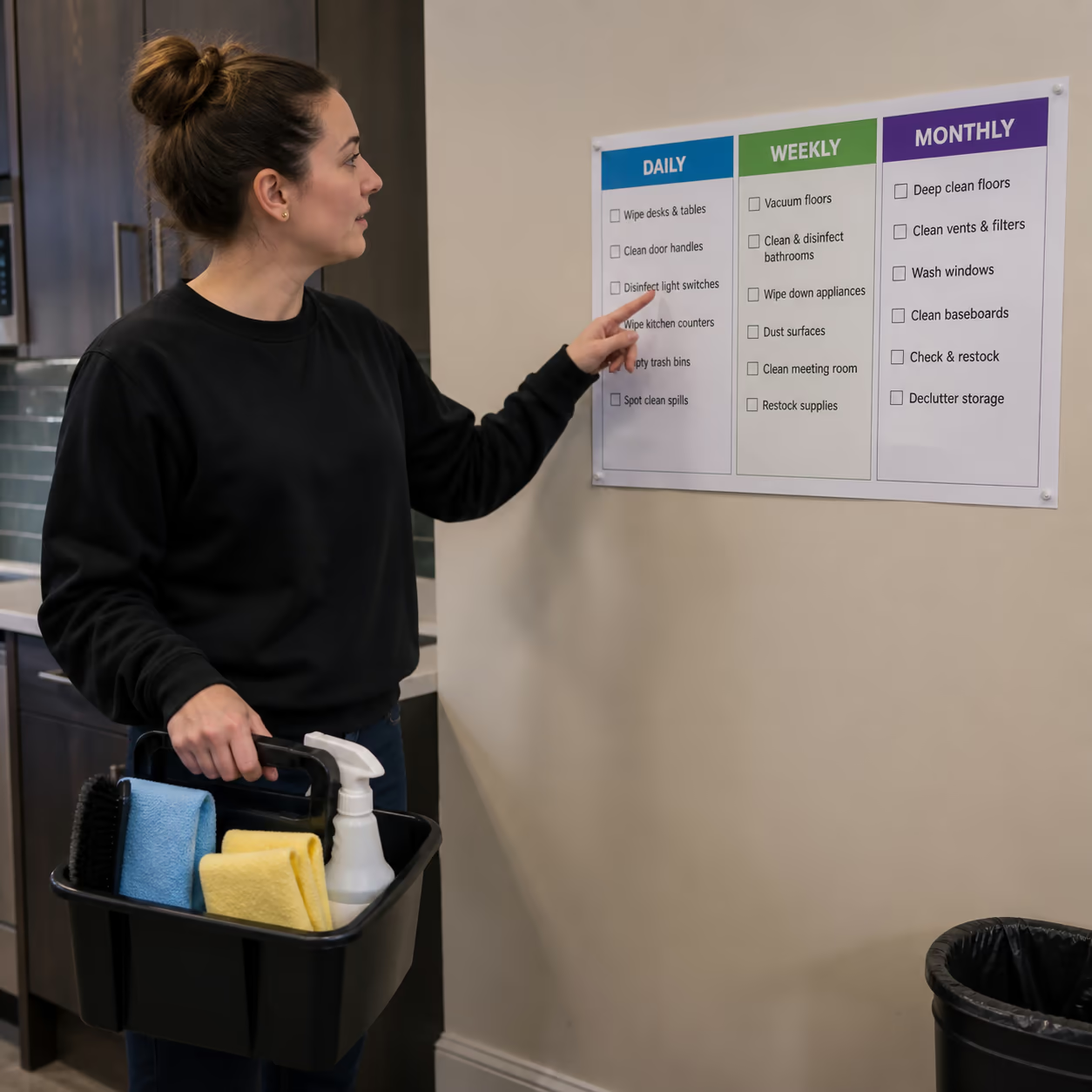
A written schedule removes guesswork and makes accountability straightforward:
- It means the same tasks get done the same way on every visit.
- It makes the routine easy to hand to a new hire or a professional provider.
- It gives you a clear record of what was cleaned and when.
- It makes seasonal changes simple, because you already know where the routine can flex.
A written checklist also protects you when the person doing the work changes. When the steps are documented, there is no debate about whether the fridge handles were wiped or the vents were dusted. The checklist is the agreement, and that makes quality much easier to manage.
Think of the rhythm as a set of layers. The daily layer keeps the office presentable, the weekly layer keeps it genuinely clean and the monthly layer protects the building itself. Each layer protects the one below it, and together they produce an office that looks good and stays that way.
The 10 Daily Tasks That Keep an Office Looking Cared For
Daily cleaning is about the visible, high-touch surfaces that employees and visitors meet on any normal day. These ten tasks form a practical daily core for most Ottawa offices. Adjust them for your own layout, but treat them as a starting point rather than a wish list.
- Empty waste and recycling bins before they overflow, and replace the liners.
- Wipe down desks, keyboards, phones and shared workstations with a surface cleaner.
- Clean door handles, light switches, railings and lift buttons that everyone touches.
- Sanitise kitchen counters, the microwave handle, the fridge door and the coffee station.
- Spot-clean and polish glass doors, partitions and mirrors that show smudges.
- Sweep or vacuum high-traffic entryways, corridors and meeting rooms.
- Damp-mop hard floors in the kitchen, washroom and entrance areas.
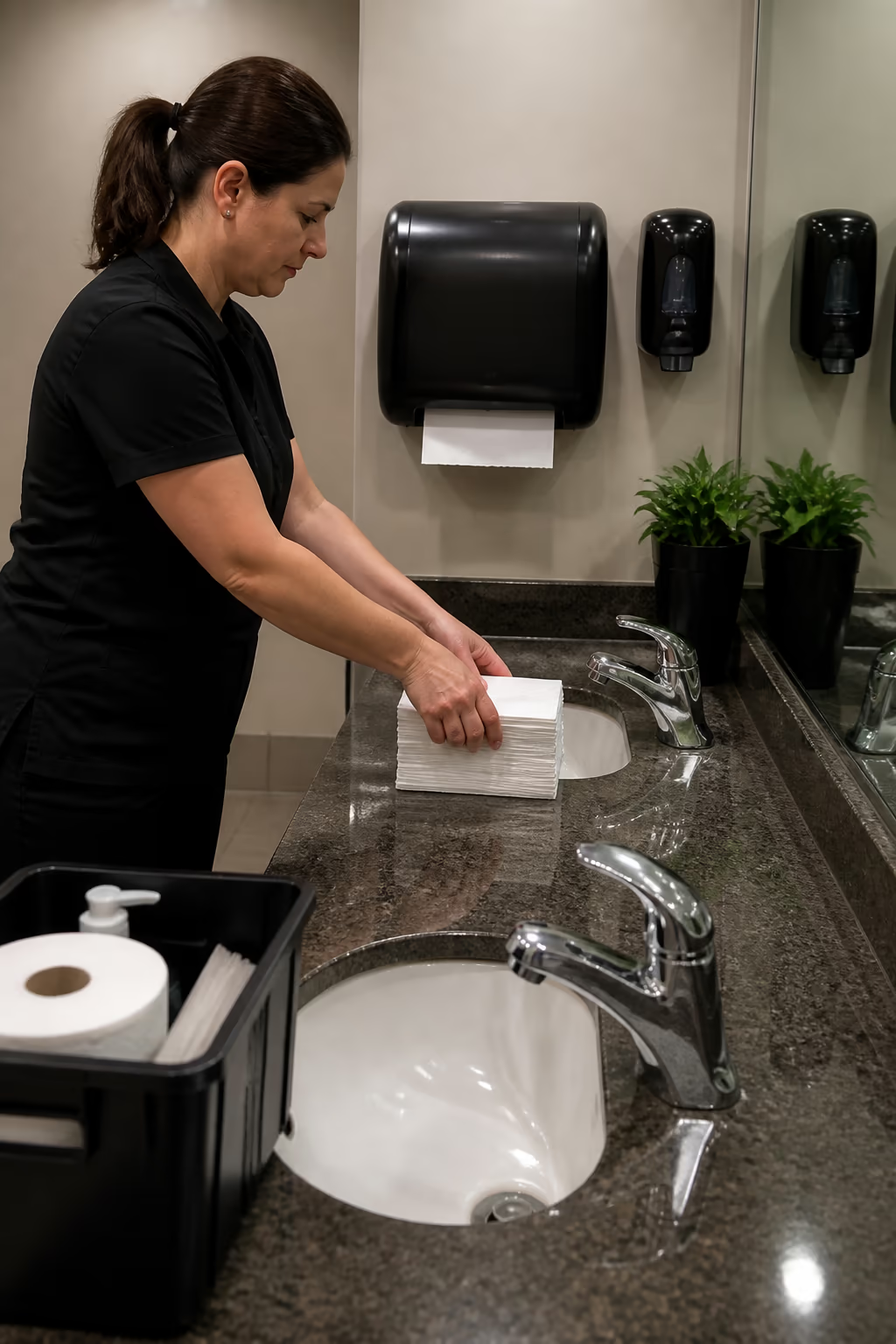
- Clean and restock washrooms, including sinks, taps, mirrors and dispensers.
- Tidy meeting rooms after use, wipe the tables and clear the whiteboards.
- Do a final walk-through at the end of the day to catch anything that was missed.
Ten tasks sound like a lot, but most take only a few minutes each once they become a routine. The goal is not perfection; it is consistency. A reception desk that is wiped every morning and a kitchen that is reset every evening make the whole floor feel cared for, even on busy days.
Daily cleaning is also the stage where small problems are easiest to catch. A sticky spot on a counter, a drip in the washroom or a chip in a finish can be addressed the day it appears instead of becoming a stubborn stain. Encourage the cleaning team to note anything that needs a repair or a different product, because that kind of observation is exactly what keeps an office feeling looked after.
The ten tasks work best when you match them to the flow of the office. A medical or dental practice will put more emphasis on disinfection, while a design studio may care more about clear work surfaces and tidy meeting rooms. The list is a foundation, not a rule book, so adjust the order to what your space needs most.
Monthly and Quarterly Deep Cleaning for the Build-Up You Cannot See
Monthly and quarterly tasks reach the places that daily and weekly routines never touch. Over time, dust, grease and grime collect on surfaces that are out of sight, and that build-up affects both how the office looks and how the air feels. A monthly deep clean is the stage where these jobs belong, and putting them on the calendar is the only reliable way to make sure they actually happen.
- Wipe down air vents, return grilles and ceiling fixtures to reduce dust spread.
- Deep-clean washrooms, including grout, fixtures and high-reach areas.
- Extract or steam-clean carpets in entryways and heavy-use corridors.
- Clean inside the dishwasher, the oven, the fridge coils and other appliances.
- Dust light fittings, crown moulding, shelves and other high surfaces.
- Clean window tracks, sills and blinds that collect dust and pollen.
- Wipe down skirting boards, door frames and kick plates.
Quarterly, add the jobs that genuinely need a few months to build up: cleaning the inside of windows, shampooing carpets in meeting rooms, degreasing kitchen exhausts and organising storage closets. These are the tasks that are easiest to skip, which is exactly why they belong on a written schedule. If scheduling all of this feels like too much, this is where a professional team earns its keep, because a trained cleaner will know which jobs have been waiting and how long they take.
Pick a specific day or week for the monthly deep clean and treat it like an appointment. If the office is busy, an after-hours slot on a Friday or a weekend visit can keep the work out of the way of staff. A scheduled monthly reset is much easier to keep than a vague intention to get to it soon.
Formatted Step-by-Step Office Cleaning Checklist
Use this five-step approach to build an office cleaning routine you can actually keep, whether you run it in-house or with a professional team.
- Walk the office and write down every room, surface and task that needs cleaning.
- Assign each task to daily, weekly or monthly based on how quickly it gets dirty.
- Choose the right products and equipment for each surface, and keep the safety data sheets available.
- Run the routine on a set schedule and record what was done on each visit.
- Review the checklist every season and adjust frequencies for weather, use and staff changes.
- For dependable, long-term upkeep, consider office cleaning programs in Ottawa, where a trained team keeps the schedule honest and the quality consistent.
Choosing Safe Products and Handling Them Correctly
Products matter as much as the schedule. In Canada, commercial cleaning products are regulated, and the people using them are expected to know how to read the labels and the safety information. For anyone managing a cleaning team or hiring a provider, a basic understanding of these standards makes it easier to ask the right questions and to keep everyone safe.
Handling products correctly is a documented obligation in a workplace. Ontario's WHMIS legislation requires hazardous-product information to reach workers through labels, safety data sheets and worker education programs, and it covers every Ontario workplace except farms. The province states the supplier duty: “Suppliers of hazardous products must label their products and give safety data sheets before they sell or import them.”
Disinfectants that make a kill claim are regulated by Health Canada and carry a Drug Identification Number, or DIN, on the label. A DIN tells you the product has been reviewed and registered for use in Canada. For everyday office cleaning you do not need to memorise DINs, but it is a reasonable question to ask a provider: are the disinfectants you use Health Canada registered, and are they being given their full contact time?
In a workplace, product safety information is usually shared through the Workplace Hazardous Materials Information System, or WHMIS, which follows the globally harmonised system of classification and labelling. Under WHMIS 2015, cleaning products come with labels and safety data sheets, commonly called SDSs, that describe hazards, first-aid measures and safe handling. A well-run office or a professional cleaning company keeps this information available to the people doing the work, so no one is guessing about what they are using.
Part of using products safely is making sure the people using them know what to do. That means reading the label before the first use, checking the safety data sheet for anything unfamiliar and never assuming a stronger product is automatically better. For an office that hires a provider, the same standard applies: the company should be able to show that its staff are trained on the products they carry.
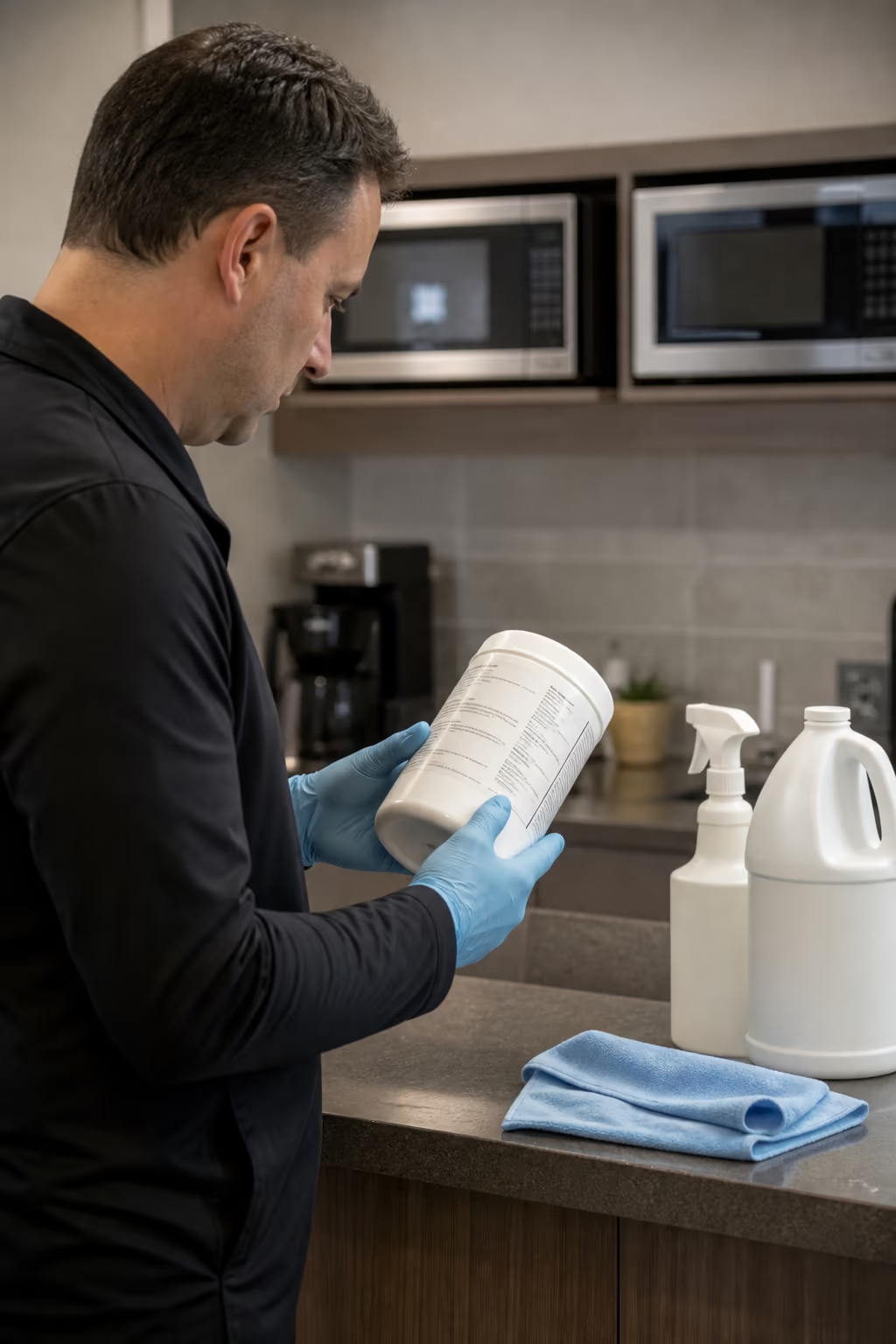
A few simple product practices make a big difference:
- Follow the label instructions, including the contact time for disinfectants.
- Never mix cleaning products, especially bleach with anything acidic.
- Use the right product for the surface to avoid damage.
- Make sure cleaning staff can access the safety data sheets for the products they use.
- Choose lower-fume or EcoLogo-certified products when employees or clients are sensitive.
EcoLogo is a Canadian certification that identifies products with reduced environmental impact. It is not a guarantee that a product suits every surface, but it is a useful signal when an office wants to reduce chemical use. Good Cleaner Co. selects products for the surface and the people in the building, and we are always glad to explain what we use and why.
How Seasonal Canadian Weather Changes an Office Cleaning Plan
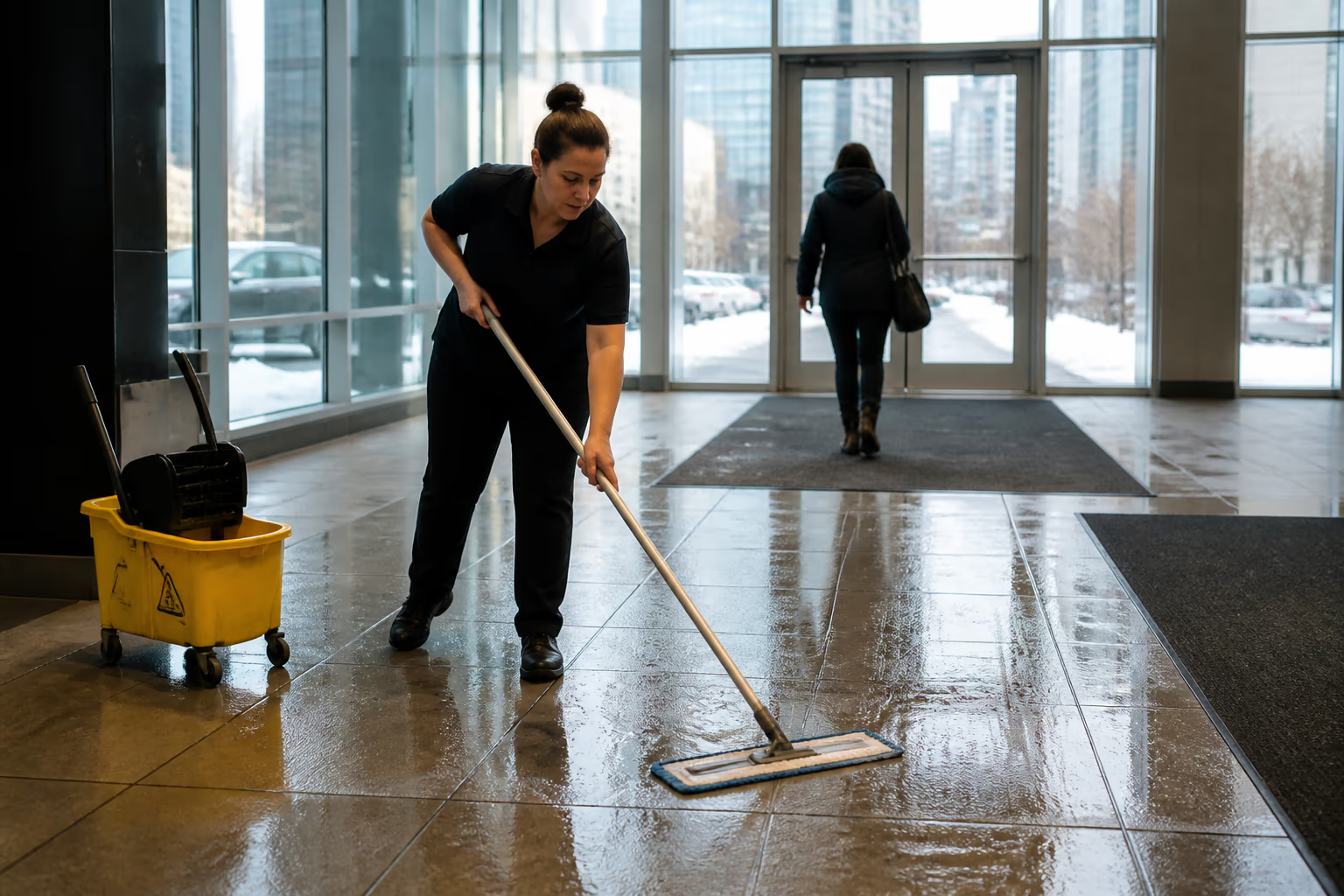
Ottawa's climate puts real stress on an office. In winter, salt, sand and slush get tracked through the entrance and across the lobby, and wet footwear leaves streaks on hard floors within minutes. Many offices find they need to vacuum and mop entryways more often in winter, add mats at every door, and wipe down elevator buttons and door handles more frequently because wet gloves make them grimy fast.
Spring brings the reverse problem: pollen and dust. With windows opening and more people walking in from outside, dust settles on sills, blinds and desks more quickly, and it is a common trigger for seasonal allergies among employees. A weekly dust of sills and blinds, plus a change of entryway mats, helps keep pollen from working its way through the whole floor.
Summer adds humidity and busier traffic, while fall brings wet leaves and more rain. Rather than treating these as surprises, plan for them in the monthly checklist. Review the schedule each season and adjust the frequency of entryway cleaning, vent dusting and carpet care. A checklist that flexes with the weather is a checklist that actually works, and it is worth asking any provider how they handle seasonal changes before you commit.
Carpets and entry mats deserve special attention in the seasonal plan. Mats trap salt in winter and grit in summer, and they need to be vacuumed, washed and sometimes replaced to keep doing their job. A clean entryway makes the rest of the office easier to keep clean, because the dirt stops at the door.
What to Look For in a Commercial Office Cleaning Team
A good commercial cleaning company brings more than mops and buckets. It brings a documented process, trained and background-checked staff, and the right equipment for the surfaces in your building. Good Cleaner Co. approaches office cleaning the same way a good office manager runs a team: we agree on the scope, schedule the work at the right frequency, and inspect results so standards stay consistent from visit to visit. For real examples of what that standard looks like, our best office cleaning in Ottawa guide is a useful place to start.
Ask a provider how staff are trained and supervised, whether the products and safety data sheets are available, and how they handle seasonal and emergency needs. A provider who can answer those questions plainly is usually a provider you can work with. If you are evaluating a commercial cleaning provider, our commercial cleaning provider checklist is a practical starting point for the questions that matter.
It can also be worth starting with a shorter engagement or a trial visit before you commit to a long contract. A good provider will welcome the chance to show its work, and you will learn a lot from the first visit: whether the team follows the checklist, arrives on time and leaves the space the way you agreed. That first impression is a reliable preview of the relationship.
As you compare options, a few signs separate a serious provider from a convenient one:
- A green flag is a written checklist that matches the scope you agreed on.
- A green flag is trained, background-checked staff with documented supervision.
- A green flag is product information and safety data shared openly.
- A red flag is a price quoted with no description of the actual work.
- A red flag is no clear answer on how quality is checked between visits.
Free Office Cleaning Checklist to Print
Everything above fits on two pages you can pin inside the supply cupboard. The daily ten, the weekly reset, the monthly and quarterly work, the product-handling rules and the seasonal adjustments are all on it, with a box beside every line.
There is no form and no email address to hand over. The file opens in your browser and prints on Letter paper.
Letter size, print-ready. No email address, no sign-up.
FAQ
How often should an office be professionally cleaned?
Most offices benefit from a regular cleaning visit at least once a week, with daily attention to washrooms, kitchens and entryways. The right frequency depends on how many people use the space, how much it is used and the season. For a closer look at what belongs in that routine, our bathroom cleaning checklist guide breaks the washroom tasks down by frequency.
What is the difference between sanitising and disinfecting?
Sanitising reduces germs to a safe level, while disinfecting kills a wider range of them on hard surfaces. In an office, disinfecting the high-touch points and sanitising general surfaces is a sensible, proportionate approach.
Do cleaning products need to be Health Canada registered?
Disinfectants that make a kill claim should carry a Health Canada Drug Identification Number. For everyday cleaning, the key is using products as directed and giving disinfectants their full contact time.
Can a professional team clean outside regular office hours?
Yes. Many Ottawa businesses prefer after-hours or early-morning cleaning so staff and visitors are not disturbed and the surfaces are ready when the office opens.
How do I know what belongs on my office cleaning checklist?
Walk the space, list the surfaces people touch and see, and group the tasks by frequency. A professional provider can also assess the space and recommend a practical schedule.
Is it safe to have cleaning done while employees are working nearby?
With the right products and trained staff, yes. Reputable companies use lower-fume products where appropriate and schedule the strongest products for times when the area is less occupied.
How do I compare quotes from different office cleaning companies?
Compare the scope, not just the number. Ask for a written list of the tasks, the frequency, the products used and what is excluded, so you are comparing the same work. Our cleaning services FAQ covers more questions like this one.
Wrapping Up
A daily, weekly and monthly office cleaning checklist turns a vague goal into a routine anyone can follow. Match each task to its frequency, choose safe products and plan for the Canadian seasons, and you will keep your office clean without turning every evening into a deep clean. If you would rather hand the schedule to a trained team, Good Cleaner Co. will work around your hours and your standards.
Keep reading
More from Good Cleaner
Services that fit
- Professional Office Cleaning Services in OttawaOffice cleaning services in Ottawa for corporate offices, clinics and professional suites. After-hours scheduling, eco-friendly products, free quote on 613-664-5678.
- Janitorial Services in OttawaRecurring janitorial services in Ottawa for offices, warehouses, retail, dealerships and schools. Eco-friendly commercial cleaning, customized plans, free quote.
About the author
Service areas
- Ottawa
- Kanata
- Nepean
- Orleans
- Barrhaven