
8 Essential Office Bathroom Cleaning Standards Every Business Should Follow
Office washrooms are the most-used spaces in most workplaces, and they are also the spaces where a slip in standard is noticed first. Whether you run a small Ottawa office, a law firm, a clinic or a retail front, a clean and properly maintained bathroom says a lot about how you treat your people and your visitors. This guide breaks down the eight essential office bathroom cleaning standards every business should follow, with practical routines you can put in place right away.
Quick Summary
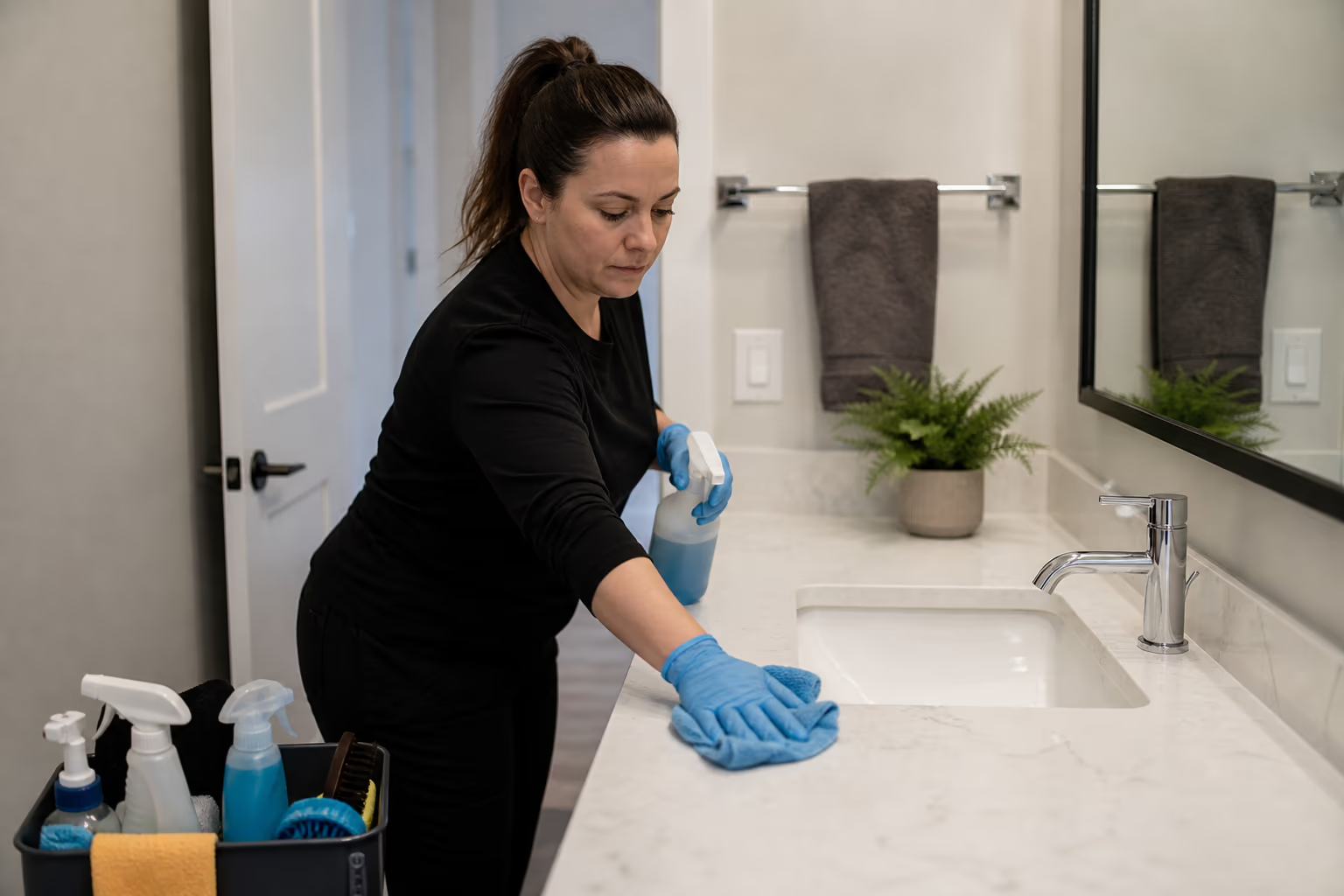
Office bathrooms are heavily used shared spaces, so they need a cleaning standard built for constant use rather than a quick weekly tidy, since germs spread fastest on taps, handles and dispensers. Eight essential standards protect health, client impressions and how valued staff feel in a shared workplace.
In this guide
Why Office Bathroom Cleaning Standards Matter
An office bathroom is not a home bathroom. It is used by many people every day, often back to back, which means it needs a cleaning standard built for constant use rather than a quick weekly tidy. When the standard holds, the space looks professional, stays hygienic and protects the health of everyone who uses it. When it slips, the whole workplace feels it. This is especially true in shared office towers, where multiple tenants and their visitors rely on the same washrooms, and building and condo cleaning services need to keep every shared space to a consistent standard.
A written standard should also say what happens when cleaning is not the answer. Health Canada treats mould larger than three square metres as extensive and recommends professional help, while smaller patches can generally be cleaned in place. Putting that threshold in the standard tells a cleaner when to escalate instead of scrubbing. Health Canada names the cause directly: “Excessive moisture is one of the most common causes of poor indoor air in homes, classrooms and public spaces, because moisture promotes the growth of mould and dust mites.”
Washroom cleanliness also shapes how clients judge your business. A meeting may go well and your work may be excellent, but if a visitor opens a grubby washroom door on the way out, that is the memory they carry. In a city like Ottawa, where much of your reputation travels by word of mouth, that impression matters more than most owners expect. Offices that want that same polished impression throughout the workspace, not just the washroom, often look at executive office cleaning premium standards for the rest of the office.
There is a health side too. Office bathrooms are where everyday germs move most easily from person to person, especially on fixtures such as taps, door handles, flush buttons and paper towel dispensers. A consistent cleaning standard reduces the chance that the office becomes a place where colds and flus pass around all winter.
None of this requires a showroom finish. It requires a reliable, predictable standard that everyone can count on, and that is exactly what a professional cleaning routine is built to deliver.
Bathroom standards also matter to the people who work in the building. Staff notice quickly when a shared washroom is not maintained, and the way a workplace looks after its shared spaces shapes how valued people feel. A standard that holds is a small but real part of a workplace people are comfortable staying in.
The Eight Essential Standards at a Glance
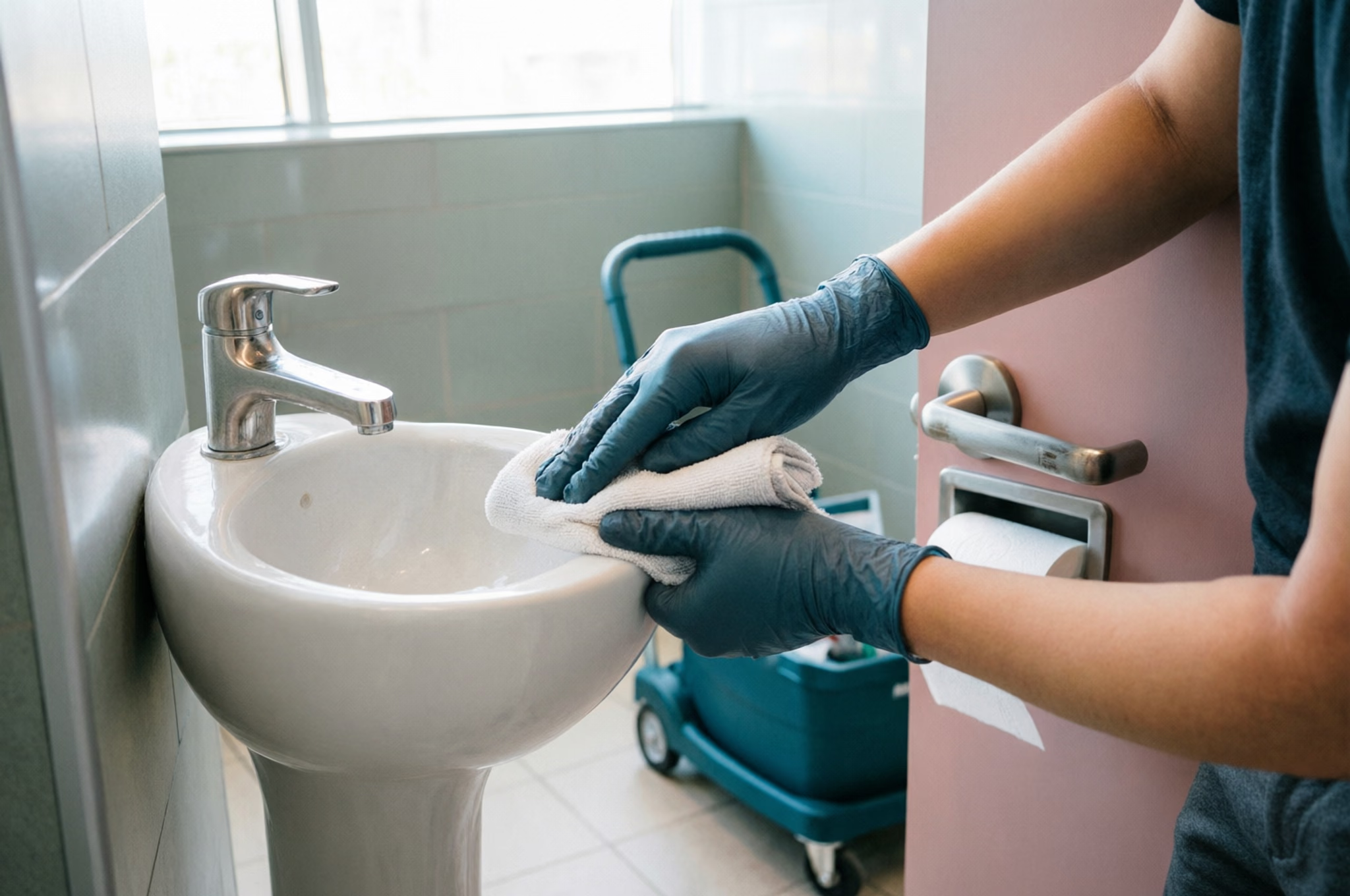
The eight standards below are the backbone of a professional office bathroom cleaning programme. Together they cover the daily work, the deep work and the health and safety details that keep a commercial washroom genuinely clean rather than just tidy-looking.
- Standard 1.Clean and restock the space daily so it is ready for the people using it.
- Standard 2.Disinfect the high-touch fixtures, not just the surfaces you can see.
- Standard 3.Keep floors, walls and partitions visibly clean and free of stains.
- Standard 4.Empty waste and recycling bins before they overflow, and keep them lined.
- Standard 5.Maintain soap, paper and air freshener supplies without interruption.
- Standard 6.Deep clean on a schedule so grime does not build up under the surface.
- Standard 7.Handle products safely and follow the labels, including disinfectants.
- Standard 8.Inspect, report and respond so small issues do not become big ones.
These standards apply whether the work is done by your own staff or by a professional team, and they are the ones we will explore in more detail through this guide.
What Canadian Standards and Rules Apply
Office bathrooms in Canada sit under a mix of workplace health and safety expectations, and a good cleaning routine is part of staying on the right side of them. The Canadian Centre for Occupational Health and Safety, usually called CCOHS, publishes guidance that many workplaces use as a practical baseline for washroom cleanliness, restocking and hygiene.
Provincial workplace health and safety legislation also matters. In Ontario, the Occupational Health and Safety Act requires employers to keep the workplace in a condition that does not endanger workers, and a neglected washroom is hard to square with that duty. Sanitation, ventilation and access to handwashing supplies all fall under the broader heading of a safe and healthy workplace.
There are accessibility considerations as well. Under provincial accessibility rules, washrooms need to be kept clear and usable so that people with disabilities can access them safely. That means keeping pathways open, ensuring grab bars and fixtures are in good repair and flagging problems quickly.
None of this is about paperwork for its own sake. It is about recognising that a commercial washroom is a health and safety feature of your building, and that a professional standard is the practical way to keep it working for everyone.
The Daily Washroom Routine
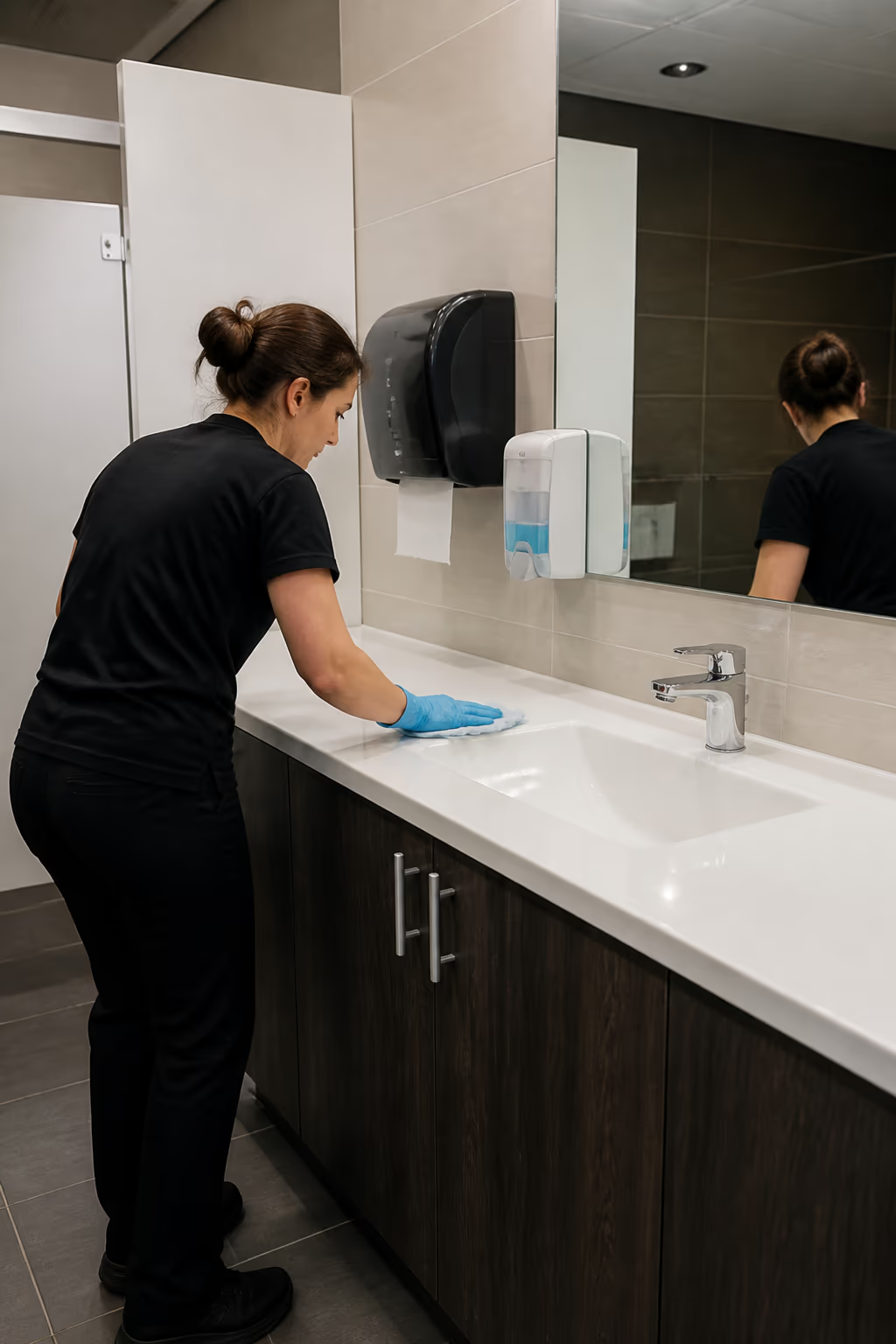
The daily routine is where the eight standards live most of the time. A professional crew covers the high-touch points every visit so the space never drifts between deep cleans. That means fixtures, dispensers and doors get attention, not just the counter and the floor.
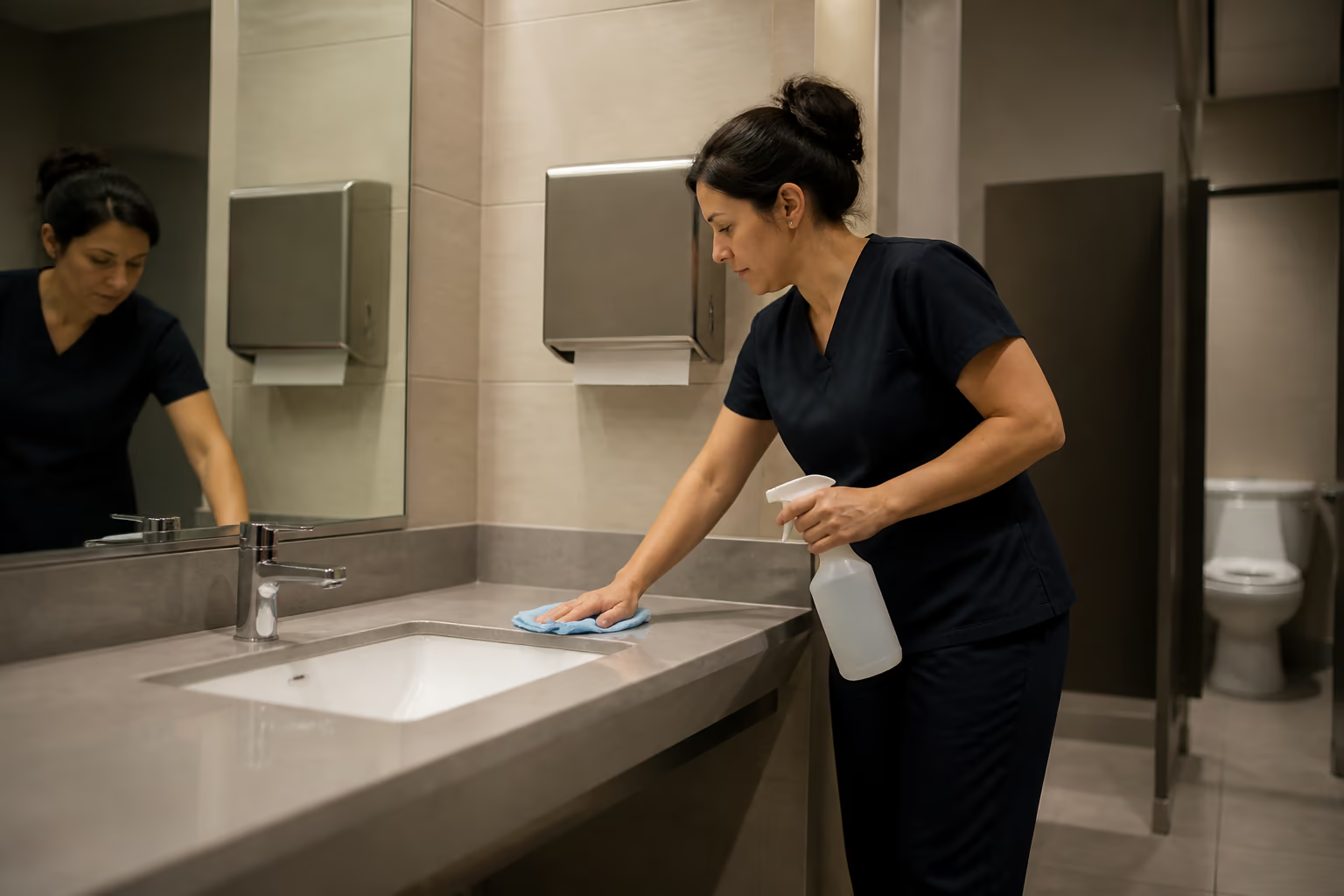
- Wipe and disinfect door handles, taps, flush buttons, dispensers and handrails.
- Clean mirrors and counters and polish out smudges and water marks.
- Spot-clean floors and collect debris so nothing is left to harden.
- Empty waste bins and replace liners before odours build up.
- Restock soap, paper towels, toilet paper and hand sanitiser.
- Check that the space smells fresh and report anything unusual.
The order matters as much as the list. Crews work from the cleaner areas to the dirtiest and from the fixtures down to the floor, so they are not spreading debris onto surfaces they have just cleaned. A set sequence also makes it far less likely that something gets missed on a busy day.
Restocking deserves its own line because a washroom that runs out of soap or paper reads as neglected even when it is clean. A good routine checks supplies on every visit and keeps the flow predictable, and many offices find that a simple stock schedule removes the problem entirely.
Weekly and Monthly Deep Cleaning
Daily cleaning keeps an office bathroom presentable, but it cannot reach everything. Soap scum, hard water and residue build up over time in the places a daily wipe does not cover, which is why the deep work belongs on its own schedule rather than being squeezed into the daily pass.
- Scrub grout, tile and caulking to lift soap scum and mineral build-up.
- Clean and descale taps, shower heads and any exposed piping.
- Wash walls, partitions, doors and frames down from top to bottom.
- Machine or detail clean the floor, including corners and under fixtures.
- Clean vents, louvers and any exhaust grilles so air stays fresh.
- Wipe down waste receptacles, caddies and storage areas inside and out.
- Inspect fixtures, seals and dispensers for wear and flag what needs repair.
A weekly or monthly deep clean tackles the parts of the room that get touched less but still need attention. This is where a washroom stops looking clean from a glance and starts being clean in the corners people actually see on closer inspection.
How often each of these tasks runs depends on use. A washroom that serves a full office floor will need deep attention more often than one in a low-traffic area, and a professional provider will build the schedule around your building rather than a generic template.
Hard water is a common Ottawa problem, especially in buildings with older plumbing, and it shows up as white mineral film on taps and glass. Regular descaling keeps that film from becoming a stain, and it is one of the quiet reasons a professional routine looks better over the long term than occasional cleaning.
Products, Safe Handling and Green Options
The products an office bathroom cleaner uses matter as much as the schedule. A commercial washroom needs products that clean effectively, stay safe around people and follow the rules for handling and storage. In Canada, that means paying attention to how products are classified and labelled. Workplaces with stricter hygiene needs, such as clinics, often follow even more detailed protocols, and our guide to dental office cleaning standards outlines what that higher bar looks like in a healthcare setting.
Cleaning products used by professional staff are typically handled under the Workplace Hazardous Materials Information System, better known as WHMIS 2015. Under that system, workers are trained to understand the labels and safety data sheets for everything they use, so the products do their job without becoming a hazard of their own. That training is part of what a professional team brings to the job.
Where disinfection is part of the routine, the disinfectant should carry a Health Canada Drug Identification Number, commonly called a DIN, and be applied according to the label instructions. Dwell time matters: a disinfectant only works if it stays wet on the surface for the time the label specifies. Trained staff know this, and it is one of the biggest differences between a professional clean and a quick wipe.
For workplaces that want greener options, EcoLogo-certified products are available and perform to the same standard. Many offices find that lower-fume, certified products are a genuine comfort for staff and visitors who are sensitive to strong scents, without any drop in results.
Products also need to be stored properly, kept away from food areas and food-contact surfaces, and never mixed, because mixing can create dangerous fumes. A professional team handles storage, labelling and disposal as part of the routine, which keeps a mundane detail from becoming a safety issue.
How Good Cleaner Co. Approaches Office Bathroom Cleaning
Good Cleaner Co. treats an office washroom as a health and safety feature of the building, not a side task. The team starts with how the space is used, then builds a routine that keeps the high-touch points and the deep work on separate, reliable schedules.
The Canadian context shapes the details. Products are handled and stored according to WHMIS 2015, so staff know the safe handling steps for everything they use. Where disinfection is part of the job, the products carry a Health Canada DIN and are applied according to the label, with the dwell time they need to work.
Ottawa winters are a reminder of why the standard matters. Salt, slush and moisture get tracked in at the entrance, and a washroom floor that is cleaned daily instead of weekly stays safer and stays presentable through the season. The routine is built for that reality, not around a generic checklist.
Trained, background-checked staff follow a documented process, and the team reports what was done and flags anything that needs attention. That feedback loop is what keeps a cleaning standard from drifting, and it is the difference between a washroom that is cleaned and a washroom that is maintained.
Common Mistakes and How to Avoid Them
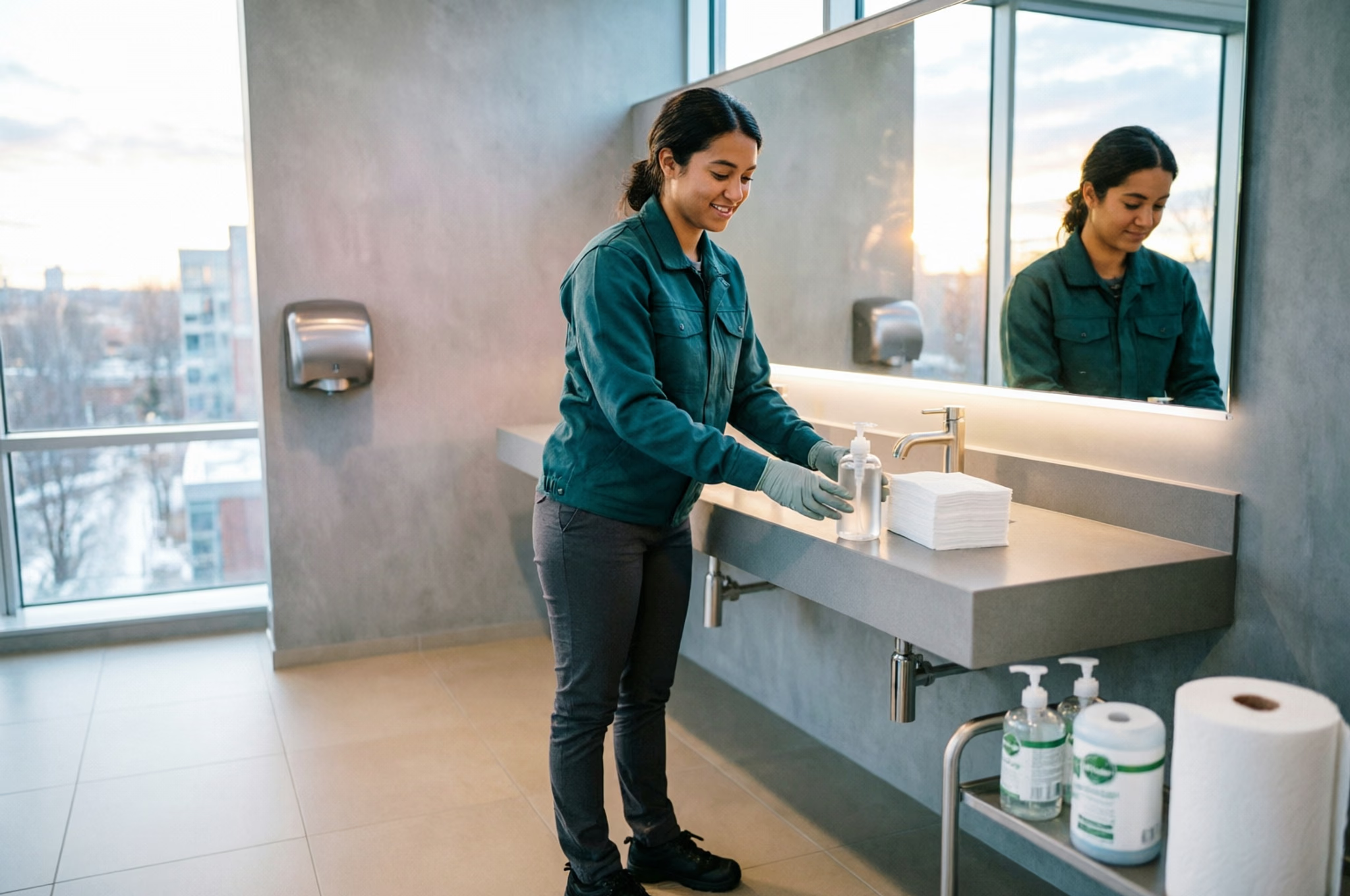
A few common mistakes quietly undo the work of a good cleaning schedule.
- Cleaning the visible surfaces but skipping the high-touch fixtures where germs actually move.
- Letting the daily routine drift and relying on an occasional deep clean to catch up.
- Running out of soap, paper or hand sanitiser, which makes a clean room feel neglected.
- Using strong products without following the label or giving them dwell time.
- Ignoring hard water and soap scum until they become stains that are hard to remove.
- Cleaning during business hours and interrupting the people the clean is meant to serve.
- Treating washroom cleaning as invisible work and skipping the inspection that keeps it consistent.
The most useful habit is consistency. A predictable routine, a clear scope and a team that communicates keeps the standard at a level people can rely on, which is exactly what a professional office bathroom standard is for.
Formatted Step-by-Step Office Bathroom Cleaning Checklist
Use this checklist to keep your office washroom at a professional standard every week.
- Step 1.Set the daily routine:high-touch fixtures, mirrors, counters, bins and restocking on every visit.
- Step 2.Schedule the deep work weekly or monthly so grout, floors, vents and fixtures do not build up.
- Step 3.Use products handled under WHMIS 2015 and disinfectants that carry a Health Canada DIN, applied with dwell time.
- Step 4.Check supplies and fixtures on a set schedule so nothing runs out and small repairs are flagged early.
- Step 5.Inspect the finished work against a written list so the standard stays consistent between visits.
- Step 6.When you want a trained team that keeps your office bathrooms clean, healthy and fully stocked, our office cleaning programs in Ottawa are built around your schedule and standards.
Free Restroom Cleaning Log to Print
The daily round and the deeper work are easier to keep honest when they are signed off on paper. This log puts a week of daily rounds on one sheet, with the weekly and monthly work and the inspection step dated underneath.
Mount it inside the door, keep the completed sheets, and the standard survives a change of cleaner. There is no form and no email address to hand over.
Letter size, print-ready. No email address, no sign-up.
FAQ
How often should an office bathroom be cleaned?
At minimum once per day in most workplaces, with high-traffic washrooms visited more often. On top of that, a deeper clean should run on a weekly or monthly schedule so grime does not build up in the places a daily wipe cannot reach.
What should be included in a daily bathroom cleaning checklist?
High-touch fixtures such as taps, door handles and flush buttons, plus mirrors, counters, floors and bins. Restocking soap, paper towels and toilet paper is part of the daily standard, because a washroom that runs out of supplies reads as neglected even when it is clean.
Are the cleaning products safe for people and the environment?
Reputable companies use products handled under WHMIS 2015 and apply them according to the label. For greener options, EcoLogo-certified and low-fume products deliver the same standard, and many offices prefer them for staff and visitors who are sensitive to strong scents.
What should I look for when choosing a commercial cleaning provider?
Look for a provider that trains and vets its staff, documents its process, names its products and communicates clearly. If you are comparing companies, our checklist for hiring a commercial cleaner is a useful starting point for the questions that matter.
How do I know if my office washroom meets health and safety standards?
A good baseline is the guidance published by CCOHS, along with provincial workplace health and safety expectations for sanitation and handwashing supplies. Accessibility requirements also apply in Ontario, so keeping pathways clear and fixtures in good repair is part of the standard.
Can a cleaning provider work around my office hours?
Most providers schedule outside core hours so the washroom is ready when people arrive, and they adapt when visits need to happen during the day. Asking about scheduling before you book keeps the clean supportive rather than disruptive.
What should I do about persistent washroom odours?
Start by checking the routine rather than just adding air freshener. Empty bins regularly, clean drains and vents, and address any source such as a slow drain or a damp mat. A professional team will investigate the cause, because covering a smell rarely fixes it.
Wrapping Up
The eight essential office bathroom cleaning standards come down to one idea: a commercial washroom needs a reliable, professional routine built for constant use. That means daily attention to the high-touch points, deep cleaning on a schedule, products handled safely under WHMIS 2015 and a team that inspects and reports. If you would like a team that keeps your office bathrooms clean, healthy and fully stocked, contact Good Cleaner Co. for a free quote and a cleaning plan tailored to your office.
Keep reading
More from Good Cleaner
Services that fit
- Professional Office Cleaning Services in OttawaOffice cleaning services in Ottawa for corporate offices, clinics and professional suites. After-hours scheduling, eco-friendly products and a free quote.
- Janitorial Services in OttawaRecurring janitorial services for offices, warehouses, retail, dealerships and schools, with eco-friendly commercial cleaning and customized plans.
About the author
Service areas
- Ottawa
- Kanata
- Nepean
- Orleans
- Barrhaven