
Is Your Office Cleanliness Compliant With Regulations
Workplace cleanliness is not just about appearances; it is tied to the health and safety obligations every employer has toward its staff. A clean office supports a healthier team, a more professional impression on clients and compliance with the regulations that govern workplaces in Ontario. This guide explains what office cleanliness compliance means, where the standards come from, and how to build a cleaning program that keeps your office on the right side of the rules.
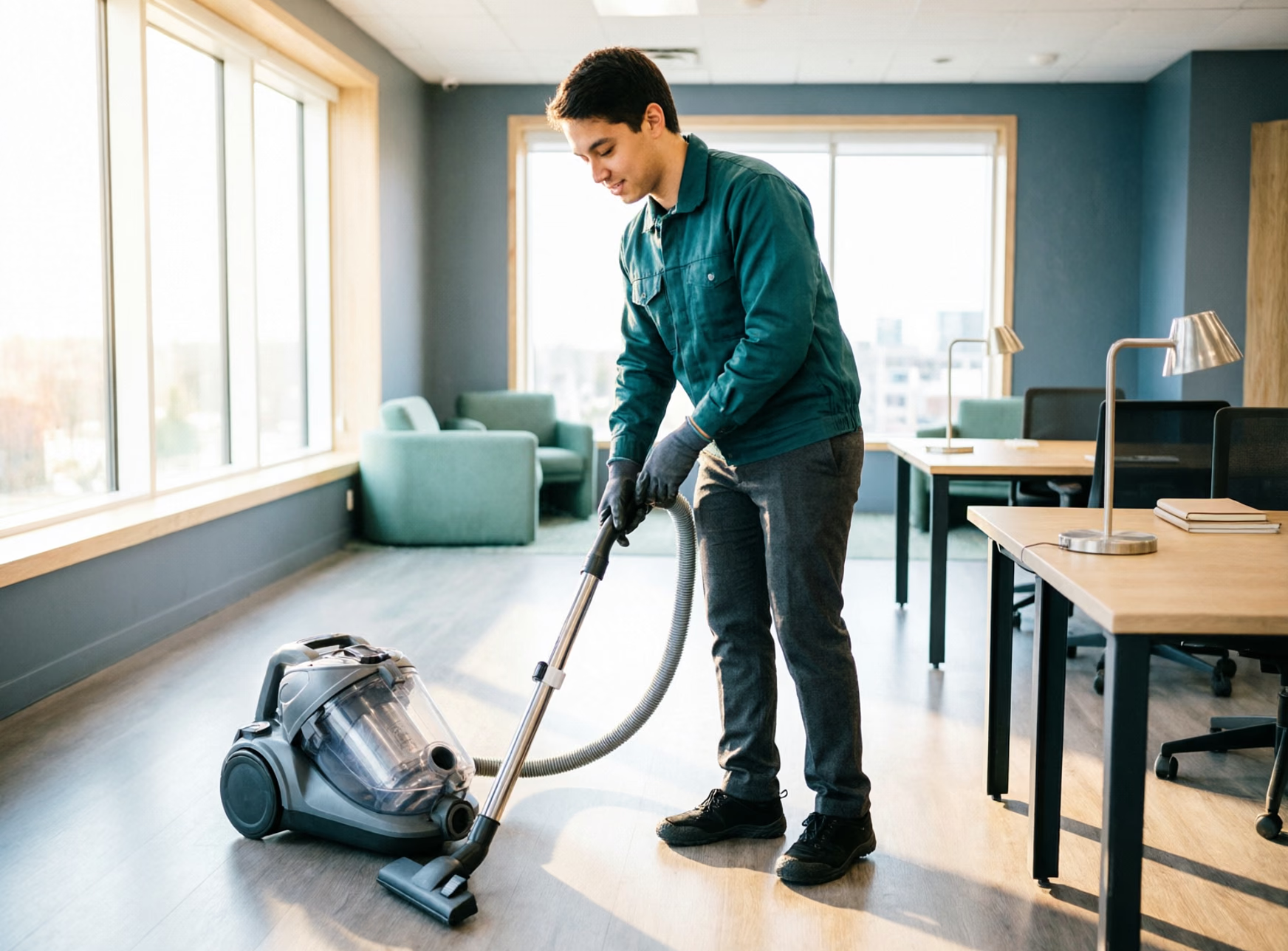
Quick Summary
Office cleanliness compliance is not just about appearances; it ties directly to the health and safety obligations every employer has under Ontario workplace regulations. This guide explains what compliance means, which areas and standards matter most, and how to build a cleaning program that keeps your office on the right side of the rules.
In this guide
What Office Cleanliness Compliance Means
When people ask whether an office is compliant, they are usually asking whether the workplace meets the health, safety and hygiene standards that apply to it. Those standards come from occupational health and safety legislation, building and fire codes, public health guidance and the general duty every employer has to provide a safe and healthy work environment. Cleanliness is part of that duty, because a dirty or unsanitary workplace can create hazards for the people who use it.
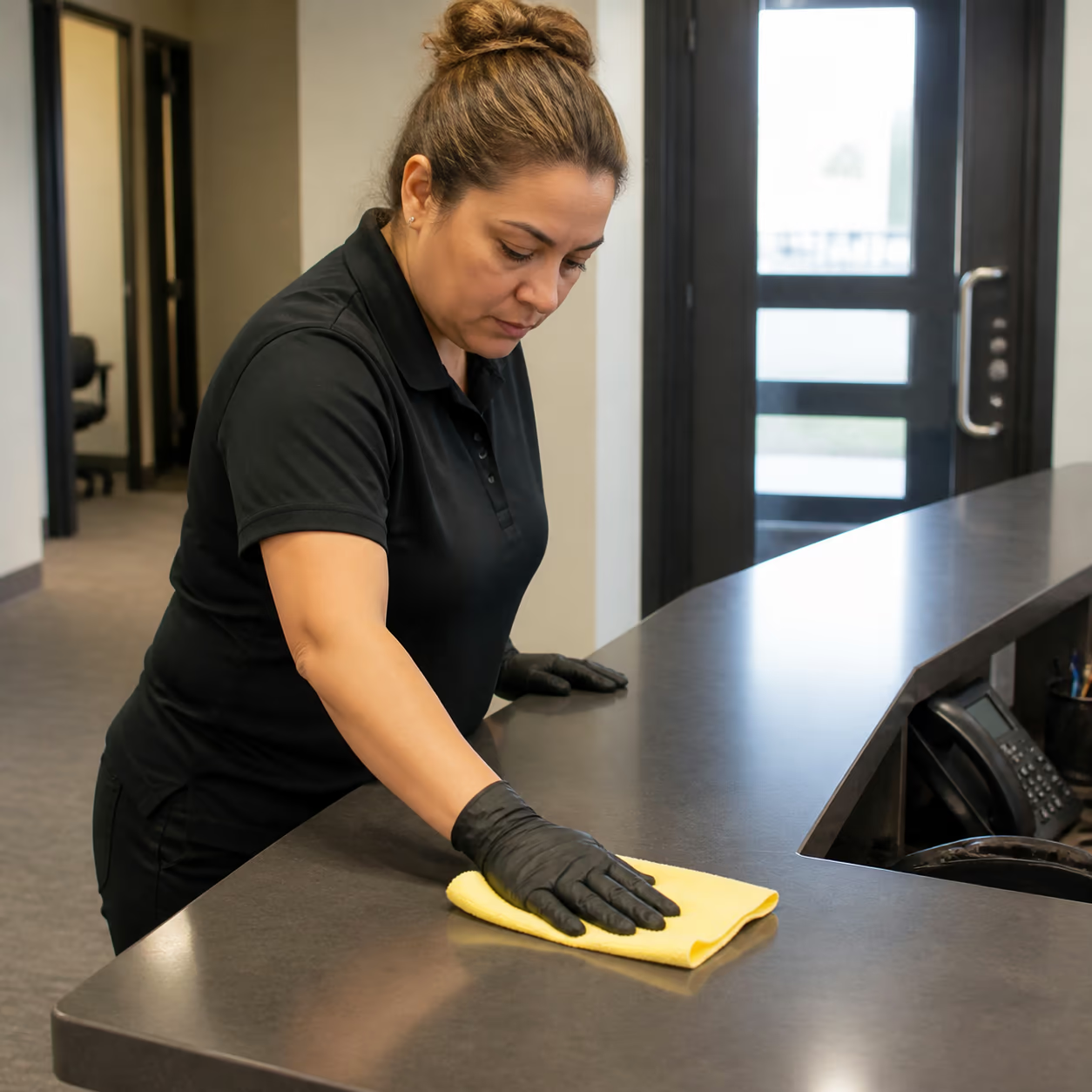
The clearest anchor is the statute itself. Ontario's Occupational Health and Safety Act requires an employer to take every precaution reasonable in the circumstances for the protection of a worker, under clause 25(2)(h). Compliance is therefore judged against what was reasonable for your workplace, not against a fixed cleaning checklist. The province lists the duty in one line: “Instruct, inform and supervise workers to protect their health and safety”.
Here is what compliance usually involves:
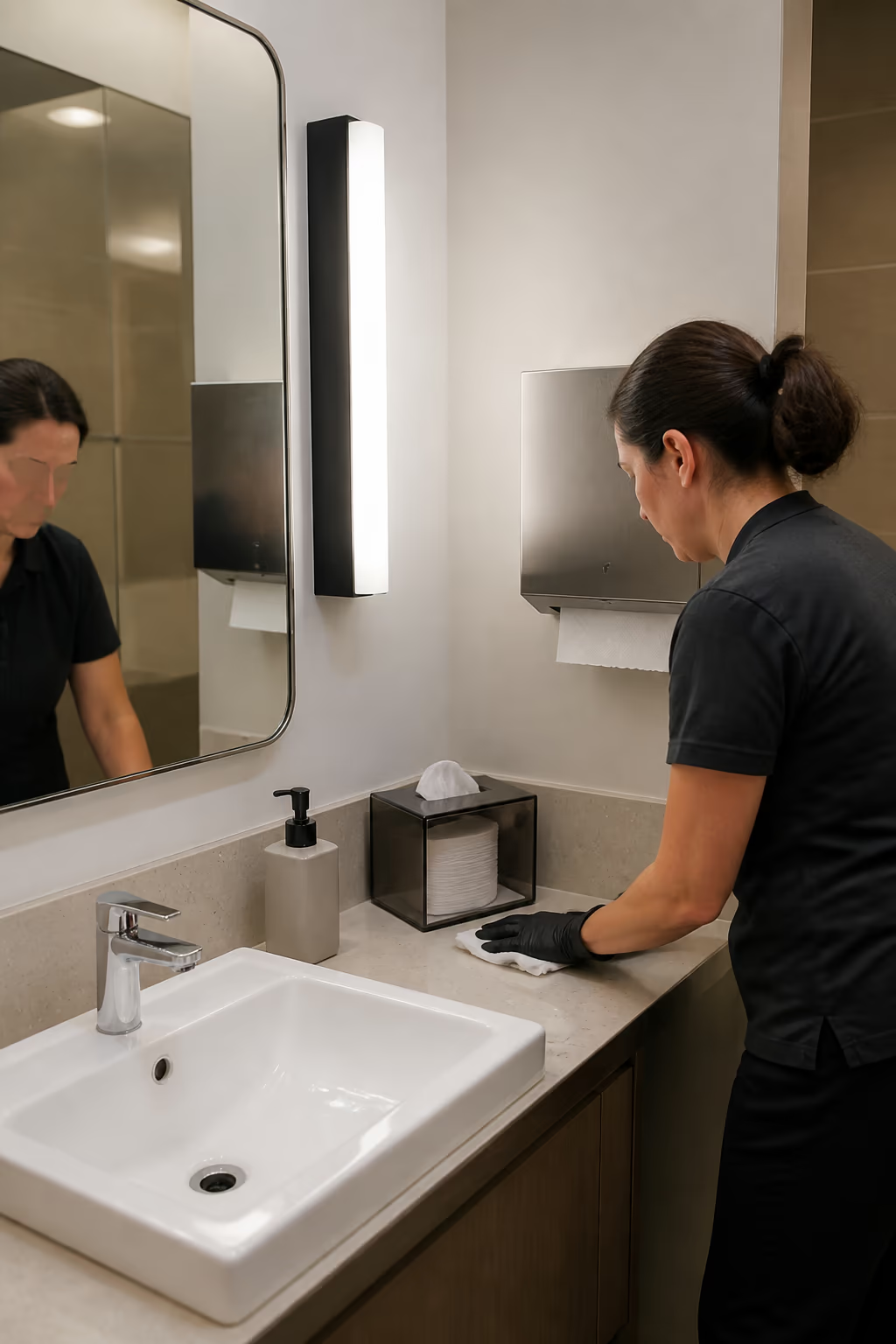
- Washrooms that are clean, supplied and maintained to a hygienic standard.
- Kitchens and break rooms kept free of spills, food residue and waste.
- Floors that are clean, dry and free of the slips and trips that build up over a workday.
- High-touch surfaces such as door handles, light switches and reception desks cleaned regularly.
- Waste removed on a schedule so bins do not overflow and pests do not become a problem.
- Cleaning products stored and handled safely, in line with workplace chemical rules.
These items are not merely cosmetic. A washroom that is not kept up, a floor left wet and slippery, or a kitchen left with old food residue all carry real risks, from slips and falls to illness spreading through a team. Keeping them under control is a practical health and safety matter as much as a matter of appearances, and it is the kind of obligation that a documented cleaning program is built to meet.
Compliance is also an ongoing state rather than a one-time event. A single deep clean does not make an office compliant if the routine that keeps it clean is not maintained. What regulators and inspectors look for, and what a well-run workplace demonstrates, is a consistent standard sustained over time, with records and routines that show the space is being looked after on an ongoing basis.
Compliance also has a practical dimension that has nothing to do with paperwork. An office that is genuinely clean supports the people who work in it, from reducing the dust and allergens that build up in a closed environment to making the space a place clients feel comfortable walking into. That day-to-day experience is what most people mean when they say an office should be compliant, and it is what a consistent cleaning program delivers. The impact of office cleaning on employee well-being is part of that experience, shaping comfort and morale as much as appearance.
The Areas That Matter Most for Compliance
Some areas of an office attract more scrutiny than others, simply because they have the highest impact on health and safety.
- Washrooms are the first place most people think of, and for good reason: they need regular cleaning, restocking and attention to the fixtures and floors.
- Kitchens and break rooms are where food is prepared and shared, so spills, crumbs and surfaces need constant attention.
- High-touch surfaces in common areas, such as door handles, elevator buttons, railings and reception counters, carry the most traffic.
- Floors and entryways collect salt, sand, slush and mud, especially during Ottawa winters, and need frequent attention to stay safe.
- Meeting rooms and workspaces are used heavily and benefit from a regular clean that keeps them welcoming and fresh.
- Waste and recycling areas need a schedule so they do not become an odour or pest problem.
For each of these, the standard is the same: the area should be clean, safe and fit for its purpose, and the routine should be consistent enough that the standard does not slip between visits. A professional cleaning team is trained to work through these areas methodically, which is why many offices rely on a service rather than expecting staff to keep the whole workplace up to standard.
High-traffic entryways deserve special mention in a Canadian climate. The salt, sand and slush tracked in during winter months make floors slippery and dirty faster than any other season, and they need a cleaning plan that responds to the weather rather than a fixed schedule that ignores it. Managing that seasonal build-up is part of keeping an office compliant and safe all year round.
Regulations and Standards That Apply to Offices
Several sources of regulation and guidance shape what an office is expected to do, and understanding them helps you plan a program that genuinely complies.
- Occupational health and safety legislation sets the general duty to provide a safe and healthy workplace and to protect workers from hazards.
- Building and fire codes cover exits, corridors, storage and housekeeping that must not block emergency access.
- Public health guidance shapes how washrooms, food areas and hygiene are managed in shared workplaces.
- Workplace chemical rules, including the principles of WHMIS 2015, require that cleaning products are labelled, understood and handled safely.
- Product regulation means that disinfectants and antimicrobial products are controlled and carry a Health Canada Drug Identification Number, so products are used only for their approved purposes.
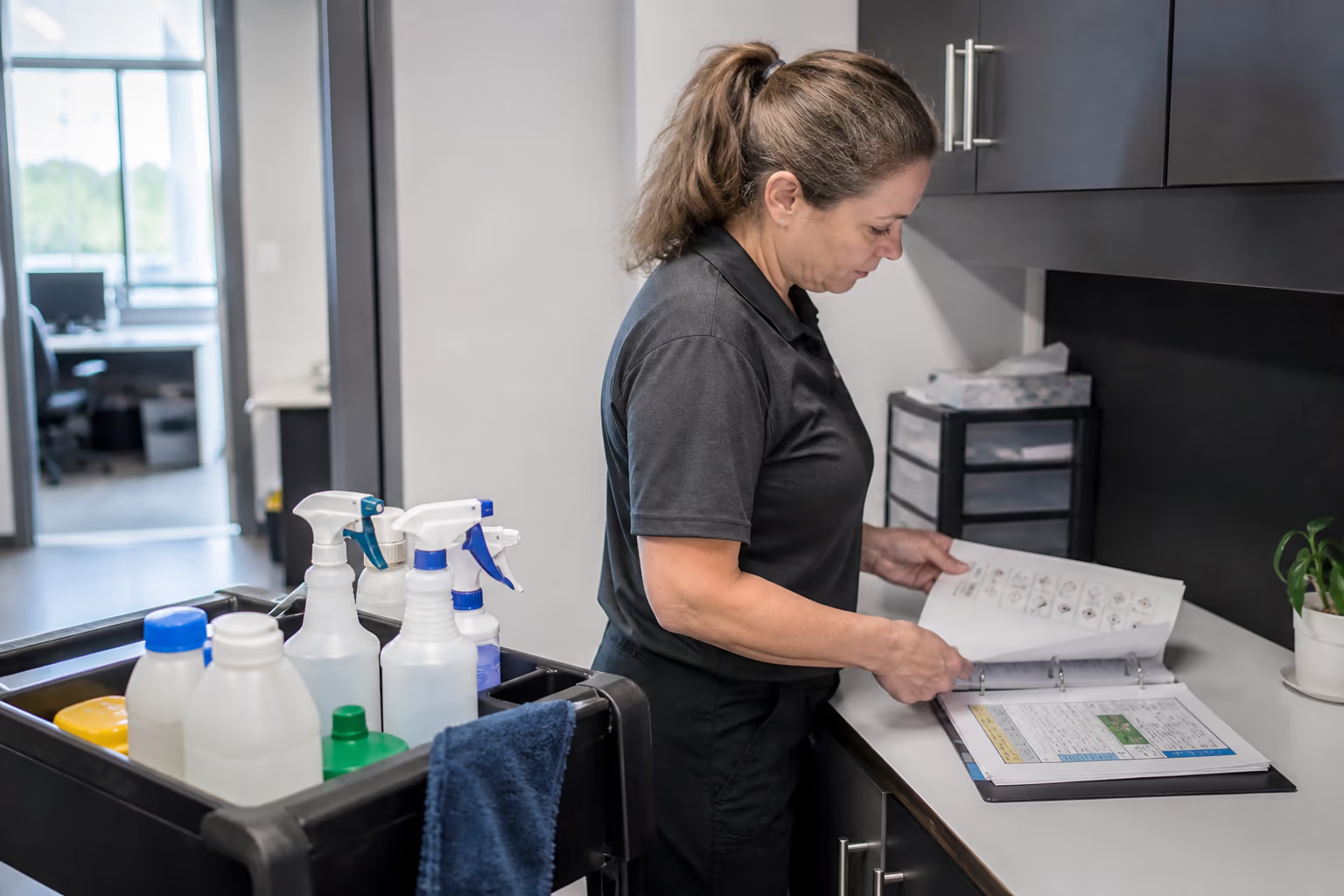
The details vary by province and by the nature of the workplace, so the right approach is to confirm what applies to your specific office and your specific activities. What matters most is that your cleaning program is built around the actual obligations of the workplace, and that the people doing the work are trained to meet them.
For cleaning teams in particular, WHMIS 2015 is a practical part of the job. Products used in the workplace come with safety data and labelling requirements, and a professional team knows how to read those, how to use products correctly, how to store them safely and how to respond if something goes wrong. That training is part of why a documented, professional cleaning program is more than a routine wipe-down; it is a controlled process.
It is also important to use products that are actually approved for their purpose. A general all-purpose cleaner and a registered disinfectant do different jobs, and using the right product in the right place is both a compliance matter and a practical one. A professional team chooses products for the task and applies them correctly, which is part of the value of a trained provider.
How to Know Whether Your Office Is Compliant
A quick walkthrough can tell you a lot about whether an office is being kept to standard, but an honest assessment goes a little deeper than a glance.
- Walk the space at different times of day and look at washrooms, kitchens, floors and common areas rather than the obvious reception zone.
- Check that washrooms are stocked and clean, and that soap, paper towel and hand-drying supplies are available.
- Look at high-touch surfaces for visible wear, smudging or a build-up that suggests they are not being cleaned regularly.
- Confirm that cleaning products are stored safely, labelled properly and out of reach of anyone who should not be handling them.
- Review the cleaning schedule and ask whether the routine matches the traffic the office actually sees.
- Check whether waste is removed on a schedule and whether bins ever overflow.
- Consider the seasons, and whether entryways and floors are being managed during the winter months.
If any of these raise questions, the office may be falling short in ways that are easy to miss. The good news is that most gaps are straightforward to fix with a clearer routine, the right products and a team that is trained to follow a documented process. A professional provider can walk the space with you, point out what needs attention and put a program in place that keeps the standard consistent.
It is worth being honest about the limits of self-assessment. Everyone who works in an office becomes used to its state, and it is easy to overlook the build-up that a fresh eye catches immediately. That is one reason many offices bring in a professional cleaning service and an independent quality check, so the standard is judged by people whose job it is to notice.
Engaging a provider early is often cheaper than fixing a problem later. A professional walkthrough catches the build-up and the gaps that lead to complaints, accidents or failed inspections, and it lets you correct course while the issues are still small. For most offices, that is the most efficient way to stay on the right side of the standards.
Building an Effective Cleaning Program
An effective cleaning program balances daily upkeep, scheduled tasks and the deep cleaning that keeps an office genuinely fresh.
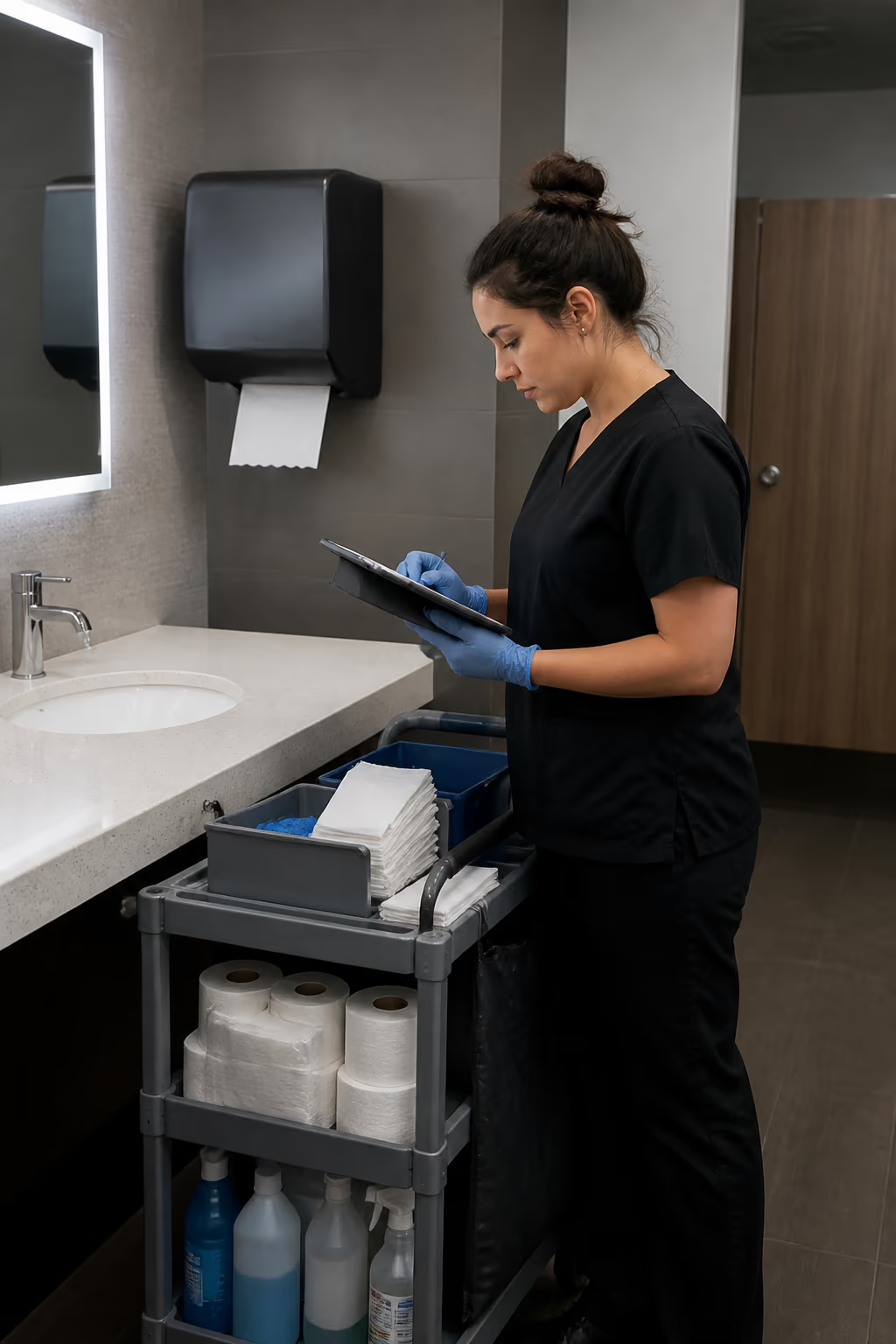
- Daily maintenance covers washrooms, kitchens, high-touch surfaces, floors and waste in the areas people use every day.
- Weekly and scheduled tasks handle the details that build up more slowly, such as floor care, fixtures and equipment.
- Deep cleaning on a schedule tackles carpets, upholstery, hard floor care and the corners that daily maintenance does not reach.
- Seasonal work responds to the weather, including the extra attention entryways need during Ottawa winters.
- Documentation records what was done and when, so the program can be reviewed and improved.
The right mix depends on the size of the office, the number of people using it and the nature of the work. A small office with a handful of staff needs a different program from a large operation with public-facing areas and heavy traffic. The key is to match the schedule to the real demands of the space, and to review it as the office changes.
Documentation matters more than most people expect. A written schedule, a record of completed work and a clear scope of what is covered give you the evidence that the workplace is being maintained, and they make it easy to spot a gap before it becomes a problem. They also make it simple to communicate with a cleaning provider about exactly what you expect.
Common Compliance Gaps in Offices
Even well-meaning offices miss a few predictable things, and they are easy to address once you know what they are.
- Cleaning the obvious areas but skipping the high-touch surfaces that spread illness.
- Letting floors go slippery with salt, sand or spills during the winter months.
- Restocking washrooms but not cleaning the fixtures and floors on the same routine.
- Storing cleaning products where staff or clients can access them improperly.
- Relying on staff to tidy up without a clear, documented cleaning program.
- Skipping the deep cleaning that keeps carpets, upholstery and fixtures truly fresh.
- Forgetting that the standard has to be consistent week to week, not just after a big clean.
Each of these has a straightforward remedy, and none of them require an expensive overhaul. A clearer schedule, the right products, trained staff and a documented process close most gaps, and the remaining ones are usually the deep tasks that a professional service handles as part of the routine. The earlier you close a gap, the less it costs to fix.
The same discipline applies when you compare cleaning providers. A company that documents its process, trains its staff and checks its own work is a company you can rely on to maintain a consistent standard, which is exactly what compliance requires.
Formatted Step-by-Step Office Compliance Checklist
Work through these steps to assess and maintain your office cleanliness compliance.
- 1.Walk your office and assess washrooms, kitchens, floors, high-touch surfaces, waste and entryways at different times of day.
- 2.Review the regulations and guidance that apply to your workplace, and note where your current routine may fall short.
- 3.Build a documented cleaning program that covers daily upkeep, scheduled tasks, deep cleaning and the seasons.
- 4.Train or confirm that the people doing the work understand products, WHMIS 2015 principles and safe handling.
- 5.Review the program regularly, keep records and adjust the schedule as the office and the seasons change.
- 6.For a trained, documented team that keeps your workplace to standard, reviewing our commercial office cleaning services in Ottawa provides a reliable partner for ongoing compliance.
FAQ
Is office cleanliness actually regulated?
Office cleanliness is part of the broader health and safety obligations that workplaces have, and specific areas such as washrooms, kitchens, floors and housekeeping fall under occupational health and safety, building and fire code, and public health expectations. The exact requirements vary by province and by workplace, so confirm what applies to yours.
Who is responsible for keeping an office compliant?
The employer holds the primary responsibility for providing a safe and healthy workplace, and that extends to cleanliness and housekeeping. Many offices delegate the actual cleaning to a professional service, but the responsibility for ensuring the standard is met stays with the business.
How often should an office be cleaned to stay compliant?
There is no single schedule that fits every office. Daily upkeep of washrooms, kitchens, floors and high-traffic surfaces, with scheduled deep cleaning, is a sensible baseline, and the frequency should match the number of people and the nature of the work. Workspaces with especially high occupancy, such as call centres, often need a tighter routine, and call centre cleaning and high-density workspace hygiene standards are a useful benchmark for offices with similarly dense seating.
What is WHMIS 2015 and why does it matter for cleaning?
WHMIS 2015 is the workplace hazard communication system used across Canada, and it requires that hazardous products, including cleaning products, are labelled and understood and that workers are trained to handle them safely. A professional cleaning team follows these principles in the workplace.
Are disinfectants regulated in Canada?
Yes. Disinfectants and antimicrobial products are regulated by Health Canada and carry a Drug Identification Number, which confirms they are approved for specific uses. A responsible provider uses only approved products for their intended purposes.
Do we need to keep cleaning records for compliance?
Keeping a written schedule and records of completed work is strongly recommended. It demonstrates that the workplace is being maintained on an ongoing basis and makes it easy to spot gaps and review the program as the office changes.
What should a cleaning contract include?
A good cleaning contract should set out the scope, the frequency, the products used, the pricing and how quality and feedback are handled. That clarity protects both the office and the provider, and it makes the standard easy to maintain.
Can staff do the cleaning, or should we hire a service?
Staff can keep up day-to-day tidiness, but a professional service brings trained people, proper products, documented routines and the consistency that compliance requires. Many offices use a service for the real cleaning and keep simple tidy habits in between.
How do I choose a cleaning provider that will keep us compliant?
Look for a provider that documents its process, trains its staff, uses appropriate products and checks its own work. If you are comparing providers, our checklist for hiring a commercial cleaner is a useful starting point for the questions that matter, from training to the products a company uses and how it checks quality.
Wrapping Up
Office cleanliness compliance is about more than a tidy reception desk. It is a health and safety obligation that covers washrooms, kitchens, floors, high-touch surfaces and the routines that keep them to a consistent standard. With a documented program, the right products and a trained team, an office can meet its obligations and give everyone who uses it a cleaner, safer environment.
Good Cleaner Co. combines local experience, background-checked staff and carefully selected products to keep Ottawa workplaces clean, healthy and professional. Our professional office cleaning teams in Ottawa are built around your schedule, your scope and your standards, whether you need daily upkeep or a scheduled deep clean.
Keep reading
More from Good Cleaner
Services that fit
- Professional Office Cleaning Services in OttawaOffice cleaning services in Ottawa for corporate offices, clinics and professional suites. After-hours scheduling, eco-friendly products and a free quote.
- Janitorial Services in OttawaRecurring janitorial services for offices, warehouses, retail, dealerships and schools, with eco-friendly commercial cleaning and customized plans.
About the author
Service areas
- Ottawa
- Kanata
- Nepean
- Orléans
- Barrhaven