
How To Clean A Stubborn Toilet Stain
Stubborn toilet stains are usually mineral, not just dirt. Hard water in many Ottawa neighbourhoods leaves calcium and magnesium deposits, old plumbing adds rust, and organic matter hides under the rim. This guide explains how to tell the stain types apart, which products actually work on each one, and when a pumice stone or a professional clean is the safer choice.
Quick Summary
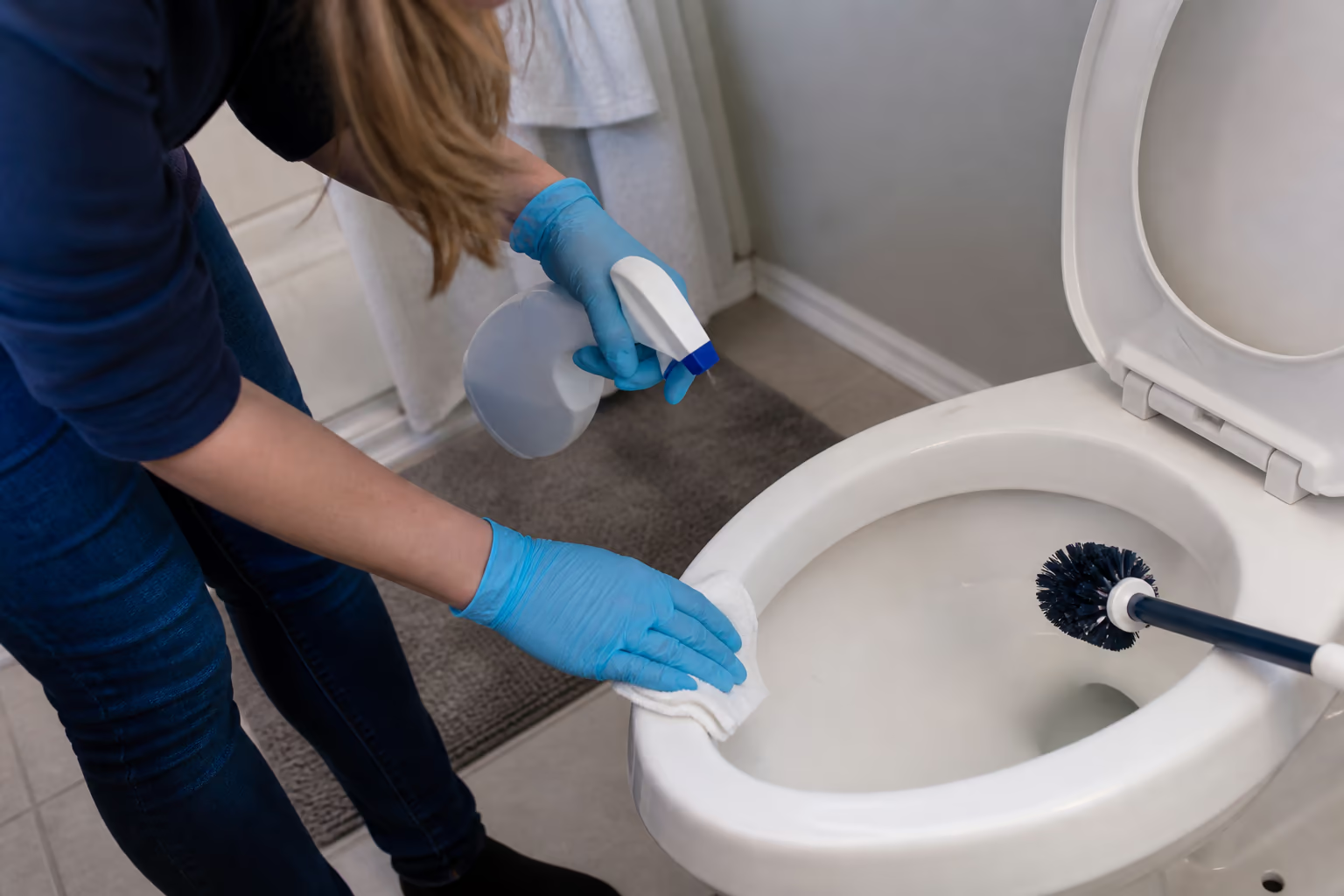
Stubborn toilet stains are usually mineral scale, rust or organic buildup, not simple dirt, and telling them apart determines the fix, citric acid or pumice for hard water, an iron-specific cleaner for rust, a foaming cleaner for buildup under the rim. Etched porcelain will not respond to further treatment, so protecting the glaze matters most.
In this guide
Why Toilet Stains Form in the First Place
Most stubborn toilet stains are caused by a buildup of hard water minerals, rust or organic matter that adheres to the porcelain over time. The stains form slowly, so they look like part of the bowl until you try to scrub them and nothing moves.
- Hard-water rings collect at the water line where minerals settle and dry.
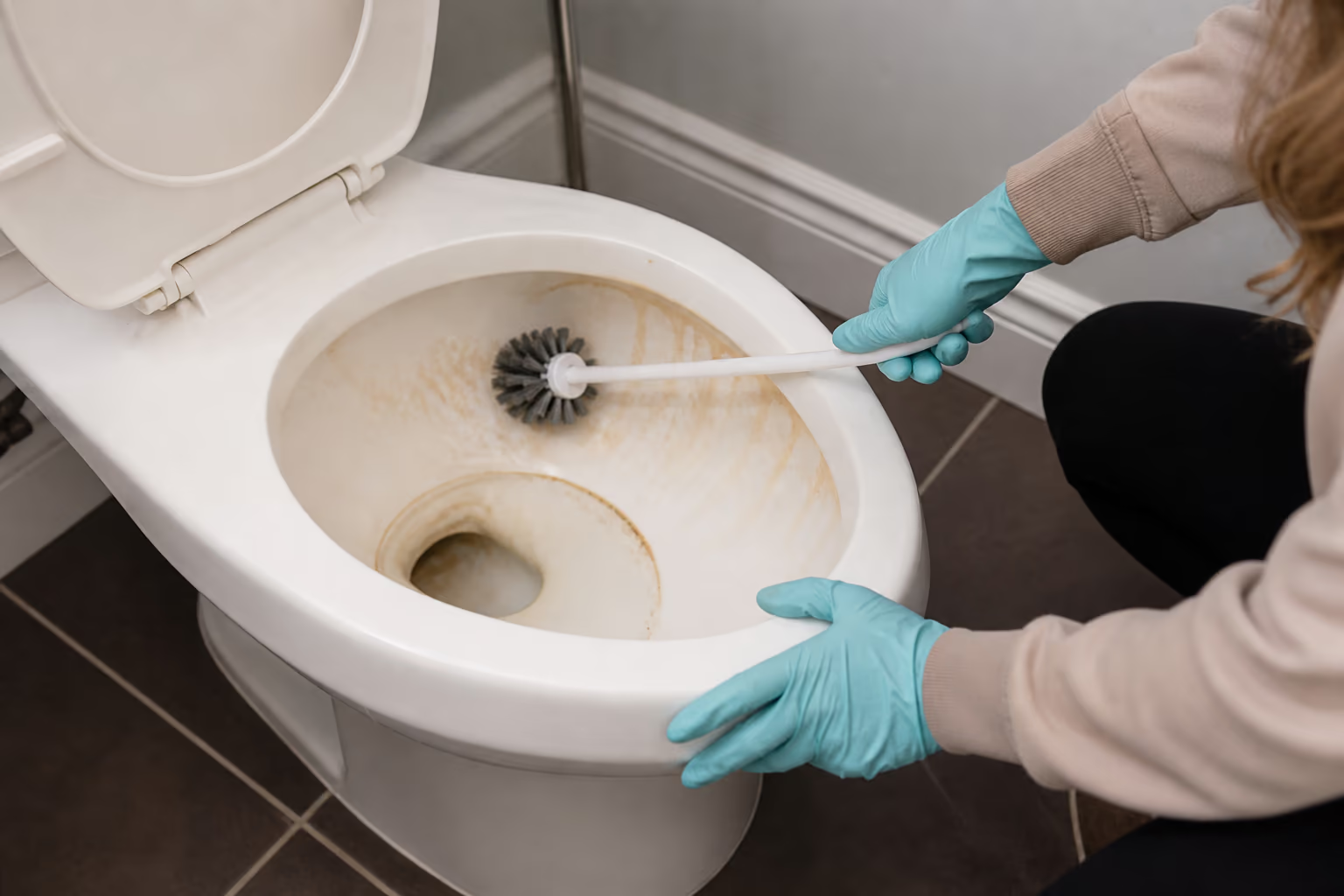
- Rust-toned stains come from iron in the water or corroding pipes, and they appear as orange or brown streaks.
- Dark brown or black buildup often forms in the hidden area under the rim, where water sits and organic matter collects.
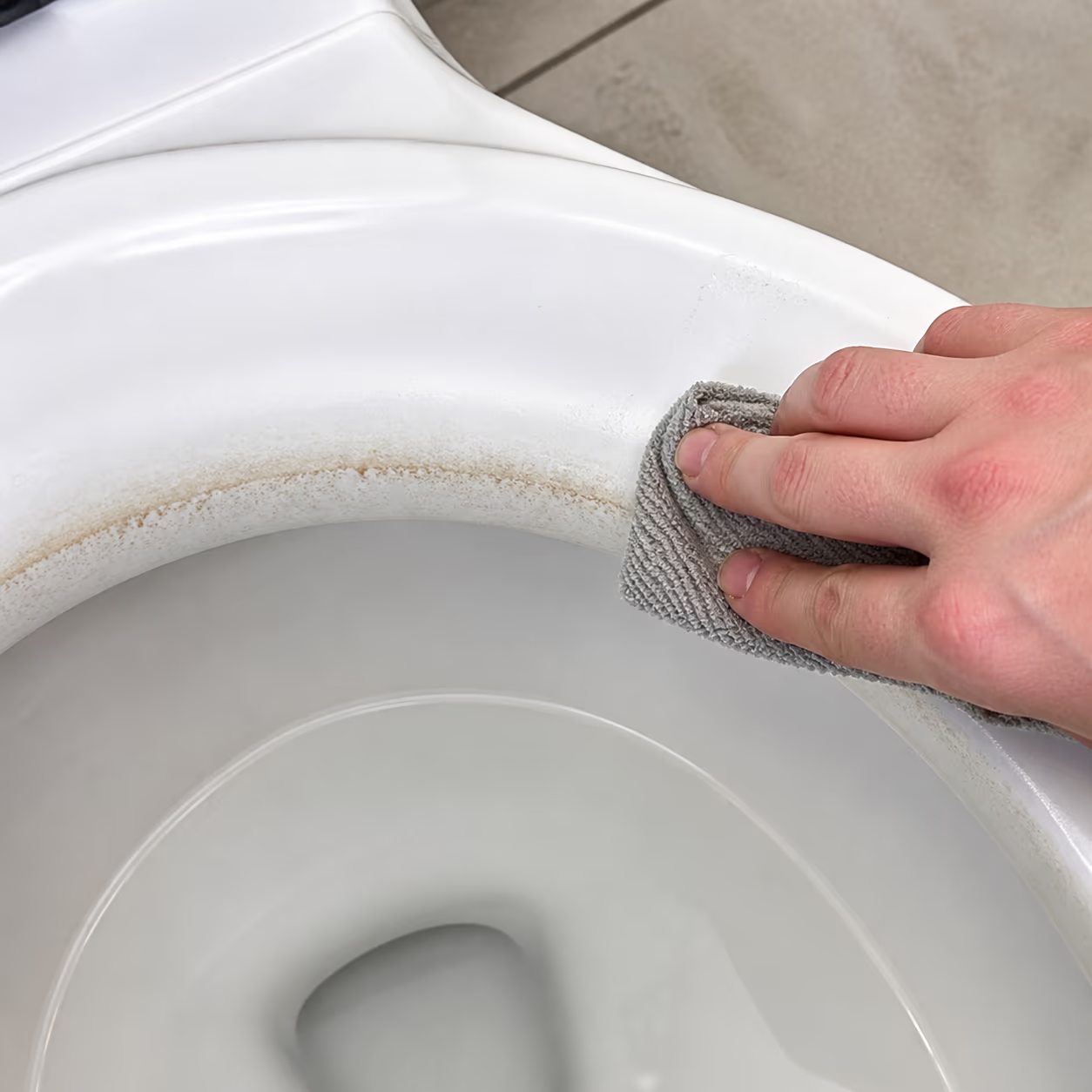
- Chalky white or grey scale is a mineral crust that needs a different treatment than surface grime.
Knowing which kind of stain you have decides which product works. A disinfecting scrub will not lift mineral scale, and a mineral remover will not remove organic buildup. Diagnose first, then treat.
Ottawa's municipal water is fairly hard across many neighbourhoods, which is why mineral rings are so common in local bathrooms. The mineral content is harmless in the water, but it settles wherever water sits and dries, which is exactly what a toilet bowl does all day.
The three main culprits behave differently, so they need different chemistry. Calcium and magnesium scale dissolves in acid, iron reacts to products made for rust, and organic film breaks down with a good scrub and dwell time. Treating the wrong type wastes your afternoon and leaves the stain exactly where it started.
What You Need Before You Start
The right supplies make the difference between a quick fix and a weekend project. Gather these before you start.
- A good toilet brush and a long-handled brush for under the rim.
- Baking soda and white vinegar for gentle daily treatments.
- Citric acid for hard-water mineral scale, applied as directed on the package.
- A pumice stone for tough mineral deposits, used only on porcelain and only when wet.
- A pair of rubber gloves and safety glasses.
- A small old toothbrush for tight spots around the rim.
A pumice stone is the classic tool for stubborn mineral rings, but it must stay wet and be used gently on porcelain only. Used dry or on a damaged glaze, it can scratch. When in doubt, prefer chemical dwell time over abrasion.
If the bowl has a low-flow design or the water sits high, adjust the level before you start so the treatment area stays exposed. Working on a bowl that refills mid-clean wastes product and dilutes the dwell time.
The Step-by-Step Stain Removal Process
The first move is to remove the water so the product works directly on the stain. Flush, then use a plunger or an old cup to empty the bowl and hold the water out. Pour the product you chose onto the stain while the surface is exposed, and let it dwell. Dwell time is the whole game with mineral stains; the chemistry needs minutes, not seconds.
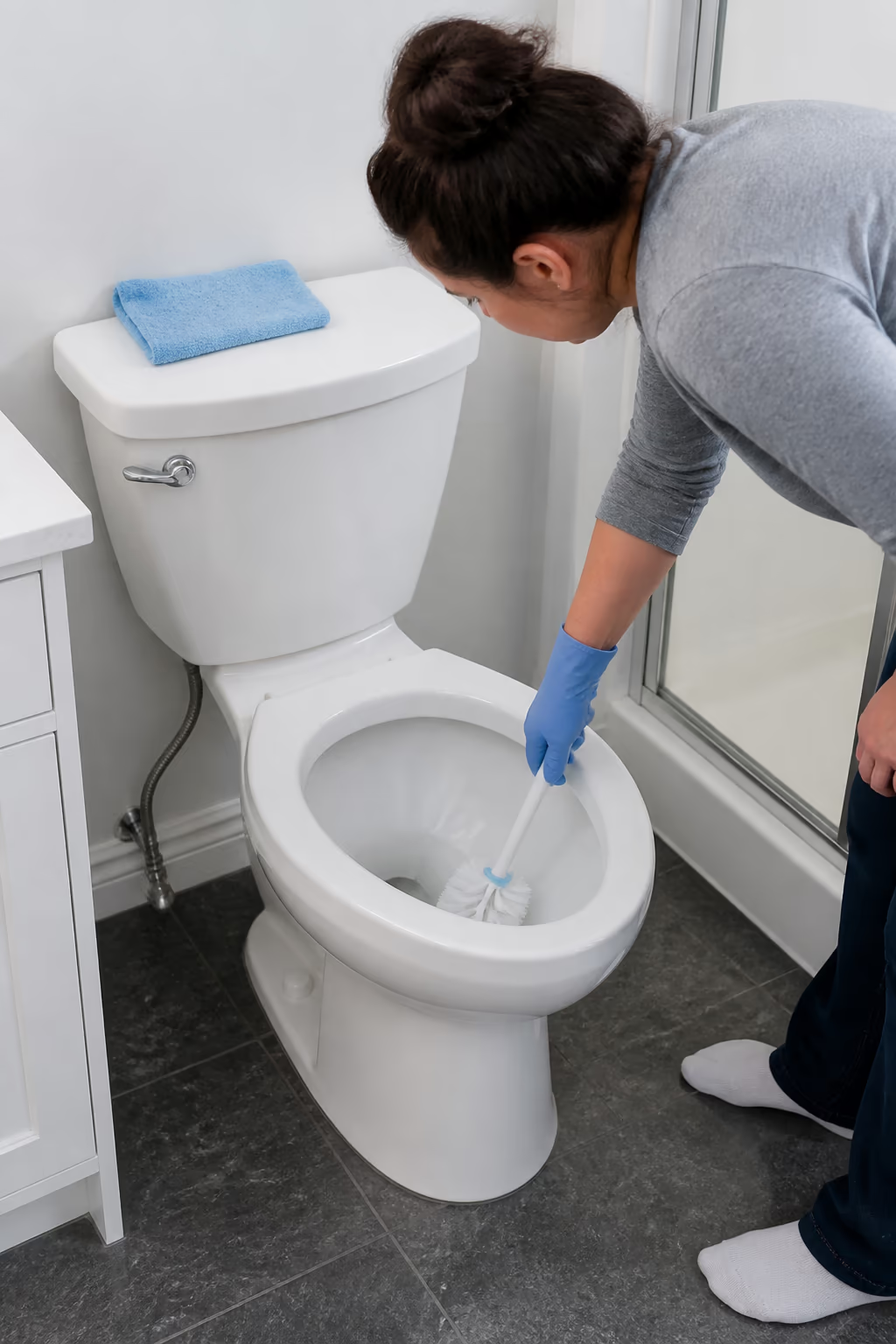
Scrub the bowl and under the rim with the brush, working the product into the stain. For mineral rings, apply the pumice stone while the surface stays wet and rub gently in a circular motion. Rinse and flush, then inspect. Heavy scale often needs a second application left overnight before it releases.
For organic buildup under the rim, use a brush that reaches the hidden area and a product that foams or clings. Reapply until the surface is clean, and dry the porcelain with a cloth at the end so minerals do not re-deposit.
For the overnight treatment, apply the product generously, leave the lid down so it does not dry out, and check it in the morning. Most heavy stains release after one good overnight dwell, which is far less work than scrubbing the same stain three times in one day.
Telling the Stain Types Apart
A quick visual check saves time and avoids damaging the bowl.
- If the stain is at the water line and chalky, it is mineral scale, and citric acid or a pumice stone is the right tool.
- If the stain is orange or brown, it is likely rust, and a cleaner made for iron removal works better than a general scrub.
- If the stain is dark and sits under the rim, it is organic buildup, and a foaming cleaner plus dwell time handles it.
- If the stain never moves no matter what you use, it may be etched into a worn glaze, which cleaning will not restore.
When a stain resists the correct treatment twice, stop. Etched or scratched porcelain looks stained forever, so protecting the glaze matters more than removing the last trace of a mark.
Look at the stain under good light before you treat it. A stain that glints or looks raised is mineral scale; a flat, uniform ring at the water line is more likely a film. The extra minute of inspection tells you which tool to reach for first.
Removing Rust, Hard-Water Rings and Organic Buildup
Once you know the stain type, the treatment is straightforward, but each one follows its own rules.
For hard-water rings, citric acid applied to a dry bowl and left to sit works best; it dissolves the calcium and magnesium scale without abrasion. For rust, use a product specifically made for iron stains in toilets and follow the dwell time on the label, because rust responds poorly to general cleaners.
For organic buildup under the rim, a foaming cleaner that clings to the hidden surface beats a liquid that runs straight to the water. Apply it, let it work, scrub with a rim brush, and repeat until the surface comes clean.
For a stain that has been building for months, plan for a second round. Apply the right product, let it work overnight, and finish with a pumice stone only if the residue is still mineral scale and the glaze is intact.
Keeping the Toilet Clean Between Deep Cleans
The habit that prevents stubborn stains is keeping the bowl from reaching the point where they form. A minute of upkeep beats a pumice project.
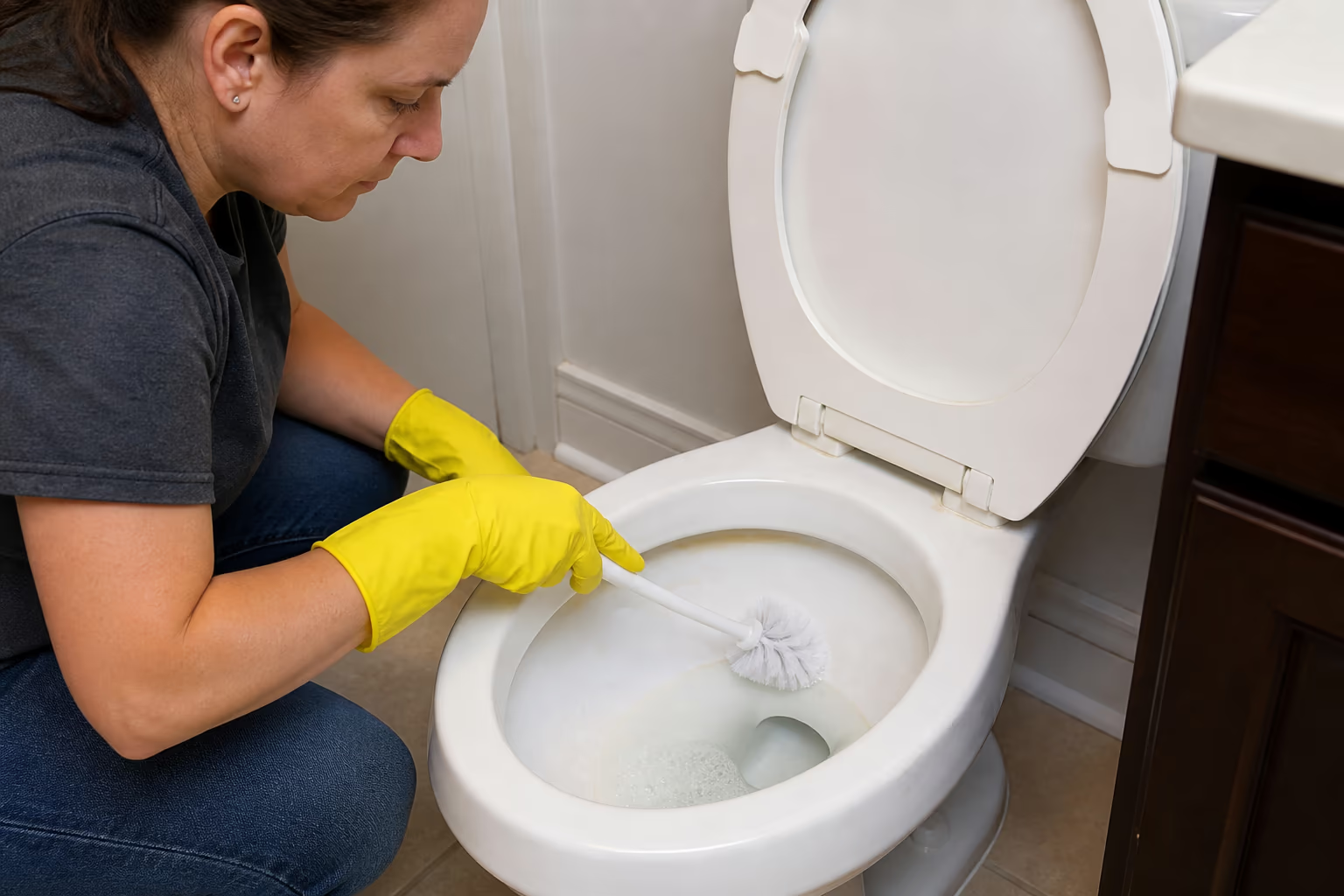
- Give the bowl a quick scrub with a toilet brush every few days so deposits never harden.
- Keep a gentle, certified cleaner under the rim or in a tablet form if your plumbing allows it.
- Wipe the outside and around the base during your regular bathroom clean.
- Address a slow-running or constantly wet bowl, since standing water accelerates mineral buildup.
Keeping the room dry matters as much as keeping the bowl clean. Health Canada's mould guidance says to control humidity levels and fix moisture problems right away, and notes there is no safe limit for mould because sensitivity varies from person to person. The federal advice is short: “To prevent mould, fix any moisture problems right away and control humidity levels in your home.”
When the daily habit is in place, the deep clean becomes a light maintenance pass. That is the same logic a professional team applies to every bathroom it visits.
If you share a bathroom, make the quick scrub a shared habit. The few seconds each person spends keeps the mineral film from building in the first place, which is cheaper and easier than removing it once it hardens.
Tools That Protect the Porcelain Finish
The tools matter as much as the products, because the glaze is what keeps a bowl easy to clean.
- A soft-bristle toilet brush for everyday scrubbing.
- A rim brush with a flexible head to reach the hidden underside.
- A wet pumice stone reserved for mineral scale on intact porcelain.
- Microfibre cloths for the outside and the seat, separate from bathroom floor cloths.
Keep the metal cleaning tools out of the toilet. Anything that can scratch the glaze invites the very stains you are trying to remove, because scratches give minerals somewhere to hold on to.
Formatted Step-by-Step Toilet Stain Removal Checklist
Use this checklist to remove a stubborn toilet stain without damaging the bowl.
- Step 1.Flush, then remove the water from the bowl so the product works directly on the stain.
- Step 2.Apply the right product for the stain type and let it dwell for several minutes.
- Step 3.Scrub the bowl and under the rim, working the product into the deposit.
- Step 4.Use a wet pumice stone gently for mineral rings, then rinse and flush.
- Step 5.Inspect, repeat if needed, and dry the porcelain to prevent re-deposits.
- Step 6.For a thorough bathroom clean that keeps stains from building up, review our Ottawa residential cleaning teams to compare scope and scheduling.
Common Mistakes That Scratch or Re-Stain the Porcelain
The mistakes below are why some toilet stains seem permanent.
The biggest is using an abrasive scrubber or a dry pumice stone on porcelain. Scratches in the glaze trap minerals and organic matter, and the stain comes back faster each time.
The second is skipping dwell time. Scrubbing immediately only moves the product around; mineral and organic stains need minutes to soften before the brush does anything.
The third is mixing products. Never combine bleach with vinegar, acid cleaners or ammonia; the reactions release dangerous gas. Read each label before using anything, and use one product at a time.
The fourth is ignoring the source. If the staining is caused by iron in the water or an old fill valve, the stain will return no matter how well you clean. Treating the source matters more than perfect scrubbing.
The fifth mistake is treating the toilet like a sink. It is not; the bowl holds standing water, so products behave differently and stains return faster. Give the toilet its own tools, its own products, and its own spot in the routine, and the results last much longer.
Safety, Products and How Good Cleaner Co. Handles Bathrooms
Bathrooms concentrate the products most likely to be mishandled, so the professional habit is to read labels, work in a ventilated space and never mix cleaners. The same principles behind WHMIS 2015 training keep commercial and residential teams safe on the job.
Good Cleaner Co. follows that habit in every bathroom it cleans. That means the bathroom comes out clean without a strong chemical smell lingering.
Ottawa's hard water makes mineral stains a recurring fact of bathroom life, which is why our crews give toilets, sinks and shower glass the same mineral treatment. Catching the scale while it is thin keeps it a quick wipe instead of a pumice project.
The rule about never mixing products is worth repeating in a bathroom, because bleach and acid cleaners are both common there. Keep them apart, rinse between uses, and store them separately. The two minutes of caution protect everyone who uses the room.
When to Call a Professional
Most toilet stains respond to the steps above, but some situations are better handled by a team.
- Staining that returns quickly even after a thorough clean, which points to a source issue.
- A heavily scaled bathroom with multiple surfaces, not just one stain.
- A move-in, move-out or rental turnover where the whole bathroom needs a reset.
- A busy home where the bathroom keeps getting postponed because it feels like a project.
How much you book depends on the home, not a fixed rule. A one-time reset handles a move-in, a move-out or a long-neglected bathroom; a recurring visit keeps hard-water homes from sliding back between cleans. For routine upkeep between deep resets, many households turn to affordable cleaning services Ottawa families already use for the rest of the home.
When you compare providers, ask what is included and how they handle mineral buildup in hard-water homes. If you are comparing options for your home or a property you manage, our checklist for hiring a commercial cleaner is a useful starting point for the questions that matter.
When a Stain Is a Sign of a Bigger Problem
Most stains are cosmetic, but a few signal a plumbing or maintenance issue worth fixing before it costs more.
- A stain that returns within days of cleaning often points to iron in the water or a corroding fill valve.
- Persistent wetness around the base can indicate a slow leak at the wax seal.
- A constantly running or refilling toilet wastes water and keeps minerals in the bowl.
- Discolouration in the tank itself may be mineral or algae buildup that needs a separate clean.
When the problem is the supply, cleaning the bowl repeatedly is treating the symptom. Fixing the source, or calling a plumber for the parts you cannot reach, keeps the stain from coming back.
FAQ
Why does my toilet stain keep coming back?
Most of the time the stain is mineral scale or rust from the water supply, so it returns until the source is treated. Regular cleaning plus occasional mineral treatment keeps it small.
Is a pumice stone safe to use on a toilet?
Yes, on porcelain, as long as it stays wet and is used gently. It is not for acrylic or scratched glazes, and a wet stone protects the finish.
Does white vinegar remove hard-water toilet stains?
Vinegar loosens light mineral scale, but citric acid or a pumice stone is more effective on a heavy ring. Use one product, rinse, then repeat if needed.
Can I mix bleach and vinegar to clean a toilet?
Never. Bleach with vinegar or other acids releases a dangerous gas. Use one product at a time and read every label first.
How long does it take to remove a stubborn toilet stain?
A light stain lifts in minutes with dwell time; a heavy mineral ring may need an overnight application or a pumice stone. Plan for a second pass on old scale.
How do I prevent hard-water rings from forming?
Wipe or brush the bowl regularly so minerals never dry into a ring, and treat the water supply if the buildup is severe. A quick weekly scrub is usually enough.
Is citric acid safe for a toilet tank?
Keep acid treatments in the bowl, not the tank. The tank has moving parts and seals, and strong acid can damage them; the bowl is the surface that needs the mineral treatment.
What should I do if a stain is etched into the porcelain?
If the glaze is worn, cleaning will not bring the stain back. Your options are limited to protecting the surface and keeping the stain from spreading, which is worth discussing with a professional.
Can I use a pumice stone on the outside of the toilet?
Stick to the interior bowl. The outside is glazed and painted in places, and the stone can leave marks; a microfibre cloth and a gentle cleaner are safer for the exterior.
Wrapping Up
A stubborn toilet stain is rarely a lost cause. Diagnose whether it is mineral, rust or organic, use the right product with real dwell time, and protect the porcelain glaze while you work. When the scale is old or the whole bathroom is due for a reset, a professional clean clears it in one visit and keeps the mineral build-up from taking over again. Match the treatment to the stain, keep the glaze intact, and let the chemistry do the lifting, and the bowl stays easy to keep clean between visits.
Keep reading
More from Good Cleaner
Services that fit
- House Cleaning Services in OttawaHouse cleaning services in Ottawa for one-time, weekly, biweekly, and monthly home care, with customizable cleaning and eco-friendly options.
- Janitorial Services in OttawaRecurring janitorial services in Ottawa for offices, warehouses, retail, dealerships and schools. Eco-friendly commercial cleaning, customized plans, free quote.
About the author
Service areas
- Ottawa
- Kanata
- Nepean
- Orleans
- Barrhaven