
How Often Should An Office Be Professionally Cleaned? Complete Guide
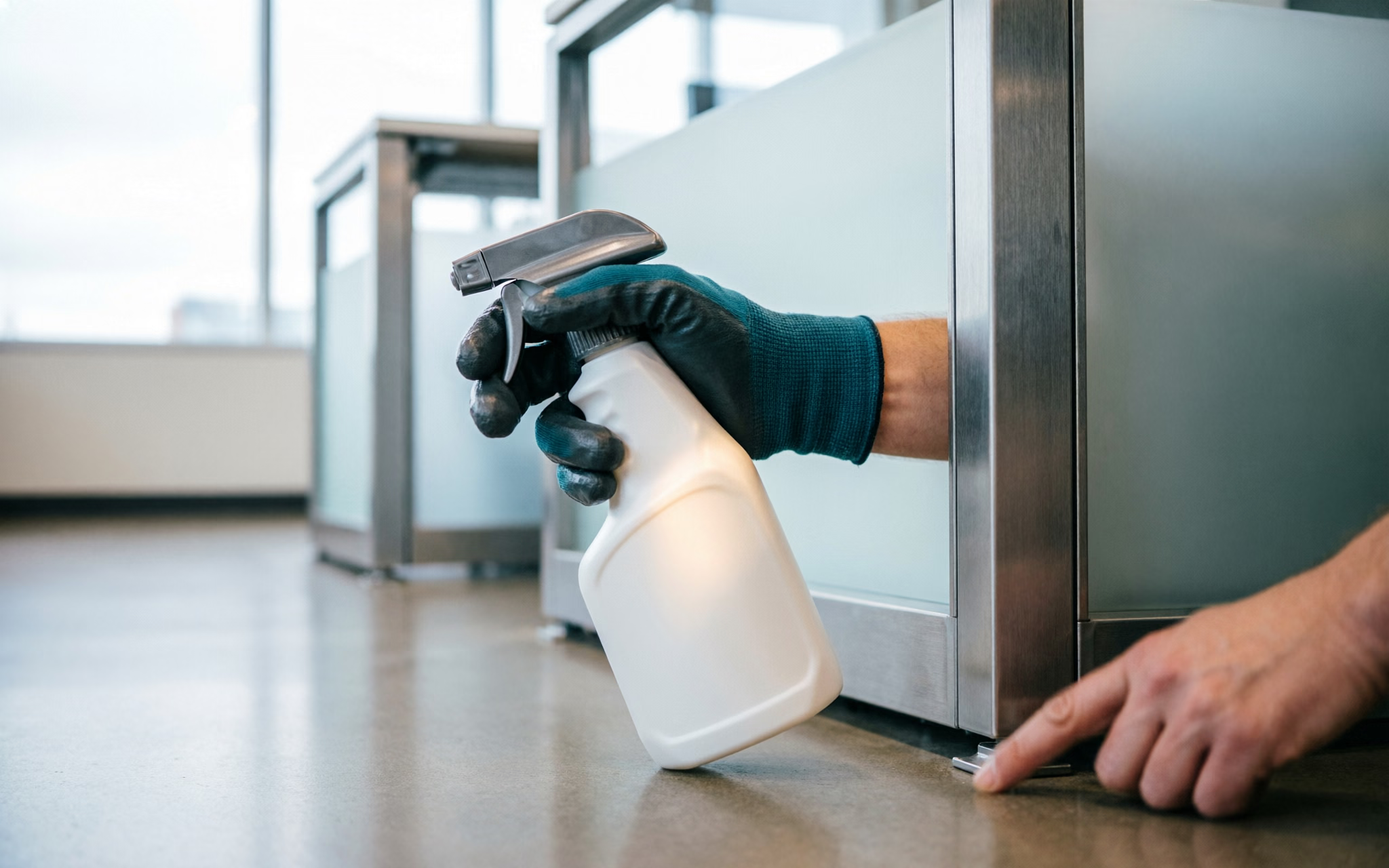
How Often Should an Office Be Professionally Cleaned? Complete Guide
The short answer: most Canadian offices need professional cleaning about once a week, with visible high-touch areas cleaned daily. Small offices with one to ten people can often manage weekly service, while medium offices usually benefit from two to three visits a week, and larger or client-facing offices — especially healthcare, food service, and call centres — typically need daily professional cleaning. The right frequency depends on employee count, foot traffic, industry, and layout, and this guide walks through each factor so you can build a schedule that keeps your space hygienic without overpaying.
How often should your office be professionally cleaned? The answer depends on several factors including employee count, foot traffic, and industry type. In this guide, we break down the ideal office cleaning frequency for Canadian businesses and help you create a schedule that maintains hygiene while optimising costs.
- Factors That Determine Cleaning Frequency
- Recommended Frequency by Office Size
- Industry-Specific Cleaning Requirements
- What Should Be Cleaned Daily
- What Should Be Cleaned Weekly
- What Should Be Cleaned Monthly
- What a Professional Cleaning Visit Includes
- Building a Frequency That Fits Your Office
- Cost Analysis of Different Frequencies
- Frequently Asked Questions
Factors That Determine Office Cleaning Frequency
Before deciding on an office cleaning frequency, consider these key factors that influence how often your space needs professional attention.
Employee Count
More employees means more foot traffic, more use of shared facilities, and faster accumulation of dirt and germs. A general rule:
1-10 employees
Weekly professional cleaning is typically sufficient
11-25 employees
2-3 times per week recommended
26-50 employees
3-5 times per week or daily
50+ employees
Daily professional cleaning essential
Employee count matters because every person adds a predictable amount of tracked-in dirt, dropped food, coffee spills, and contact with shared surfaces. A ten-person office will not need the same level of service as a hundred-person floor, and paying for more than you need is just as wasteful as paying for too little. When you are unsure, start from the count above and adjust up or down over a few months based on how the space actually looks between visits.
Foot Traffic
Client-facing offices require more frequent cleaning than internal operations. If clients visit your office regularly, consider increasing cleaning frequency to maintain a professional image.
Reception areas, lobbies, and meeting rooms are the spaces clients actually see, and they set the tone for how your business is perceived. An internal team might tolerate a slightly dusty break room, but a client walking into a visibly worn lobby will make a different judgement. If your office hosts candidates, customers, or partners on a regular basis, plan for more attention to the surfaces those visitors touch, even if the rest of the space is cleaned on a lighter schedule.
Industry Type
Healthcare, food service, and childcare facilities have stricter hygiene requirements and need more frequent cleaning than standard offices.
These industries carry a higher risk of infection or contamination, so the cleaning standard is not negotiable in the same way it is for a general office. Employers in these fields also have a duty to meet provincial health and safety expectations, which often translate into documented cleaning routines. If you run a business in one of these categories, treat the cleaning schedule as part of your compliance rather than a discretionary expense.
Office Layout
Open-plan offices
Require more frequent cleaning as germs spread more easily
Private offices
Can be cleaned less frequently
Shared workstations (hot-desking)
Need daily disinfection between users
Open-plan layouts put more people in closer contact with shared desks, communal printers, and common meeting tables, which raises the cleaning load. Private offices, by contrast, are used by a single person and can often be maintained on a lighter rhythm. Hot-desking adds a specific challenge: because a different person may sit at the same desk on different days, the keyboard, phone, and armrests need daily attention between users to avoid spreading germs.
Season and Climate
Canadian winters bring additional challenges: tracked-in salt and slush, increased cold and flu transmission, and more time spent indoors. Consider increasing office cleaning frequency during winter months.
Between November and March, entrance mats and entryway floors take a heavy beating from salt and slush, and people spend far more time indoors with windows closed. That combination raises both the dirt load and the risk of cold and flu spreading through shared surfaces. Many offices add a couple of extra cleaning visits through the winter, concentrate on entrance areas and high-touch points, and switch back to a lighter rhythm in the spring.
Recommended Frequency by Office Size
| Office Size | Employees | Recommended Frequency | Monthly Cost Range |
|---|---|---|---|
| Small (<1,000 sq ft) | 1-10 | Weekly | $150-400 |
| Medium (1,000-3,000 sq ft) | 11-25 | 2-3x weekly | $400-900 |
| Large (3,000-5,000 sq ft) | 26-50 | 3-5x weekly | $800-1,500 |
| Enterprise (5,000+ sq ft) | 50+ | Daily | $1,500-3,000+ |
The table above is a starting point, not a fixed rule. Square footage alone does not tell you how a space is used, so pair it with the people count and the traffic factors described earlier. A spacious office with a small, stable team may sit at the low end of its range, while a compact, high-traffic office may need to move up. The cost figures are broad ranges to help you budget; an actual quote depends on your layout, the level of service you choose, and your location. For a fuller picture of what cleaning typically costs in the region, see our office cleaning rates in Ontario guide.
Industry-Specific Cleaning Requirements
Healthcare and Medical Offices
Frequency: Daily, often multiple times per day
Medical facilities require stringent cleaning protocols to prevent infection transmission. High-touch surfaces must be disinfected between patients, and waiting areas need constant attention.
Because patients move through check-in counters, waiting-room chairs, exam-room doors, and washrooms, the cleaning load is continuous rather than scheduled. Practices often combine a daily professional clean with a more thorough weekly pass, and rely on staff to spot-clean high-touch points between appointments. Provincial health regulations can also set expectations for how frequently certain surfaces are disinfected, so it is worth confirming what applies to your setting.
Legal and Financial Services
Frequency: 2-3 times weekly minimum
Client-facing nature requires consistently clean environments. Reception areas and meeting rooms need daily attention even if general cleaning is less frequent.
Law firms, accounting practices, and financial advisers build their reputation on trust and professionalism, and the office environment is part of that impression. Files, boardrooms, and client-facing areas should look polished at all times. A useful pattern is a lighter daily service that keeps reception and meeting rooms immaculate, backed by a deeper cleaning two or three times a week.
Tech and Creative Offices
Frequency: 2-3 times weekly
Open floor plans and collaborative spaces require regular cleaning. Special attention needed for shared equipment like keyboards and conference room technology.
Tech and creative teams tend to live at their desks, eat at them, and share collaborative spaces heavily. That means monitors, keyboards, and shared peripherals collect dust and crumbs quickly, and breakout areas need constant turnover. Because many people in these offices use the same equipment, a regular cleaning schedule that includes wiping down shared hardware supports both hygiene and the lifespan of the equipment itself.
Call Centres
Frequency: Daily
High-density seating and shared equipment create infection risks. Headsets, keyboards, and desks need daily disinfection.
Call centres put many people in close quarters for long shifts, often in dense rows with shared workstations across different shifts. That density is exactly the kind of environment where germs spread quickly, so daily attention to headsets, keyboards, desks, and break areas is difficult to skip. A dedicated [call centre cleaning services](/call-centre-cleaning-high-density-workspace-hygiene/) provider can tailor the schedule and the disinfection products to this high-turnover setting.
Real Estate Offices
Frequency: 2-3 times weekly
Client visits are frequent but often brief. Focus on reception areas and meeting rooms where first impressions matter.
Real estate teams are constantly moving between their office and showings, so clients spend most of their time in the office itself moving through reception and meeting rooms. Keeping those spaces spotless leaves a strong impression, while the individual desks can be maintained on a more relaxed schedule. Mirror and glass surfaces also deserve regular attention, since they tend to be the first thing a visitor notices.
Education and Childcare Settings
Frequency: Daily, with scheduled deep cleans
Schools, daycares, and after-school programs bring together large numbers of children who share toys, tables, and washrooms. Illness spreads quickly through these groups, so daily cleaning of high-touch surfaces is essential, supported by a deeper clean during breaks or after hours. Because children are more vulnerable to some infections, the standard here is higher than for a general workplace.
Retail and Food Service
Frequency: Daily high-touch cleaning, plus regular deep cleans
Retail stores and food businesses are open to the public and subject to visible hygiene expectations. High-touch fixtures, fitting rooms, and, in food settings, any food-contact surfaces need daily attention. These businesses often combine daily professional cleaning with periodic deep cleans of floors, refrigerators, and kitchens. Public-facing food businesses also need to meet local food-safety expectations, so the cleaning routine should be documented and consistent.
Gyms and Fitness Facilities
Frequency: Daily, with frequent high-touch disinfection
Gyms see heavy use of shared equipment, mats, and change rooms, and sweat on surfaces creates both a hygiene and an odour challenge. High-touch equipment needs frequent disinfection throughout the day, and change rooms and washrooms need daily professional cleaning. A lighter visit simply will not keep pace with how quickly a fitness space gets used.
What Should Be Cleaned Daily
Regardless of professional cleaning frequency, certain tasks should happen every day:
High-Touch Surfaces
- Door handles and push plates
- Light switches
- Elevator buttons
- Stair railings
- Reception desk counters
- Shared equipment (printers, copiers)
High-touch surfaces are the primary way germs move through an office, so they are the top daily priority whether or not a professional is on site. If your team handles daily tidying and professionals handle the deeper cleaning, make sure someone is responsible for these specific points every day.
Washrooms
- Toilet cleaning and disinfection
- Sink and counter sanitisation
- Mirror cleaning
- Supply restocking (soap, paper, towels)
- Floor mopping
- Trash removal
Washrooms are the clearest signal of how seriously a business takes cleanliness, and they are also a high-risk area for germ spread. They need attention at least daily, and in a busy office more often. Running out of soap or paper is a small thing that leaves a disproportionate impression, so supply restocking should be part of the routine.
Kitchen/Break Room
- Counter wiping
- Appliance exterior cleaning
- Sink sanitisation
- Trash removal
- Table and chair wiping
Break rooms see a lot of use and are a common source of lingering odours and sticky surfaces. Spilled coffee, food crumbs, and damp sinks attract pests and bacteria if left, so daily wiping of counters, sinks, tables, and appliance fronts keeps the room pleasant and safe for the whole team.
General Areas
- Trash and recycling collection
- High-traffic floor vacuuming
- Visible spill cleanup
Daily floor care focuses on the paths people actually walk, collecting trash and dealing with spills before they become stains. A once-a-day vacuum in the main corridors and reception keeps the office looking cared for, while the deeper floor work happens on the weekly visit.
What Should Be Cleaned Weekly
Weekly deep cleaning addresses areas that don’t require daily attention but need regular maintenance:
All floors
Complete vacuuming (including under desks) and mopping
Dusting
Desks, shelves, windowsills, baseboards
Windows
Interior glass cleaning
Appliances
Microwave interior, refrigerator wipe-down
Workstations
Desk surfaces, keyboard cleaning, phone sanitisation
Furniture
Chair cleaning, upholstery spot treatment
Washroom deep clean
Grout scrubbing, fixture polishing
The weekly visit is where the office actually gets deep-cleaned. It reaches the surfaces that a daily pass does not, catches the dust that settles on shelves and windowsills, and deals with the wear that accumulates in a working week. Many businesses pair a light daily service with a thorough weekly clean, which keeps costs down while still keeping the space genuinely clean rather than just tidy on the surface.
What Should Be Cleaned Monthly
Monthly maintenance addresses areas that accumulate buildup over time:
Carpet deep cleaning
Steam cleaning or extraction (quarterly for light use)
Hard floor maintenance
Stripping and waxing (quarterly to annually)
Vent cleaning
HVAC vents and returns
Light fixtures
Dusting and cleaning
Behind furniture
Moving and cleaning underneath
Window blinds
Deep dusting or washing
Upholstery
Deep cleaning of fabric furniture
Kitchen appliances
Refrigerator interior, oven cleaning
Monthly and quarterly tasks protect the value of your space and equipment. Carpets that are never deep cleaned gradually lose their appearance and hold onto odours and allergens; hard floors eventually need their finish maintained; and vents and fixtures that are ignored collect dust that circulates back into the air. Scheduling these on a calendar keeps them from being forgotten, because they are easy to skip when the office looks fine on the surface.
What a Professional Cleaning Visit Includes
Understanding what a professional office cleaning visit actually covers helps you compare quotes and know whether you are getting value. A typical visit includes:
- Vacuuming and mopping all floors and common areas
- Dusting and wiping desks, shelves, sills, and baseboards
- Cleaning and sanitising washrooms
- Emptying trash and recycling
- Wiping kitchen and break-room surfaces and appliance fronts
- Wiping high-touch points such as door handles, light switches, and handrails
- Polishing glass and mirrors in visible areas
What is not always included is worth asking about. Deep tasks such as carpet extraction, window washing, floor stripping and waxing, and interior vent cleaning are often billed separately or scheduled less frequently. When you receive a quote, ask which tasks are in the regular visit and which are add-ons, so there are no surprises later.
Building a Frequency That Fits Your Office
Rather than copying a neighbour’s schedule, work through a short process that matches the service to your own space:
1. Count your people and note your layout (open plan, private offices, hot-desking).
2. Rate your traffic: how often do clients, candidates, or delivery people come through?
3. Identify your industry’s hygiene expectations.
4. Decide what your team will handle daily (high-touch points, spills, washroom top-ups) versus what a professional will own.
5. Start from the size table above, then adjust after the first full month based on how the space looks between visits.
6. Revisit the schedule seasonally, adding visits in winter and easing off when the space genuinely supports it.
The goal is a schedule that keeps the office clean and healthy without paying for visits the space does not need. Most businesses settle into a rhythm within a few months, and a good cleaning provider will help you adjust rather than locking you into a fixed plan.
Cost Analysis of Different Cleaning Frequencies
Weekly Cleaning
Best for
Small offices with low traffic
Cost
$150-400/month
Pros
Most economical option
Cons
May not be sufficient for busy offices; staff may need to handle daily tidying
Weekly service suits a small, stable team that keeps on top of daily basics. It is the most affordable level of professional care and works well when staff accept responsibility for the visible high-touch points between visits.
2-3 Times Weekly
Best for
Medium offices, client-facing businesses
Cost
$400-900/month
Pros
Good balance of cost and cleanliness
Cons
Requires some staff involvement on off-days
Two to three visits a week is the sweet spot for many offices. It keeps common areas and washrooms consistently fresh while still leaving some daily tasks to staff. If your office receives clients regularly, this level of service is usually enough to keep first impressions strong.
Daily Cleaning
Best for
Large offices, healthcare, food service, high-traffic environments
Cost
$800-2,500+/month
Pros
Consistently clean environment, professional image maintained
Cons
Higher cost
Daily professional cleaning suits larger offices and industries where hygiene is a real requirement rather than a preference. It keeps the space consistently clean and removes the burden of daily upkeep from staff, which is important in high-density or client-facing settings.
ROI Considerations
Professional cleaning provides measurable returns:
- 23-46% reduction in employee sick days
- 12-15% productivity improvement in clean environments
- Better client impressions leading to increased business
- Extended equipment and furniture lifespan
Cleaning is often seen as an expense, but it also protects the people and assets that make an office productive. Fewer sick days, a more focused team, and a professional impression on clients all contribute to the value of a well-maintained space. The exact figures vary by workplace, so treat them as a general direction rather than a guarantee for your particular office.
Frequently Asked Questions
How often should a small office be professionally cleaned?
Small offices with 1-10 employees typically need weekly professional cleaning, supplemented by daily staff tidying of high-touch areas and washrooms. If clients visit frequently, consider bi-weekly service.
Should cleaning frequency increase in winter?
Yes. Canadian winters bring tracked-in salt and slush, plus increased cold and flu transmission. Consider adding extra cleaning visits during December-February, particularly for entrance areas and high-touch surfaces.
What’s the minimum cleaning frequency for an office?
Weekly is the absolute minimum for maintaining acceptable hygiene standards. Any less and you risk accumulated dirt, pest problems, and health issues. Washrooms should always receive at least daily attention, even if other areas are cleaned weekly.
How do I know if my office needs more frequent cleaning?
Signs you need increased frequency include: visible dust accumulation before the next scheduled cleaning, employee complaints about cleanliness, increased sick days, unpleasant odours, and visible dirt on floors or surfaces.
Can I reduce costs by having staff clean instead of professionals?
While staff can handle daily tidying, professional cleaning is more cost-effective for thorough cleaning. Employee time spent cleaning costs money (productivity loss), and results are often inconsistent. A hybrid approach works well: staff handle daily basics, professionals handle weekly/bi-weekly deep cleaning.
How often should high-touch surfaces be disinfected?
Daily at minimum, more frequently during cold and flu season or in high-traffic environments. Door handles, light switches, and shared equipment should be disinfected at least once daily regardless of overall cleaning frequency.
What frequency is required for healthcare offices?
Healthcare facilities require daily professional cleaning, often with multiple cleaning passes throughout the day. High-touch surfaces may need disinfection between patients. Specific requirements vary by provincial health regulations.
How often should carpets be professionally cleaned?
Office carpets should be professionally deep cleaned quarterly for high-traffic areas and bi-annually for low-traffic areas. Regular vacuuming (2-3 times weekly) extends time between deep cleans.
How do I choose between a daily and a weekly service?
Match the level of service to how the space is actually used. If the office shows visible grime or odours before the next visit, increase frequency; if it looks fine and staff are happy, a lighter schedule is likely enough. Start from the size table and adjust based on real conditions over a month or two.
Does a cleaning contract let me change frequency later?
Most commercial cleaning arrangements are flexible and can be adjusted as your team or traffic changes. When you book service, ask whether you can move the schedule up or down after a trial period, and confirm notice requirements so you are not locked into a level you do not need.
Conclusion
The ideal office cleaning frequency depends on your specific situation—employee count, industry, client traffic, and budget. Most Canadian offices benefit from weekly to tri-weekly professional cleaning, supplemented by daily staff maintenance of high-touch areas and washrooms.
Remember that cleaning is an investment in employee health and productivity, not just an expense. The cost of professional cleaning is typically offset by reduced sick days, improved morale, and better client impressions.
A practical next step is to pair this frequency guide with a daily, weekly, and monthly office cleaning checklist so your team and your provider share the same expectations. If you are comparing different levels of service, our commercial cleaning frequency guide explains how often each type of cleaning should happen across a business. And when you are ready to move forward, professional commercial office cleaning services in Ottawa can help you build a schedule tailored to your space, team, and budget.