
Dust or Vacuum First? The Official Gravity-Based Cleaning Order Guide
Dust or vacuum first is one of the oldest debates in house cleaning, and the answer matters more than you might think. Do it in the right order and a room comes together in a single pass. Do it backwards and you will be reaching for the vacuum a second time before the morning is over.
Quick Summary
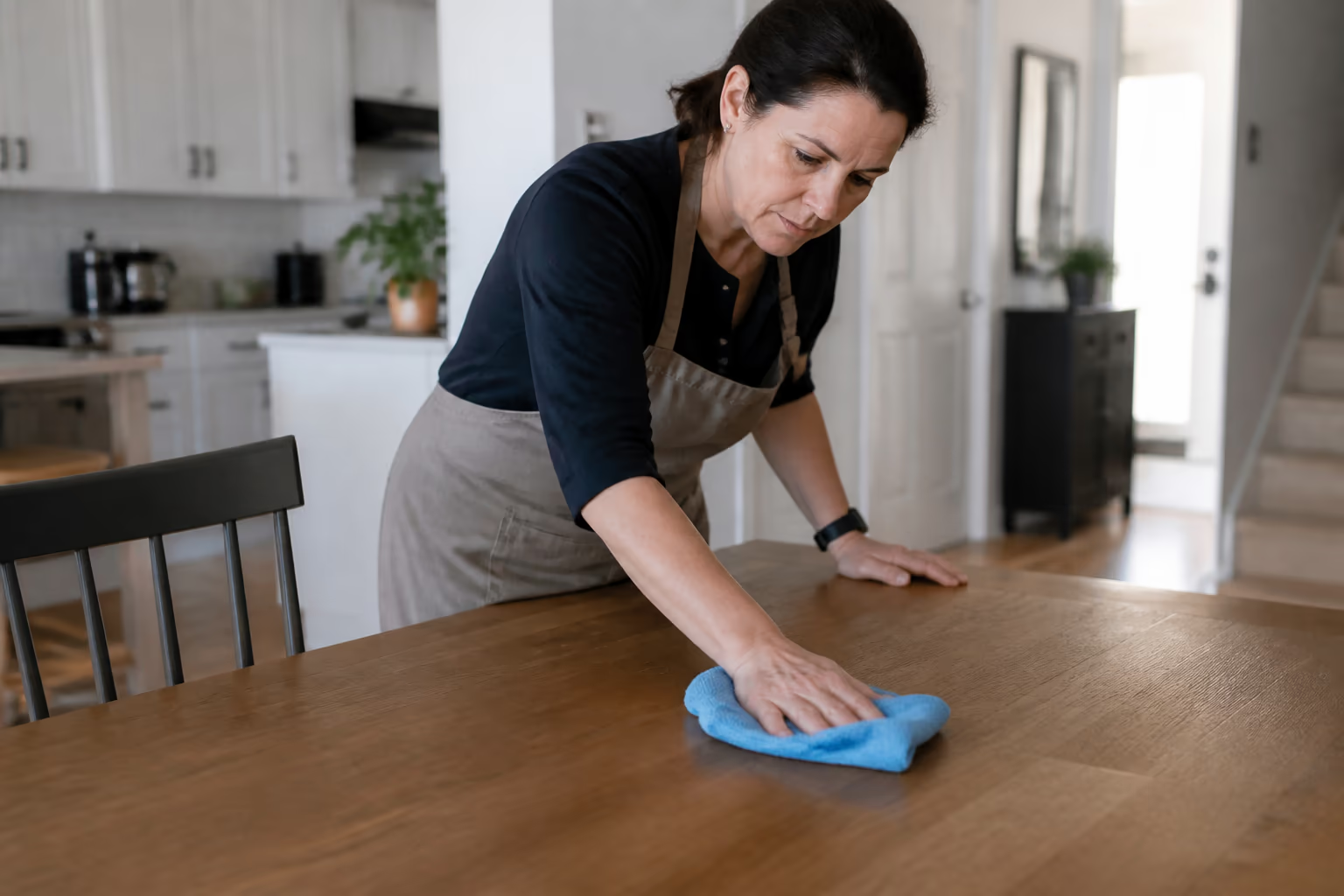
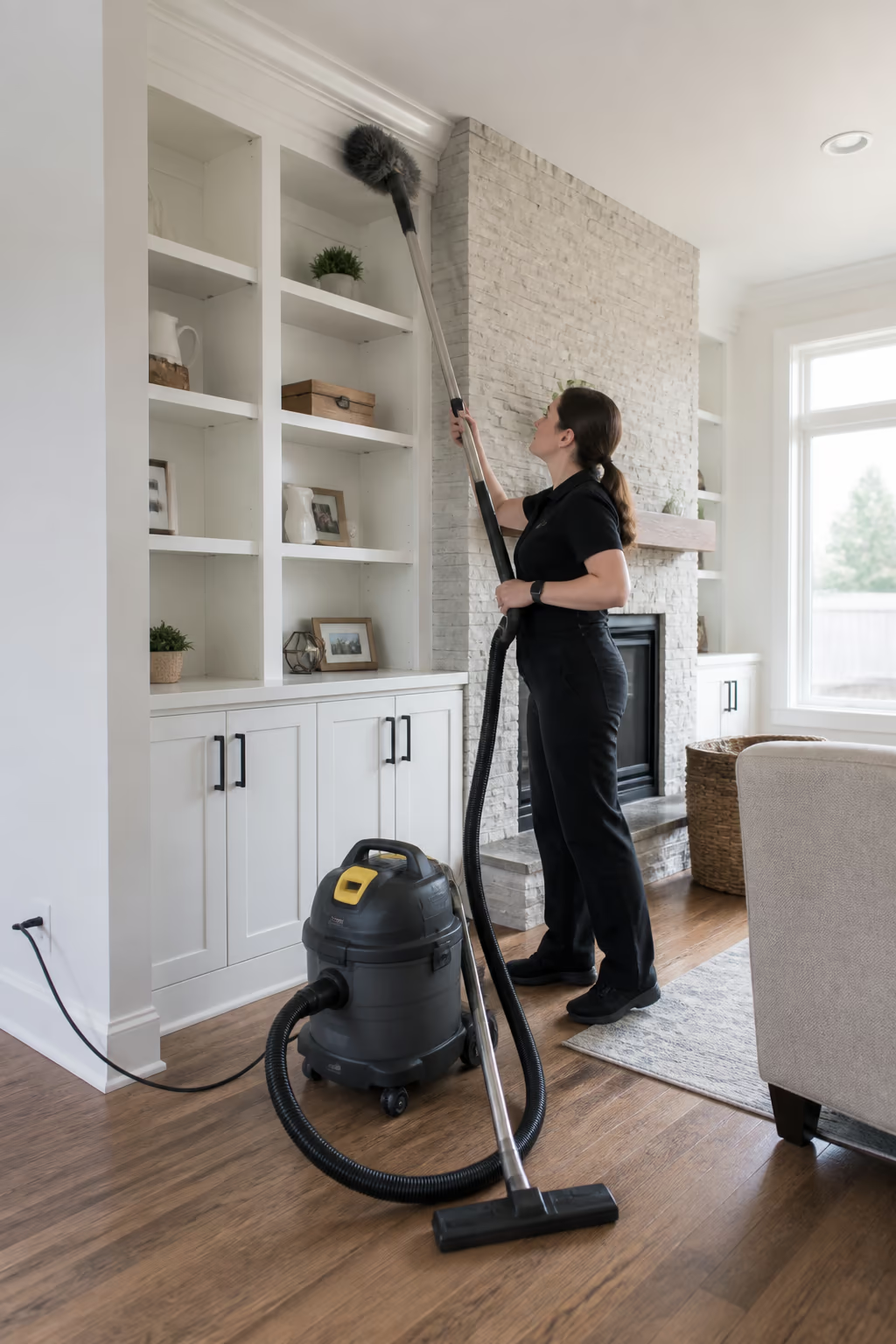
Dust first, vacuum last. The top-to-bottom rule is simple physics: when you dust high shelves, ceiling fans, and light fixtures, gravity carries the loosened dust downward, so vacuuming the floor afterward collects it in one pass. If you vacuum first and dust after, you simply move dust onto the floor you just cleaned. This guide explains the order that saves you time and keeps your home dust-free longer.
In this guide
The Gravity Rule: Why Top-to-Bottom Works
| Stage | The job | The evidence |
|---|---|---|
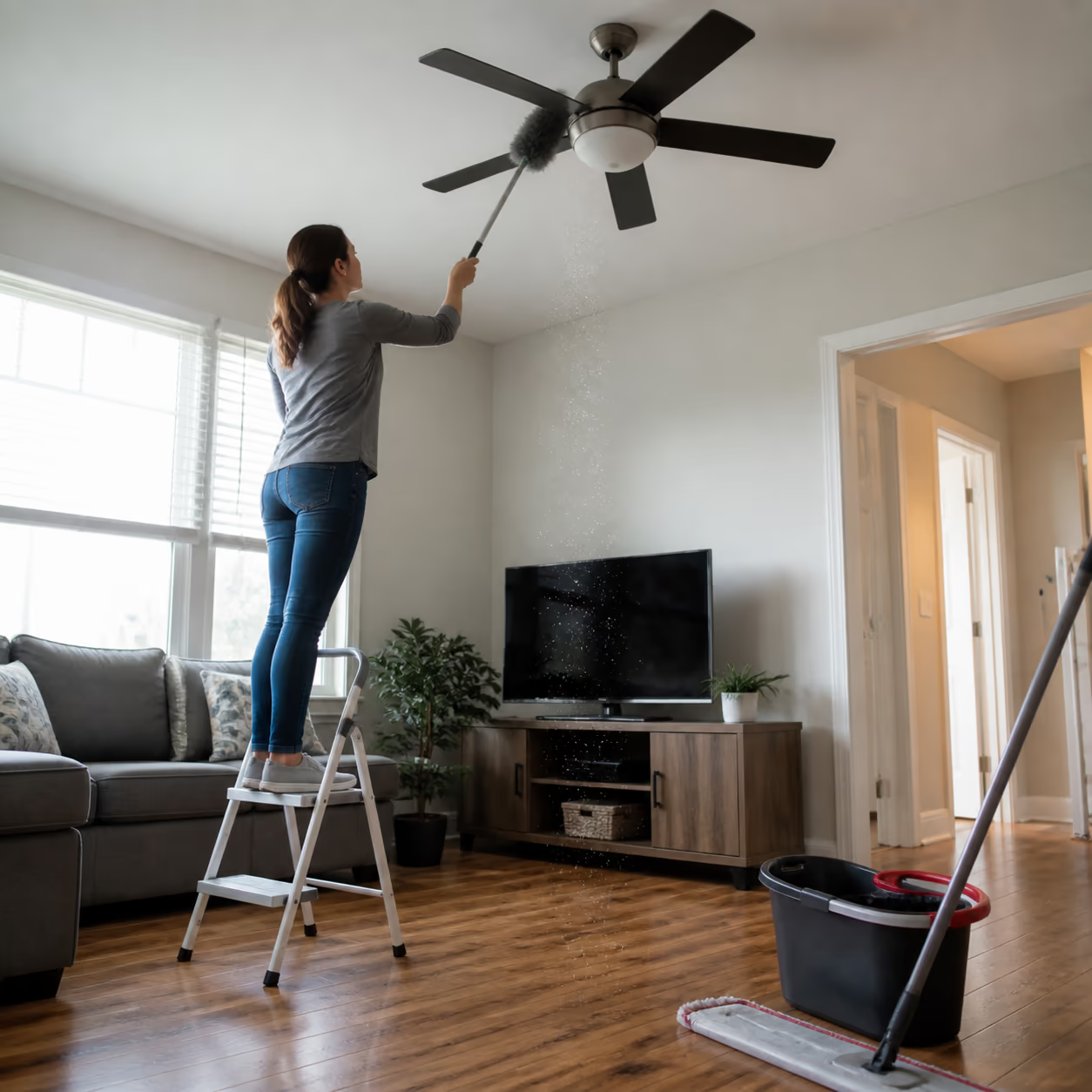
| 01 · High | Start with the highest points in the room, the ceiling fan blades, the top of the door frame, the high shelves, and the light fixtures. Every speck you dislodge there falls toward the floor. | The logic behind the top-to-bottom rule is physics, not preference. Dust is light, and when you knock it off a surface, it does not disappear. It drifts downward. |
| 02 · Down | Work your way down through eye-level furniture, then lower surfaces, and finally the floor. By the time the floor is the only thing left, it is the collection point for everything you have loosened above it. | Vacuum last. The floor has gathered every particle you knocked down, so a single thorough pass removes them all. Clean the floor before the higher surfaces and you are simply undoing your own work. |
Dust First or Vacuum First? The Short Answer
If you only remember one thing, remember this: dust the room first, vacuum the floor last.
The choice of tool matters as much as the order. Health Canada recommends cleaning floors with a damp mop or cloth and vacuuming with a HEPA-filtered machine, precisely so the particles you disturb are captured instead of returned to the air. Dry sweeping undoes the sequence no matter which step you do first. Health Canada states it plainly: “The most effective way to improve your indoor air is to identify activities that can contribute to poor indoor air quality and remove or reduce the sources of indoor air pollutants.”
The reason is straightforward. Vacuuming pulls dust out of the carpet and off the hard floor, leaving it clean. The moment you then reach up to dust a fan or a shelf, gravity sends fresh dust straight down onto that clean floor.
Dusting first, on the other hand, does all of the messy work while the floor is still fair game. Every particle that falls from above is exactly what the vacuum is about to collect.
For most rooms this saves ten to fifteen minutes of double work. Over a whole house, it is the difference between a single cleaning pass and a frustrating second round.
The same logic applies to the surfaces in between. Blinds, curtain rods, and the tops of picture frames collect dust that later lands on the furniture below them, so they belong in the high pass too. Once you see the pattern, every room starts to read as a top-to-bottom sequence instead of a random set of chores.
The Right Tools for the Job
The order matters, and so does what you clean with. The right tools make the gravity rule almost effortless.
Microfibre cloths are the workhorse. They trap dust electrostatically rather than pushing it around, which means far less of it ends up floating in the air where you breathe it. A slightly damp cloth captures even more.
A feather duster is the opposite. It flicks dust into the air, where it settles slowly onto surfaces you already cleaned. If you have one, retire it, or use it only for a quick cosmetic pass.
For the floor, a vacuum with a HEPA filter and a soft brush attachment is the best finish. Brooms kick fine dust back into the air, while a vacuum pulls it into a sealed filter. On hardwood, use the soft brush or a hard-floor setting so you are not scratching the finish.
Keep your supplies in the order you use them:
Room-by-Room Order That Makes Sense
The gravity rule applies to every room, but a few rooms reward a little extra thought.
In the bedroom, start with the ceiling fan and the top of the wardrobe, then dust the nightstands and dresser, and finish with the floor. If you strip the bedding, vacuum the mattress and pillows before the floor so dust from the fabric joins the pile on the floor.
In the kitchen, dust and wipe the upper cabinets and range hood first, then the counters, then sweep or vacuum and mop the floor. Grease and dust together settle on high cabinets, so they are the natural starting point.
In the bathroom, wipe the exhaust fan cover and upper tiles before the counters and toilet, and finish with the floor. Humidity makes dust cling, so a damp microfibre cloth works better than a dry one here.
The stairs are the one place to vacuum going down, so you are walking on the cleaned steps above rather than tracking dirt onto them. Work from the top landing to the bottom.
The living room and home office follow the same pattern. Dust the shelves, the tops of cabinets, and the backs of electronics first, then the coffee table and desk, then vacuum under the furniture last. Electronics are dust magnets, so a quick pass over them belongs in the high stage before anything else in the room.
Why a Single Pass Beats Double Work
The hidden cost of the wrong order is not just time; it is the reason cleaning feels endless.
When you vacuum first and dust after, you rarely notice the fresh dust landing on the carpet until the light catches it. By then you are either living with a half-done room or pulling the vacuum back out.
Cleaning in the right order gives you a clear finish line. The room is done when the floor is done, and there is nothing left to fall onto it. That simple mental marker is why the top-to-bottom habit sticks.
It also keeps your indoor air cleaner. Dust that is trapped by a damp cloth or pulled into a HEPA vacuum stays out of the air. Dust that is flicked around by a feather duster ends up in your lungs.
Cleaning Order Mistakes That Cost You Time
A few common habits quietly add a second pass to every cleaning session, and they are all easy to avoid.
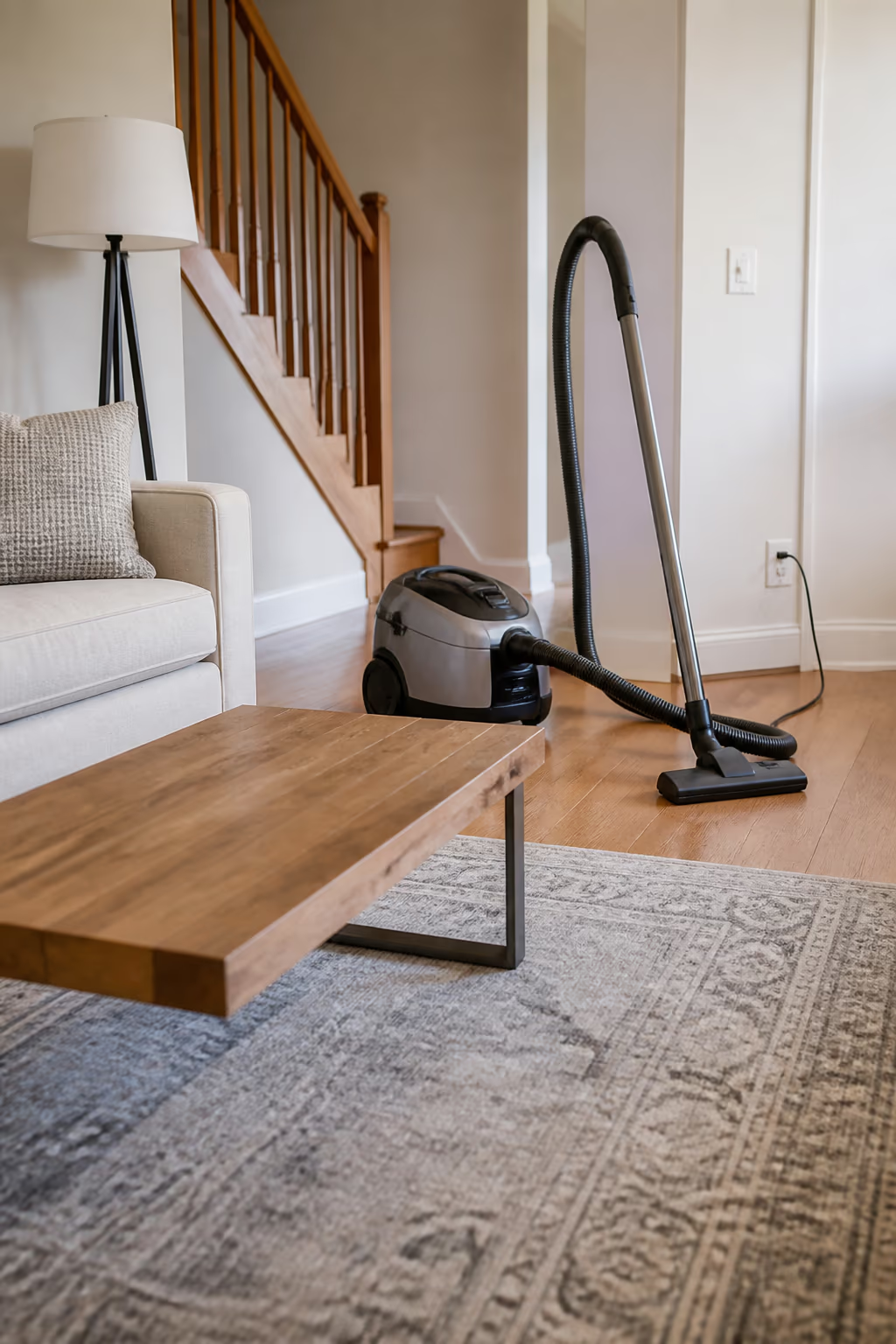
The biggest one is dusting after vacuuming, which we have covered, but there are others. Mopping before vacuuming leaves grit on a wet floor, so vacuum first and mop last. Spraying glass cleaner onto a surface before dusting it just pushes dust around, so dust first, then clean the glass.
Skipping the settle time is another. If you dust a ceiling fan and immediately vacuum, half the dust is still floating and lands after the vacuum has left the room. Giving the air ten minutes is what makes the single pass work.
Finally, working left to right or randomly around the room makes you backtrack across your own cleaning. Move top to bottom, and move around the room in one direction, so you are always heading toward untouched areas rather than re-crossing cleaned ones.
Formatted Step-by-Step Gravity Cleaning Checklist
Run this checklist for every room, and you will never double your work again:
- Step 1.Dust the Highest Points First:Ceiling fans, light fixtures, mouldings, and the tops of shelves with an extendable duster.
- Step 2.Wipe Eye-Level Surfaces From Top to Bottom:Clean tables, counters, TV screens, and frames with a damp microfibre cloth.
- Step 3.Let the Air Settle for Ten to Fifteen Minutes:Give the dust you dislodged time to drift down to the floor before you vacuum.
- Step 4.Vacuum Upholstery and Mattresses Before the Floor:Clean the sofa cushions and fabric chairs so their dust joins the floor pile.
- Step 5.Vacuum Hardwood and Carpets Last:Finish with a HEPA vacuum and a soft brush attachment to collect everything in one pass.
- Step 6.Contracting professional residential home cleaning services in Ottawa through Good Cleaner Co. brings the same top-to-bottom routine to every room in your home.
Serving Ottawa Homes
Dust behaves the same way whether you live in a condo in downtown Ottawa or a house in Kanata, and Ottawa's forced-air heating makes dusting an even bigger part of the routine. Furnace-filter dust drifts through vents and settles on every high surface, which is why the top-to-bottom order matters in older homes in Sandy Hill just as much as newer builds in Barrhaven and Orleans. No matter the neighbourhood, from Nepean to the Glebe, the gravity rule keeps every room on the same efficient schedule. If this is your first booking, our guide on why you should skip a full deep clean on a first visit explains what the initial appointment focuses on instead.
Good Cleaner Co. Professional Service Introductions & Specializations
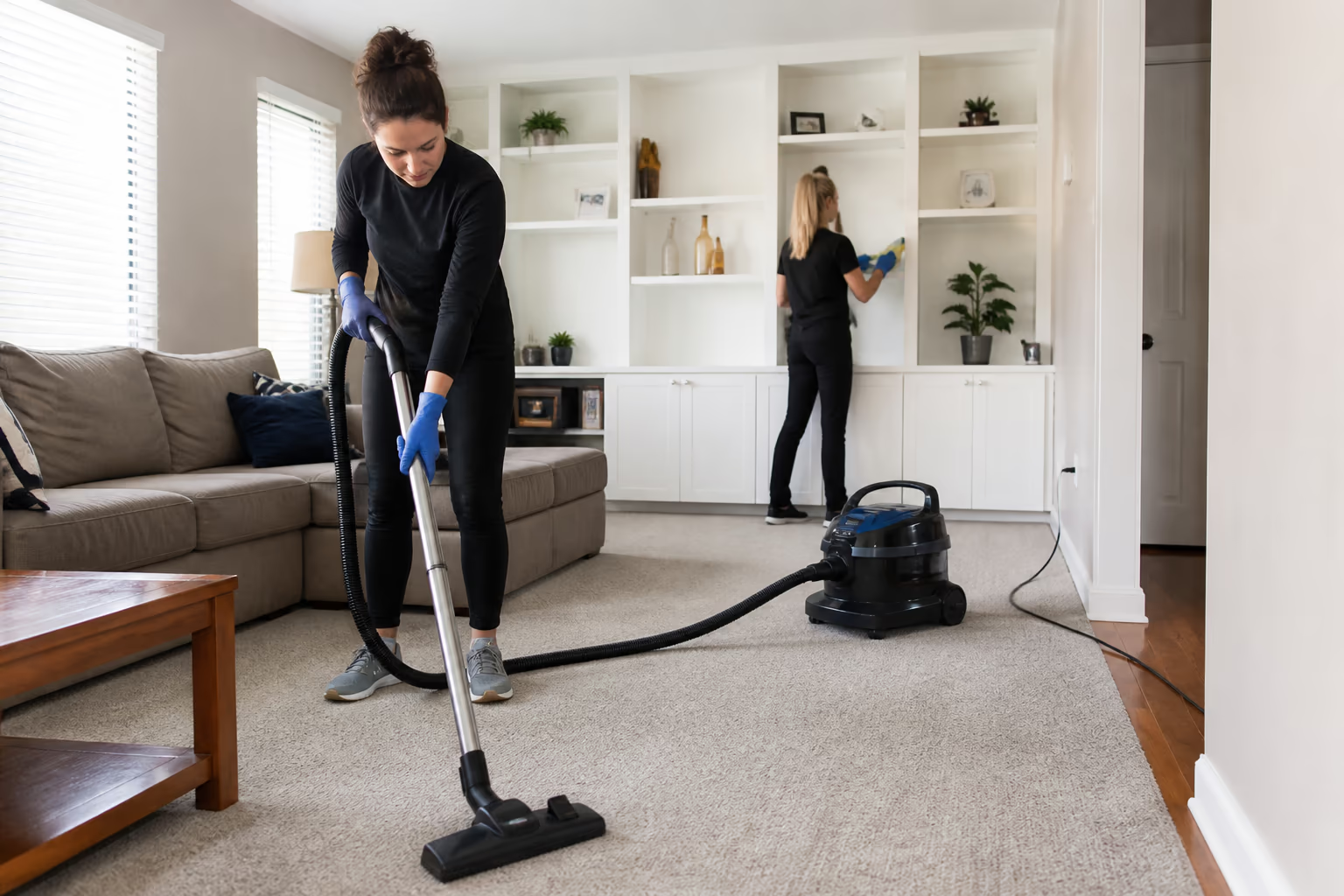
Good Cleaner Co. has been cleaning Ottawa homes and businesses for years, and we apply the same systematic, top-to-bottom standards to every space. Here is what we offer:
Seasonal Maintenance & Local Environmental Factors in Ontario
Ottawa's seasons change what dust looks like, and the right cleaning order adapts to each one:
Quality Assurance & Health Canada Disinfection Compliance
A clean home should also be a safe one, and professional cleaning in Ontario operates within a clear set of health and safety rules:
FAQ
How long should I wait after dusting before I vacuum?
Ten to fifteen minutes is usually enough for dislodged dust to drift down to the floor. If you dusted with a damp cloth rather than a dry one, most of the dust is trapped on the cloth, so you can vacuum sooner.
Is a feather duster as good as a microfibre cloth?
No. A feather duster flicks dust into the air, where it settles back onto clean surfaces. A microfibre cloth traps dust electrostatically and keeps it out of the air, which is both faster and better for your breathing.
Should I sweep or vacuum hardwood floors?
Vacuum with a soft brush attachment. A broom pushes fine dust into the air and can scratch a sealed finish, while a vacuum pulls the dust into a filter and leaves the floor clean.
Why do I keep seeing dust right after I clean?
Most likely you dusted after you vacuumed. Every high surface you clean after the floor sends dust straight down onto it. Run the room in the right order and the problem disappears.
Do I really need a HEPA vacuum?
A sealed HEPA vacuum is the best way to keep fine dust out of the air, and it matters most for anyone with allergies or asthma. A standard vacuum is still fine for the gravity rule, but it will release more fine particles.
Can I dust and vacuum the same day or should I split them?
The whole point is to do both in the same visit, dust first and vacuum last. Splitting them across days means dust settles onto already-vacuumed floors in between.
What about dusting blinds and curtains?
Dust blinds with a damp cloth or a duster attachment, and vacuum curtains with a brush tool, before you move on to the furniture. They sit high in the room, so they belong in the first pass.
Is the top-to-bottom rule worth it in a small apartment?
Yes. In a small space the double-work penalty is smaller, but the rule still saves a pass and keeps the air cleaner. The habit pays off the moment you clean a room with a ceiling fan.
How often should I do a full top-to-bottom dust and vacuum?
Most households benefit from a thorough pass once a week, with light touch-ups in between. Homes with pets, carpeted rooms, or forced-air heating may want it more often.
Does the order matter when I am just doing a quick tidy?
For a quick tidy, vacuum the obvious spots and skip the high dusting if it is not needed. The gravity rule matters most for a full clean; a light once-over does not need to be a production. For more common questions like this one, see our cleaning services faq.
Wrapping Up
Dust first, vacuum last, and let gravity do the work. It is a simple rule that saves time, keeps dust out of the air, and leaves rooms looking properly finished. Contact Good Cleaner Co. today to book residential cleaning visits in Ottawa and let a professional crew apply the same top-to-bottom routine to every corner of your home.
Match the Final Pass to Your Floor
Finish with the tool and setting that suit the flooring, rather than assuming every room needs the same vacuum routine. Use an attachment around baseboards and under furniture, and follow the manufacturer guidance for delicate hard floors, area rugs, or a beater bar. The order still holds: remove dust from higher surfaces first, then collect what landed below with a careful final floor pass.
Keep reading
More from Good Cleaner
About the author
Service areas
- Ottawa
- Kanata
- Barrhaven
- Orleans
- Nepean