
The Best Way To Get Rid Of A Greasy Stove Top
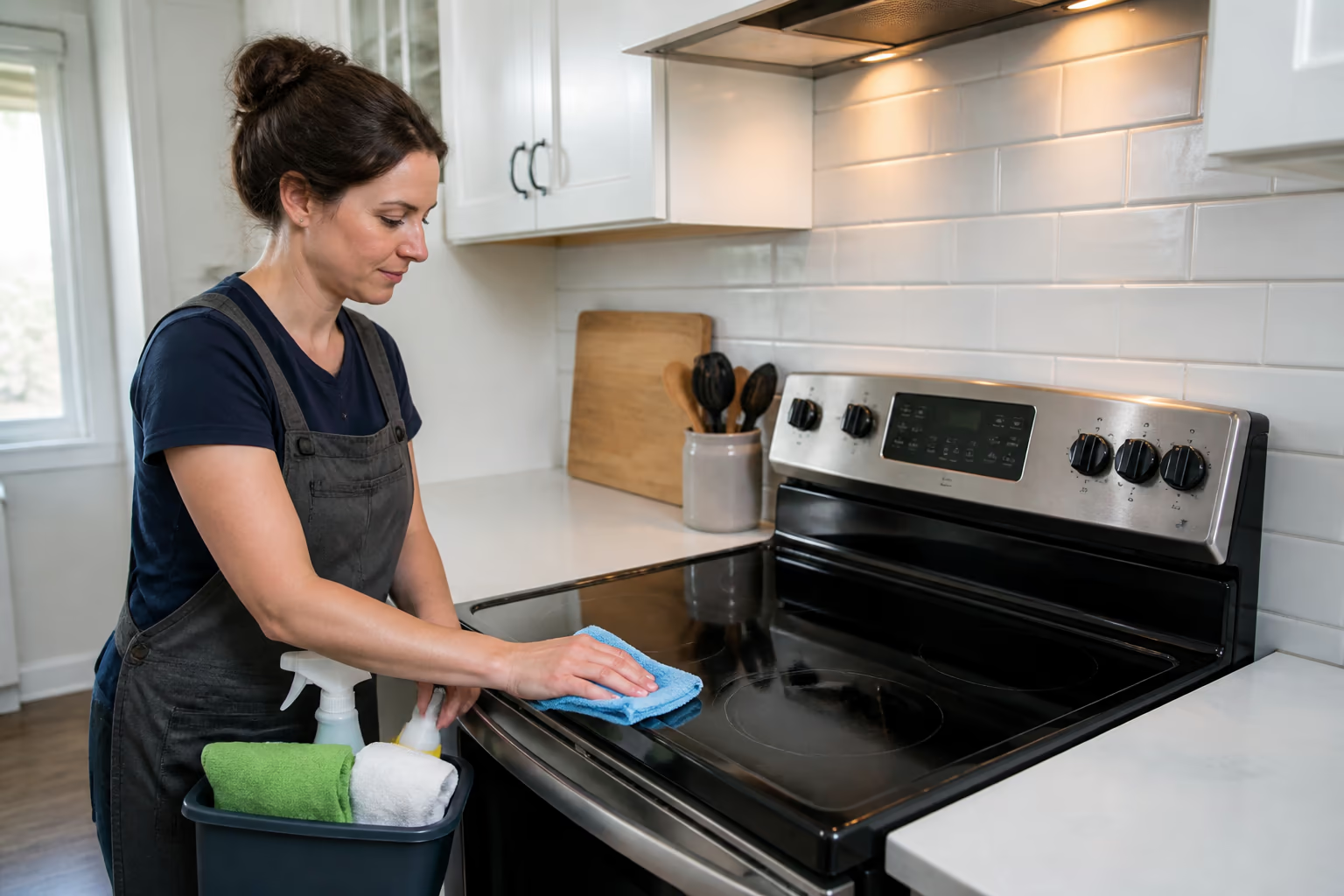
A greasy stove top is one of the most common and most stubborn kitchen messes, and it only gets harder to remove the longer it sits. The best way to get rid of a greasy stove top comes down to the right degreaser, a little dwell time and a regular wipe-down, plus the same care for the backsplash behind it. This guide explains how to tackle grease on every stove type and backsplash surface for Ottawa and Ontario kitchens.
Quick Summary
The best way to get rid of a greasy stove top is to apply the right degreaser, let it dwell so it can break down the bonded grease film, then wipe clean, treating the backsplash the same way. Cleaning regularly before grease builds up keeps the surface easier to maintain over time.
In this guide
Why Stove Top Grease Is So Stubborn
Getting rid of a greasy stove top and backsplash can be challenging, especially when dealing with a greasy stove top and backsplash. Grease is not like ordinary dust or crumbs, and it does not lift with a damp cloth alone. It bonds to the surface, and once it has cooked on, it forms a sticky film that collects more dirt and becomes harder to remove each time.
The heat of cooking changes the grease. Fresh grease is soft and wipes away, but the grease that splashes onto a hot burner or bakes onto a backsplash dries into a harder residue that needs a degreaser to break it down. That is why the same spill can be easy to remove the day it happens and frustrating to clean a week later.
The stove top is also one of the busiest surfaces in the kitchen. It collects splatter from every pan, spills from every pot and the fine mist of oil that rises while you cook. The backsplash behind it catches the same splash and, over time, builds up a layer that needs regular attention.
For Ottawa homes, the pace of life often means the grease sits longer than anyone wants. A quick clean after each use and a deeper degreasing on a regular rhythm keeps the build-up from ever getting a strong grip. If you would rather have a team handle the whole kitchen, our eco friendly cleaning services Ottawa page outlines plans that use lower-impact products throughout the home.
What You Need Before You Start
Gathering the right supplies is half the job. The best way to get rid of a greasy stove top starts with having the right tools ready before the grease cools and sets.
- 01A degreasing kitchen cleaner made for stove tops and backsplashes
- 02A soft sponge or microfibre cloth that will not scratch the surface
- 03A non-scratch scrubber or brush for stubborn cooked-on spots
- 04A spray bottle for applying the cleaner evenly
- 05Clean water and a fresh cloth for rinsing
- 06A dry microfibre cloth for the final shine
- 07A grease-cutting dish soap as a gentle backup for daily wipe-downs
Skip the abrasives on most surfaces. Steel wool and harsh scouring powders can scratch glass, ceramic and painted finishes, and a scratched surface traps grease more easily. A soft cloth and the right degreaser handle the job without the damage.
Cleaning Tips for Every Stove Type
The best method depends on what your stove is made of, because each surface responds to cleaning differently. Here is how to approach the most common stove tops.
Degreasing and sanitizing are two separate jobs on a cooking surface. Health Canada's safe food storage guidance recommends sanitizing countertops, cutting boards and utensils before and after preparing food, using a kitchen sanitizer as directed or a diluted bleach solution, then rinsing with water. Health Canada gives the scale of the problem: “Every year, thousands of Canadians get food poisoning.”
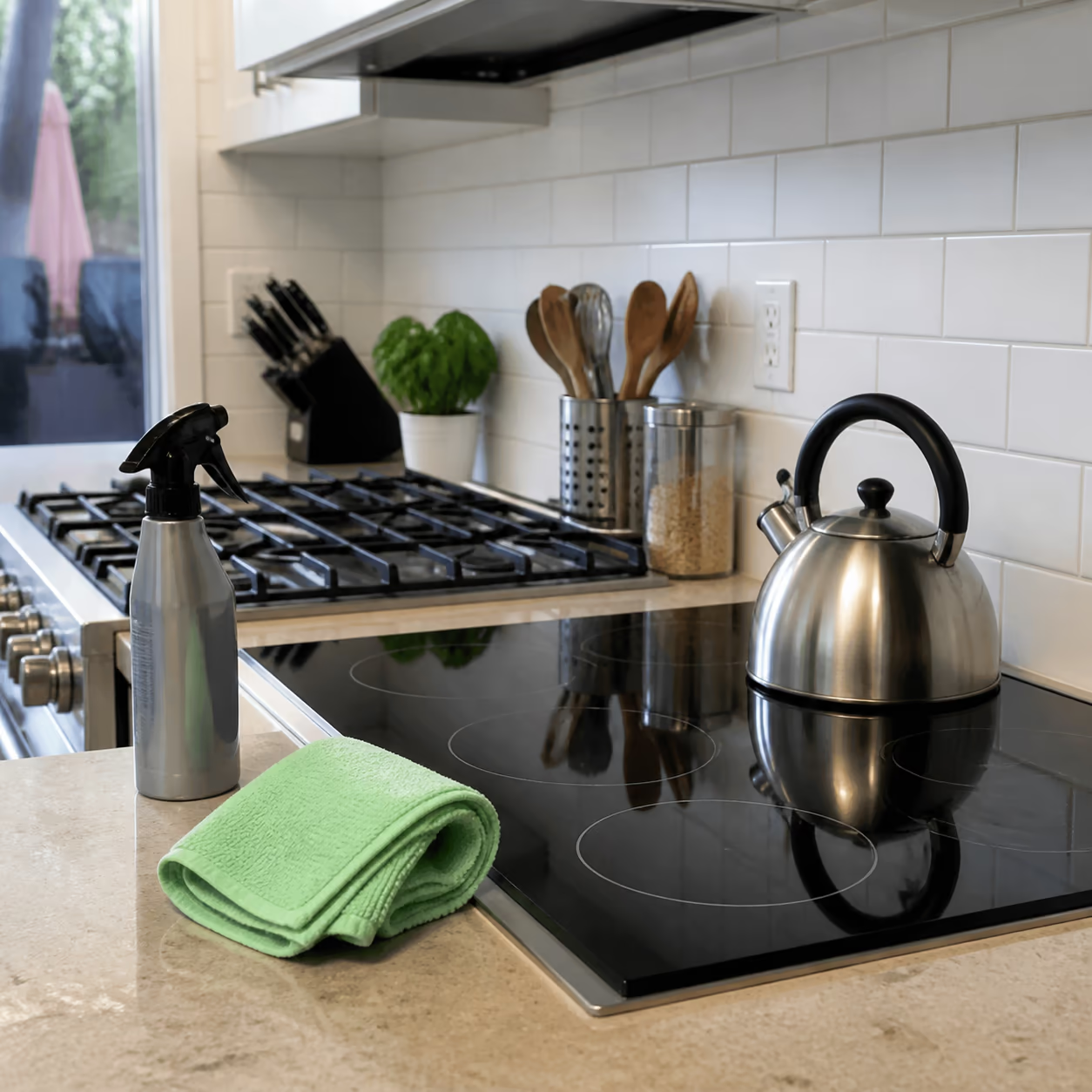
- 01Glass and ceramic cooktops:use a dedicated glass stove cleaner and a non-scratch pad, and clean gently to avoid scratching
- 02Stainless steel:use a degreaser and wipe with the grain, then follow with a stainless polish or a light oil to restore the finish
- 03Coil element stoves:remove the coils and drip pans where you can, and clean them separately
- 04Gas stoves:lift the grates and burner caps and clean them, plus the surface beneath
- 05Induction cooktops:glass-like and easy to clean, but keep water and cleaner off the surface edges
- 06Enamel and painted finishes:use a mild degreaser and avoid anything that scratches
For each type, the same principle applies: a degreaser, a little dwell time, gentle agitation and a thorough rinse. The differences are in the tools and the care you take with the finish.
How to Degrease the Stove Top Step by Step
A consistent method makes the job quicker and the results more reliable. Here is the sequence that works for most stove tops and backsplashes.
- 01Let the stove cool completely before you start cleaning
- 02Remove the grates, burner caps and drip pans where your stove allows it
- 03Apply the degreaser to the stove top and the backsplash and let it dwell briefly
- 04Wipe with a soft cloth or non-scratch scrubber, working the grease loose
- 05Rinse with clean water and a fresh cloth so no cleaner residue is left
- 06Dry the surface and put the removable parts back once they are clean and dry
- 07Finish with a dry cloth for a streak-free look
The dwell time is the part most people skip, and it is the part that does the work. Let the degreaser sit for the time the label recommends so it can break down the grease, then the wiping is easy rather than a fight.
Cleaning the Backsplash
The backsplash behind the stove catches the same grease and often needs the same attention. It also has grout lines and seams that hide residue, so it deserves a slightly different approach.
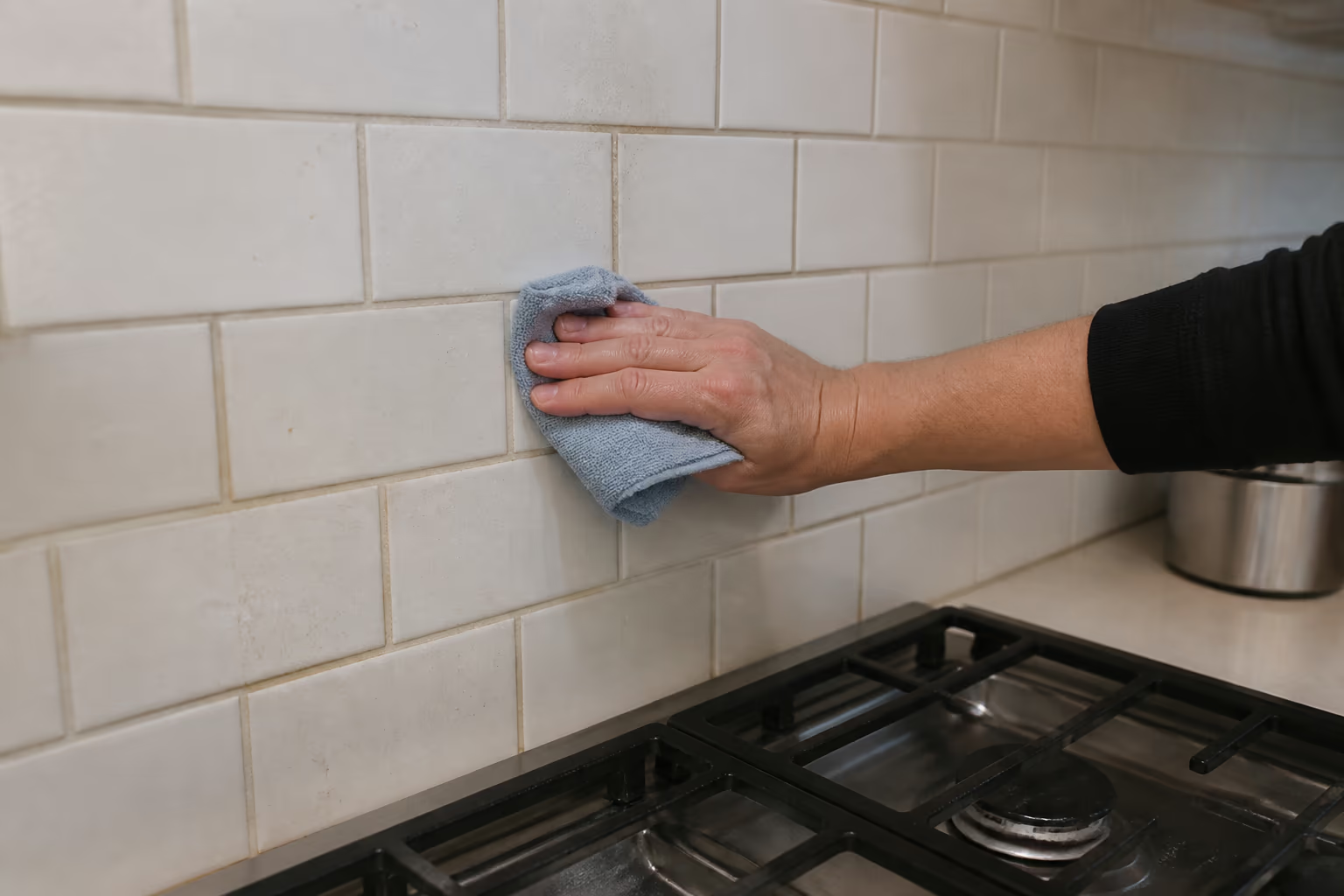
- 01Wipe the backsplash with a degreaser using a microfibre cloth
- 02Scrub grout lines gently with a soft brush to lift trapped grease
- 03Rinse with clean water so no film is left on the tile or grout
- 04Dry the surface to stop water spotting on glass and metal
- 05Clean the area where the backsplash meets the countertop, where grease collects
A backsplash that is cleaned on the same rhythm as the stove stays much easier to manage. The grout lines are the part people forget, and they are where the grease builds up until it is hard to remove.
For a backsplash that has been left for a long time, the grease can be set into the grout and the seams. Work in small sections, let the degreaser dwell a little longer and rinse well, and if the residue is still there after a thorough clean, consider asking a professional before using anything stronger, because some tile and grout is more delicate than it looks. The same patience applies to tile and grout elsewhere in the home; our guide on the best way to remove mould in the bathroom covers a similar dwell-and-rinse approach for damp corners.
Choosing the Right Degreaser for Your Stove
Not every degreaser suits every surface, and the right choice makes the job safer and faster. The goal is a product that breaks down grease without harming the finish you are cleaning.
- 01An all-purpose kitchen degreaser for most stove tops and backsplashes
- 02A glass-cooktop cleaner for glass and induction surfaces
- 03A stainless-steel cleaner for steel finishes, applied with the grain
- 04A mild dish soap diluted in warm water for gentle, everyday wipe-downs
- 05A gel or paste degreaser for cooked-on spots that need extra dwell time
Check the label for the surfaces a product is safe on, and test any new product on a small, hidden area first. In Canada, commercial cleaning chemicals are covered by WHMIS 2015, which means the products a professional team uses carry clear labels and Safety Data Sheets. A reputable company reads those sheets and dilutes products to the label, so you never have to guess whether a solution is too strong for your stove.
Common Mistakes and How to Avoid Them
Most stove top cleaning problems come from a few repeatable mistakes. Knowing them helps you clean less often but more effectively.
- 01Cleaning a hot stove, which sets the grease further and risks burns
- 02Using an abrasive scrubber on glass and ceramic, which scratches the surface
- 03Skipping the dwell time, so the degreaser never gets a chance to break down the grease
- 04Rinsing too little, so cleaner residue attracts new grease within days
- 05Forgetting the backsplash, so the visible part of the kitchen stays greasy
- 06Using too much product, which does not work faster and leaves more residue
- 07Wiping with a dirty cloth, which moves grease around instead of removing it
If grease keeps returning quickly after a clean, the likely cause is a residue left behind or a spot you are missing, such as the seams, the sides of the burners or the backsplash. A clean, dry finish is what keeps the next layer from sticking.
Keeping the Grease From Building Up
The best way to get rid of a greasy stove top is to stop it from building up in the first place. A few habits cut the amount of grease that reaches the surface and the time it takes to clean.
- 01Wipe the stove top and backsplash after each cooking session while the surface is warm but not hot
- 02Use a splatter guard or a lid over frying pans to limit spray
- 03Wipe up spills as soon as they happen, before they cook on
- 04Keep a small degreaser and cloth near the stove for quick touch-ups
- 05Clean the vent hood filter regularly so it does not recirculate grease onto the stove
- 06Schedule a deeper degreasing of the stove and backsplash on a regular rhythm
A daily wipe takes seconds and keeps the weekly clean quick. The grease that never settles never needs a heavy cleaner, and the kitchen stays presentable between deep cleans.
Costs, Timing and When to Call a Professional
Cleaning a greasy stove top is not an expensive task, and the products you need cost little spread across the year. The real cost is time, and the harder the build-up, the more time it takes to remove, which is why many households eventually hand the kitchen over to a home cleaning crew in Ottawa rather than fighting the grease alone.
How often the stove needs a deep clean depends on how much you cook and what you cook. A household that fries or roasts regularly will build grease faster than one that boils and steams, so the schedule follows the cooking. A good rhythm is a light clean after heavy use and a deeper degreasing every few weeks or monthly.
A professional team is the right call when the grease is set in, when you want the whole kitchen done consistently, or when you would rather spend your time on other things. The same logic applies to other stubborn household problems, and our piece on how to get rid of bed bugs quickly covers when a similar call to a professional makes sense.
When you receive a quote, be clear about the scope so the price is meaningful. Ask the provider to look at the stove and backsplash, note the build-up and confirm what is covered, because a quote based on a quick glance and a quote based on a careful look can differ even for the same kitchen. A provider that takes the time to understand the surfaces before quoting is more likely to give you a plan you can rely on.
Good Cleaner Co. combines local experience, background-checked staff and certified products to keep Ottawa and area kitchens clean and healthy. If you are comparing providers, our commercial cleaning provider checklist is a useful starting point for the questions that matter, whether you are looking after a home or a larger property.

Formatted Step-by-Step Greasy Stove Top Cleaning Checklist
Here is the routine condensed into five quick steps, plus a sixth that keeps the whole kitchen on track for busy households.
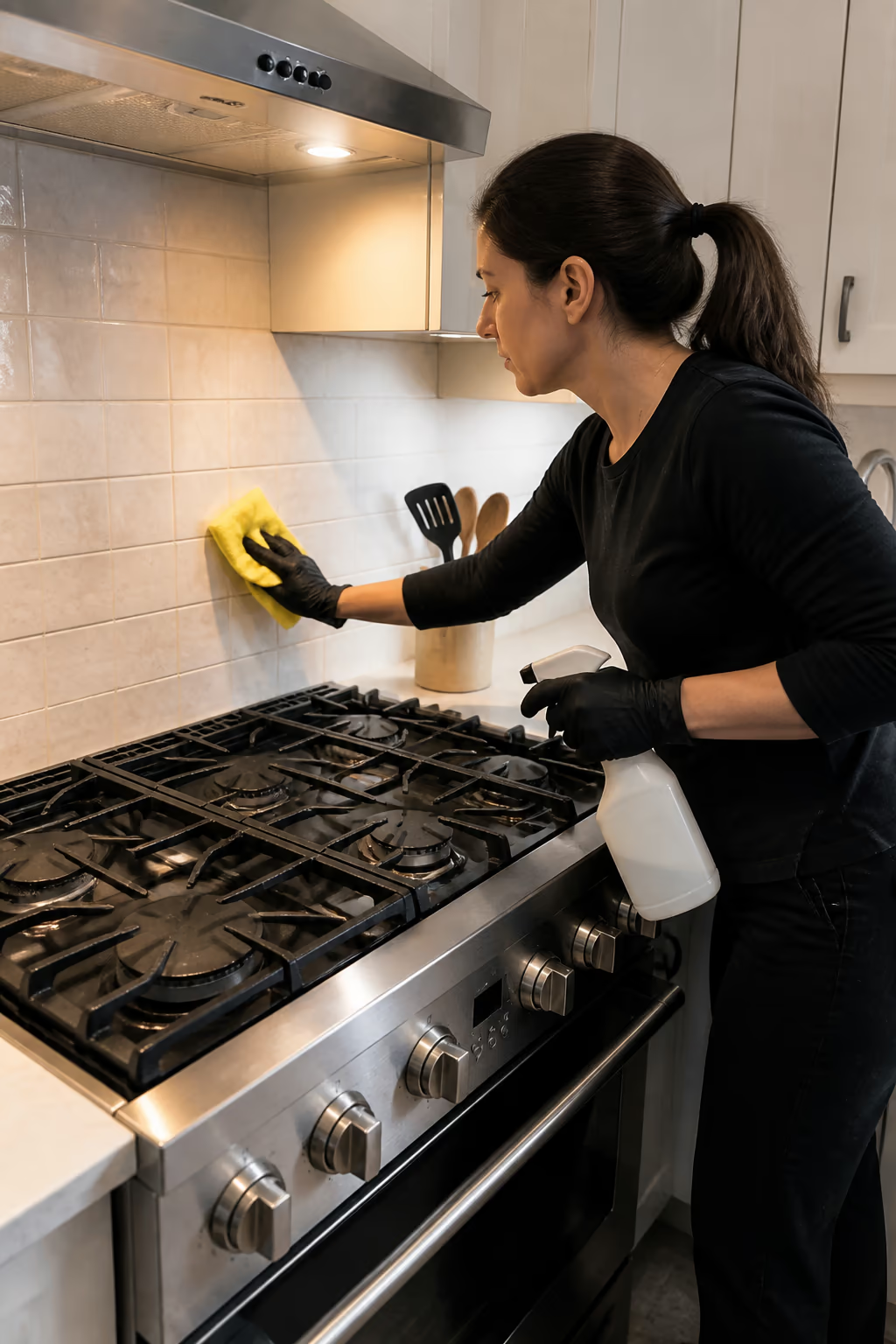
- Step 1.Let the stove cool, then remove the grates, burner caps and drip pans where you can.
- Step 2.Apply a degreaser to the stove top and backsplash and let it dwell briefly.
- Step 3.Wipe with a soft cloth or non-scratch scrubber, working the grease loose.
- Step 4.Rinse with clean water and dry the surface so no residue is left behind.
- Step 5.Clean the grout and seams of the backsplash, and finish with a dry cloth.
FAQ
How often should a professional clean this kind of space?
It depends on use, cooking habits and the surfaces in your kitchen. A household that cooks and fries regularly may need more frequent attention, while lighter kitchens can go longer. A professional team can assess your kitchen and recommend a practical schedule.
Are the cleaning products safe for people and pets?
Reputable companies use certified, low-fume products and train staff to apply them correctly, so treated kitchens are safe to use after cleaning. Let the surfaces dry and keep the room ventilated, and pets should be kept away until the area is dry.
How do I get an accurate quote for this service?
Request an assessment of the space, the tasks you need and the frequency, then compare itemised quotes rather than bare prices. Ask what the scope covers, including the stove top, backsplash and vent hood.
Can I use baking soda and vinegar on a greasy stove top?
A baking soda paste can help with cooked-on spots on many surfaces, but vinegar is not a strong degreaser and should not be used on some finishes. A purpose-made degreaser is usually the faster and safer choice for a greasy stove top.
How do I stop the grease from coming back so quickly?
Wipe the stove top and backsplash after each use, use a splatter guard when frying and clean the vent hood filter regularly. The grease that is removed while it is fresh does not get the chance to bake on and come back.
Is it safe to clean a glass cooktop with a normal sponge?
Use a sponge or cloth that is safe for glass cooktops and avoid anything abrasive. Glass cooktops scratch easily, and a scratched surface traps grease and makes it harder to keep clean.
How do I clean the backsplash grout that has grease in it?
Scrub the grout lines gently with a soft brush and a degreaser, rinse well and let them dry. If the grout is stained or the grease has set in, a professional can treat it and help you seal the grout to keep it cleaner longer.
What should I do if the grease has baked on and will not lift?
Let the degreaser dwell longer, or use a product made for baked-on grease and follow the label. If the build-up is set in or covers a large area, a professional deep clean may be the safer and faster option.
Wrapping Up
Getting rid of a greasy stove top and backsplash does not have to be a battle. Use a degreaser suited to your surfaces, let it dwell, wipe gently and rinse thoroughly, and keep the area clean on a regular rhythm so the grease never gets a strong grip. When you would rather leave the job to a trained team, Good Cleaner Co. is here to help. Contact Good Cleaner Co. for a free quote and a cleaning plan tailored to your home or business.
Keep reading
More from Good Cleaner
Services that fit
- Residential Home Cleaning Services in OttawaRecurring home cleaning services in Ottawa for one-time, weekly, biweekly and monthly care, built around your schedule and your standards.
- Janitorial Services in OttawaRecurring janitorial services in Ottawa for offices, warehouses, retail, dealerships and schools. Eco-friendly commercial cleaning, customized plans.
About the author
Service areas
- Ottawa
- Kanata
- Nepean
- Orléans
- Barrhaven