
8 Reception Area Cleaning Tips That Create Powerful First Impressions
Your reception area is the first room a client, partner, or new hire sees, and the last one they remember. It sets the tone for the entire business, so keeping it spotless is about more than appearances: a clean reception reduces tracked dirt, protects your floors and furniture, and tells everyone who walks in that the organisation is run with care. This guide explains the reception area cleaning tips that create powerful first impressions, and how a professional team keeps that standard high through every season.
Quick Summary
A reception area needs its own cleaning standard because it absorbs the heaviest foot traffic and all the weather people track in, from salt to mud, while shaping a visitor's first impression within seconds. Cleaning schedules built around peak arrival times keep it looking cared for.
In this guide
Why the Reception Area Deserves Its Own Cleaning Standard
The reception area is not an ordinary office room. It is the transition zone between the street and the business, which means it catches everything the weather sends in: rain, snow, salt, mud, sand, and the grit that comes off shoes. It also carries some of the heaviest foot traffic in the building, because every visitor, courier, and new employee passes through it before anyone reaches a desk. That combination of constant use and constant incoming soil makes it one of the fastest spaces to look tired, even when it was cleaned the night before.
The reception area also works harder than a hallway because it is a first impression. People form opinions within seconds of stepping inside, and a floor with salt streaks or a front desk with smudged glass changes how they read the whole company. Business owners know this, which is why so many reception cleaning schedules are built around peak arrival times rather than a simple weekly pass. When the entrance looks cared for, the rest of the business gets the benefit of the doubt.
There is a practical side too. Grit and salt act like sandpaper underfoot, and left in place they dull tile, scratch stone, and shorten the life of area rugs and carpet. Regular, methodical cleaning protects the materials you already paid for. For Good Cleaner Co., the reception area is treated as its own zone with its own checklist, not as an afterthought at the end of a cleaning shift. That separation is part of why the approach produces consistent results. In shared office buildings, the reception often doubles as one of the busiest common areas, so its checklist should line up with a broader plan for common area cleaning in multi-tenant buildings.
There is also a health angle. Reception areas are where colds and flu viruses travel fastest, because so many people pass through the same doors, railings, and signing-in pens. Regular cleaning of the touchpoints, paired with proper hand-washing by anyone handling the space, helps keep the entrance from becoming a relay point for seasonal illness. This is one more reason the reception area benefits from a routine that treats high-touch surfaces as seriously as the floors.
The Eight Reception Area Cleaning Tips
Eight tips cover most of what a Canadian reception area needs. They are not a rigid formula; they are a checklist you can adapt to your floor type, traffic levels, and the season.
- 1Clean the entry matting first. Interior and exterior mats trap a large share of the dirt and moisture before it reaches the floor, so they deserve the same attention as the floor itself.
- 2Dust from high to low. Work from the ledges, sconces, and the top of the front desk down to the floor, so loosened debris does not land on surfaces you have already finished.
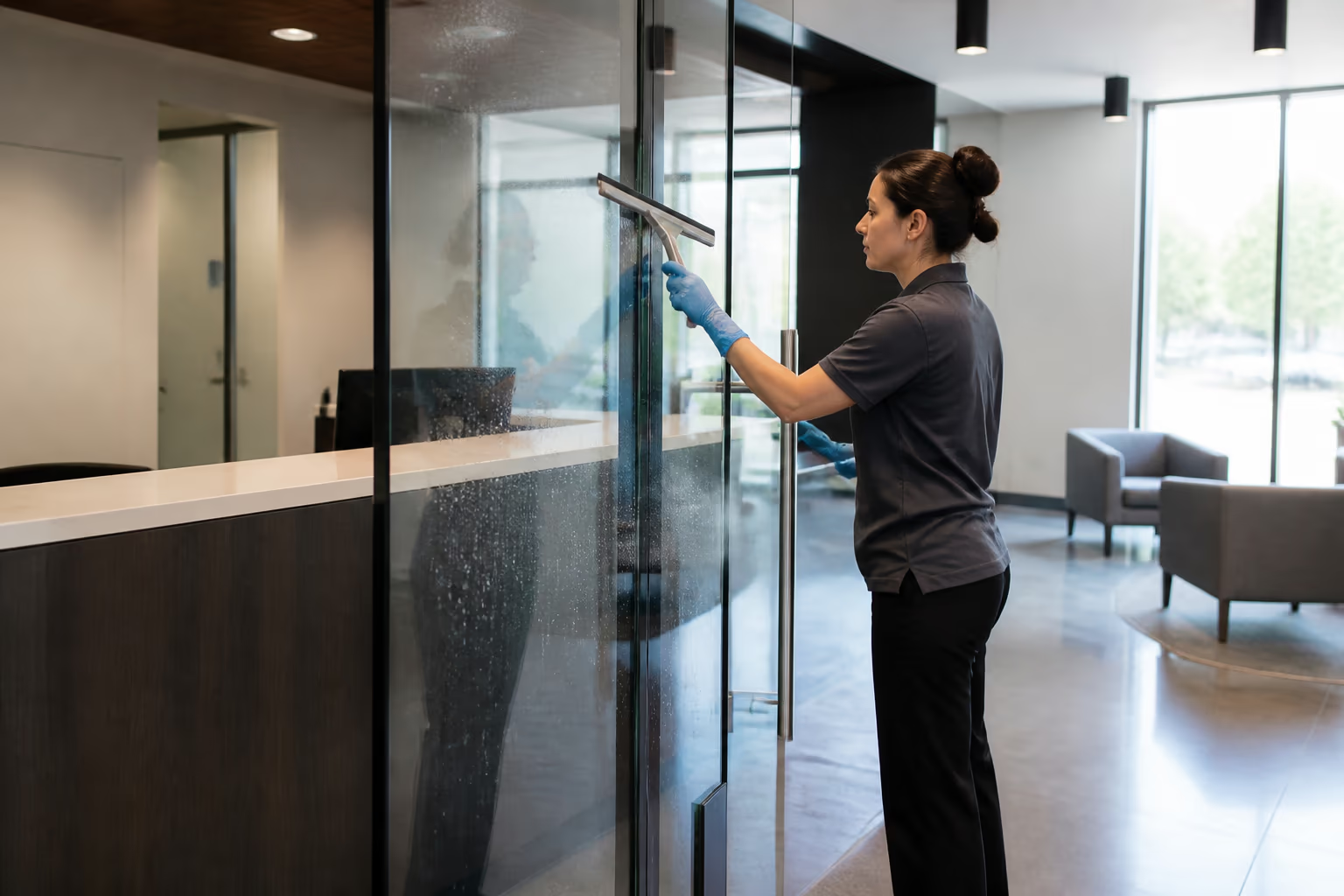
- 3Keep the glass streak-free. Front doors, partitions, and display cases collect fingerprints quickly, and they are noticed even faster, so clean them with a product meant for glass.
- 4Wipe the touchpoints every day. Door handles, the front desk, the phone, and any shared pens are handled by everyone, and they are the surfaces where a sanitising step matters most.
- 5Match the product to each surface. Stone, tile, wood, glass, and metal each have care requirements, and a neutral floor cleaner is not the right tool for a glass partition.
- 6Handle salt and moisture before they dry. Wet salt left to sit leaves a cloudy residue and can etch some floors, so quick response in winter matters as much as the weekly routine.
- 7Keep the seating presentable. Fabric chairs collect dust and spills, leather and vinyl catch fingerprints, and the legs of tables gather dust that a quick wipe never sees.
- 8Schedule periodic deep cleaning. Floors need a machine scrub from time to time, matting needs a proper wash, and corners need a reset that the daily pass cannot provide.
Each tip supports the others. Matting reduces what reaches the floor, high-to-low work keeps results looking fresh longer, and deep cleaning protects the investment that daily care alone cannot fully preserve.
Businesses that adapt these tips to their own context tend to see the best results. A medical or dental reception may weigh infection control more heavily, while a creative studio may focus on keeping the space bright and welcoming. The tips are a starting point; the plan is what makes them fit your business.
Formatted Step-by-Step Reception Area Cleaning Checklist
A consistent routine is easier to keep than a heroic one-off effort. This five-step checklist fits a regular reception clean and can be adjusted for the size of your space.
- 1.Clear the zone and lay out tools. Move loose furniture or signage that is in the way, empty the bins, and confirm you have the right cloths, products, and equipment for the surfaces in the reception area.
- 2.Remove loose soil first. Sweep, dust, or vacuum high surfaces and floors before any liquid is used, so you are not spreading grit into a wet film.
- 3.Clean the high surfaces and glass. Wipe ledges, signage, sconces, and the front desk, then clean the interior glass and partitions from top to bottom.
- 4.Clean the floors with the right method. Use a floor-care method suited to your material, keep the water changes fresh, and pay attention to the entry strip where salt and grit collect.
- 5.Finish the touchpoints and inspect. Wipe door handles, railings, and the desk, then step back to catch streaks, missed corners, and any spot that needs a second pass.
- 6.For businesses that want this standard kept every day, our office cleaning programs in Ottawa provide trained teams, the right equipment, and a schedule built around your traffic.
The order matters: soil is removed before liquids, high surfaces come before floors, and the touchpoints are finished last so nothing you just cleaned is smudged on the way out. When the routine is this clear, it is easy to delegate and easy to verify.
Products and Equipment That Suit Reception Surfaces
The right tools reduce the work and protect the finishes. A reception area is a mix of materials, and treating everything with one product is a common shortcut that shows up as dull floors and smudged glass. Match the product to the job: a neutral cleaner for most floors, a glass cleaner for partitions and doors, and a mild solution for the front desk and furniture.
Microfibre cloths are a practical choice because they lift and hold soil rather than pushing it around, and using different colours for different zones keeps floor work separate from the surfaces people touch. A vacuum or dusting tool with a HEPA filter helps capture fine particles that otherwise resettle, which matters in an entrance where dust is constantly being tracked in. For floors, a walk-behind or ride-on machine scrub can do in minutes what a mop does in an hour, but it must be matched to the floor type and used by someone who knows the product.
In Canada, cleaning chemicals are labelled under WHMIS 2015, so a reputable supplier reads the safety data sheets and uses products as directed. Choosing certified low-fume options, such as those carrying an EcoLogo or similar third-party mark, keeps the entrance comfortable for people arriving at all hours. Good Cleaner Co. selects products for the surface and the occupants rather than reaching for the strongest bottle, and staff are trained on safe handling and correct dilution.
Don't forget the storage and cleaning of the tools themselves. Microfibre cloths should be laundered regularly and replaced when they lose their grip, buckets and mops should be rinsed and dried, and machines should be serviced on schedule. Dirty equipment undoes the work, because a cloth that has gone sour or a mop that has gone grey just spreads the problem around.
Cleaning the Front Desk, Seating and Everyday Touchpoints
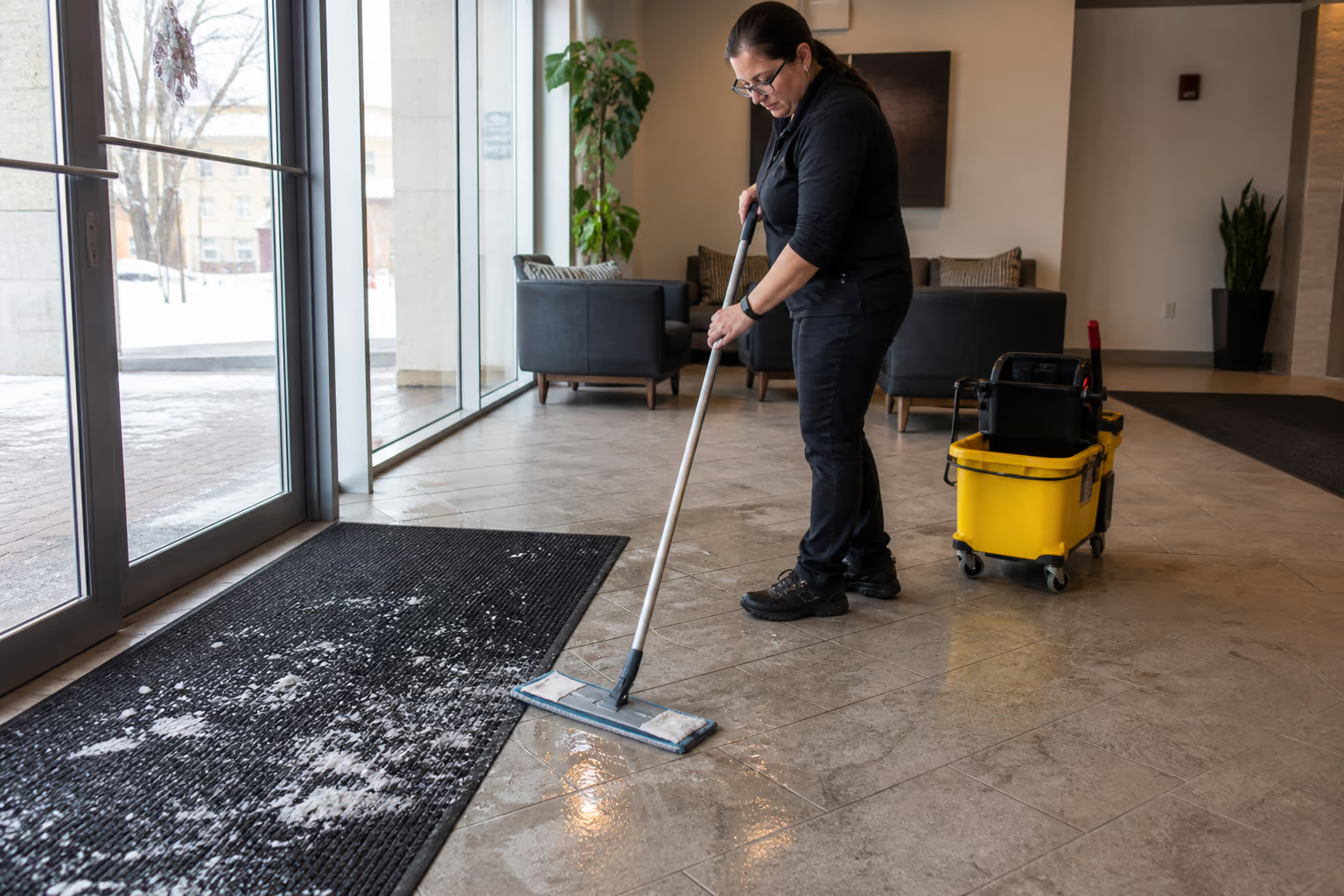
The front desk is the most handled surface in most reception areas. Visitors sign in, tenants pick up keys, couriers drop packages, and staff sit behind it all day. A clean that covers the floor but skips the desk misses the surfaces people actually touch. Wipe the desk top, the edges, the phone, the keyboard, and any shared pen holders or clipboards as part of the daily pass, using a product suited to the finish.
Seating and tables deserve the same attention. Fabric chairs collect dust and spills, leather and vinyl catch fingerprints and marks, and the legs and undersides of tables gather dust that a quick wipe never sees. Vacuum fabric with an appropriate attachment, wipe frames and tabletops, and spot-clean any mark with a product meant for the material. If the reception area has plants, check the leaves and the base of the pot, because plant dust travels onto nearby surfaces.
Wayfinding and branding also sit in the reception area: directory boards, mounted signs, display cases, and touchscreen kiosks. These collect fingerprints quickly and are noticed even faster. A glass cleaner or an electronics-safe wipe for the screens, and a dry cloth for the frames, keeps the entrance looking intentional. When the small details are consistent, the whole space reads as well managed.
Managing Winter Slush, Salt and Seasonal Traffic
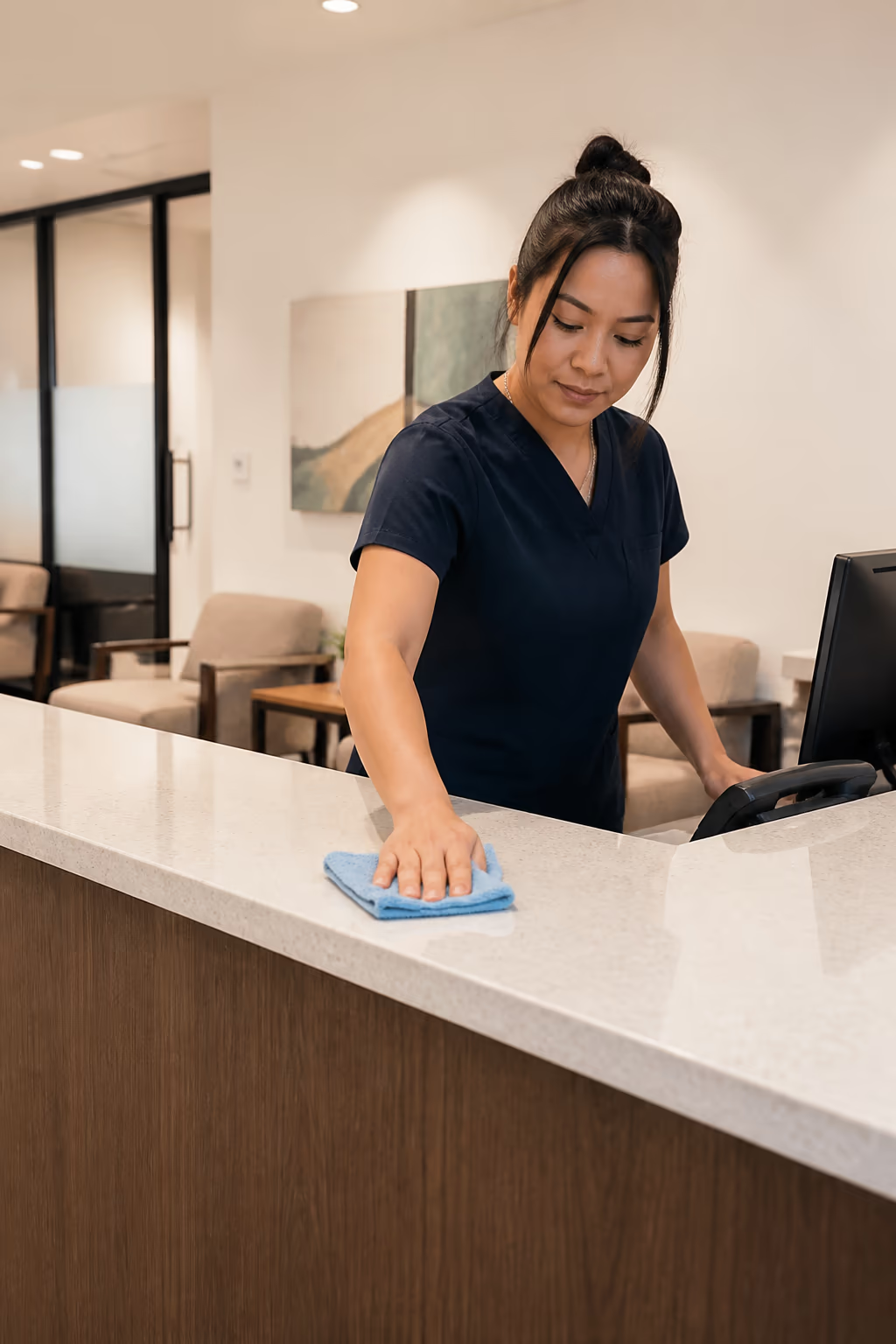
Canadian winters change the reception area cleaning conversation. From late autumn through the spring melt, entry floors absorb a steady stream of salt, sand, and slush, and the way a building handles that traffic determines whether the entrance looks fresh or like a mudroom. Exterior and interior matting does the first line of defence, but mats only work when they are cleaned, vacuumed, and exchanged on schedule.
Slush is a compliance matter as well as a presentation one. Ontario's industrial establishments regulation requires a floor or other surface used by any worker to be kept free of accumulations of refuse, snow or ice, and the reception floor is usually the first place in a building where that standard slips. The same regulation sets the floor standard: “A floor or other surface used by any worker shall, (a) be kept free of, (i) obstructions, (ii) hazards, and (iii) accumulations of refuse, snow or ice; and (b) not have any finish or protective material used on it that is likely to make the surface slippery.”
Salt is the material to respect. Wet salt that dries on tile or stone leaves a cloudy residue that can etch some finishes over time, so prompt cleaning beats waiting for a weekly pass. Entrances with heavy traffic often benefit from more frequent floor care during the melt season, plus a deeper clean when the snow finally clears. The goal is not to fight the weather; it is to have a routine that responds to it.
Choosing the right entry material matters as well. Many Canadian buildings pair an exterior scraper mat with an interior absorber mat, and the combination works because each catches a different layer of what walks in. When mats are sized to the doorway and kept in good repair, they protect the floor behind them and reduce how often the finished floor needs heavy cleaning. Replacing worn matting on schedule is cheaper than restoring a damaged entry floor.
Good Cleaner Co. plans for the season. When your cleaning partner understands Ontario conditions, the schedule flexes: entry mats get extra attention on wet days, touchpoints are cleaned more often during cold and flu season, and the spring clean includes a reset of the floors and matting that winter wore down.
Building a Reception Cleaning Schedule That Holds
A schedule only works if it fits the business. Start with the obvious anchors: the daily pass, the deep clean, and the seasonal resets. Then look at the moments that create visible mess, such as the morning rush, the lunch crowd, and storm days, and decide which of those need a touch-up. A reception area that is cleaned at the wrong time can look neglected within the hour.
Match the frequency to the reality of the space. A small professional office with a handful of employees may only need a full reception clean a couple of times a week, while a busy clinic or law firm with a constant stream of visitors may need daily floor care and touchpoint wiping. The plan should also list who owns each task, because a reception checklist that belongs to nobody quietly stops getting done.
Review the schedule on a regular basis. Traffic changes when clients change, when the seasons shift, and when businesses renovate their entrances. A schedule that is reviewed and adjusted a few times a year stays useful, while a schedule that is set once and forgotten slowly drifts out of step with the business.
Comparing Professional Reception Cleaning Versus Doing It Yourself
Some businesses handle reception cleaning in-house, and others bring in a professional team. Both can work; the question is whether the routine, the equipment, and the training are actually in place. A DIY approach gives you control and a lower direct cost, but it depends on staff time, product knowledge, and equipment that is available when it is needed. For a reception area that must look good every morning, that can be a harder promise to keep than it sounds. The same trade-off comes up at home, which is why some office managers weighing this decision also look at residential cleaning services in Ottawa for their own space.
Costs vary by market, square footage, frequency, and the scope of the work, so there is no single number that applies to every business. What matters is getting an itemised quote for the specific tasks you need, comparing like for like, and being clear about what is included: daily floor care, touchpoint disinfection, periodic deep cleaning, and matting service all have different price points. A vague hourly rate tells you little; a clear scope tells you what you are buying.
Training is part of that evaluation too. Ask whether staff are background-checked, and how new team members are trained on products, equipment, and the specific surfaces in your building. A company that can answer those questions clearly is easier to plan around than one that promises results without explaining how they are delivered.
If you are weighing providers, our guide to vetting commercial cleaners is a useful starting point for the questions that matter, from training to how a company handles quality checks. The right partner does not just clean the reception area; they plan for it, and they show up with the equipment and the plan to keep the entrance consistent.
FAQ
How often should a commercial reception area be cleaned?
It depends on foot traffic and the season. A busy downtown entrance often needs daily attention to mats and touchpoints, while a quieter professional building may be well served by a full clean two or three times a week. Review the schedule when traffic changes or during the winter months.
What is the best way to remove salt from reception floors?
Remove loose salt as soon as possible with a dust mop or vacuum, then clean the floor with a method suited to the material. Prompt removal matters because wet salt left to dry can leave a cloudy residue and damage some finishes over time.
Are reception area cleaning products safe for everyone in the building?
Yes. Choose certified, low-fume products and use them as directed, and keep the entrance ventilated while cleaning. A reputable company reads the product labels and safety data sheets and selects options that suit both the surface and the people in the building.
How often should entry matting be cleaned?
Matting should be vacuumed as part of the regular clean and machine washed or exchanged on a schedule that matches traffic and weather. Saturated mats during winter need faster attention so they keep trapping dirt instead of holding moisture against the floor.
What is the difference between daily and deep reception cleaning?
Daily cleaning covers mats, touchpoints, floors, and visible surfaces, while deep cleaning adds machine floor care, mat washing, glass detailing, and attention to corners and edges. Deep cleaning is usually scheduled less often, such as monthly or seasonally, depending on traffic.
When does it make sense to hire a professional for reception cleaning?
Consider a professional when the entrance must look good every day, when you do not have the equipment or training in-house, or when the seasonal workload of salt, slush, and deep cleaning is more than the current routine can carry.
How should glass partitions and interior doors in a reception area be cleaned?
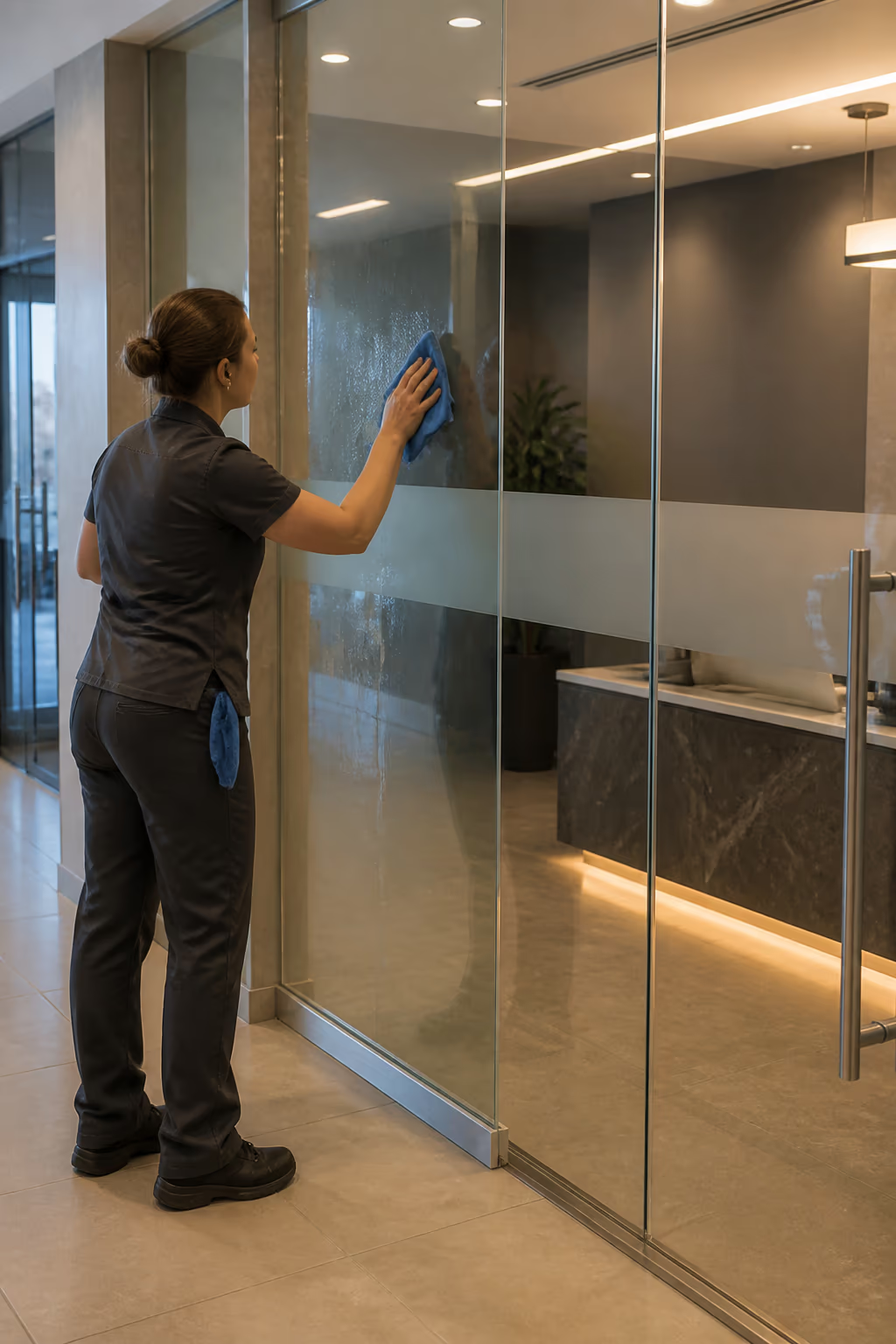
Clean them with a product meant for glass and a clean microfibre cloth, working from top to bottom and checking the result at an angle. Rinse or change the cloth as it becomes damp, and dry the edges and tracks where water tends to sit.
Can reception cleaning be scheduled outside business hours?
Yes, and it often is. Many businesses arrange reception cleaning before the first arrival or after hours so the entrance is fresh for the morning and work does not disrupt visitors. Discuss the schedule that fits your traffic and your security arrangements with your cleaning provider.
Wrapping Up
The reception area is where a business makes its first impression, and it takes a deliberate routine to keep it looking that way through Canadian weather and heavy traffic. Match your cleaning frequency to how the space is used, protect the floors with matting and prompt salt removal, and keep the touchpoints fresh for everyone who passes through. When the daily standard is more than your team can sustain, a professional cleaning partner can carry it for you. Contact Good Cleaner Co. for a free quote and a cleaning plan built around your business and your schedule.
Keep reading
More from Good Cleaner
Services that fit
- Professional Office Cleaning Services in OttawaOffice cleaning services in Ottawa for corporate offices, clinics and professional suites. After-hours scheduling, eco-friendly products and a free quote.
- Janitorial Services in OttawaRecurring janitorial services for offices, warehouses, retail, dealerships and schools, with eco-friendly commercial cleaning and customized plans.
About the author
Service areas
- Ottawa
- Kanata
- Nepean
- Orléans
- Barrhaven