
Office Cleaning Tips For Better Building Maintenance
Cleaning is often treated as a chore, but in a well-run office it is one of the best maintenance tools you have. By implementing these office cleaning tips and fostering a collaborative relationship with your cleaning staff, you can enhance building maintenance, protect your finishes, and cut down on the expensive repairs that neglect invites. This guide covers the habits, routines, and working relationships that keep an office building in good shape for years.
Quick Summary
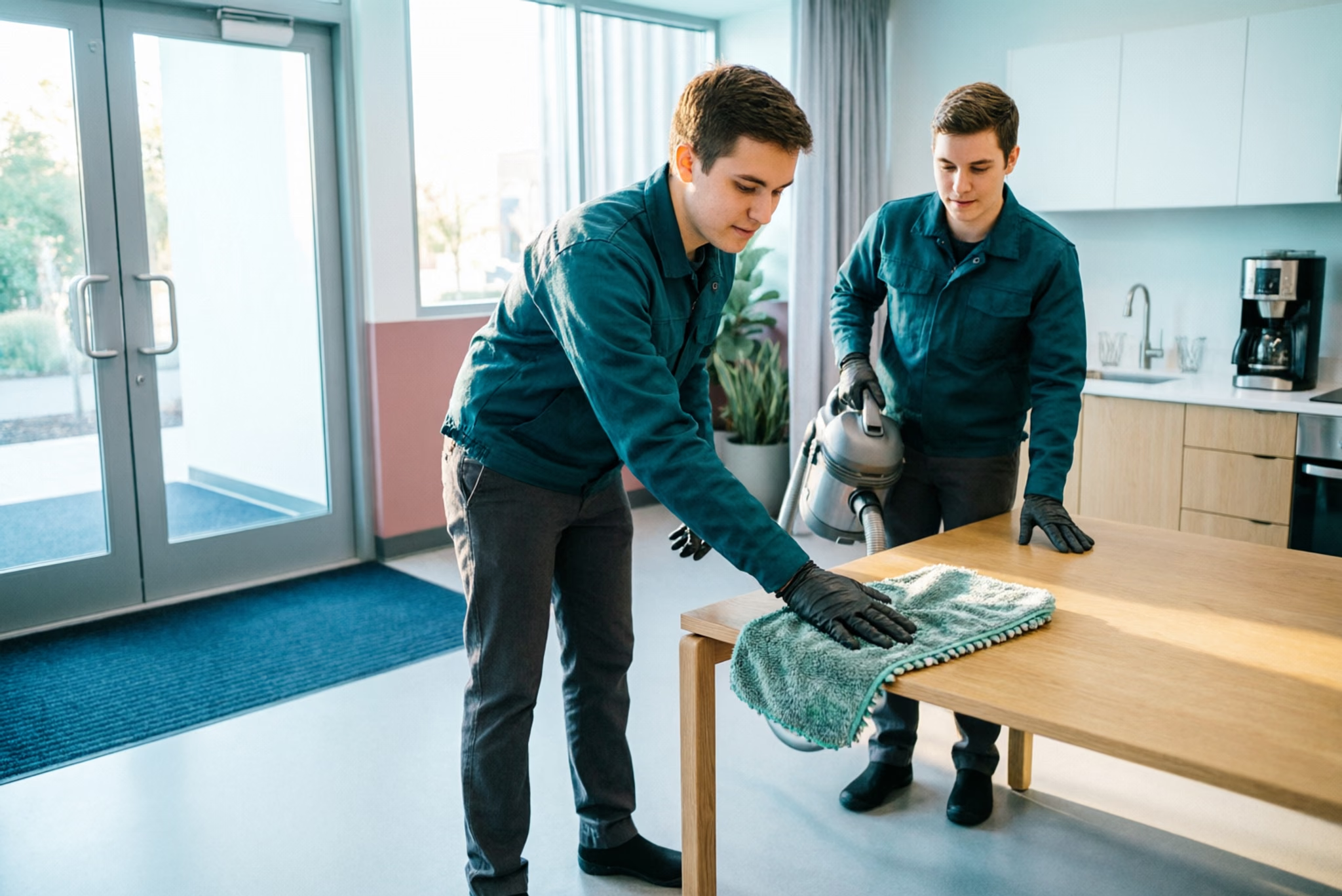
Office cleaning tips work as a maintenance tool, not just a chore, when paired with a collaborative relationship with your cleaning staff. Following daily habits for floors, washrooms and air quality protects finishes and fixtures and helps prevent small problems from turning into expensive repairs, keeping an office building in good shape for years.
In this guide
Why Cleaning and Building Maintenance Belong Together
Most people think of cleaning and maintenance as two separate jobs, one about appearance and the other about mechanics. In practice they overlap constantly. Dust on a ventilation grille affects air quality and the work of the HVAC system. A stain left on a carpet dries into a permanent mark. A build-up of grime on a floor wears away the finish. Cleaning, done well and done often, is preventive maintenance.
The cost difference is the strongest argument. A small habit, like wiping down a door frame before a mark sets in, costs seconds. Replacing that door frame, or repainting a wall that has been stained for months, costs real money and disrupts the office. Regular cleaning pushes those larger jobs further into the future, and sometimes prevents them entirely.
Cleaning also protects the people in the building. Touchpoints that are wiped down regularly carry fewer germs, and floors that are maintained properly are safer to walk on. A building that is clean is easier to inspect, because problems on surfaces are visible before they spread. That visibility is a quiet benefit that pays off during maintenance walkthroughs.
Finally, a well-kept building is easier to manage. When the routine is consistent, maintenance staff spend less time fixing damage and more time on the work that improves the building. The relationship between cleaning and maintenance becomes a partnership instead of a series of emergencies. Property managers overseeing several units often turn to building and condo cleaning services to keep that partnership consistent across every floor.
Daily Habits That Protect Finishes and Fixtures
The cheapest maintenance you can buy is a set of daily habits that stop dirt before it becomes damage. These are the small, repeatable actions that a good cleaning routine builds in, and they protect the parts of the building that are expensive to replace.
High-touch points are the natural place to start.
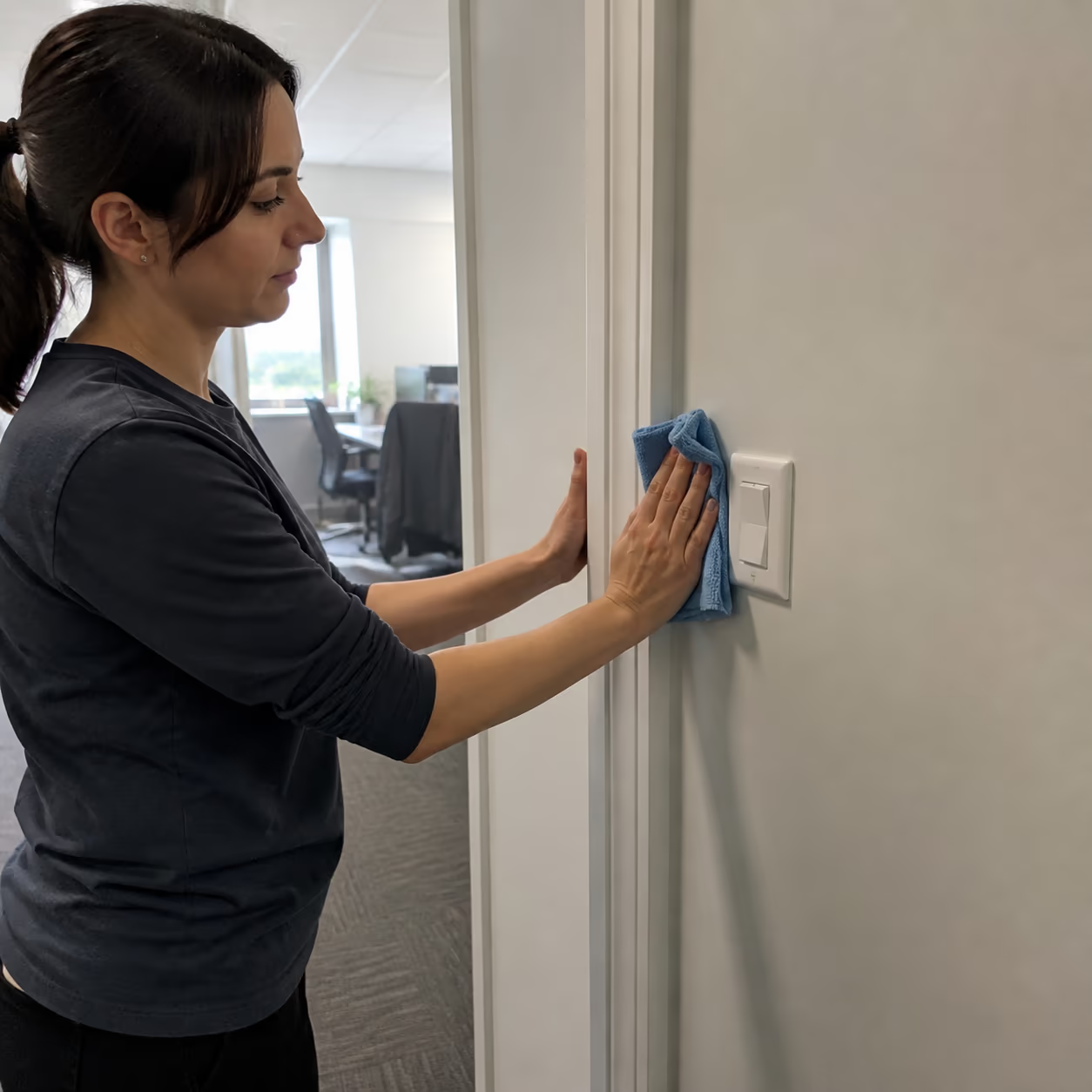
Door handles, light switches, elevator buttons, and railings are handled dozens of times a day, and they collect the oils and grime that dull finishes over time. A daily wipe keeps them clean and keeps the finish intact, so they do not need refinishing or replacement as quickly.
Spills are a matter of minutes, not days.
Coffee on a counter, a splash on a carpet, or a mark on a wall all become harder to remove the longer they sit. The habit of cleaning spills when they happen, or at least at the end of the day, is one of the simplest ways to protect a building from permanent stains.
Entrances need special attention, especially in Ottawa.
Winter salt and sand are carried in on shoes and grind into mats, lobby floors, and corridors. Daily care at the entrance, vacuuming mats, mopping salt residue, and cleaning the glass doors, protects the floors and the first impression visitors get.
Trash that is emptied regularly protects more than the air.
Overflowing bins attract pests, and food waste in an office kitchen left too long becomes a maintenance problem of its own. A daily round that empties bins and wipes counters keeps the small problems from becoming big ones.
A routine that protects fixtures extends to the small mechanical parts of the building.
A vent that is wiped keeps its finish, a seal that is kept clean keeps its seal, and a door track that is free of grit closes properly. These are the details that maintenance teams usually end up fixing, and a cleaning routine prevents many of them.
Caring for Floors, Carpets and Hard Surfaces
Floors are the largest surface in any office, and they take the most punishment. They are also the surface where cleaning and maintenance are hardest to separate, because the way you clean a floor determines how long it lasts.
Floors are also the surface Ontario regulates most directly. Ontario's industrial establishments regulation requires a floor or other surface used by any worker to be kept free of obstructions, hazards and accumulations of refuse, snow or ice, and separately forbids any finish on it that is likely to make the surface slippery. The same regulation covers lighting: “Where natural lighting is inadequate to ensure the safety of any worker, artificial lighting shall be provided and shadows and glare shall be reduced to a minimum.”
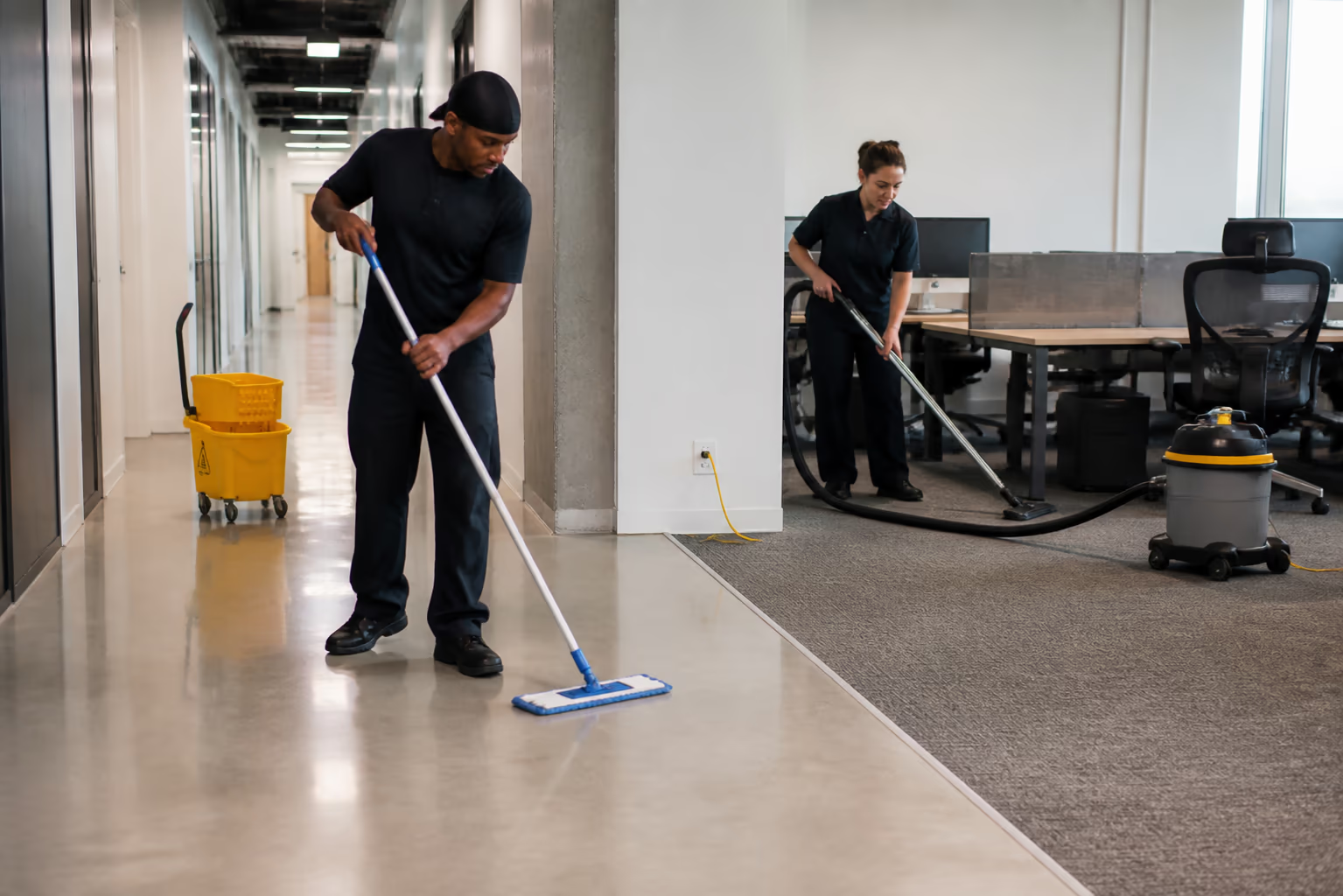
Carpet needs a regular vacuum and periodic extraction. A vacuum removes the dirt that would otherwise grind into the fibres, while extraction lifts the deeper build-up and the stains that sit at the base of the pile. Carpets that are vacuumed regularly and extracted on a schedule last noticeably longer than carpets that only get an occasional deep clean.
Hard floors are about the right cleaning, not just more cleaning. Tile, vinyl, and linoleum should be mopped with the correct product, because the wrong cleaner can strip the finish or leave a residue that dulls the surface. In winter, salt residue on hard floors needs regular mopping to protect the finish from the grit that grinds it down.
The edges and transitions are where floors fail first. Baseboards collect dust and scuffs, and the transition strips at doorways take constant wear. A routine that includes baseboards and edges protects the parts of the floor that are easiest to damage and hardest to repair.
A simple floor plan goes a long way. Entry matting traps the worst of the dirt, and mats at internal doorways catch what shoes carry between rooms. When the dirt is stopped at the entrance, the floors and carpets in the rest of the building last longer, which is maintenance you get from a cleaning habit.
The cleaning products themselves are part of floor care. Using the right product for each floor type, and following the label for dilution and dwell time, protects the finish and the people who use the space. In Ontario, cleaning products are handled under workplace safety rules, which is why a professional team follows documented mixing and handling rather than guessing.
Washrooms, Kitchens and High-Touch Zones
The rooms where people gather, washrooms, kitchens, and break rooms, carry the most wear and the most responsibility. These zones need a cleaning routine that is consistent enough to keep them fresh and thorough enough to protect the fixtures.
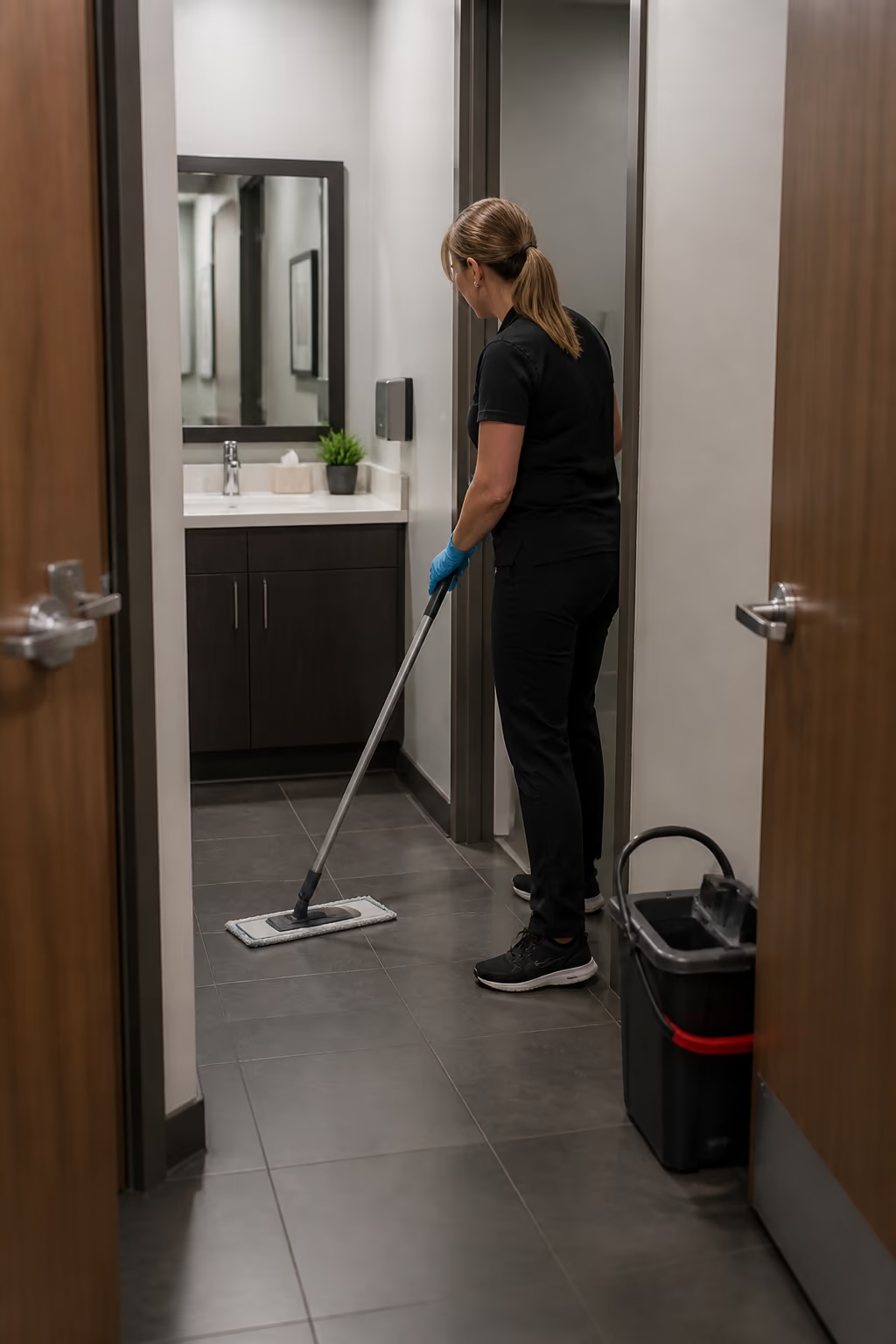
Washrooms reward daily attention. Countertops, sinks, faucets, and toilet fixtures all need regular cleaning to stay hygienic and to avoid the scale and build-up that dulls surfaces over time. Mopping the floor and restocking paper and soap should be part of the routine, because a washroom that is stocked and clean is used with care, and one that is not is abused.
Kitchens and break rooms are where food makes the mess harder. Countertops, appliance fronts, the fridge door, and the sink all collect the grease and crumbs that build up into a bigger problem. Cleaning them daily, and deep-cleaning the kitchen on a schedule, keeps both the room and the appliances working properly.
Shared equipment deserves a place in the plan. The microwave, the coffee machine, the water cooler, and the fridge are used by everyone and owned by no one, which makes them the most likely to be neglected. When they are part of the routine, they stay clean, and the building avoids the pest and odour problems that neglected food areas attract.
These zones also matter for safety. A wet floor in a washroom or a spill in a kitchen that is not cleaned promptly becomes a slipping hazard. A routine that cleans as it goes, rather than waiting for the end of the week, keeps the building safer as well as cleaner.
Maintaining Air Quality Through Routine Cleaning
Air quality is easy to overlook because it is invisible, but it is one of the clearest links between cleaning and building maintenance. Dust, pollen, and the fine particles that collect on surfaces do not stay there; they float back into the air every time someone walks past or a system starts running. Routine cleaning keeps that airborne dust in check.
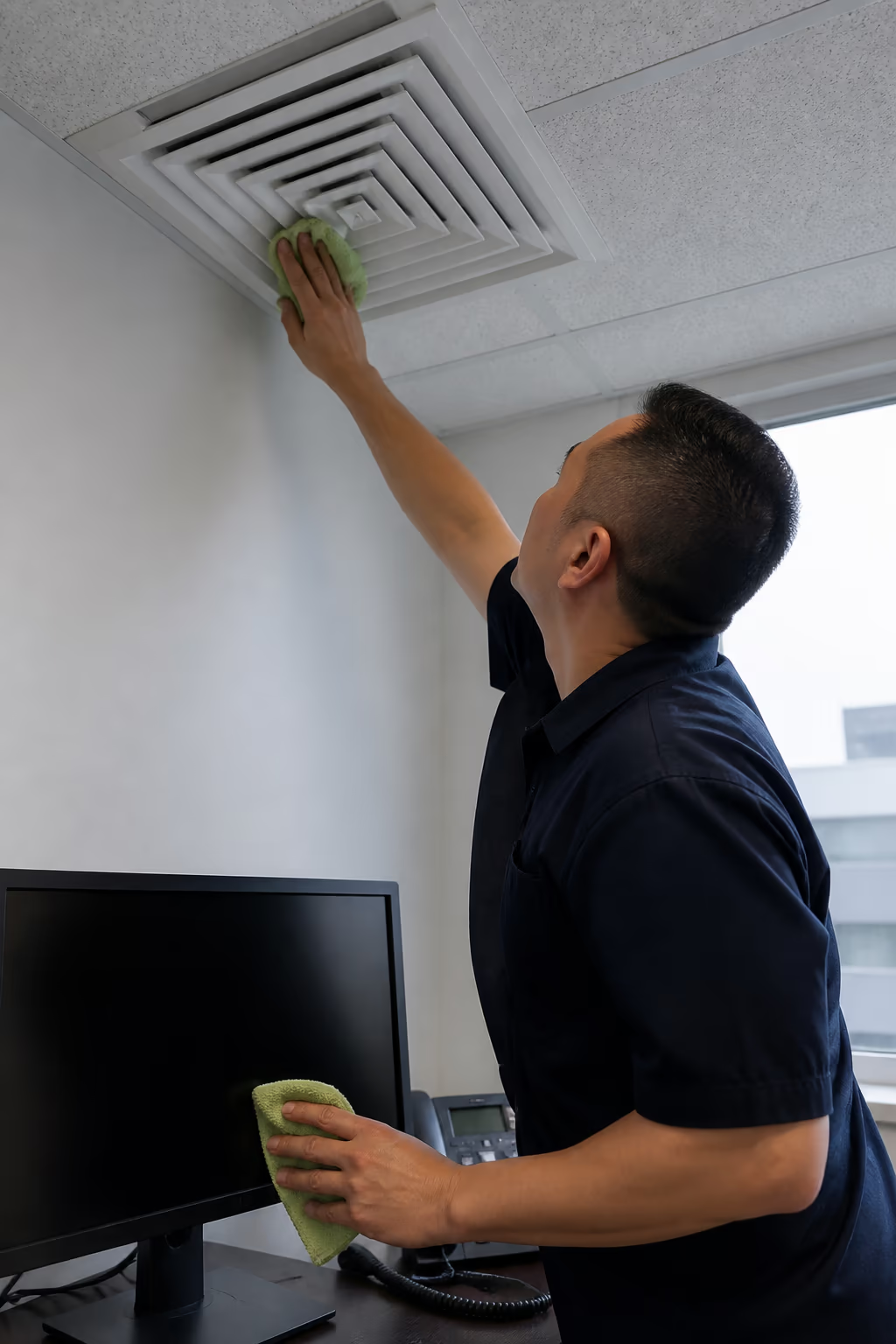
Vents and filters are the maintenance side of the equation. Dust that gathers on a grille or a loaded filter recirculates through the office, and a system that is working harder runs less efficiently. Cleaning the grilles as part of the routine, and changing filters on the manufacturer's schedule, is maintenance that only happens because the cleaning team is in the space.
Dust on electronics matters here too. A layer of dust on a computer or monitor not only looks neglected, it acts as an insulator that makes equipment run warmer. Offices that include electronics in the dusting routine tend to see fewer failures and longer equipment life, which is another quiet maintenance win from a cleaning habit.
Seasonal changes make air quality a year-round job. In winter, dry indoor air keeps dust airborne longer while windows stay closed, and in spring, pollen finds its way inside through doors and vents. Adjusting the routine for the season, more attention at the entrances in winter, more vent and grille care in spring, keeps the air cleaner and the building healthier to be in.
Preventing Small Problems from Becoming Expensive Repairs
The most expensive maintenance is the kind that arrives as an emergency, and the cheapest is the kind that never happens because the routine caught the problem early. A cleaning routine that looks for trouble as it cleans is a maintenance plan in disguise.
Catch the stains early. A spill that is treated when it happens, blotted rather than rubbed, and cleaned with the right product, leaves no trace. The same spill left for a week dries into a stain that requires extraction, a deep clean, or a carpet replacement. Timing is the difference between a cloth and a repair bill.
Look at the details as you clean. Caulking that is pulling away, a fixture that is loose, a tile that is cracked, and a window seal that is failing are all visible during a thorough cleaning pass. Noting them and passing them along means they get fixed while they are small, instead of becoming water damage or a bigger replacement.
Keep moisture in check. Standing water on a counter, in a sink, or on a floor is a maintenance problem waiting to happen, because moisture feeds mould and damages finishes. Wiping surfaces dry and reporting leaks early protects the building from the slow damage that moisture causes.
A routine that reports as it cleans turns the cleaning team into building inspectors. That is why the relationship with the crew matters, they see the building more often than anyone else, and the information they pass along is some of the most valuable maintenance data an office has. Building owners comparing options for best office cleaning in Ottawa often prioritize crews who report issues this way.
Working with Your Cleaning Team as a Partner
The best cleaning routine in the world is only as good as the people who do it, and that is where the relationship with your cleaning staff matters. Fostering a collaborative relationship, rather than simply issuing a list of tasks, turns a routine into a partnership that protects the building.
Share the information your crew needs. Tell them about the surfaces, the products they should use, and the areas that need extra care. When the crew understands why a task matters, like protecting a particular floor finish or keeping a vent clean for air quality, they do it more thoughtfully.
Give feedback and welcome it. A cleaning team that works in the building every week often notices problems before anyone else, a stain forming, a fixture that is loose, a spot that is wearing. Encourage them to flag those things, and act on what they report. The crew becomes an early warning system for the building.
Be clear about standards. A written checklist and a shared understanding of what done looks like prevent the gap between expectation and delivery. When both sides agree on the standard, the routine runs smoothly and the building is protected consistently.
Treat the relationship as a two-way street. A fair arrangement, where the crew is paid fairly and given the tools and time to do the job, shows up in the work. Teams that are respected take pride in the building, and that pride protects the finishes far better than supervision alone.
If you are choosing a cleaning partner rather than building an internal team, the same principles apply, and it helps to evaluate providers before you commit. Our checklist for hiring a commercial cleaner is a useful starting point for the questions that matter, from training to how a company checks quality.
Formatted Step-by-Step Maintenance Checklist
These office cleaning tips protect the building when they become a routine. Work through the steps and make them part of your weekly plan.
- 1.Protect the entrances. Keep mats down, vacuum and mop entryways daily in winter, and clean the glass doors so salt, sand, and grit stop at the door instead of spreading through the building.
- 2.Clean high-touch points daily. Wipe door handles, light switches, railings, and elevator buttons to keep finishes intact and to reduce the germs that travel on shared surfaces.
- 3.Care for floors on a schedule. Vacuum carpets regularly and extract them periodically, mop hard floors with the correct product, and include baseboards and edges in the routine.
- 4.Keep washrooms and kitchens on a consistent routine. Clean daily, deep-clean on a schedule, and restock supplies so the busiest rooms stay fresh and the fixtures stay protected.
- 5.Build a collaborative relationship with your cleaning staff. Share information, set clear standards, and act on the issues they flag so the crew becomes a partner in maintaining the building.
- 6.For a trained team that treats your building as a partner, our office cleaning programs in Ottawa bring the routine, the equipment, and the care your office needs.
FAQ
How does cleaning help building maintenance?
Cleaning removes the dirt, grime, and moisture that wear down surfaces and equipment over time. Regular cleaning prevents stains, protects floor finishes, and keeps ventilation and fixtures working, which reduces the need for repairs.
What should be cleaned daily to protect the building?
High-touch points, entrances, washrooms, and kitchens should get daily attention. These are the areas that collect the most dirt and wear, so keeping them clean protects both the surfaces and the people who use them.
How often should office carpets be extracted?
Most offices extract carpets every six to twelve months, with more frequent attention for high-traffic areas. Regular vacuuming in between keeps the fibres clean and extends the life of the carpet.
Should cleaning staff report maintenance issues?
Yes, and it is one of the most valuable parts of a good cleaning routine. A crew that works in the building regularly notices problems early, and acting on their reports prevents small issues from becoming expensive repairs. When evaluating a best office cleaning service in Ottawa, it helps to ask whether reporting problems like this is part of their standard routine.
What is the best way to protect office floors in winter?
Entry matting and daily care at the entrance are the first line of defence. Vacuuming mats and mopping salt residue off hard floors regularly protects the finish from the grit that winter brings.
How do I build a better relationship with my cleaning team?
Share clear information, set written standards, and treat the crew as partners. Give feedback, welcome their observations, and ensure they have the tools and time to do the job well.
Should I schedule cleaning around the seasons?
Yes, for the same reasons you adjust anything else in a Canadian office. Winter brings salt and sand to the entrances, spring brings pollen, and summer brings more dust and foot traffic. A schedule that shifts with the seasons protects the building through all of them.
How do I make cleaning part of the maintenance budget?
Treat it as preventive maintenance rather than a discretionary expense. Cleaning that protects floors, finishes, and equipment is cheaper than the repairs it prevents, and most offices find that a consistent routine pays for itself over time.
Wrapping Up
Office cleaning and building maintenance are two sides of the same job. Protect the entrances, clean the high-touch points, care for the floors, and keep the busy rooms on a routine, and your building will last longer and cost less to maintain. The relationship with your cleaning staff is part of that, so treat them as partners and use what they notice. When the routine is more than your team can carry, a professional cleaning partner can keep it on track. Contact Good Cleaner Co. for a free quote and a cleaning plan built around your office and your schedule.
Keep reading
More from Good Cleaner
Services that fit
- Professional Office Cleaning Services in OttawaOffice cleaning services in Ottawa for corporate offices, clinics and professional suites. After-hours scheduling, eco-friendly products and a free quote.
- Janitorial Services in OttawaRecurring janitorial services in Ottawa for offices, warehouses, retail, dealerships and schools. Eco-friendly commercial cleaning, customized plans and a free quote.
About the author
Service areas
- Ottawa
- Kanata
- Nepean
- Orleans
- Barrhaven