
7 Premium Standards for Executive Office Cleaning & Boardroom Maintenance
A boardroom is not just a room with a table. It is where your company presents to clients, investors, and partners, and every scuff and smudge is visible. Cleaning it well takes more than a general-purpose wipe-down; it takes the right products, the right technique, and the right schedule. Here is what premium executive cleaning actually involves.
Quick Summary
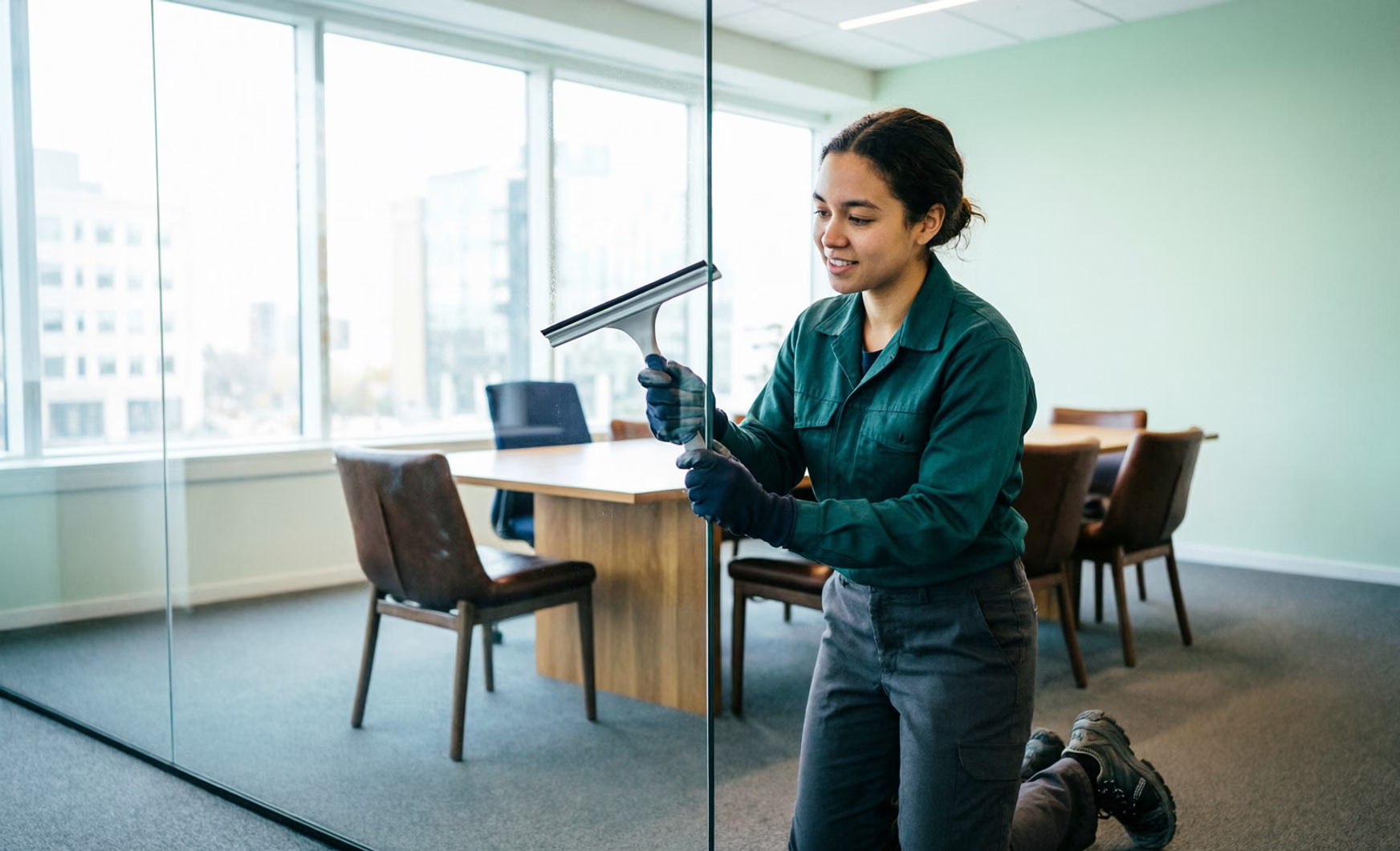
Executive offices and boardrooms are where first impressions are made, and the standard for a C-suite floor is higher than a standard office. This guide covers the seven premium standards for executive office cleaning, how to care for fine wood, leather, and glass, and what to look for in a detailing service.
In this guide
The Higher Expectations of Executive Suite Detailing
Executive spaces hold higher-value finishes than a typical open plan. Fine hardwood desks, leather seating, stone surfaces, and custom glass are expensive to replace and easy to damage with the wrong cleaner. Premium cleaning starts with protecting those finishes.
Premium expectations sit on top of a legal baseline, not instead of it. Ontario's employer duty under subsection 25(1) of the Occupational Health and Safety Act requires prescribed equipment, materials and protective devices to be provided and kept in good condition wherever people work. The province lists the duty in one line: “Instruct, inform and supervise workers to protect their health and safety”.
Discretion matters just as much as the finish. A C-suite office may contain sensitive documents, and visitors move through boardrooms at all hours. A professional detail crew works quietly, follows privacy rules, and leaves the space ready for the next meeting without leaving a trace of the work behind.
The standard is also about consistency. Premium suites are detailed on a schedule, not when someone notices the dust. A routine that covers daily touchpoints and periodic deep care keeps the space meeting-ready at all times.
Premium cleaning also reduces wear. A suite that is dusted properly, with the right products, keeps its finishes looking new for years. Dull wood, scratched glass, and cracked leather are almost always signs of the wrong cleaning habits rather than age alone.
The people who clean executive suites are often the most experienced on the team. Fine finishes leave no room for guesswork, so the crew is trained on which products go on which surface and how to handle a spill or a scratch when it happens. That training is part of the service.
Caring for Hardwood Desks, Leather Seating & Custom Glass
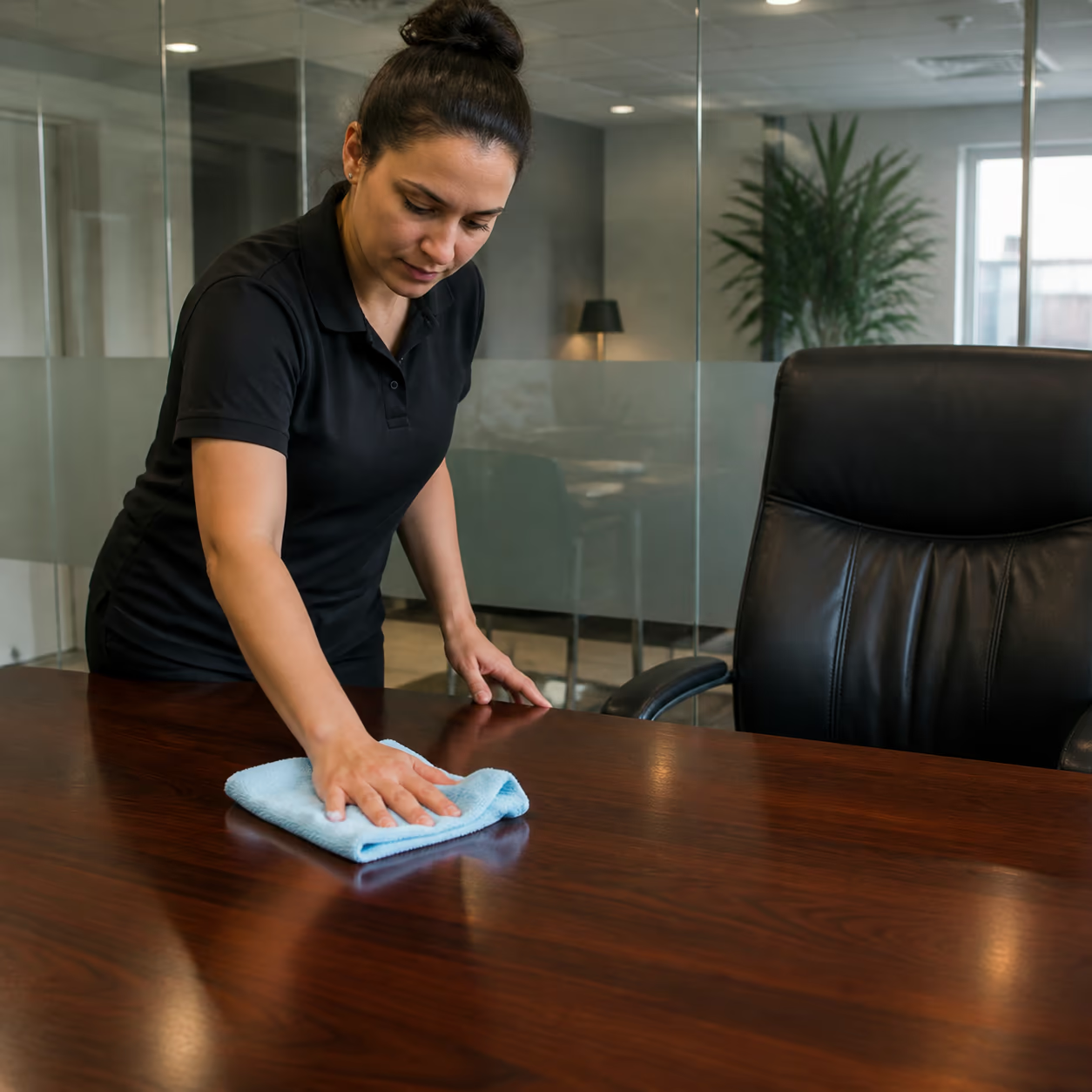
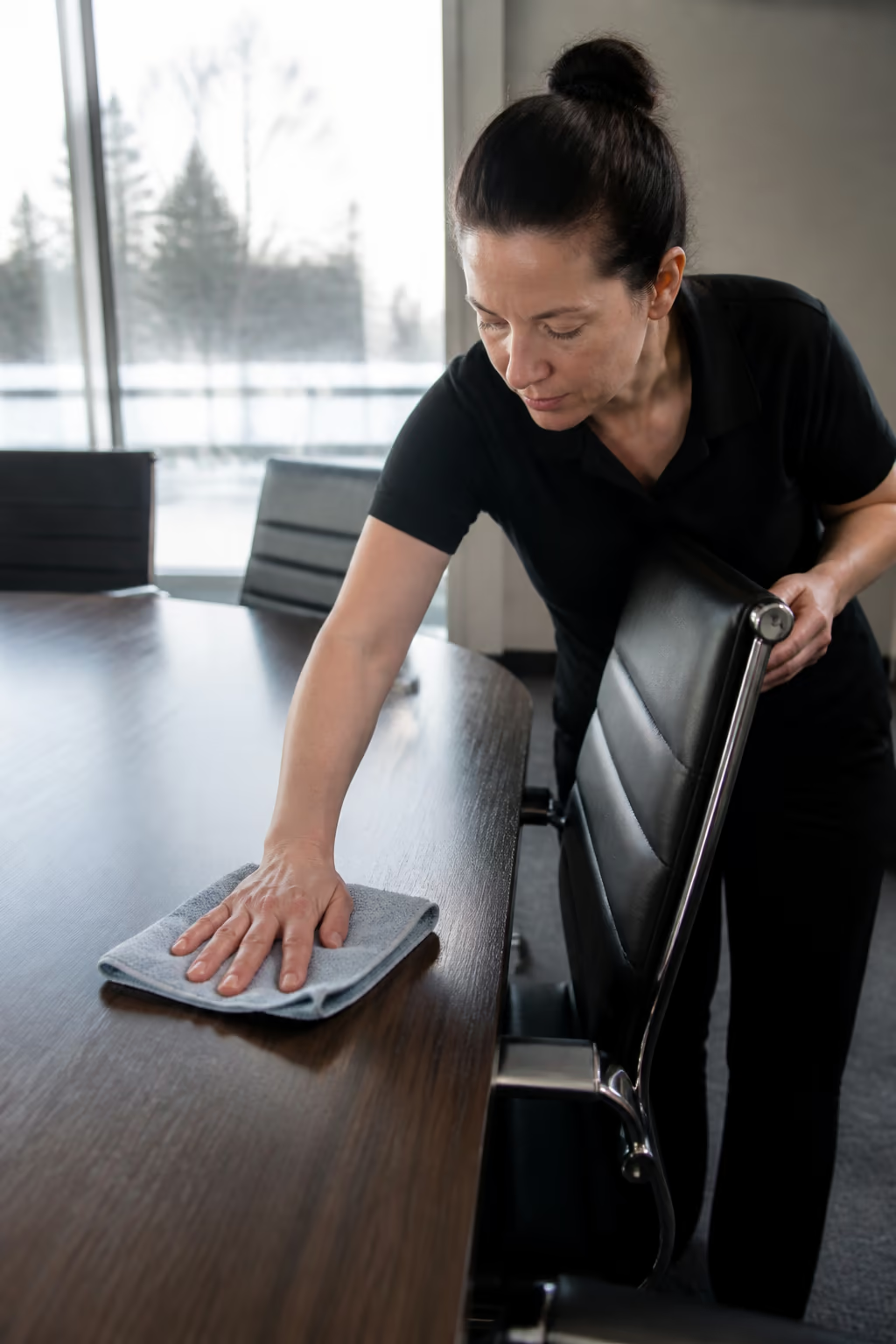
Fine materials need matched products and a light touch. Hardwood finishes should be dusted with a soft microfibre cloth and treated occasionally with a wood product meant for the finish, not a general-purpose spray that can leave a film or dull the surface.
Leather is durable but porous. It should be cleaned with a pH-balanced leather product and conditioned periodically so it does not dry out or crack. Spills should be blotted, not rubbed, and sharp objects kept off the surface.
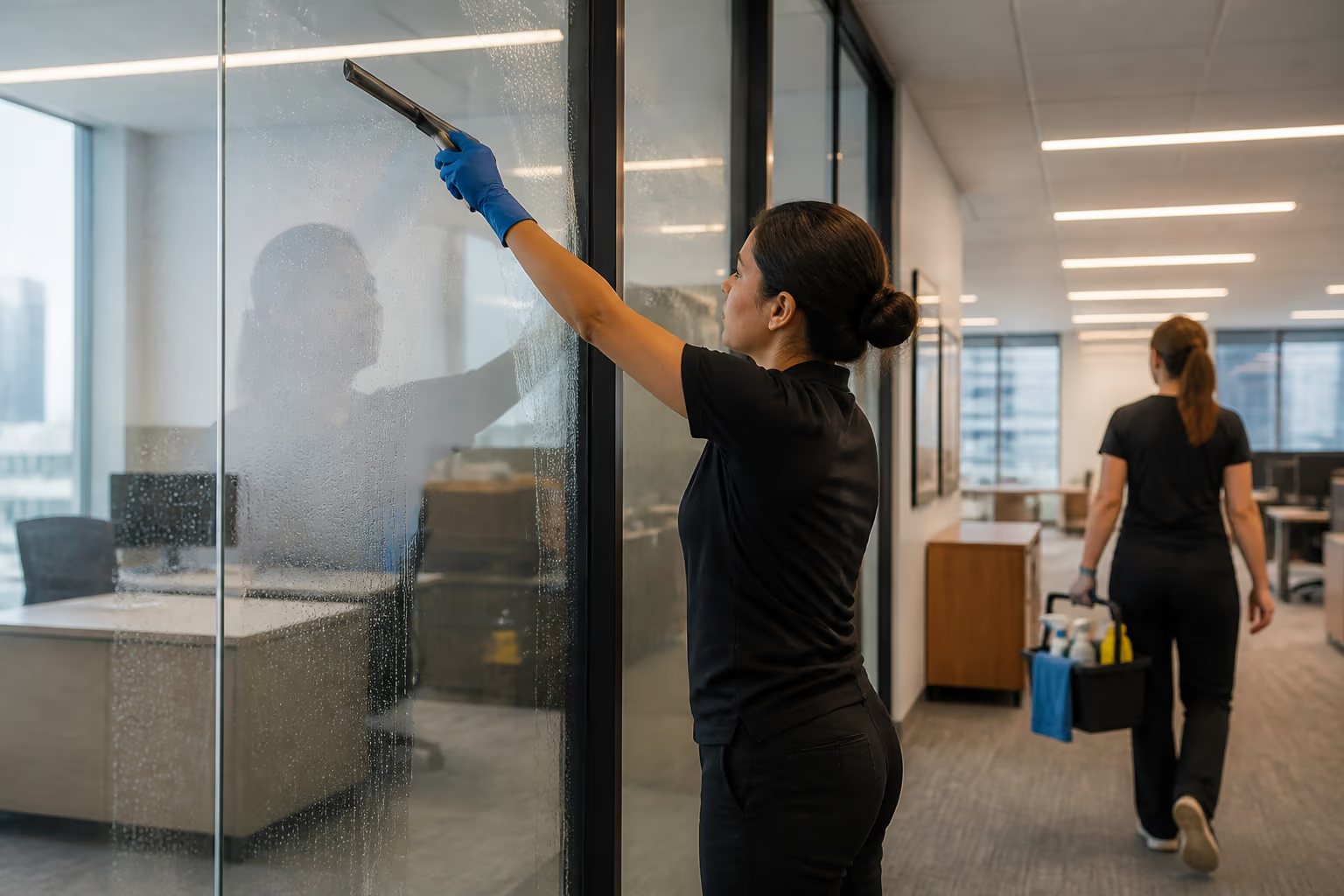
Custom glass looks its best when it is cleaned with a proper glass cleaner and a lint-free cloth, worked in a direction that leaves no streaks. Glass table tops, partitions, and doors are among the first things guests notice.
Stone and marble deserve a note of their own. Stone is porous and easily etched by acidic cleaners, so it is cleaned with pH-neutral products and sealed periodically if recommended. On a reception desk or boardroom table, the wrong cleaner can leave permanent dull marks.
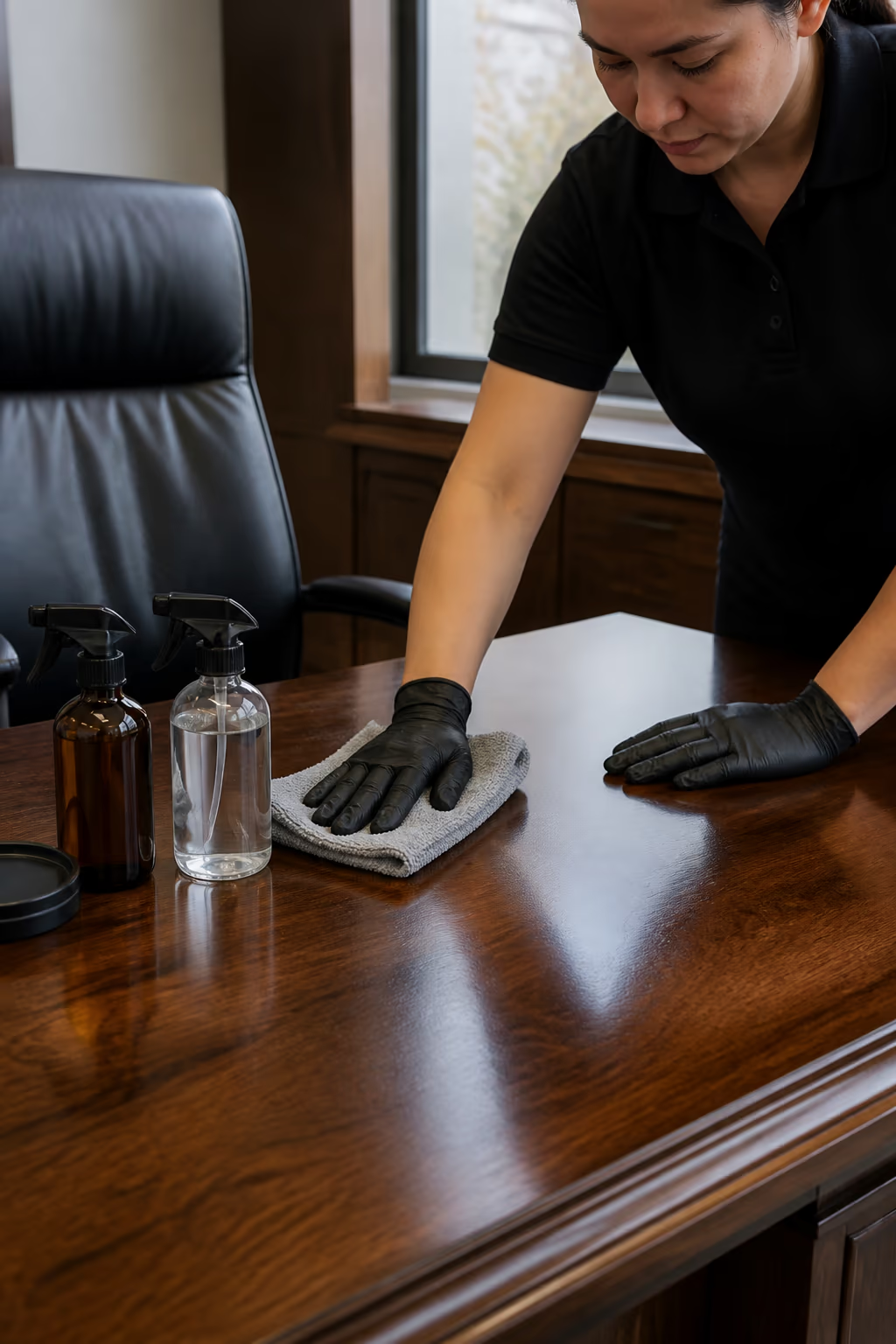
- Dust Hardwood Before Wet Cleaning: Loose grit scratches finishes when it is moved around by a damp cloth.
- Blot Spills on Leather: Rubbing pushes the stain deeper; blotting lifts it.
- Use a Streak-Free Glass Routine: Work the cleaner evenly and buff with a dry microfibre cloth.
Boardroom Readiness: What Guests Actually Notice
When guests walk into a boardroom, they notice a handful of details before anything else: the shine on the table, the condition of the seating, the state of the glass, and whether the room smells fresh rather than chemical. A premium detail covers each of those deliberately.
The table is the centrepiece, so it is cleaned and, where appropriate, conditioned so it reflects light evenly. Seating is checked for marks and crumbs, and fabric or leather is refreshed. Glass partitions and doors are polished so they do not distract from the presentation.
Finally, the room should smell neutral. That means removing food waste, emptying bins, and using low-odour products rather than masking old smells with heavy fragrance. A neutral room feels professional to everyone.
Refresh visits are a useful addition for high-use rooms. A quick mid-afternoon tidy before a late meeting, or a pre-event pass before an investor day, keeps the suite at its best without a full detail each time.
- Table Centrepiece: Polished and conditioned so it reflects the room.
- Seating Checked: Marks, crumbs, and leather or fabric refreshed.
- Glass and Doors Polished: No streaks, no smudges at eye level.
- Neutral Freshness: Bins emptied, odours removed, not masked.
Formatted Step-by-Step Executive Suite Detailing Checklist
Use this checklist for a premium detailing visit:
- Step 1.Prepare the Space:Clear the table, note any damage or spills, and bring the products matched to the materials in the suite.
- Step 2.Dust High to Low:Dust surfaces, ledges, and panelling from the top down so particles settle for the final vacuum.
- Step 3.Care for Fine Materials:Clean and condition wood, leather, and stone with the right products for each finish.
- Step 4.Disinfect Touchpoints:Disinfect handles, phones, remotes, and light switches with certified products.
- Step 5.Finish Glass and Final Inspection:Polish glass and mirrors, vacuum, and walk the room against the checklist before sign-off.
- Step 6.Scheduling professional office cleaning services in Ottawa through Good Cleaner Co. brings a trained, discreet crew to keep your executive suite meeting-ready.
Serving Executive Offices Across Ottawa
Good Cleaner Co. details executive suites and boardrooms across the capital, from the towers in the downtown core and Kanata's business parks to professional offices in Nepean, Orleans, and the Glebe. Whatever the building, the premium standard is the same.
We also work with building managers and executive assistants who need reliable, consistent service for multiple suites or floors. One point of contact, one standard, and the same discreet crew each visit keep things simple. For towers with both office and residential floors, our condo and building cleaning services in Ottawa extend the same standard to the common areas below.
Start With the Actual Situation
Before setting expectations for an executive office, look at confidential materials, access times, furniture finishes, and meeting schedules. A plan copied from another workplace can miss the issue that people deal with every day, such as access at closing time, a crowded kitchenette, or a fragile finish.
- Identify the surface or behaviour that needs attention before choosing a response.
- Set a clear order so routine work does not create extra work later.
- Keep tools, messages, and handover notes where the right person can find them.
Focus on a few concrete outcomes. A boardroom table, leather chair, display screen, or private washroom may need its own timing, tool, or care instruction. A useful routine makes the next person’s work easier and avoids asking anyone to guess what “clean enough” means. For the washroom specifically, our office bathroom cleaning standards outline the fixtures and touchpoints that matter most.
Put the agreed tasks, timing, and limits in plain language. A short list can be checked and improved; a sweeping promise about quality, safety, or service cannot.
Use a Deliberate, Low-Drama Process
The best way to protect the room without treating it like a generic workspace is usually preparation, not more force. Read labels and care instructions, use the mildest compatible method, and give the task the time it needs. If the condition is unclear, test a small inconspicuous area or ask the responsible contact before continuing.
- Use a small, labelled set of suitable supplies or agreed communication channels.
- Change a cloth, pad, or approach when it is no longer appropriate for the job.
- Stop and escalate when a surface, safety issue, or workplace concern falls outside the agreed scope.
Separate ordinary upkeep from problems that require another decision. A leak, damaged surface, missing access card, unsafe spill, or conflict between coworkers is not fixed by working faster. Record what you observed and route it to the person who can act on it.
In Ottawa, the details often change through the year: wet entryways, salt, pollen, and dry indoor air can alter the workload. Adjust the task list to the condition of the space rather than relying on a generic seasonal script.
Review What Happened and Update the Next Step
After the first few attempts, confirm the result discreetly with the authorized contact. Ask what helped, what was missed, and whether the timing created a new problem. Specific feedback such as a missed handle, unclear job duty, or crowded area at lunch is more useful than an abstract complaint.
- Check the outcome at the time the room or task is normally used.
- Escalate damage, persistent moisture, hazards, or unresolved conduct concerns promptly.
- Keep the revised instruction short enough that a new person can follow it without guessing.
Keep the review factual and brief. Notes, photographs where appropriate, or a simple checklist can show whether a concern repeats. They also help distinguish routine work from a maintenance issue, a staffing problem, or a conversation that needs a manager or qualified professional.
When the process changes, update the written scope or shared expectation before the next visit or shift. That makes the improvement repeatable and fair, and it is more trustworthy than claiming a guaranteed result.
FAQ
How is executive office cleaning different from regular office cleaning?
Executive cleaning focuses on higher-value finishes and a higher visual standard. The crew cares for fine wood, leather, and glass, works around sensitive documents, and details on a schedule that keeps the suite meeting-ready. It is the same hygiene and compliance foundation, applied with more care. Other specialized settings have their own standards too, such as our guide to dental office cleaning standards for medical practices.
Can you clean and condition fine hardwood desks safely?
Yes. We dust hardwood with soft microfibre and use products matched to the finish, rather than general-purpose sprays that can dull the surface. If a desk has a special finish or a known history, we adjust the approach accordingly.
How do you care for leather seating?
Leather is cleaned with a pH-balanced product and conditioned periodically so it stays soft and does not crack. Spills are blotted, and we avoid the harsh cleaners that strip natural oils from the leather.
Is the service discreet and confidential?
Yes. Discretion is part of the premium standard.
How often should an executive suite be detailed?
Most C-suite suites do well with daily light detailing and a deeper weekly care visit. High-use boardrooms may need a refresh before every meeting. A schedule is built around how often the space is actually used.
Do you use special products on glass and stone?
Yes. Glass is cleaned with a proper glass product and a lint-free cloth for a streak-free finish, and stone is cared for with pH-neutral products that do not etch or dull the surface.
Are the cleaning products safe for high-end finishes?
They are chosen for them. When a surface has specific requirements, the product is matched to the finish before we use it.
How do you handle sensitive documents in an executive office?
We leave documents exactly where they are and never handle or read them. The scope of work can also list restricted items or locked drawers, and the crew follows that list without exception.
What should I look for in an executive cleaning company?
Look for training, references, and a willingness to put the standard in writing. Ask how they protect fine finishes and what happens if a finish is damaged. For a structured comparison, our commercial cleaning company evaluation guide is a practical starting point.
Can you work after hours or before important meetings?
Yes. Executive detailing is often scheduled after hours or ahead of key meetings and events. We coordinate access and lockup through your building so the suite is ready exactly when you need it.
How quickly can I set up a regular detailing schedule?
Contact Good Cleaner Co. online or by phone. We do an onsite walk-through of the suite, agree on the finishes and schedule, and typically have the first detailing visit arranged within a day or two.
Do you offer one-time detailing for events or investor days?
Yes. Many firms book a one-time deep detail before investor days, client visits, and board meetings. We can also add a refresh visit the morning of an event so the space looks its best.
What should I expect during the first executive cleaning visit?
The first visit usually starts with a walk-through of the finishes and a deeper clean, including dusting high surfaces, caring for wood and leather, polishing glass, and disinfecting touchpoints. After that, we settle into the agreed routine.
Can executive cleaning be combined with regular office cleaning?
Yes. Many clients use one provider for the whole building, with executive suites detailed to a higher standard and the rest of the office on a standard program. A single contract keeps it simple.
How do you keep track of what was cleaned in my suite?
The crew uses a checklist, and supervisors do a final walk-through. If you want a record, many providers offer digital reporting or a simple note of what was done at each visit.
Are your executive cleaning technicians trained on fine finishes?
Yes. Technicians who detail executive suites are trained on fine wood, leather, stone, and glass care, and they use product lines matched to those finishes. If you have a finish you are unsure about, we test a small, hidden area first.
What if a finish is damaged during cleaning?
Professional providers carry WSIB coverage. Report any damage promptly with a photo, and the provider will make it right.
Wrapping Up
A premium executive office is about more than hygiene. It is about protecting fine finishes, respecting privacy, and keeping the room ready for the moments that matter. Contact Good Cleaner Co. today to arrange a discreet, professional detailing visit for your Ottawa executive suite.
Keep reading
More from Good Cleaner
About the author
Service areas
- Ottawa
- Kanata
- Nepean
- Orleans
- Glebe