
Office Cleaning for Small Businesses in Ottawa: Selection & Cost Guide
If you run a small business in Ottawa, your office is where your team does its best work and where your clients form their first impression of you. Keeping it clean does not have to mean hiring a full-time janitor or signing a long contract, and it should not fall on your employees to scrub the washroom between customer calls.
Quick Summary
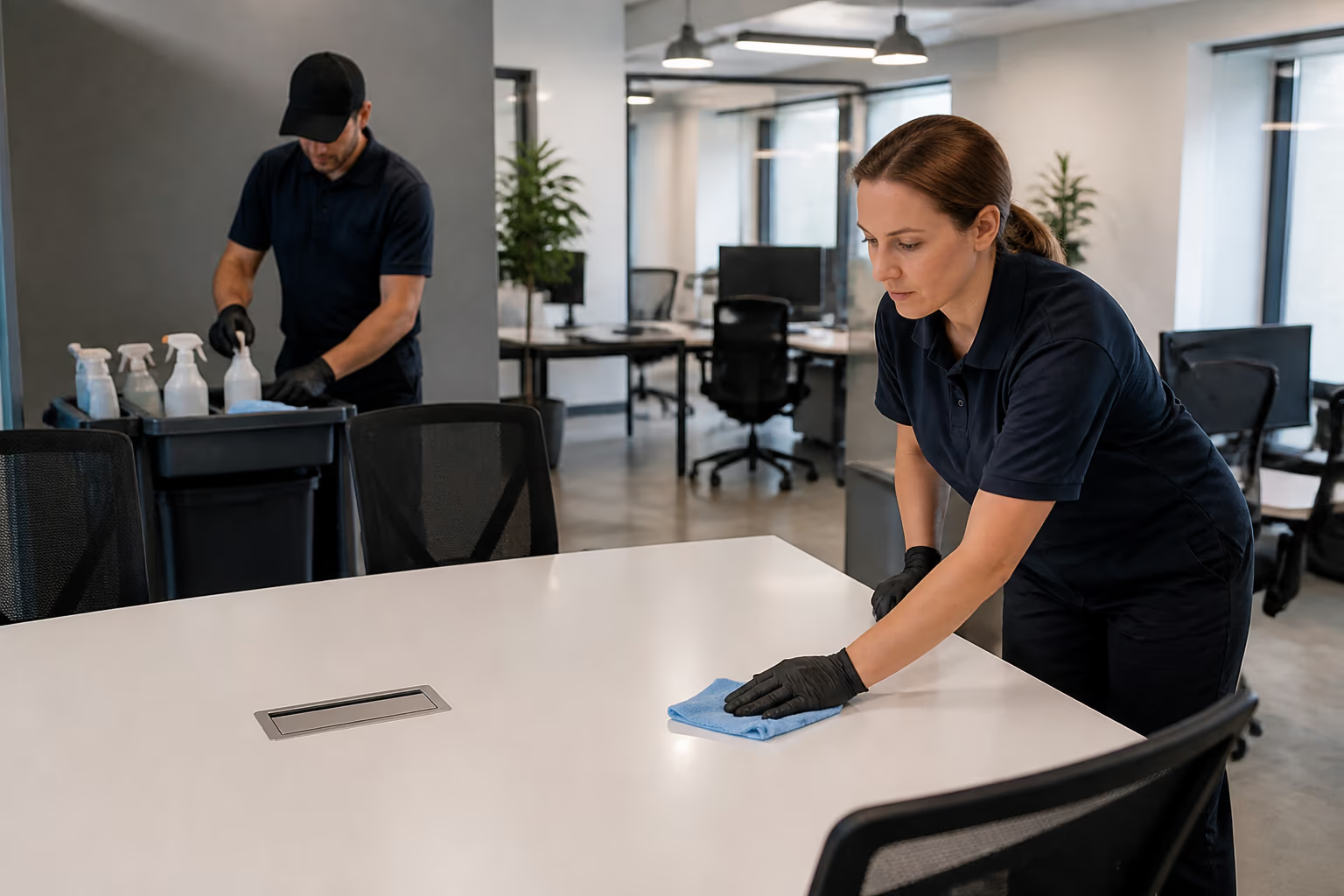
Small businesses rarely need a huge janitorial crew, but they do need a clean office that protects staff health and impresses clients. This guide explains how small-business cleaning plans work, how to pick the right visit frequency, what a standard package includes, and how to choose a company that fits your budget without locking you into a rigid contract.
In this guide
Affordable Janitorial Solutions Tailored to Small Business Budgets
Small businesses in Ottawa often run on tight monthly budgets, and a multi-cleaner janitorial contract built for a large corporate tower is simply not the right fit.
A realistic budget starts from the legal floor. Ontario's general minimum wage is $17.60 an hour from 1 October 2025 to 30 September 2026, rising to $17.95 on 1 October 2026, so the practical question for a small office is not how low a monthly figure can go, but how many properly paid cleaning hours that figure actually buys. The provincial guide defines it in one sentence: “Minimum wage is the lowest wage rate an employer can pay an employee.”
The good news is that professional cleaning scales down well. A one- or two-person crew visiting a few times a week can keep a small office genuinely clean, and the cost is a fraction of what it would take to hire, train, equip, and manage a full-time cleaner on your payroll.
When you compare the numbers honestly, the value is easy to see. A modest monthly cleaning fee buys trained staff, commercial-grade equipment, and a documented quality standard, while the in-house alternative costs you payroll, supplies, and the management time it takes to supervise and re-clean the spots your team missed.
Relying on employees to clean the office is the most expensive option of all, even though it looks free. Every hour your team spends vacuuming, scrubbing, and emptying bins is an hour away from serving customers and building the business.
For teams that want to handle small touch-ups between professional visits, reviewing our guide to making a citrus cleaner offers a natural, low-cost way to keep surfaces fresh between scheduled cleans.
Scheduled Visits vs. Occasional Deep Cleans: Finding the Right Mix
Small business cleaning usually combines two kinds of service: regular scheduled visits that keep the office tidy day to day, and occasional deep cleans that reset the space when it needs more than a surface wipe-down.
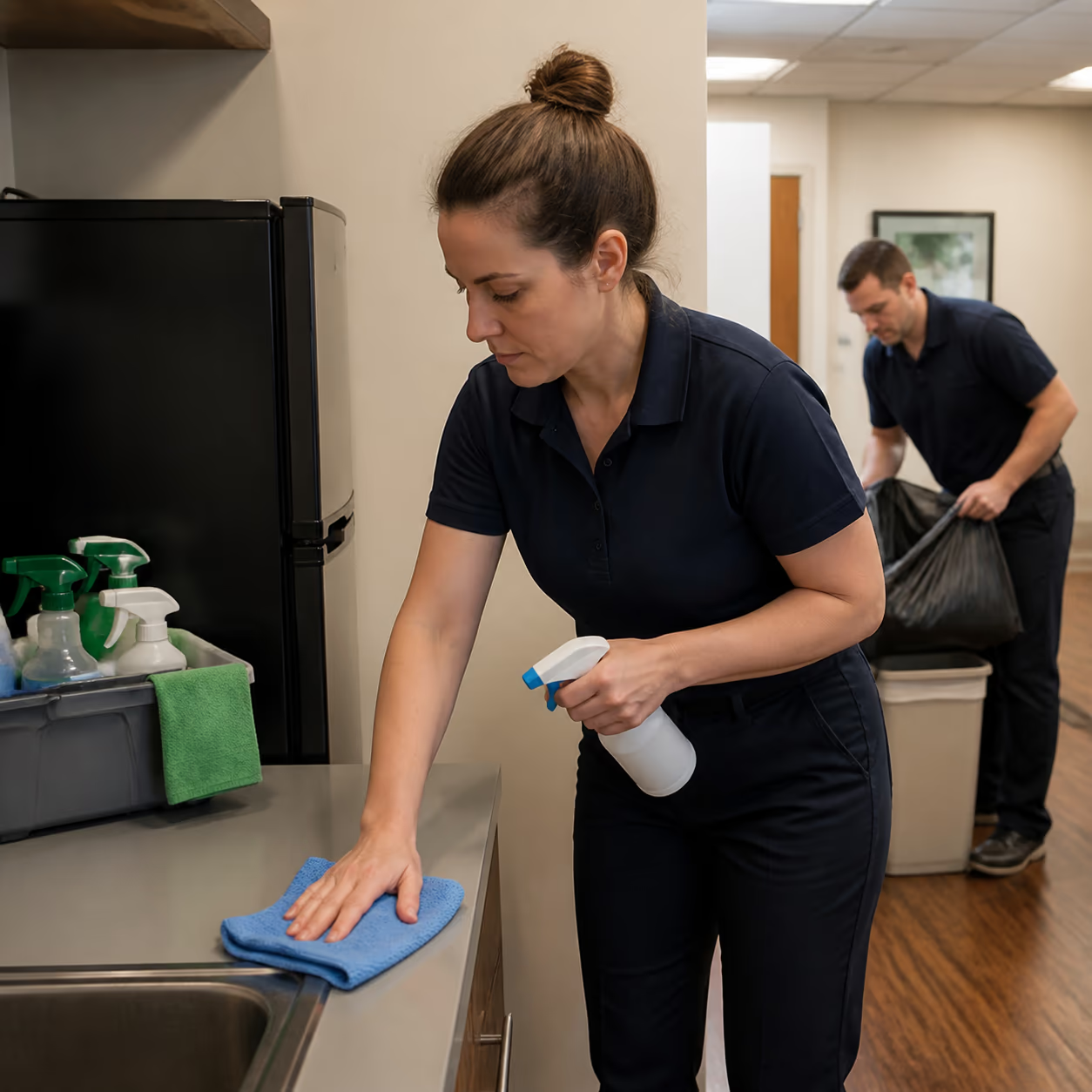
Scheduled visits are the backbone of the routine. A cleaning crew comes one, two, or three times a week and handles the daily essentials: emptying bins, vacuuming and mopping floors, wiping down desks and kitchen counters, and sanitizing the washroom. This keeps the office presentable for clients and healthy for staff on an ongoing basis.
Deep cleans happen less often but tackle the jobs a regular visit does not reach. Every month or two, the crew can give the office a reset: cleaning inside appliances, detailing the kitchen, washing interior windows, scrubbing baseboards, and refreshing upholstery and carpet in the reception area. This is the service that keeps a small office looking sharp for client visits without running up the weekly cost.
The right mix depends on your space and how you use it. A clinic with a steady flow of patients needs more frequent sanitation. A quiet back-office with a handful of staff may be fine with lighter visits. A good contractor will help you match the schedule to the reality of your business.
What a Basic Small Business Cleaning Package Includes
A standard small-business package is built around the areas your team and clients actually use. Here is what is typically covered:
- 01Waste and recycling are emptied, and bins are relined so nothing overflows or develops an odour.
- 02Floors are vacuumed or mopped, including the entryway, hallways, and open work areas.
- 03Washrooms are cleaned and sanitized, including toilets, sinks, counters, and high-touch fixtures.
- 04Desks, phones, and shared surfaces are dusted and wiped down so workstations stay tidy.
- 05Kitchen and breakroom counters are cleaned and disinfected, with sinks and appliance surfaces attended to.
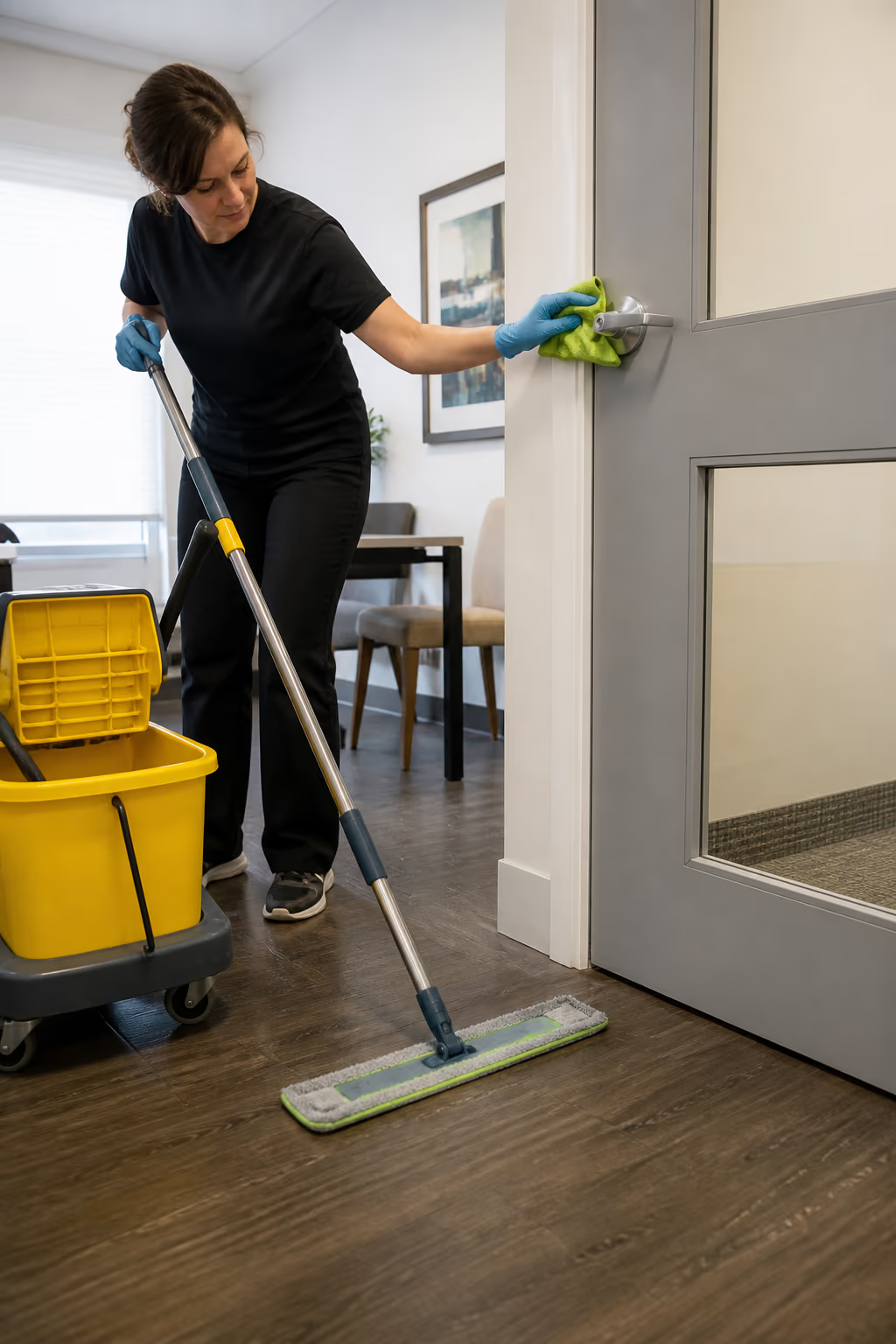
- 06Common touchpoints such as door handles and light switches are wiped down to reduce germ transfer.
Packages vary between companies, so it pays to ask exactly what is included and what costs extra. A transparent contractor puts the full list in writing before you commit, so there are no surprises on the first invoice.
Choosing the Right Cleaning Frequency for Your Office
Visit frequency is the biggest driver of both cost and cleanliness, and it should match how your office actually runs.
A small team that is mostly in the office every day benefits from at least two visits a week, with the washroom and kitchen getting attention mid-week and a fuller clean at the end of the week. A space with high visitor traffic, like a clinic, salon, or retail shop, may want the washroom and touchpoints addressed more often.
A very small or lightly used office can sometimes get by with a single thorough visit a week. The key is to look honestly at the traffic. If the washroom and kitchen are used heavily all week, one visit will not keep them fresh, and your team will notice.
The useful approach is to start with a sensible frequency, review the condition of the space after a few weeks, and adjust. A good contractor is happy to move the schedule up or down as your needs change, rather than locking you into a frequency that does not fit.
How to Vet a Cleaning Company Before You Sign
Choosing a cleaning company is about more than the monthly price. A few checks before you sign protect you from a bad experience later.
Questions to Ask Before You Book a Cleaning Company
A quick conversation with a prospective cleaning company tells you most of what you need to know, and a few targeted questions separate a good fit from a frustrating one.
Ask who exactly will be cleaning your office. Some companies send different staff on different visits, while others build a consistent crew for your space. Consistency matters for small businesses, because a cleaner who knows your layout and your expectations does a better job than a rotating cast who learns the space fresh every week.
Ask what happens if something is missed. The answer should be practical: you report the issue, and the company re-cleans it quickly, without arguments about whether it was in scope. A contractor who handles small complaints gracefully will protect your sanity far more than one with a cheaper price and a defensive attitude. It also helps to ask whether the same provider offers emergency commercial cleaning services for situations that fall outside the regular schedule.
Ask how they handle access and security. Your office holds your equipment, your files, and your clients' information, so you want a company that respects that trust. Confirm that staff are screened and that there is a clear process for after-hours access, keys, or codes.
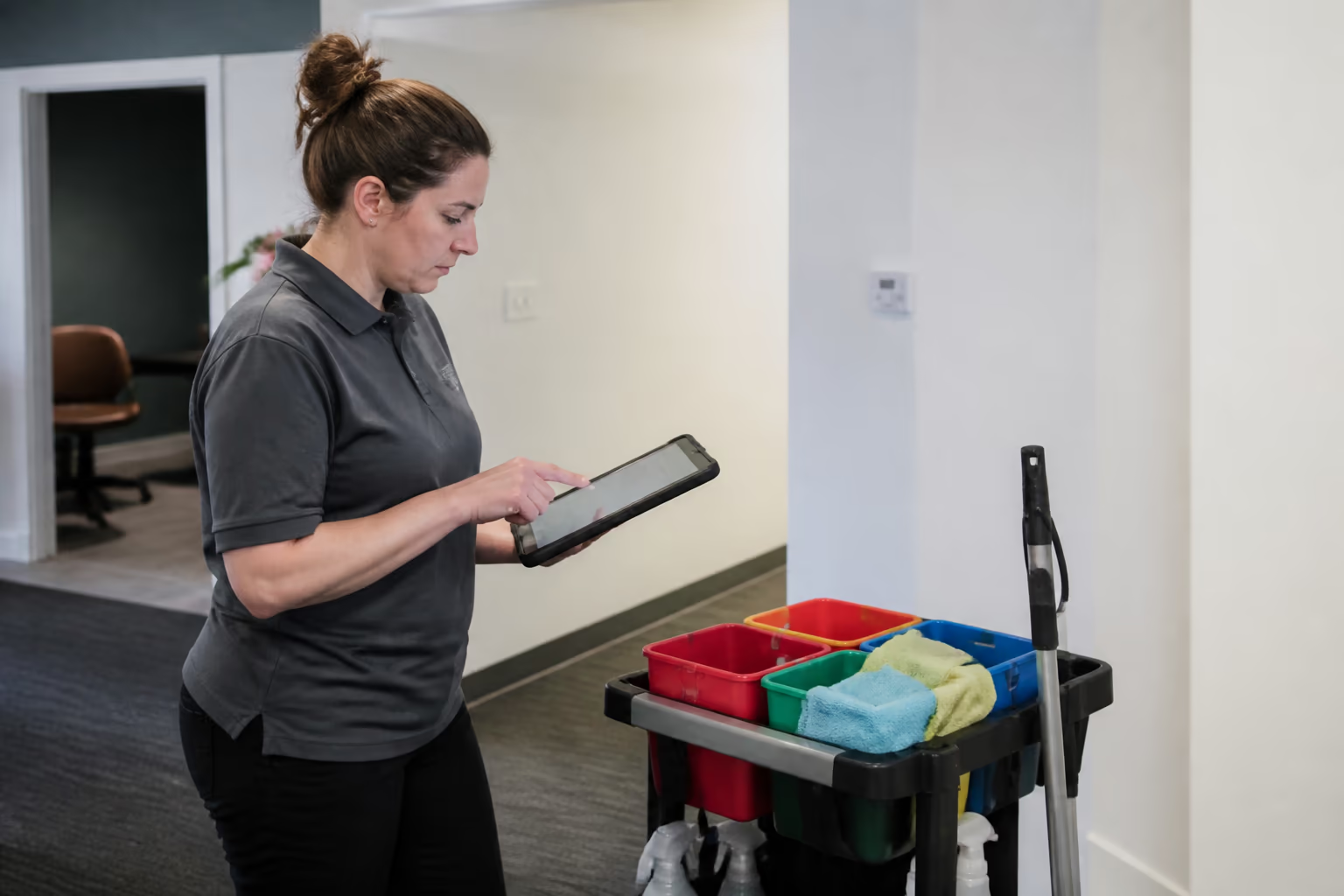
Finally, ask what the reporting looks like. You do not need a thick report every week, but you do want some record that the visit happened and the agreed tasks were done. A simple checklist or summary keeps both sides honest without turning your small office into a corporate audit.
Formatted Step-by-Step Small Business Cleaning Setup Checklist
Follow this checklist to set up office cleaning for a small business:
| Step 1.Assess Your Office Foot Traffic and Washroom Use | Look honestly at how many people use the space and which areas get the heaviest wear. |
|---|---|
| Step 2.Pick a Visit Frequency That Fits Your Budget | Choose between one and three visits a week based on team size and client traffic. |
| Step 3.Identify High-Touch Areas That Need Regular Disinfection | Prioritize the kitchen, washroom, door handles, and shared desks for health protection. |
| Step 4.Confirm Background-Checked Staff | Ask how technicians are screened. |
| Step 5.Lock in All-Inclusive Pricing With Clear Contract Terms | Get a written monthly rate that includes chemistry and equipment, with flexible cancellation. |
| Step 6.If you need a team or a recurring schedule, use commercial office cleaning services in Ottawa to discuss scope, access, and timing before deciding whether it fits. |
Serving Ottawa's Business Neighbourhoods
Small businesses across Ottawa have the same need for affordable, reliable cleaning, whether your shop is in Kanata, your clinic is in Nepean, your studio is in Orleans, or your office is downtown. Good Cleaner Co. brings the same all-inclusive standard to small businesses across the capital region, so you get a predictable monthly rate and a clean office no matter which neighbourhood you call home. A closer look at top-notch commercial cleaning services in Ottawa can help you see what that standard looks like in practice across different business types.
Practical planning for this situation
For an owner with a limited budget and active premises, the sensible starting point is planning cleaning for a small business. Begin with a walk-through and write down customer areas, staff spaces, washrooms, waste, access, timing, and the few tasks that matter most. That gives the work a real boundary and avoids treating a generic package as if it already understood the space.
Use the written notes to decide what belongs in a regular routine and what needs separate time, access, or approval. The useful test is whether another person could read the scope and understand the task without being told to rely on a promise.
Seasonal considerations in Ottawa
Local conditions matter, but they do not require a script. In this topic, winter salt, changing foot traffic, and busy periods may shift priorities without requiring a complicated program. Review the condition of the actual space before changing the products, equipment, or frequency.
A short seasonal review is usually enough: notice what has changed, name the affected area, and agree on the practical response. That keeps maintenance connected to the property rather than a broad list of place names.
Safe, responsible cleaning
Choose methods that suit the material and follow the product or equipment instructions. Keep people away from a wet or actively cleaned area, and stop when a surface reacts unexpectedly.
When a task involves an unfamiliar finish, access issue, or safety concern, ask before continuing. A careful pause is more useful than a confident shortcut and protects the people using the space.
How to review the routine
Before changing the routine, take a few minutes to describe the present condition in plain language. Start with customer areas, staff spaces, washrooms, waste, access, timing, and the few tasks that matter most. This makes it possible to decide what is necessary without inflating a small issue into a large project.
Ask the people who use the space what causes the most friction. Their answer may be a difficult entry, a storage gap, a time when work cannot happen, or a surface that needs a gentler method. Those details are the basis for a useful plan.
Try one visible adjustment at a time. Record why it was made, what area it affects, and what a satisfactory result looks like. That approach is easier to review than changing a whole routine at once.
Keep feedback specific: name the room, surface, timing, and expected result. Clear notes help a household, volunteer group, or service team work through a problem without blame or vague expectations.
Revisit the plan after a genuine change in use, condition, or season. A routine should be steady enough to follow and flexible enough to stay useful.

FAQ
How much does small business office cleaning cost in Ottawa?
Small business office cleaning is priced by the size of your space and how often you need visits, so the monthly rate varies from one office to the next. Most small-business plans are built around a modest monthly fee that reflects square footage, washroom count, and weekly frequency, and a transparent contractor gives you a written quote before you commit.
Is a long-term contract required for small business cleaning in Ottawa?
No. Many small businesses prefer flexible month-to-month arrangements with a short cancellation notice, and good contractors offer those terms. Avoid long multi-year commitments unless the business genuinely needs them.
What cleaning tasks are included in a standard small business janitorial package?
A standard package typically covers washroom cleaning and sanitization, desk and surface dusting, trash removal and bin relining, floor vacuuming and mopping, and kitchen counter disinfection. Ask for the full list in writing so you know exactly what your monthly fee covers.
How many times a week does a small office need cleaning?
It depends on traffic. A busy clinic or client-facing shop often benefits from two or three visits a week, while a quiet back-office with a handful of staff may be fine with one thorough visit. Review the condition of the space after a few weeks and adjust from there.
Can the same company handle both regular cleaning and occasional deep cleans?
Yes. Most professional contractors offer scheduled visits and periodic deep cleans as separate services, so you can keep the weekly routine lean and add a deeper reset every month or two when the space needs it.
How is a small business cleaning rate calculated?
Rates are driven mainly by three factors: total square footage, how many visits you need each week, and how many washrooms and high-use areas require attention. The exact number comes from a walkthrough and a written quote, not a generic price list.
Should my cleaning company supply its own equipment and chemicals?
Usually yes, and it is a good thing when they do. Professional-grade equipment and commercial chemistry are expensive to buy yourself, and an all-inclusive fee that covers them keeps your costs predictable and your results consistent.
What happens if the washroom runs out of supplies between visits?
Stock levels depend on your usage, and it is worth reviewing them with your account manager after the first few weeks so the schedule can be tuned. Many contracts keep basic consumables in the fee, while others itemize paper products separately.
Is it worth having your team clean instead of hiring a professional?
Rarely. Employee cleaning costs more than it looks like once you count the productive hours lost, and the results are usually inconsistent. A professional gets the job done to a documented standard for a predictable fee.
How do I switch to a new cleaning company cleanly?
Ask your current provider about the notice period, then line up the new contract to start soon after. Confirm the new company's start date and pricing in writing, and do a walkthrough together on the first visit so expectations are clear.
Wrapping Up
Tailored small business commercial cleaning keeps your office healthy and presentable without blowing the budget or locking you into a rigid contract. Contact Good Cleaner Co. today to book commercial office cleaning in Ottawa and get a plan that fits the way your business actually works.
Keep reading
More from Good Cleaner
Services that fit
- Professional Office Cleaning Services in OttawaNightly and after-hours office cleaning for corporate offices, clinics and professional suites, with after-hours scheduling and eco-friendly products.
- Commercial Janitorial ServicesComplete facility hygiene for multi-tenant buildings, retail spaces and clinics, built to fit real budgets and real schedules.
About the author
Service areas
- Ottawa
- Kanata
- Nepean
- Orleans
- Barrhaven
- Downtown