
What Is Included In Commercial Cleaning Services: Complete Guide
Commercial cleaning is not a single service; it is a package of tasks, schedules and standards that keeps a business space clean, safe and presentable. This complete guide explains what is typically included, how commercial and residential cleaning differ, and how to build a scope that fits your Ottawa business.
Quick Summary
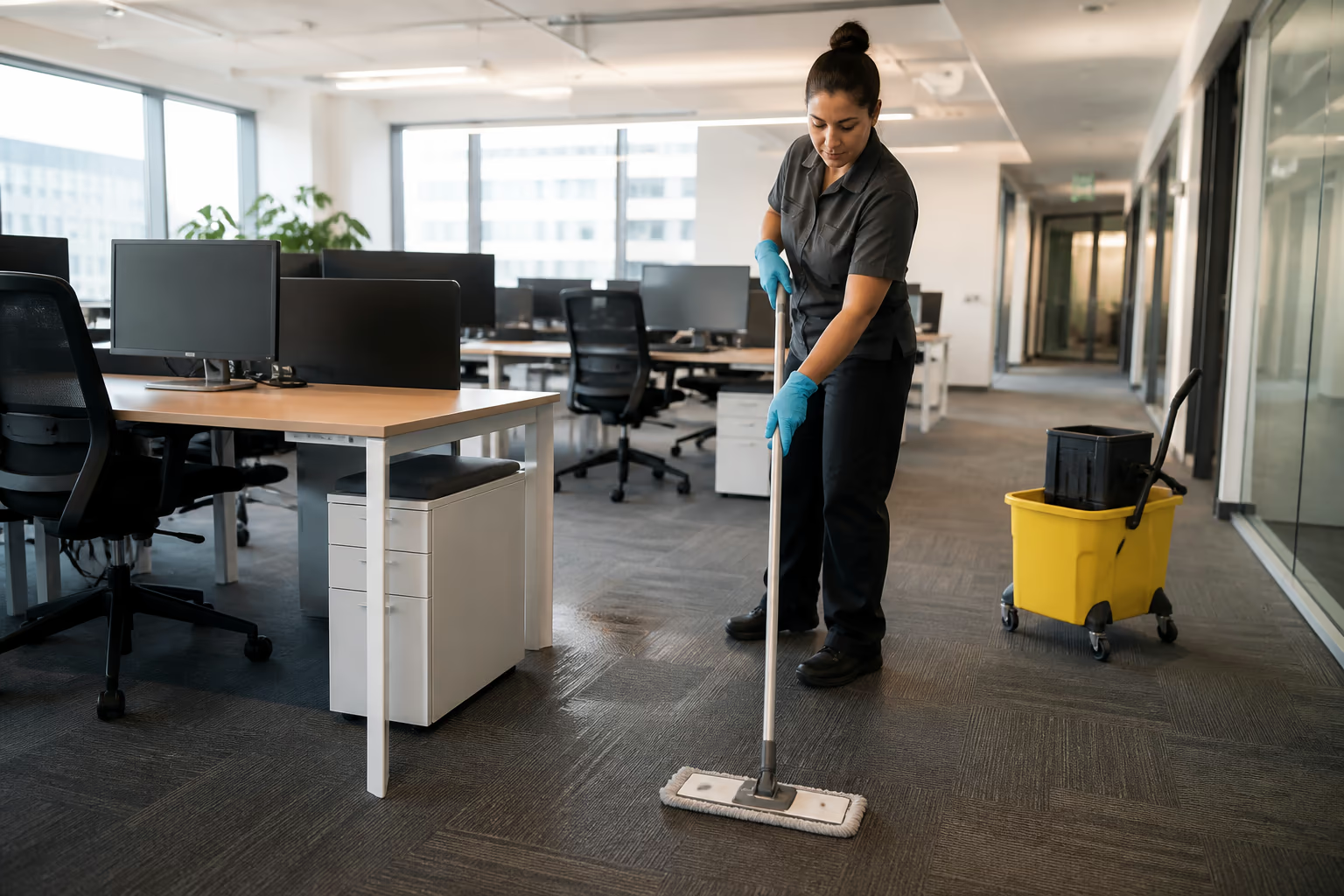
Commercial cleaning is a scheduled package of daily services, such as washroom care, high-touch surface wiping and waste removal, plus periodic deep cleaning that reaches build-up the daily pass cannot. The scope, standards and supporting structure scale to fit any Ottawa business space.
In this guide
What Commercial Cleaning Covers
Commercial cleaning covers the regular cleaning of business and institutional spaces, from offices and medical clinics to retail stores and common areas. It is designed around the reality of a working environment, where people come and go, surfaces are touched constantly, and appearance matters to staff and customers alike.
The word "commercial" marks the difference in scale and standards rather than a single task list. A commercial service is built around a schedule, often daily or a few times a week, and a defined scope that is written down and repeated so the result is consistent.
The scope is usually set by the business. Some spaces need a daily pass on the washrooms and floors, while others need a thorough weekly clean with monthly details. The right package matches the type of business, the traffic and the hours the space is open.
Because the service is professional, it also brings the supporting structure: trained staff, approved products and a point of contact who keeps the standard on track. That structure is part of what you are paying for, even though it is not visible in the finished clean.
The scale of a commercial service also means it can be tailored to almost any building, from a single suite to a full office tower. The scope scales with the space, and the same principles, the schedule, the checklist and the standard, apply whether the building is two rooms or two floors.
Standard Daily Services
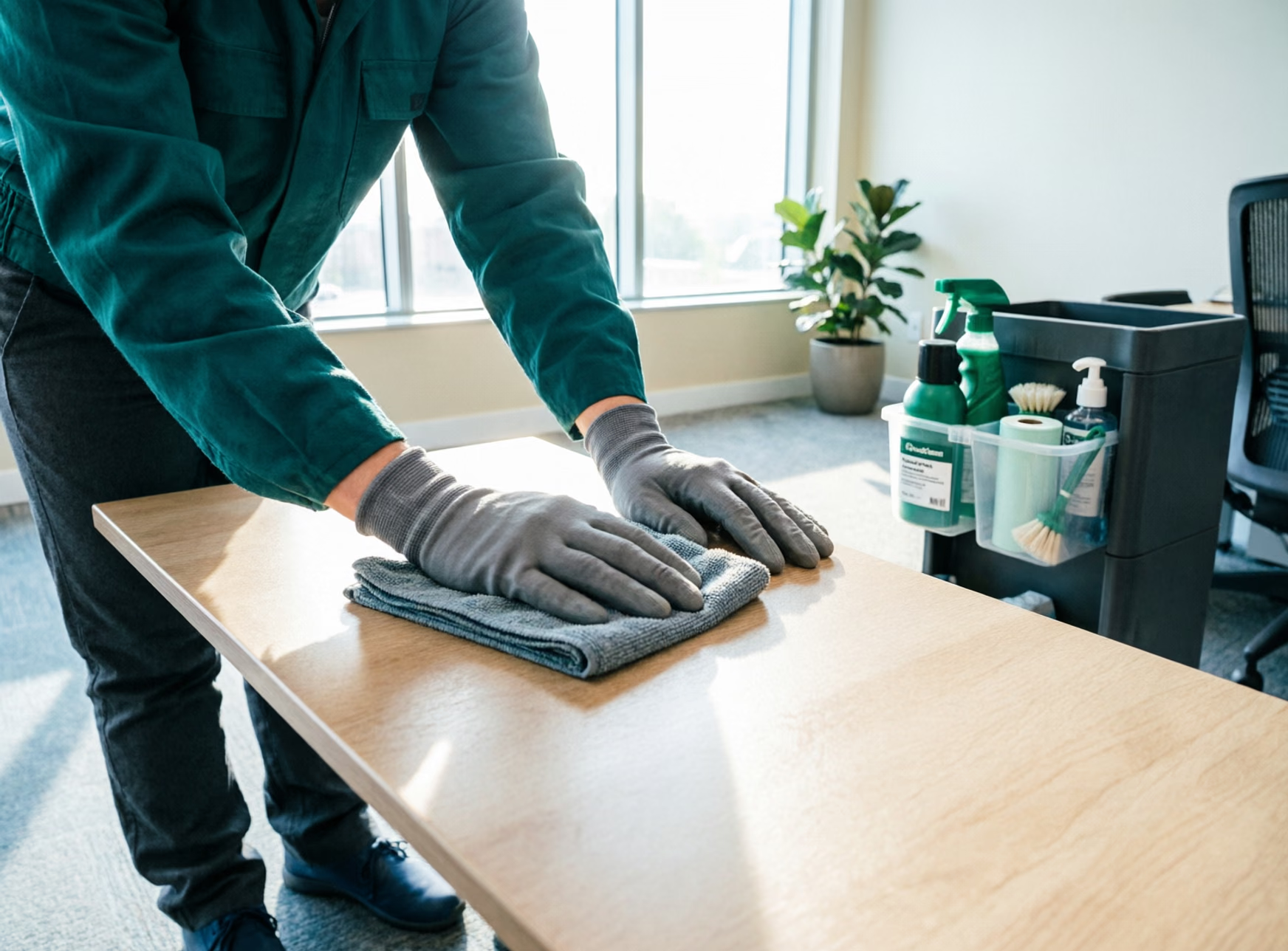
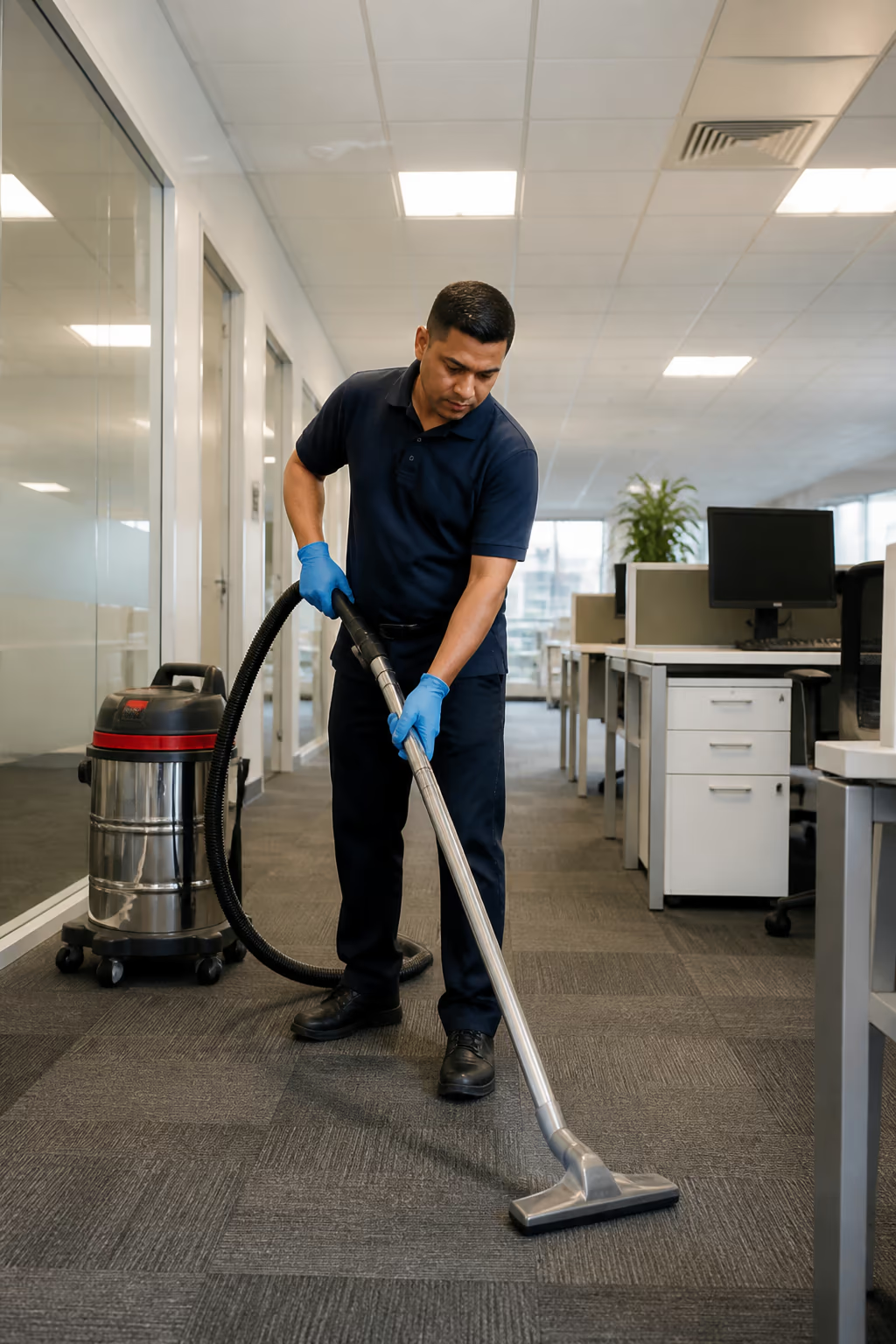
The daily service is the backbone of commercial cleaning. It keeps the space liveable between deeper work, and it is usually scheduled around the business so the cleaning happens when it will not get in the way.
- 01Emptying waste and recycling bins, and replacing liners.
- 02Cleaning washrooms, including toilets, sinks, counters, mirrors and fixtures.
- 03Wiping high-touch surfaces such as handles, switches, railings and elevator buttons.
- 04Tidying kitchens and break rooms, including counters and tables.
- 05Vacuuming or sweeping main traffic areas.
- 06Restocking paper products and soap.
The daily pass is deliberately focused. It handles the surfaces that people touch and the spaces that everyone uses, and it leaves the deeper work for the weekly and periodic visits. That division of effort is what keeps a daily service efficient and affordable.
For a busy business, the daily routine is what protects the health of the people inside. High-touch surfaces are the fastest route for cold and flu viruses through a workplace, and wiping them every day is one of the simplest preventive measures a facility can take.
The daily service also adapts to the building. A small office might have one washroom and one kitchen, while a large facility has dozens of each, and the scope scales accordingly. The daily pass is the same in principle, but the size of the building decides how much time and how many staff the visit needs.
Deep Cleaning and Periodic Services
Deep cleaning is the thorough version of the service. It covers the routine and adds the build-up that a daily pass cannot reach, and it is usually scheduled weekly, monthly or seasonally depending on the space.
- 01Detailing washrooms, including fixtures, partitions and grout.
- 02Cleaning kitchens and appliances, including ovens, fridges and coffee machines.
- 03Dusting vents, blinds, window sills and other out-of-reach surfaces.
- 04Cleaning baseboards, door frames and other edges.
- 05Mopping hard floors properly and spot-treating carpets.
- 06Cleaning interior windows and glass surfaces.
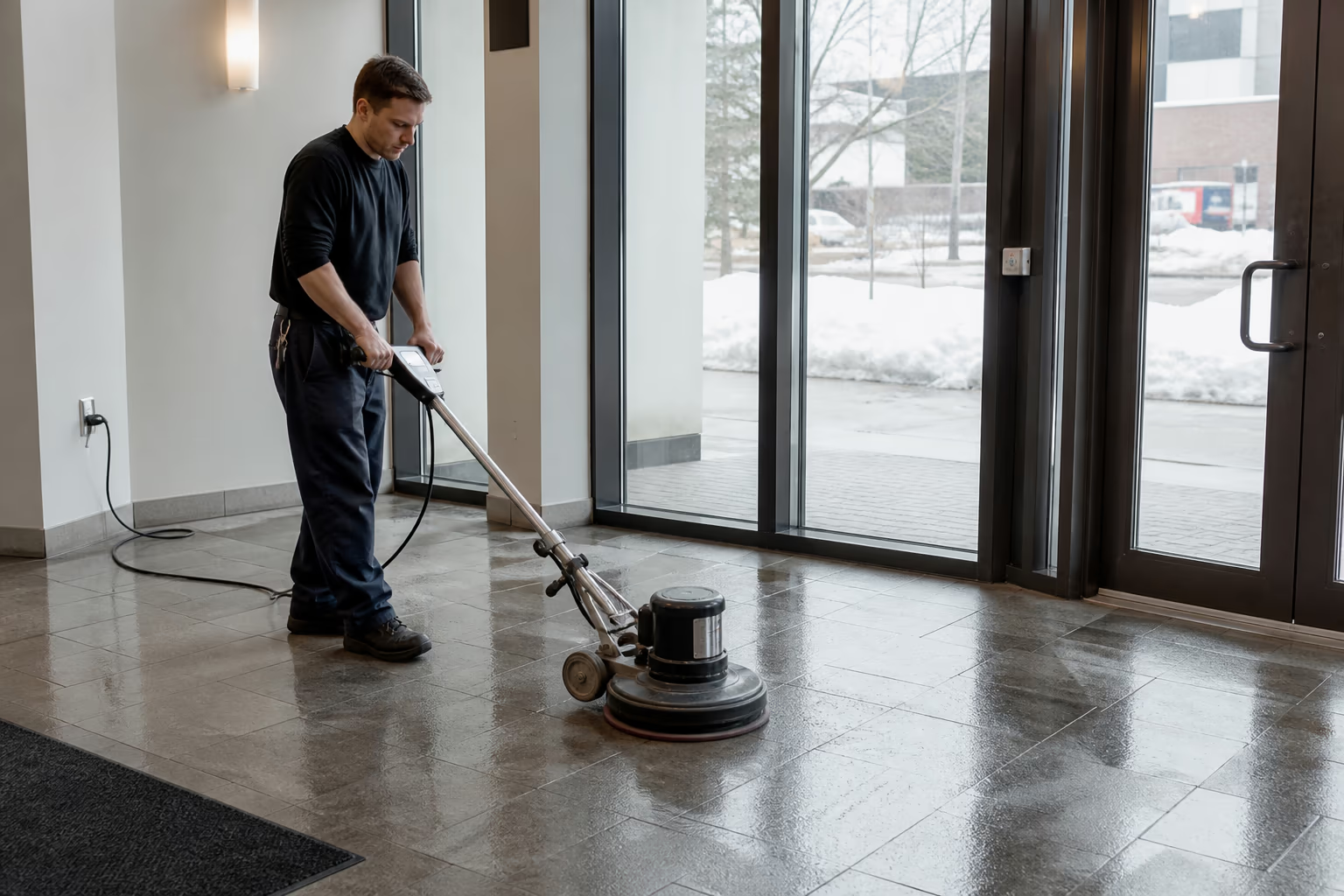
A deep clean is a reset for the space. It lifts the layers that a routine passes over, and it is the service that makes a facility feel genuinely cared for rather than just maintained.
Many businesses pair the two. A daily service keeps the everyday standard, and a weekly or monthly deep clean handles the rest. That combination gives most commercial spaces a level of cleanliness that one service alone rarely reaches.
In an Ottawa facility, the periodic work also carries the seasons. Winter salt and sand build up in entryways and on floors, and a monthly deep clean removes the residue that a daily pass never fully lifts. Spring pollen and summer dust add their own demands to the schedule.
Washrooms and Kitchens in a Commercial Setting
The washrooms and kitchen are the two spaces in a commercial building where cleanliness is noticed immediately, and they are the two spaces where the standard matters most. A good commercial service treats them as priorities.
In a commercial washroom, the service covers more than the obvious surfaces. Toilets, urinals, sinks, counters, mirrors and floors are the visible work, and the details, the dispensers, the handles, the stall edges, are the work that keeps a washroom feeling genuinely clean. Restocking soap and paper is part of the routine.
The kitchen or break room needs the same care. Counters, sinks, tables, microwaves and coffee machines collect residue and crumbs, and they are the surfaces where food and hands meet. In a shared kitchen, a weekly wipe-down is the minimum, and the appliance interiors deserve their own rotation.
Beyond the obvious, a commercial service protects the people who use these rooms. In Canada, the products used on these surfaces matter, and a professional company chooses disinfectants with Health Canada approval, including a Drug Identification Number or DIN registered for the intended use. Following the label, including how long a product stays wet, is what makes disinfection effective.
Restocking is a small detail with a large effect. A washroom that runs out of soap or paper mid-day is a facility problem, not a cleaning problem, and a good daily service keeps supplies topped up so the room never feels neglected between visits.
Floors, Windows and Building-Specific Work
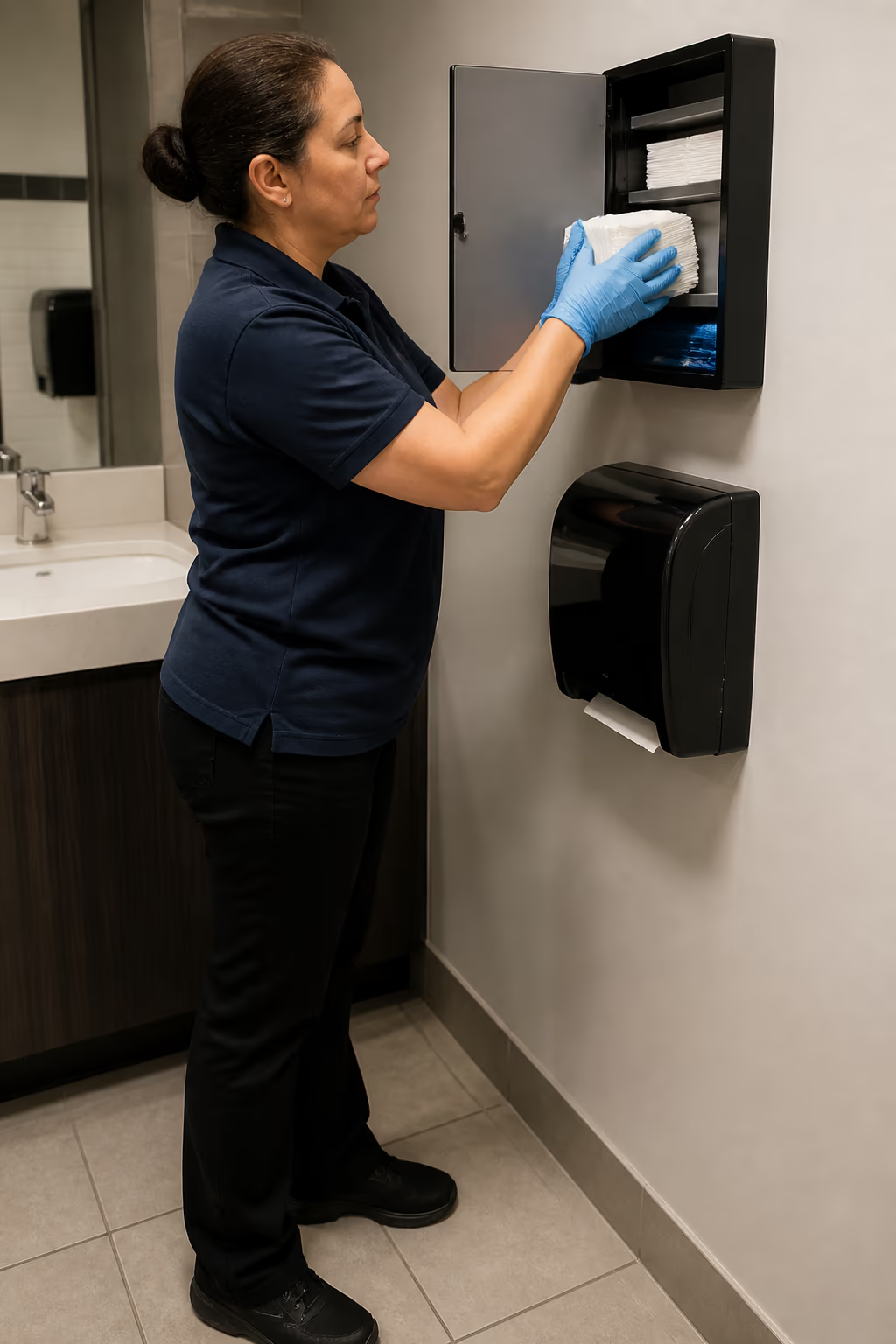
Floors are the largest surface in most commercial spaces, and the cleaning routine depends on the flooring material. Hard floors are swept and mopped, carpets are vacuumed and spot-cleaned, and both are protected with the right products for the surface.
Window care sits at the edge of most standard packages. Interior glass and sills are often included in a periodic service, while exterior window washing is usually a separate job that requires equipment and access. Knowing the difference keeps the scope honest.
Different buildings add their own work. A clinic or lab has hygiene priorities, a retail store has display and entry standards, and a gym has equipment and locker rooms that need daily attention. The scope should reflect the building, not a generic template.
For a building with common areas, the public surfaces matter too. Lobbies, corridors, stairwells and elevator cabs are the parts of the building that visitors see first, and a commercial service keeps them presentable as part of the routine.
What Is Typically Excluded
Understanding the boundary of a commercial service is as useful as understanding what is covered. Most packages are built for the routine, and the specialist work sits outside the scope and gets quoted separately.
- 01Carpet extraction and hot water cleaning.
- 02Stripping and waxing hard floors.
- 03Exterior window washing.
- 04Post-construction cleaning.
- 05Hazardous waste handling.
- 06Cleaning of specialist equipment or sensitive electronics.
None of these are unreasonable requests; they simply need a different service and a different quote. The value of a commercial package is that the routine is consistent and predictable, and mixing one-off specialist work into the same visit can compromise both.
The honest approach is to ask for the scope in writing. A provider that can show you what is included and what is not, before you sign, is a provider that respects your time and your budget. Vague proposals tend to hide surprises for later.
If you have a specialist need, it is better to name it early. A company that offers carpet care, window washing and hard-floor maintenance alongside its standard service can bundle the work into a sensible schedule.
How Canadian Businesses Choose a Scope
The right commercial scope starts with the building and its use. Walk the space, note the rooms that get heavy traffic, and decide the frequency that holds the standard you want. Then compare proposals against that list rather than against each other. For a broader look at national pricing patterns, our commercial cleaning cost in Canada guide compares ranges across major markets.
The type of business shapes the plan. An office needs daily washrooms and a weekly thorough clean, while a restaurant needs daily attention to the kitchen and dining areas, and a medical office has hygiene requirements that a standard office does not. Choose a provider that understands your sector. Our commercial cleaning checklist by industry breaks down these sector-specific priorities in more detail.
The hours also matter. A business that runs nine to five needs cleaning in the evening or early morning, while a 24-hour facility needs a service that fits a rotating schedule. Confirm the provider can match your hours before you commit.
Cost is a factor, but not the only one. The price should be fair for the scope, and comparing itemised quotes is the fairest way to judge value. The cheapest proposal is rarely the best once training and reliability are factored in. Our average commercial cleaning cost Ottawa breakdown gives a sense of typical ranges before you request quotes.
It is also worth asking how the provider will handle a missed task or a quality concern. A written process for complaints and a point of contact who responds quickly make the service easier to manage, and they protect the standard over the long term.
Products, Training and Compliance
The products and training behind a commercial service are what separate a professional from a generalist. In Canada, the cleaning products used in commercial settings are regulated, and a professional company selects them with care.
Compliance has a concrete shape in Ontario. Ontario's WHMIS legislation requires suppliers to label hazardous products and provide safety data sheets, and requires employers to pass that information to workers through an education program, so training and paperwork are part of the service you are buying. The province states the supplier duty: “Suppliers of hazardous products must label their products and give safety data sheets before they sell or import them.”
- 01WHMIS 2015 training teaches staff to handle cleaning chemicals safely.
- 02Disinfectants with a Health Canada DIN are registered for use in Canada.
- 03EcoLogo-certified products offer a lower-impact choice.
- 04Safety Data Sheets are available for every product on site.
- 05Storage and disposal follow the product labels.
For a business, compliance is not an abstract idea. If staff ask what chemicals are used in the building, the answers should be clear. A professional company makes that easy.
Training shows up in the work as well. Staff who understand products use them at the right strength, for the right time, on the right surface, and they handle spills and accidents correctly. That training protects the building, the occupants and the crew.
There is a practical difference between products that are "green" and products that work on commercial soils. The best choices balance both, a certified lower-impact option that still meets the label requirements for the job, and a professional company makes that selection part of the service rather than a box to tick.
Good Cleaner Co. builds its commercial service around this kind of consistency: background-checked staff, documented routines, approved products and a point of contact who keeps the standard on track. When you work with a team like that, the service stops being something you manage and becomes something you rely on.
When you are weighing providers, our guide to choosing a commercial cleaning company is a useful starting point for the questions that matter, from training to how a company checks quality.
The Commercial Cleaning Contract
A commercial cleaning contract turns the agreed scope into a working document. It should name the tasks, the frequency, the products, the hours and the way the two sides handle changes, and a clear contract is what makes the service predictable month after month.
Most contracts run on a recurring basis, weekly or monthly, with a review built in. The review is the moment to adjust the scope as the building changes, whether that means more washroom visits in a busy season or a deep clean before an inspection.
A good contract also protects both sides. It sets the notice needed to change or cancel the service, the process for damage and complaints, and the expectations for access and security. When the terms are written down, the relationship runs on clarity rather than guesswork.
Formatted Step-by-Step Commercial Cleaning Checklist
Use these five steps to build a commercial cleaning scope that works.
- 1.Walk the building and list every task the space needs, from the washrooms to the floors, so nothing is left to memory.
- 2.Sort the tasks by frequency, daily, weekly and monthly, and add the seasonal work that Ottawa winter and spring demand.
- 3.Assign each task a standard, a clear definition of what "done" looks like, so there is no debate about the result.
- 4.Confirm the provider's scope in writing, including what is quoted separately, before you sign.
- 5.Review the service after the first few visits and adjust the frequency or the tasks as the building actually behaves.
- 6.If you want a trained team that follows this routine for you, our office cleaning programs in Ottawa are built around your schedule and your standards.
FAQ
What is the difference between commercial and residential cleaning?
Commercial cleaning serves business and institutional spaces, with a schedule, a written scope and professional standards. Residential cleaning serves homes, with routines built around a household's size and preferences. The scale, the schedule and the standards differ.
What is usually included in a commercial cleaning package?
A typical package includes washrooms, kitchens, floors, high-touch surfaces, bins and the periodic work like vents and windowsills, on a schedule that matches the building. The exact scope is written down so both sides agree on the standard.
How often should commercial spaces be cleaned?
Most offices run a daily or a few-times-a-week service with a deeper clean weekly or monthly. Restaurants, clinics and high-traffic spaces often need more, and the right frequency depends on the building and its use.
Are the products safe for my staff and customers?
Professional companies use approved products and trained staff, and they can switch to low-fume or EcoLogo-certified options. Disinfectants are chosen with Health Canada approval, and the crew follows the label so treated spaces are safe.
Do I need to provide supplies for the cleaning crew?
Most commercial services bring their own equipment, products and supplies. Confirm this before you book, because a company that carries everything makes the routine simpler and the results more consistent.
What should I look for in a commercial cleaning proposal?
Look for a written scope that lists the tasks, the frequency, the products and anything quoted separately. An itemised proposal is easier to compare, and it protects you from surprises in the first invoice.
Can the schedule work around my business hours?
Yes, most providers will match your hours, whether that means evening cleaning, early morning work or a schedule that fits a rotating shift. Confirm the timing before you commit.
How do I know the cleaning is actually being done?
Look for a provider with an inspection step and a point of contact. A written checklist or a simple sign-off makes the standard visible and gives you a way to confirm the work between visits.
Wrapping Up
Commercial cleaning is a package of tasks, schedules and standards that keeps a business space clean, safe and presentable: daily essentials, weekly thorough work, monthly details and washrooms and kitchens that are never neglected. The scope should be written down, the products should be approved, and the team should be trained and consistent. When you find a provider that delivers that, the routine stops being something you worry about and becomes something you rely on. Contact Good Cleaner Co. for a free quote and a cleaning plan tailored to your business and your schedule.
Keep reading
More from Good Cleaner
Services that fit
- Professional Office Cleaning Services in OttawaOffice cleaning services in Ottawa for corporate offices, clinics and professional suites. After-hours scheduling, eco-friendly products, free quote.
- Janitorial Services in OttawaRecurring janitorial services in Ottawa for offices, warehouses, retail, dealerships and schools. Eco-friendly commercial cleaning, customized plans.
About the author
Service areas
- Ottawa
- Kanata
- Nepean
- Orléans
- Barrhaven