
Soap Vs. Degreaser On Grease
Grease in the kitchen is a fact of life, whether it builds up behind the stove, on the range hood or along the backsplash after months of cooking. When it is time to clean, the same question comes up again and again: should I reach for ordinary soap or a dedicated degreaser? The short answer is that both have a place, and the right choice depends on how much grease you are dealing with and what surface it is on. This guide explains how soap and degreasers each remove grease, when to use one over the other, and the practical steps that keep kitchen surfaces clean without damaging them.
Quick Summary
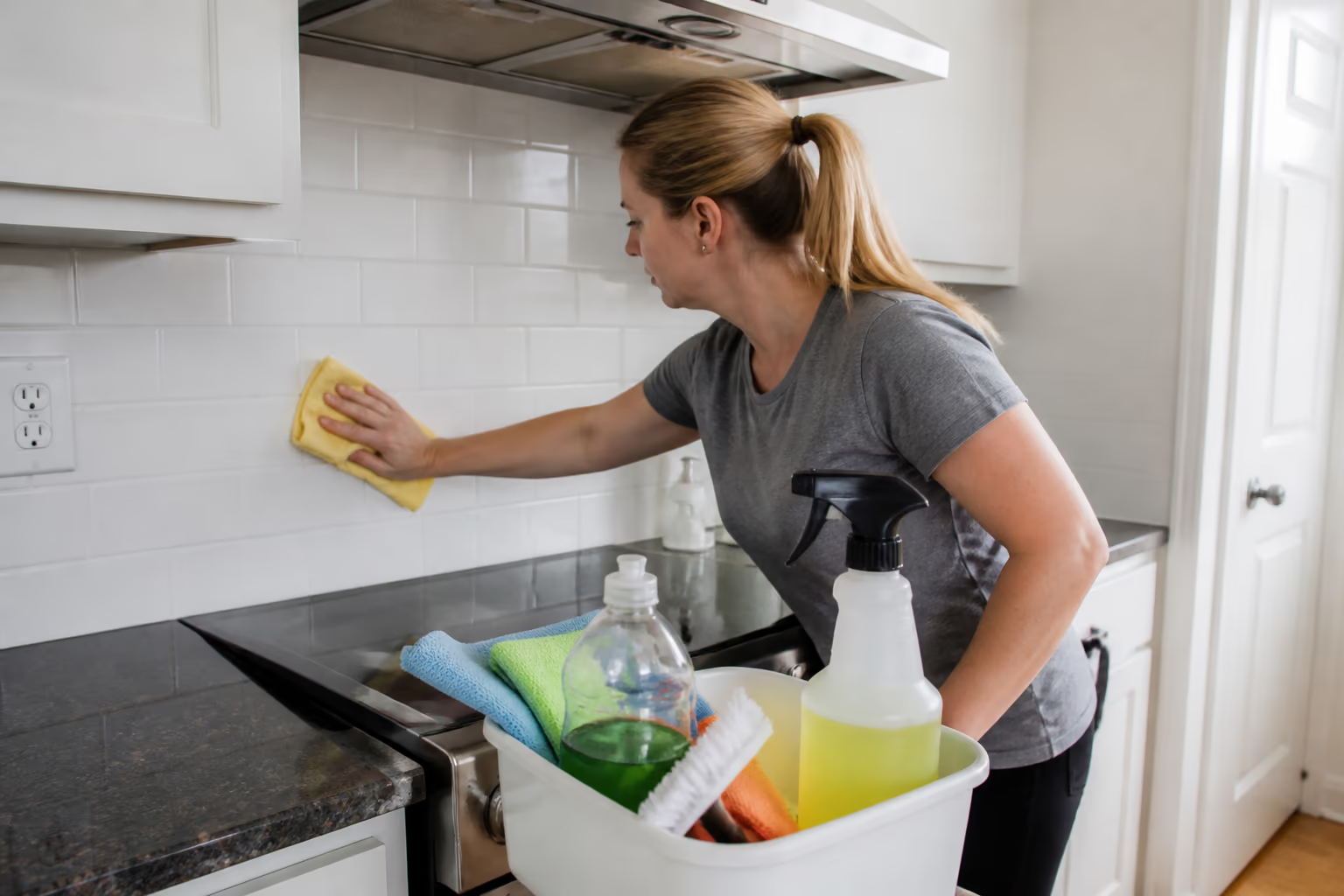
Soap lifts fresh, light grease effectively but needs scrubbing and struggles on thick, baked-on layers, while a dedicated degreaser breaks down grease chemically for range hoods, oven grates and heavy buildup. Matching the product to how much grease is present, and reading the label for dwell time, keeps kitchen surfaces clean without damage.
In this guide
Why the Soap vs Degreaser Choice Matters
Soap and degreasers both remove grease, but they are not the same product doing the same job in a slightly different bottle. Soap relies on surfactants that lift grease away from a surface so water can rinse it off. A dedicated degreaser goes further, using stronger alkaline or solvent ingredients to break heavy, cooked-on grease down into something that wipes away easily. Choosing the wrong one is rarely dangerous, but it is often frustrating: soap struggles against a thick layer of baked-on grease, while an aggressive degreaser is unnecessary for a light everyday film and can be hard on delicate surfaces.
Understanding the difference saves time and protects your kitchen. Reach for the right product and a greasy stove grates clean in minutes. Use the wrong one and you can scrub for twice as long, or worse, damage a surface with something stronger than it needs. Once you know how each product works, the decision becomes simple and the cleaning becomes noticeably easier.
There is a common myth that stronger is always better, but that is not how grease removal works. A product that is far stronger than the task needs does not clean faster; it simply risks the surface and adds fumes. The practical goal is the mildest effective option for each job, which is exactly how a professional cleaning team selects products: matched to the surface, the amount of soil and the people who will be in the room.
How Soap Removes Grease
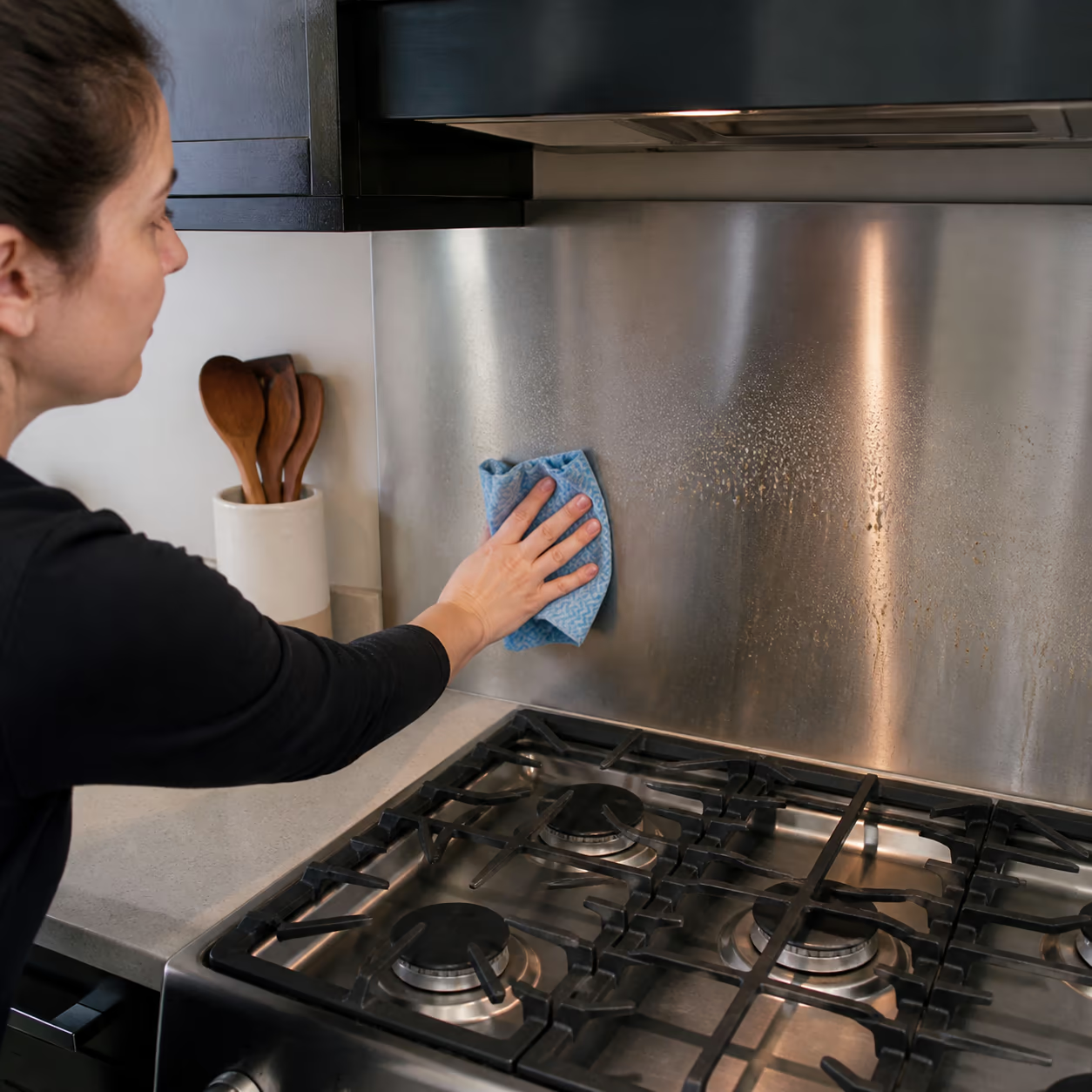
Soap works through a simple principle: its molecules have one end that mixes with water and another that mixes with oil. When you add soap to a greasy surface, it surrounds the grease droplets and lifts them off the surface, holding them in suspension so water can carry them away. This is why warm water and dish soap are so effective on dishes, stovetops and counters that carry only a light everyday film of grease.
The catch is that soap has limits. It is excellent at removing fresh grease, but a thick layer that has baked onto a range hood or a deep pan is more than soap can lift in one pass. Soap also needs a physical assist. It lifts grease, but you still have to wipe, scrub or rinse to carry it away. On a rough surface such as a grill grate or a porous backsplash, that physical effort grows quickly.
Warm water makes soap work noticeably better, because heat softens grease and lowers its resistance to being lifted. Even so, there is a point where the grease is simply too thick or too baked on, and that is when a degreaser becomes the honest answer rather than an optional extra.
What a Dedicated Degreaser Does Differently
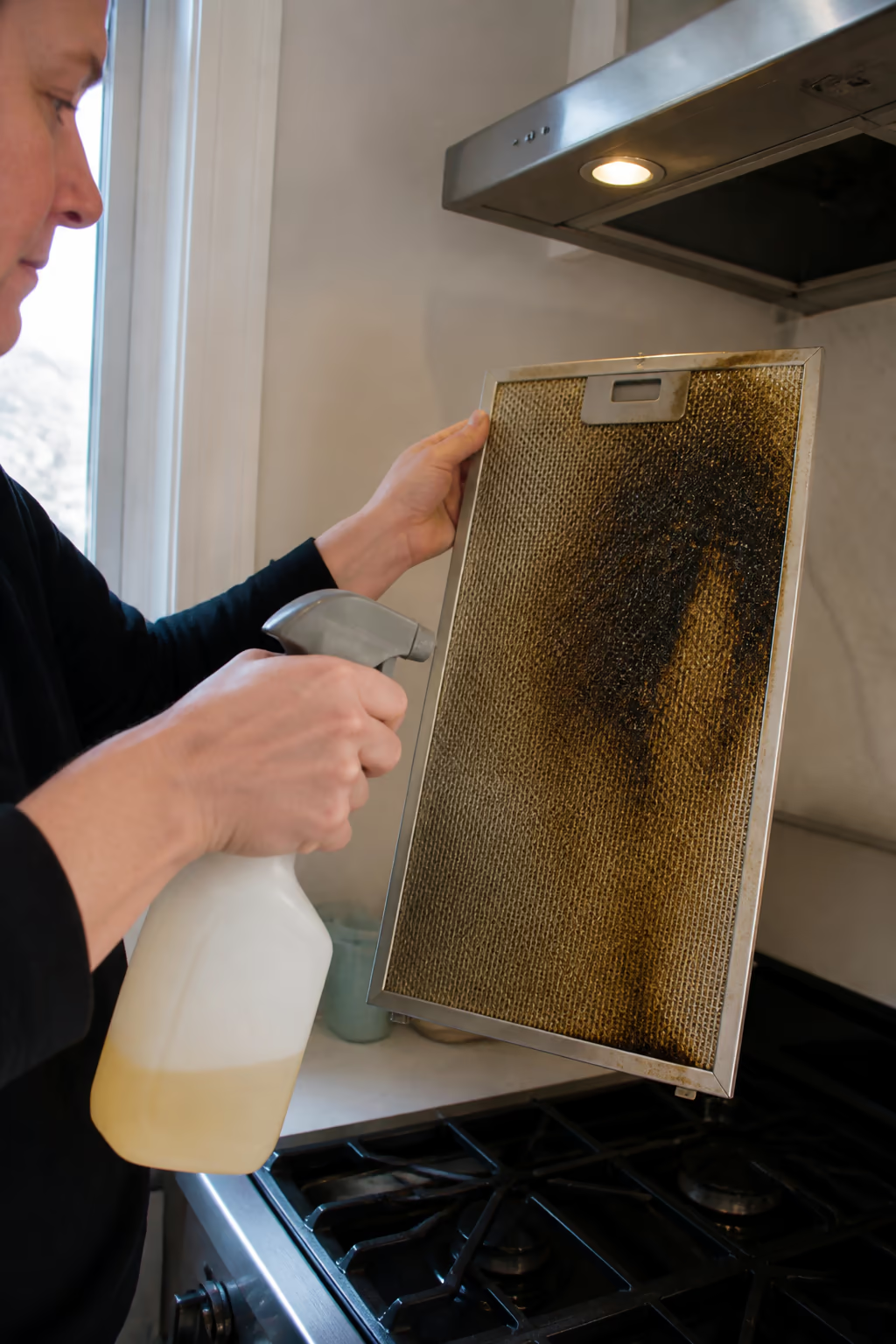
A degreaser is formulated for the jobs soap cannot finish. Instead of only lifting grease, its stronger ingredients actively break the grease down, changing its structure so that a wipe or a rinse removes it completely. That is why degreasers are the product of choice for range hood filters, oven grates, fryer exteriors and the sticky film that collects above a stove after a season of cooking.
Degreasers come in different strengths, and choosing one is about matching the product to the task. A mild all-purpose degreaser is fine for counters and cabinet fronts. A stronger alkaline or solvent degreaser is better for heavily soiled metal parts. The important rule is to read the label, test an inconspicuous spot first and follow the dwell time: most degreasers need a few minutes to work before you wipe, and rinsing too early leaves grease behind.
Because degreasers are stronger, they deserve more respect. Under WHMIS 2015, every commercial cleaning product in Canada ships with a safety data sheet that spells out how to handle it, and a professional company trains its staff to wear the right gloves and use the right dilution. At home, the same habits apply: ventilate the room, follow the dilution on the label and keep strong products away from children and pets.
When to Reach for Soap First
For most everyday kitchen cleaning, soap is the right starting point. Dishes, stovetop spills, counters and the small splatter that appears after each meal all respond well to warm water and dish soap, and soap is gentle enough to use almost anywhere. When you are unsure whether a surface can handle a degreaser, starting with soap is the safe choice.
Soap is also the better choice for delicate or finished surfaces. Polished stone, certain sealed countertops and some painted or lacquered surfaces can be damaged by strong degreasers, so a mild soap-and-water clean is kinder. If you keep a house with young children or pets, soap is usually the lower-fume option for the surfaces they touch most.
The general rule is simple: if the grease is fresh and light, use soap. If soap stops cutting through the grease and you find yourself scrubbing without progress, switch to a degreaser.
When a Degreaser Is the Better Choice
A degreaser earns its place on the jobs that soap simply cannot do well. The obvious ones are range hood filters, oven interiors, grill grates and the film of baked-on oil that collects above the cooktop. These are the surfaces where grease has had time to polymerise into a stubborn layer, and soap alone will leave you wiping for a long time with little result.
Degreasers also make short work of surfaces that get oily routinely, such as the stovetop drip trays, the splash zone behind the counter and the exterior of appliances near the range. On these, a degreaser used weekly keeps grease from ever building into a hard layer, which means less scrubbing over the long term.
The same logic applies to surfaces away from the kitchen. Grease collects on range hoods, on the walls and cabinets above a stove and on exhaust fans, and these benefit from the same degreasing approach. For really heavy buildup, such as the grease that has settled on a kitchen ceiling or cabinet tops after years of cooking, a professional deep clean is often the practical answer.
What You Need Before You Start
A well-stocked kit makes grease removal much easier. Most of these items are inexpensive and last a long time.
- 01Dish soap, the standard everyday tool for fresh grease.
- 02A degreaser matched to your needs, mild for daily use and stronger for heavy buildup.
- 03Microfibre cloths, which lift grease without scratching most surfaces.
- 04A soft nylon scrub brush or sponge for grates and drip trays.
- 05Warm water, which helps both soap and degreasers work better.
- 06A spray bottle for mixing and applying a mild cleaning solution.
- 07Rubber gloves to protect your hands when using a stronger degreaser.
- 08A plastic scraper or old credit card for loosening baked-on grease without scratching.
When you shop for products, look for the information that tells you how to use them safely and correctly. A product with a Health Canada Drug Identification Number, or DIN, is registered for a specific use and is the right pick for a job that genuinely needs a sanitising claim. An eco-certified option carrying a label such as EcoLogo shows the formulation meets environmental standards while still doing the work. Whatever you buy, the label is your guide to dilution, dwell time and the surfaces it is safe to use on.
A Practical Approach for Kitchen Surfaces
The most effective approach combines the two products rather than treating them as rivals. Start with the lightest option and step up only when you need to. For a normal weekly clean, warm water and dish soap handle counters, stovetop surfaces and cabinet fronts quickly. Save the degreaser for the range hood, the oven interior and the spots where grease has actually built up.
Food-contact surfaces need a step neither product covers. Health Canada's safe food storage guidance says to sanitize countertops, cutting boards and utensils before and after preparing food, using a kitchen sanitizer as directed or 5 mL of household bleach in 750 mL of water, followed by a rinse. Health Canada gives the scale of the problem: “Every year, thousands of Canadians get food poisoning.”
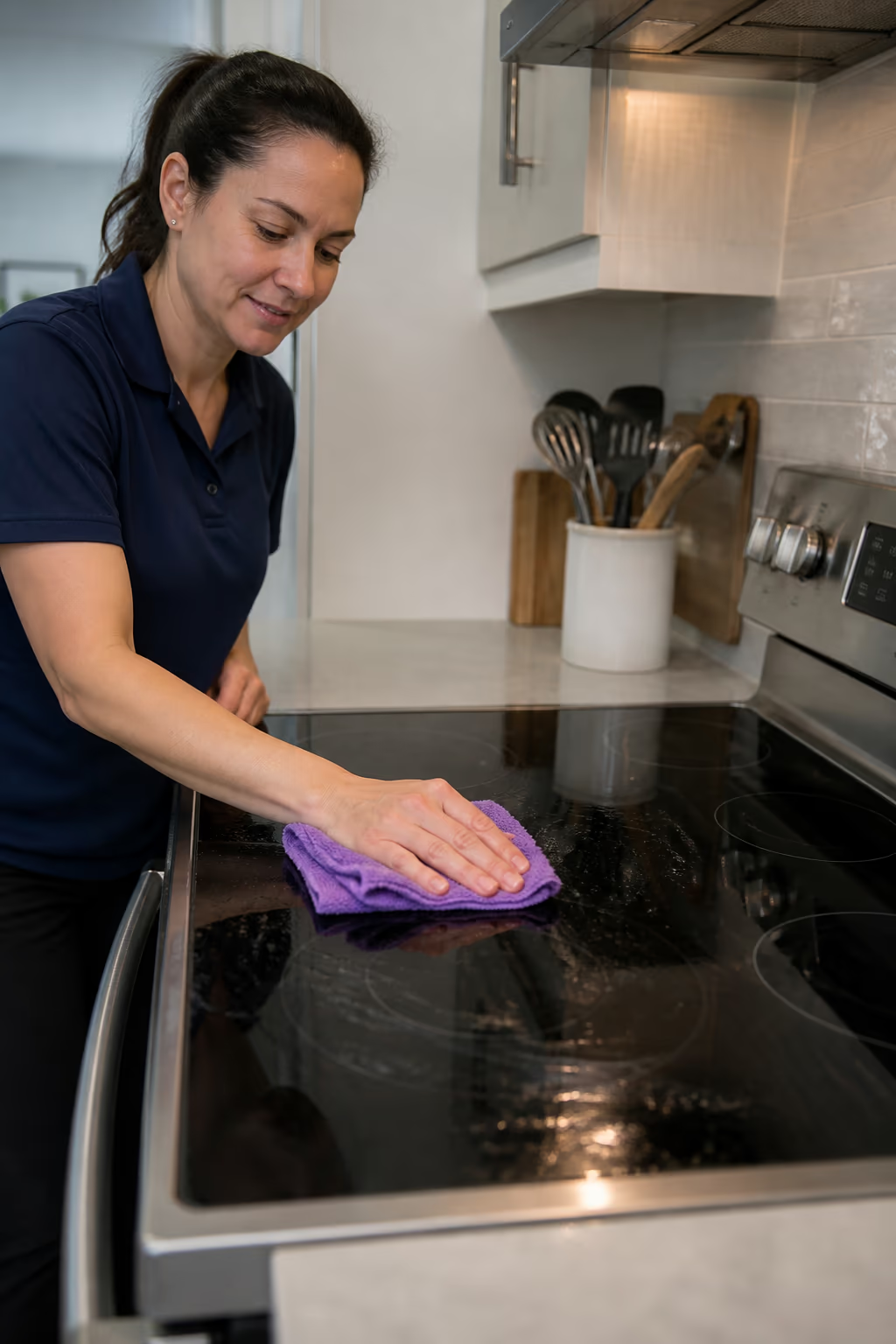
Work from the top of the kitchen down. The grease film that collects on upper cabinets and the ceiling settles downward, so cleaning higher surfaces first means you are not wiping dust and grease onto an already clean counter. Wash the range hood filter in hot, soapy water or follow the degreaser label, then move to the stovetop, the backsplash and finally the counters.
Let products do the work. The single biggest mistake is scrubbing hard before the product has had time to act. Spray the degreaser, leave it for the time the label suggests and then wipe, and the grease comes off with far less effort. Rinse or wipe again with a clean damp cloth so no residue is left behind, because leftover product can attract new grease and dull the surface.
If you are cleaning the range hood and its filter, set aside a little extra time, because the filter is where the hardest grease lives. A removable metal filter can usually be soaked in hot, soapy water or a degreasing solution, then scrubbed with a soft brush and dried before it goes back. Cleaning the filter on a regular schedule does more for kitchen air quality than almost any other single task.
Common Mistakes and How to Avoid Them
Grease-cleaning frustrations usually come down to a handful of repeatable errors. Knowing them in advance keeps the job fast and the surfaces safe.
- 01Using soap alone on heavy, baked-on grease and scrubbing for a long time without progress.
- 02Reaching for a strong degreaser for light, everyday grease, which is unnecessary and can dull surfaces.
- 03Rinsing the degreaser off before the dwell time, so it never actually breaks the grease down.
- 04Scrubbing with an abrasive pad on delicate or polished surfaces, leaving scratches.
- 05Forgetting the range hood filter and fan, where grease builds up fastest.
- 06Ignoring the product label and using a product on a surface it was not meant for.
- 07Leaving degreaser residue behind, which attracts fresh grease and looks dull.
Each mistake has a clear fix. Match the product to the amount of grease, give it time to work, use a soft cloth or nylon scrubber, and finish with a clean damp wipe. A little patience and the right product turn a frustrating job into a quick one.
Costs, Timing and When to Call a Professional
The cost of fighting grease at home is modest. Dish soap is inexpensive, a good degreaser lasts for months and the tools are one-time purchases. The real expense is time: heavy grease on range hoods, oven interiors and ceiling surfaces can take hours to break down, which is why many homeowners eventually hand the job to a professional.
Professional help makes sense when the buildup is old, widespread or simply too much for a weekend. A trained team has commercial-grade degreasers, steam and the experience to clean range hoods, ovens, backsplashes and cabinet surfaces without damaging them, and they know how to handle products safely under the relevant workplace rules. For a kitchen that has not had a deep clean in years, the difference is immediate. The same providers often offer a carpet cleaning service Ottawa homeowners can call on when grease or cooking residue has spread from the kitchen onto nearby flooring.
Good Cleaner Co. combines local experience, background-checked staff and carefully selected products to keep Ottawa and area kitchens clean and safe. Our residential home cleaning services in Ottawa are built around your schedule and standards, from a routine wipe-down to a deep clean of grease-heavy surfaces.
If you are comparing providers, our commercial cleaning company vetting guide is a useful starting point for the questions that matter, from training to how products are chosen and applied.
Formatted Step-by-Step Grease-Fighting Checklist
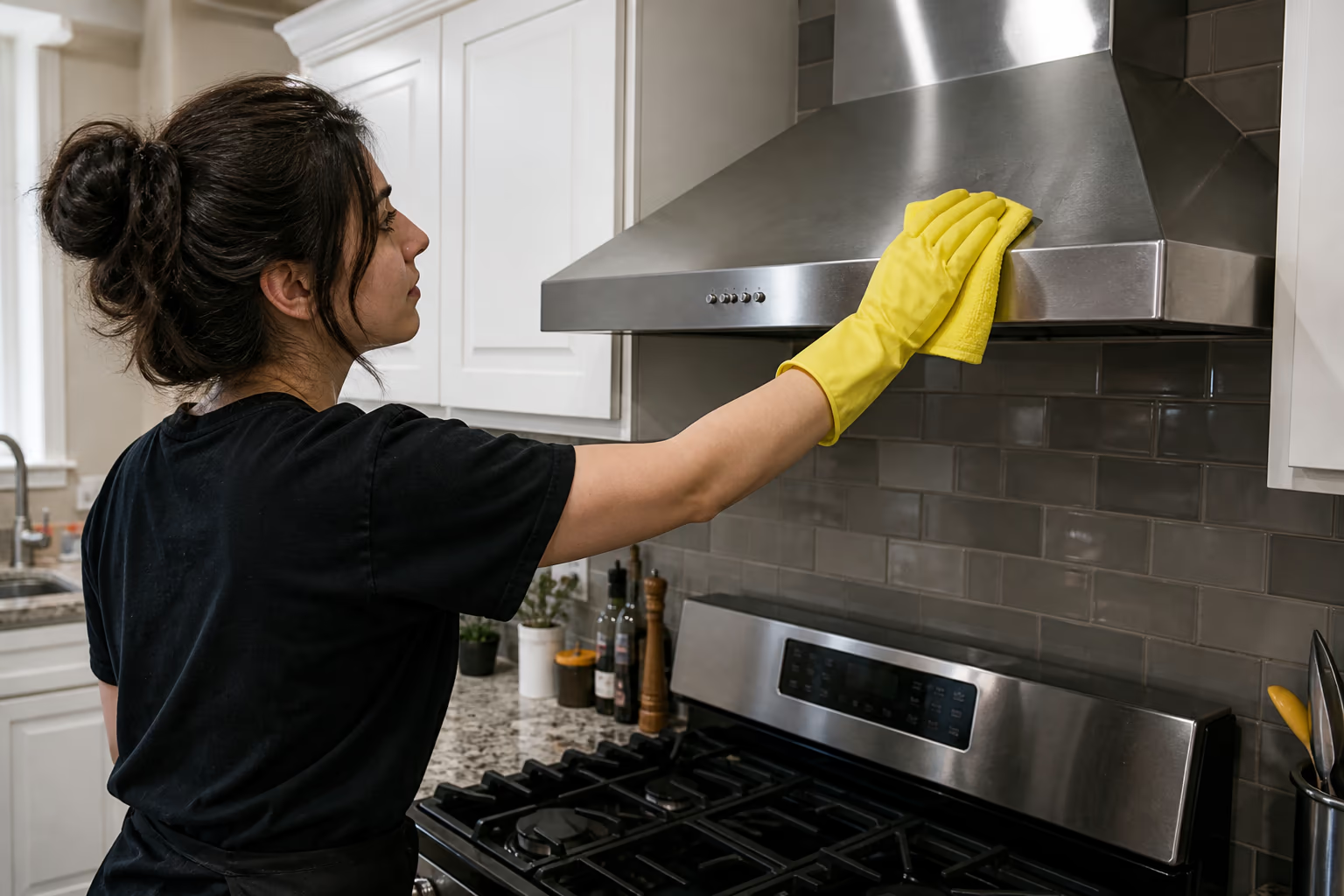
Follow this order whenever a kitchen needs a proper degrease.
- 1.Clear the area, remove loose items and open a window for ventilation.
- 2.Work from the top down, tackling upper cabinets, walls and the range hood before lower surfaces.
- 3.Apply the right product to each surface, soap for light grease and a degreaser for heavy buildup.
- 4.Let the product dwell, then wipe and rinse each surface, finishing with a clean damp cloth.
- 5.Clean the range hood filter and fan last, then wash the stovetop, backsplash and counters.
- 6.When grease has built up beyond an afternoon's work, reviewing our professional home cleaning services in Ottawa connects you with a trained team for a thorough, deep kitchen clean.
FAQ
Can I use dish soap as a degreaser?
For light, fresh grease, yes. Dish soap lifts grease well and is gentle on surfaces. When grease is thick or baked on, a dedicated degreaser will do the job far faster.
Is it safe to use a degreaser on my stove?
A stove needs a product suited to its finish, so check the manufacturer's guidance and the product label first. Test an inconspicuous spot, follow the dwell time and avoid abrasive pads on polished surfaces.
How long should I leave a degreaser on before wiping?
Follow the label, but most degreasers need a few minutes to break the grease down. Rinsing too early leaves grease behind, and leaving it much longer than recommended can dry and be harder to remove.
Why does grease keep coming back so quickly?
Grease is often attracted back to a surface by a residue of cleaning product left behind. Rinsing with a clean damp cloth after degreasing removes that residue and keeps surfaces cleaner for longer.
Do degreasers have to be rinsed off?
On food-contact surfaces, yes. Rinse with clean water or wipe with a clean damp cloth so no product residue remains where food is prepared. Always check the label for the correct rinse instructions.
Are strong degreasers safe to use around children and pets?
They are safe when stored out of reach and used with the room ventilated and the recommended protection in place. For the surfaces children and pets touch most, a mild soap-based clean is a good everyday choice.
How often should I degrease the range hood?
A weekly wipe keeps the exterior film under control, and cleaning the filter every few weeks, or more often with heavy cooking, prevents the buildup that makes the fan work harder.
Should I hire a professional to remove heavy kitchen grease?
When grease has built up over years on the range hood, oven interior, walls or ceiling, a professional deep clean is often faster, safer and more thorough than a home attempt with store-bought products.
Wrapping Up
Soap and degreasers both remove grease, but they serve different moments. Keep soap as your everyday tool for fresh, light grease, and reach for a degreaser when the grease is thick or baked on and soap stops making progress. Match the product to the surface, give it time to work, and finish with a clean rinse so nothing attracts grease back. For kitchens with a heavy buildup that has outgrown a weekend of scrubbing, Good Cleaner Co. can help with a deep clean tailored to your home.
Keep reading
More from Good Cleaner
Services that fit
- Residential Home Cleaning Services in OttawaRecurring home cleaning services in Ottawa for one-time, weekly, biweekly and monthly care, including deep cleans of grease-heavy kitchen surfaces.
- Janitorial Services in OttawaRecurring janitorial services in Ottawa for offices, warehouses, retail, dealerships and schools. Eco-friendly commercial cleaning, customized plans.
About the author
Service areas
- Ottawa
- Kanata
- Nepean
- Orléans
- Barrhaven