
7 Open Office Cleaning Challenges And How To Solve Them
Open offices trade walls for connection, and that same openness is what makes them harder to keep clean. Dust, crumbs, and seasonal grime have nowhere to hide, shared desks pass from person to person, and cleaning has to happen without disrupting the people working a few feet away. This guide walks through the most important open office cleaning challenges and how to solve them, with practical steps and the places where a professional team makes the biggest difference for Canadian businesses.
Quick Summary
Open offices trade walls for connection, which also means dust, crumbs and germs on shared desks have nowhere to hide and cleaning must happen without disrupting people nearby. This guide covers seven common open office cleaning challenges, hot-desk and shared-surface hygiene, and managing winter traffic on floors and carpet.
In this guide
Why Open Offices Are Harder To Keep Clean
Open offices are built on a simple trade: fewer walls in exchange for more collaboration, and that design choice has a cleaning consequence. With no walls to break up the space, dust, noise, and odours travel freely, and any mess becomes visible to everyone in the room. A reception desk or a private office can hide a dusty ledge until it is cleaned; an open floor shows every speck on a shared screen, every crumb on a shared desk, and every footprint on the carpet by mid-morning.
Density is part of it. Open layouts put more people, more devices, and more daily activity into one room than a walled office does, which means more soil is generated in a smaller, more visible area. More people also means more hands on the same doors, light switches, kitchen handles, and meeting-room touchscreens. When those surfaces are shared across a whole team, the cleaning standard has to be higher, and the routine has to be more frequent, than in a layout where each person has their own space.
Timing is the third part of the challenge. Unlike an empty office that can be vacuumed after hours, an open office is often occupied for long stretches of the day, including hybrid hours when different people come and go at odd times. Cleaning has to be planned around concentration work, phone calls, and meetings, which means the team has to know when loud equipment is acceptable and when a quiet touch-up is the better choice. For Good Cleaner Co., that planning is part of the job: matching the right task to the right time of day so the space stays clean without becoming a disruption.
Seven Common Open Office Cleaning Challenges
The challenges below show up in almost every open office, though their severity varies with traffic, floor type, and the season. They are not a rigid formula; they are a useful starting point for building a cleaning plan that fits your space.
- 1.Dust and airborne particles that travel across a room with no walls to slow them down.
- 2.Shared touchpoints: doors, kitchen handles, meeting-room panels, and light switches used by everyone.
- 3.Hot-desks and shared screens that pass between employees and need a reset between uses.
- 4.Visible clutter and personal items that make a space look unkempt even when it is clean.
- 5.Carpet, fabric panels, and soft seating that trap dust, crumbs, and seasonal grit.
- 6.Cleaning noise that disrupts focus, phone calls, and meetings when work is in full swing.
- 7.Seasonal soil from winter salt and slush that arrives with every footstep in a Canadian office.
Each challenge points to a solution, and most solutions come down to routine, the right products, and the right schedule. The sections that follow go through the practical steps in detail.
Cleaning Around People Without Disrupting Work
The biggest difference between a clean open office and a clean private office is that the open office has people in it while it is being cleaned. A vacuum at full volume or a strong chemical smell can derail a whole team's concentration, so the routine has to be built around the working day. That usually means reserving the loudest tasks for quieter windows, such as before the first arrival or after most people have left, and using quiet, low-fume methods for the touch-ups that happen while the room is occupied.
Touch-ups during the day are still valuable. Clearing a kitchen counter, wiping a meeting-room table, emptying bins, and spot-cleaning a spill keep the space presentable without disturbing anyone. The key is choosing tasks that are quiet and contained, and using products that do not leave the air heavy with fragrance or chemicals. A quick pass during the day prevents the small messes from becoming the deep-clean problem that waits until the weekend.
Communication also helps. When a team knows that a deeper clean is scheduled, they can close laptops, tuck cables, and shift personal items out of the way, which makes the work faster and more effective. A professional cleaning partner that communicates the schedule in advance turns a potential disruption into a routine everyone can plan around.
Hot-Desks, Shared Surfaces and Personal Belongings
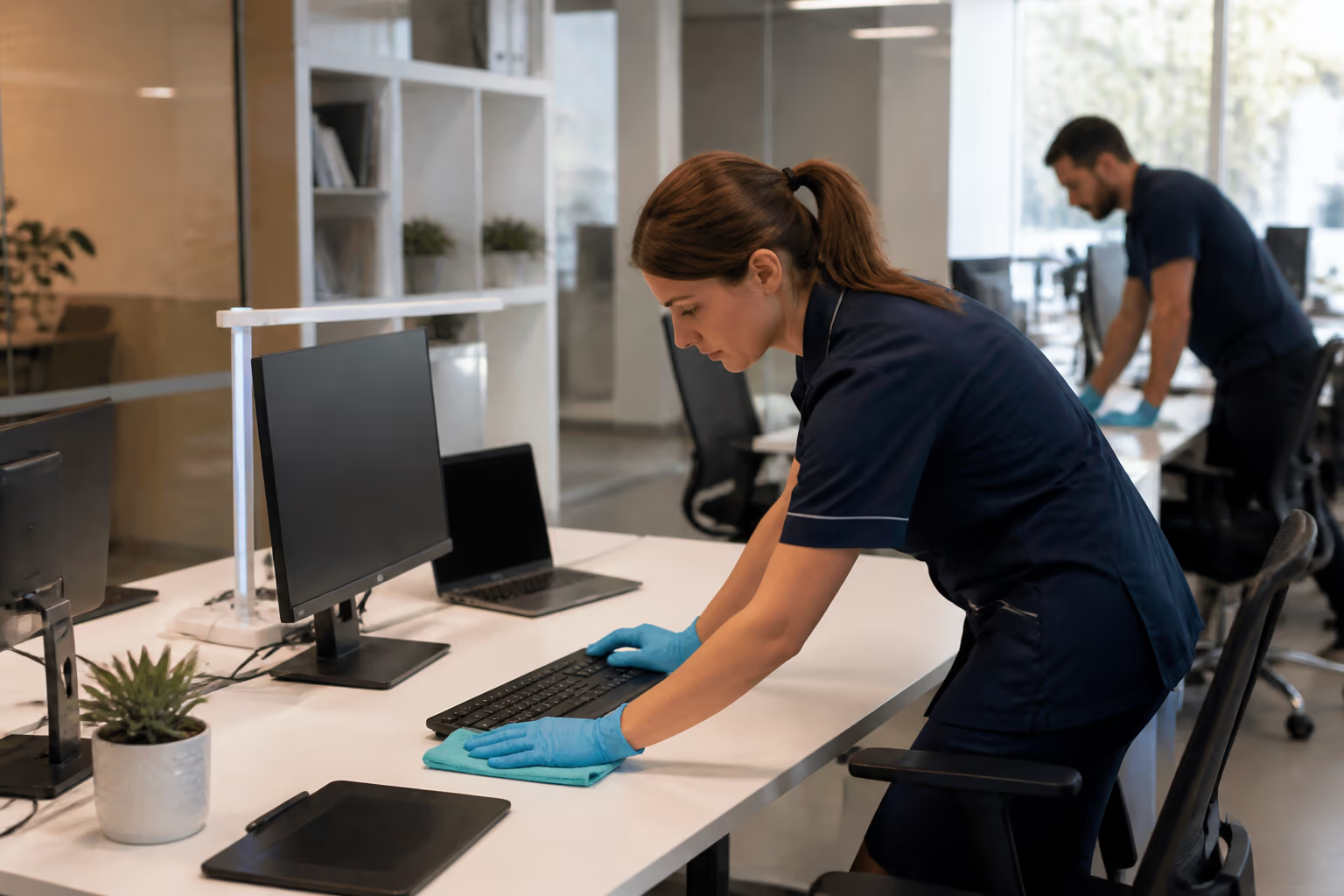
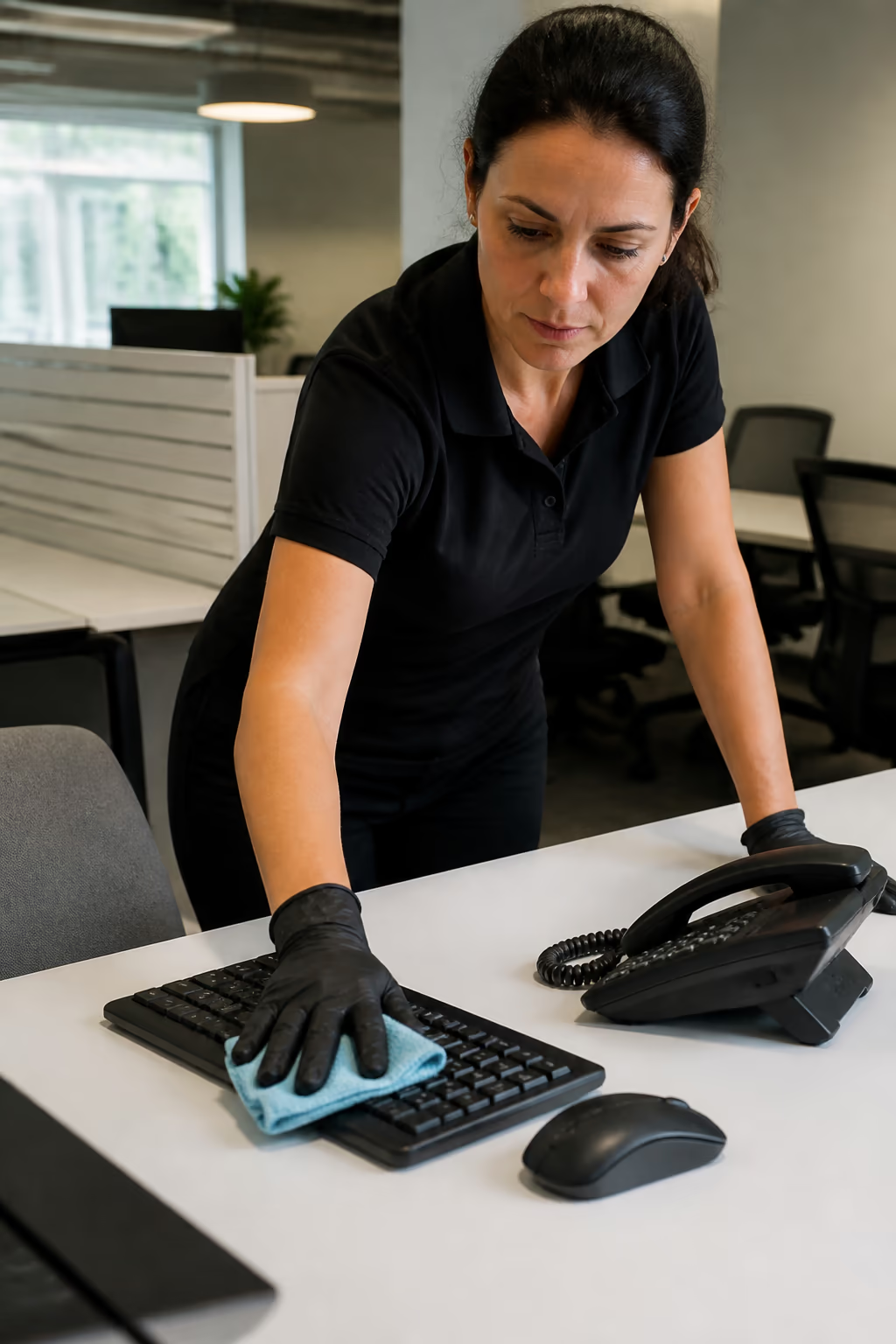
Hot-desking makes the open office work for flexible schedules, but it also means keyboards, mice, desks, and phone handsets pass from one person to the next. Those shared surfaces deserve more than a dusting: they carry the oils and germs of everyone who uses them. An electronics-safe wipe on the desk, keyboard, mouse, and phone before each new user sits down is one of the simplest ways to keep a shared workstation fresh, and it is a habit that pays off during cold and flu season.
Personal belongings are a delicate subject. Cleaners should never move or rearrange items that look personal, because a misplaced laptop charger or a shifted family photo creates more disruption than it solves. Instead, the routine should work around personal items: clean the surfaces that are clearly shared, use a light hand with the edges of personal zones, and flag anything that needs a decision rather than guessing. Good Cleaner Co. trains staff to treat every desk with that care, which is why the company is trusted with offices across Ottawa.
A clear policy helps everyone. When the office tells employees what a cleaning visit covers and how to prepare their desk, the clean becomes faster and less intrusive. A simple expectation, such as tucking loose papers or closing open notebooks, does more for the result than any product choice.
Floors, Carpet and Managing Winter Traffic
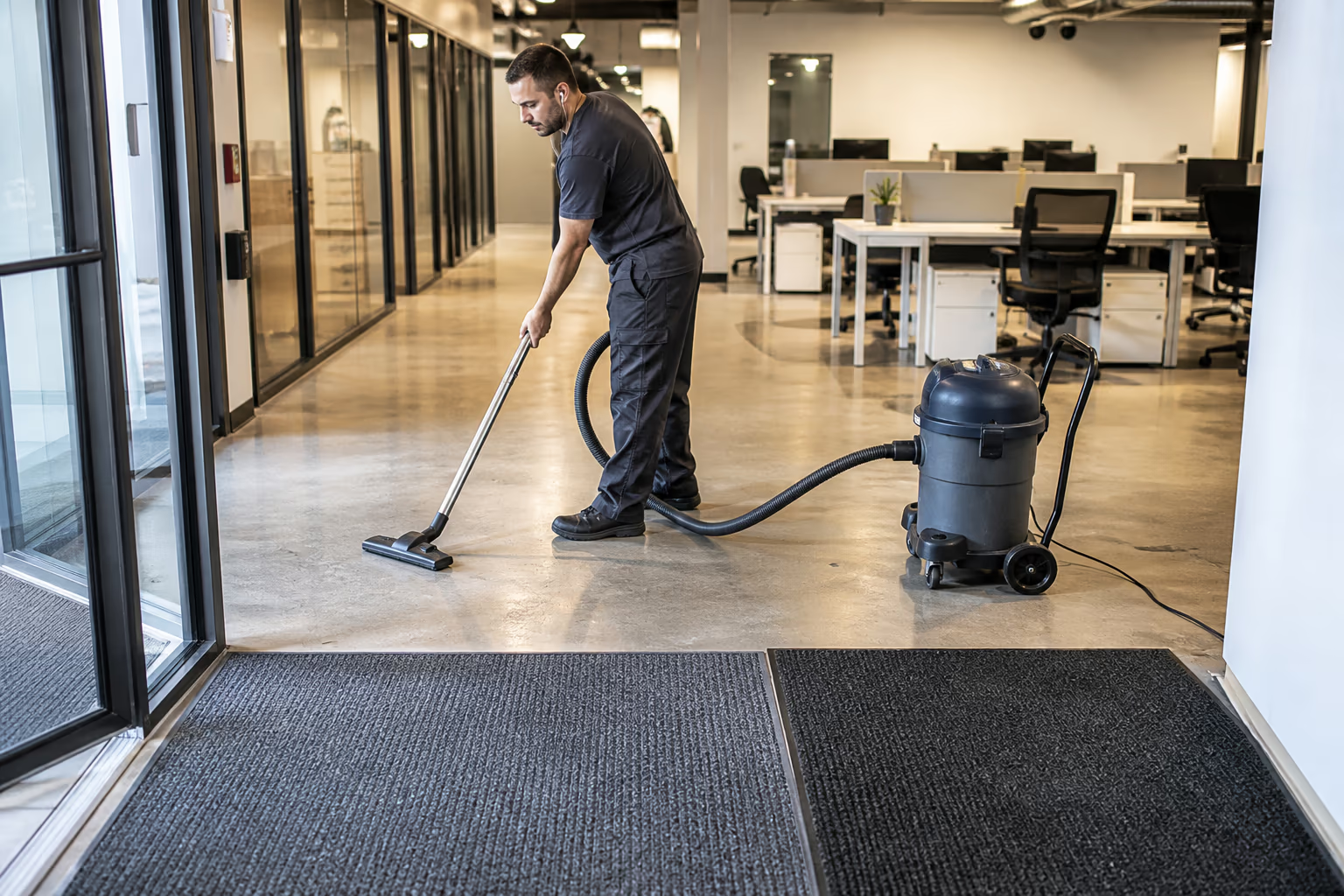
Floors are the largest surface in an open office, and they take the brunt of the traffic. Carpet hides dust and crumbs until it looks tired, and hard flooring shows every scuff and streak. The floor care routine matters as much as the products: vacuuming high-traffic lanes regularly, protecting entries with matting, and deep-cleaning carpet on a schedule that matches use and the season.
The floor is where the regulation is most specific. Ontario's industrial establishments regulation requires a floor used by any worker to be kept free of obstructions, hazards and accumulations of refuse, snow or ice, which in an open plan means the walkways between desks just as much as the entrance mat. The same regulation covers lighting: “Where natural lighting is inadequate to ensure the safety of any worker, artificial lighting shall be provided and shadows and glare shall be reduced to a minimum.”
Canadian winters make floor care a year-round conversation. Salt, sand, and slush come in on every boot, and once wet salt dries on tile or stone it can leave a cloudy residue or etch some finishes over time. Exterior scraper mats paired with interior absorber mats catch most of it before it reaches the floor, but mats only work when they are cleaned, vacuumed, and exchanged on schedule. Entrances and the path to the elevator usually need more frequent attention during the melt season, and the spring clean is the natural moment to reset the floors winter wore down.
For carpet, the routine is about extending its life as much as its look. Regular vacuuming lifts grit that would otherwise cut fibres, and periodic hot-water extraction or machine shampooing lifts the deep soil and restores colour. The frequency depends on traffic and how visible the space is, but a plan that pairs daily vacuuming with scheduled deep cleaning keeps an open office looking sharp without waiting for a stain to force the issue.
Dust, Air Quality and High-Touch Points
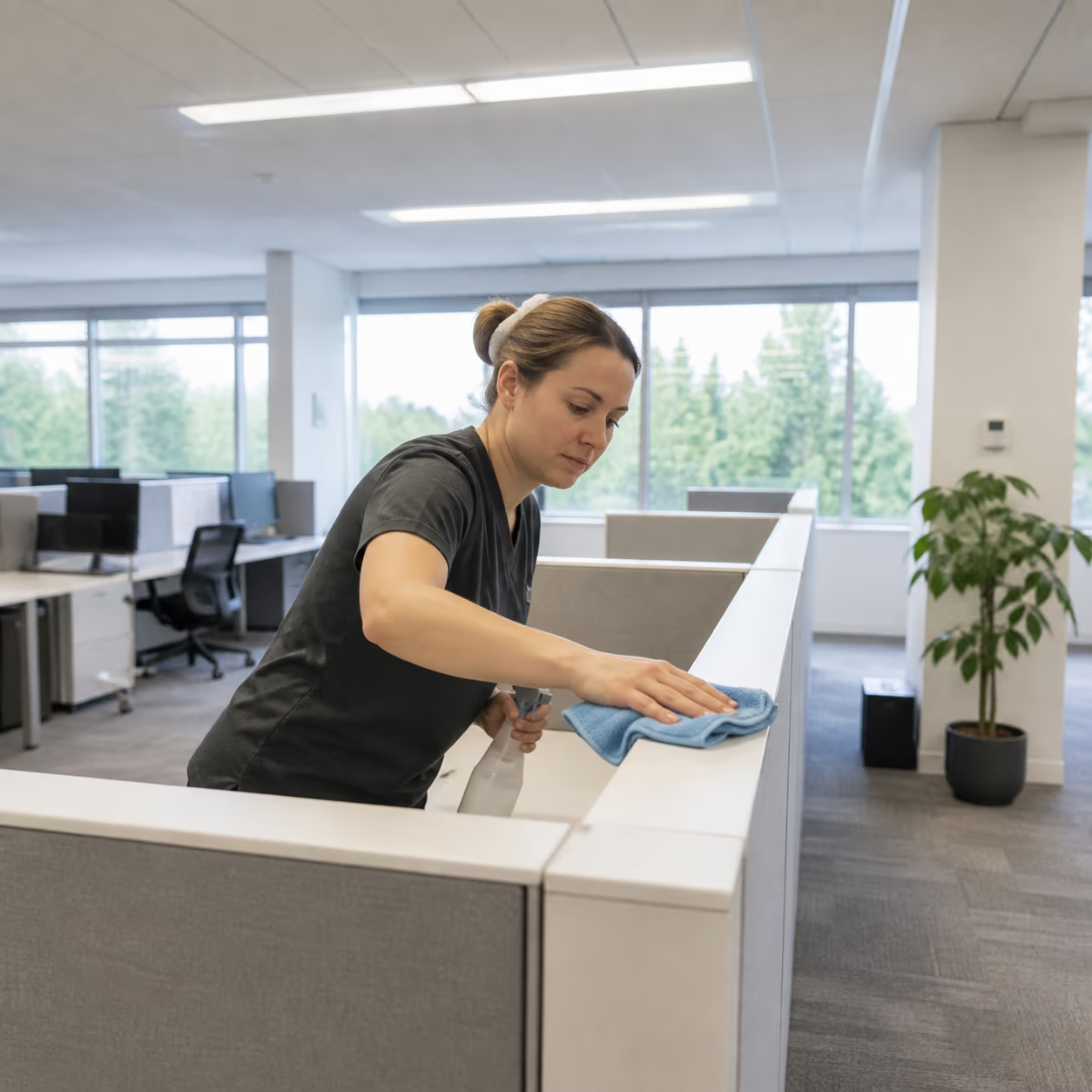
In an open office, dust has an easy path: it rises from one area and settles in another, and with no walls to contain it, a dusty vent in one corner can affect the whole room. Regular dusting of ledges, panels, screens, and the tops of partitions keeps particles from circulating, and using equipment with a HEPA filter helps capture the fine dust that would otherwise resettle on desks and keyboards.
Air quality is tied to cleaning in a practical way. Dust, pollen, and the residue of daily life build up in upholstery, carpets, and vents, and they resurface every time the air moves. Ventilation matters while cleaning, especially when products are in use. In Canada, cleaning chemicals are labelled under WHMIS 2015, so a responsible company reads the labels and safety data sheets, dilutes products correctly, and keeps the space ventilated while they are applied.
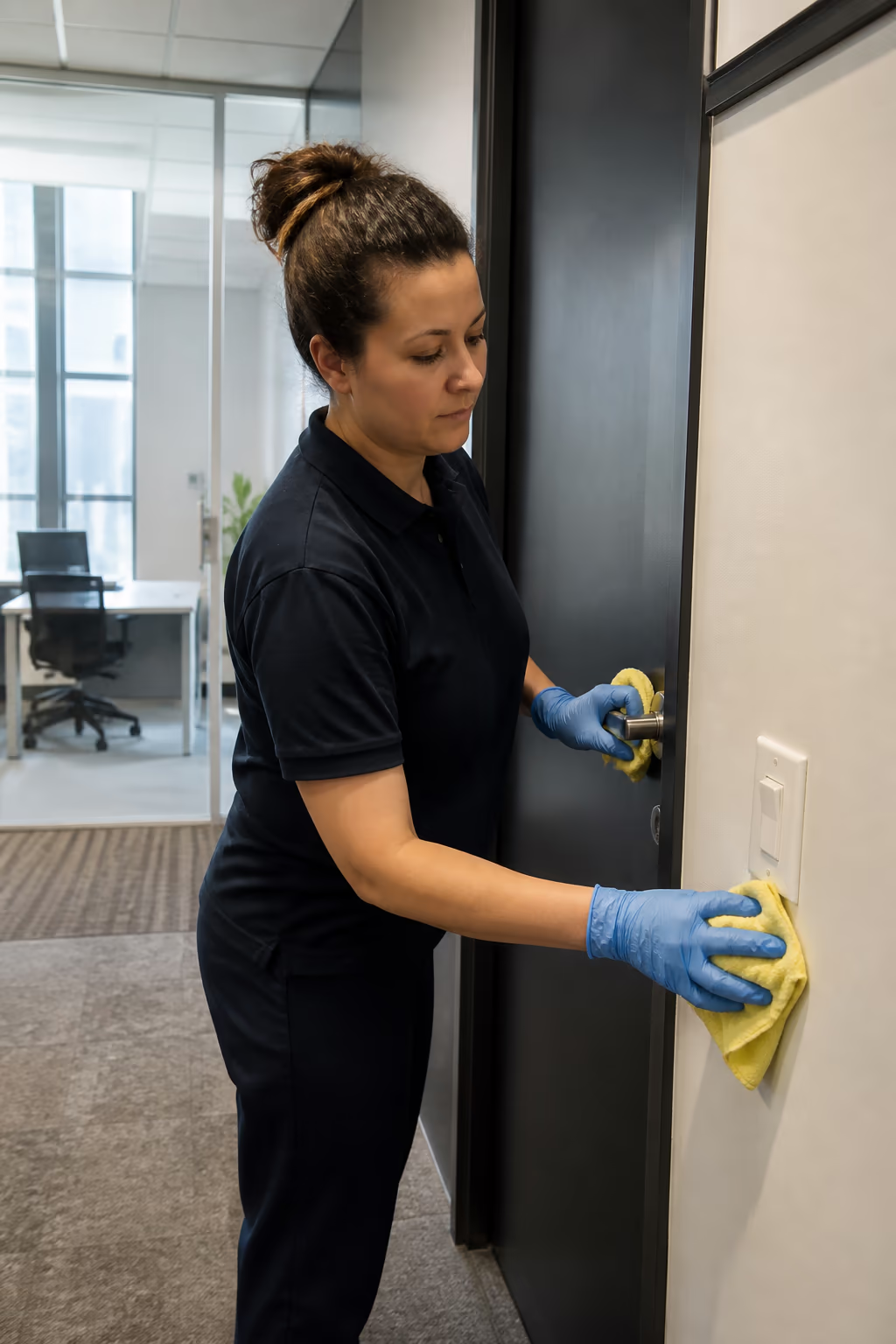
High-touch points deserve their own pass: door handles, elevator buttons, kitchen taps, meeting-room panels, and light switches are touched by everyone and sanitised by few. Wiping them with a suitable disinfectant as part of the regular clean, and more often during cold and flu season, is one of the most direct ways cleaning supports a healthier office. In Canada, a disinfectant that makes a sanitising claim carries a Health Canada DIN, so a responsible company uses registered products and follows the label directions, choosing certified low-fume options such as those carrying an EcoLogo mark where possible.
What You Need Before You Start
A well-run open office clean does not depend on a closet full of specialty products; it depends on having the right basics and using them consistently. Before a routine starts, gather the tools that cover the surfaces in the space.
- 01Electronics-safe wipes or a microfibre cloth for screens, keyboards, and shared devices.
- 02A neutral cleaner for desks, counters, and hard surfaces that is safe for daily use.
- 03Glass cleaner for partitions, meeting-room screens, and the interior of glass doors.
- 04A vacuum with a HEPA filter and the attachments for carpet, hard floors, and soft seating.
- 05Microfibre cloths in separate colours so surface work stays separate from floor work.
- 06Suitable floor-care equipment matched to your flooring and a schedule for deep cleaning.
Keep the kit simple and stocked, and keep the tools clean themselves: cloths should be laundered and replaced when they lose their grip, and mops and buckets should be rinsed and dried so they do not spread what they picked up.
Formatted Step-by-Step Open Office Cleaning Checklist
A consistent routine beats a heroic one-off, and this five-step checklist covers a regular open office clean. Adjust the steps to your floor plan and your traffic.
- 1.Prepare the space and gather the right supplies before you begin, and confirm which areas are occupied so loud tasks are scheduled for the right time.
- 2.Work from high to low so falling dust is not redistributed onto finished surfaces, and remember the tops of partitions and ledges.
- 3.Apply the correct cleaning solution and let it dwell where it needs time to work, especially on shared desks and touchpoints.
- 4.Agitate, wipe and rinse using clean tools for each task, and switch cloths between zones so surface work stays separate from floors.
- 5.Inspect your work and finish with the small details that make a space feel cared for, from bin liners to the last streak on a partition.
- 6.Reviewing our office cleaning programs in Ottawa provides a trained team for regular, thorough upkeep built around your work hours.
The order matters: loose soil is removed before liquids, high surfaces come before floors, and the touchpoints are finished last so nothing you just cleaned is smudged on the way out. When the routine is this clear, it is easy to delegate and easy to verify.
Costs, Timing and When to Call a Professional
The cost of keeping an open office clean varies with the size of the space, the number of visits, the tasks included, and the season, so there is no single price that applies to every office. What matters is a clear scope: how often the team visits, what each visit covers, and what happens when winter traffic or an event creates extra work. An itemised quote for the tasks you need tells you far more than a bare hourly rate. For a general sense of what offices in the region typically pay, our Ottawa cleaning cost overview breaks down the factors that shape a quote.
Timing is part of the value. An open office that is cleaned on the wrong schedule can look neglected within a day, while one that matches visits to its traffic stays consistent with less effort. Many businesses choose early-morning or after-hours cleaning so the space is fresh when the first person arrives, and a provider that can flex with your hybrid hours is easier to plan around.
A professional team adds training, equipment, and consistency. Staff who are background-checked and trained on products, surfaces, and the specific challenges of an open layout are easier to trust than a promise without a process. If you are weighing providers, our commercial cleaning provider checklist is a useful starting point for the questions that matter, from training to how a company handles quality checks and scheduling.
FAQ
How often should an open office be cleaned?
It depends on traffic, the season, and how visible the space is. Most open offices benefit from a full clean several times a week plus daily attention to the kitchen and touchpoints, and more frequent visits during cold and flu season or heavy winter weather. Review the schedule when the team or the traffic changes.
Is it safe to use cleaning products while people are working nearby?
Yes, when the products are chosen and used correctly. In Canada, cleaning chemicals are labelled under WHMIS 2015, so a reputable company reads the labels, dilutes products as directed, and keeps the space ventilated. Choosing certified low-fume options keeps daily touch-ups comfortable for everyone in the room.
How do cleaners handle personal items on shared desks?
Well-run teams work around personal belongings rather than moving them. They clean the surfaces that are clearly shared, use a light hand near personal items, and flag anything that needs a decision. A short policy that tells employees how to prepare their desk makes the visit faster and less intrusive.
What is the best way to clean shared screens and keyboards?
Use an electronics-safe wipe or a lightly dampened microfibre cloth, and never spray liquid directly onto a device. Wipe the screen and keyboard gently, let the surface dry, and repeat between users during cold and flu season. Separate cloths for electronics keep them away from floor tools.
How do you manage salt and slush in an open office during winter?
Pair exterior scraper mats with interior absorber mats, and clean and exchange the mats on schedule. Remove loose salt promptly with a dust mop or vacuum, then clean the floor with a method suited to the material. Entrances and the path to the elevator usually need extra attention during the melt season.
Does an open office need deep cleaning on top of regular cleaning?
Yes. Regular cleaning handles the daily soil, while deep cleaning resets the space: machine floor care, carpet extraction, mat washing, and attention to corners, vents, and partitions. Most open offices schedule deep cleaning monthly or seasonally, depending on traffic and how the space is used.
Can cleaning be scheduled around hybrid work hours?
Yes, and it often should be. Because people come and go at different times, a provider that can match loud tasks to quieter windows and schedule visits around your team's pattern is easier to plan around. Early-morning and after-hours options keep the space fresh without disrupting work.
When does it make sense to hire a professional for an open office?
Consider a professional when the space must look good every day, when you do not have the equipment or training in-house, or when the seasonal workload of salt, slush, and deep cleaning is more than the current routine can carry. A trained team also brings consistent quality checks and a schedule built around your office. Reviewing what makes for the best office cleaning in Ottawa can help you compare providers on the details that matter most.
Wrapping Up
Open offices bring people together, and they bring cleaning challenges with them: shared surfaces, visible mess, noise that has to respect the working day, and seasonal soil that arrives with every footstep. The solutions are practical ones, built on a routine that matches traffic, the right products for the surfaces and the people, and a schedule that keeps the space fresh without disrupting the team. When that standard is more than your team can sustain, a professional partner can carry it for you. Our guide to the best office cleaning service in Ottawa covers what a strong provider brings to an open floor plan. Contact Good Cleaner Co. for a free quote and a cleaning plan built around your office and your hours.
Keep reading
More from Good Cleaner
Services that fit
- Professional Office Cleaning Services in OttawaOffice cleaning services in Ottawa for corporate offices, clinics and professional suites. After-hours scheduling, eco-friendly products, free quote.
- Janitorial Services in OttawaRecurring janitorial services in Ottawa for offices, warehouses, retail, dealerships and schools. Eco-friendly commercial cleaning, customized plans.
About the author
Service areas
- Ottawa
- Kanata
- Nepean
- Orléans
- Barrhaven