
How To Clean A Window Like A Professional Window Cleaner
A window is not that hard to clean, but most people never learn the technique professionals use. The difference is not a secret product; it is a good squeegee, the right soapy water and a steady hand. This guide walks you through the exact method professional window cleaners use, what to avoid, and when a team is the smarter choice.
Quick Summary
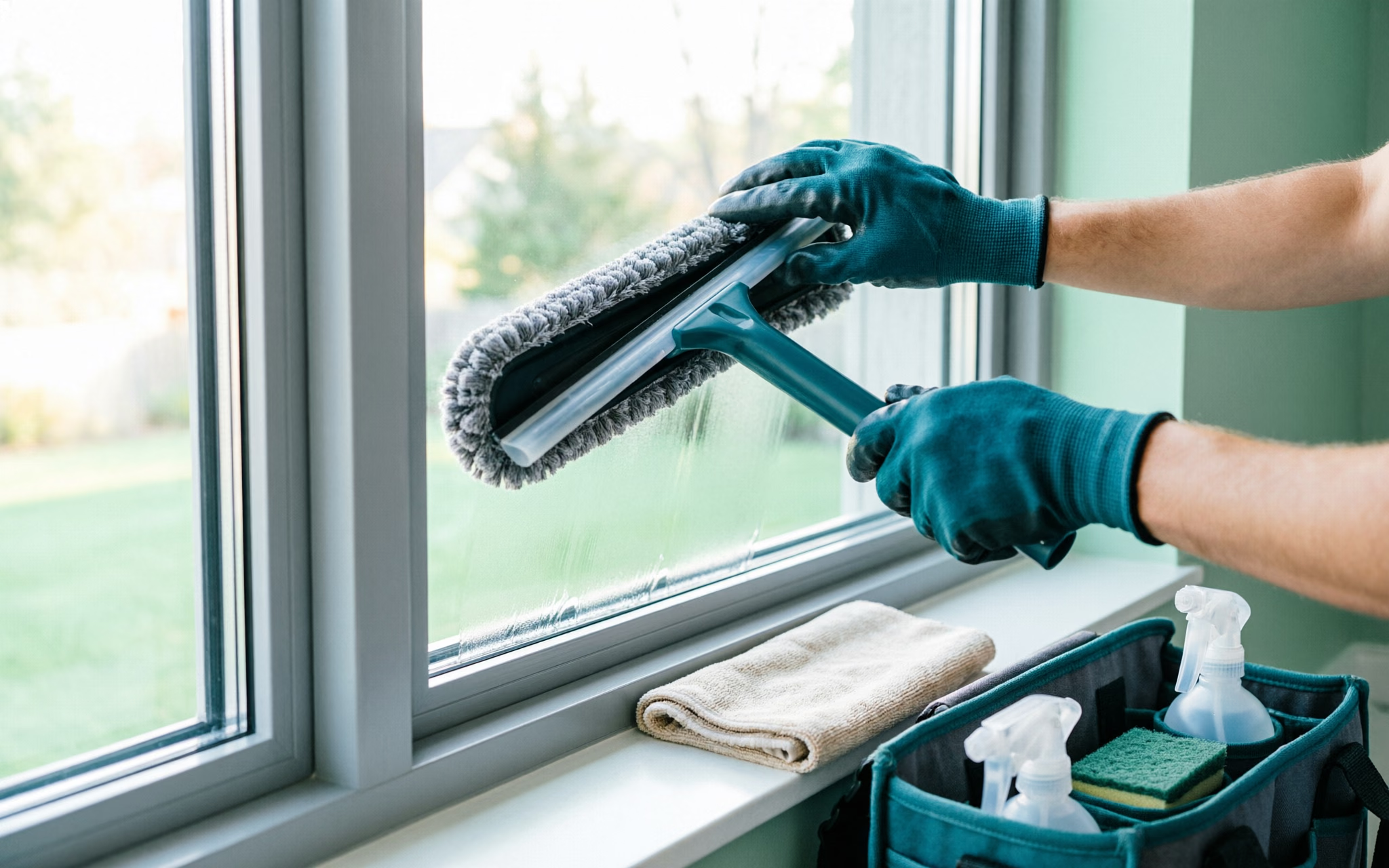
Streak-free windows come down to technique, not products: wash with soapy water, then pull the glass clean with a squeegee in overlapping top-to-bottom strokes, drying the blade after each pass. Frames, tracks and screens need separate attention, and a professional crew is worth calling for heights or heavy buildup.
In this guide
Why Windows Get Dirty and Streaky So Fast
Windows collect grime faster than almost any other surface because they sit at the boundary between your home and the weather. Rain, dust, pollen and air pollution settle on the glass, while the inside collects fingerprints, cooking oils and pet nose prints.
- Rain and sprinklers leave mineral spots as the water dries, especially in areas with hard water.
- Road dust and pollen stick to the glass and form a grey film between washes.
- Condensation on the inside of the glass picks up dust from the room and dries into streaks.
- In winter, salt and sand from the street spray onto lower panes and along window sills.
Streaks are usually your own doing. Most people clean with paper towel, spray cleaner and a circular scrub, which pushes the dirt around and leaves a film that catches the light. A professional squeegee leaves no film because the rubber edge pulls the water off the glass in one clean pass, dirt and all.
Ottawa's climate makes this worse than it looks. Summer humidity and hard water leave mineral spots on glass. Winter brings road salt, freezing rain and frost that carry grime. The same glass that looks clean on a dry spring day can show every streak an hour after a rain shower, so the technique matters more than the frequency. For a deeper look at that technique, see our companion guide on how to clean your windows like a professional.
The Professional's Tool Kit
You do not need a long list of supplies, but the ones you do need matter. A professional window cleaner carries a short kit, and it costs far less than replacing a window that was damaged by the wrong product.
- A squeegee with a new rubber blade, sized to the glass you are cleaning.
- A bucket of warm water with a few drops of dish soap. The soap breaks the surface tension so the water beads and runs off instead of streaking.
- A microfibre cloth for wiping the edges and any drips.
- A soft scrubber or sponge for washing the glass before you squeegee.
- An extension pole for high windows, if you are working on a second storey.
- A scraper with a new blade, used only for stubborn paint or sticker residue.
The rubber on the squeegee is the star of the show, and it wears out. A blade with a nick or a worn edge leaves a line down the glass every time. Professionals replace the rubber frequently, and a home cleaner should replace it as soon as it starts skipping.
Do not use glass cleaner with ammonia or a "degreaser" on tinted or coated windows. The chemicals can damage the tint or the low-emissivity coating that keeps your home warm in winter and cool in summer. Soapy water, a clean blade and a dry cloth handle the job without any of the risk.
The Squeegee Technique, Step by Step
The secret to a streak-free window is the order and the angle, not elbow grease. Start by washing the glass so the squeegee has nothing to drag.
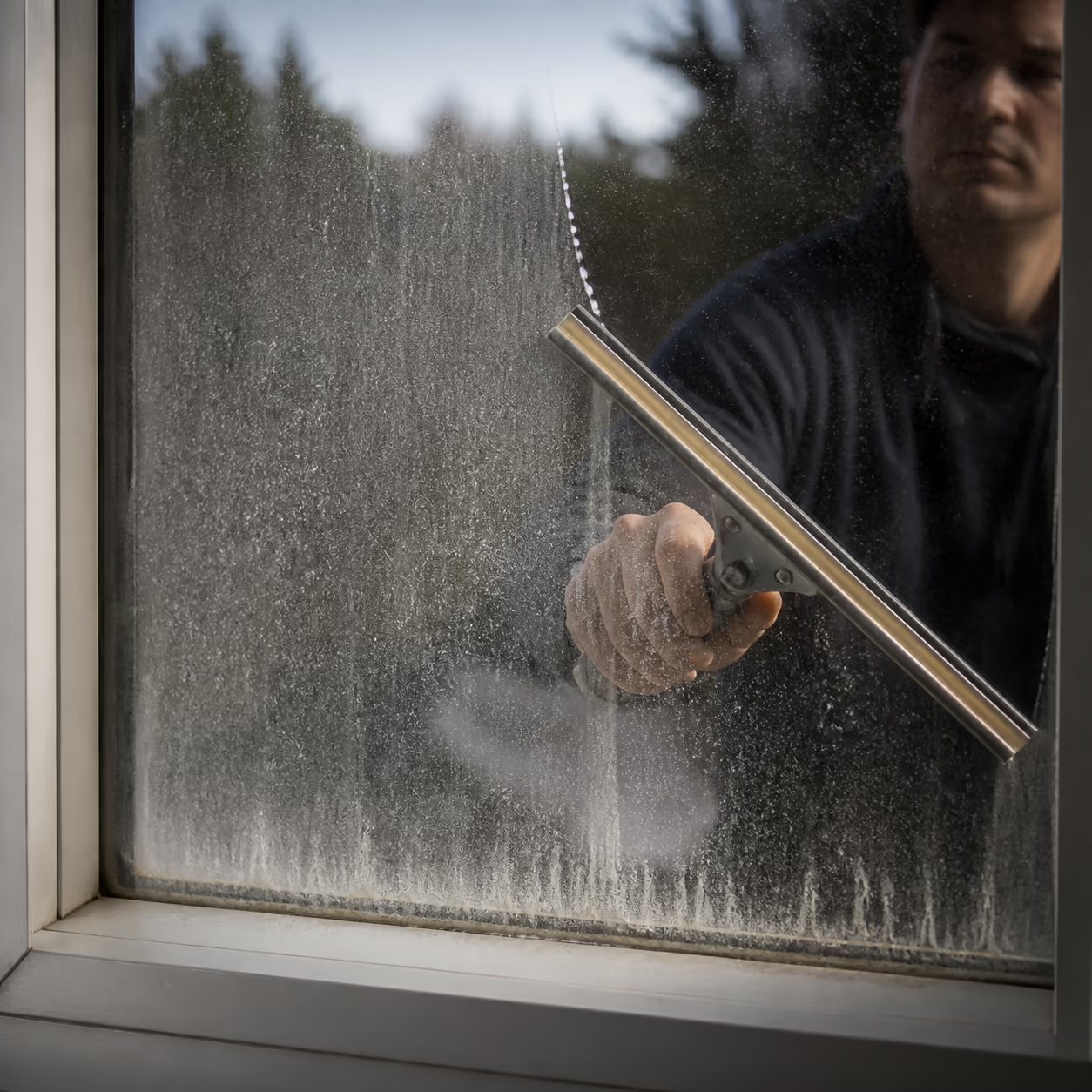
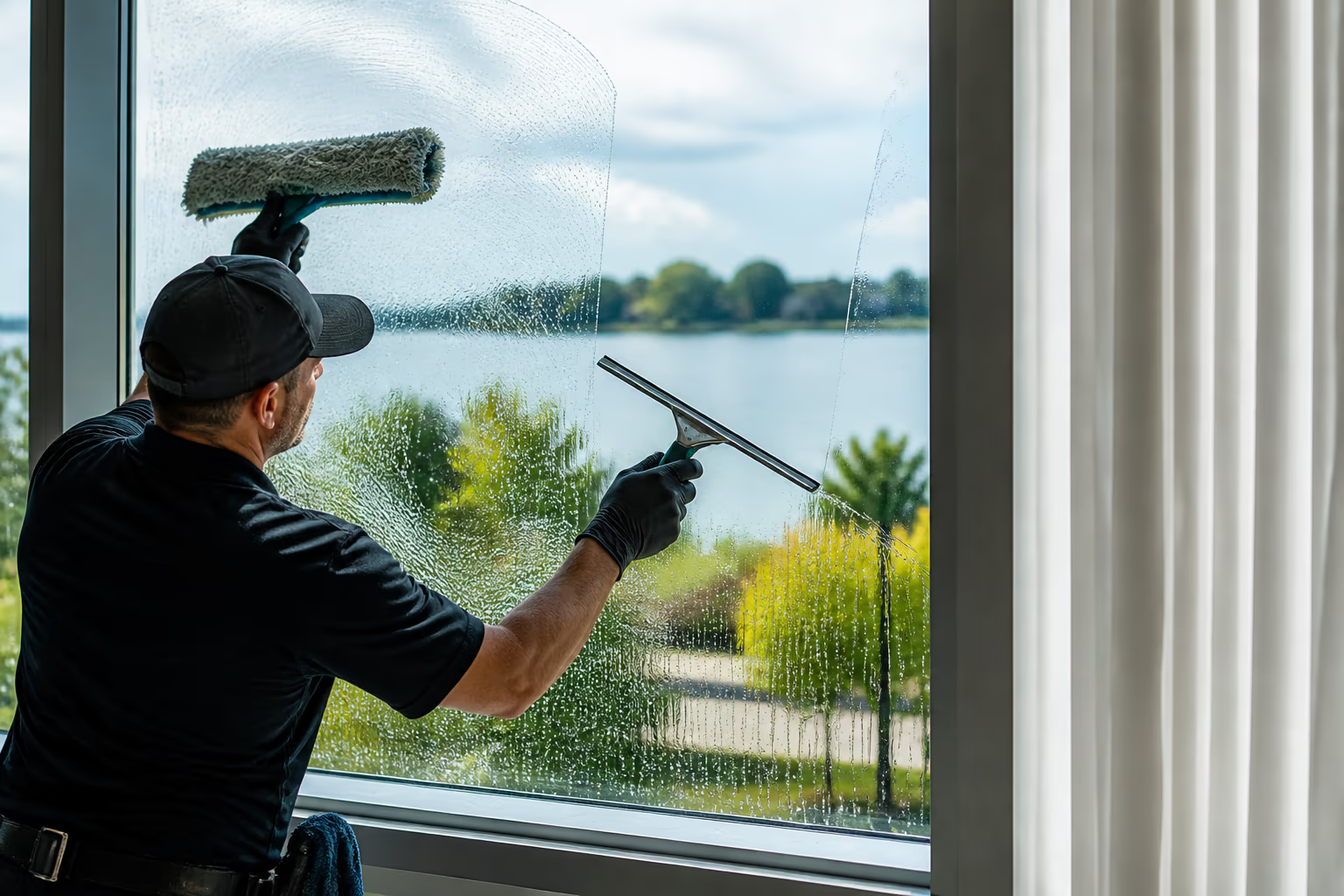
Wet the glass with the soapy water using the scrubber or sponge, working top to bottom so drips stay ahead of you. Then rinse the blade by dipping it in the bucket, place the squeegee at the top corner, and pull it down in a straight, even stroke. The water should collect under the blade and run off the glass instead of streaking.
Overlap each stroke by a few centimetres so you do not leave a dry line between passes. Wipe the squeegee blade with a dry cloth between strokes so no soapy residue transfers back to the glass. When you reach the bottom, wipe the bottom edge and the corners with the microfibre cloth to catch the final drips.
The motion is one smooth pull, not a sawing back and forth. Press just hard enough that the blade flexes slightly and hugs the glass. If you press too hard, the blade skips; if you press too lightly, it leaves water behind. A little practice and the rhythm feels natural.
For a large window, work in vertical sections from top to bottom and let each pull dry before the next. For a small pane, a single horizontal pull across the top followed by vertical strokes works well. The goal is the same: the water leaves with the blade, not after it.
Cleaning Window Frames, Tracks and Screens
The glass is only half the job. A window looks dirty if the frame, tracks and screen are dusty, even when the glass is clear. Professionals clean the whole unit, and the order matters.
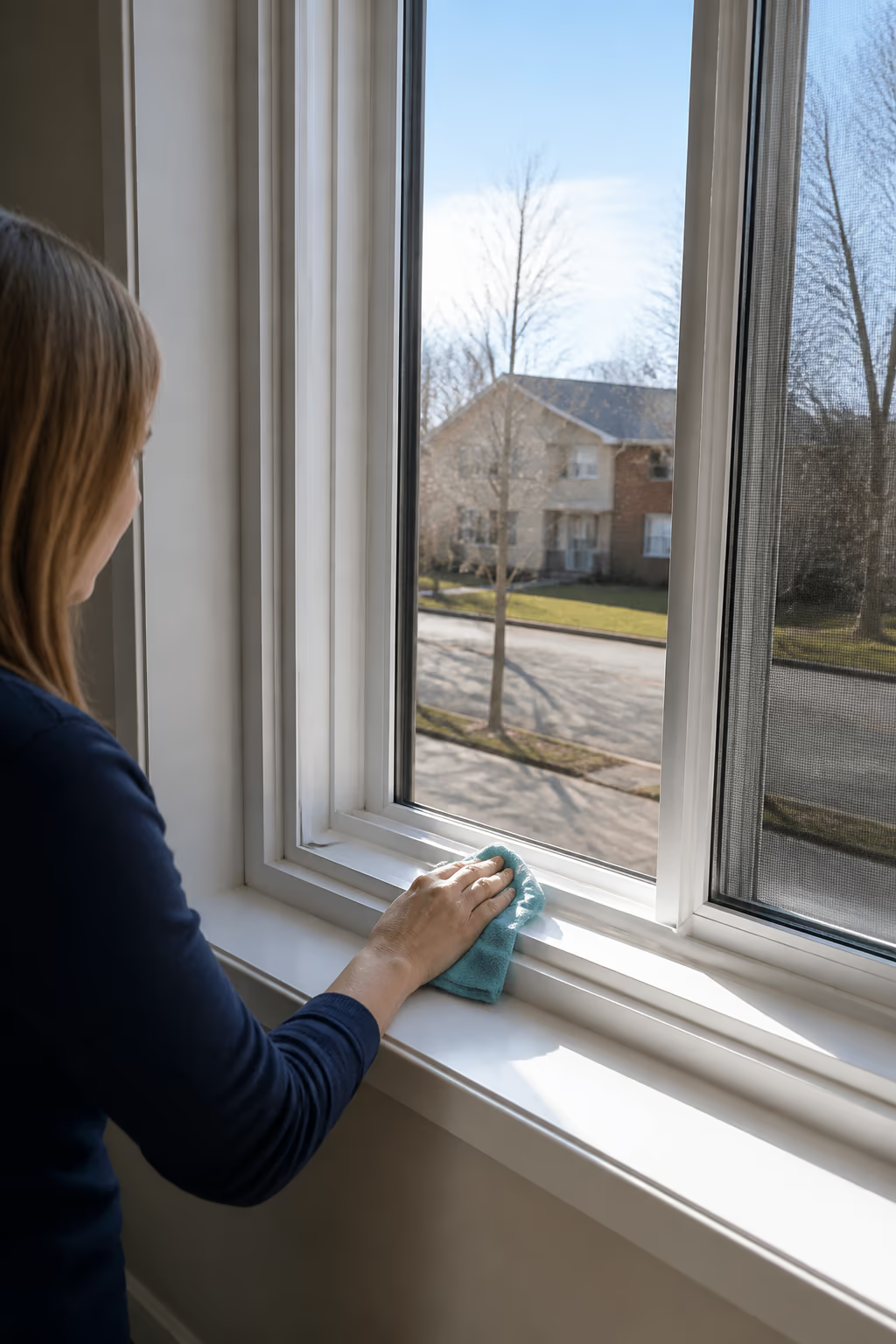
- Wipe the frame and sill with a damp cloth before the glass, so dirt does not run back onto the clean pane.
- Vacuum or brush the tracks, then wipe them with a damp cloth to lift the grit that makes windows hard to slide.
- Dust the screen with a soft brush, then rinse it and let it dry before it goes back in.
- Wipe the interior sill and the edge of the trim so no cobwebs or dust remain.
Tracks collect the most grime because they are out of sight. In Ottawa, winter sand and road salt pack into the tracks and, once wet, form a gritty paste that can scratch the frame and the glass. Clearing the tracks a few times a year keeps the window sliding smoothly and the glass safe from grit.
If the window has a storm window or a second pane, clean between the panes only if it opens. Do not try to reach into a sealed gap; you will push dust into the space and there is no way to get it back out. Leave sealed units to a professional if the gap ever needs a clean.
Indoor Windows, Glass Doors and Shower Screens
The same squeegee method works inside, with a few adjustments for how the glass is used.
- Interior windows clean the same way as exterior glass, but they usually need less soap because there is less grime.
- Glass doors and French doors take the same technique, with extra care at the edges and around the handles.
- Shower screens are a special case because hard water and soap scum build a mineral film that a squeegee alone cannot remove.
- Mirrors and picture glass can be cleaned with the same blade, or simply with a damp microfibre cloth and a dry buff.
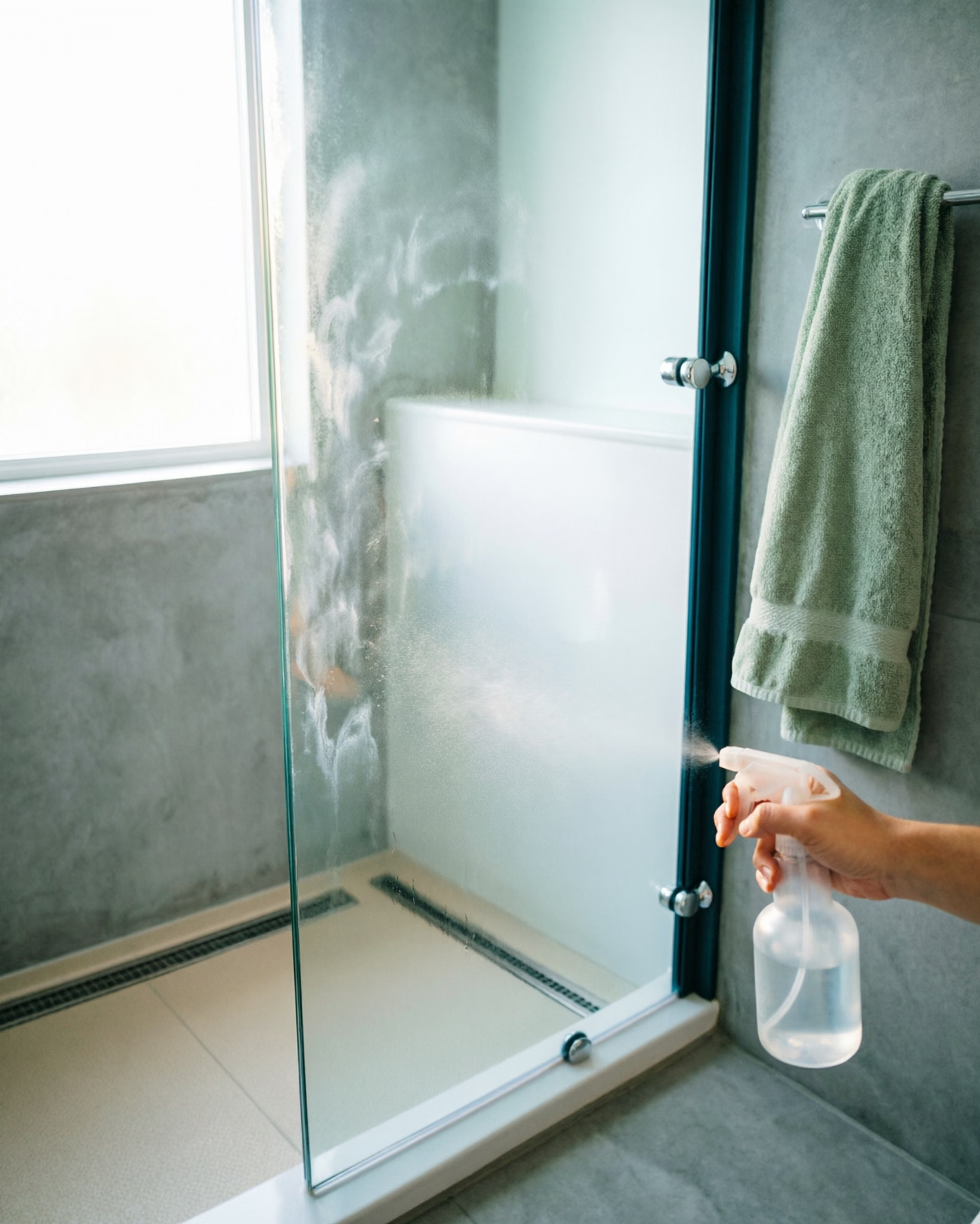
For a glass shower screen, the professional habit is to clean it after the bathroom, not before. A dilute mix of water and white vinegar or a mild mineral remover breaks down the calcium film, and a squeegee after every shower keeps the spots from ever building. If the film has hardened, give the product dwell time before you wipe.
Interior glass shows streaks more easily because you look at it in bright light from inside. Work in a shade of light that lets you see the film, or check your work from an angle after you finish, exactly the way you would for a mirror.
Common Mistakes That Leave Streaks
Most window streak problems come from a handful of habits, and each one is easy to correct.
The first is cleaning on a hot, sunny day. The glass dries too fast and the soap leaves a film before the squeegee can pull it off. Work in the morning, in the evening, or on an overcast day, and start on the shady side of the house.
The second is using the wrong product. Spray-and-wipe glass cleaners evaporate quickly and leave residue, especially if you use too much. Soapy water with a squeegee outperforms them on every large pane.
The third is a worn or dirty blade. A nicked rubber blade drags a line of soap across the glass, and a blade that touched the ground picks up grit that scratches. Check the blade before every window and replace it when it skips.
The fourth is skipping the wash step. Running a squeegee over dry, dusty glass just spreads the dirt. Wash first so the squeegee glides over a clean, wet surface.
The fifth is ignoring the edges. Water collects in the corners and drips down after you walk away, leaving a streak that looks like the whole window was missed. Wipe the edges and corners with a dry cloth as the final step.
The sixth is double-wiping with a dirty cloth. The cloth that cleans the edges should be clean and dry; a damp, soiled rag puts grease right back on the fresh glass.
How Often to Clean Your Windows
There is no universal schedule, but a practical rhythm keeps windows clear without turning it into a weekend job.
- Interior windows every four to six weeks, or whenever fingerprints and dust build up.
- Exterior windows two to four times a year, more often if you face a busy road or live under trees.
- Window screens and tracks once or twice a season, and again after winter.
- Glass shower screens after every shower if you can, or weekly at minimum.
Ottawa's seasons set the pace. After winter, windows carry the last of the road salt and sand, so a spring clean resets the glass. Before winter, a clean window and sealed tracks keep frost and condensation from looking worse than they are. Between the two, a quick interior pass a few times a month keeps the streak-free look.
If you are not sure, look at the glass in morning light. Film and streaks are most visible when the sun is low, so check the panes you see most and clean them first. The windows you look through daily matter more than the ones behind the curtains.
Safety, Products and How Good Cleaner Co. Handles Windows
Window cleaning near ground level is a simple chore, but high glass turns it into a safety job. The professional habit is to keep ladders on solid ground, never overreach, and know when a job needs a team.
- Use a stable ladder on level ground, with someone holding it if you can.
- Never lean out of a second-storey window to reach glass.
- Keep both feet on the ground or the ladder and move the ladder instead of stretching.
- Use an extension pole for glass you cannot reach safely, and never balance on a sill.
Working above ground level has a published standard behind it. Ontario's portable ladder rule requires a ladder used at work to be free of broken or loose members, to have non-slip feet and a firm footing, and to be held in place by another worker when it exceeds six metres and is not securely fastened. The same regulation sets the floor standard: “A floor or other surface used by any worker shall, (a) be kept free of, (i) obstructions, (ii) hazards, and (iii) accumulations of refuse, snow or ice; and (b) not have any finish or protective material used on it that is likely to make the surface slippery.”
The same care principle behind WHMIS 2015 training applies at home: read labels, use one product at a time, and never mix cleaners. Good Cleaner Co. applies that care on every property.
Ottawa's hard water and long winters are exactly why our window work is planned around the season. We clear the salt and mineral film that local water leaves on glass, and we handle the high, awkward windows that a homeowner should not stand on a ladder to reach.
When to Call a Professional
Most windows respond to the steps above, but some situations are better left to a team.
- Second-storey and other high windows that need a ladder or a reach pole.
- Exterior windows covered in years of mineral or salt film that needs a full wash.
- A move-in or move-out clean where every window in the home needs to be done at once.
- Commercial or multi-unit properties where the volume is too much for one person.
How much you book depends on the property, not a fixed rule. A one-time exterior clean resets a home before a special occasion or after a long neglect. A recurring visit keeps hard-water homes from sliding back between cleans. Condo and building managers often pair this with building and condo cleaning services to keep common-area glass on the same schedule.
When you compare providers, ask what is included and how they handle high glass safely. If you are comparing options for your home, our commercial cleaning provider checklist is a useful starting point for the questions that matter.
Formatted Step-by-Step Professional Window Cleaning Checklist
Use this checklist to clean a window with professional results.
- Step 1.Choose a cool, overcast time of day so the glass does not dry before you finish.
- Step 2.Wash the glass with warm, soapy water using a soft scrubber, working top to bottom.
- Step 3.Pull a clean squeegee down the glass in one even stroke, overlapping each pass by a few centimetres.
- Step 4.Wipe the blade between strokes and finish the edges and corners with a clean, dry microfibre cloth.
- Step 5.Clean the frame, tracks and screen so no dust or grit runs back onto the fresh glass.
- Step 6.For a thorough clean that covers high windows and every pane in the home, review our recurring home cleaning services in Ottawa to compare scope and scheduling.
FAQ
Can I use vinegar to clean windows?
Yes, a dilute vinegar and water mix cuts light mineral film and is safe on glass. For larger panes, warm soapy water and a squeegee gives a cleaner result with less effort.
Is paper towel good for windows?
Paper towel works on small mirrors but tends to leave lint and smear on large panes. A squeegee or a microfibre cloth gives a cleaner finish.
What is the best way to dry a window?
Let the squeegee do the drying and use a clean, dry microfibre cloth for the edges. Wiping the whole pane with cloth after the blade can add streaks.
Why do my windows streak after cleaning?
The most common causes are a hot sunny day, a worn blade, or too much product. Wash first, use a clean blade, and work when the glass is cool.
Can I clean tinted windows with glass cleaner?
Avoid ammonia-based glass cleaners on tinted windows. Warm soapy water and a squeegee are safe and effective.
How often should I clean my windows?
Interior panes every four to six weeks and exterior panes two to four times a year is a practical rhythm for most homes.
How do I clean hard water spots off glass?
A dilute vinegar mix or a mild mineral remover with a little dwell time lifts hard water film. Wipe, rinse and dry so the minerals do not re-deposit.
Is it safe to use a window scraper on glass?
Yes, with a new blade and on wet glass. A scraper is for paint and sticker residue; dragging a dry blade can scratch the pane.
Should I clean windows on a sunny day?
Try not to. Heat dries the soap before the squeegee reaches it and leaves a film. Morning, evening or overcast days work best.
Does Good Cleaner Co. clean exterior windows?
Yes. Our crews clean interior and exterior glass, including high windows, and plan the work around Ottawa's seasonal grime.
Wrapping Up
Professional window cleaning is a skill you can learn in an afternoon. Wash the glass with soapy water, pull a clean squeegee down in even, overlapping strokes, wipe the edges with a dry cloth, and work on a cool day. The same care that protects the glass and its coating keeps the frame, tracks and screens looking new. When the windows are high, the film is old, or the whole property is due for a reset, a trained team brings the technique and the ladders to finish the job safely. If windows are just one part of a larger reset, our guide on how to clean a messy house like a professional cleaner walks through the same room-by-room approach for the rest of the home.
Keep reading
More from Good Cleaner
Services that fit
- House Cleaning Services in OttawaHouse cleaning services in Ottawa for one-time, weekly, biweekly, and monthly home care, with customizable cleaning and eco-friendly options.
- Janitorial Services in OttawaRecurring janitorial services in Ottawa for offices, warehouses, retail, dealerships and schools. Eco-friendly commercial cleaning, customized plans, free quote.
About the author
Service areas
- Ottawa
- Kanata
- Nepean
- Orleans
- Barrhaven