
Emergency Commercial Cleaning Services: Rapid Response Spill & Flood Guide
Some cleaning problems cannot wait until Friday. A burst pipe in a server room, a chemical spill in a retail aisle, or an outbreak in an open office all need attention within hours, not days. Emergency commercial cleaning is the organized version of that response: trained technicians, professional equipment, and a process that protects both the building and the people in it. Here is what to expect and how to plan for it.
Quick Summary
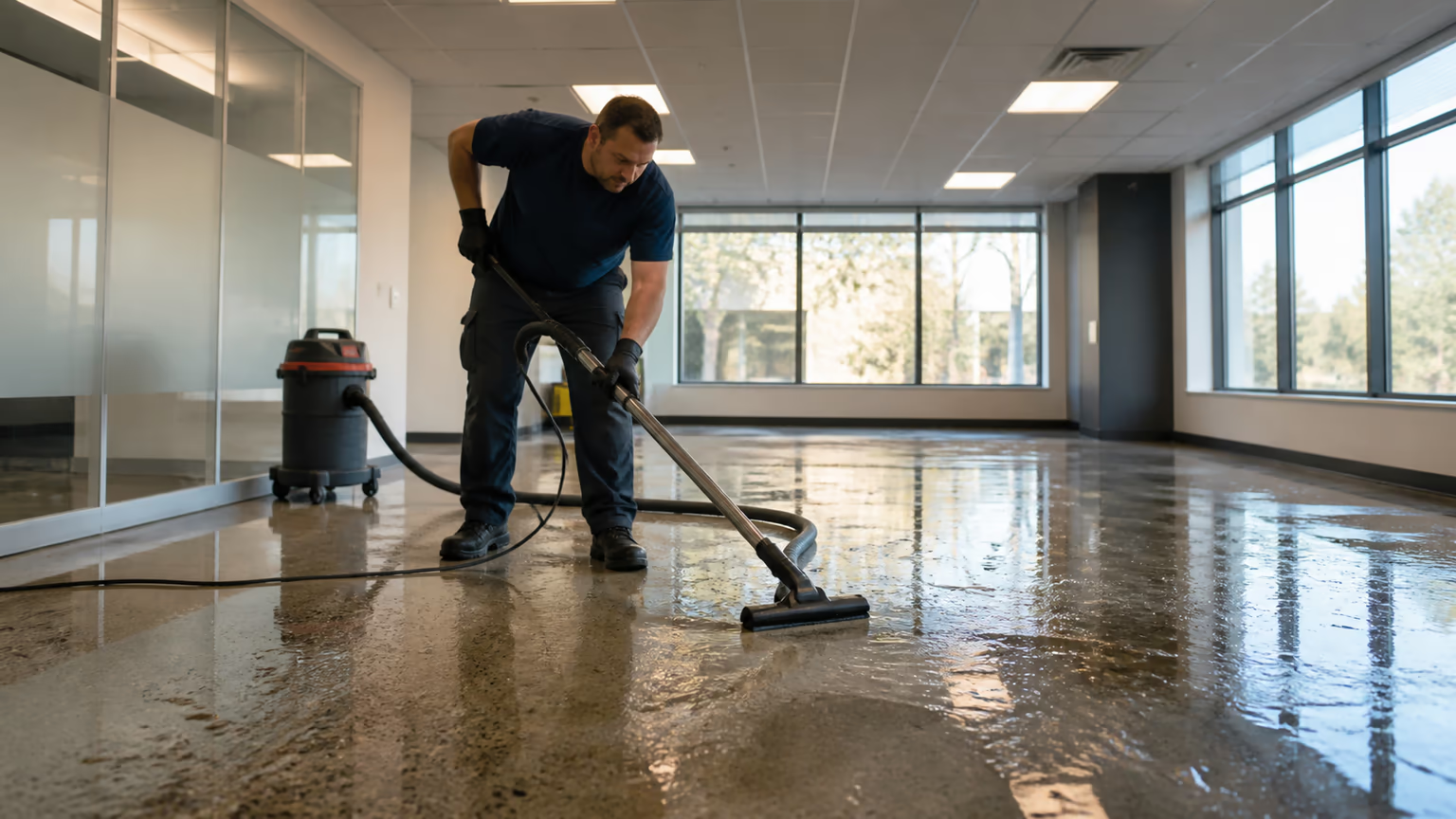
Emergency commercial cleaning covers water leaks, spills, and urgent decontamination that cannot wait for the next scheduled visit. A fast, well-equipped response limits damage, protects occupant safety, and gets your business back to normal sooner. This guide explains when emergency cleaning is needed and what a professional rapid response looks like.
In this guide
When Emergency Commercial Cleaning Is Required
Emergency cleaning is for situations where delay makes things measurably worse. The most common triggers are water damage, chemical or biological spills, and illness outbreaks, but the category also covers post-event cleanup after a fire, a flood, or a break-in.
An emergency does not suspend the ordinary duties. Ontario's employer duty under subsection 25(1) of the Occupational Health and Safety Act requires prescribed equipment, materials and protective devices to be provided and maintained in good condition, and prescribed measures and procedures to be carried out. The province sets a written threshold: “In workplaces in which more than 5 workers are regularly employed, prepare a written occupational health and safety policy, review that policy at least once a year and set up and maintain a program to implement it”.
Water damage is the classic case. A leaking pipe, a failed appliance, or a flooded basement does not stop causing damage when the water is turned off. Moisture seeps into drywall, carpet, and flooring, and if it is not extracted and dried quickly, it becomes a mould problem on top of a water problem.
Spills and outbreaks add a health dimension. A chemical spill needs to be contained and cleaned by someone who understands the product's hazards. A norovirus or cold and flu outbreak in a workplace needs thorough disinfection of shared surfaces to break the chain of transmission. Both are jobs for a trained team, not the office staff with a roll of paper towel.
Rapid Response: What Happens in the First Hours
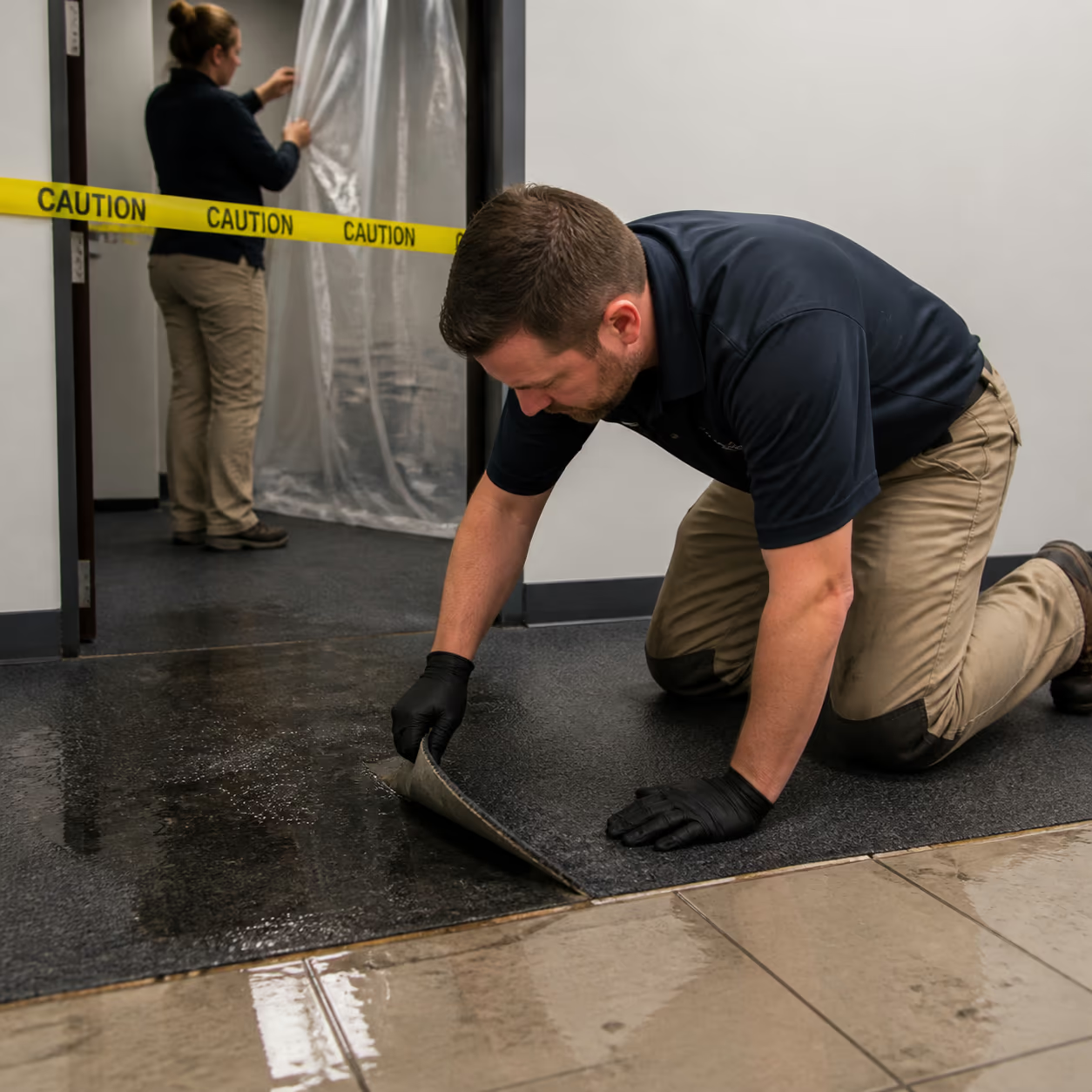
A professional emergency response follows a sequence that keeps the situation from getting worse while the crew works:
Water Damage and Flood Response
Water damage needs speed more than anything else. The first 24 to 48 hours are the window in which extraction and drying can prevent most secondary damage. After that, mould can begin to establish itself in damp materials, and the repair bill climbs quickly.
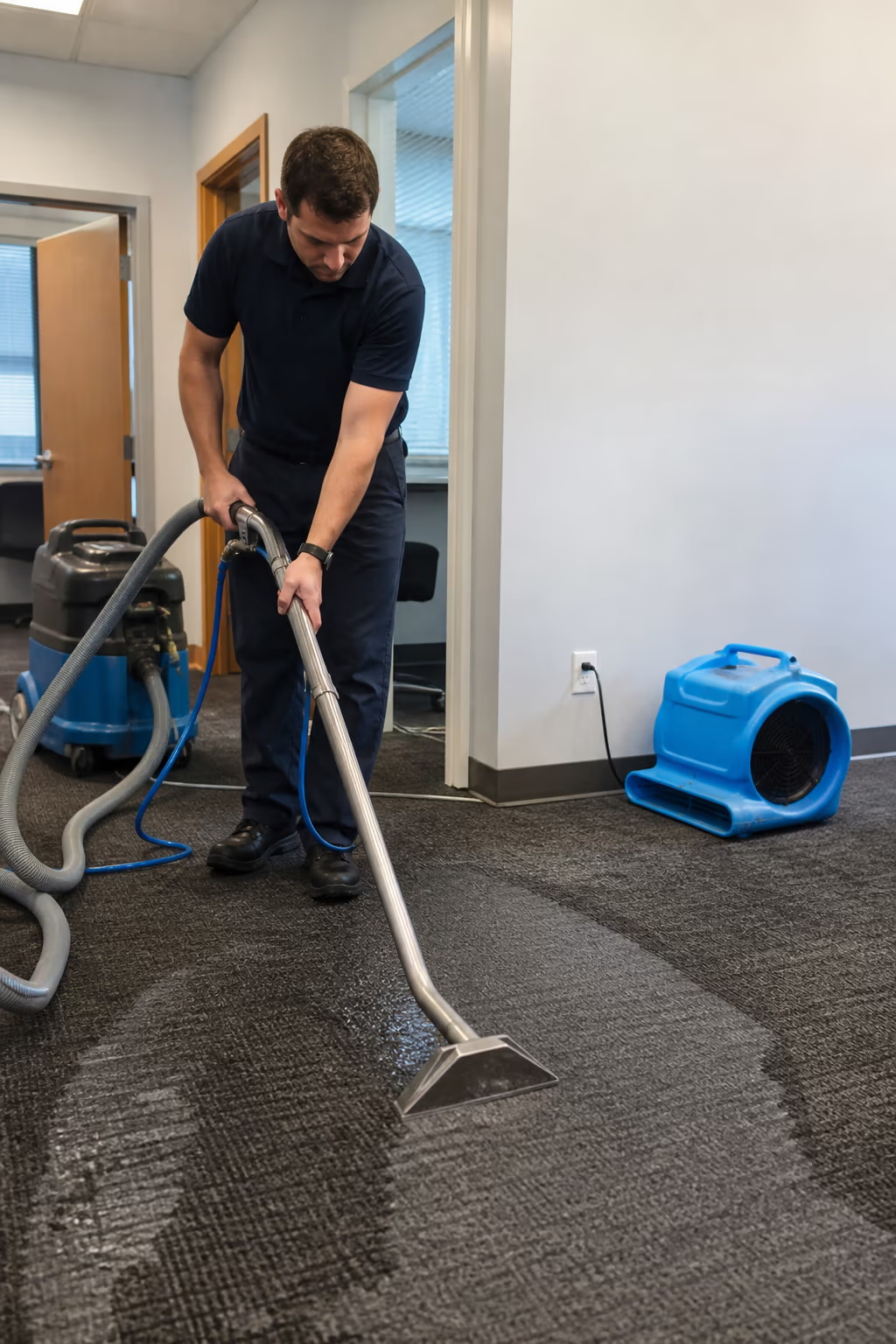
A professional flood response starts with extraction, removing standing water from floors and carpets, then moves to drying with air movers and dehumidifiers. The goal is not just a dry surface; it is dry materials, checked with moisture meters so that water hidden behind baseboards and under flooring does not cause problems weeks later.
For a commercial space, downtime is a cost on top of the damage. A fast, organized response gets the business back open sooner, which is why many property managers keep an emergency cleaning contact on file before they need one.
One point worth repeating: never assume a space is dry because it feels dry. Moisture hides behind baseboards, under vinyl flooring, and inside wall cavities. A moisture meter reading is the only reliable way to know, which is exactly why professional crews use one before they call the job finished.
Spills, Biohazards, and Outbreak Response
Not every emergency is water. Different situations call for different protocols:
Chemical Spills:
Cleaning staff need to know what was spilled, read the Safety Data Sheet, and use the right containment and personal protective equipment. Never guess with an unknown chemical.
Bodily Fluid Cleanup:
Blood, vomit, and other bodily fluids are a biohazard. They need specialized cleaning and disinfection, not a mop and bucket.
Illness Outbreaks:
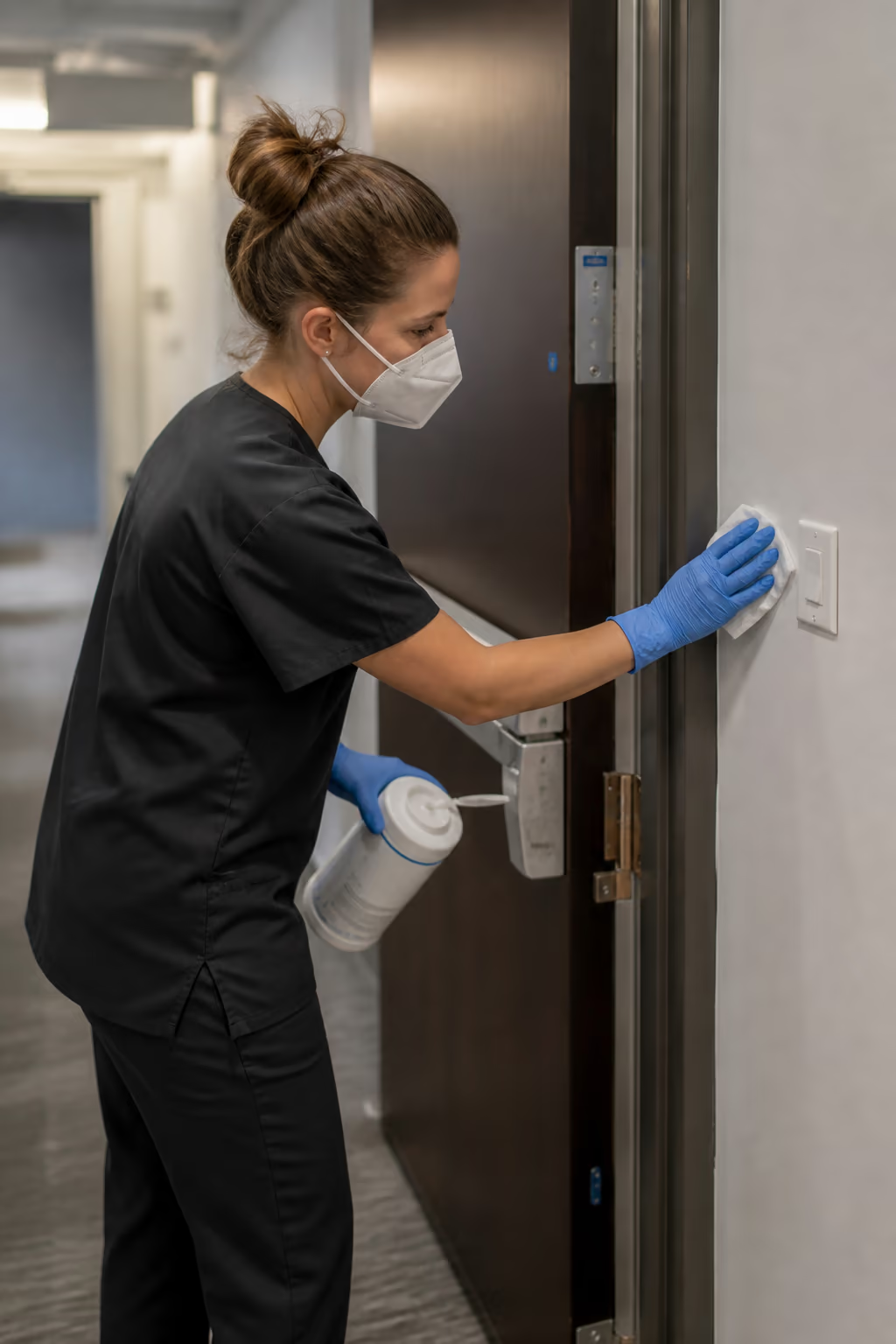
Norovirus, influenza, and similar viruses spread through shared surfaces. Response means disinfecting high-touch points across the whole space, not just the visible mess.
Post-Fire and Smoke Cleanup:
Soot and smoke residue need specialized products and equipment to remove safely and to keep odours from settling into fabric and upholstery.
In every case, the common thread is that a trained professional understands the hazard and works to the correct standard, which protects everyone who uses the space afterwards.
Each of these responses starts the same way: assess the hazard, protect people, and then clean to the standard the situation demands. The details differ, but the discipline is identical, and that discipline is what separates a professional response from a rushed one.
Choosing a Response Provider
When an emergency happens, the quality of the response depends on the crew you call. Here is what separates a professional provider from a casual operator:
The cheapest quote is rarely the best choice in an emergency. When the situation is already stressful and time-sensitive, you want a provider who has done this work before and carries the right equipment for the job. Compare capability first and price second. For context on standard rates outside of an emergency, our guide to typical commercial cleaning costs in Ottawa breaks down what routine service usually runs.
If you are comparing vendors before an emergency happens, our commercial cleaning company evaluation guide walks through the questions worth asking before you commit.
What to Do While You Wait for the Crew
The minutes before a professional crew arrives can still make a difference. A few simple actions limit the damage without putting anyone at risk:
- 01Cut the source of the problem if it is safe:turn off the water valve for a burst pipe or unplug appliances near a leak.
- 02Move valuable items away from the affected area:electronics, documents, and furniture that can be lifted out of harm's way usually should be.
- 03Do not touch unknown chemicals or stand in standing water where power may be live.
- 04Keep people out of the affected zone so the situation does not spread or cause injury.
- 05Take photos of the damage before cleanup begins so you have a clear record.
Your first instinct may be to start scrubbing, but the best move is usually to protect what you can and let the professionals handle the cleanup with the right equipment and process. Above all, do not put anyone at risk to save a few minutes of professional time. A cleanup that starts five minutes sooner is not worth a slip, an exposure, or a damaged electrical system. Safety comes first, and the crew will take it from there.
Formatted Step-by-Step Emergency Response Checklist
Use this checklist when an emergency hits your facility:
- Step 1.Secure the Scene and Call for Help:Turn off any safe water or power source, keep people clear, and contact your emergency cleaning provider immediately.
- Step 2.Protect Valuable Contents:Move electronics, documents, and furniture out of the affected area, and take photos for your records.
- Step 3.Let Professionals Extract Water and Contain Spills:Trained technicians use commercial equipment to remove bulk water or contain a spill before it spreads.
- Step 4.Disinfect Affected Surfaces to Health Canada Standard:Use a registered disinfectant applied at the correct dwell time across all affected hard surfaces.
- Step 5.Dry, Monitor, and Document:Air movers and dehumidifiers dry the space, moisture readings confirm it, and the crew records the work for your files.
- Step 6.Contracting professional commercial janitorial services in Ottawa through Good Cleaner Co. gives you a vetted rapid-response partner for emergencies and day-to-day coverage.
Emergency Cleaning Across Ottawa
Ottawa's winter and spring weather creates its own share of emergencies, from ice-dam leaks in older buildings to flooded basements during snow melt. Whether your facility is downtown, in Kanata, Nepean, Barrhaven, or Orleans, the response is the same: a crew that can reach you quickly, work to a professional standard, and get your space back in service. Good Cleaner Co. serves commercial clients across the city with the same trained team for scheduled and emergency work. Smaller operators can find a full breakdown of options in our guide to commercial cleaning for small businesses.
Start With a Site Walkthrough
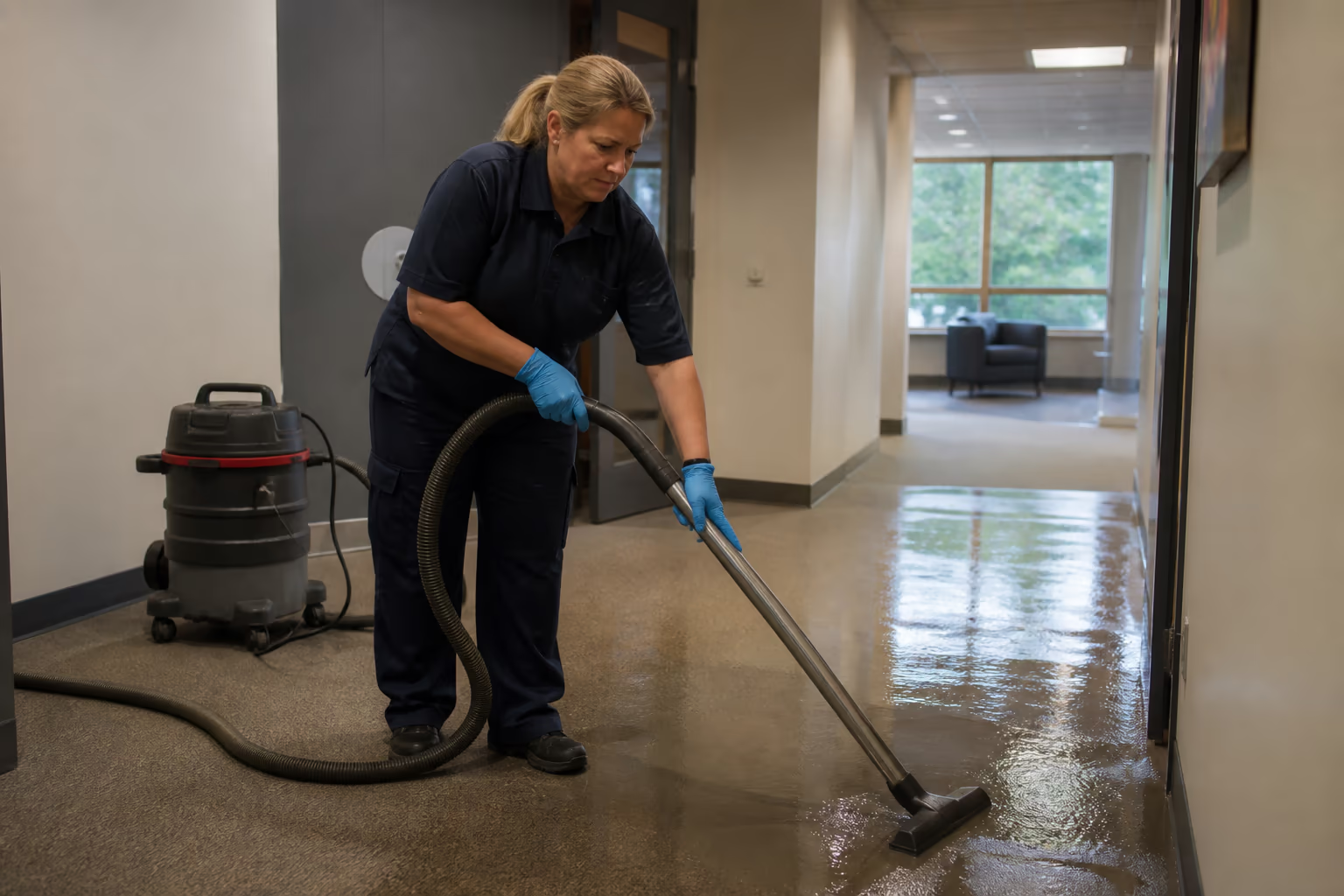
Before changing a routine for an affected business area, walk the space at the time it is actually used. Note the immediate hazard, the people nearby, and which trades need notice. A plan based on a quiet room at noon can fail during a busy morning, after a delivery, or at the end of a shift.
- Identify the surfaces and high-traffic points before selecting a product or tool.
- Set the order of work so clean areas are not re-soiled by a later task.
- Confirm where supplies, waste, and damp cloths can be stored safely between visits.
Choose a few visible priorities instead of applying the same process everywhere. A spill, water intrusion, broken glass, or an after-hours incident may need different tools, timing, and drying time. The useful standard is a clean, orderly space that remains practical for the people who work there.
Write down the agreed tasks, frequency, access limits, and who can answer questions. That short record prevents a well-intended cleaning change from becoming an assumption about service, products, or responsibility.
Use Less Waste by Making the Routine More Precise
The practical way to keep people away from hazards and preserve useful information is to measure and prepare rather than use more product than the job needs. Follow the directions on a labelled product, use clean water and cloths, and change a tool when it is no longer doing useful work.
- Use a small, clearly labelled set of supplies instead of a collection of mystery bottles.
- Separate routine cleaning from any product used for a label-directed disinfection task.
- Replace worn pads, cloths, and brushes before they start spreading residue or scratching finishes.
Avoid turning an environmental choice into a blanket promise. A product still has to suit the surface, and a reusable tool still has to be washed and dried properly. Good housekeeping is specific: use the mildest compatible method, then stop when the task is complete.
For an Ottawa property, track the mess that actually arrives at the door or accumulates in the room. Salt, rain, slush, pollen, food crumbs, and ordinary paper clutter each call for a different response; no single bottle solves all of them.
Review the Result With the People Who Use the Space
After a few visits, review the response after the immediate work is complete. Ask whether the order of work makes sense, whether a surface is being missed, and whether the timing interrupts anyone. Specific observations are more useful than a vague request to make the place greener or cleaner.
- Check the result in normal lighting and at the time of day the area is busiest.
- Escalate damaged finishes, persistent moisture, and equipment faults instead of repeatedly cleaning around them.
- Keep the revised task list short enough that a new staff member can understand it without guessing.
Keep the review factual. A photograph of a recurring mark, a note about a wet-floor bottleneck, or a count of overflowing bins gives the next decision a practical basis. It also helps distinguish a cleaning issue from a maintenance problem such as a leak, damaged seal, or failing fixture.
If the scope needs to change, update it before the next visit. Clear expectations protect the space, the people doing the work, and the people relying on the result. That is more credible than a broad claim about perfection, safety, or environmental performance.
FAQ
What counts as an emergency commercial cleaning situation?
Water damage from leaks or flooding, chemical or bodily fluid spills, illness outbreaks, and post-fire or post-incident cleanup all count. The common thread is that delay makes the problem worse and the work needs professional equipment.
How quickly can an emergency cleaning crew respond?
Good Cleaner Co. offers rapid-response scheduling for urgent situations, and response time is confirmed when you call. The first 24 to 48 hours are the most important window for water damage, so speed is built into the process.
Will my business need to close while emergency cleaning happens?
It depends on the severity. Minor spills can often be handled in a contained area while the rest of the business keeps running. Major water damage or a wide outbreak may require closing the affected zone until it is cleaned, dried, and safe.
What equipment do professional emergency cleaners use that household tools cannot match?
Commercial water extractors, air movers, dehumidifiers, moisture meters, and HEPA vacuums. These tools remove bulk water quickly, dry hidden dampness, and verify that the space is actually dry rather than just surface-dry.
Is it safe for my staff to help clean up a spill?
For minor spills of known, low-hazard products, yes, with proper precautions. For unknown chemicals, bodily fluids, or any situation involving standing water near power, keep staff clear and call a professional team.
How is an outbreak response different from regular office cleaning?
An outbreak response is a focused disinfection of high-touch surfaces across the whole space, using registered disinfectants at the correct dwell time, rather than a general cleaning rotation. It targets the surfaces most likely to spread illness.
Do you provide emergency cleaning for residential properties too?
Our core emergency response work is for commercial and multi-unit facilities, and the same trained team supports residential clients through our house cleaning and deep cleaning services. Contact Good Cleaner Co. to discuss your situation.
How do I prepare my facility for a potential emergency?
Keep an emergency cleaning contact on file, know where your water shutoff valves are, and make sure someone on site knows the first steps: secure the scene, protect contents, and call for help. A little preparation shortens the response.
How do I get an emergency cleaning quote from Good Cleaner Co.?
Call Good Cleaner Co. directly for urgent situations so we can prioritize your call. For non-urgent planning, contact us online with your facility details and we will confirm coverage and response options for your location.
Wrapping Up
Emergency commercial cleaning is about being ready before you need it. A professional rapid-response team limits damage, protects the people in your building, and gets your business back to normal faster. Contact Good Cleaner Co. today to book janitorial cleaning teams in Ottawa, and ask about our emergency response options for your facility. For full-service coverage beyond emergencies, see our overview of top-notch commercial cleaning services in Ottawa.
Keep reading
More from Good Cleaner
Services that fit
- Janitorial Services in OttawaRecurring commercial janitorial services for offices, warehouses, retail and schools, with eco-friendly chemistry and background-checked staff.
- Professional Office Cleaning Services in OttawaNightly and after-hours office cleaning that keeps workplaces hygienic and productive between scheduled visits.
About the author
Service areas
- Ottawa
- Kanata
- Nepean
- Barrhaven
- Orleans