
10 Hidden Spots You Forget to Clean in Your Home (Complete Guide)
The spots that matter most in a home are rarely the ones you see. Dishwasher filters, refrigerator coils, cabinet tops, and window tracks all build up grime while you are busy wiping the countertops and vacuuming the living room. Over time, those neglected areas become reservoirs for dust mites, mould spores, and allergens that cycle straight back into the air you breathe. Tackle the ten spots below and you will notice better indoor air, fewer musty smells, and a home that feels genuinely clean rather than just tidy on the surface.

Quick Summary: Routine cleaning keeps the visible surfaces presentable, but the places you never think about quietly collect dust, grease, allergens, and bacteria. This guide uncovers the ten most overlooked hidden spots in a home, explains why each one matters, and gives you a simple maintenance schedule to keep them under control.
The Invisible Allergen Reservoirs in Modern Homes
When we clean our homes, our focus naturally lands on what is immediately visible: sparkling kitchen countertops, clear dining tables, vacuumed living room rugs, and freshly scrubbed bathroom sinks. However, dust, pet dander, grease, and micro-organisms have a habit of settling in out-of-sight areas that are rarely touched during routine weekly tidying.
Over time, these neglected hidden spots become concentrated reservoirs for dust mites, mould spores, and airborne allergens. In a Canadian climate where homes are sealed tightly against Ottawa winters for six months of the year, uncleaned hidden zones directly impact indoor air quality and heating efficiency. This guide reveals the ten most frequently overlooked cleaning spots in your home and provides step-by-step instructions to restore deep sanitation.
The good news is that none of these jobs are difficult. They just require a schedule, because a hidden spot cleaned once a year stays clean for about a month and then quietly starts building up again. The maintenance plan at the end of this guide turns all ten spots into a simple rotation.
Federal guidance points at the same mechanism. Health Canada's guidance on fine particulate matter describes indoor particulate as a mixture that includes pollen, fungal spores and chemical pollutants attached to particles, and lists cleaning with a mop, a damp cloth or a HEPA vacuum first among the ways to reduce indoor exposure. Health Canada states: “Ventilation can help reduce indoor fine particulate matter levels by removing emissions from indoor sources like cooking.”
Kitchen
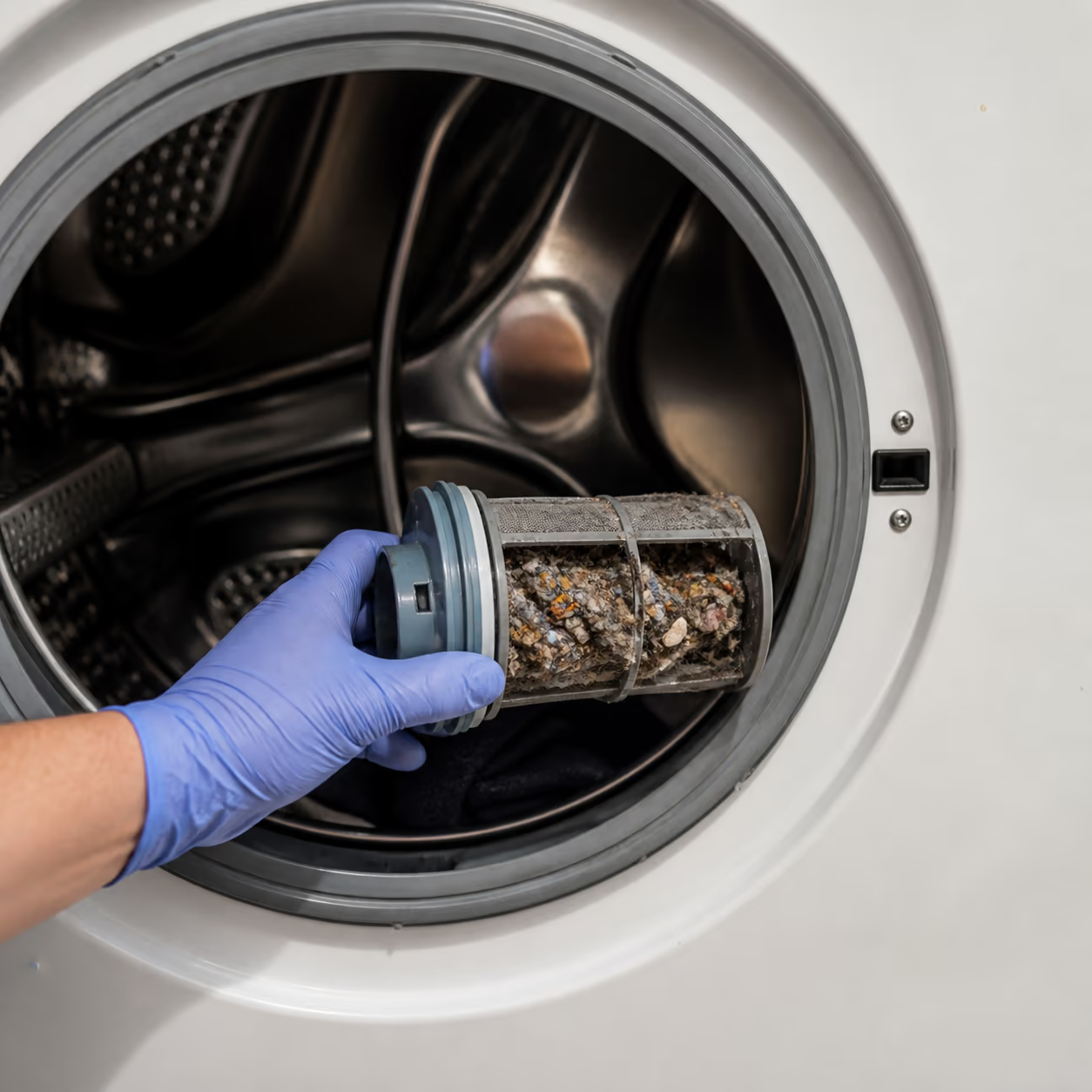
Dishwasher and Washing Machine Filter Traps
We assume that appliances designed to clean our dishes and clothes clean themselves, but their internal filters collect significant organic debris that you rarely see.
- Food Debris & Limescale Build-up:
- Dishwasher filters catch food particles, seeds, and grease to prevent drain clogs. Over time, warm moisture fosters bacterial biofilm and unpleasant odours. Similarly, washing machine coin traps accumulate lint, detergent scum, and stagnant water.
- How to Clean:
- Remove the dishwasher filter from the tub floor monthly, scrub it under hot running water with a soft brush and dish soap, and reinsert. For washing machines, drain the lower access pump, clean the filter screen, and run a hot maintenance cycle with washing soda.
Refrigerator Coils and the Space Behind Major Appliances
The heavy weight of refrigerators, stoves, and washing machines means the spaces behind and beneath them are seldom swept or vacuumed.
- Heat Retention & Energy Efficiency:
- Condenser coils located on the back or bottom of your refrigerator dissipate heat. When coated in a thick blanket of pet hair and dust, the compressor must work noticeably harder, which increases monthly electricity bills and shortens the appliance's lifespan.
- How to Clean:
- Unplug the refrigerator twice a year. Vacuum condenser coils using a narrow crevice tool or coil brush. Carefully pull the appliance forward to sweep and mop accumulated dust and dropped food crumbs from the floor underneath.
Tops of Kitchen Cabinets, Tall Shelves, and Door Frames
High horizontal surfaces above eye level are classic out-of-sight dust traps that almost nobody thinks to clean.
- Airborne Grease & Dust Binding:
- In kitchens, airborne cooking oil vapour rises and settles on top of upper cabinets. When mixed with ambient dust, it forms a sticky, yellowish film that is exceptionally difficult to remove if left uncleaned for months.
- How to Clean:
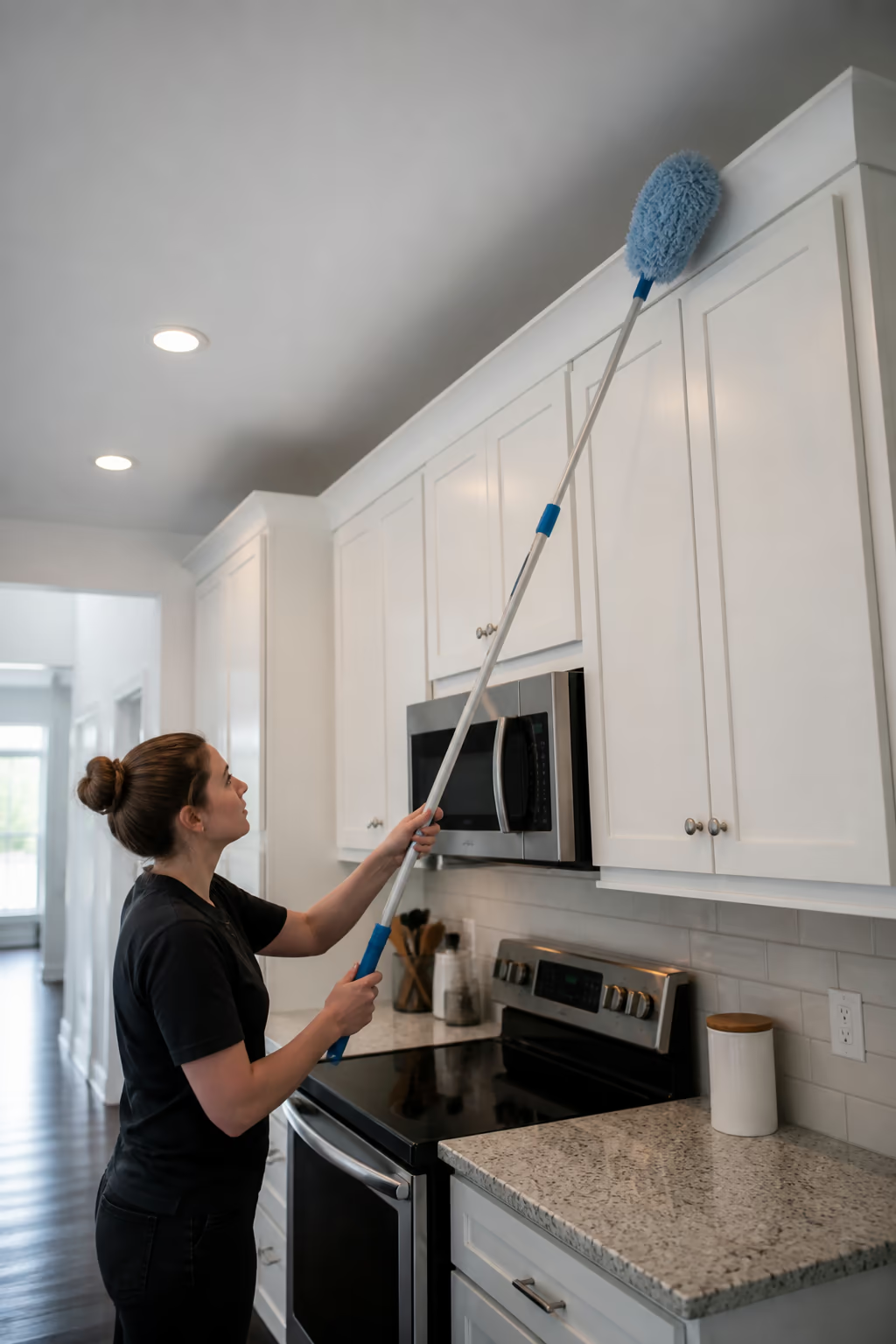
- Use a sturdy step ladder and a damp microfibre cloth treated with a degreasing solution to wipe cabinet tops. To make future maintenance effortless, line the tops of upper cabinets with wax paper or newspaper, changing the sheets every six months.
Inside Trash Cans, Recycling Bins, and Compost Holders
While we replace plastic trash bags regularly, liquid leaks, food splatters, and organic residue frequently seep into the bottom of indoor waste containers.
- Bacterial Biofilms & Pests:
- Stagnant liquid inside kitchen trash cans breeds unpleasant odours, fruit flies, and bacterial biofilm. Simply inserting a new bag does not eliminate embedded smells or bacterial residue.
- How to Clean:
- Wash trash cans and compost caddies monthly. Take them outside or into the bathtub, scrub with hot soapy water and a disinfectant spray, and allow them to dry completely in the sun before re-lining.
Bedrooms & Living Rooms
Underneath Mattresses, Bed Frames, and Couch Cushions
Bedrooms and living rooms are primary relaxation zones, but beneath mattresses and couch cushions lie some of the densest allergen collections in the home.
- Skin Flakes & Dust Mites:
- Humans constantly shed skin cells while sleeping or lounging. Those flakes drop through mattress weaves and couch cushion seams, providing an abundant food supply for dust mites that thrive in warm, undisturbed fabric.
- How to Clean:
- Remove couch cushions quarterly to vacuum crumbs and dust from the base fabric. When changing bed linens, vacuum under the bed frame, rotate the mattress, and use an upholstery attachment to vacuum mattress seams and box springs.
High-Touch & Airflow
Light Switches, Door Handles, and Remote Controls
Frequently touched fixtures accumulate skin oils, grime, and environmental bacteria without displaying obvious dirt.
- Germ Transmission Vectors:
- Light switch plates, bedroom door handles, cabinet pulls, and remote control keypads are touched dozens of times daily by multiple household members and guests.
- How to Clean:
- Wipe all switch plates, door knobs, and remotes weekly using a microfibre cloth lightly dampened with an alcohol-based disinfectant. Never spray liquid directly onto electrical switches or electronic remotes.
Baseboards, Floor Registers, and HVAC Vent Grilles
Baseboards run along the floor perimeter of every room, collecting settled dust and shoe scuffs that vacuum cleaners miss.
- Air Distribution Contamination:
- Floor registers and air return grilles accumulate thick lint blankets. When your home heating or air conditioning turns on, airflow blows dust from dirty grilles back into your living space.
- How to Clean:
- Vacuum baseboards with a brush attachment, then wipe with a damp microfibre cloth. Remove floor register covers twice a year, wash them in warm soapy water, and vacuum inside the accessible duct openings.
Bathroom
Shower Curtains, Bath Mats, and Tile Grout Lines
Bathrooms stay warm and humid, creating an ideal environment for mildew spores and soap scum accumulation.
- Mildew & Soap Scum Layering:
- Vinyl shower liners collect pink bacteria and black mildew along the bottom hem. Bath mats absorb floor moisture and dead skin cells, becoming damp breeding grounds for fungi.
- How to Clean:
- Wash fabric bath mats and plastic shower liners in the washing machine monthly with warm water and a cup of white vinegar. Scrub tile grout lines with a stiff brush and an oxygen bleach paste.
Entry & Laundry
Reusable Shopping Bags and Pet Bedding
Items brought into the home from outside or used continuously by pets accumulate dirt rapidly.
- External Bacterial Transport:
- Reusable grocery bags carry juices from raw meat packages and unwashed produce. Pet beds collect fur, dander, outdoor mud, and saliva.
- How to Clean:
- Wash cloth grocery totes in the washing machine after carrying fresh groceries. Launder removable pet bed covers every two weeks in hot water to reduce fleas, dander, and pet odours.
Windows
Window Tracks, Blind Slats, and Curtain Rods
Window sills and blinds frame our view of the outdoors, yet their intricate tracks and slats collect airborne outdoor dust, insect debris, and condensation moisture.
- Condensation & Mould Growth:
- In cold Ottawa winters, warm indoor air condenses on cold window glass. Moisture runs down into window tracks, creating trapped pools where black mould thrives.
- How to Clean:
- Vacuum window tracks with a narrow crevice nozzle. Sprinkle baking soda into stubborn dirt, spray lightly with water or vinegar, let it fizz for a few minutes, and wipe clean with cotton swabs or a microfibre cloth. Wipe individual blind slats with a damp cloth.
Practical planning for this situation
For a household, start with the actual task: hidden places people miss while cleaning. Write down light switches, cabinet tops, appliance handles, vents, baseboards, and the places that collect dust without being seen. That prevents a broad label from replacing the details that determine safe, useful work.
Decide which work belongs in the regular routine and which needs extra time, access, or approval. A practical scope lets another person understand the job without relying on a branded promise.
Seasonal considerations in Ottawa
Local conditions deserve attention when they change the task. Here, winter closed-window dust and spring pollen can make overlooked ledges more noticeable. Review the space before changing products, equipment, or frequency.
A short review is enough: name what has changed, identify the affected area, and choose a response that fits the material and the people using the space.
Safe, responsible cleaning
Follow product labels and equipment instructions, and choose a method that suits the material. Keep people away from wet or actively cleaned areas.
Pause when access, a surface, or a safety requirement is unclear. Asking before continuing protects the property and the people using it better than a shortcut.
How to review the routine
Describe the current condition in plain language before altering the routine. Begin with light switches, cabinet tops, appliance handles, vents, baseboards, and the places that collect dust without being seen. This keeps the decision tied to the space instead of a generic checklist.
Ask a person who uses the area what creates the most friction. It may be a difficult entry, a storage issue, a time when work cannot happen, or a finish that needs a gentler method.
Try one visible adjustment at a time. Record why it was made, the area it affects, and what a satisfactory result looks like. That makes the next review much easier.
Keep feedback specific: name the room, surface, timing, and expected result. Clear notes help people work through a problem without blame or vague expectations.
Revisit the plan after a change in use, condition, or season. A routine should be stable enough to follow and flexible enough to remain useful.
FAQ
How can I prevent dust from building up on top of kitchen cabinets?
After degreasing the tops of your upper kitchen cabinets, cover the surface with overlapping sheets of wax paper or parchment paper. Every six months, simply lift and replace the paper sheets without scrubbing.
Is mould in window tracks dangerous to indoor air quality?
Yes. Mould spores trapped in damp window sills can become airborne when windows or heating vents circulate air, irritating allergies and respiratory conditions. Clean tracks promptly using a vinegar solution or an anti-mould cleaner.
How do professional cleaning companies in Ottawa handle hidden cleaning spots?
Professional cleaning teams use structured multi-point checklists, high-reach telescoping dusters, commercial HEPA vacuums, and specialized surface-safe degreasers to systematically clean hidden areas that standard tidying misses.
What are the benefits of scheduling a seasonal deep clean with Good Cleaner Co.?
A seasonal deep clean with Good Cleaner Co. clears accumulated dust reservoirs, sanitizes high-touch fixtures, cleans hidden appliance areas, improves indoor air quality, and maintains long-term home value across all Ottawa neighbourhoods.
How often should I really clean my refrigerator coils?
Twice a year is a good target for most homes. If you have pets that shed, plan to vacuum the coils more often, because pet hair builds up quickly and makes the compressor work harder.
Why does my dishwasher sometimes smell even after a cycle?
The filter and the seal around the door often hold food debris and biofilm. Clean the filter monthly, wipe the door seal, and run a hot maintenance cycle with washing soda or a dishwasher cleaner to clear the odour.
Do I need to clean behind my washer and dryer?
Yes, at least twice a year. Lint and dust collect behind and beneath them, which can affect airflow and, in the case of dryers, add to the risk of lint build-up. Vacuum the area and wipe the floor while the machines are pulled forward.
What is the fastest way to clean window tracks?
Vacuum the tracks first with a narrow crevice nozzle, then sprinkle baking soda into the stubborn dirt, spray lightly with water or vinegar, let it fizz briefly, and wipe clean with cotton swabs or a microfibre cloth.
Is a professional deep clean worth it if I clean regularly?
For most people, yes. A professional deep clean reaches the spots that regular cleaning misses, resets the whole house twice a year, and is especially useful before winter and after summer humidity. If you are weighing the numbers first, our page on what cleaning services cost in Ottawa breaks down what typically goes into a quote.
Wrapping Up
By systematically tackling these ten hidden spots, from appliance filters and cabinet tops to window tracks and baseboards, you eliminate allergen traps and elevate your home's hygiene. When you want a thorough, hassle-free deep clean, contact Good Cleaner Co. for a free residential cleaning estimate in Ottawa.
Keep reading
More from Good Cleaner
About the author
Service areas
- Ottawa
- Centretown
- Sandy Hill
- Barrhaven
- Kanata
- Orleans